Transaction Application Language – TAL on HP HPE Nonstop mainframes (previously Tandem)

Transaction Application Language

Programming language

Tandem TAL - Visual Studio Marketplace
TAL User Defined Language for Notepad++ | sybond/project
Transaction Application Language – TAL on HP HPE Nonstop mainframes (previously Tandem)

Transaction Application Language or TAL is a block-structured, procedural language optimized for use on Tandem hardware. TAL resembles a cross between C and Pascal. It was the original system programming language for the Tandem Computers CISC machines, which had no assembler.

Source: Wikipedia

Transaction Application Language or TAL (originally “Tandem Application Language”) is a block-structured,[1] procedural language optimized for use on Tandem (and later HP NonStop) hardware. TAL resembles a cross between C and Pascal. It was the original system programming language for the Tandem Computers CISC machines, which had no assembler.[2]

Transaction Programming Language (TAL)
ParadigmBlock-structured procedural language
DeveloperHewlett-Packard Enterprise (originally Tandem Computers)
First appearedmid 1970s
PlatformMIPS, Itanium, x86-64
OSNonStop OS
LicenseProprietary commercial software
File formatsunstructured, Enscribe, NonStop SQL/MP, NonStop SQL/MX
Dialects
TAL, pTAL, epTAL
Influenced by
ALGOL, Pascal, C

The design concept of TAL, an evolution of Hewlett-Packard‘s SPL, was intimately associated and optimized with a microprogrammed CISC instruction set. Each TAL statement could easily compile into a sequence of instructions that manipulated data on a transient floating register stack. The register stack itself floated at the crest of the program’s memory allocation and call stack.

The language itself has the appearance of ALGOL or Pascal, with BEGIN and END statements. However, its semantics are far more like C. It does not permit indefinite levels of procedure nesting, it does not pass complex structured arguments by value, and it does not strictly type most variable references. Programming techniques are much like C using pointers to structures, occasional overlays, deliberate string handling and casts when appropriate.

Available datatypes include 8-bit, 16-bit, 32-bit and (introduced later) 64-bit integers.[3] Microcode level support was available for null terminated character strings. However, this is not commonly used.

Originally the Tandem NonStop operating system was written in TAL. Much of it has since been rewritten in C and TAL has been deprecated for new development.

In the migration from CISC to RISC, TAL was updated/replaced with pTAL – compilers allowed TAL to be re-compiled into Native RISC Applications. Later, the epTAL compiler was introduced for Itanium processors.
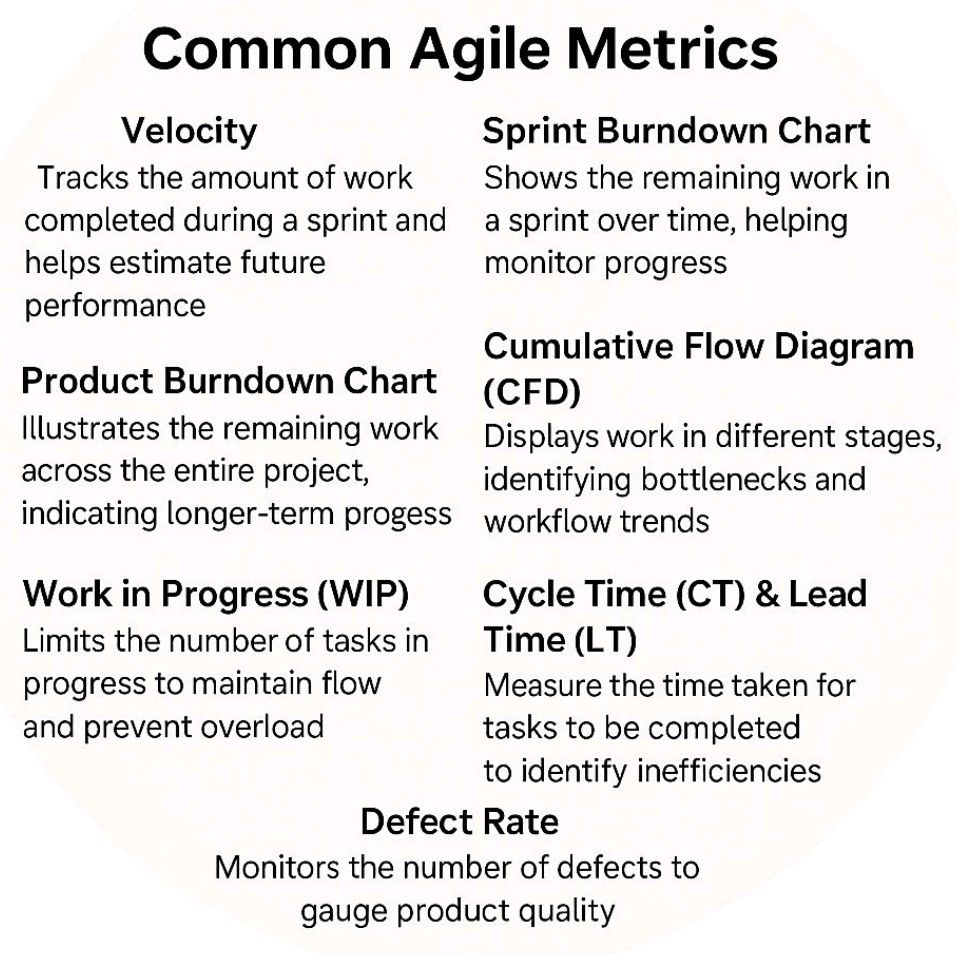
Common Agile Metrics

Common Agile Metrics

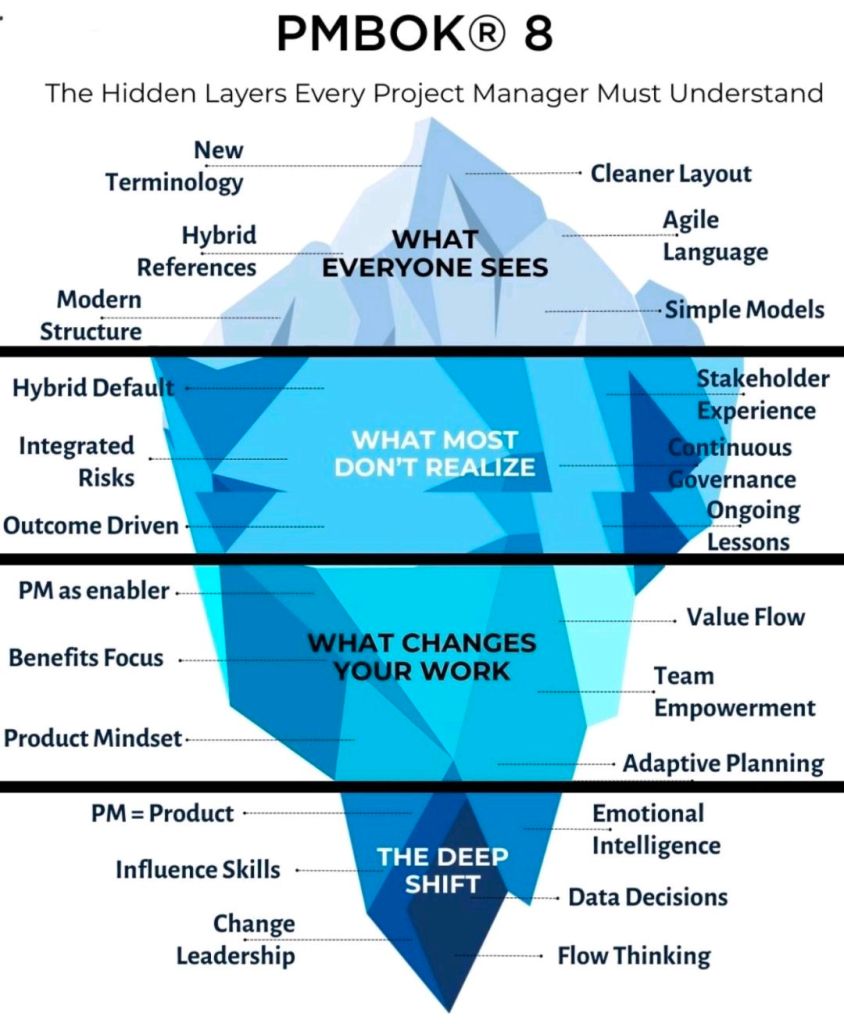
PMBOK 8 – The Hidden Layers

PMBOK 8 – The Hidden Layers

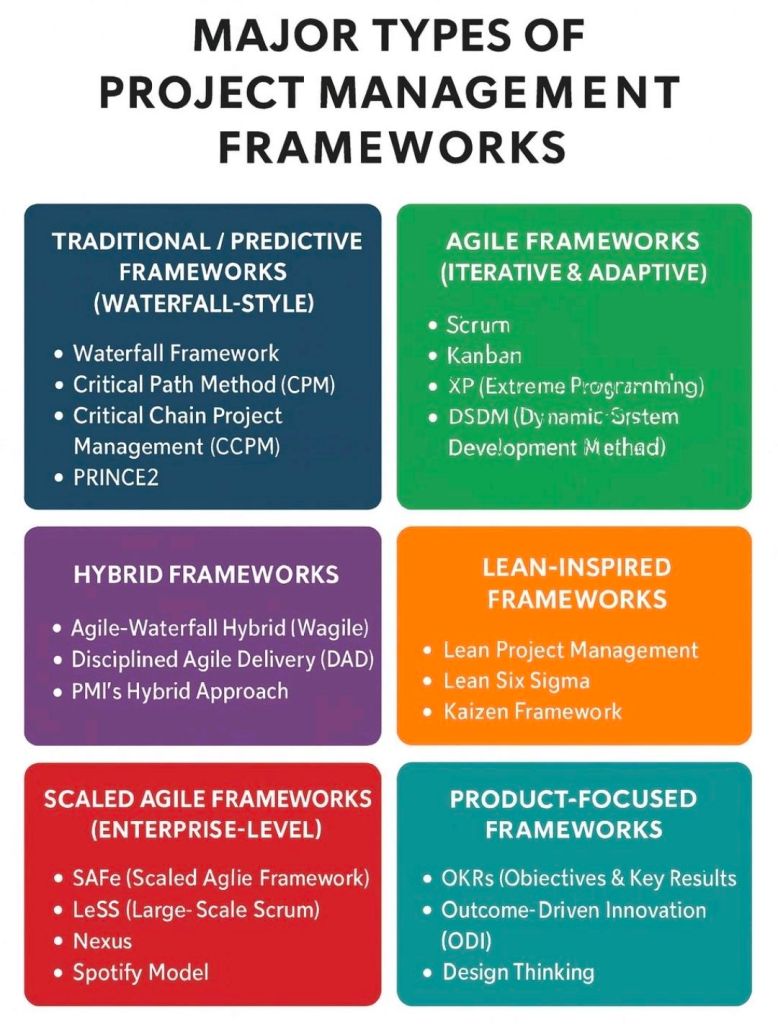
Major Types of Project Management Frameworks

Major Types of Project Management Frameworks

Agile Scrum Anti-Patterns

Agile Scrum Anti-Patterns

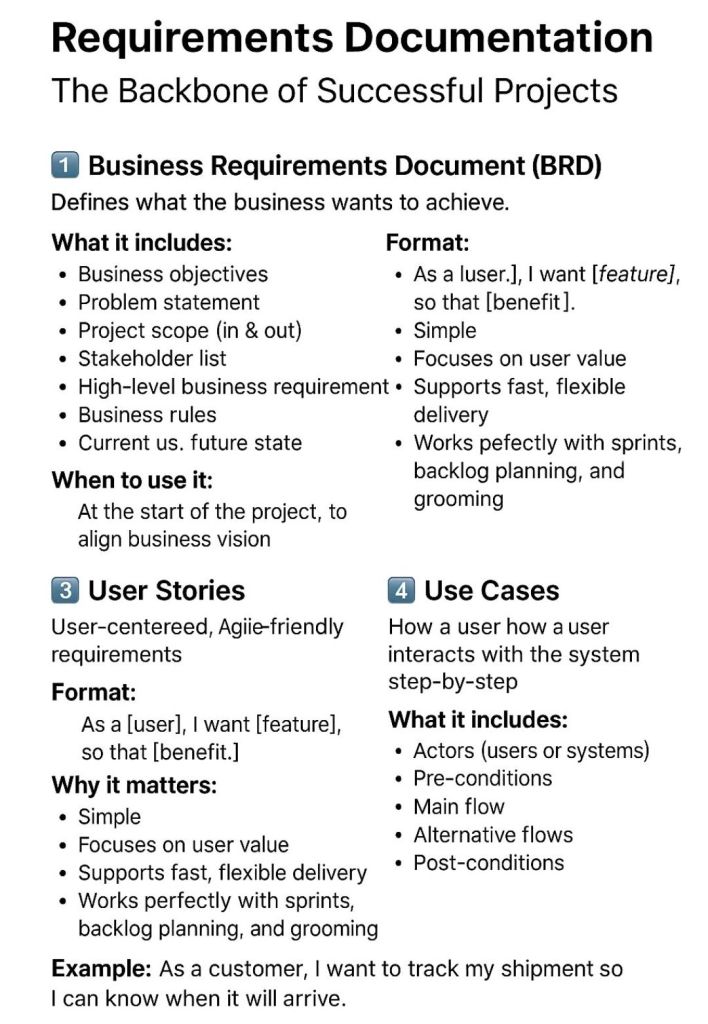
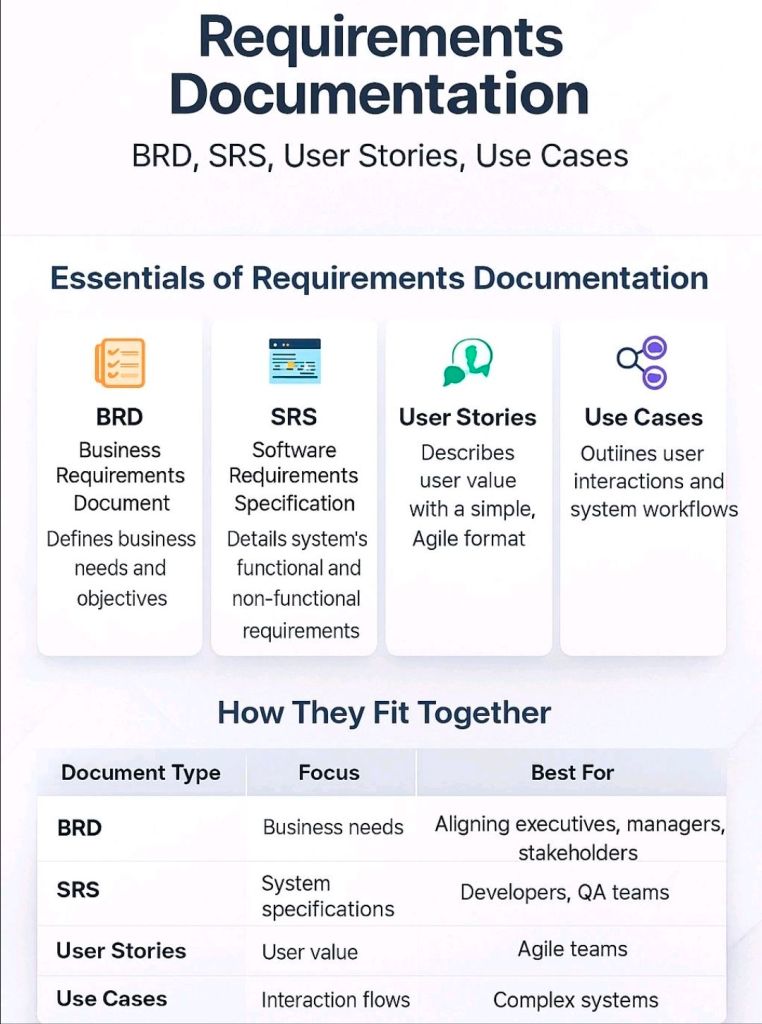
Requirements Documentation – BRD, SRS, User Stories and Use Cases

Requirements Documentation – BRD, SRS, User Stories and Use Cases

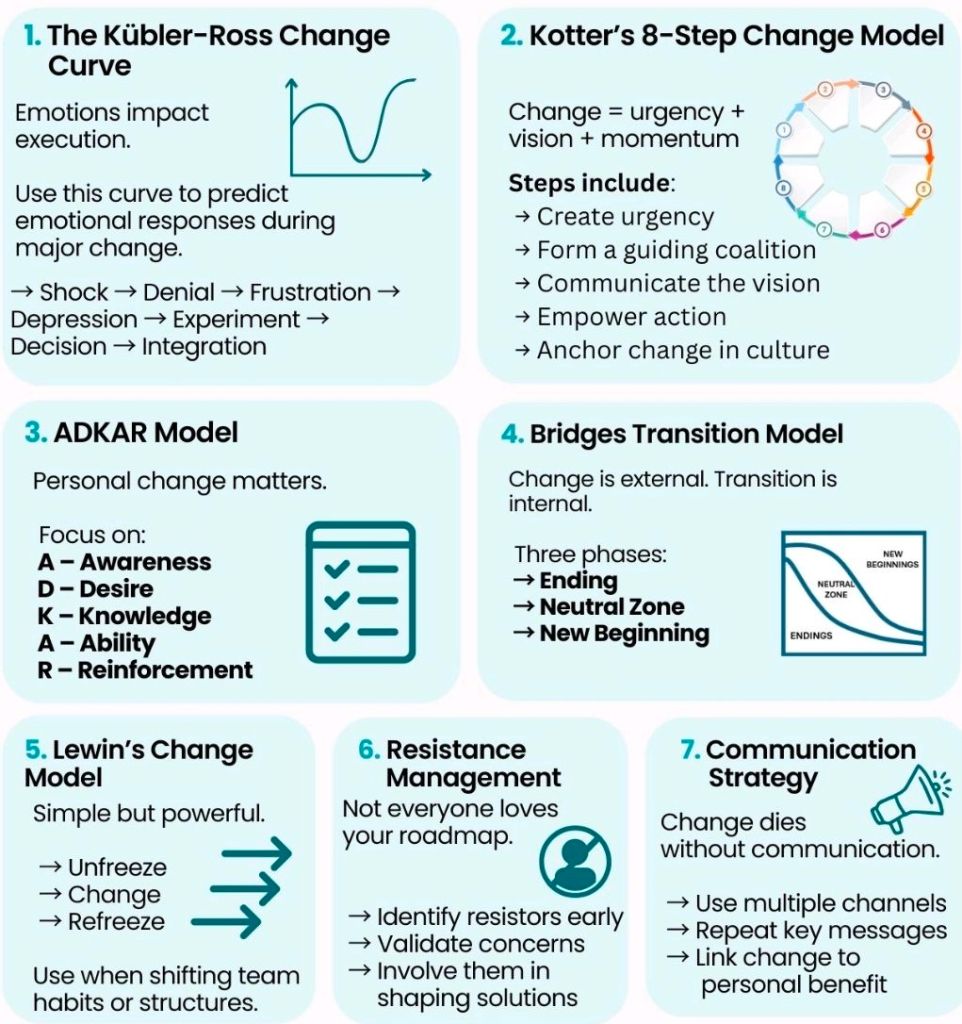
Change Management ideas for Program Managers

Change Management ideas for Program Managers

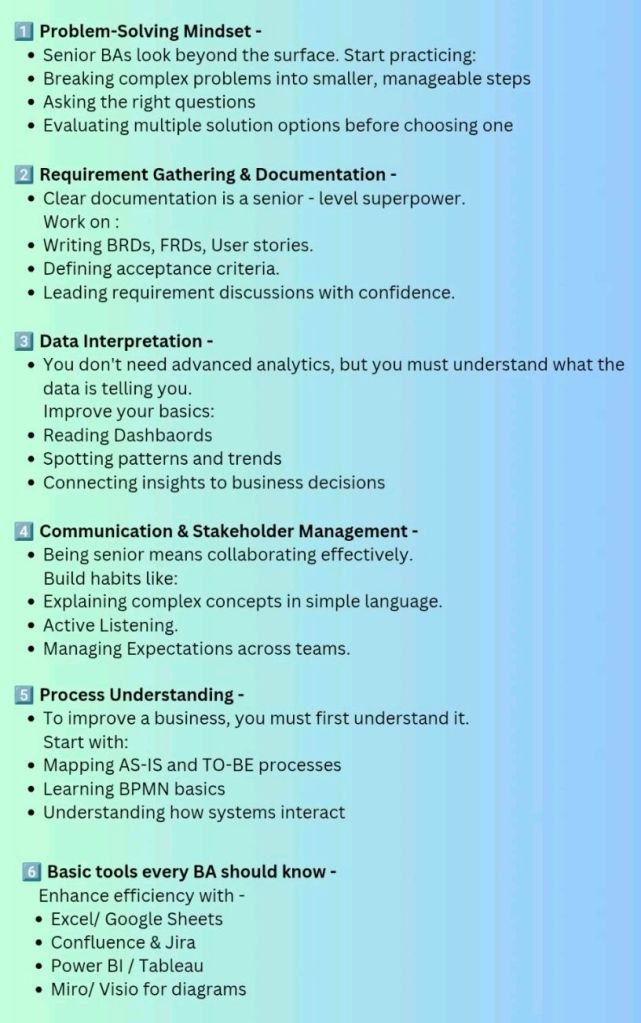
Senior Business Analyst BA starts with strong basics

Senior Business Analyst BA starts with strong basics

Aligning PMO with PMBOK 8

Aligning PMO with PMBOK 8

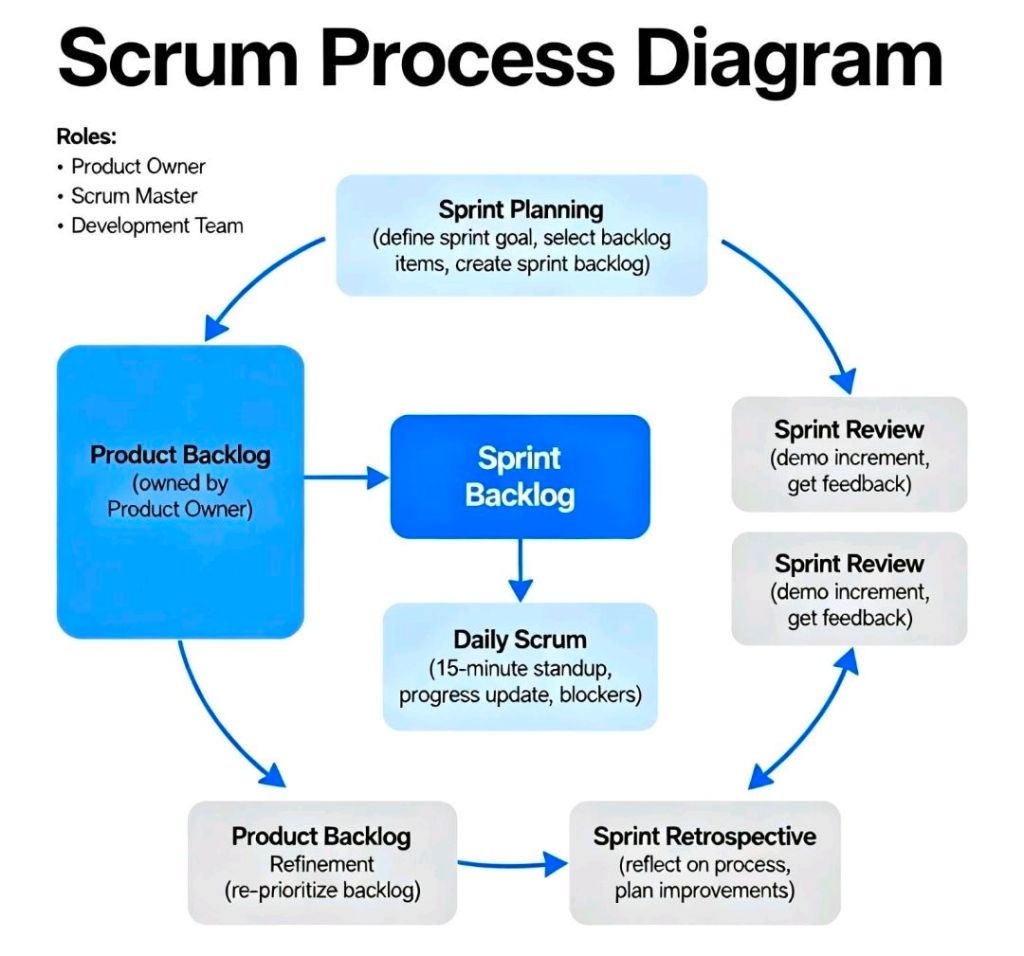
Agile Scrum Process Design

Agile Scrum Process Design

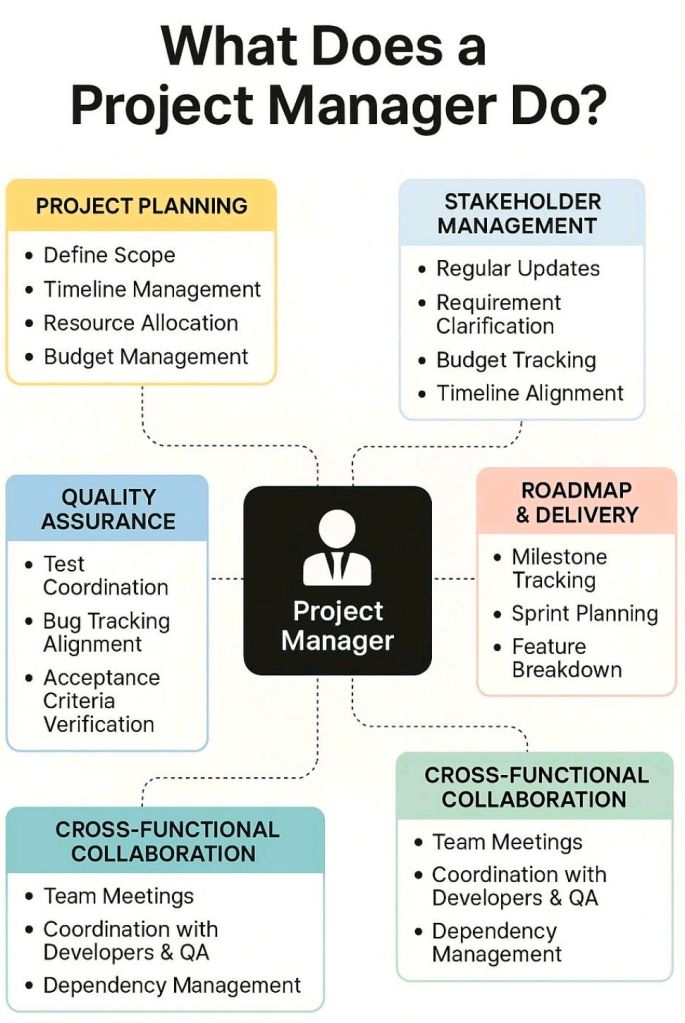
The Role of a Project Manager, an Overview

The Role of a Project Manager, an Overview

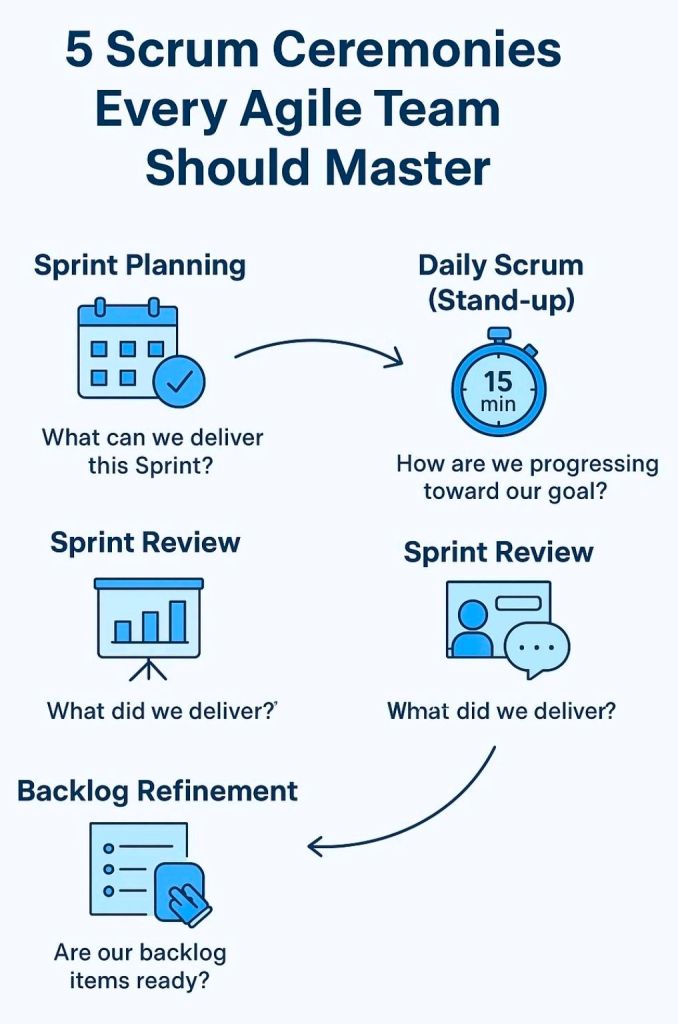
Five Agile Scrum Ceremonies every Agile Team should Master

Five Agile Scrum Ceremonies every Agile Team should Master

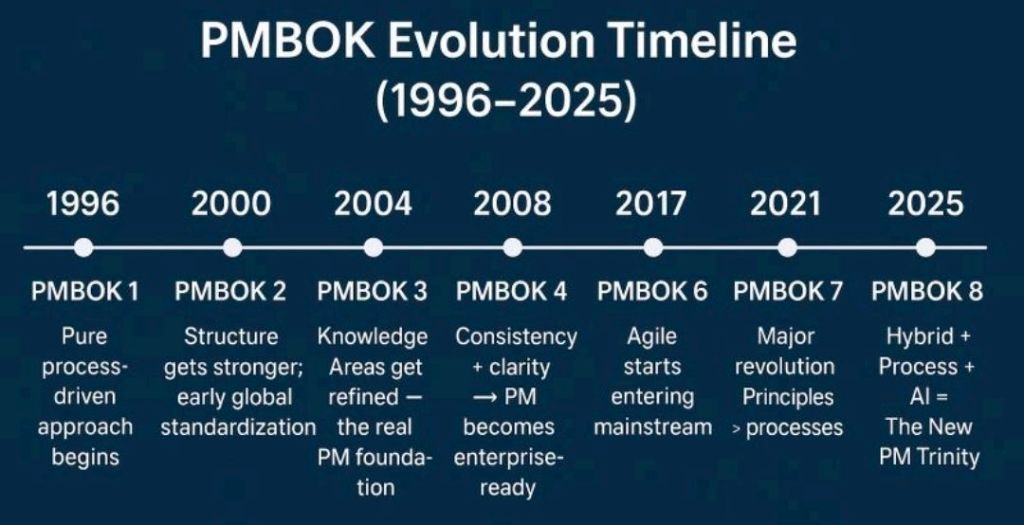
PMBOK Evolution Timeline – 1996 to 2025

PMBOK Evolution Timeline – 1996 to 2025

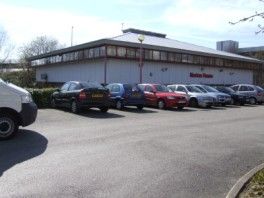
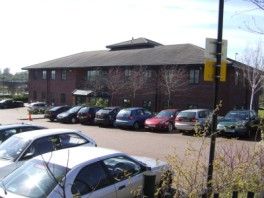
sp/ARCHITECT-BANK – developed by a Runcorn-based software house called The Software Partnership (later acquired by Deluxe Data in 1994)

“sp/architect nonstop tandem” refers to SP/ARCHITECT-BANK, an electronic banking software that ran on the highly available, fault-tolerant Tandem NonStop servers (now part of the Hewlett Packard Enterprise, or HPE, NonStop product line). 

SP/ARCHITECT-BANK Software

  • Function: Developed as an electronic banking software package, it enabled functions like desktop access to company accounts, inter-account transfers, and bookkeeping, which was considered cutting-edge in the early 1990s.
  • Developer: The software was developed by a Runcorn-based software house called The Software Partnership (later acquired by Deluxe Data in 1994).
  • Users: Various banks, including TSB, Bank of Scotland, Rabobank, and Girofon (Denmark), used the software. 

Tandem NonStop Servers

The NonStop servers, originally from Tandem Computers Inc., are known for their extreme reliability and scalability, making them suitable for mission-critical applications in finance, telecommunications, and retail. 

Key architectural features include:

  • Fault Tolerance: The systems use redundant components (processors, storage, controllers, power supplies) with a “shared-nothing” architecture to ensure continuous operation even if a component fails.
  • Operating System: They use a proprietary, message-based operating system, the NonStop Kernel (NSK, originally Guardian), which manages fault detection and failover automatically, without human intervention.
  • Current Status: Tandem was acquired by Compaq in 1997, and Compaq was subsequently acquired by HP in 2002. The NonStop product line is now offered by Hewlett Packard Enterprise (HPE). More information is available on the HPE website

The Software Partnership (later acquired by Deluxe Data in 1994)

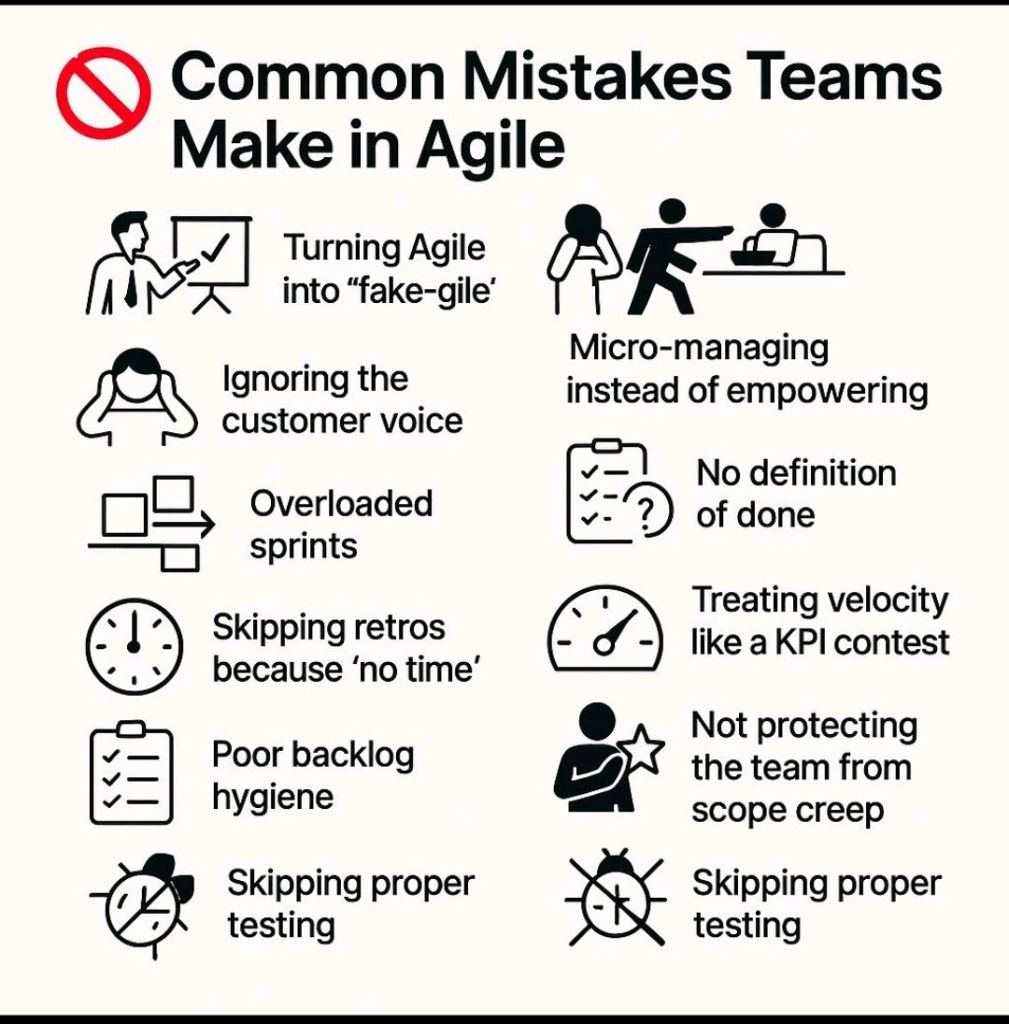
Mistakes Teams Make in Agile

Mistakes Teams Make in Agile

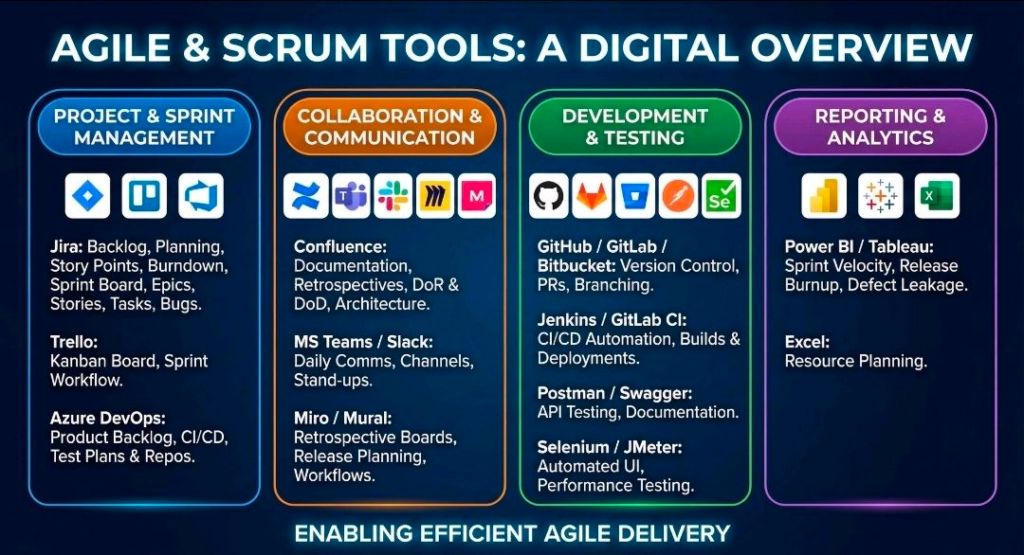
Agile & Scrum Tools, a Digital Overview

Agile & Scrum Tools, a Digital Overview

Trafford Centre, Manchester, early hours

Trafford Centre, Manchester, early hours

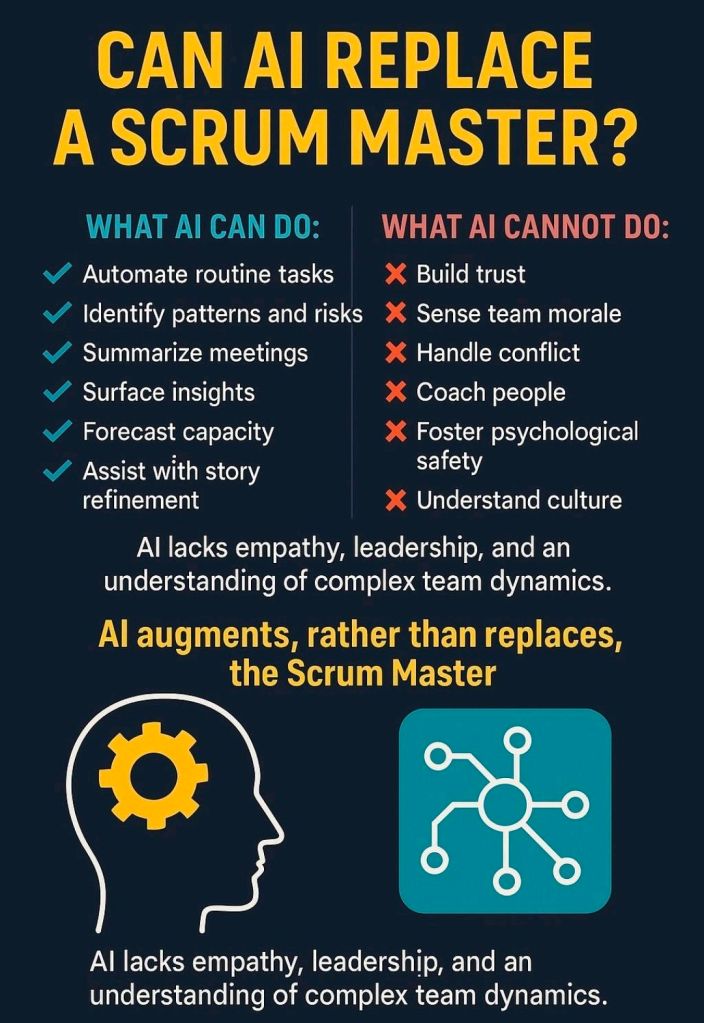
Can AI replace an Agile Scrum Master

Can AI replace an Agile Scrum Master

User Story Creation for Scrum Masters

User Story Creation for Scrum Masters

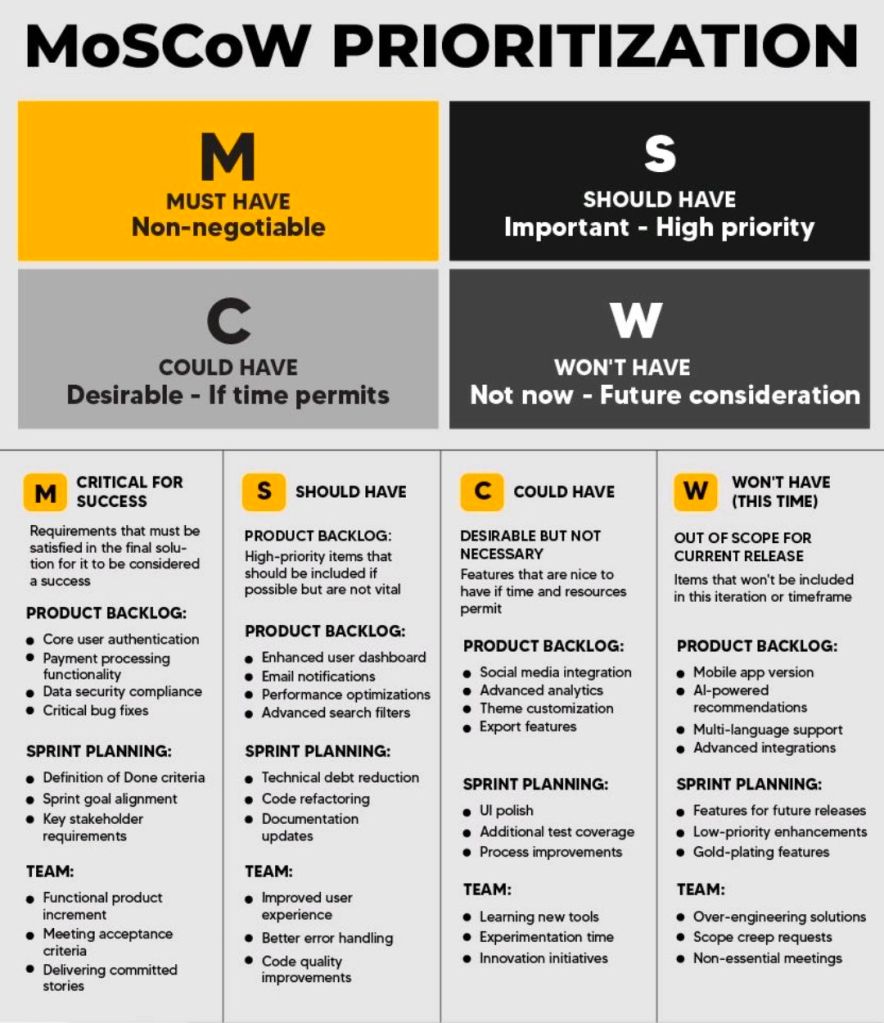
MoSCoW Prioritization

MoSCoW Prioritization