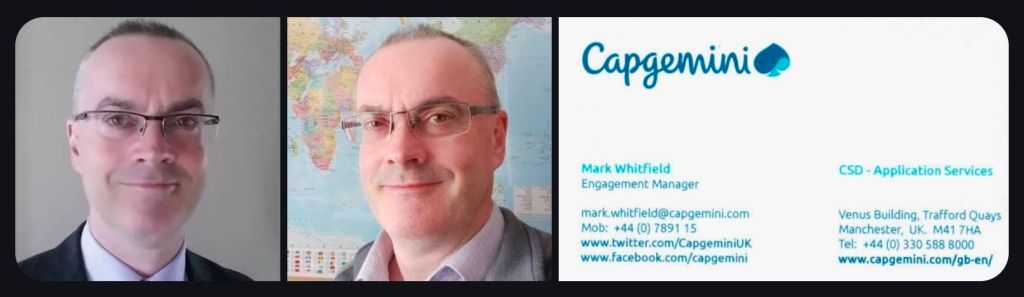
You can review or download the targeted, one-page CV for Mark Whitfield (Senior Project Manager specializing in HPE NonStop systems) via the Mark Whitfield CV PDF link.
Mark Whitfield, High-Level Project Management Summary
The high-level, scannable overview of his professional profile is outlined below:
Executive Profile
Role: IT Senior Project Manager / Delivery Lead
Background:30+ years of experience delivering highly complex technology, business transformation, and infrastructure projects.
Core Skills: Cloud migration (hybrid), legacy ATM software modernisation, Point of Sale (POS) implementations, and software development lifecycles (SDLC).
Methodologies: Agile, Waterfall, PRINCE2 Practitioner, and ITIL certified.
Core Expertise & Competencies
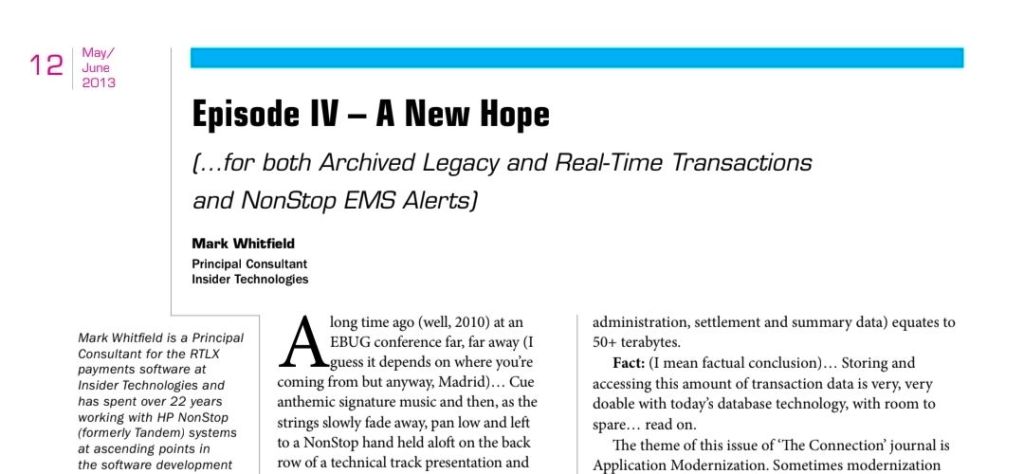
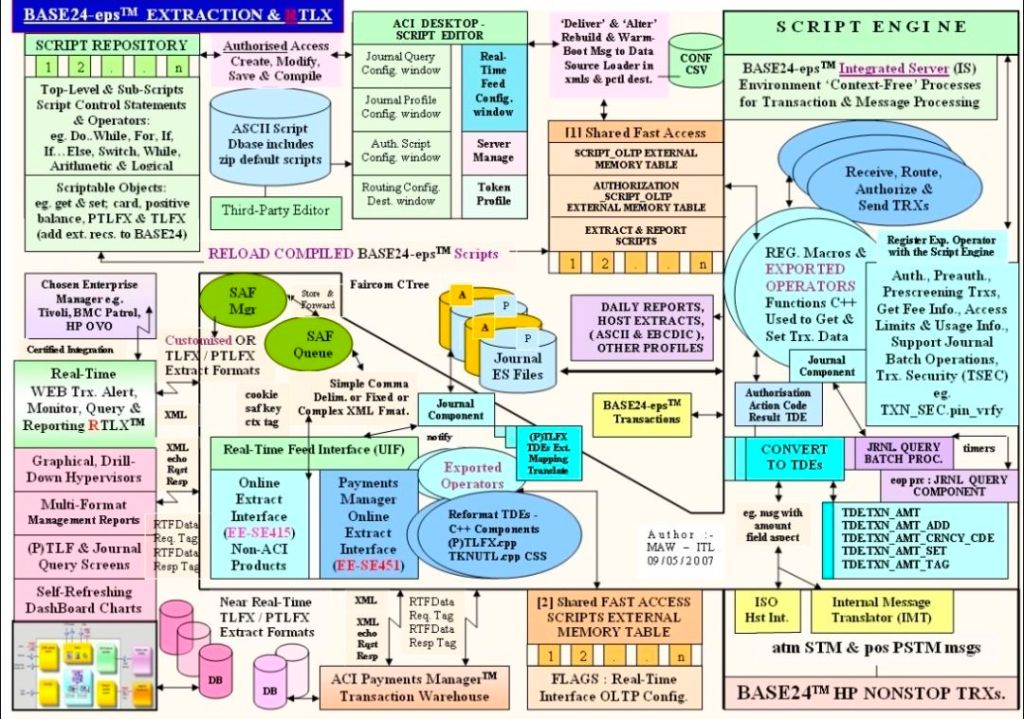
HP NonStop & Legacy Integration: Deep technical roots in Tandem Computers/ HPE NonStop development, TAL programming, and high-volume transaction environments.
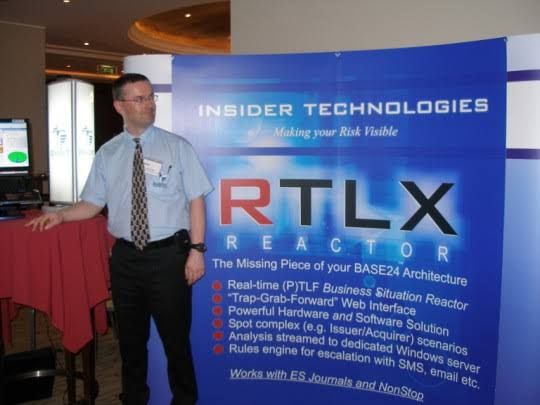
Global Delivery: Managed large-scale IT and system monitoring rollouts across the UK and international markets (e.g., Saudi Arabia).
Stakeholder Management: Experienced in bridging the gap between highly technical development teams and high-level business stakeholders.
For direct access to his official templates, articles, and full professional journey, you can visit the PROject Templates Website.
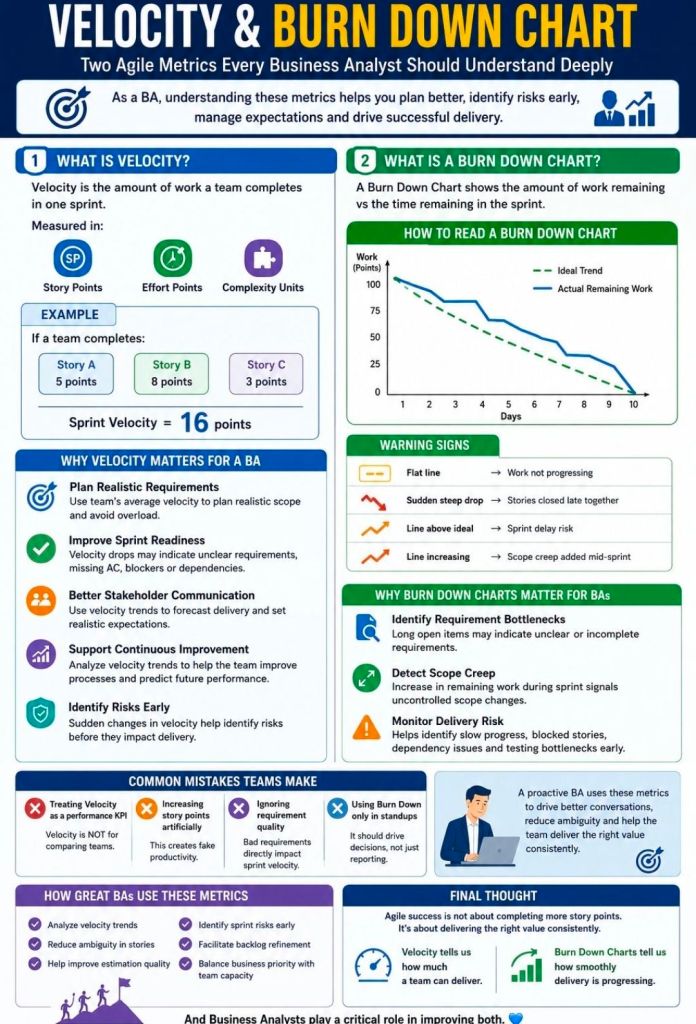
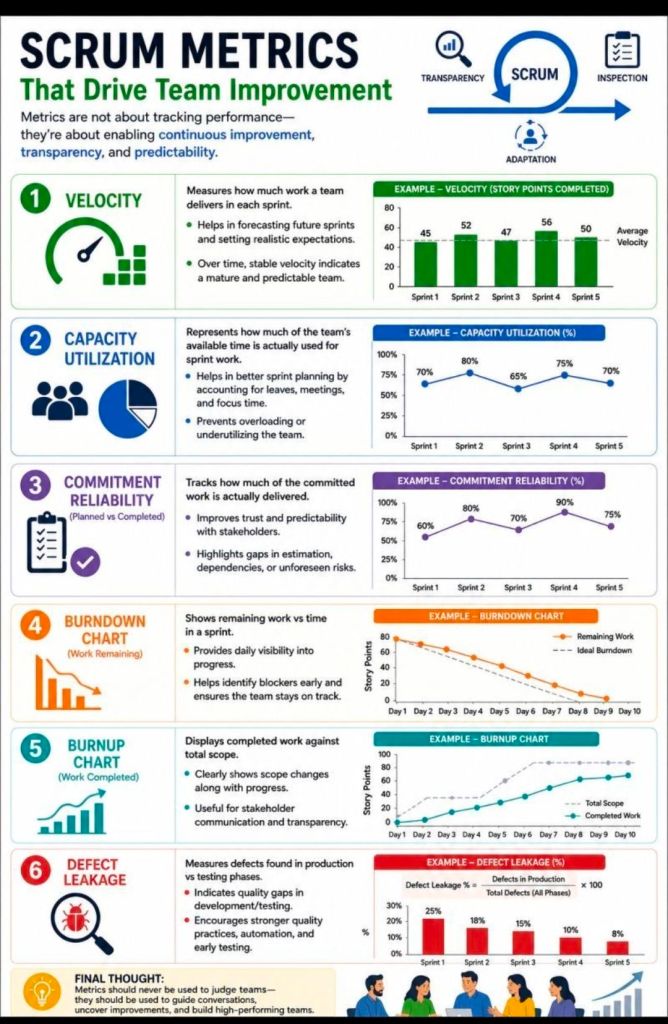
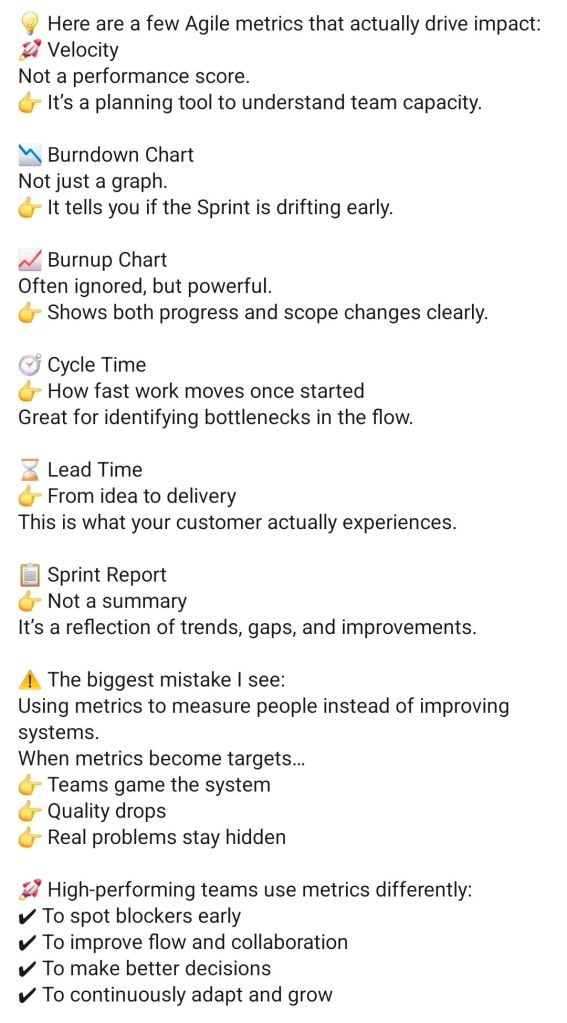
Scrum velocity and burndown charts are essential agile metrics used to measure team capacity and track progress. Velocity measures the average story points completed over past sprints to forecast future capacity. Burndown charts visually represent the remaining work daily, highlighting if the team is on track to meet sprint goals.
Scrum Velocity
Definition: The amount of work (usually in story points or hours) a team completes in a single sprint.
Purpose: Helps forecast team capacity for future sprints and promotes sustainable pace.
Calculation: Sum of story points for all “Done” items at the end of a sprint.
Best Practice: Average velocity over 3–5 sprints provides a more accurate, stable forecast.
Burndown Chart
Definition: A graph showing the amount of work remaining versus time (days) in a sprint.
Components:
Ideal Work Line: A straight line showing the projected pace to complete work.
Actual Work Line: A line plotting daily completed work against the ideal line.
Purpose: Provides daily visibility into progress and detects risks early (e.g., if the line is above the ideal, the team is behind).
Types: Sprint Burndown (short term) vs. Release/Product Burndown (long term).
Key Differences
Velocity is a planning metric looking at historical performance.
Burndown is a monitoring tool looking at current progress.
Common Pitfalls
Velocity: Treating velocity as a productivity metric (it is a capacity planning metric) or comparing it between teams.
Burndown: Using “manual updates” rather than automated tools, leading to inaccurate data.
Both: Neglecting to refine user stories, which makes velocity unpredictable and burndowns inaccurate.
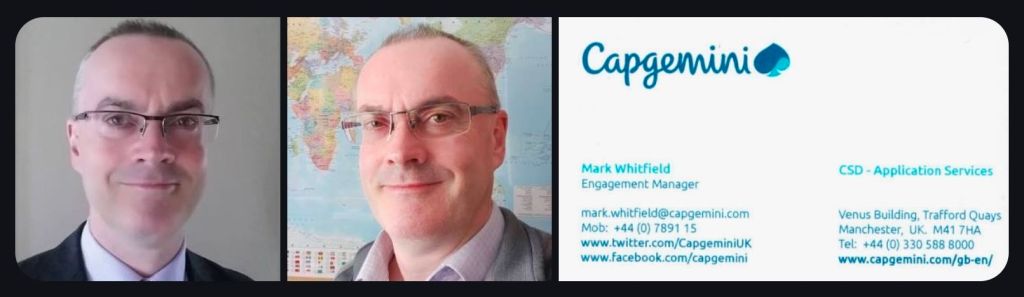
Mark Whitfield, a Manchester-based Senior IT Project Manager, has completed extensive professional training throughout his career, focusing on project management methodologies, delivery software, and technical tools.
Core Project Management Methodologies :
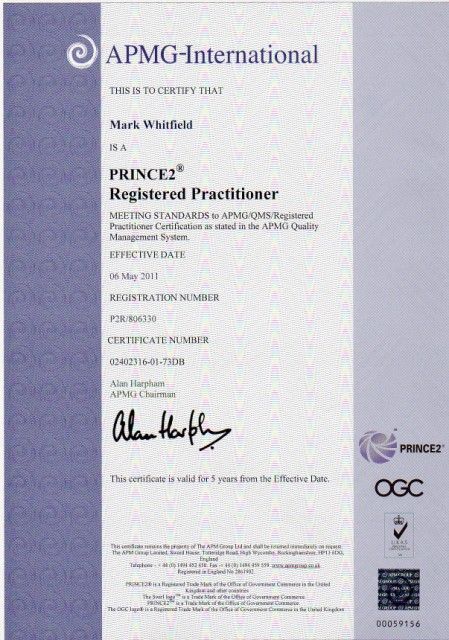
PRINCE2 Practitioner: Certified as a registered PRINCE2 Practitioner in May 2011 via the ILX Group (Gold e-Learning).
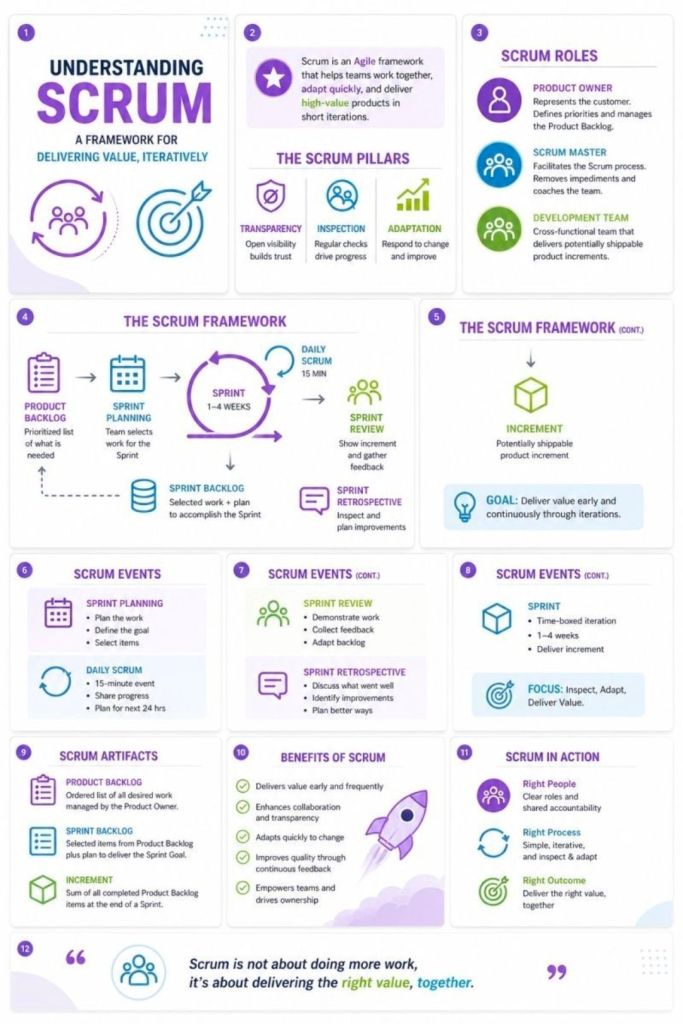
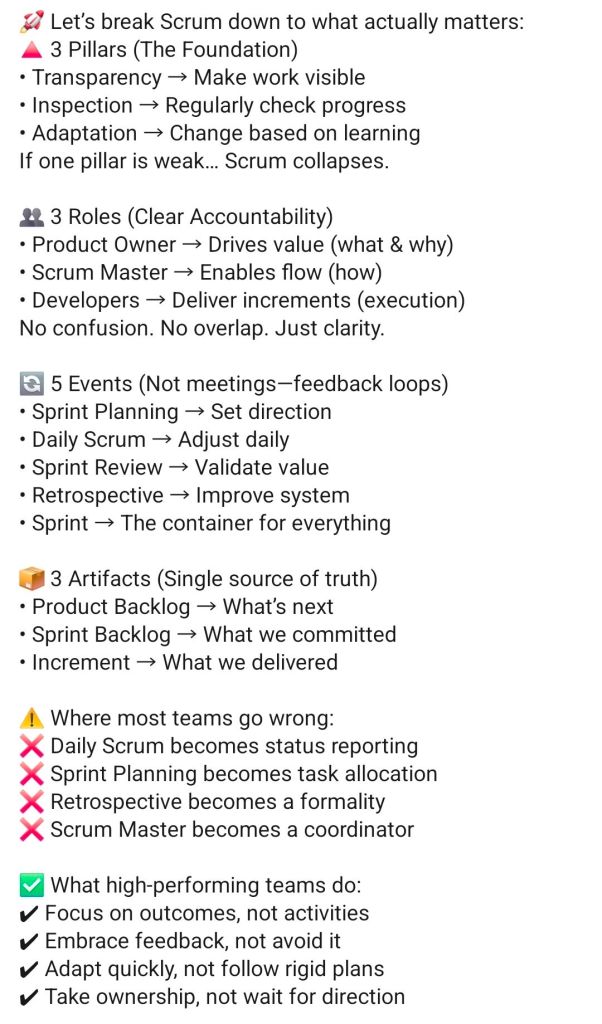
Agile SCRUM Training: Attended in-house training with RADTAC in May 2011.
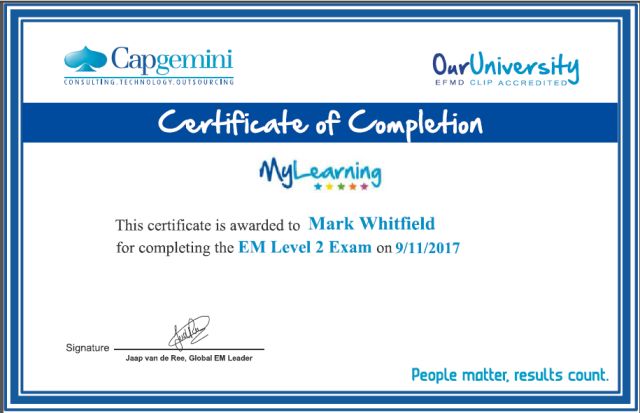
Advanced Engagement Management (Level 2): Completed at Capgemini in November 2017.
Project Management Fundamentals: Completed “Fundamentals of Successful Project Management” in February 2000 through Skillpath in Manchester.
Managing Multiple Projects: Attended “Managing Multiple Projects, Objectives and Deadlines” in October 1999/1998 via Skillpath.
Software & Cloud Platforms :
AZ-900 Microsoft Azure Fundamentals: Certified in February 2022.
Microsoft Project: Completed the Microsoft Project ’98 Certification Series in May 2000 through the IIL UK Education Centre in Reading.
Microsoft Excel Expert Skills: Upgraded skills via a 2017 Expert course and a July 2024 Udemy refresher.
Technical & Programming Courses :
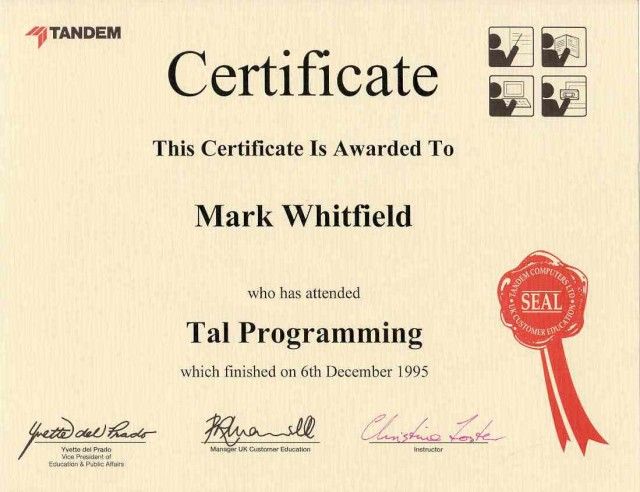
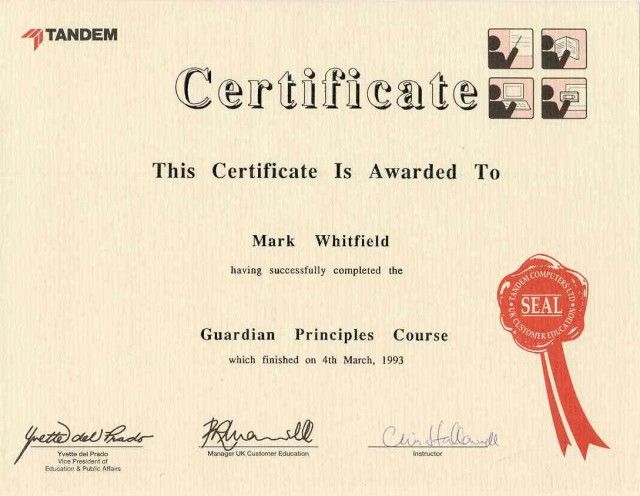
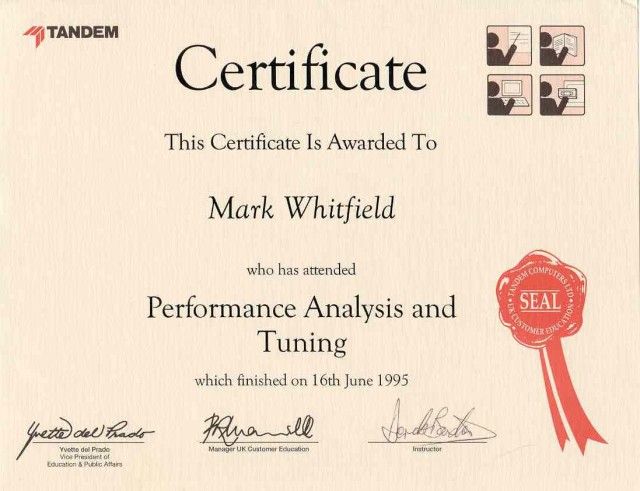
Tandem / HP NonStop: Completed Tandem Guardian Principles (1993), Tandem Performance Analysis (1995), and Tandem TAL Programming (1995).
C / C++ Programming: Attended “C++ for Non-C Programmers” with Comtec Computer Training in March 1997.
Database Querying: Completed “Querying Microsoft SQL 2000 with Transact SQL” via QA Training in March 2009.
Web Applications: Attended “Developing MS ASP Web Applications using MS Visual Studio .NET” in January 2007.
Marketing & Communication Training :
Writing for the Web: Completed in May 2009 with gbdirect (iTrain Education in London).
Brochure & Document Design: Attended a SkillPath Seminar on designing marketing brochures and reports in April 2006.
Mark Whitfield is a highly experienced Senior IT Project Manager based in Manchester, UK, with over 31 years of experience in the IT industry specializing in both Agile and Waterfall methodologies. He holds SC clearance (valid until 2031) and has a strong technical background in banking and digital project delivery, including experience as a developer in software development lifecycles (SDLC).
Mark Whitfield is a highly experienced Senior IT Project Manager based in Manchester
Professional Biography
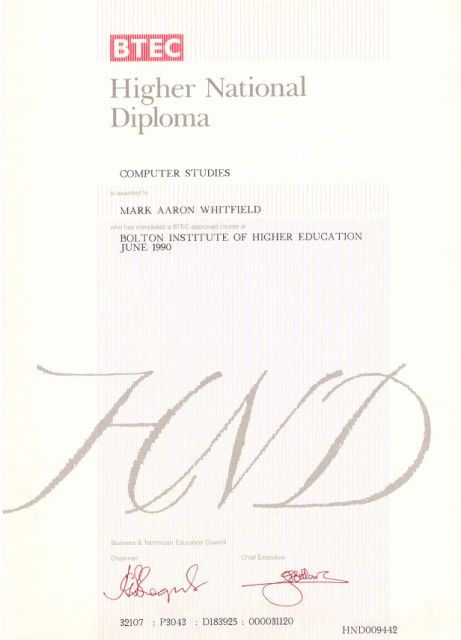
After graduating in Computing in 1990, Mark began his career as a programmer specializing in Electronic Banking software on Tandem Mainframe Computers (HPE NonStop). He spent five years coding in COBOL85 and NonStop SQL for banking clients before transitioning into project management.
Mark has operated as a Senior IT Project Manager for over two decades, delivering complex projects for major blue-chip clients, including Jaguar Landrover, Heathrow, Royal Mail Group, and various financial institutions. He currently provides project management templates based on his extensive experience via his website, PROject Templates.
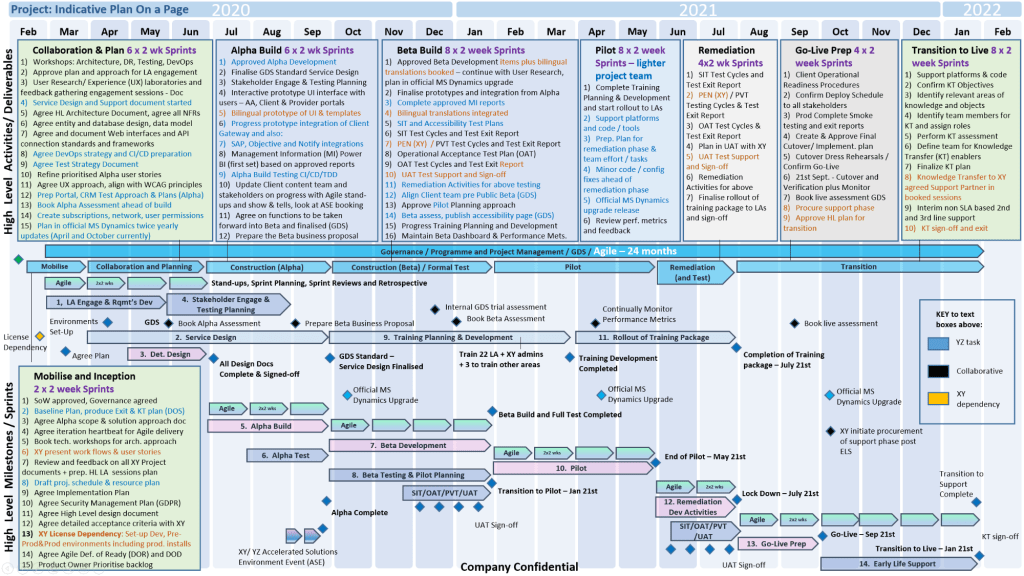
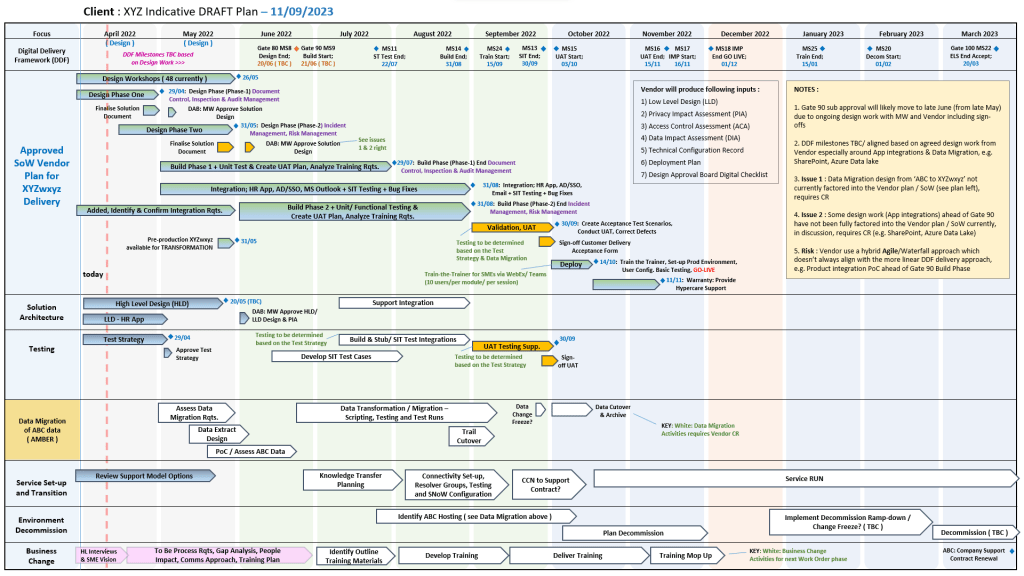
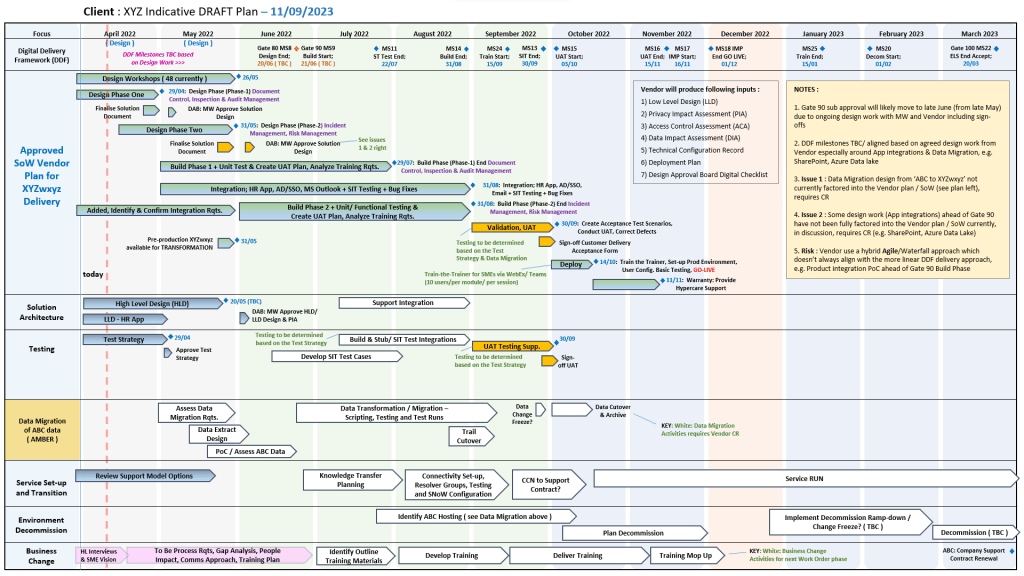
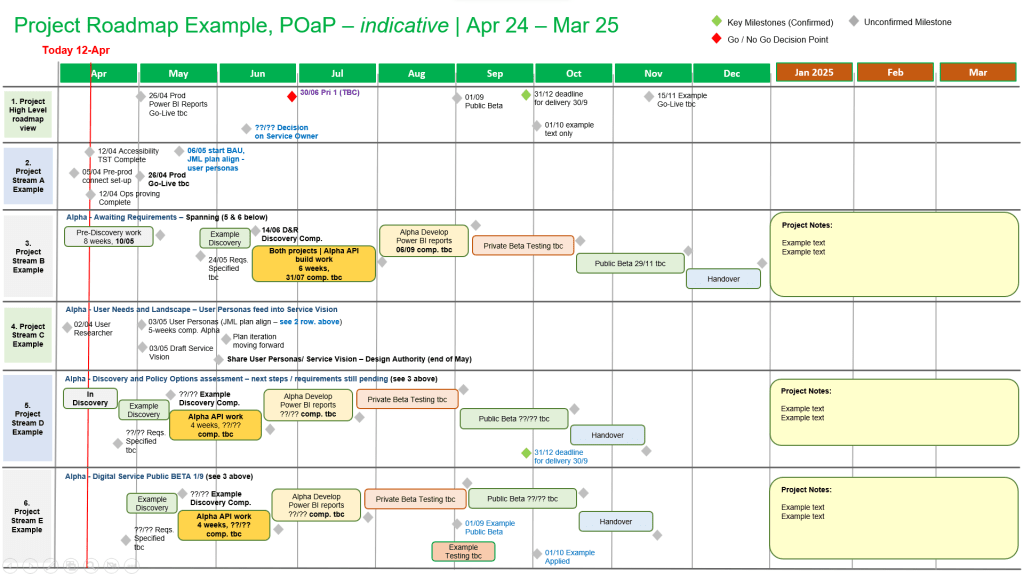
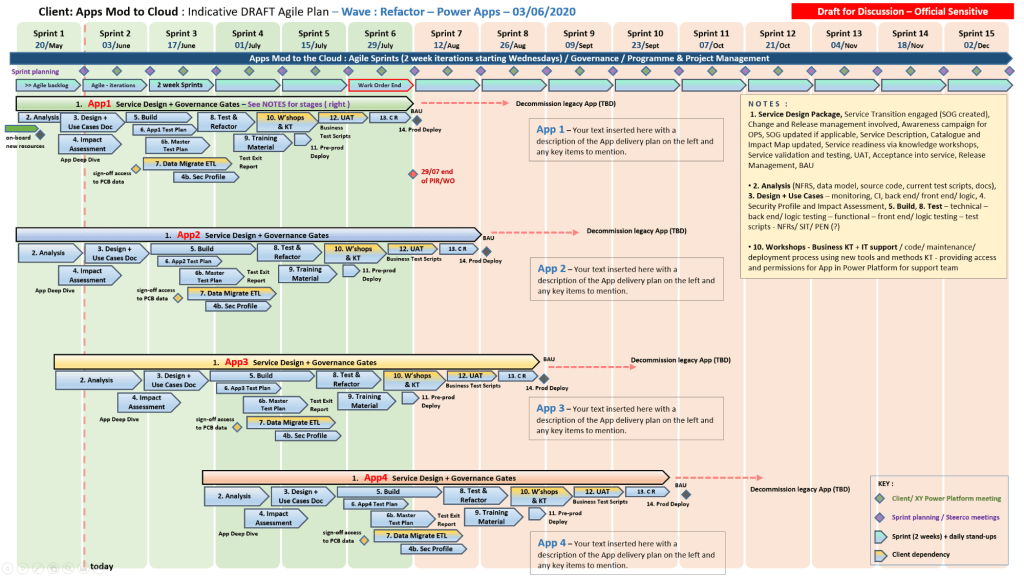
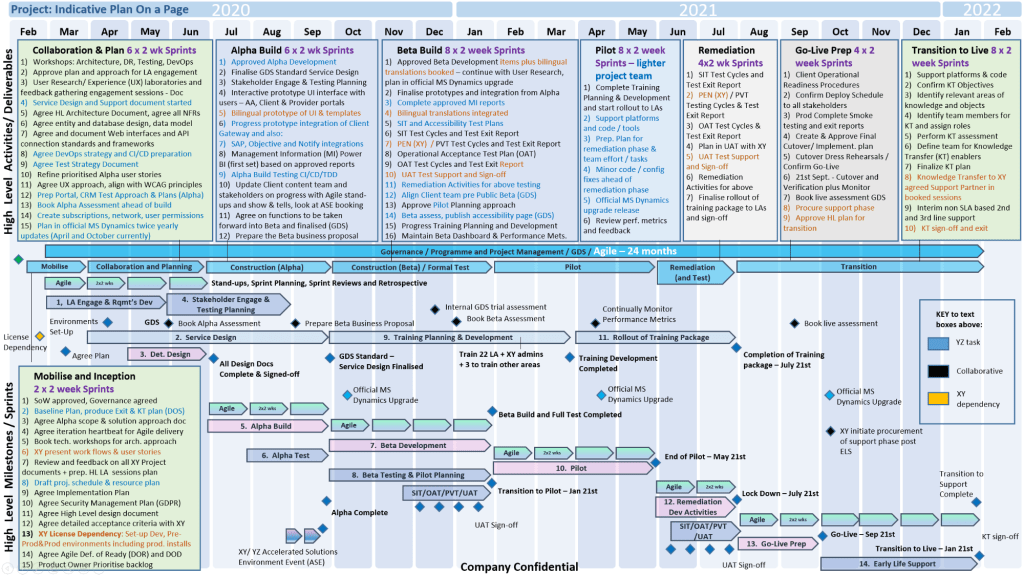
Example POaP Plan On a Page templates by Mark Whitfield
Projects: Delivered Waterfall and Agile digital projects for automotive, local regional government (LRG), postal services, and aerospace & defence sectors.
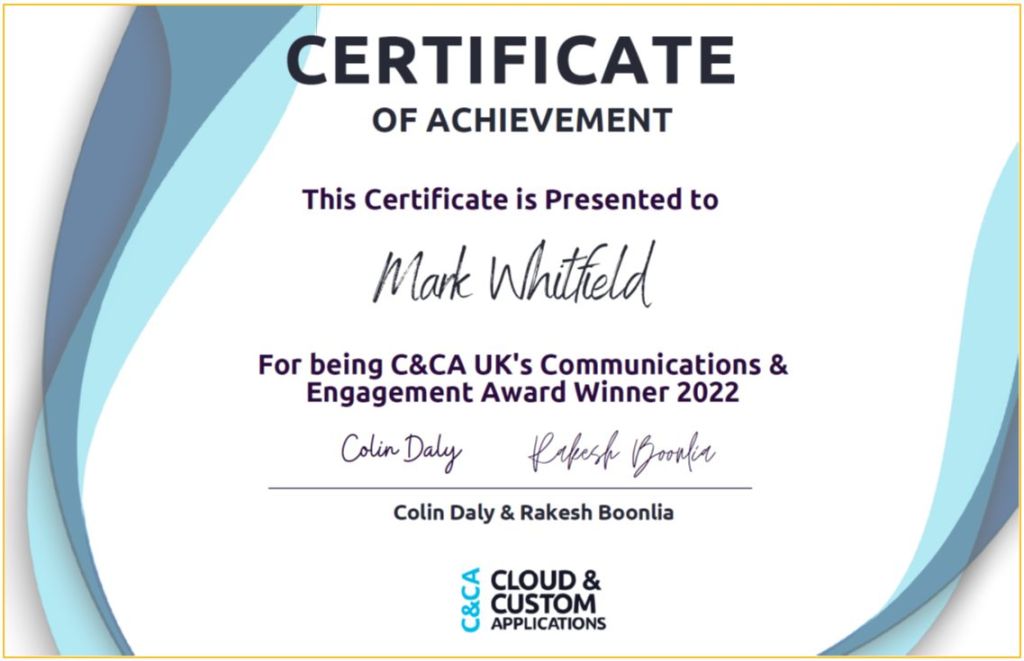
C&CA UK’s Communications & Engagement Award Winner 2022
Betfred (Late 2014 – Jan 2016)
Role: Senior IT Project Manager.
Projects: Managed mobile and online gambling/casino projects, including payment gateways, sportsbook, and virtual gaming using Agile SCRUM.
Wincor Nixdorf (Sept 2013 – Late 2014)
Role: Agile IT PM, Professional Services – Banking Division.
Projects: Managed ATM software delivery (Wincor Nixdorf work stream >£5M) for Lloyds Banking Group/Halifax.
Mark Whitfield provides a variety of Plan On a Page (POaP) templates designed to simplify complex project schedules into a single, high-level visual. These templates are typically available through his official website as part of a larger project management toolkit that includes over 200 editable documents.
PowerPoint Plan On a Page (POaP) templates
Mark Whitfield’s POaP Template Formats
Whitfield’s templates are available across multiple platforms to suit different project needs:
PowerPoint POaP Templates
Includes over 35+ slide examples showing different ways to visualise a Software Development Life Cycle (SDLC) plan. These are ideal for client presentations where high-level detail is needed.
Excel POaP & Tracker Templates
Features Gantt views, resource costing grids, and Agile Sprint views. Some Excel versions allow you to align the POaP with resource availability and overall phase costs, useful for project bids.
MS Project (MPP) Templates
Detailed PRINCE2 and Waterfall templates that can be condensed into a “timeline” view to serve as a POaP. These are annotated for tasks like Agile Scrum ceremonies or specific PRINCE2 7th Edition stages.
Key Features of the POaP Templates
Adaptability: Templates are designed to be tailored for Waterfall (PRINCE2) or Agile (Scrum/Sprints) methodologies.
Integrated Tracking: Often bundled with RAID logs (Risk, Action, Issue, Dependency) and RACI trackers to provide a complete overview beyond just the schedule.
Visual Dashboards: Many versions include self-populating charts and summary dashboards for at-a-glance status reporting.
Availability: Templates can be purchased individually or as a bulk pack on Mark Whitfield’s Website or through platforms like Etsy and Eloquens.