Mark Whitfield’s IT Project Management (PM) toolkits provide highly comprehensive, fully editable Microsoft Project (.mpp) templates designed to manage and track complex delivery lifecycles. His premium packages bridge the gap between traditional structured governance (like Waterfall and PRINCE2) and modern Agile execution.
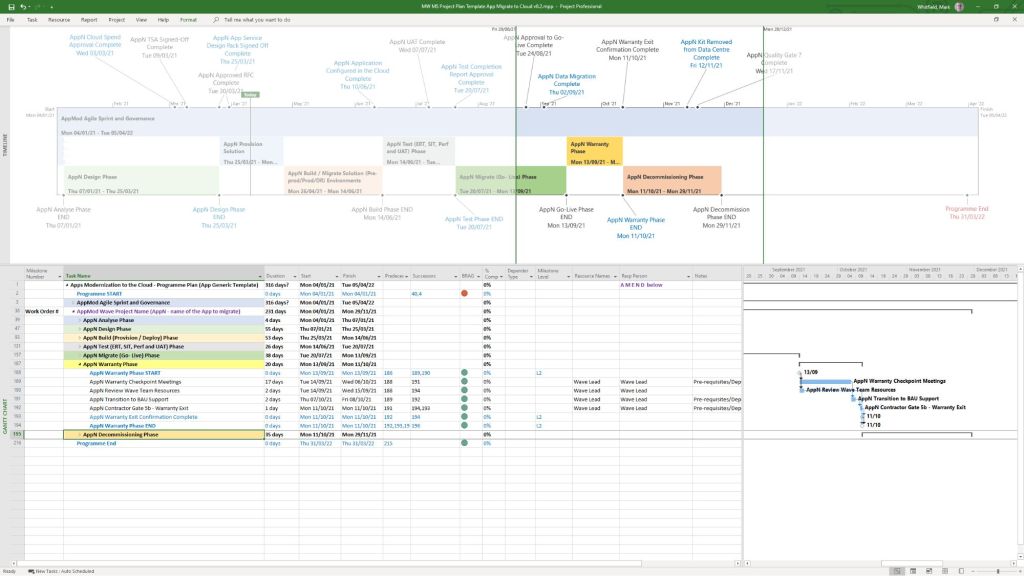
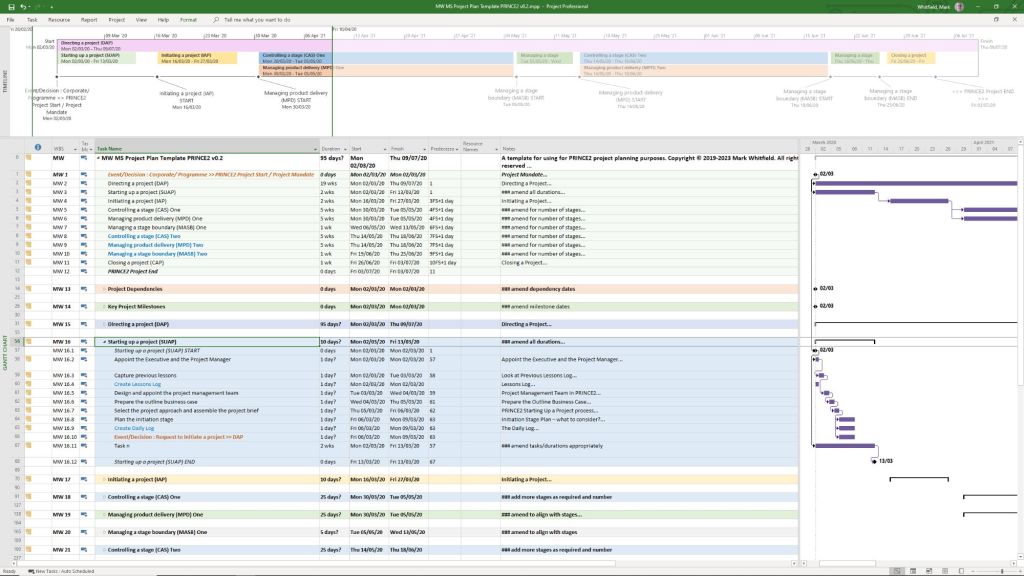
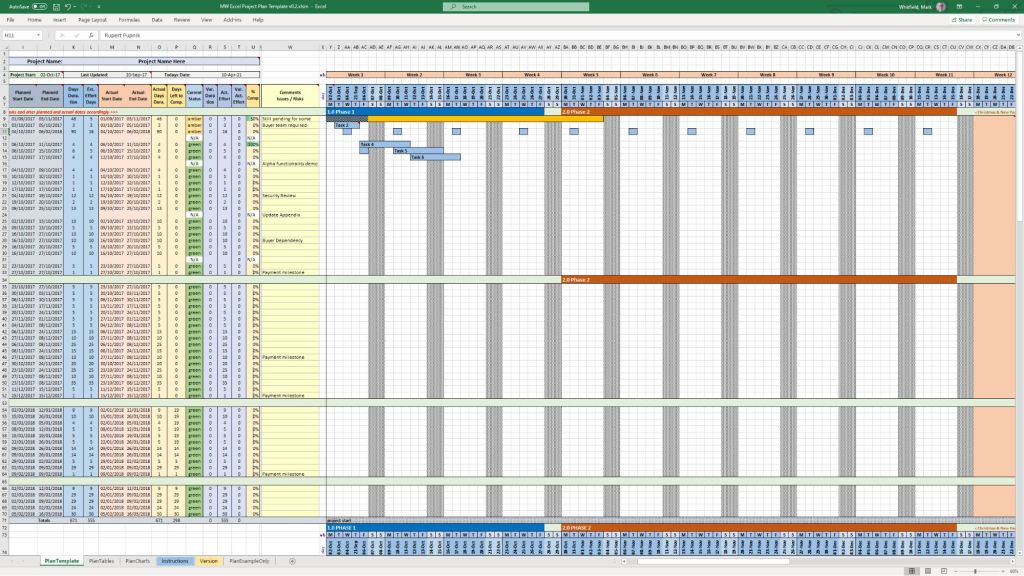
Mark Whitfield’s templates feature color-coded logic and structured notes embedded directly into task rows to help PMs easily map out dependencies:
Detailed SDLC Project Plan (.mpp): Built specifically for Software Development Life-Cycles, incorporating essential stage-gate structures, development sprints, testing phases, and release checkpoints.
PRINCE2 7th Edition Delivery Template: Structurally maps out every required stage, activity, and artifact mandated by the framework (e.g., initiating, directing, managing stage boundaries, and closing).
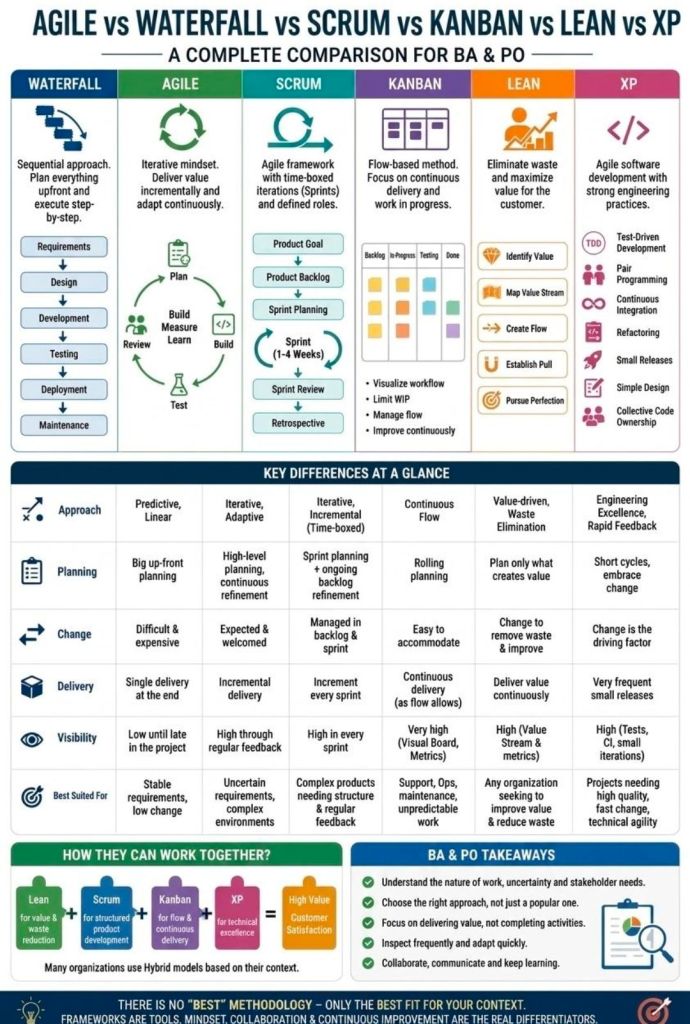
Agile & Hybrid Scrum Frameworks: Blends fixed governance milestones with flexible, rolling 2-week Agile sprint schedules, sprint reviews, and retrospective tasks.
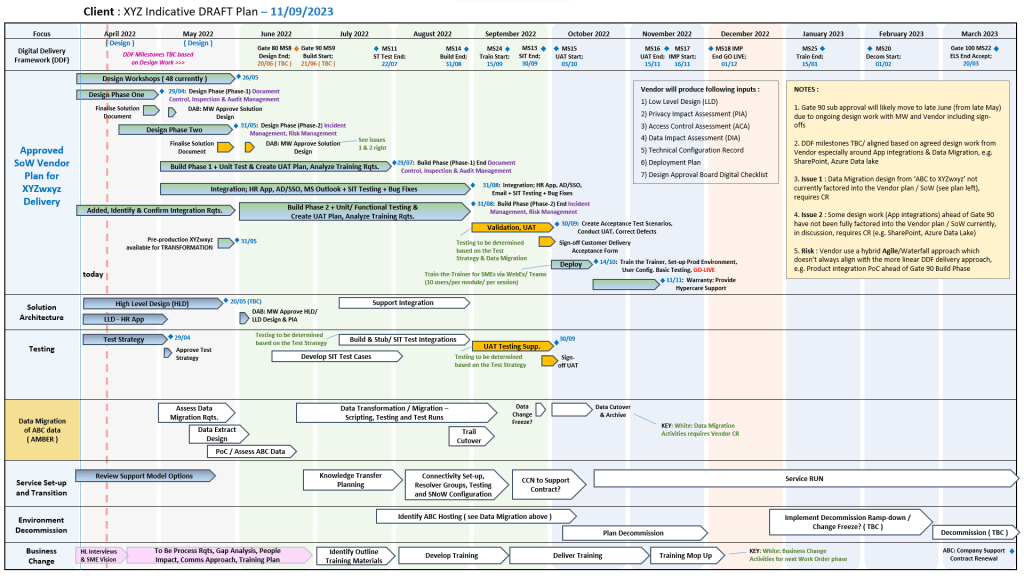
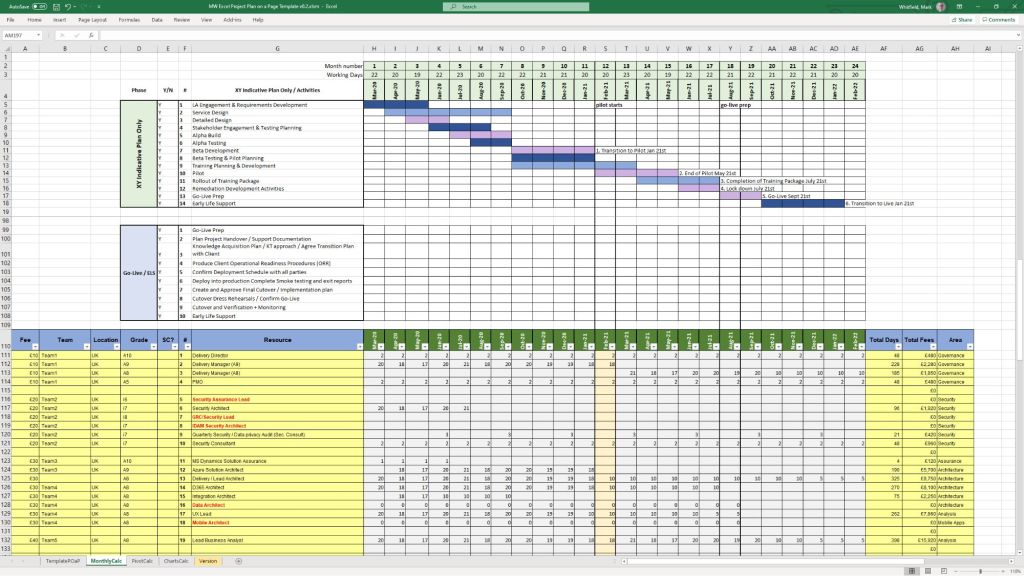
Gantt Plan on a Page (POaP): High-level visual schedules perfect for stakeholder reporting, summary timelines, and executive board meetings.
Key Features of His Project Plans
Color-Coded Tasks: Uses dedicated text colors (e.g., Blue for new artifacts, Black for traditional stages, and Purple for updates) to simplify visual navigation.
Annotated Task Notes: Key rows contain descriptions of the required activities or outputs right inside the MPP file notes section.
Embedded Best Practices: Pre-configured with dynamic WBS (Work Breakdown Structure) codes, baseline options, and calendar tracking for public holidays and resource leave.
What is Included in the Broader Toolkit?
If you opt for his full premium download bundle, it features over 200 tailored Microsoft Office files accumulated from 24+ years of enterprise PM experience. Alongside the core .mpp files, you receive companion assets on the Mark Whitfield Premium Delivery Templates Page including:
The IT Project Management (PM) toolkits created by Mark Whitfield feature over 200 tailored, editable Microsoft Office templates designed to structure, track, and report on software delivery lifecycles (SDLC), bridging Agile sprint execution and structured governance frameworks like PRINCE2 and Waterfall.
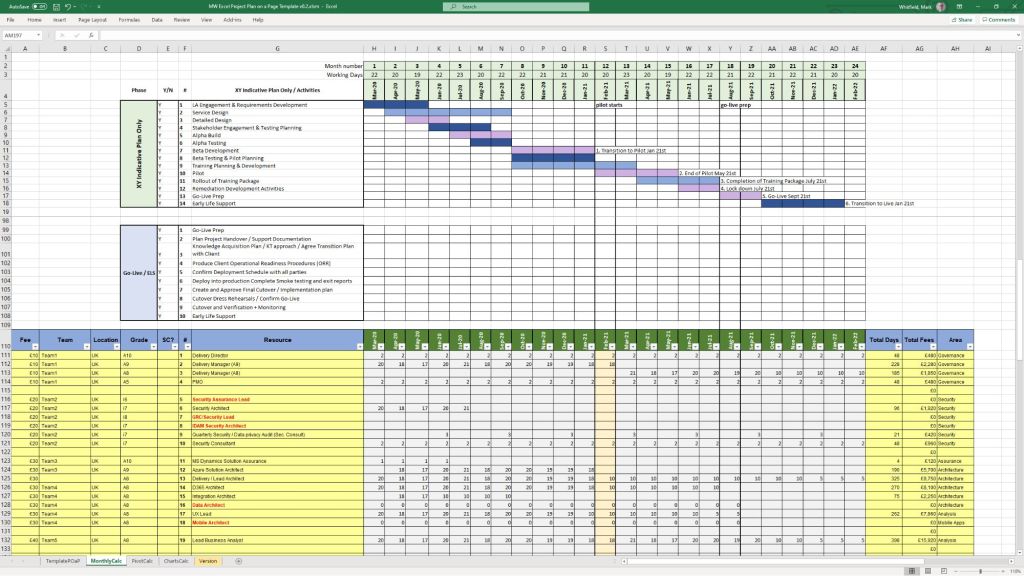
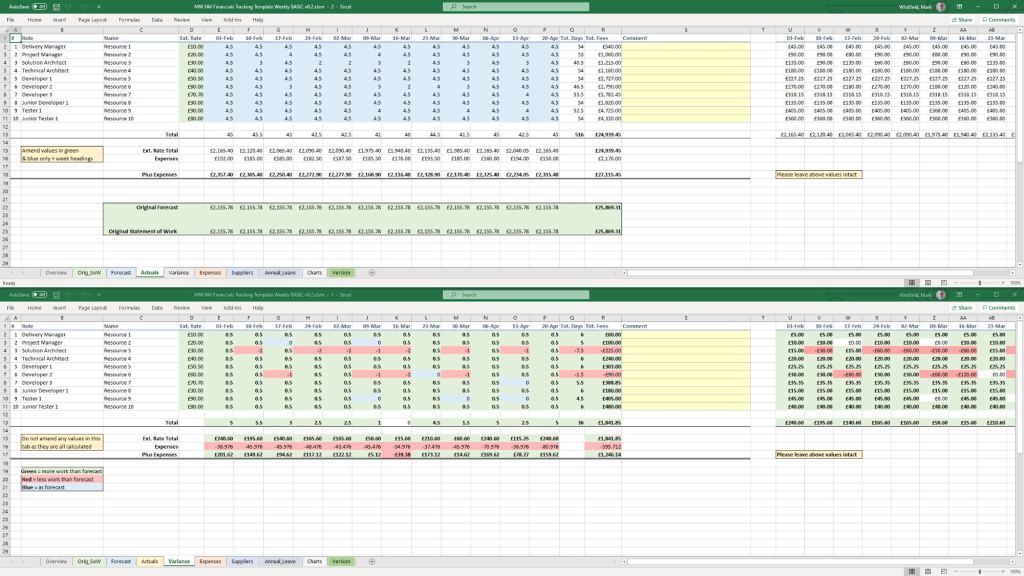
MS Excel Project & Budget Tracker Example
Below is the structured breakdown of the primary templates categorized by their project purpose, function, and file format.
📅 Project Planning & Scheduling
Category: Project Planning | Templates: Detailed SDLC Project Plan (.mpp/.xlsx) & Plan on a Page (POaP) (.pptx/.xlsx) | Description: These tools cover stage-gate structures, resource scheduling, and visual executive updates for software projects.
⚠️ Risk, Governance & Tracking
Category: Risk & Issue Management | Template: Comprehensive RAIDs Log (.xlsx) | Description: A multi-tab workbook to track Risks, Actions, Issues, Opportunities, Dependencies, and Lessons Learned.
Mark Whitfield’s PM template library features over 200 editable project management and PMO templates. These templates span the entire project lifecycle and are categorized by focus area and framework (e.g., Agile, Waterfall, PRINCE2).
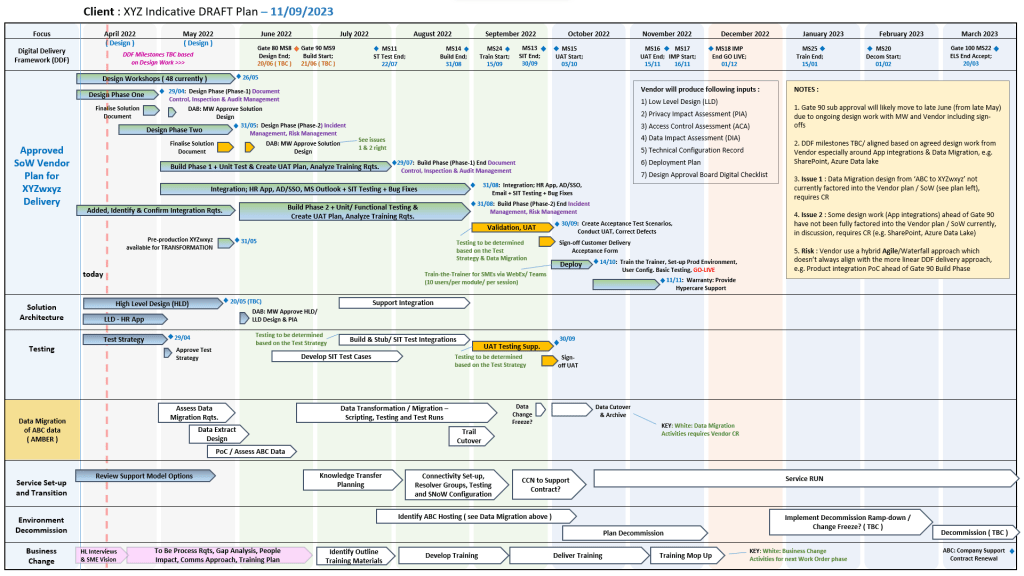
Many POaP templates to be tailored as required
The resources are formatted natively for the Microsoft Office suite, allowing them to be opened on all devices, including desktops, tablets, and smartphones.
The templates are divided into specific categories based on the standard project delivery phases:
📁 Core Template Categories
Planning & Execution:
Detailed MS Project schedules
Excel and PowerPoint Plan on a Page (POaP) examples (over 35 slide examples) to save time constructing from scratch
Financials: Project Financial Trackers for internal/external costs, forecasting vs. actuals, margin/variation, and expenses.
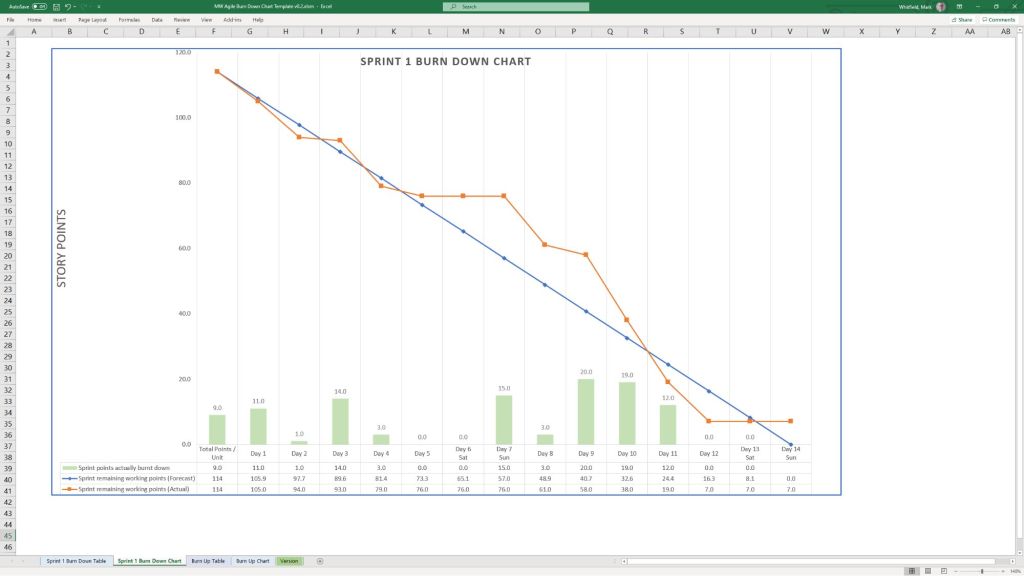
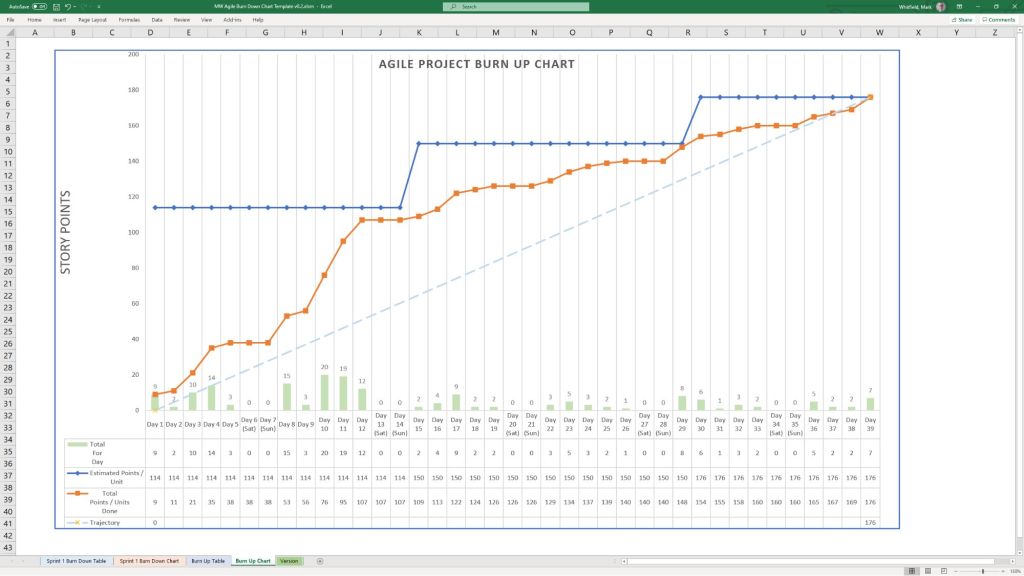
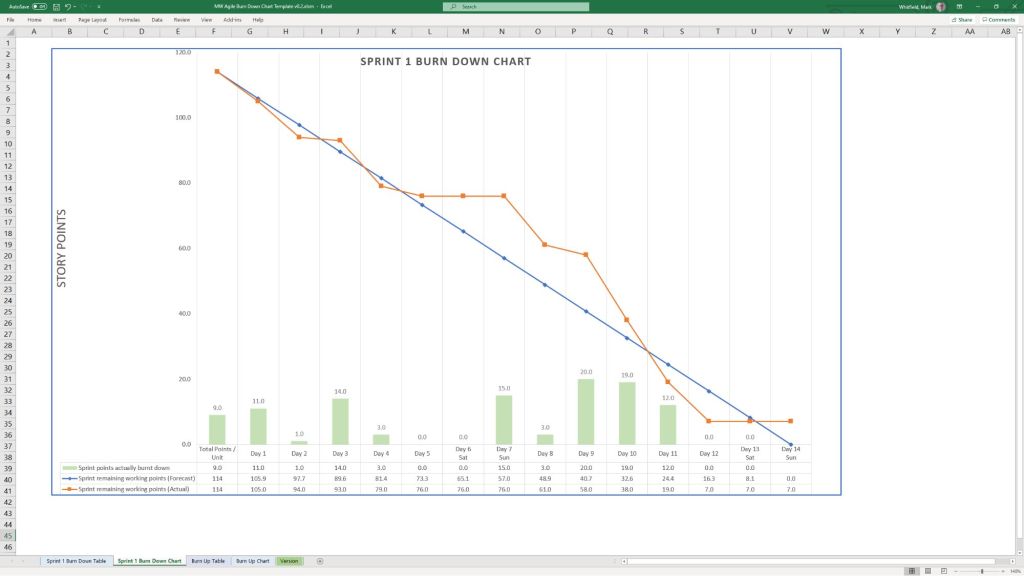
Agile Frameworks: Agile Story Dependency tracking, Burn Down & Burn Up charts, and Sprint tracking guides.
MS Excel XLS Agile Sprint Burn Down and Up Chart Examples
💻 File Formats
All templates are fully editable, and the package provides the following file formats for universal compatibility:
Microsoft Word (.docx): Used for walkthrough guides, governance documentation, and standard project status reports.
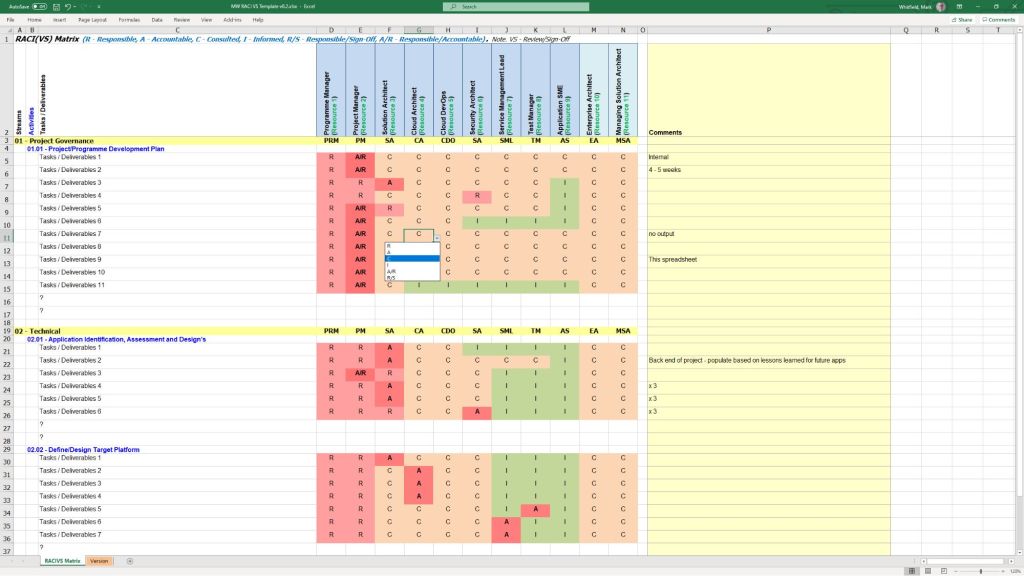
Microsoft Excel (.xlsx): Utilized for task trackers, financial dashboards, RAID logs, and non-MS Project Gantt charts.
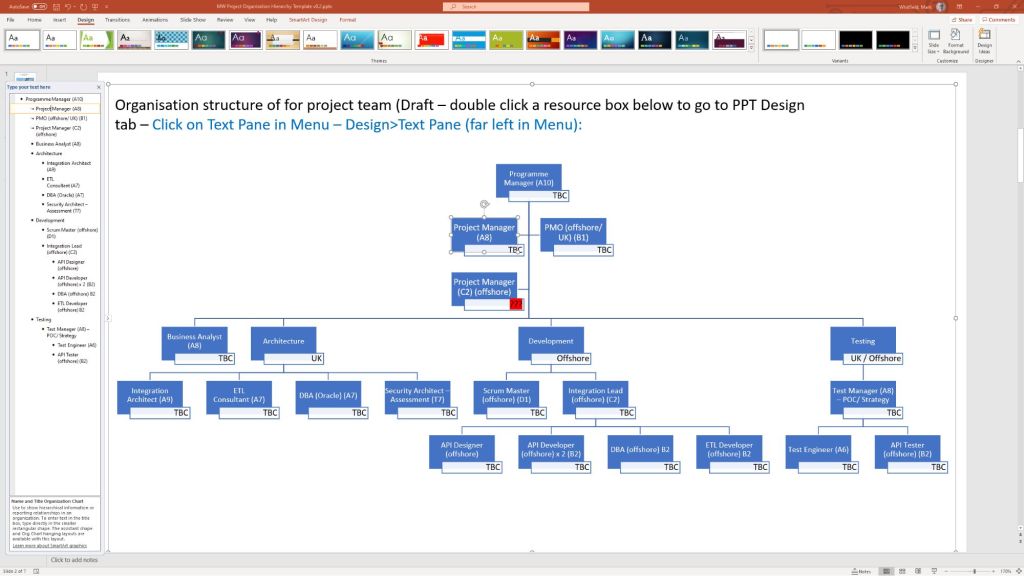
Microsoft PowerPoint (.pptx): Used for Kick-Off decks, team hierarchy charts, and visual POaP (Plan on a Page) slides.
Microsoft Project (.mpp): Detailed work breakdown structure (WBS) and scheduling files for traditional and Agile-hybrid projects.
MS Project MPP file templates to be tailored as required
You can download or purchase the complete inventory of these editable files at the Mark Whitfield PROject Templates Store (or via the Etsy Storefront if you prefer that platform). Once purchased, you are also entitled to free lifetime upgrades and additions.
Project Management Templates to be tailored as required with FREE upgrades
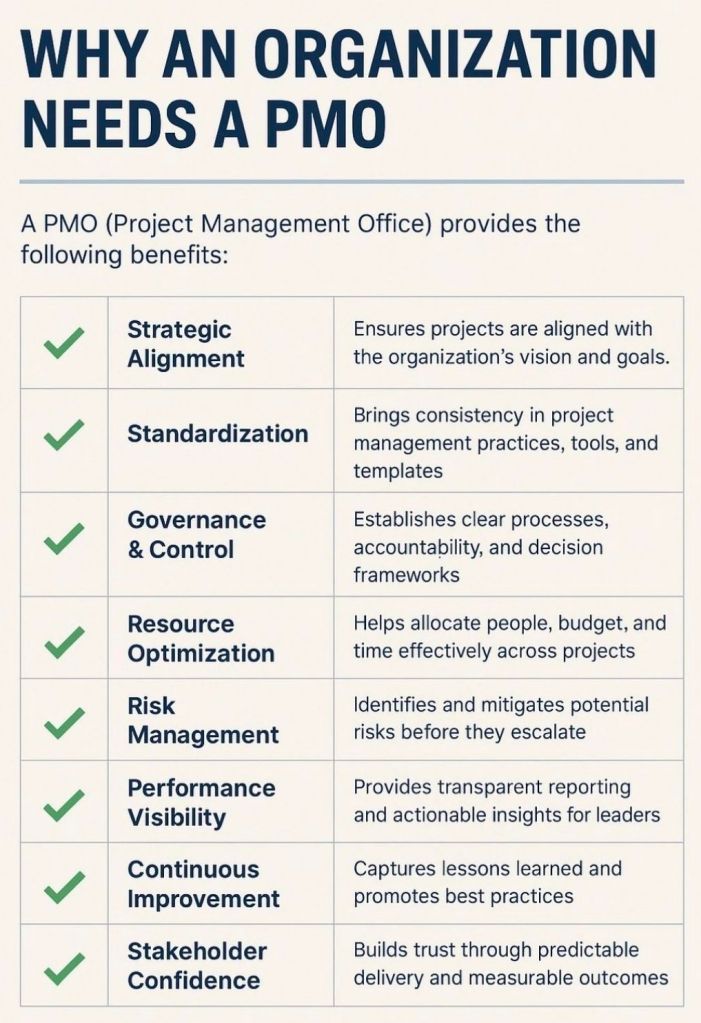
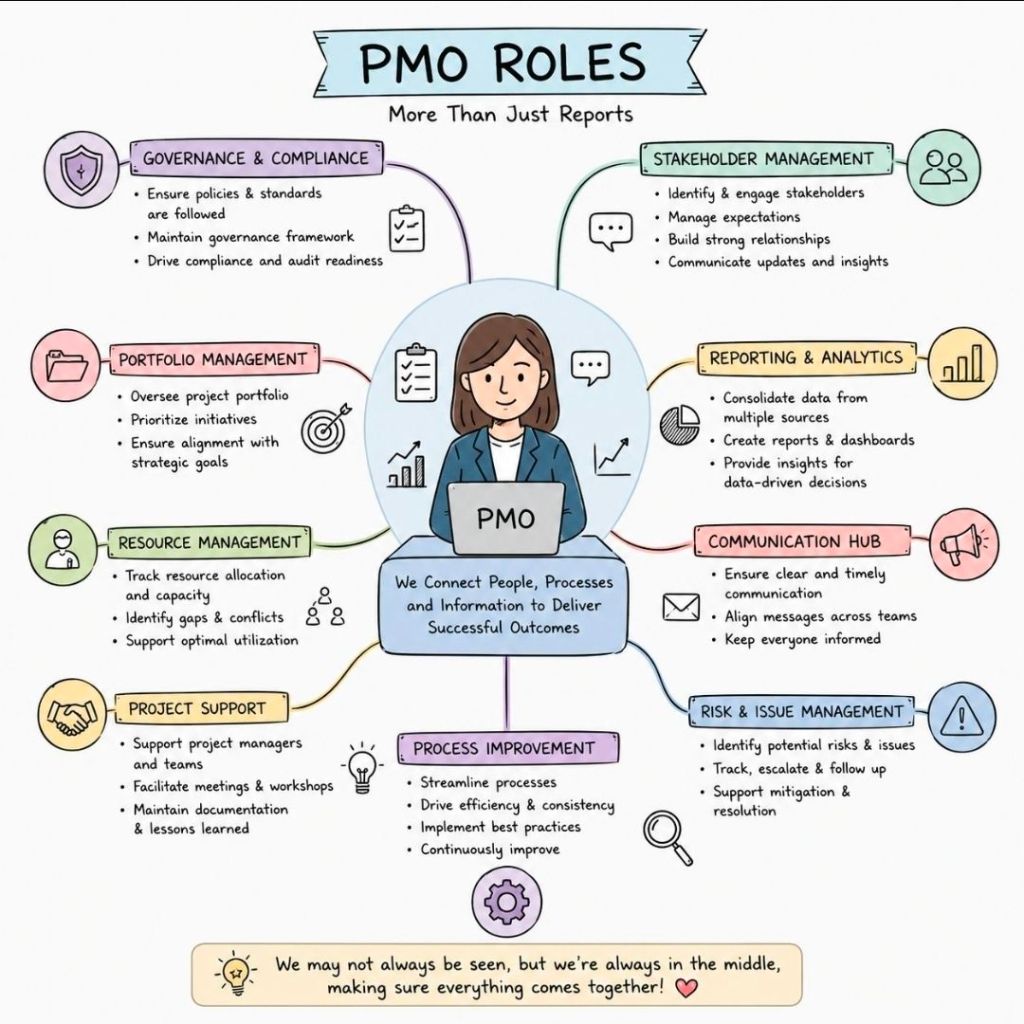
Why an Organisation Needs a PMO, Project Management Office
An organisation needs a Project Management Office (PMO) to act as the strategic backbone that standardises processes, minimises operational risks, and directly aligns day-to-day project execution with long-term business goals.
Research by the Project Management Institute (PMI) highlights that 80% of high-performing organisations have established PMOs. Furthermore, companies utilizing a PMO deliver initiatives up to 2.5 times faster and waste 38% less budget compared to those operating without one.
1. Strategic Alignment & Portfolio Prioritisation
Goal connection: PMOs act as a filter, continuously checking that all active projects serve the corporate strategy.
Value redirection: The office can proactively recommend pausing or canceling redundant projects, redirecting resources to high-value initiatives.
Intake governance: They design a structured framework for project intake to stop random, impulsive investments.
2. Standardisation & Quality Assurance
Unified framework: PMOs replace chaotic “every-team-for-itself” habits with shared templates, common metrics, and standard delivery methodologies.
Repetitive economy: Creating consistent guidelines allows multi-project execution to become a predictable machine, reducing human error.
Performance baselines: Standardised metrics give leadership an objective rubric to compare project health across entirely different business units.
3. Resource Optimisation
Bottleneck reduction: Centralised control prevents staff from being unsustainably double-booked across competing silo projects.
Capacity visibility: Real-time capacity mapping lets the executive suite understand exactly who is available before approving future workloads.
Skills leverage: PMOs actively track internal talents, allowing organisations to pivot specialized professionals to high-priority issues quickly.
4. Data-Driven Governance & Risk Management
Executive transparency: PMOs deliver aggregated status dashboards (like “Stop Light” reporting) to keep stakeholders clearly informed without digging through minor details.
Early risk mitigation: Using institutional tools like RAID logs, they catch budget variances and deadline slips before they cascade out of control.
Compliance protection: They ensure strict adherence to industry regulations, corporate ethics, and legal benchmarks to safeguard the firm from penalties.
5. Knowledge Management & Continuity
Lessons learned: The PMO retains historical metrics, helping project teams build realistic, accurate cost and timeframe estimates on subsequent iterations.
Mentorship hubs: They provide ongoing skills coaching and workshops to organically raise the project management maturity level across the company.
Mark Whitfield’s premium project management toolkit consists of over 200 editable templates tailored for Agile Scrum, Waterfall, and PRINCE2 frameworks. Built across 30+ years of digital and IT delivery, these frameworks prioritize corporate governance, seamless stakeholder reporting, and visual lifecycle control.
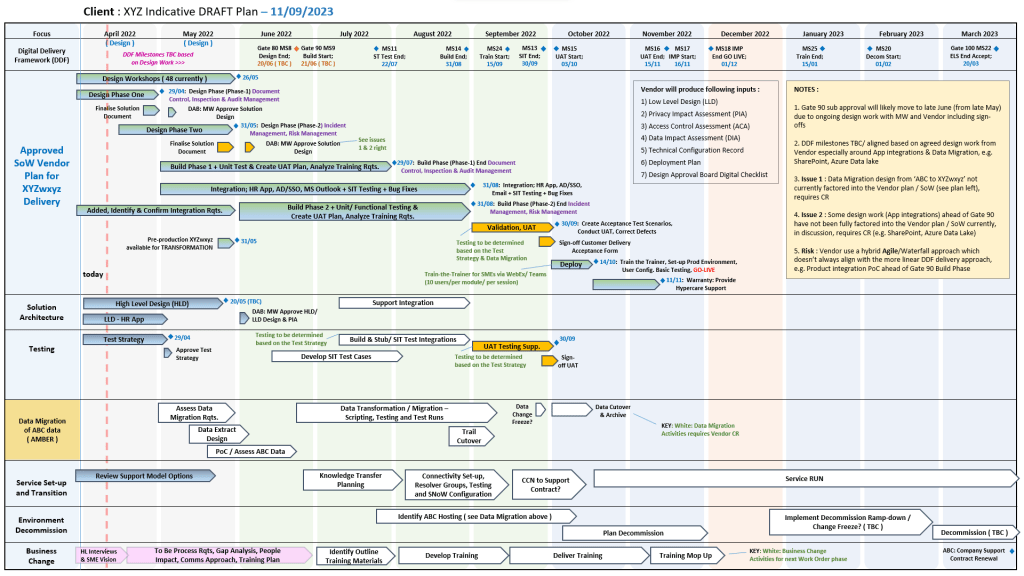
Many POAP, Plan on a Page example templates
Below is the comprehensive, scannable breakdown of the core artifacts categorized by lifecycle focus, purpose, and application format. Purchase project templates here.
📅 1. Master Planning & Visual Roadmapping
These tools serve as the operational foundation for tracking dependencies, defining Work Breakdown Structures (WBS), and establishing executive visibility.
Detailed Software Development Life-Cycle (SDLC) Plan
Focus: End-to-end task tracking from inception and elaboration to construction, testing, and transition.
Format: Microsoft Project (.mpp) & Microsoft Excel (.xlsx).
ProjectTemplatesSoft on Etsy is a highly rated, UK-based digital storefront specializing in professional-grade project management spreadsheets and presentation documents. Founded by Mark Whitfield, a veteran Senior Project Manager with over 30 years of delivery experience in IT and the Software Development Lifecycle (SDLC), the shop bridge the gap between heavy enterprise software and simple, flexible spreadsheets.
Example POaP PPT and XLS plan project templates (200+ in all)
The products are distinctively built around core professional methodologies including PRINCE2 Waterfall and Agile Scrum frameworks. A key differentiator for this storefront is its customer lifetime model: all template upgrades and functional versions are 100% free after a single purchase by contacting the seller directly. The tools are fully unlocked, editable, and act as a portable alternative for teams or clients without expensive Microsoft Project licensing.
Product Breakdown by Category Focus
📊 1. Schedule Planning & Waterfall Templates
These tools target timeline generation, resource distribution, and critical path management for traditional structured delivery.
Waterfall Project Planner & Cost Tracker: An advanced interactive timeline engine that acts as a localized alternative to MS Project. It allows teams to map out milestones while calculating live run-rate expenditures.
Plan on a Page (POaP) Blueprint: A high-level stakeholder alignment presentation tool crafted in Microsoft Excel and PowerPoint designed to condense multi-layered delivery milestones into one scannable executive slide.
Work Breakdown Structure (WBS) Matrix: Structural templates built to parse complex client scopes into manageable, sequential project tasks.
🔄 2. Agile & Scrum Framework Toolkits
Tailored for modern software development environments executing iterative design, rapid deployments, and sprint-based task management.
Agile Scrum Master Pack: Complete tracking logs optimizing sprint velocities, backlog grooming sessions, and team capacity limits.
Built for Programme Management Offices requiring cross-project transparency, strict risk mitigation, and central staff scheduling.
Central RAID Log: A classic, comprehensive spreadsheet designed to track project Risks, Assumptions, Issues, and Dependencies under strict corporate governance standards.
Resource Absence & Sickness Tracker: A centralized planner for operations managers to log annual leave, sickness intervals, and alternative project allocations.
Project Team Kick-Off Decks: Professionally designed slide blueprints that outline scope definitions, stakeholder communication channels, and milestone objectives during initiation phases.
Essential Shop & Resource Hyperlinks
To explore the complete range of toolkits, check out the official ProjectTemplatesSoft Etsy Shop Page.
To access detailed execution frameworks, read customer documentation, or seek professional delivery guidance, visit the developer’s hub at Mark Whitfield’s Project Management Blog.