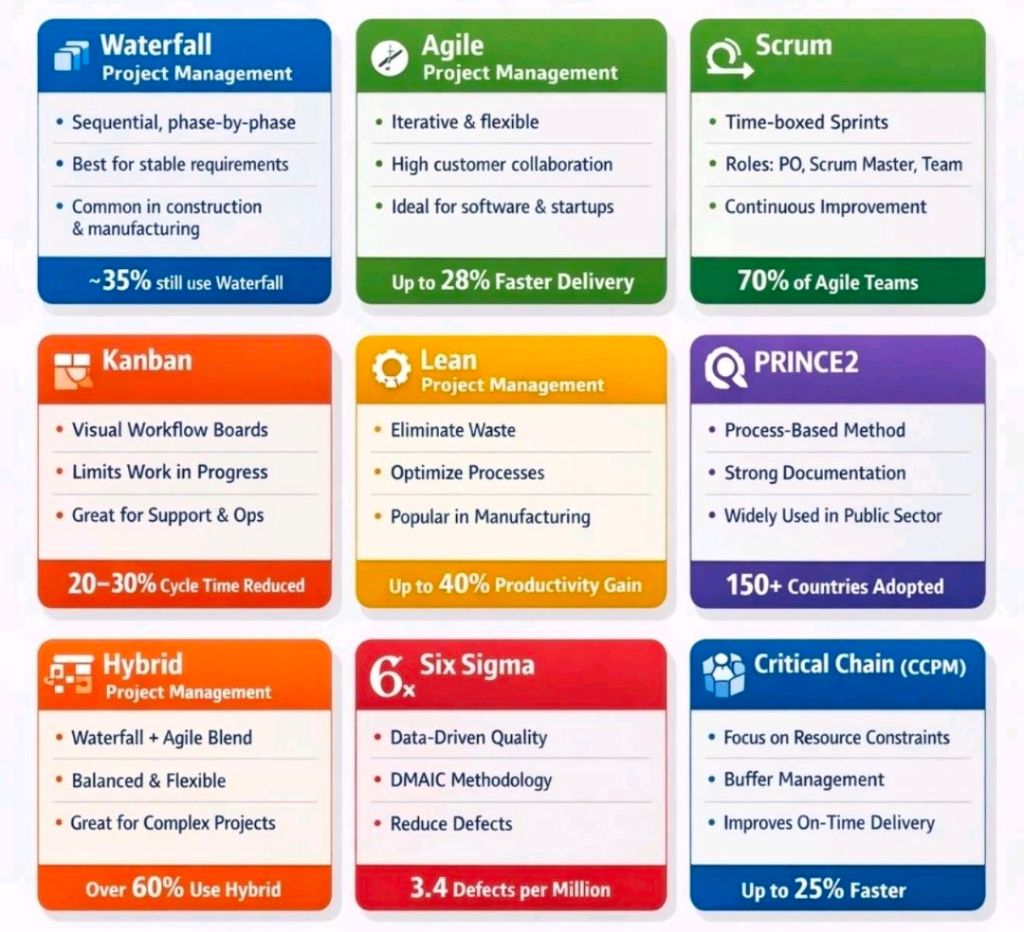
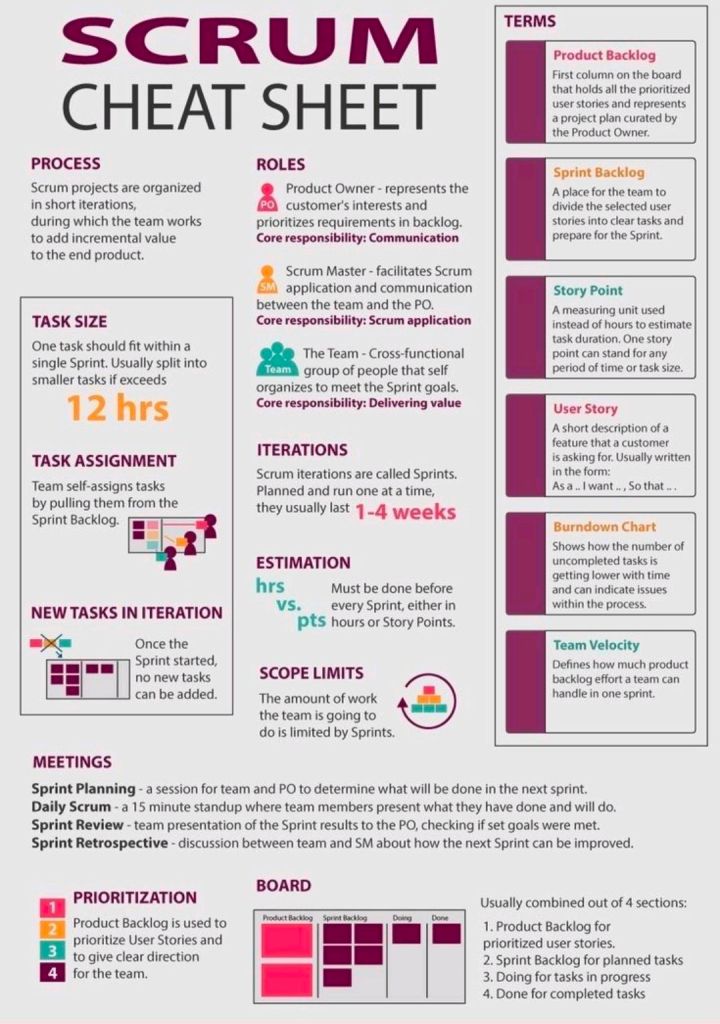
In Scrum, the “timeline” is typically structured as a repeatable, time-boxed cycle known as a Sprint, which usually lasts between one and four weeks. Each sprint follows a strict sequence of “ceremonies” designed to ensure constant delivery and feedback.
The Standard Sprint Timeline (2-Week Example)
The following is a common chronological breakdown of a typical 10-day (two-week) sprint:
- Day 1: Sprint Planning
- Goal: Define what will be delivered and how.
- Activity: The Product Owner presents prioritized items from the Product Backlog. The team selects items to move into the Sprint Backlog.
- Days 2–9: Development & Daily Scrum
- Development: The team works in parallel on design, coding, and testing.
- Daily Scrum: A 15-minute “stand-up” held every morning. Team members sync on progress and identify blockers.
- Ongoing: Backlog Refinement
- Goal: Prepare for future sprints.
- Activity: The team reviews upcoming backlog items to ensure they are “ready” for the next planning session.
- Day 10: Sprint Review & Retrospective
- Sprint Review: A demo for stakeholders to show the Product Increment (completed work) and gather feedback.
- Sprint Retrospective: An internal meeting where the team reflects on their process to improve for the next cycle.
Strategic Project Phases
While the sprint is the heart of execution, a broader Agile project often follows these foundational stages:
- Concept/Ideation: Defining project vision, high-level requirements, and initial scope.
- Inception: Building the team, setting up architecture, and creating a mock-up.
- Construction (Iterative Sprints): The primary execution phase consisting of multiple back-to-back sprints.
- Release/Deployment: Final testing, security checks, and launching the product increment to production.
- Maintenance & Operations: Ongoing support, bug fixes, and incorporating user feedback into new sprints.
Time Allocation (The 15/10/5 Rule)
For a standard sprint, many teams use a percentage-based guide to manage ceremony time:
- 15% for Sprint Planning.
- 10% for Sprint Review.
- 5% for Sprint Retrospective.
For more hands-on planning, tools like the Wrike Sprint Template or Jira Timelines can help visualize these cycles across a long-term roadmap.
Agile Scrum Timeline and Overview