Business Analyst BA Interview Prep Items

Business Analyst BA Interview Prep Items

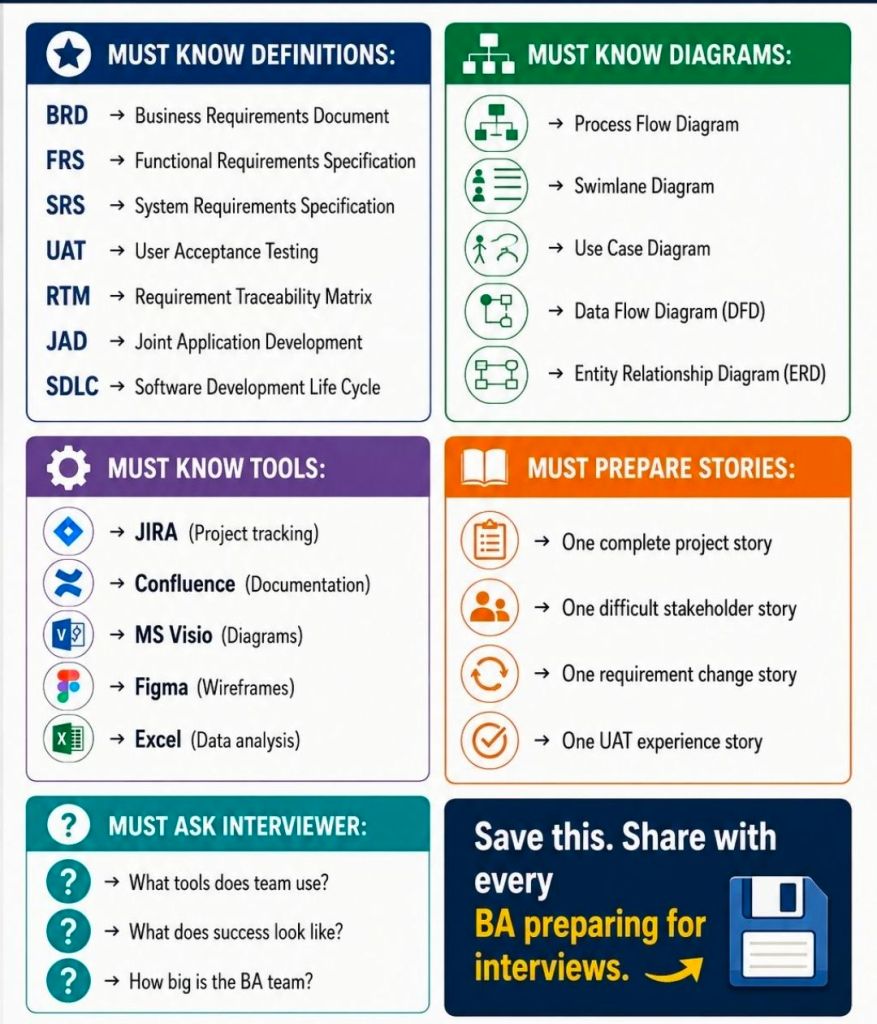
Business Analyst (BA) interview prep focuses on demonstrating how you translate business problems into technical/process solutions. Preparation revolves around three core pillars: competence (technical knowledge), communication (behavioral stories), and cultural fit.

1. Technical & Core Knowledge Prep

Familiarize yourself with the fundamental BA methodologies, documentation, and tools:

  • Methodologies: Understand the differences between Agile (Scrum, Kanban, sprints, user stories) and Waterfall (structured phase-gating).
  • Documentation: Review how to create a Business Requirements Document (BRD), Functional Requirements Document (FRD), and Software Requirements Specification (SRS).
  • Process Modeling: Refresh your knowledge on reading and creating Use Cases, User Stories, and UML diagrams (Activity diagrams, Flowcharts).
  • Requirements Gathering: Be ready to discuss techniques like interviews, workshops, prototyping, and document analysis.

2. Behavioral & Scenario Prep (The STAR/STARS Method)

Expect situational questions that require you to tell a story about your past experience. Structure your answers using the STAR method (Situation, Task, Action, Result):

  • Conflict Resolution: How do you align stakeholders with opposing views or conflicting priorities?
  • Scope Creep: How do you manage a stakeholder requesting major changes midway through a project?
  • Ambiguity: Tell me about a time you had to work with limited data or changing requirements.
  • Failure/Mistakes: Describe a time you made an analytical error or missed a requirement and how you resolved it.

3. Interview Action Items Checklist

  • Work Samples: Bring a physical or digital portfolio containing redacted work samples (e.g., a process flow, user story backlog, or requirements document you’ve built).
  • The 30-60-90 Day Plan: Think about how you would approach the first few months on the job. (e.g., Day 1-30: Learn the business domain; Day 31-60: Map current processes; Day 61-90: Identify optimization opportunities.)
  • Reverse Questions: Prepare engaging questions to ask the interviewer, such as: “What does success look like in this role in the first 6 months?” or “Can you share more about how BAs collaborate with the technical team here?”

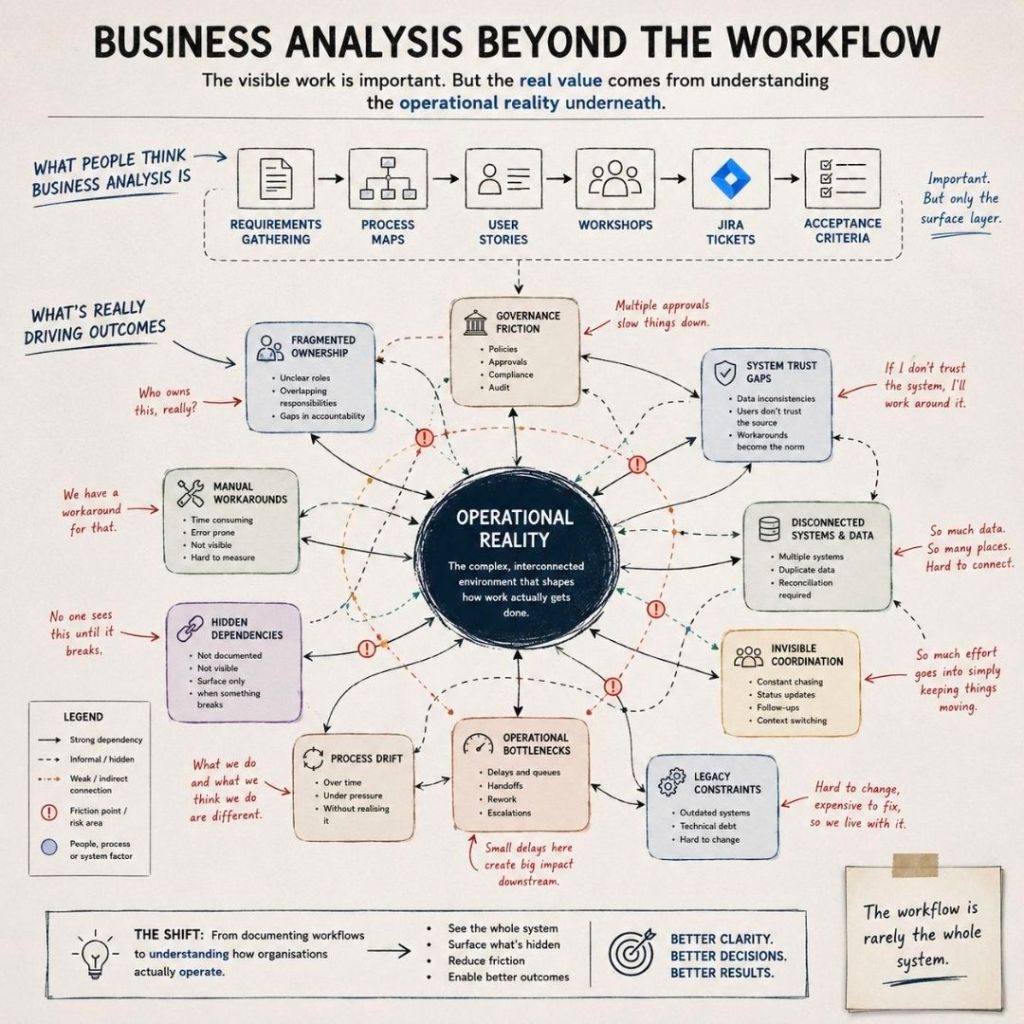
Business Analysis Beyond the Workflow

Business Analysis Beyond the Workflow

Business Analyst Project Deliverables

Business Analyst BA Project Deliverables
BA, Business Analyst Project Deliverables

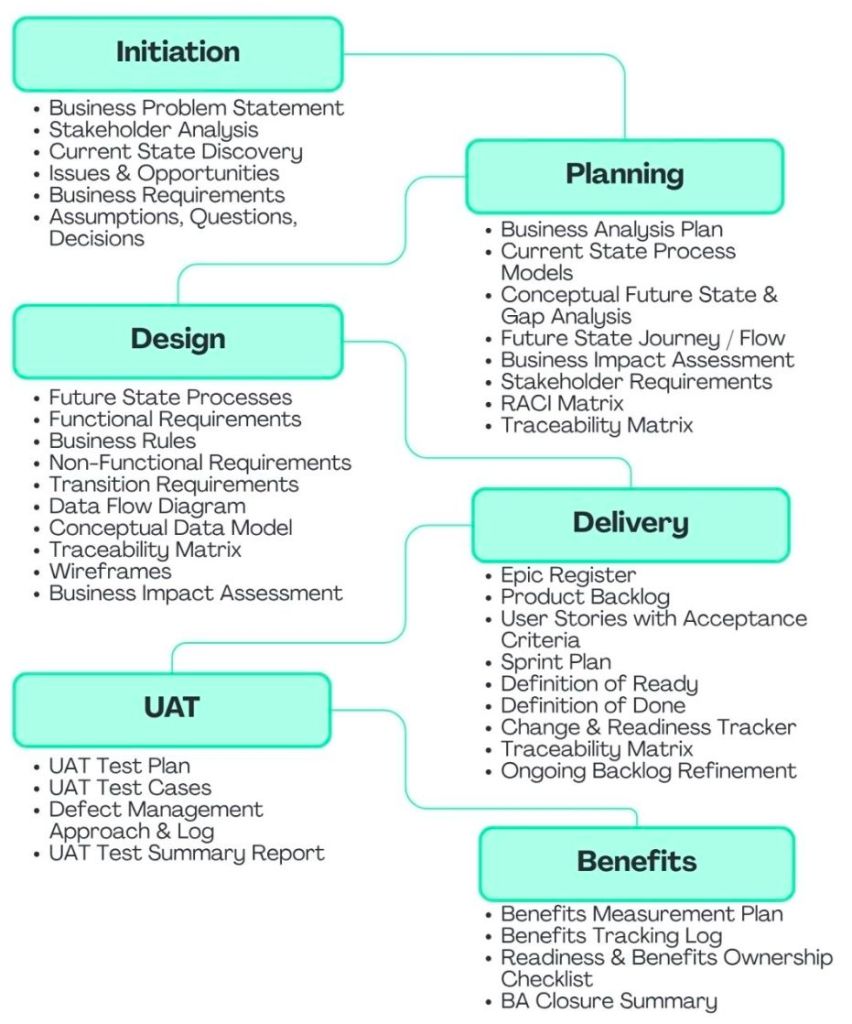
Business analyst deliverables are essential documentation and artifacts produced throughout a project to define business needs, bridge gaps between stakeholders and technical teams, and ensure solutions deliver value. Key deliverables include the Business Case, Stakeholder List, Requirement Packages (BRD/User Stories), Process Models, and Transition Requirements.

Core Business Analyst Deliverables by Phase:

  • Initiation/Discovery:
    • Business Case: Outlines the justification for the project, including cost-benefit analysis and ROI.
    • Problem Statement/Project Scope: Defines the “why” and boundaries of the project.
    • Stakeholder Map/Matrix: Identifies key stakeholders and their influence.
  • Planning:
    • Business Analysis Plan: Outlines the approach, tasks, and techniques to be used.
    • Communication Plan: Defines how stakeholders will receive updates.
  • Elicitation & Analysis:
    • Current State Assessment (As-Is): Documents how processes work today.
    • Future State Modeling (To-Be): Visualizes the desired future processes.
    • Gap Analysis: Details what needs to change to get from current to future state.
    • Business Requirements Document (BRD): A formal document detailing what the business needs to achieve.
  • Solution Definition (Design & Implementation):
    • Functional/Non-Functional Requirements (SRS): Technical details on how the system should act.
    • Use Cases/User Stories: Detailed scenarios of user interactions with the system.
    • Prototypes/Wireframes: Visual representations of user interfaces.
    • Product Backlog (Agile): A prioritized list of user stories.
  • Evaluation & Closure:
    • Acceptance Criteria & Test Cases: Defines the criteria for a completed feature.
    • Solution Assessment/Validation Report: Evaluates if the delivered solution met the needs.
    • Lessons Learned/Closing Report: Documents successes and improvements for future projects.

Key Takeaways:

  • Formal vs. Informal: Plan-driven (Waterfall) projects use heavy formal documentation (BRD, SRS), while change-driven (Agile) projects focus on lighter tools like user stories, Jira tickets, and prototypes.
  • Value-Driven: Deliverables exist to facilitate communication, align stakeholders, and ensure project success.

Note: The specific deliverables required are usually determined in the initial project planning stage.

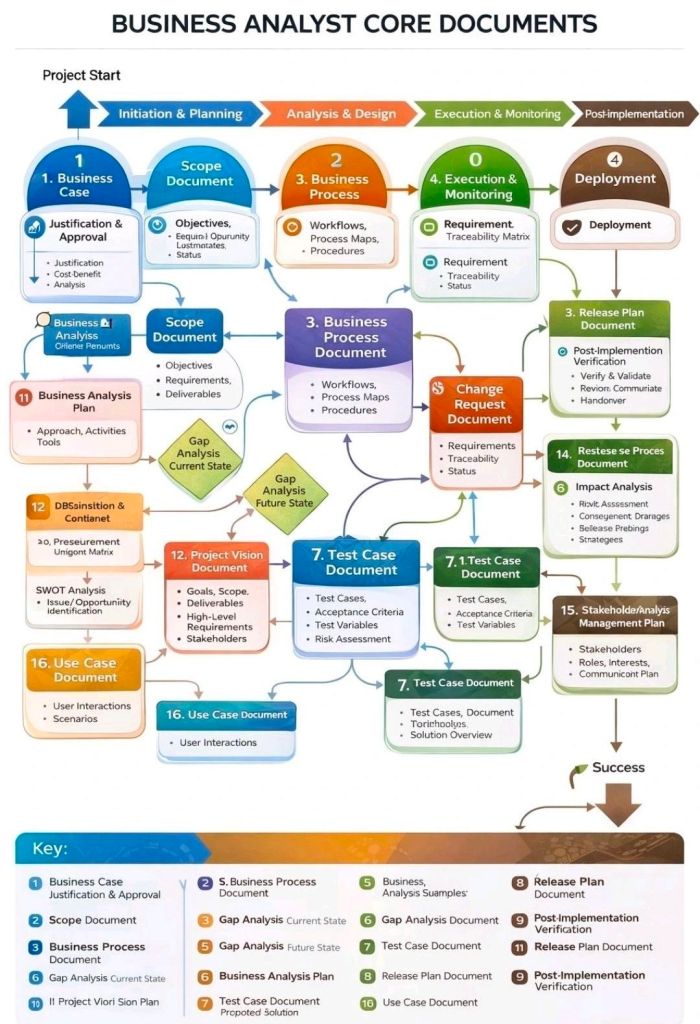
Business Analyst BA Core Documents in Project Delivery

Business Analyst BA Core Documents in Project Delivery

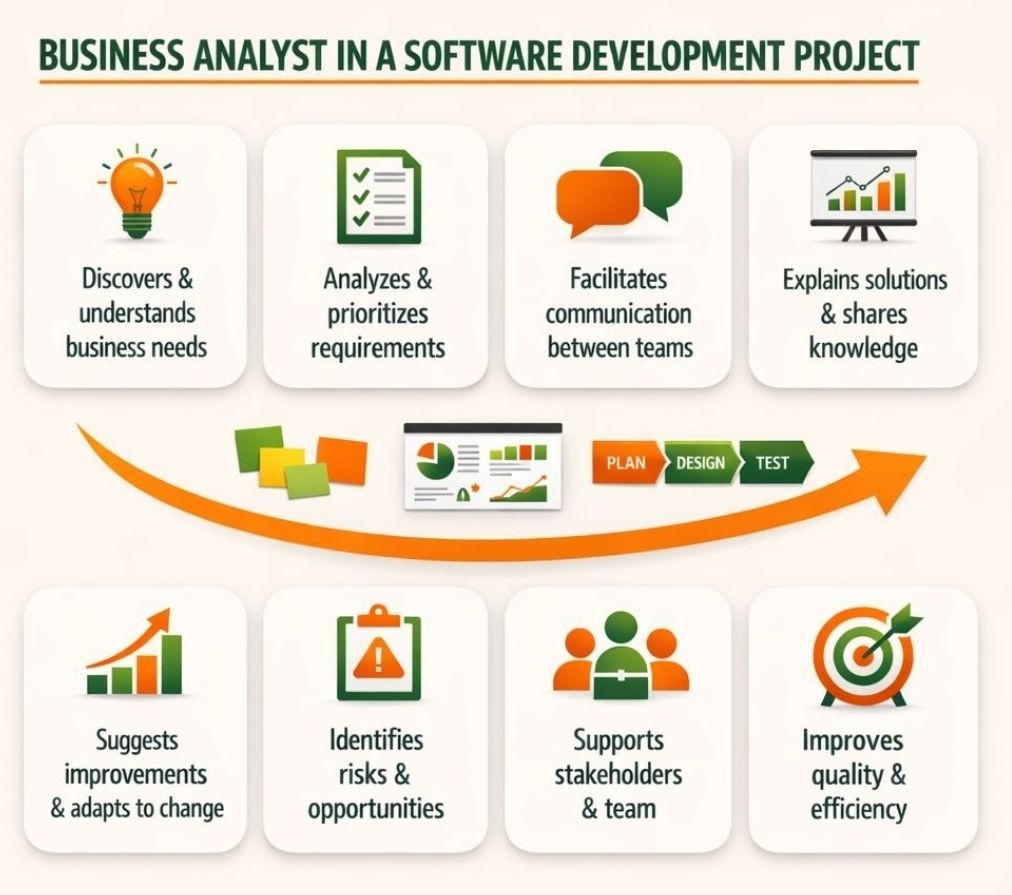
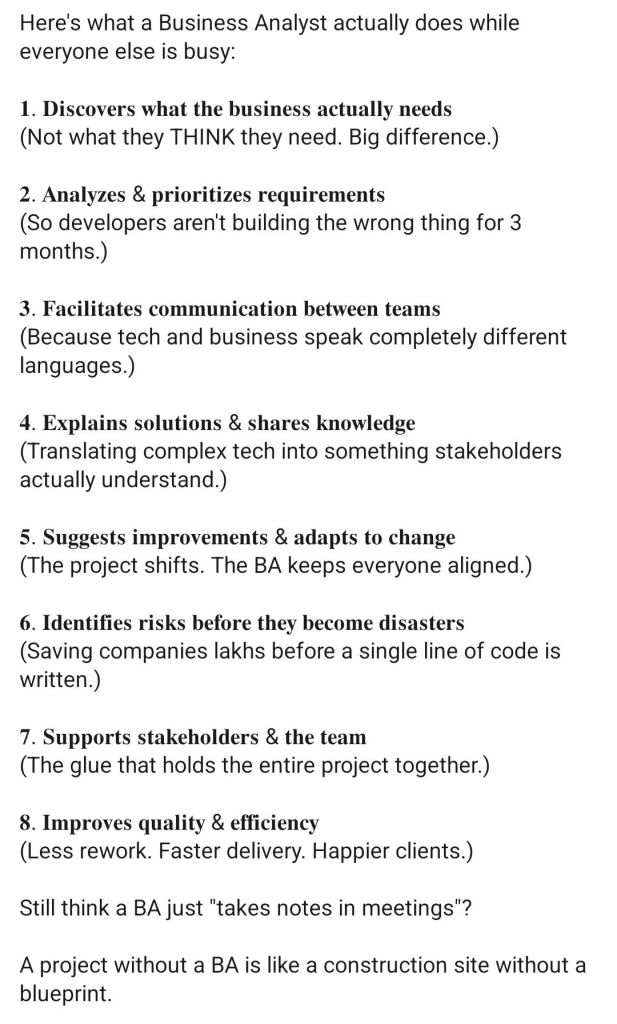
BA Business Analyst in a Software Development Project

Business Analyst BA in a Software Development Project
BA in a Software Development Project

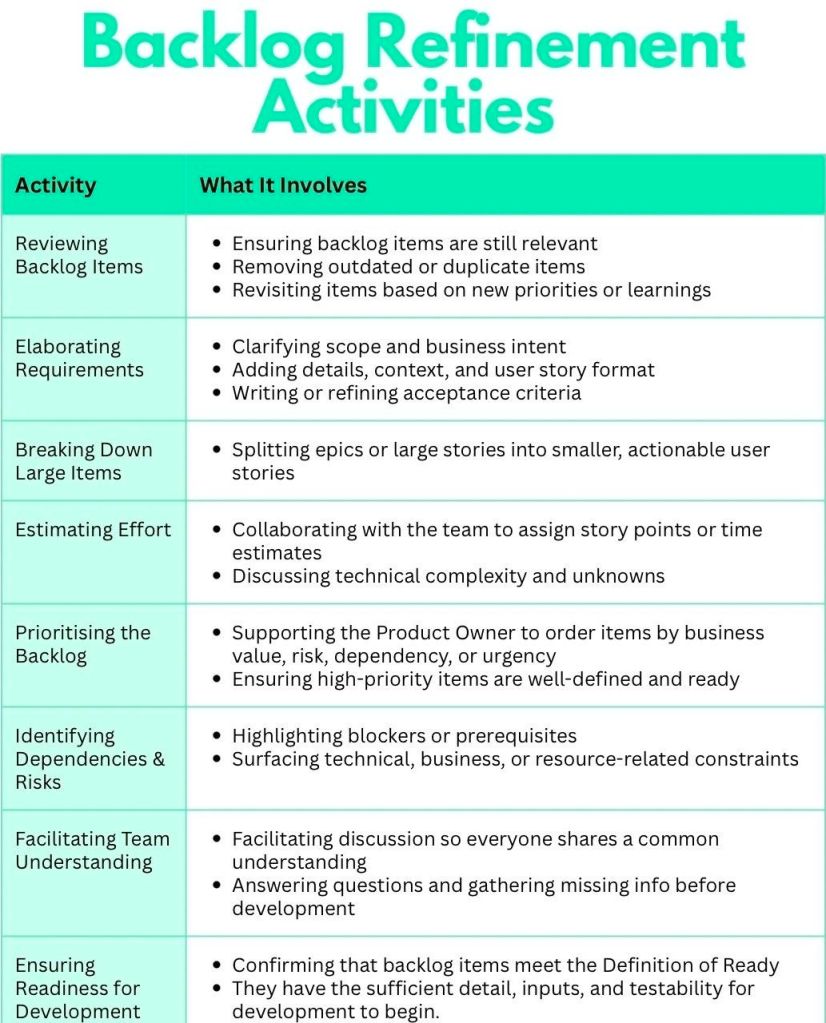
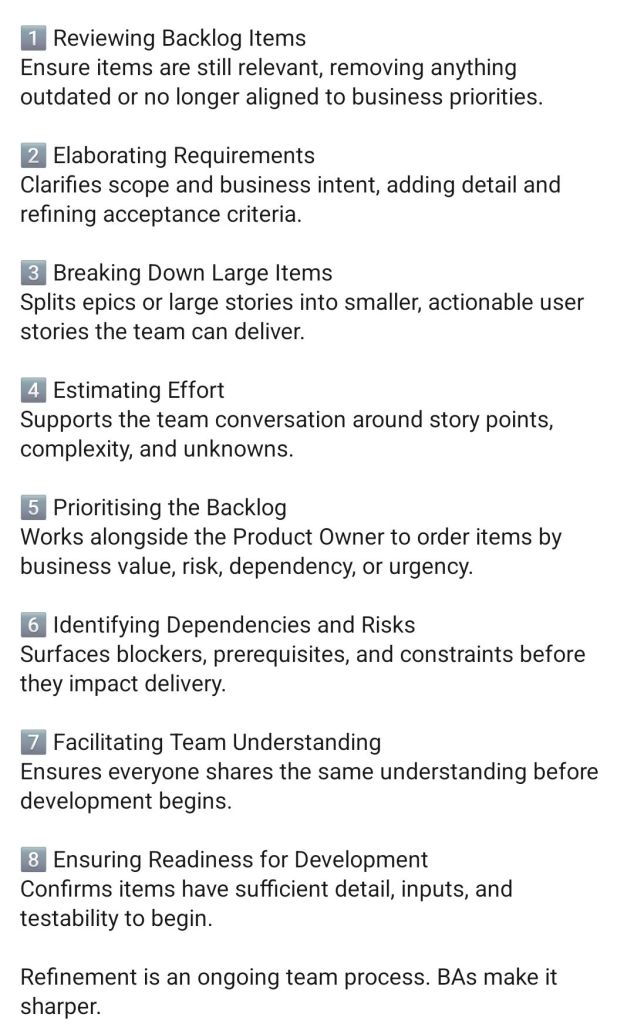
Agile Backlog Refinement Activities and Business Analyst BA

Agile Backlog Refinement Activities & Business Analyst

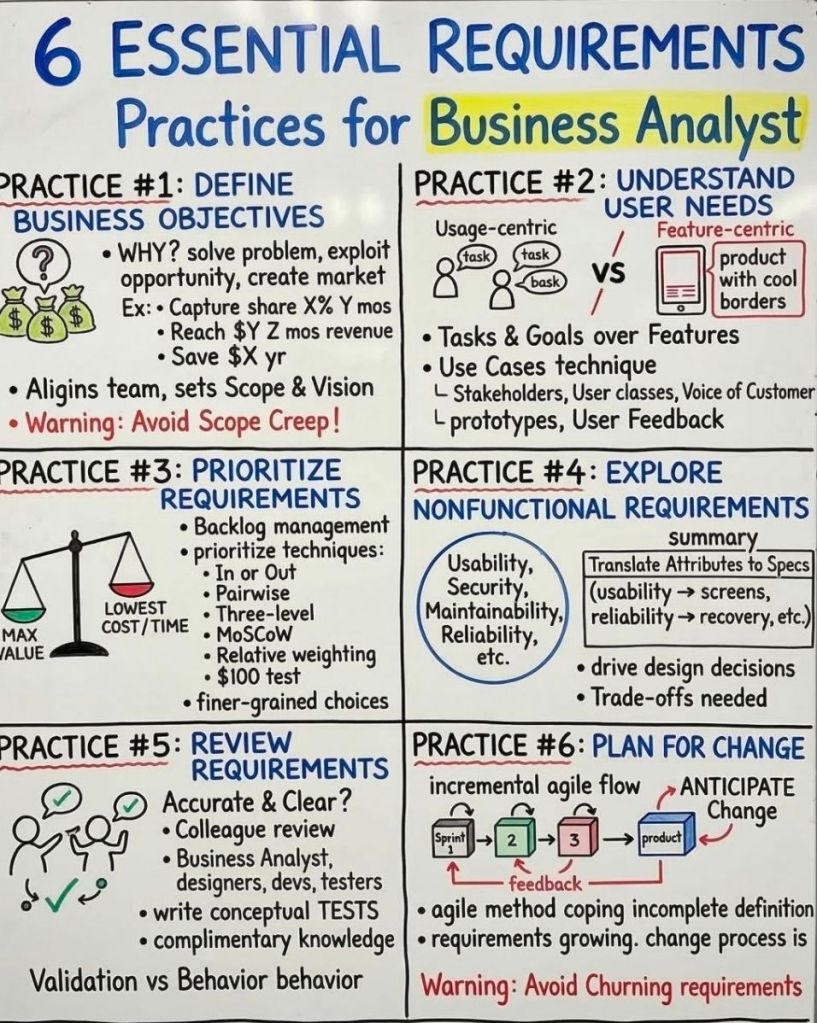
Business Analyst BA Essential Requirements Practices

Business Analyst BA Essential Requirements Practices

How Business Analysis Works

How Business Analysis Works