Mark Whitfield IT Project Manager Training Focus

Mark Whitfield, an IT Project Manager specializing in HP NonStop systems, has a career and training history that spans over three decades, from his academic beginnings in the late 1980s to advanced cloud certifications in the 2020s. 

Early Career & Foundations (1988–1995)

During this era, Whitfield focused on core computer science and specialized mainframe systems while working for The Software Partnership (TSP) and Deluxe Data

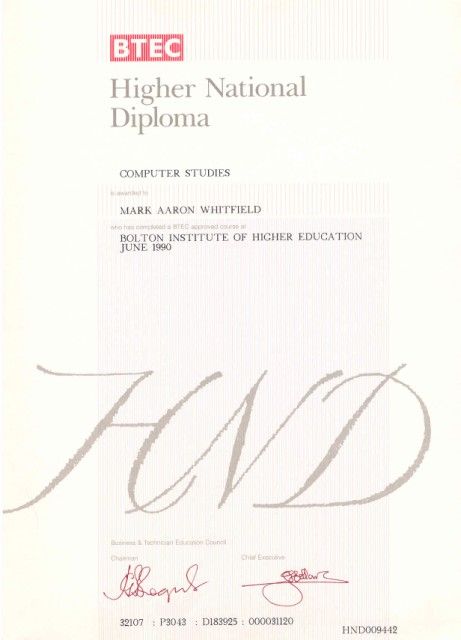
  • 1988–1990: Completed a Higher National Diploma (HND) in Computing at the Bolton Institute of Higher Education (BIHE). Modules included Computer Systems Architecture, Programming Methodology, and Data Processing.
  • May 1993: Tandem Guardian Principles Course.
  • September 1994: VPS 7000/9000 Series and VPS Application Development (VOS 4.3).
  • June 1995: HP NonStop (Tandem) Performance Analysis and Tuning.

Development & Technical Specialisation (1995–2005)

Working primarily with Insider Technologies Limited, this period was marked by software development training in languages like C++ and initial forays into project management. 

  • November 1995: HP NonStop TAL Programming.
  • March 1997: C / C++ Programming at Comtec Computer Training.
  • October 1998: Managing Multiple Projects, Objectives, and Deadlines at SkillPath.
  • February 1999: Successful Project Management at SkillPath.
  • May 2000Microsoft Project ’98 Certification (Orange Belt) at the IIL UK Education Centre.
  • February 2001: Sales and Marketing training (In-House).
  • March 2004: MultiBatch NSK Job Scheduling Product.
  • February 2005: Web Services and SOA. 

Web Development & Security Focus (2006–2010) 

This era shows a shift toward web-based technologies and specialized security products. 

  • January 2006: PRINCE2 Project Management Foundation.
  • February 2006: NetObjects Fusion.
  • March 2006: Cryptography (In-House at Thales e-Security).
  • December 2006: Thales e-Security SafeSign Product.
  • January 2007: Developing Web Applications Using Microsoft Visual Studio .NET.
  • March 2009: Querying Microsoft SQL 2000 with Transact SQL (M2071) at QA Training.
  • May 2009: Writing for the Web and Website Visibility & Promotion at iTrain Education.
  • November 2009: Thales e-Security HP NonStop Security Resource Manager (SRM). 

Agile & Advanced Management (2011–Present) 

In his current era at companies like Betfred and Capgemini, Whitfield has prioritized professional certifications in management and cloud infrastructure. 

  • May 2011: Agile SCRUM Training (RADTAC) and PRINCE2 Practitioner Certification (ILX Group).
  • June–July 2011: Java and Google Android programming using the Eclipse IDE.
  • January 2012: ITIL Foundation Course.
  • July 2014: Advanced Microsoft Excel 2013.
  • November 2017Advanced Engagement Management Certification (Level 2) at Capgemini.
  • February 2022AZ-900 Microsoft Certified Azure Fundamentals.
  • July 2024: Microsoft Excel Refresher 2024 via Udemy. 

Mark Whitfield IT Project Manager Training Focus
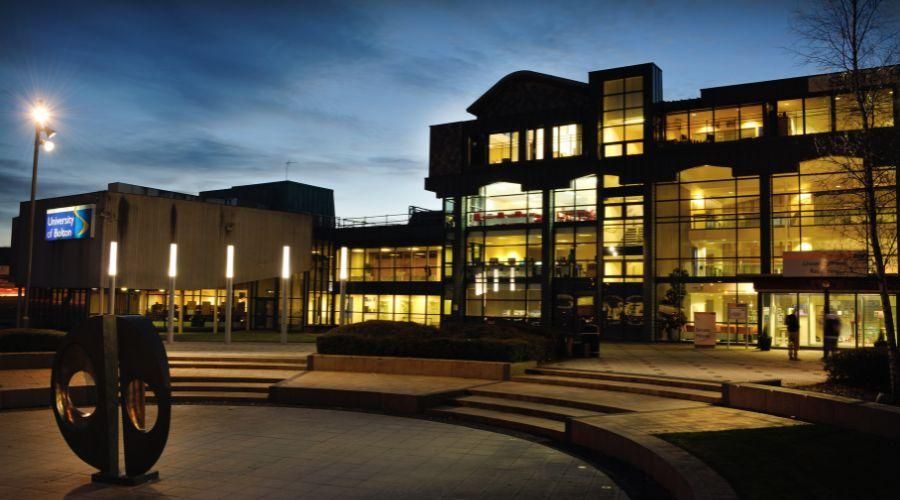
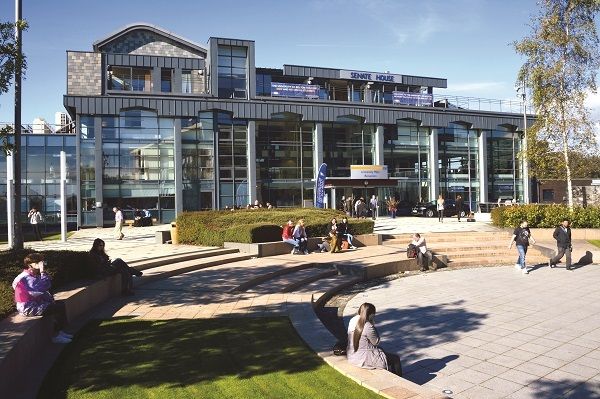
Higher National Diploma (HND) in Computer Studies, Bolton Institute of Higher Education (BIHE)—now the University of Greater Manchester

The Higher National Diploma (HND) in Computer Studies at the Bolton Institute of Higher Education (BIHE)—now the University of Greater Manchester—is a two-year, Level 5 vocational qualification designed to provide practical, industry-specific skills. 

LinkedIn Group: https://www.linkedin.com/groups/51224

BIHE / University of Greater Manchester Evolution

The institution has undergone several name changes and status upgrades that affected the delivery of the HND: 

  • 1982: BIHE was formed through the merger of Bolton Institute of Technology and Bolton College of Education (Technical).
  • 1992: The Institute was granted the power to award taught degrees.
  • 2004/2005: BIHE achieved full university status, becoming the University of Bolton.
  • 2024: The university rebranded as the University of Greater Manchester

HND Computer Studies: Detailed Timeline

The course traditionally follows a two-year full-time or three-year part-time structure. 

Year 1: Foundations (HE4 Level)

The first year focuses on establishing core technical and business knowledge. In many versions of the Bolton curriculum, Year 1 is common across several computing programmes to allow for flexible progression. 

  • Core Modules:
    • Introduction to Programming: Developing fundamental coding logic.
    • Computer Platforms & Systems Architecture: Understanding the hardware and software environments.
    • Information Systems & Databases: The basics of data management.
    • Website Production & Networking Fundamentals: Introduction to web technologies and connectivity.
    • Quantitative Techniques & Business Studies: Integrating mathematical and commercial contexts. 

Year 2: Specialisation (HE5 Level)

The second year shifts toward advanced application, systems analysis, and professional practice. 

  • Advanced Modules:
    • Systems Analysis & Design: Producing system requirements and user interface specifications.
    • Programming Methodology: Moving into more complex application development.
    • Business Information Systems: Exploring how IT supports organizational requirements.
    • Database Design: Implementing industry-standard database packages.
  • Final Year Project: A major 20-credit core project where students investigate a specific field and apply their cumulative skills to a real-world scenario. 

Progression and Modern Standards

  • Academic Standing: Completion of the HND is equivalent to the first two years of a Bachelor’s degree (Level 5).
  • Degree Top-Up: Successful HND graduates can typically proceed directly into the final year (Level 6) of the BSc (Hons) Computer Science or BSc (Hons) Computing at Bolton.
  • Modern HTQs: Current versions of the course, such as the HND Computing for England (HTQ), now integrate modern fields like Artificial IntelligenceCloud Computing, and VR technologies.
1988 to 1990 : University of Greater Manchester (previously Bolton Institute of Higher Education – BIHE)
Higher National Diploma (HND) in Computer Studies, Bolton Institute of Higher Education (BIHE)—now the University of Greater Manchester

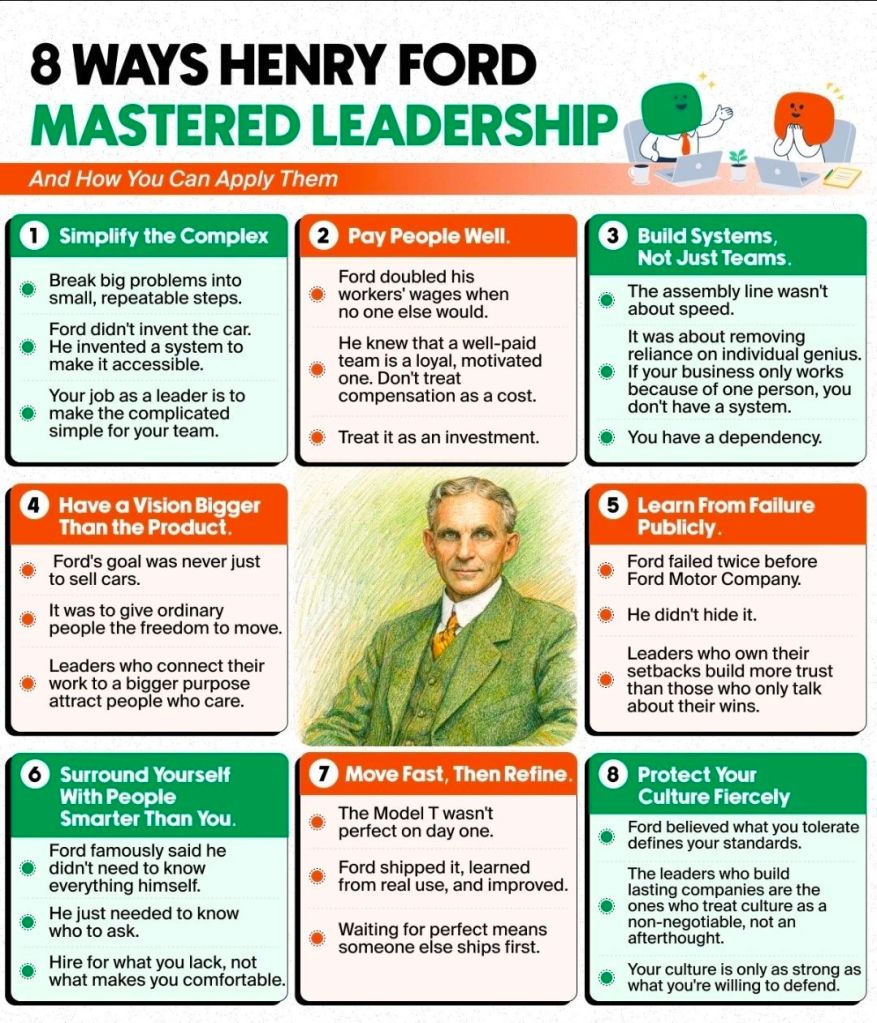
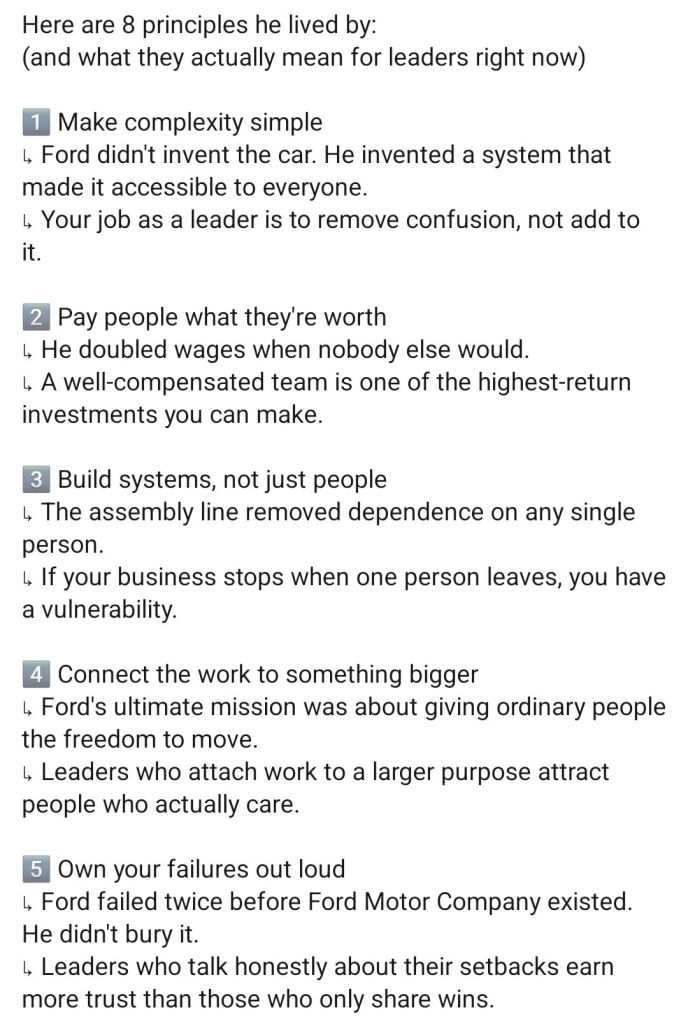
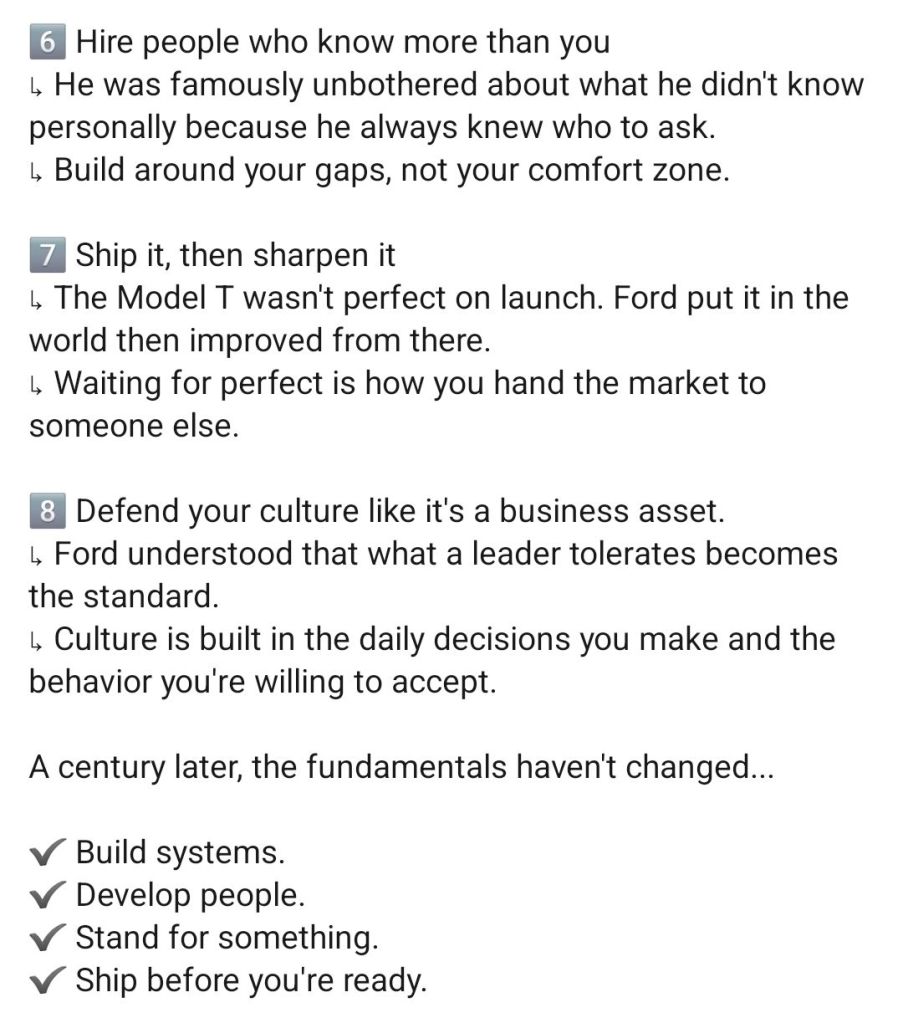
Henry Ford Mastered Leadership in 8 Ways

Henry Ford Mastered Leadership in 8 Ways

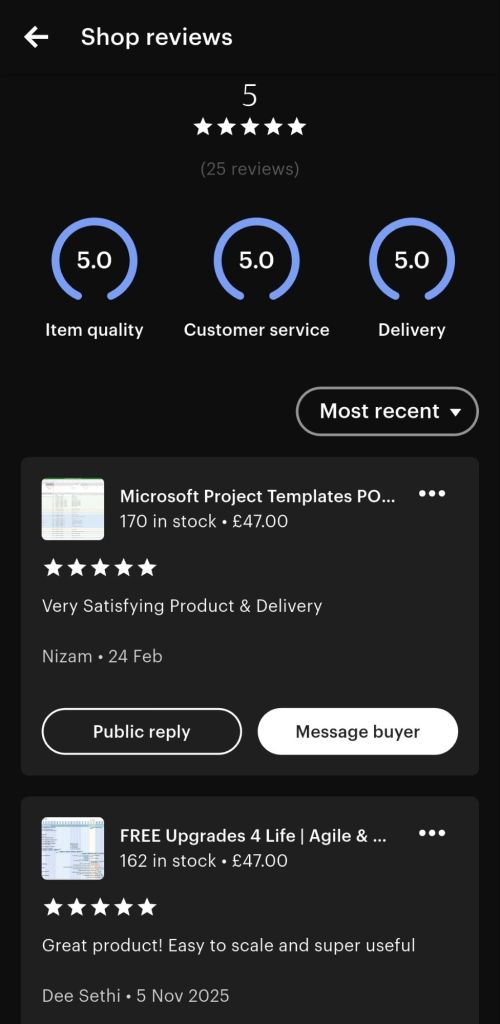
iProPMTemplates on Etsy for Project Management Templates with FREE Upgrades

Mark Whitfield is a Senior Project Manager with over 30 years of experience in delivering PRINCE2 Waterfall and Agile Scrum projects. Operating the Etsy shop ProjectTemplatesSoft (also known as iProPMTemplates), he provides a comprehensive bundle of over 200 professional project management templates. 

Operating the Etsy shop ProjectTemplatesSoft (also known as iProPMTemplates)

Author Overview: Mark Whitfield

  • Professional Background: Graduated in Computing in 1990 and began his career as a programmer in electronic banking software.
  • Expertise: Senior Project Manager and PRINCE2 Practitioner with extensive experience in the Software Development Lifecycle (SDLC).
  • Value Proposition: His templates are designed to be “imitation-proof” professional toolsets used in real-world project delivery.
  • Support Policy: Offers FREE upgrades and additions for life to anyone who purchases his template bundles; users simply contact him via Etsy or his official website

Detailed Project Templates Inventory

The expanded inventory typically included in his master ZIP file covers the entire project lifecycle across various formats (Excel, Word, PowerPoint, and MS Project). 

1. Planning & Scheduling Templates

  • MS Project (MPP) Plans: Detailed SDLC Microsoft Project plans adaptable for Waterfall and Agile Scrum, including PRINCE2 7th Edition specific plans.
  • Excel Project Planners: Robust Waterfall and PRINCE2 planners with automated Gantt views, designed for users without MS Project licenses.
  • Plan on a Page (POaP): High-level PowerPoint and Excel templates for stakeholder presentations, showing project timelines and key milestones.
  • Agile Frameworks: Templates for Sprint planning, Daily Stand-ups, Sprint Reviews, and Retrospectives. 

2. Tracking & Control (RAID & RACI)

  • Comprehensive RAID Log: An Excel-based master tracker for Risks, Assumptions, Issues, Dependencies, and Decisions.
  • RACI Matrix: For defining roles and responsibilities (Responsible, Accountable, Consulted, Informed).
  • Agile Trackers: Includes Burn Down and Burn Up charts for teams not using Jira or similar tools. 

3. Financial & Resource Management

  • Project Financial Tracker: Detailed spreadsheets for tracking forecasts, actuals, margins, and variance.
  • Resource Costing Grid: Tools for estimating resource costs across project phases, useful for bidding and Statements of Work (SoW).
  • Capacity Planning: Templates for managing team availability and on-boarding mobilization kits

4. Documentation & Reporting

  • Status Reports: Weekly and monthly templates in Word and PowerPoint.
  • Standard PRINCE2 Artifacts: Complete set including Business Cases, Project Briefs, Highlight Reports, and End Stage Reports.
  • Governance Tools: Meeting minutes, stakeholder analysis plans, and Benefits Realisation Plans

iProPMTemplates on Etsy for Project Management Templates with FREE Upgrades

AI Projects and Methodologies for Managing AI Projects

Artificial intelligence (AI) is transforming project management through two distinct but related paths: the use of AI-powered tools to manage general projects and the specialized methodologies required to manage AI development itself

1. Methodologies for Managing AI Projects

Traditional software development methods (like Waterfall) often fail for AI because these projects are experimental and non-linear. Specialized frameworks have emerged to handle the “data-first” nature of AI: 

  • CPMAI (Cognitive Project Management for AI): A leading methodology that combines Agile principles with data-centric phases: Business Understanding, Data Understanding, Data Preparation, Model Development, Model Evaluation, and Model Operationalization.
  • Agile-AI Hybrid: Adapts standard Agile by using “short-boxed” iterations for model training and allowing for a “flexible scope” because model performance is unpredictable until tested.
  • Data Driven Scrum: A variation of Scrum that prioritizes work based on data availability and experimental results rather than just feature backlogs.
  • MLOps (Machine Learning Operations): An operational framework focused on the continuous integration, deployment, and monitoring of models to prevent “model drift” after a project officially “ends”. 

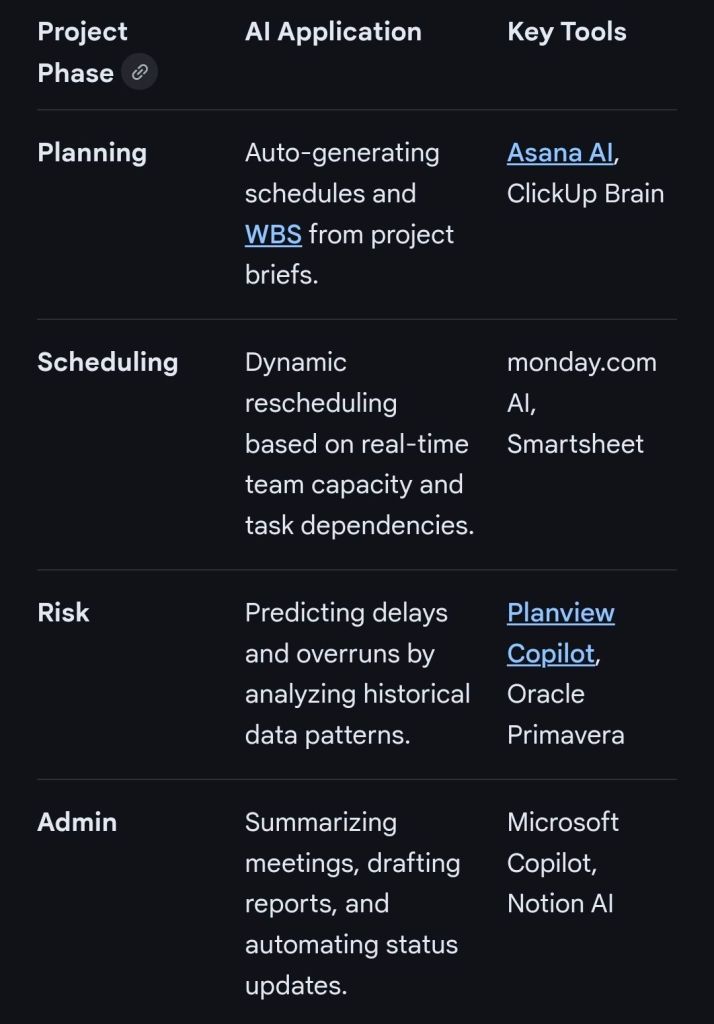
2. AI-Augmented Project Management (The “AI Copilot”)

For non-AI projects, AI acts as an intelligent assistant to automate administrative tasks and provide predictive insights. 

3. Implementation Strategy

Experts recommend a phased approach to integrating AI into management workflows: 

  1. Assess Inefficiencies: Identify repetitive tasks (e.g., status reporting) that can be automated first.
  2. Data Governance: Ensure project data is clean and centralized; AI is only as good as the data it consumes (“Garbage In, Garbage Out”).
  3. Human-in-the-Loop: Use AI for data-heavy lifting, but retain human judgment for high-stakes leadership, ethics, and stakeholder empathy.

AI Projects and Methodologies for Managing AI Projects

AI history of artificial intelligence by era

The history of artificial intelligence is defined by cycles of extreme optimism followed by “winters” of reduced funding and interest. It has evolved from a theoretical branch of mathematics into a pervasive modern technology. 

The Foundations (Pre-1950)

Before AI was a formal field, it existed in science fiction and early mechanical concepts. 

  • 1921: The term “robot” is coined by Karel Čapek in the play Rossum’s Universal Robots.
  • 1943: Warren McCulloch and Walter Pitts publish the first mathematical model of a neural network.
  • 1949: Edmund Berkeley’s book Giant Brains proposes that machines can think. 

The Birth of AI (1950–1956)

This era shifted AI from mythology to a serious academic discipline. 

  • 1950Alan Turing publishes “Computing Machinery and Intelligence,” introducing the Turing Test to measure machine intelligence.
  • 1952Arthur Samuel creates the first self-learning checkers program.
  • 1955-1956John McCarthy coins the term “Artificial Intelligence” during the proposal for the Dartmouth Workshop, which officially launched the field. 

The Golden Years & First AI Winter (1957–1979) 

Initial successes led to over-promising and a subsequent crash. 

  • 1958Frank Rosenblatt develops the Perceptron, the foundation for modern neural networks.
  • 1966Joseph Weizenbaum creates ELIZA, the first “chatterbot”.
  • 1973-1974: The Lighthill Report in the UK and subsequent funding cuts by DARPA lead to the First AI Winter due to limited computing power and unmet expectations.

The Expert Systems Boom & Second Winter (1980–1993)

AI found commercial success through specialized knowledge bases before another decline. 

  • 1980XCON (expert configurer) becomes the first commercially successful expert system, saving Digital Equipment Corporation millions.
  • 1981: Japan launches the Fifth Generation Computer project with $850 million to create human-level reasoning.
  • 1987-1993: The Second AI Winter occurs as specialized AI hardware (Lisp machines) becomes obsolete compared to cheaper personal computers from Apple and IBM. 

The Age of Agents & Narrow AI (1993–2011) 

AI began achieving superhuman performance in specific, “narrow” tasks. 

  • 1997: IBM’s Deep Blue defeats world chess champion Garry Kasparov.
  • 2002: iRobot releases the Roomba, bringing autonomous AI into the home.
  • 2011: IBM’s Watson wins Jeopardy! against human champions, and Apple releases Siri

The Deep Learning Revolution (2012–2021)

A massive surge in data and GPU power transformed the field. 

  • 2012AlexNet wins the ImageNet competition, proving the power of deep convolutional neural networks.
  • 2016: Google DeepMind’s AlphaGo defeats world Go champion Lee Sedol.
  • 2017: Researchers at Google propose the Transformer architecture, which becomes the backbone of modern large language models. 

The Generative AI Boom (2022–Present)

AI has entered the mainstream, moving toward Agentic AI that can plan and act autonomously. 

  • 2022: OpenAI releases ChatGPT, sparking global interest in generative AI.
  • 2023-2024: Focus shifts toward Multimodal AI (images, video, and text) and Agentic AI capable of completing complex workflows across multiple tools. 

AI history of artificial intelligence by era

An amble around Manchester, 17th March 2026

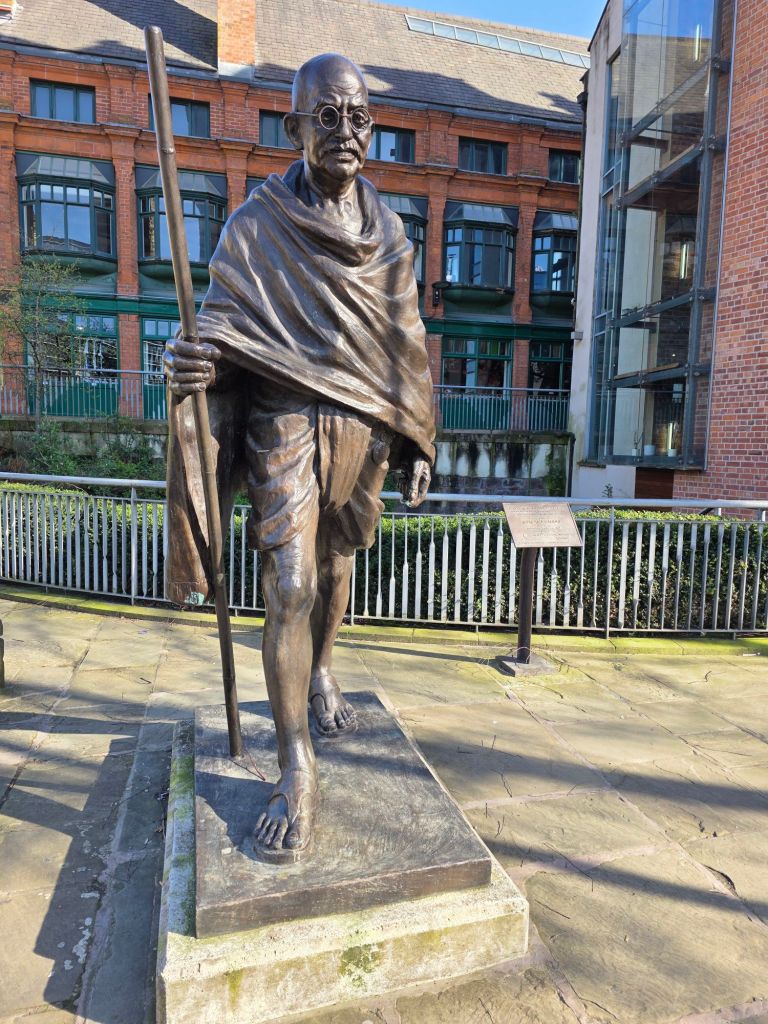
Ghandi, Manchester City Centre
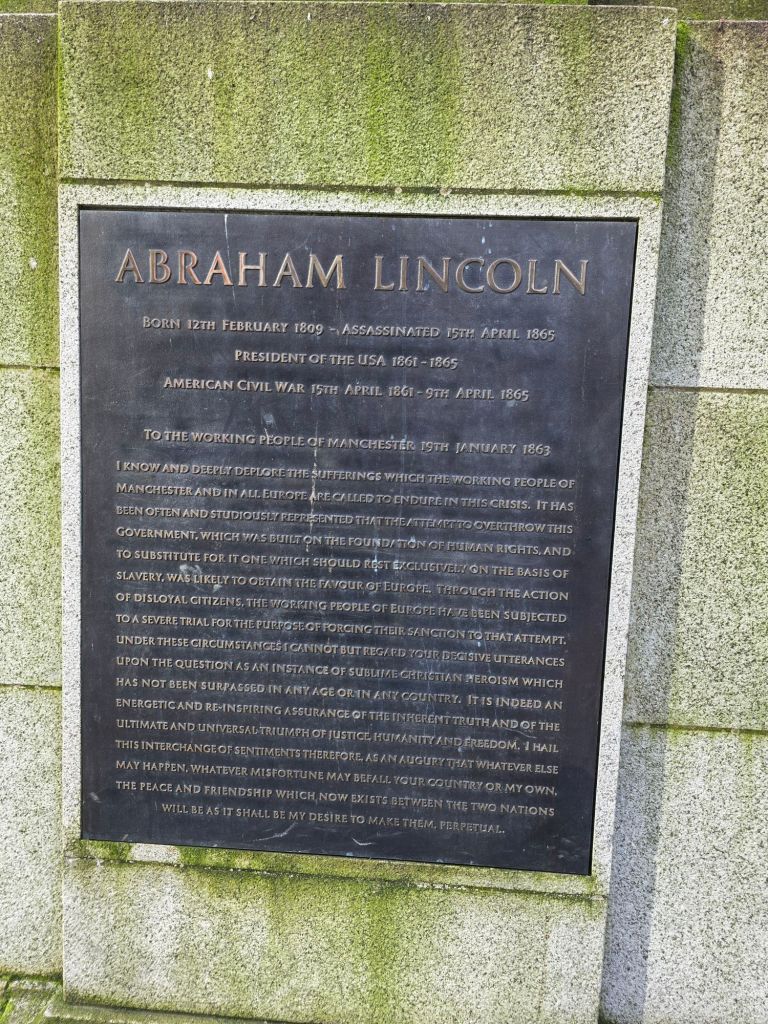
Abraham Lincoln 1, Manchester City centre
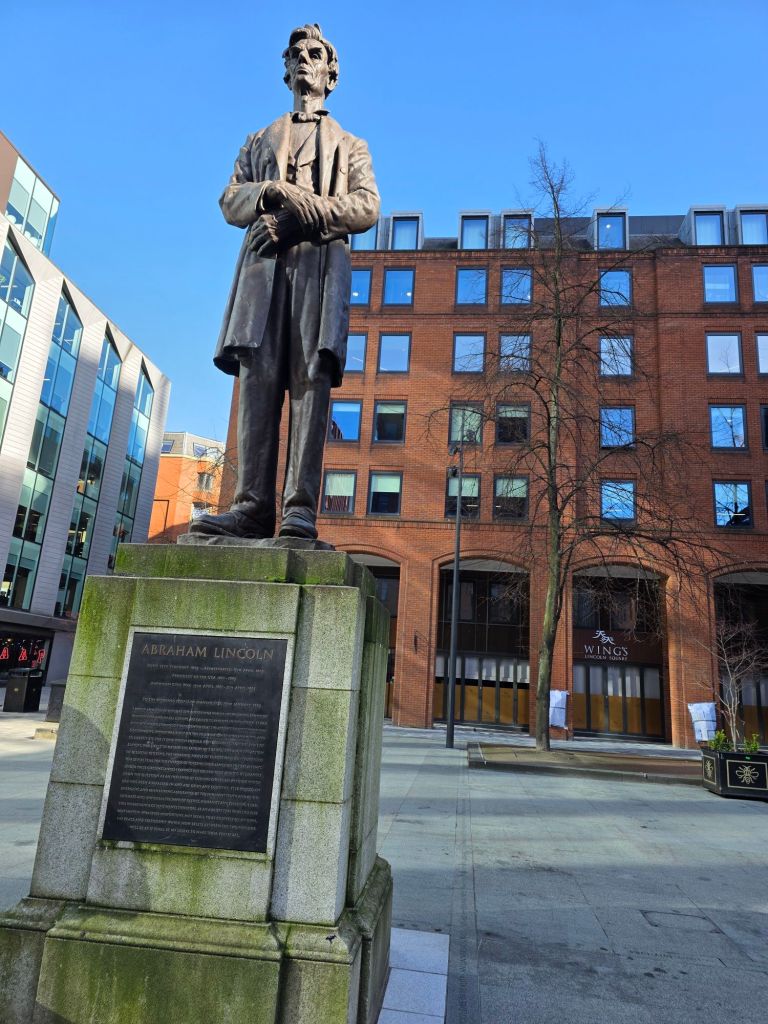
Abraham Lincoln 2, Manchester City centre
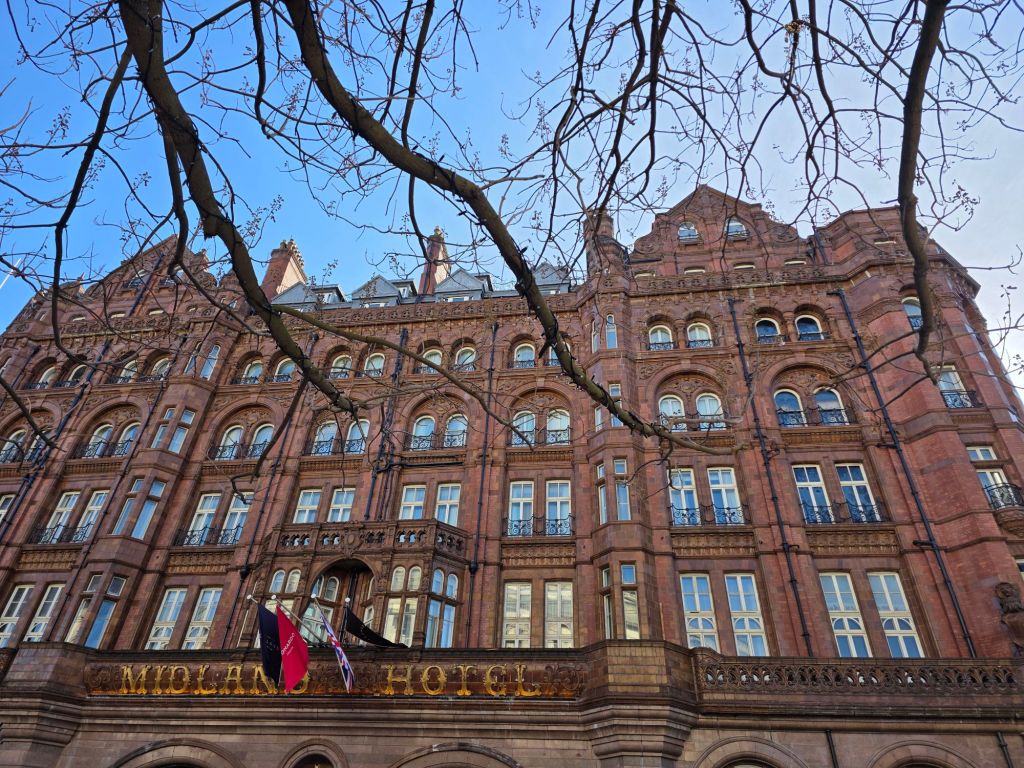
Midland Hotel, Manchester

An amble around Manchester, 17th March 2026

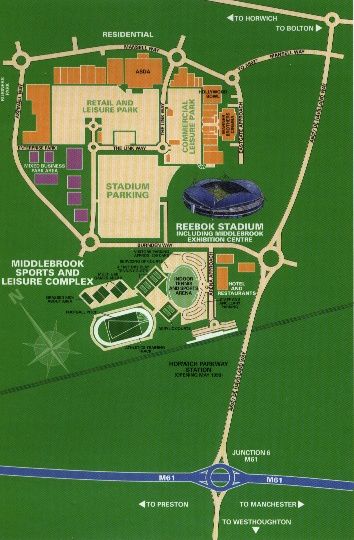
Middlebrook Retail Park, Horwich, Bolton Detailed Timeline by Era

Middlebrook Retail Park, located in Horwich, Bolton, is one of the largest integrated retail and leisure destinations in the UK. Covering approximately 200 acres at Junction 6 of the M61, it serves as a mixed-use complex combining over 60 high-street stores with major leisure facilities, two hotels, and the home of Bolton Wanderers F.C.. 

Middlebrook Retail Park, Horwich, Bolton Detailed Timeline by Era

Historical Timeline of Middlebrook

Pre-Development Era (16th Century – 1994) 

  • 16th Century: The site was originally home to Sefton Fold Farm, a three-bay timber-framed farmhouse.
  • Late Medieval: Archaeological digs later revealed a moated site and pottery from this era.
  • Pre-1994: Much of the land consisted of open fields and the former Red Moss tip. 

Inception & Construction Era (1994 – 1997)

  • 1994: Plans for the ambitious scheme were first announced, including a 25,000-seater stadium and 6,000-seater indoor arena.
  • 1995: Outline planning applications for the football stadium were approved in July.
  • 1996: Orbit Developments (part of The Emerson Group) began physical construction. By Christmas, many key buildings were already constructed.
  • 1997: The Reebok Stadium (now Toughsheet Community Stadium) was inaugurated on 1 September with a match between Bolton and Everton.
  • 1997 (Summer): Initial food outlets like McDonald’sPizza Hut, and KFC opened for business. 

Establishment & Expansion Era (1998 – 2005)

  • 1998: The first retail businesses officially began operating.
  • 2001: Bolton Arena (USN Bolton Arena) opened in the spring after winning a development grant.
  • 2001: Annual visitor numbers reached 12.5 million for the first time.
  • 2002: The site hosted events for the Manchester Commonwealth Games at the sports arena.
  • 2005: Marks & Spencer (M&S) secured planning permission to occupy a vacant store, marking a significant shift toward major non-food retail. 

Modern Maturity Era (2006 – Present)

  • 2006: A time capsule was buried by schoolchildren to celebrate a decade of development.
  • 2006 (October): Several high-profile stores opened, including HMV and Clarks.
  • 2020s: The park continues to house over 62 high-street brands including ASDA SupercentreVue Cinema, and Hollywood Bowl.
  • Present: It remains a top-ranked UK retail park, attracting over 910,000 shoppers per month

Middlebrook Retail Park, Horwich, Bolton Detailed Timeline by Era

Middlebrook Retail Park, Horwich, Bolton Detailed Timeline by Era