Buy Project Management Templates bundle

Mark Whitfield’s project management templates are a comprehensive collection of over 200 editable Microsoft Office resources designed for Agile, Waterfall, and PRINCE2 7th Edition delivery. Built from over 30 years of project delivery experience at blue-chip companies like Capgemini, Barclays, and HSBC, these tools focus on practical, functional utility rather than “flashy” design. 
Core Template Categories

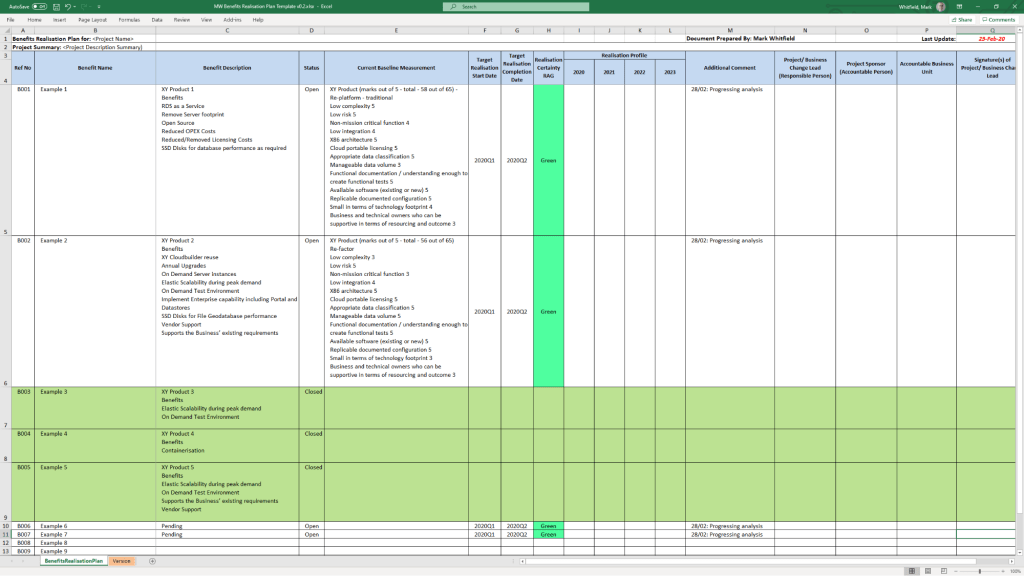
The bundle is primarily provided in MS Excel, MS Project (.mpp), MS PowerPoint, and MS Word formats. 

  • Planning & Scheduling:
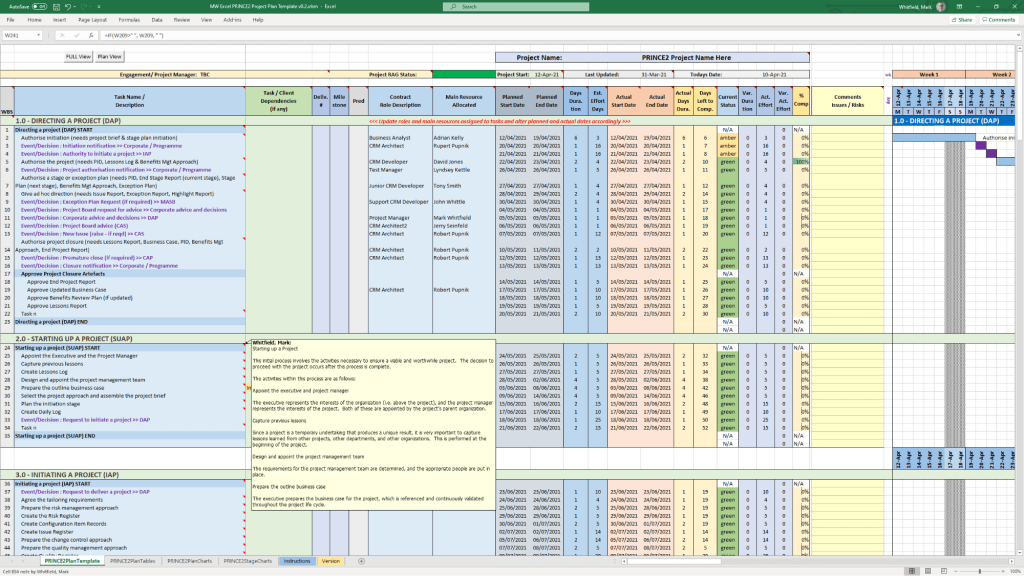
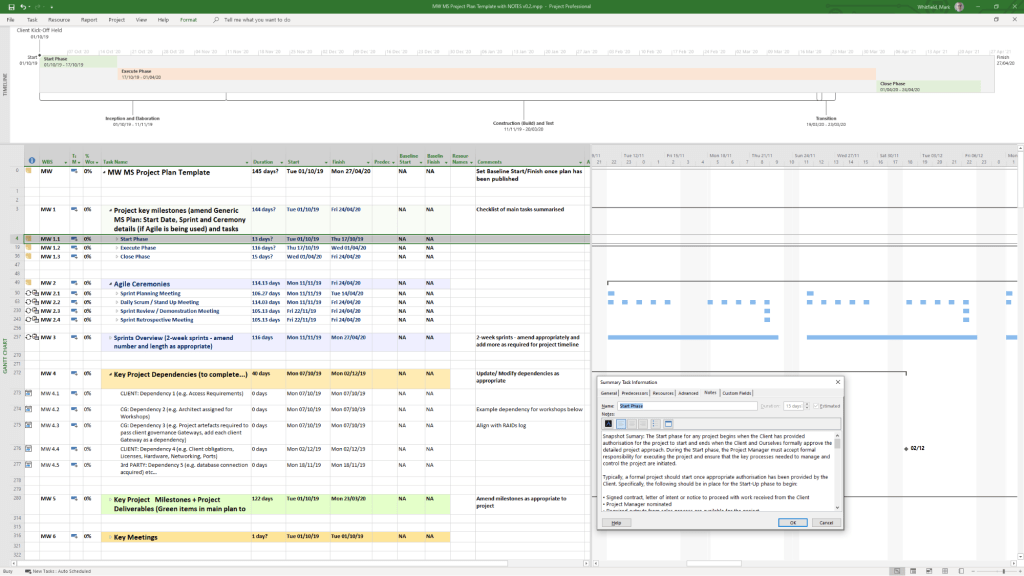
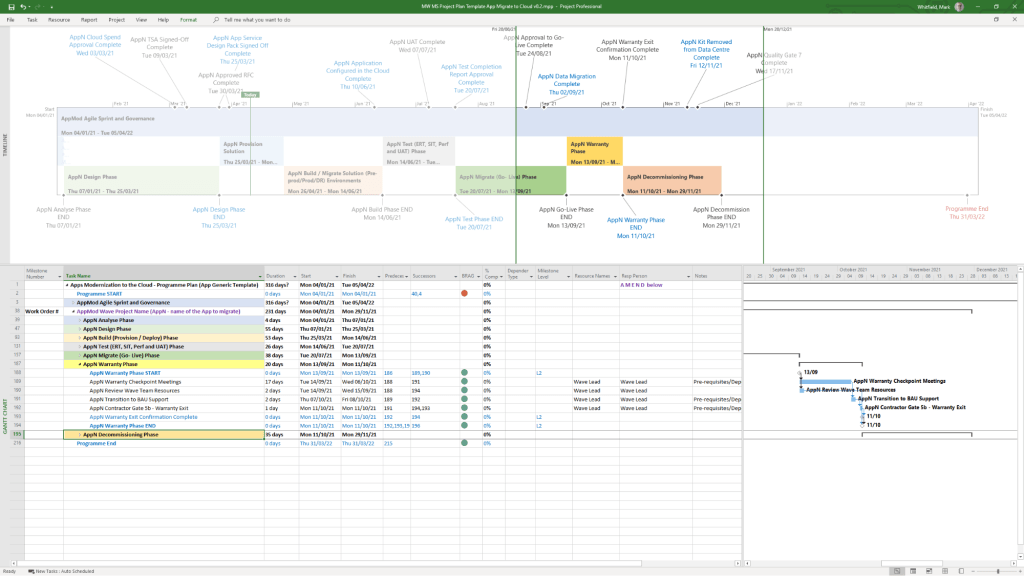
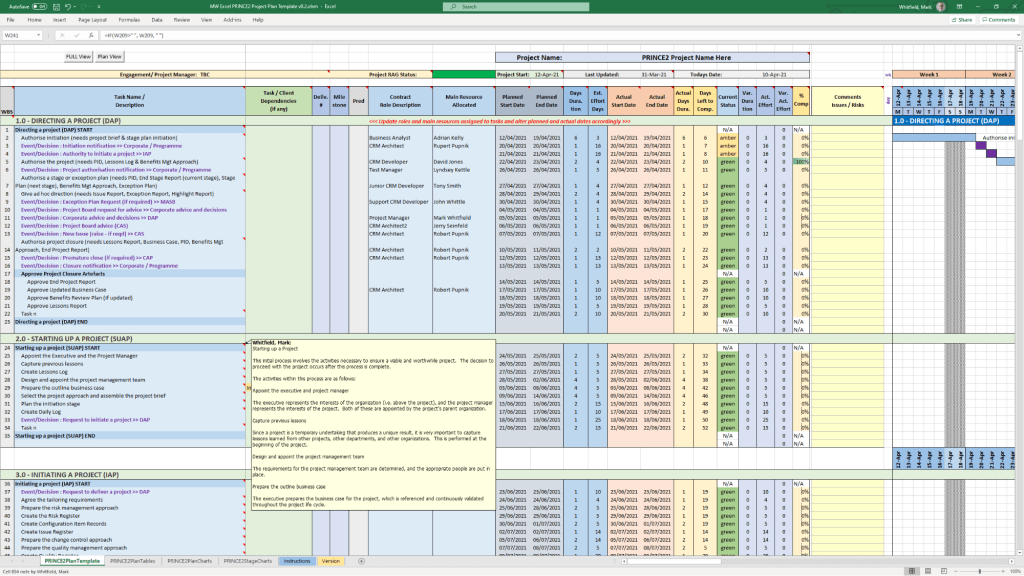
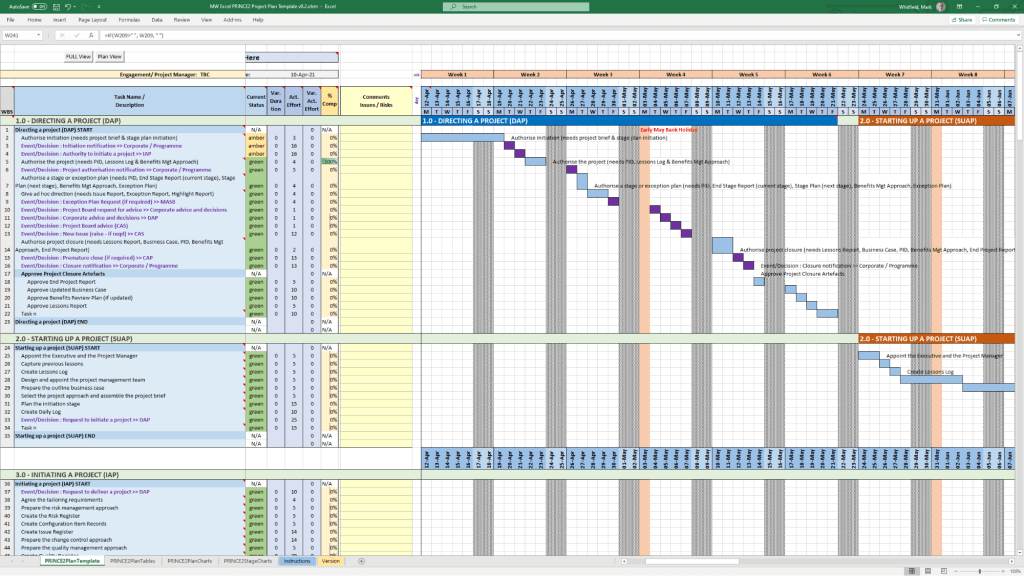
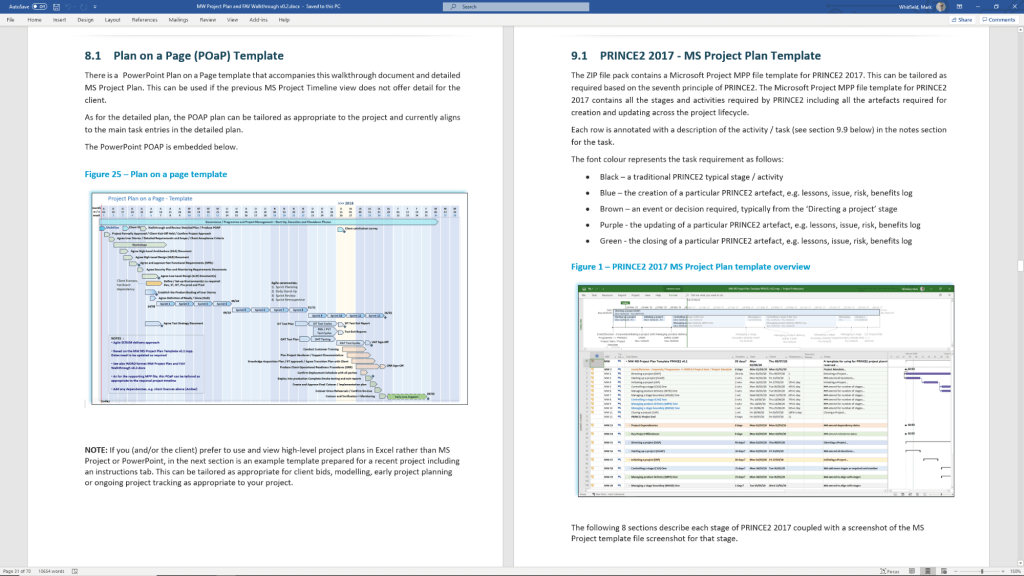
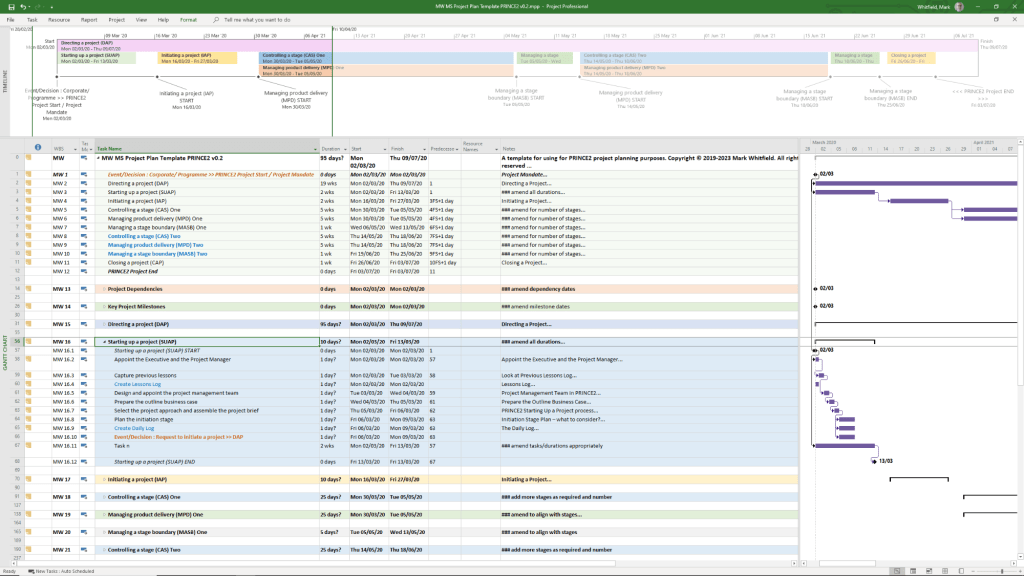
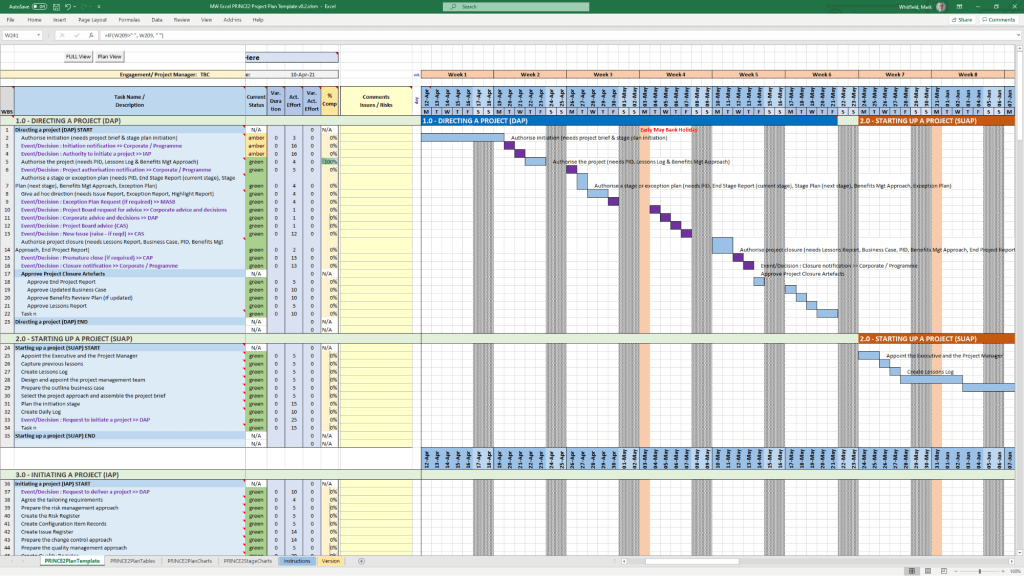
    • Detailed Project Plans: Pre-configured MS Project (MPP) and Excel templates for SDLC, PRINCE2, and Agile Scrum.
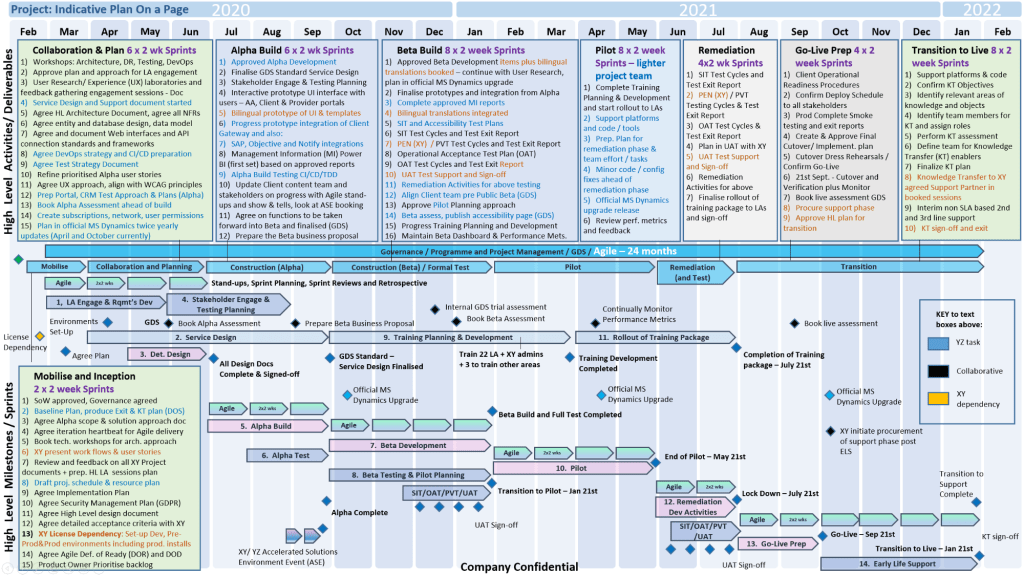
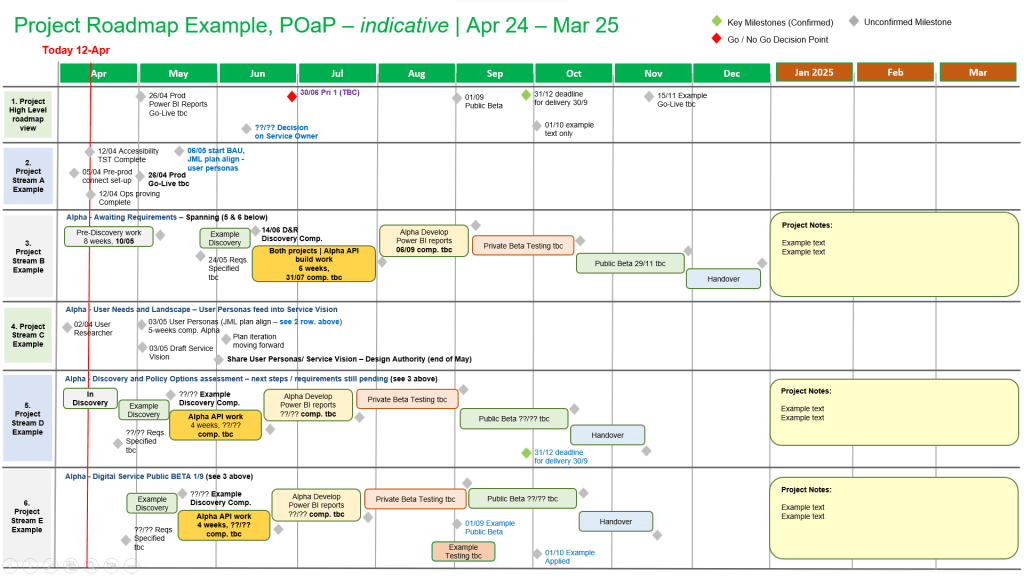
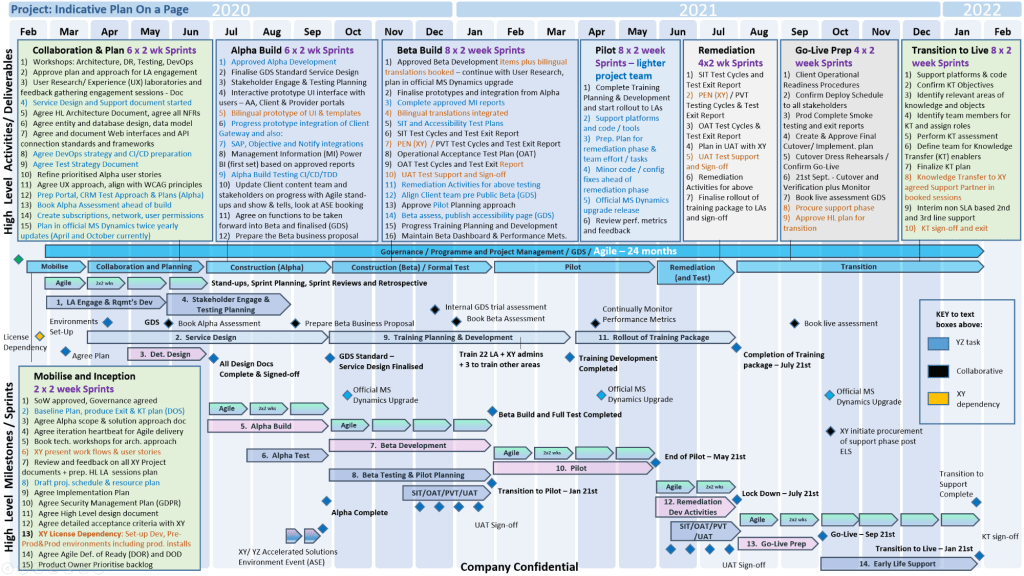
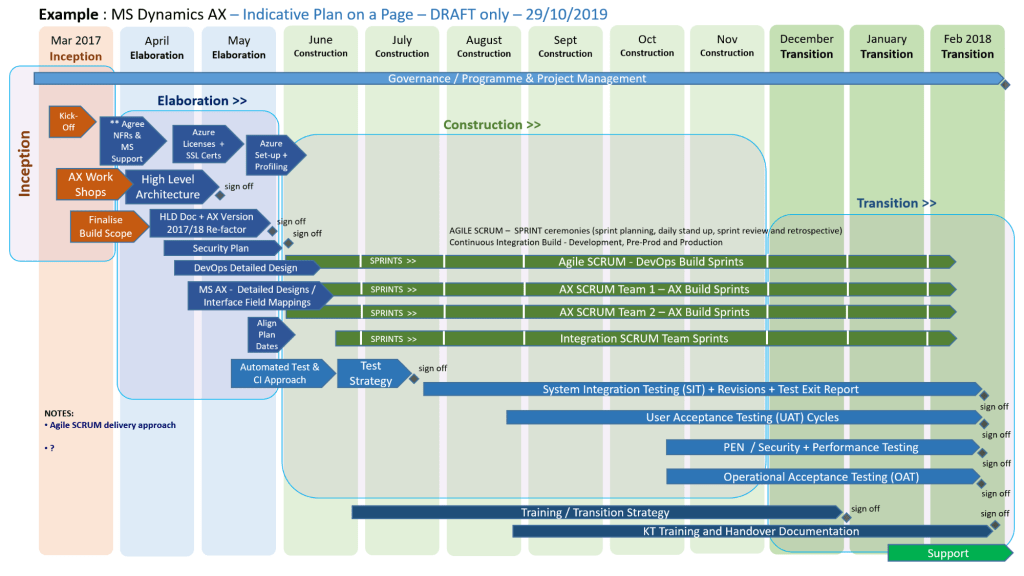
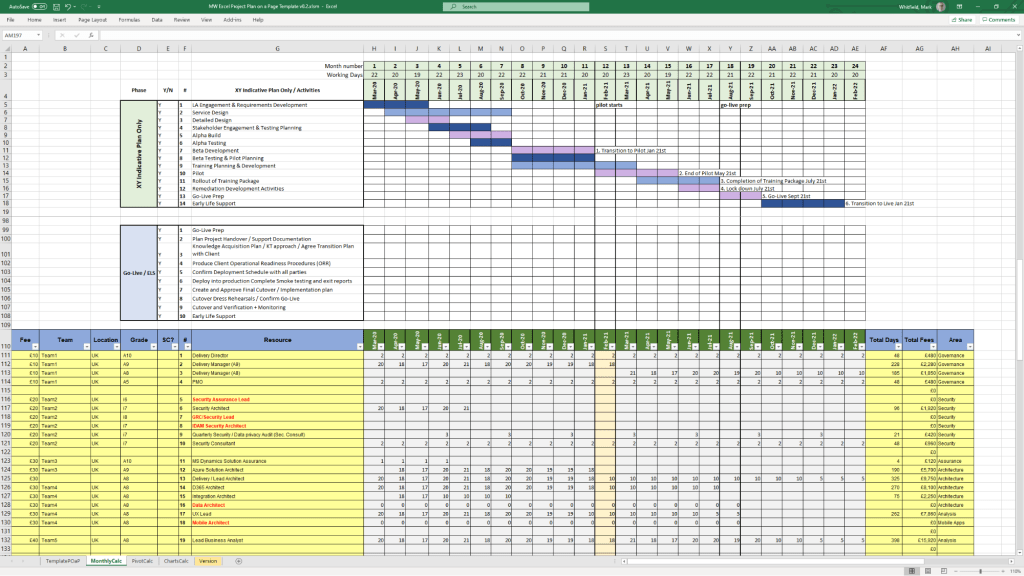
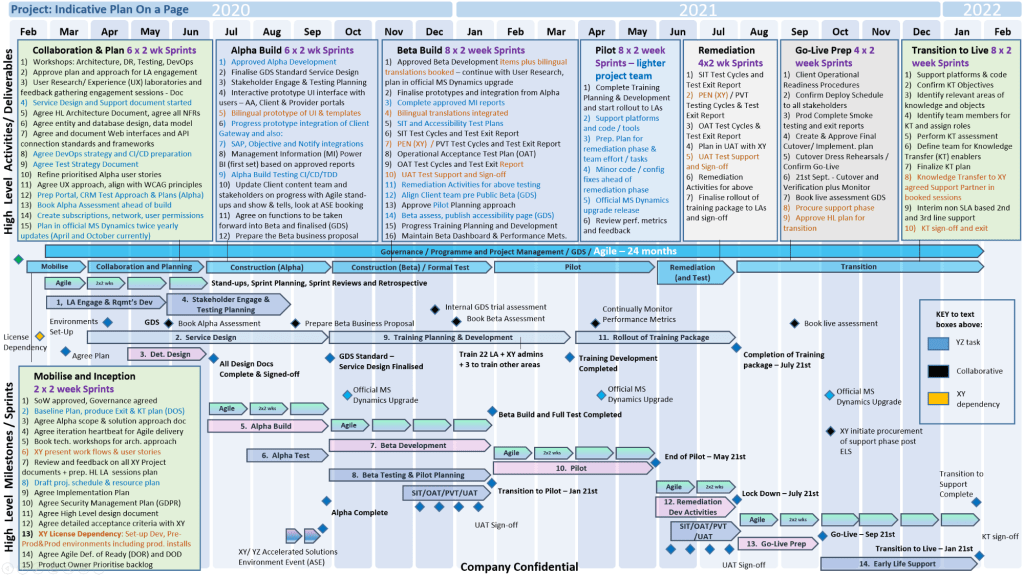
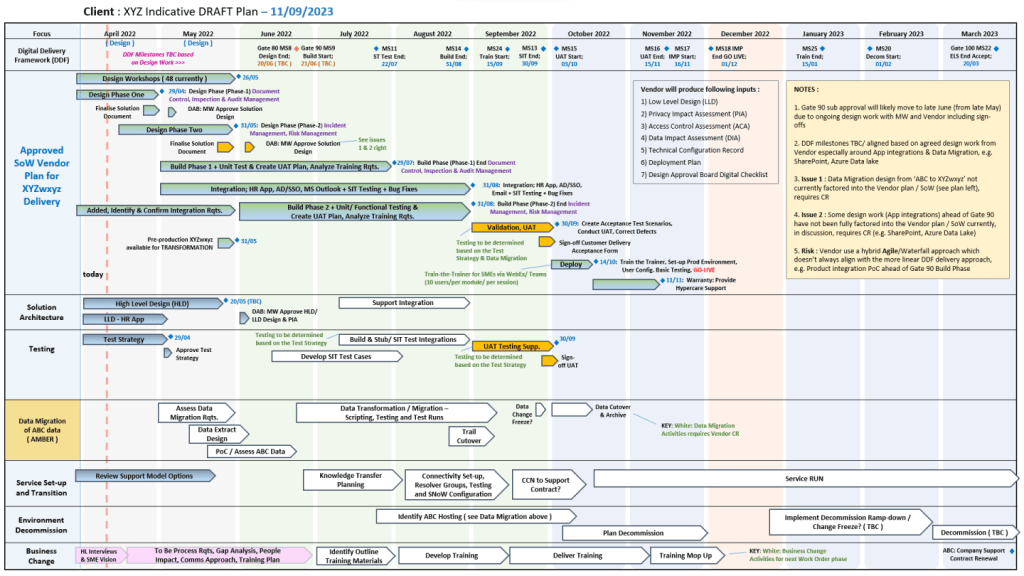
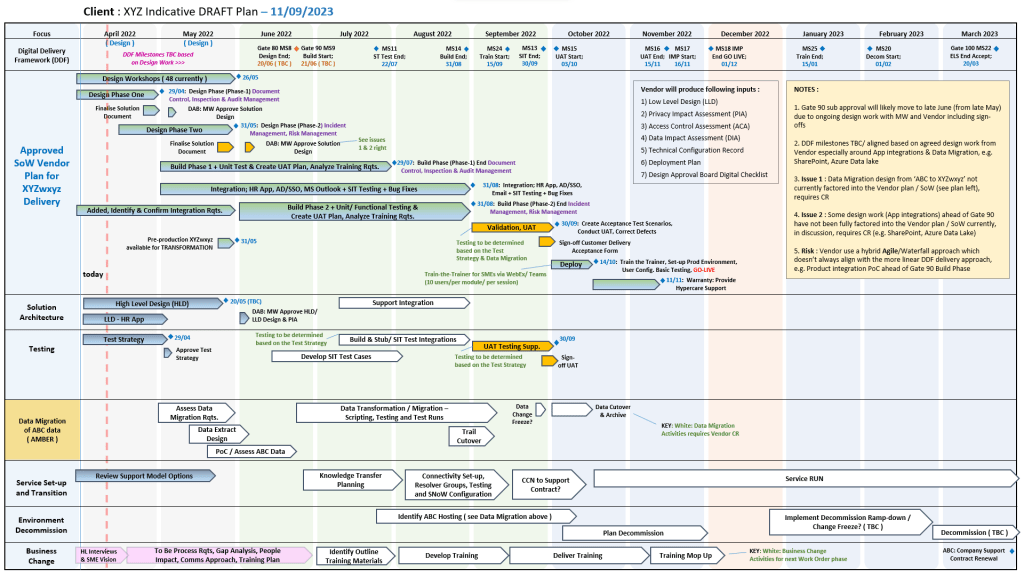
    • Plan on a Page (POaP): Over 35 PowerPoint and Excel slide examples for high-level executive summaries.
    • Gantt Charts: Built-in tracking views for both MS Project and Excel.
  • Tracking & Control:
    • RAID Logs: Comprehensive registers for tracking Risks, Actions, Issues, and Dependencies, often including charts and automated dashboards.
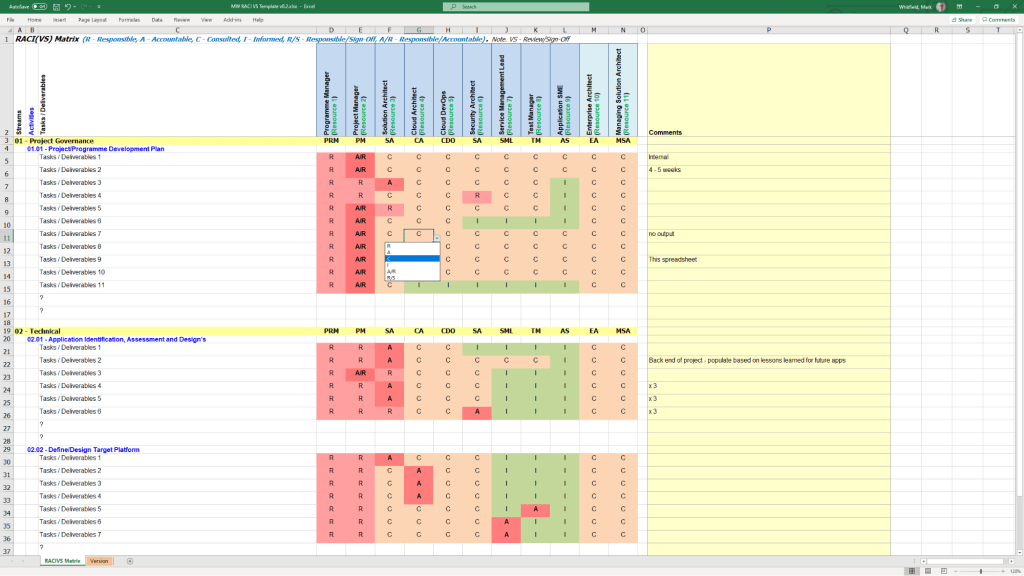
    • RACI Matrix: Templates to define team roles and responsibilities (Responsible, Accountable, Consulted, Informed).
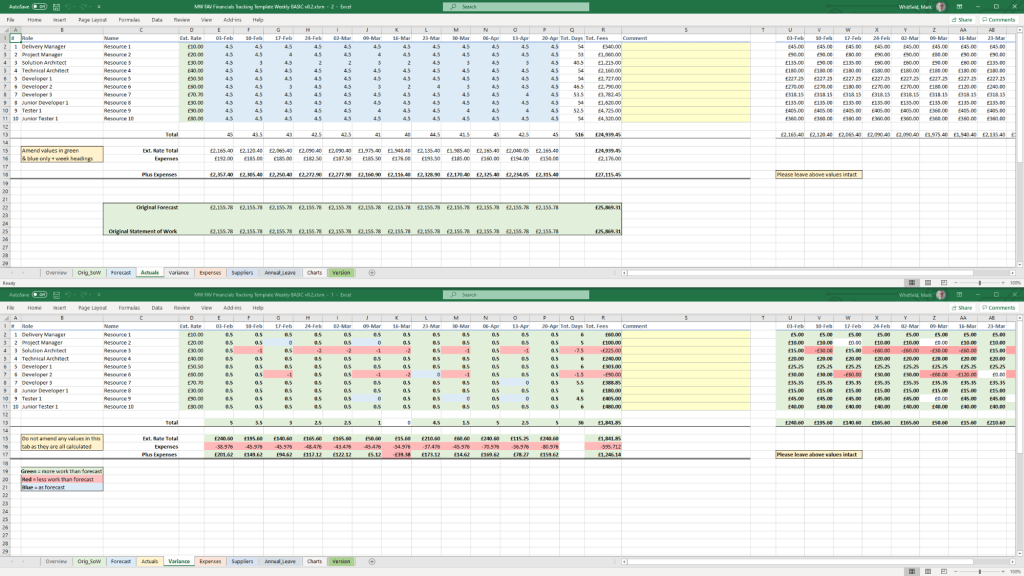
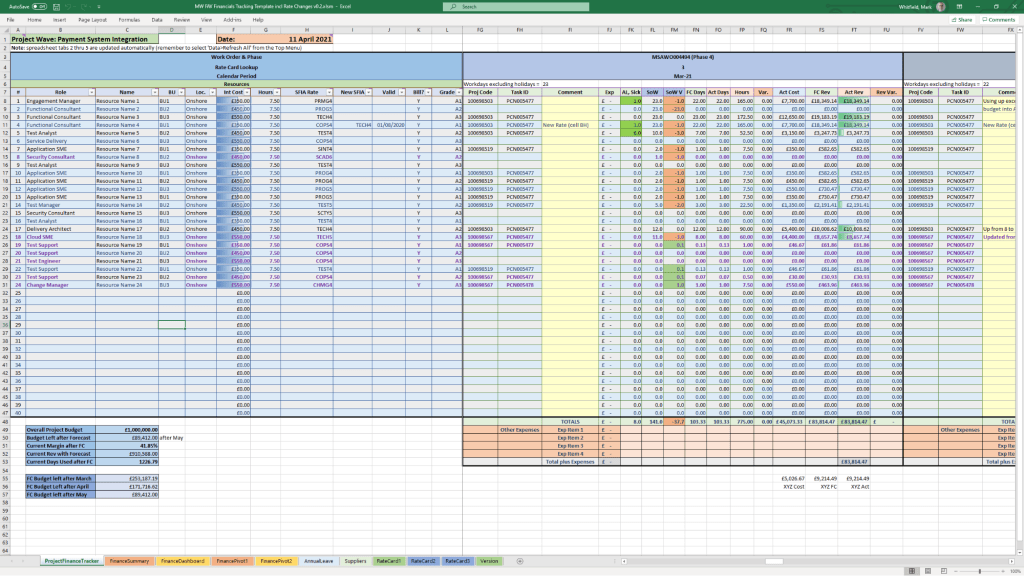
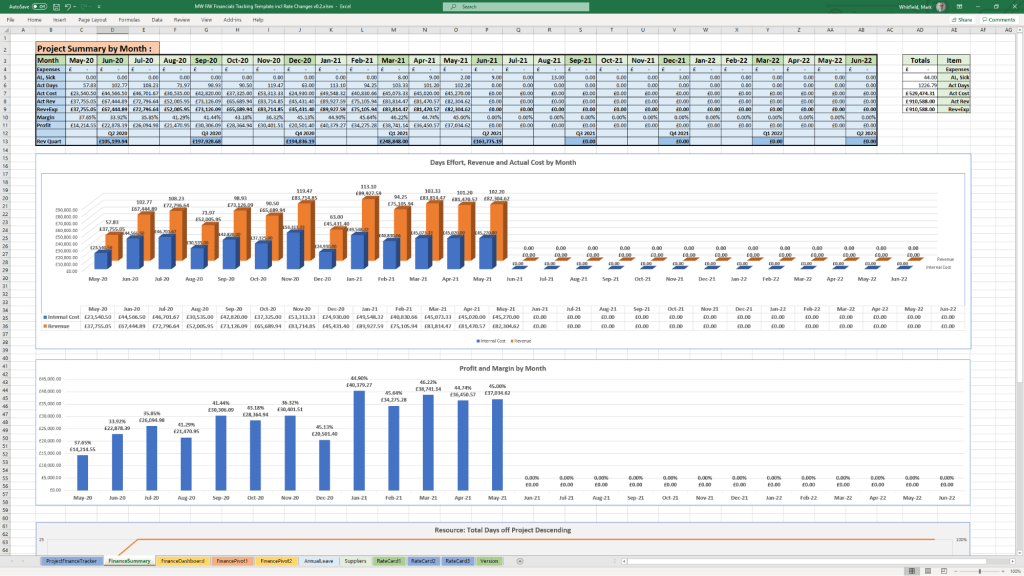
    • Finance Trackers: Detailed spreadsheets for monitoring forecasts vs. actuals, margins, variances, and expenses.
  • Reporting & Governance:
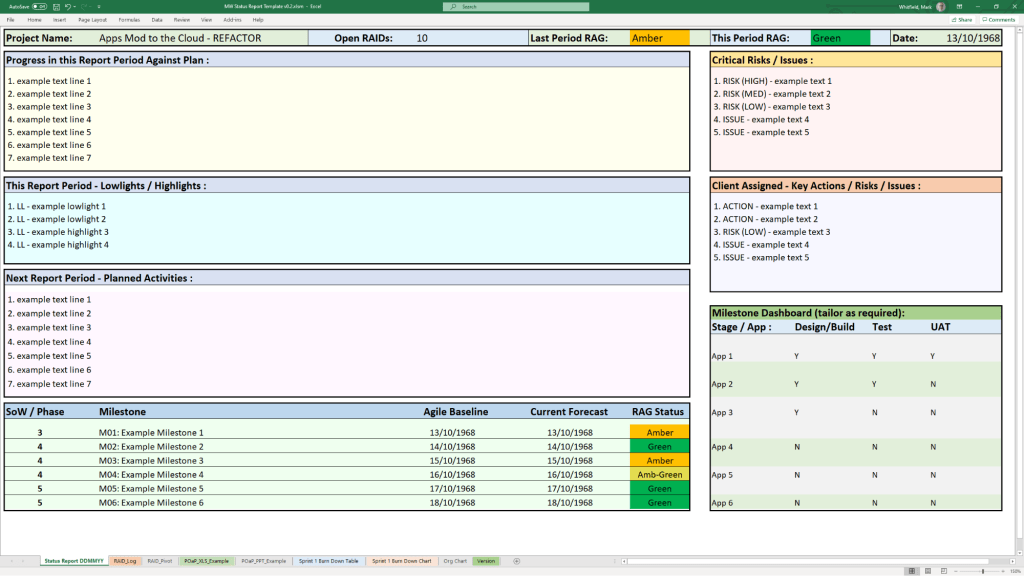
    • Status Reports: Weekly and monthly templates in Word and PowerPoint for internal and client health reporting.
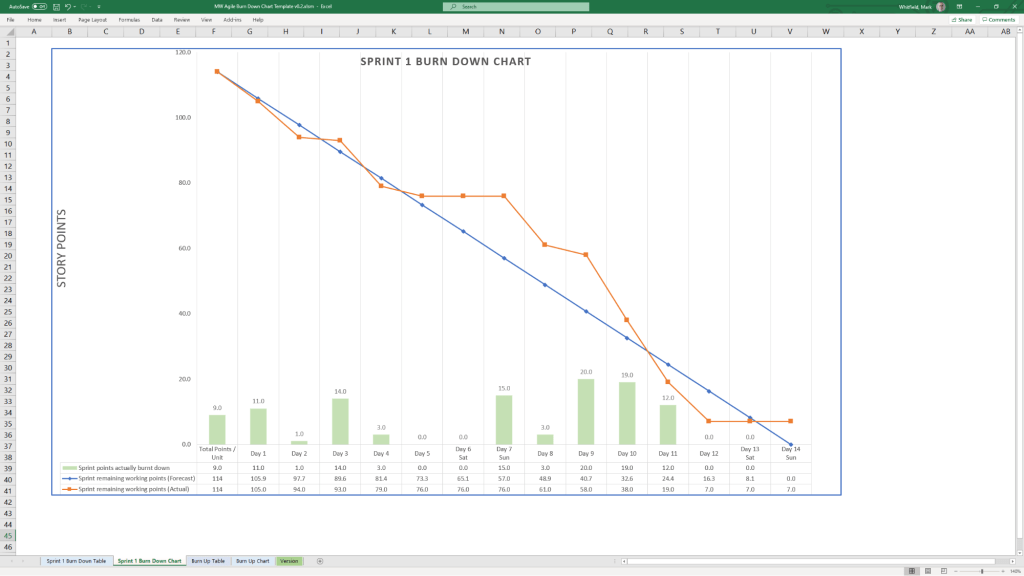
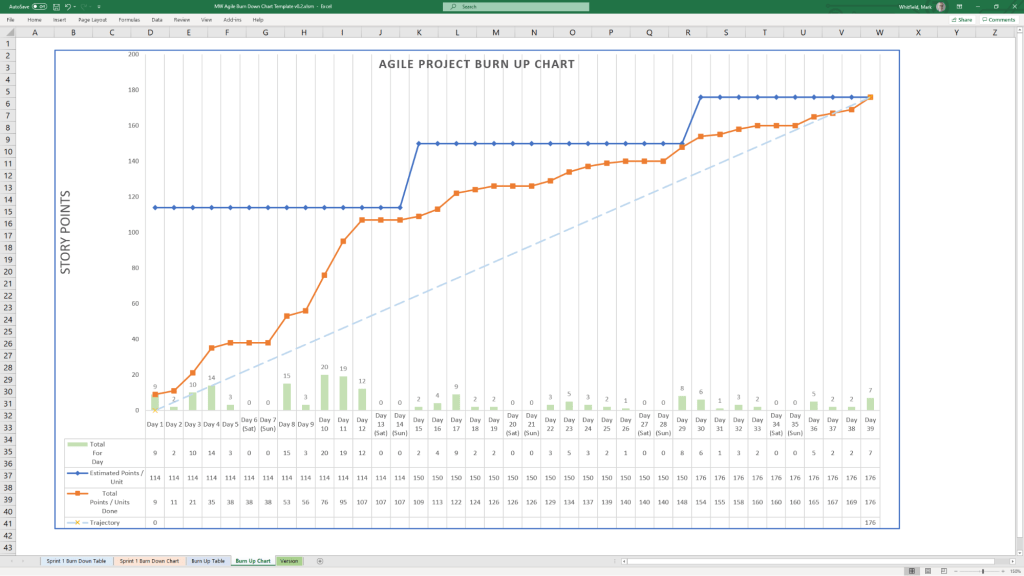
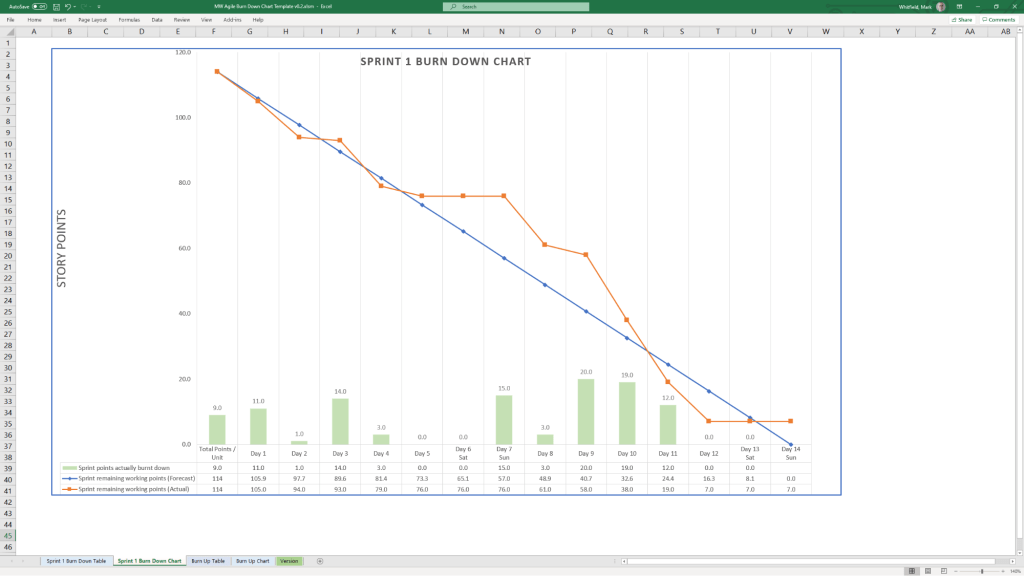
    • Agile Specifics: Burn Down and Burn Up charts in Excel for teams without access to tools like Jira.
    • PRINCE2 Management Products: Standard documents including Project Briefs, PIDs, Business Cases, and Lesson Logs. 

Key Features and Insight

  • Lifelong Support: A one-time purchase includes free upgrades and additions for life.
  • Full Customisation: All files are fully editable, allowing project managers to tailor them to specific project sizes and methodologies.
  • Methodology Neutral: Templates are designed to work for traditional Waterfall (PRINCE2) or modern Agile Scrum environments, with specific notes on how to transition between them.
  • Visual Dashboards: Many Excel templates include built-in charts and pivot tables to provide instant visual readouts of project health, such as financial variance or RAID status. 

Availability

The full package is available for purchase on Mark-Whitfield.com or through the ProjectTemplatesSoft Etsy shop. 

Buy Project Management Templates bundle
Over 200 editable Microsoft Office resources designed for Agile, Scrum, Waterfall, and PRINCE2 delivery.

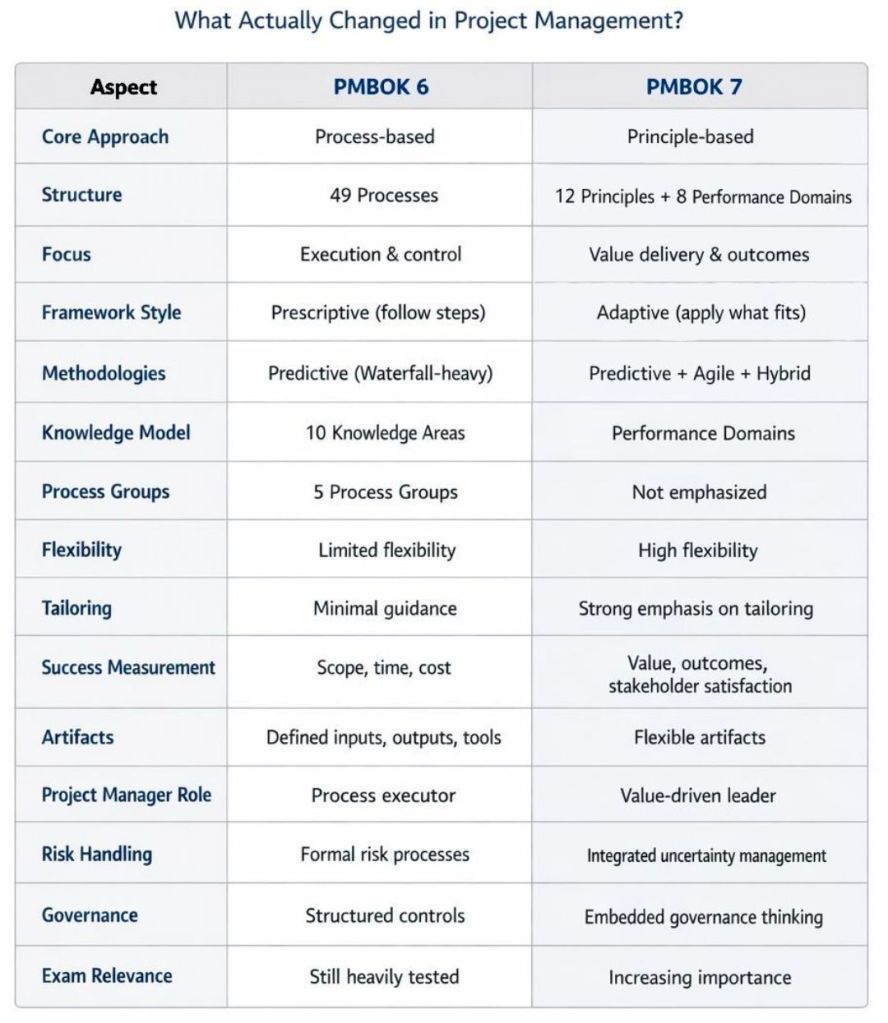
PMBOK 6 vs PMBOK 7, what changes are there between version 6 and 7

What changes are there between PMBOK version 6 and 7

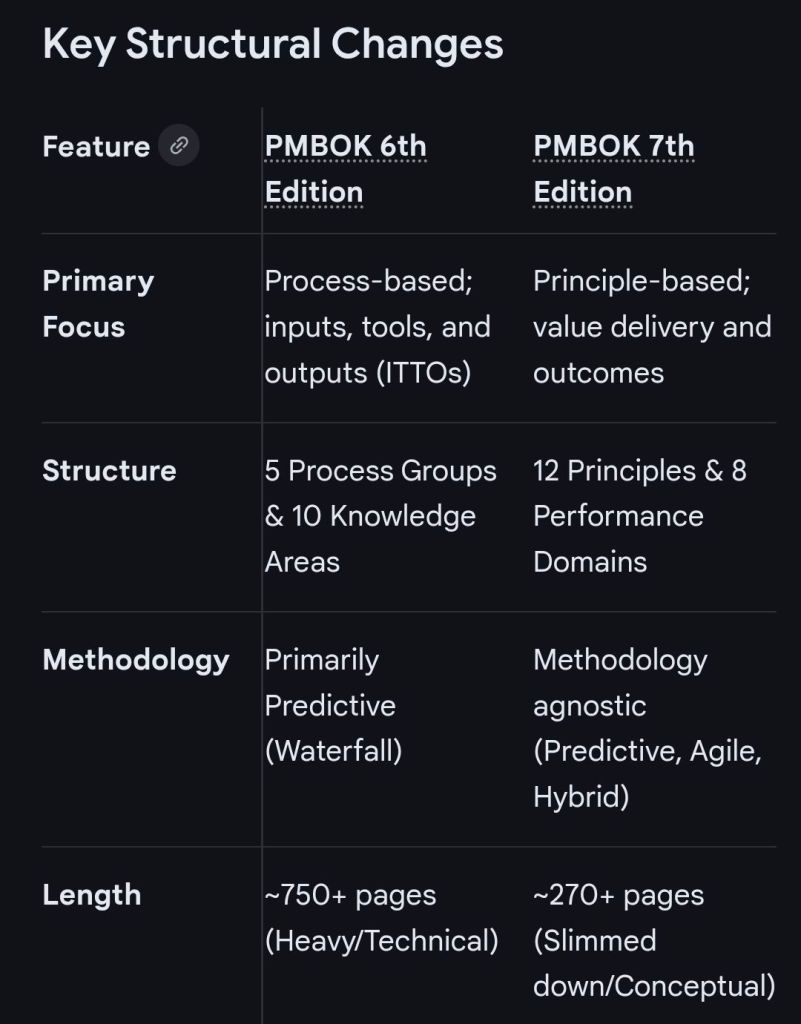
The transition from the PMBOK Guide 6th Edition to the 7th Edition represents a fundamental shift from a prescriptive, process-oriented framework to a flexible, principles-based one. While the 6th Edition focused on “how” to manage projects through specific steps, the 7th Edition focuses on “why” and “what” outcomes are being achieved. 

Key PMBOK structural changes

Major Insights into the Changes

  • From Processes to Principles: PMBOK 7 replaces the 49 prescriptive processes with 12 Project Management Principles (e.g., Stewardship, Team, Stakeholders, Value, Tailoring) that serve as foundational guidelines for behavior and decision-making in any environment.
  • Performance Domains: The 10 Knowledge Areas are replaced by 8 Performance Domains (Stakeholders, Team, Development Approach, Planning, Project Work, Delivery, Measurement, and Uncertainty). These domains focus on critical activity groups for delivering outcomes rather than step-by-step tasks.
  • Value Delivery System: The 7th Edition introduces a “system for value delivery,” shifting focus from just managing project deliverables to how projects contribute to an organization’s overall strategy and business goals.
  • Tailoring: While always part of project management, tailoring is now a core principle and has its own dedicated chapter in PMBOK 7. It encourages project managers to adapt their approach based on the specific project context, complexity, and organizational needs.
  • Agile and Hybrid Integration: PMBOK 7 fully integrates agile and hybrid practices into the core text, whereas PMBOK 6 largely treated them as an appendix or a separate guide.
  • Models, Methods, and Artifacts: The rigid ITTO structure of PMBOK 6 is replaced by a broader section on Models, Methods, and Artifacts. This provides a high-level grouping of tools without prescribing exactly when or how they must be used. 

PMP Exam Context

PMBOK 7 does not make PMBOK 6 obsolete. For the Project Management Professional (PMP) exam, both editions remain relevant reference materials. PMBOK 6 provides the technical workflow “checklist,” while PMBOK 7 provides the “mindset” and measurement strategies for modern, complex projects. 

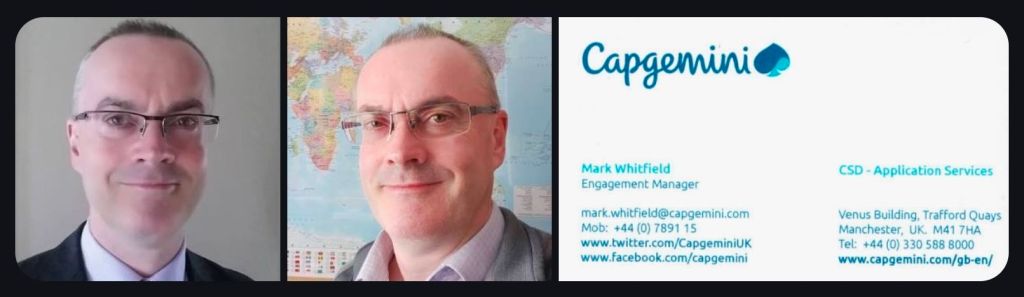
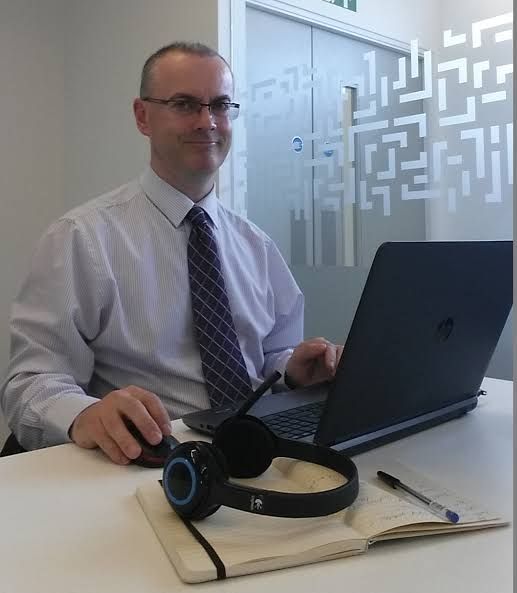
IT Mark Whitfield, SC Cleared Senior Project Manager

Mark Whitfield is a highly experienced SC cleared Senior IT Project Manager and Engagement Manager with over 30 years in the IT industry, specializing in both Agile and Waterfall delivery for large-scale blue-chip companies, digital projects, and payment systems. After starting as a programmer, he transitioned into project management, eventually working with Capgemini and establishing a professional templates resource site. 

SC cleared Senior IT Project Manager and Engagement Manager

IT Project Management Overview

  • Key Expertise: Senior IT Project Management (Agile / Scrum / Waterfall / PRINCE2), Delivery Management, Business Transformation, and SC clearance.
  • Sector Focus: Banking, Finance, Transportation (Heathrow, NATS), Retail, Government (Local Regional Government – LRG), Aerospace & Defence, and Gambling.
  • Technical Background: Programming in COBOL85, Tandem TAL, SQL, C, C++, Java, and experience with HPE NonStop (BASE24) systems.
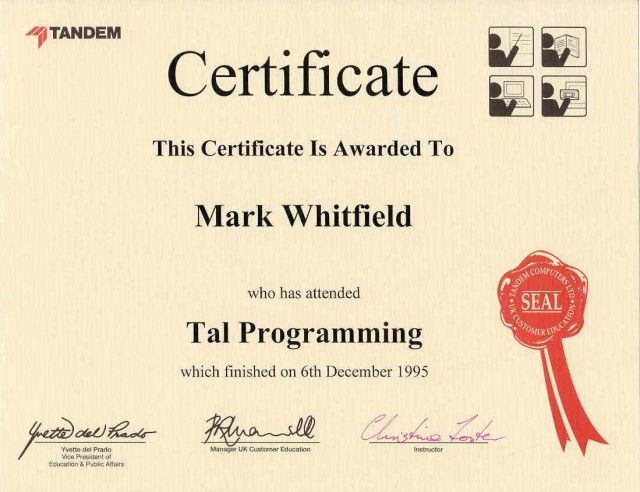
Tandem TAL Programming certificate, 1995
  • Tools & Methodologies: PRINCE2, Agile SCRUM, Microsoft Project (MPP), Excel RAID logs, and Jira.
  • Value Proposition: Focuses on improving revenue, cost, and Customer Satisfaction (CSAT) through structured SDLC methodologies. 

Detailed Historical Timeline

Era 1: Programming & Technical Development (1990–1995) 

  • 1990: Graduated in Computing and joined The Software Partnership (later Deluxe Data) in Runcorn as a programmer specializing in electronic banking software (sp/ARCHITECT) on Tandem Computers (now HPE NonStop).
  • 1990-1995: Developed code (COBOL85/NonStop SQL) for major banks, including TSB, Bank of Scotland, Rabobank, and Girofon.
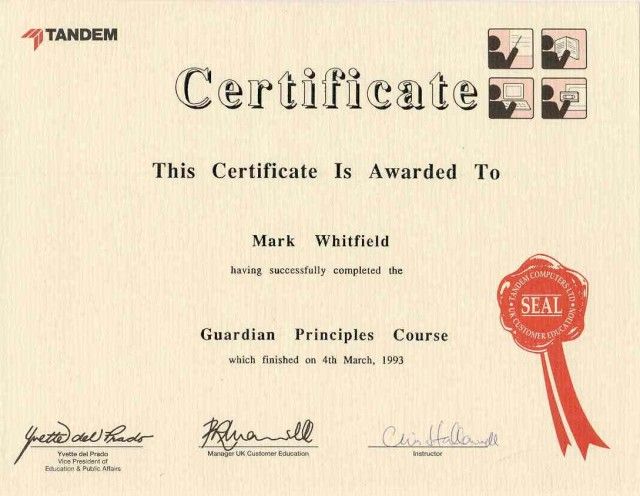
  • 1993 (May): Completed Tandem Guardian Principles Course.
Tandem Guardian Principles Course, 1993
  • 1994: Deluxe Electronic Payment Systems acquired The Software Partnership.
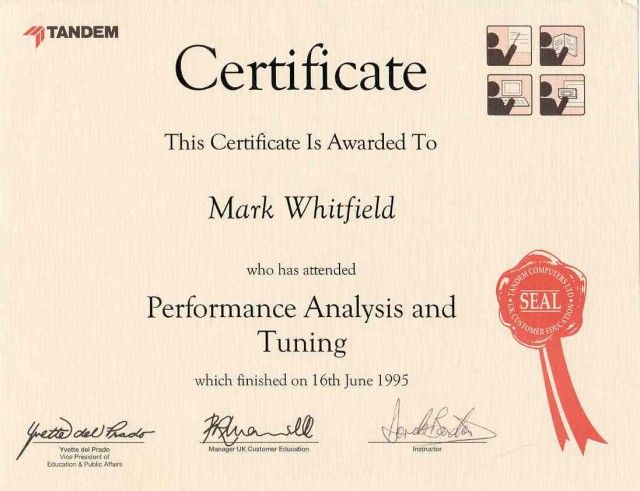
  • 1995 (June): Completed HP NonStop Performance Analysis and Tuning.
Deluxe Electronic Payment Systems acquired The Software Partnership in 1994
HP NonStop Performance Analysis and Tuning, 1995

Era 2: Specialized Software & Product Management (1995–2013) 

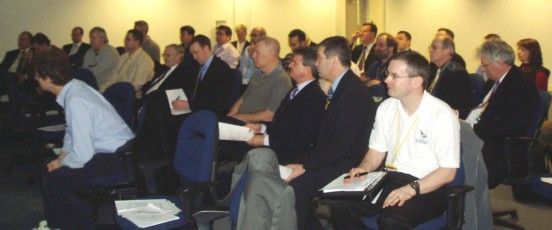
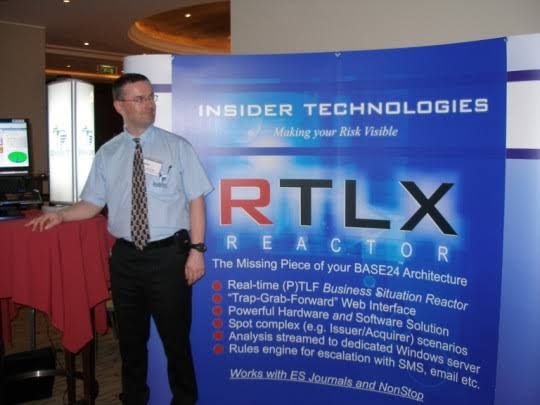
Insider Technologies Limited (ITL) in Salford Quays
  • 1995 (August): Joined Insider Technologies Limited (ITL) in Salford Quays as a senior programmer, later moving into product / project management.
  • 1995-2013: Focused on monitoring (Reflex) and batch scheduling (MultiBatch) software for HPE NonStop systems, serving clients like Barclays and Alliance & Leicester.
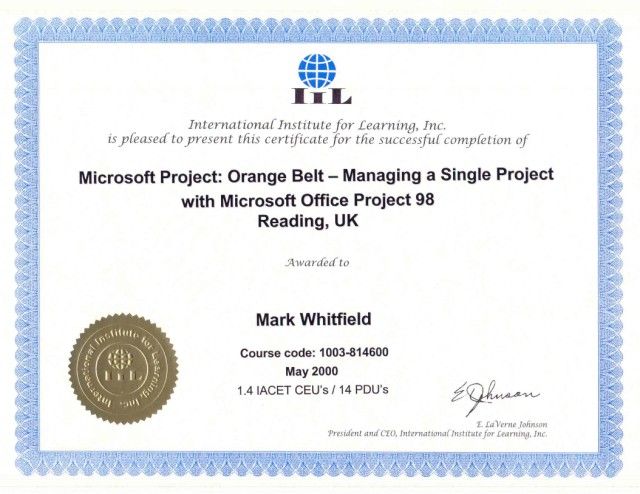
  • 2000 (May): Completed Microsoft Project ’98 Certification and began training other ITL project managers on scheduling best practices.
  • 2007: Insider Technologies products (Reflex) integrated into FIS solutions.
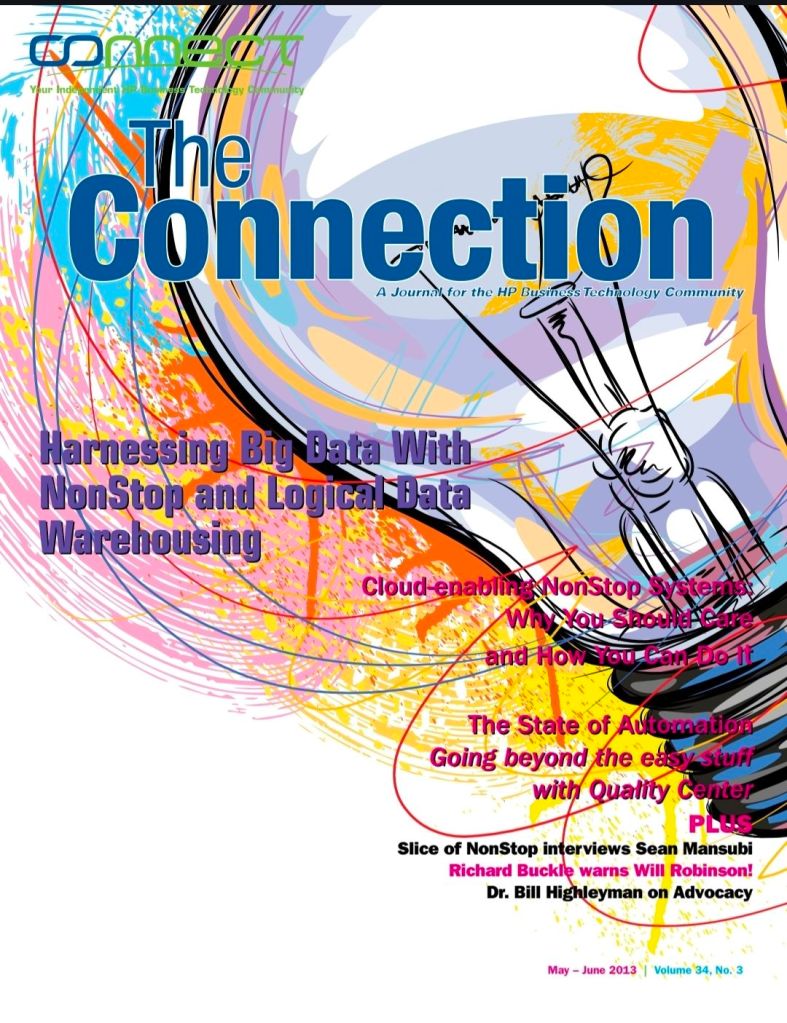
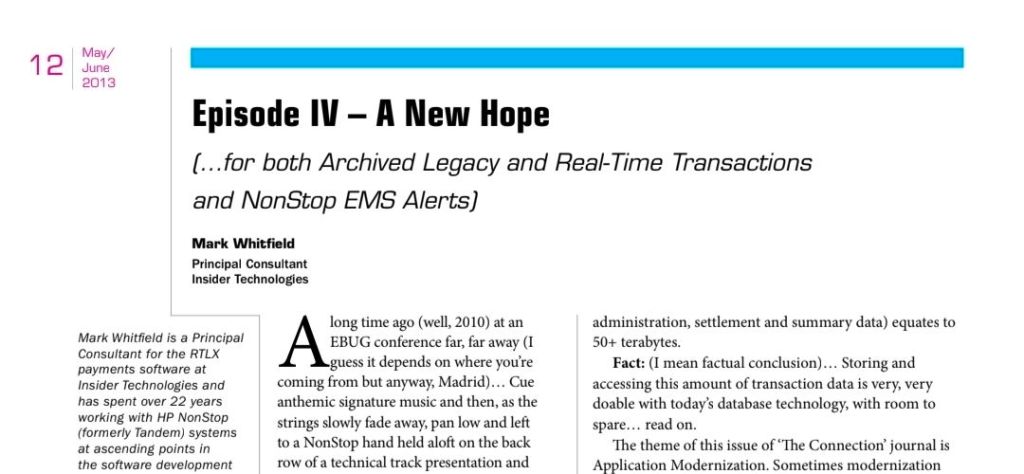
  • 2013: Published work in the HP NonStop journal “The Connection”. 
HPE NonStop journal “The Connection” – article for the Insider Technologies product, RTLX

Era 3: Senior IT Project Management (2013–2016) 

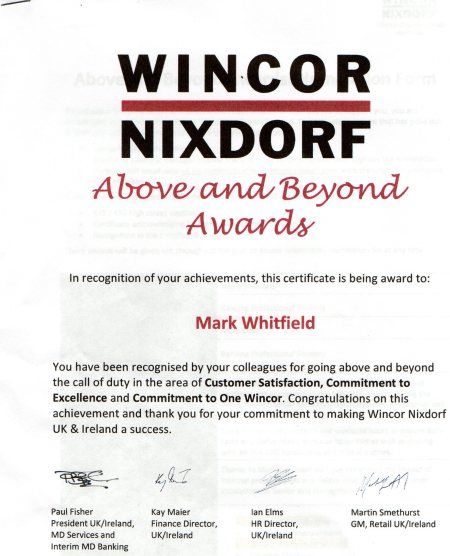
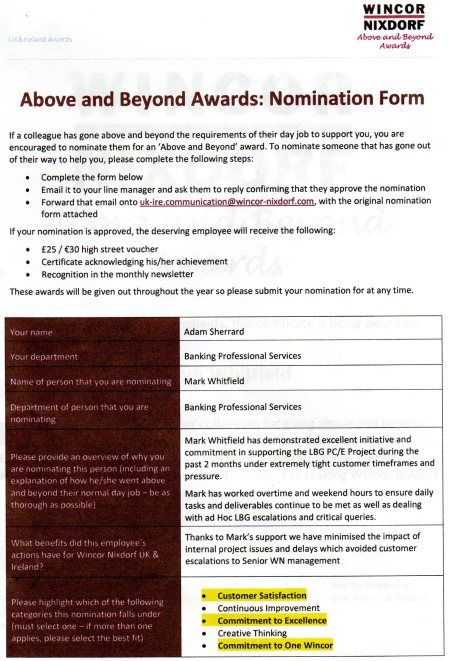
  • 2013-2014: Worked at Wincor Nixdorf as an IT Project Manager (PRINCE2 / Agile Scrum) on a £5m+ LBG Self-Service Software Replacement (SSSR) program for Lloyds Banking Group, migrating ATM systems from HP NonStop to AIX.
  • 2014-2016: Joined Betfred as a Senior Project Manager, delivering payment gateways, sportsbook, and virtual gaming projects in Agile SCRUM for mobile and online platforms. 

Era 4: Engagement Management & Public Sector (2016–Present) 

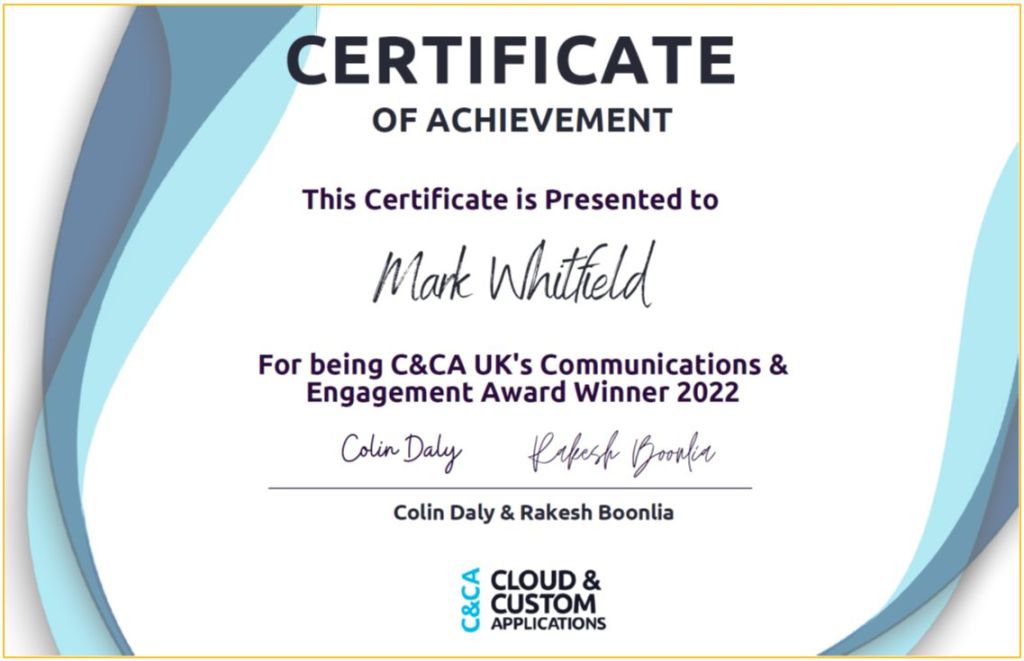
  • 2016 (January): Joined Capgemini UK as a client-facing Engagement Manager (SC cleared).
  • 2016 (August): Founded Mark Whitfield Consultancy Ltd, managing independent IT, network, and improvement projects.
  • 2016-2018: Led Waterfall / Agile projects for automotive, local government, and postal services.
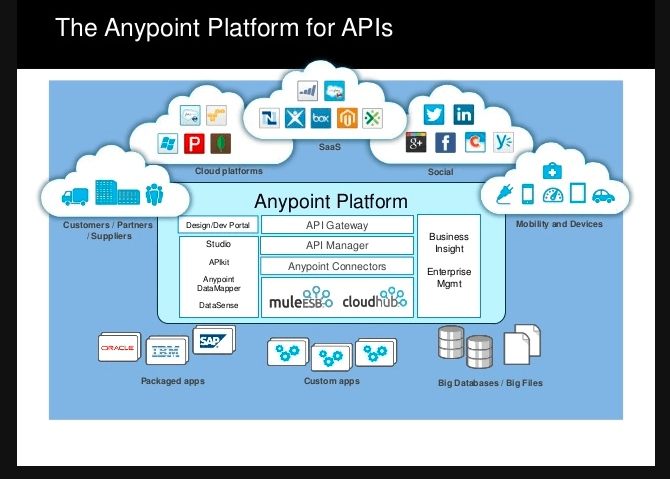
  • 2018-2019: Augmented into MuleSoft as a Delivery Manager for the Anypoint Platform.
  • 2023-2024 (Nov-Feb): Served as Technical Delivery Manager for a UK Government account, overseeing a £1m+ Fish Export Service (FES) to Common Entry Health Document (CHED) Inspection Portal (CHIP) project.
  • 2026: Continued to provide project management thought leadership and template resources for Agile/Scrum/PRINCE2. 
Agile Scrum Burn down Chart template in Microsoft Excel
Microsoft Project MPP MSP Project Plan Template examples
Plan On a Page POaP templates plus MPP MS Project and MS Excel Project Plan templates

Key Projects & Clients

  • UK Gov / Capgemini: Fish Export Service (FES) Cloud Migration.
  • MuleSoft: Anypoint Platform.
  • Wincor Nixdorf/Lloyds: ATM/Self-Service Software Replacement.
  • Jaguar Landrover (JLR), Heathrow, Royal Mail Group, NATS, Euroclear: Various IT and Digital projects.
  • Banking: Rabobank, Barclays, HSBC, Bank of England, Standard Chartered. 

IT Mark Whitfield, SC Cleared Senior Project Manager

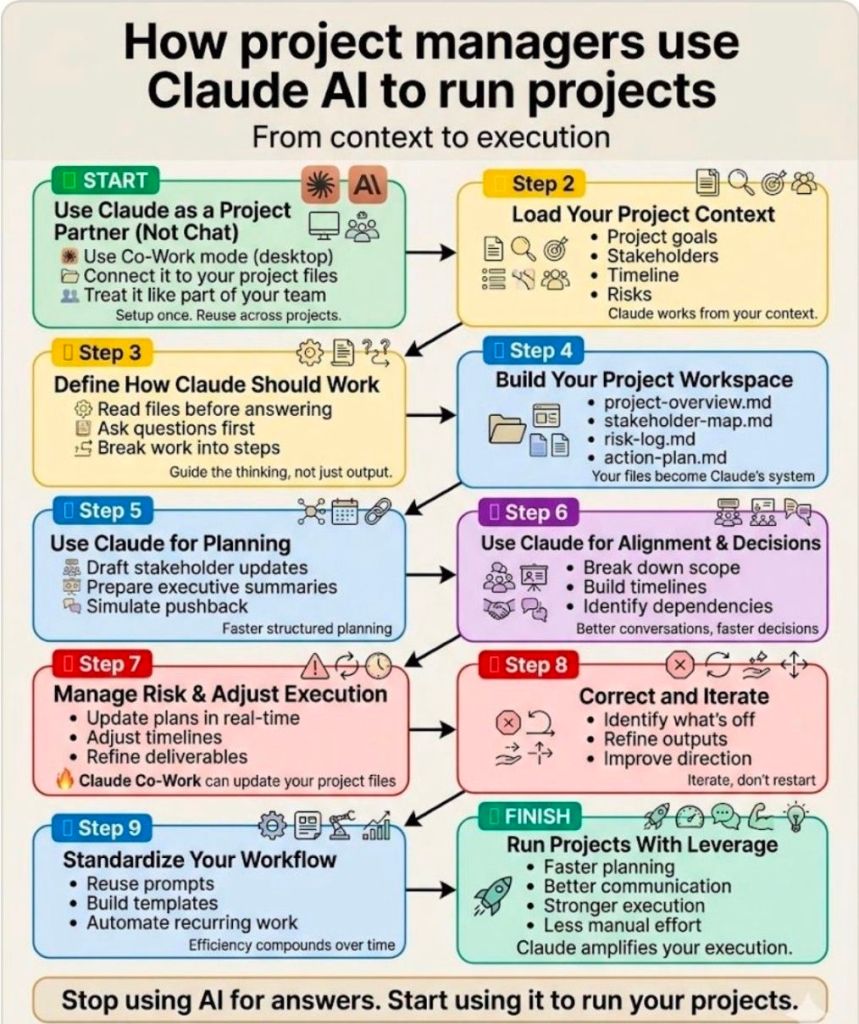
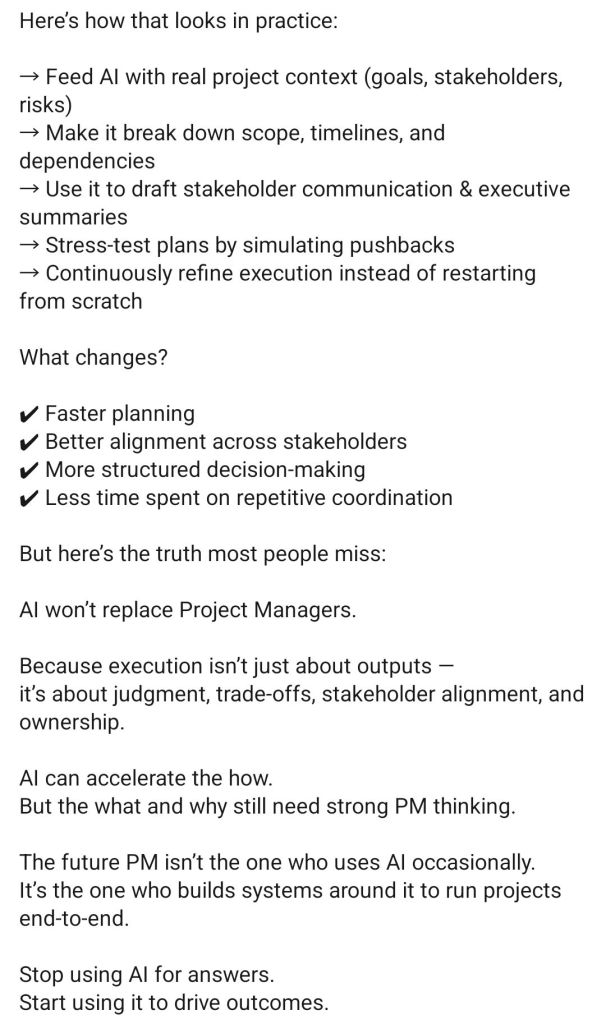
How Project Managers use Claude AI to run projects

How Project Managers use Claude AI to run projects

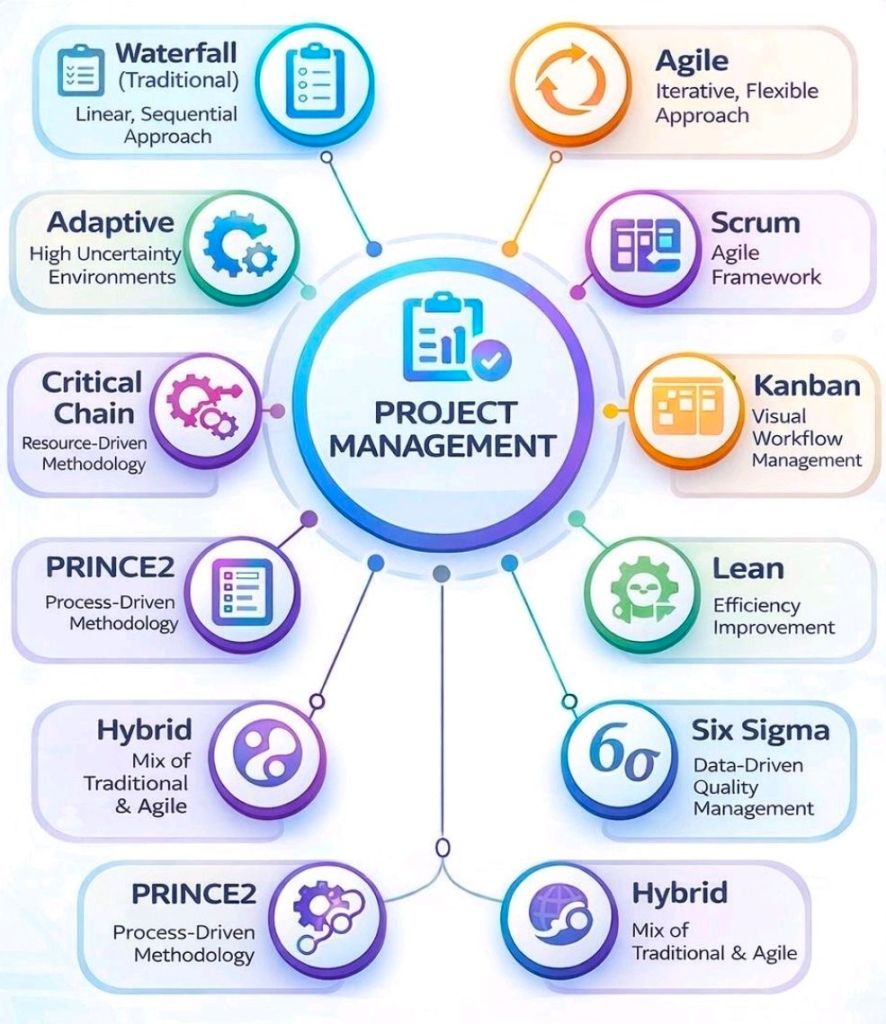
Project Management Methodologies Summarised

Project Management Methodologies Summarised

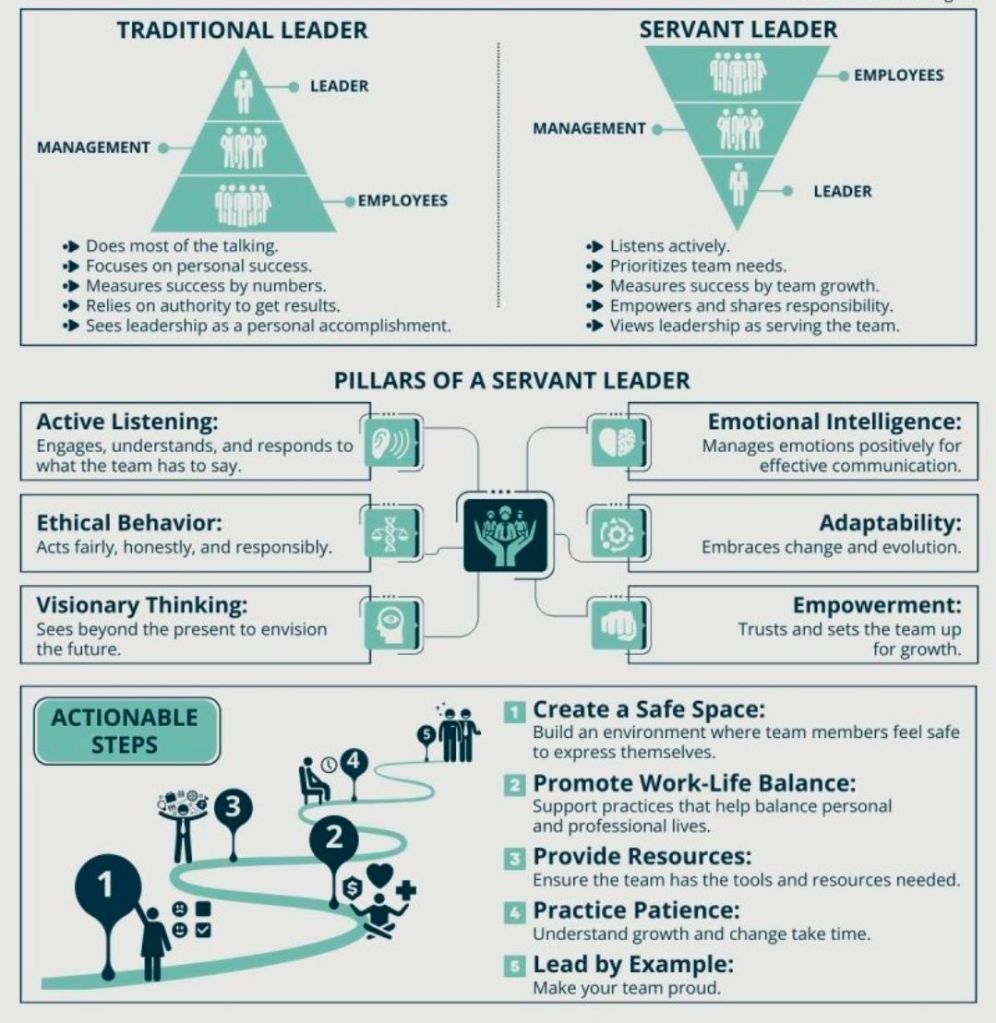
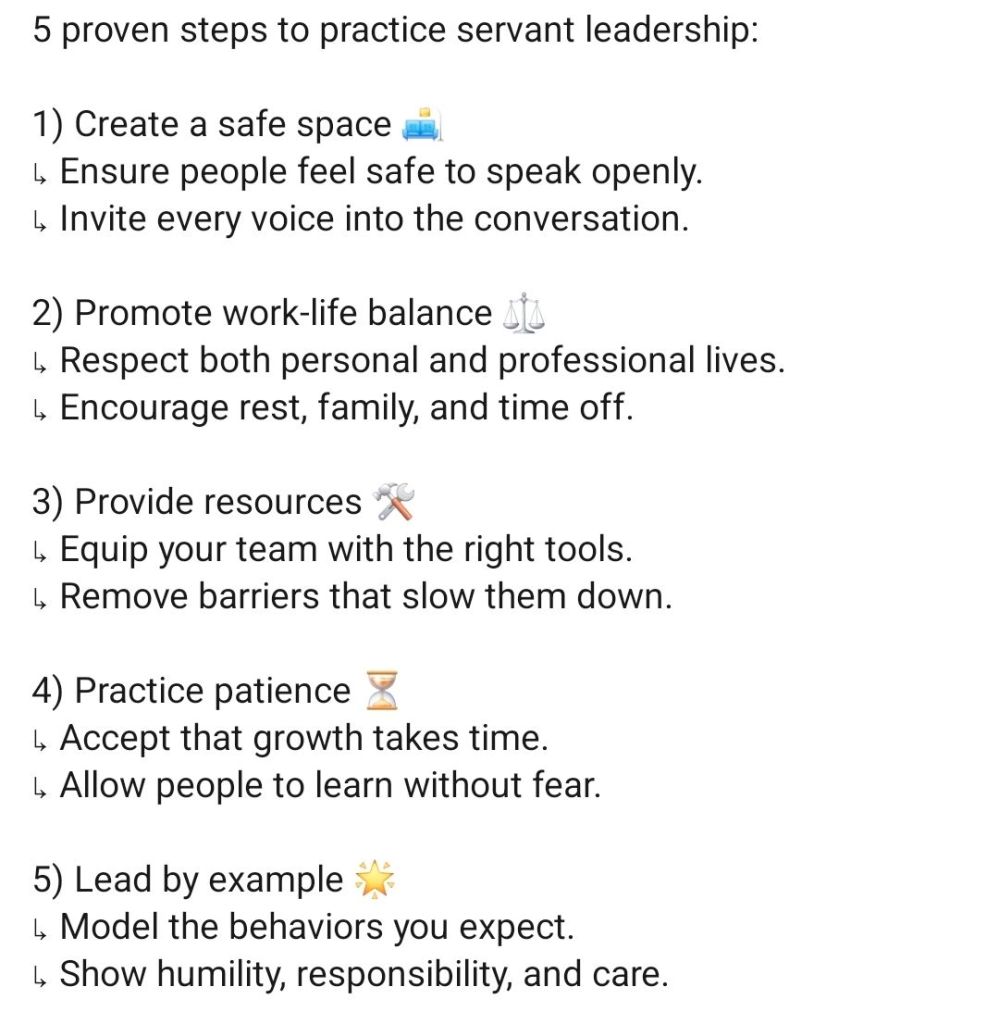
Servant Leadership in Project Management

Servant Leadership in Project Management

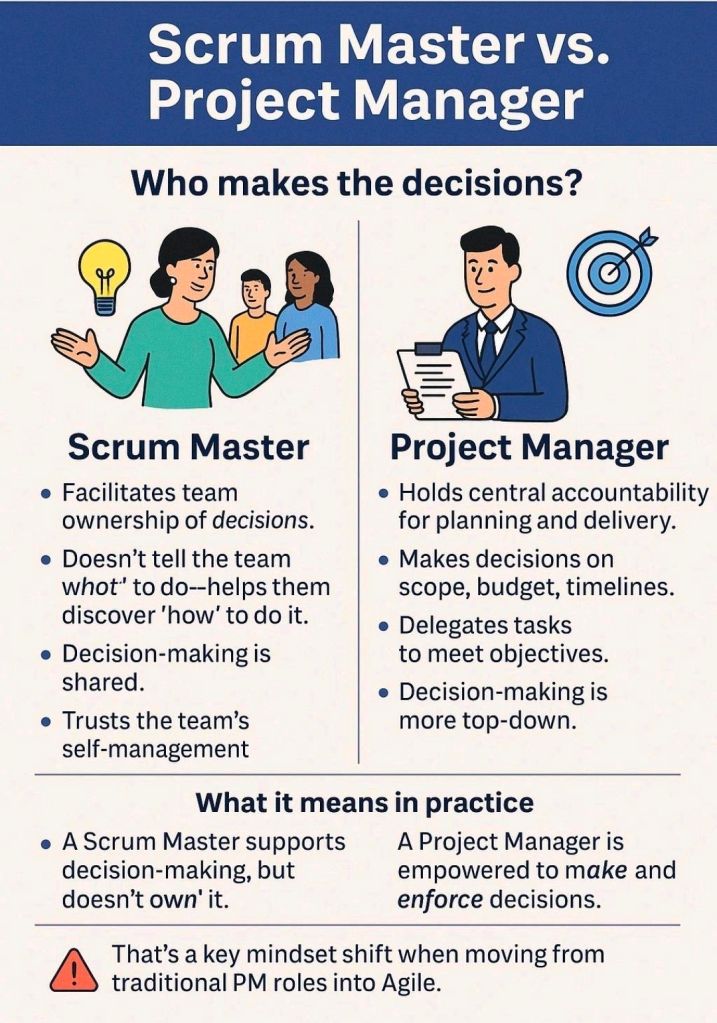
Difference between Scrum Master and Project Manager

Difference between Scrum Master and Project Manager

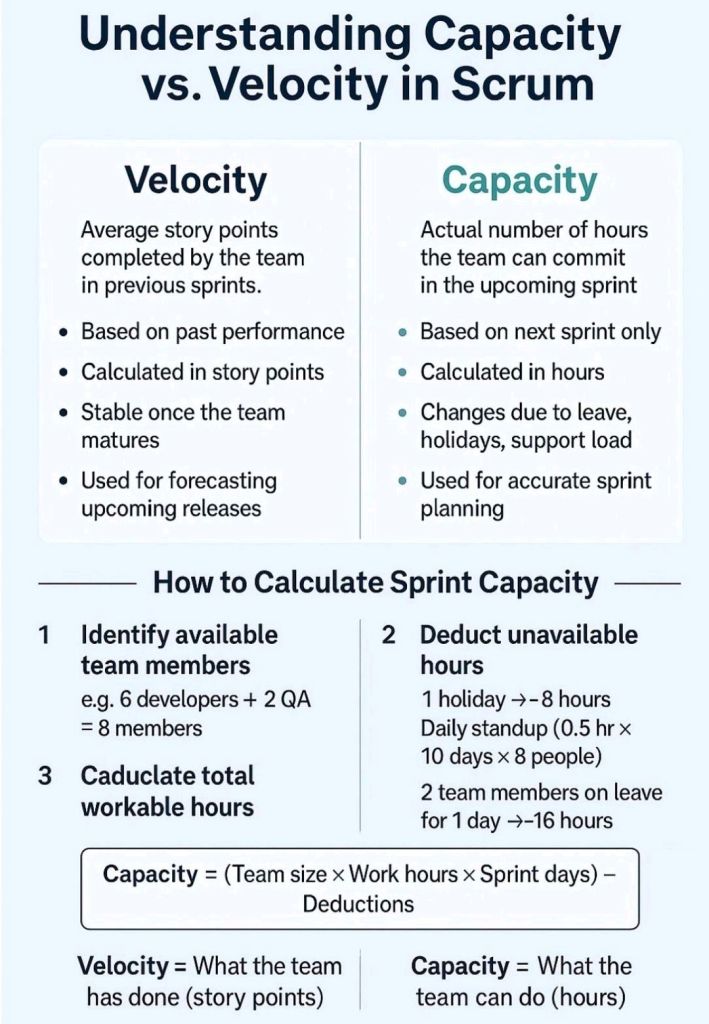
Agile Scrum, difference between Capacity and Velocity

Agile Scrum, difference between Capacity and Velocity