The MediaCityUK Photographic Build Timeline Journal is an extensive, long-term documentary project created by Mark Whitfield. It captures the transformation of Salford Quays from an empty dockland into a major UK media hub.
Working nearby as an IT Project Manager, Whitfield utilized his close proximity to the site to methodically photograph the construction lifecycle literally from the ground up.
MediaCityUK Photographic Build Timeline Journal is an extensive, long-term documentary project created by Mark Whitfield
Project Overview and Scope
Timeframe: The photographic project formally spans from May 2007 through 2010 for its core construction phase, with continuous updates extending into later developments.
Volume: The total project comprises a massive archive of over 15,000 to 16,000 photographs.
Curated Journal: An abridged timeline consisting of roughly 200 high-resolution selections was published to highlight key structural milestones chronologically.
Perspectives: Photos were captured weekly from multiple high-vantage reference points, including the Imperial War Museum North, the local Designer Outlet, and Broadway.
MediaCityUK BBC North, Salford Quays
Core Phases Documented
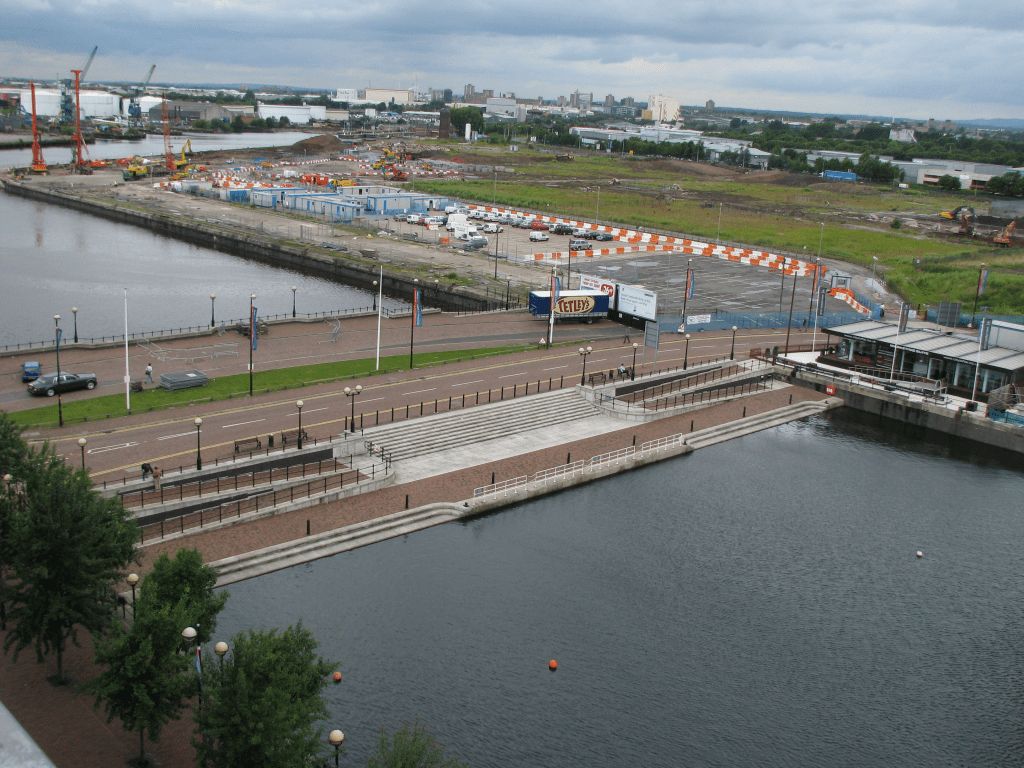
The Blank Canvas (Mid-2007): Captures the initial flat, unused grassland and docklands just before the first diggers arrived on site in June 2007.
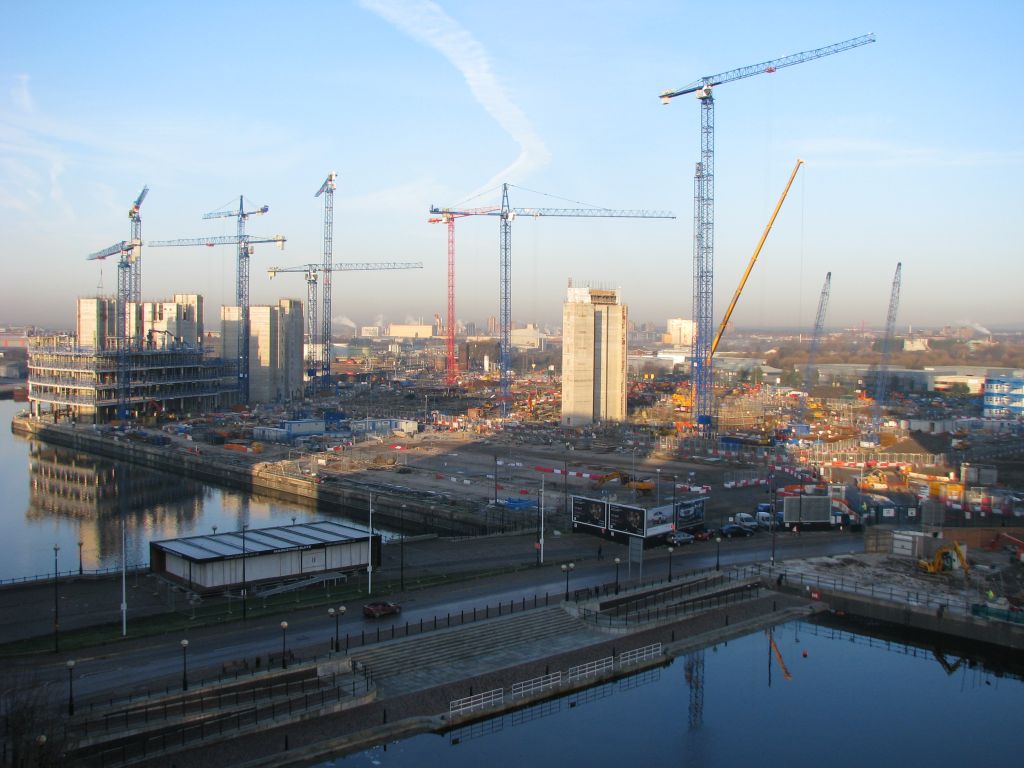
The Structural Rise (2008–2009): Documents the erection of massive tower cranes and the core framework of the studio blocks rising over Salford Quays.
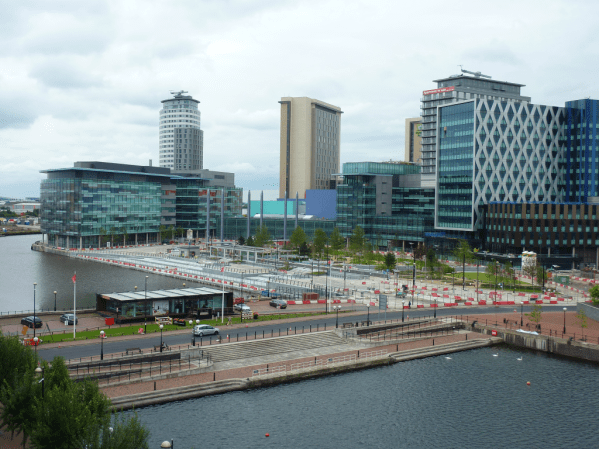
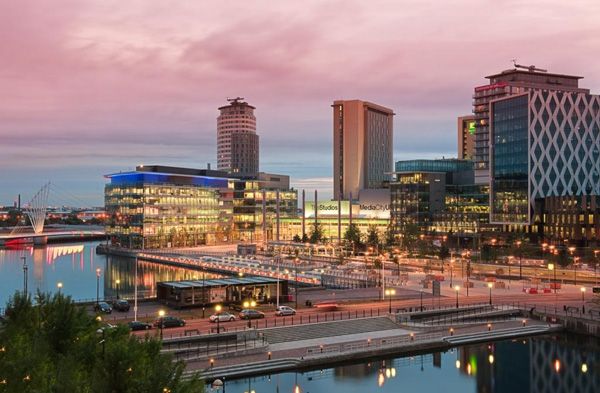
The Final Fit and Branding (2010–2011): Details the external completion of the main blocks, the installation of the iconic BBC North logos, the construction of the public piazza, and the implementation of the media tram stop.
Community and Media Discussions
Whitfield’s timeline served as a primary public and professional visual archive during the build. He actively managed a linked professional LinkedIn Group that grew to thousands of members. This space was widely used by industry professionals, media researchers, and regional planners to discuss ongoing jobs, architectural layouts, and local infrastructure impacts.
His updates were also featured directly on BBC corporate blogs to give incoming staff an authentic glimpse of their new northern headquarters.
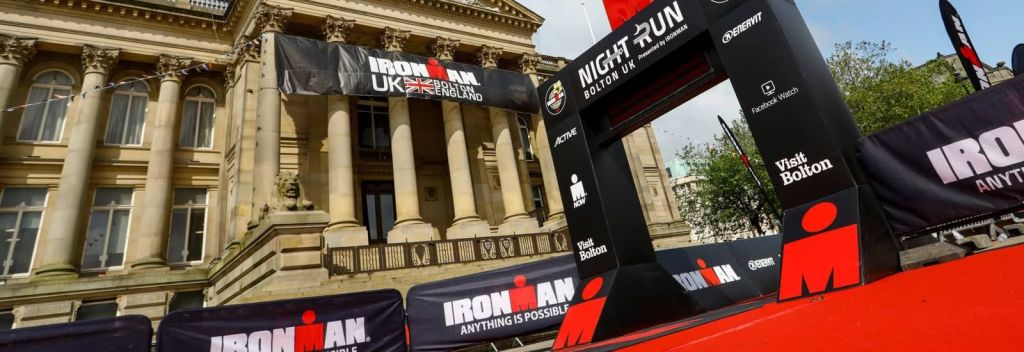
The IRONMAN 70.3 Bolton is the UK’s standout early-summer middle-distance triathlon, featuring a 1.2-mile lake swim, a 56-mile hilly bike ride, and a 13.1-mile town center run. The event has a legendary electric finish in the heart of Bolton on Victoria Square.
2026 IRONMAN 70.3 Bolton
Event Profile
Date: Sunday, June 7
Format: Age-group and professional categories, featuring a self-seeded rolling swim start.
Energy Partner:Maurten Gels are available on-course for athlete fueling.
Bike (56 Miles / 90 km): A two-loop circuit around the surrounding regions before heading north into the Lancashire Moors. It is known to be a challenging, undulating ride with some technical sections.
Run (13.1 Miles / 21.1 km): A mostly flat, two-loop half marathon through Queens Park and the historic streets of Bolton.
Spectator Information & Logistics
Finish Line: The final stretch leads competitors down the Red Carpet toward the steps of the Bolton Town Hall.
Road Closures: Extensive road closures and bus diversions affect the area, with major impacts on roads and surrounding routes.
Local Amenities: Spectators and athletes have access to local hubs like the Albert Halls Bolton and the Bolton Museum, both located right near Victoria Square.
Leigh’s cotton mill heritage represents the peak and final generation of the Lancashire textile empire. Originally a dairy farming and domestic weaving town, Leigh evolved rapidly into a highly specialised fine-cotton spinning powerhouse, capitalising on local coal measures and the Bridgewater Canal.
Unlike older mill towns that grew haphazardly, Leigh’s industry peaked late, culminating in massive 20th-century “double mills” like the iconic Grade II listed Leigh Spinners Mill*. Today, these red-brick giants have transitioned from empty eyesores into thriving community hubs, arts centers, and commercial business parks.
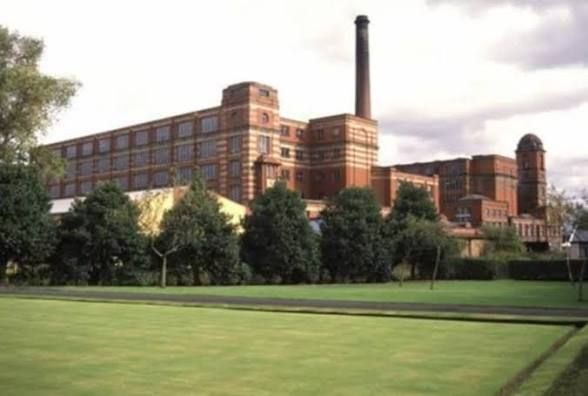
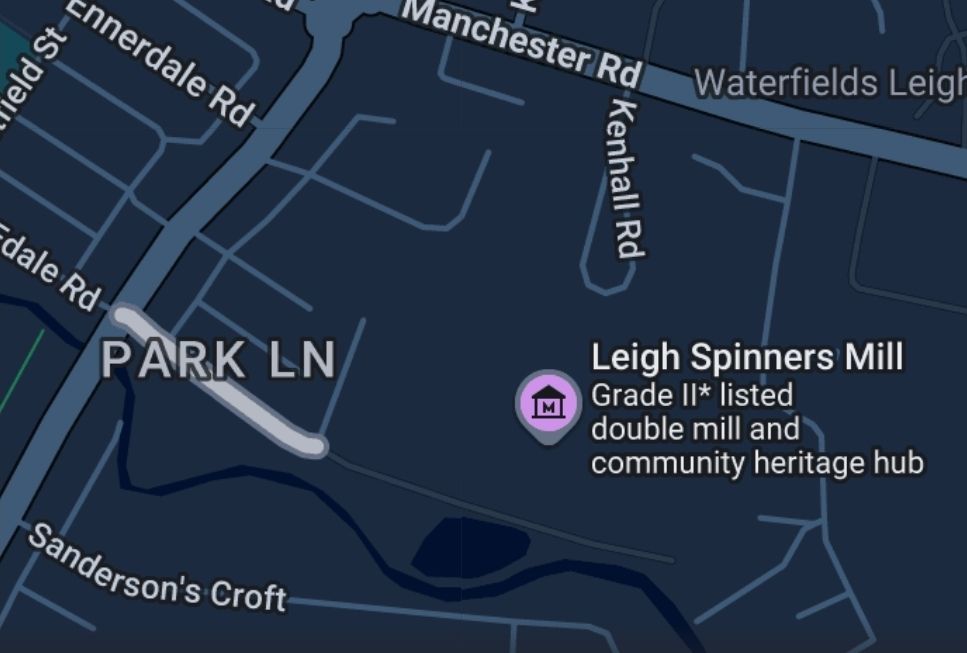
The iconic Grade II listed Leigh Spinners Mill
Detailed Timeline Breakdown by Era
1. The Pre-Industrial & Domestic Era (Pre-1830)
Before massive brick factories dominated the skyline, textile production was a distributed, domestic industry.
1740s–1770s: Local weavers produce “fustians” (coarse cotton-linen fabrics) in their own homes. The invention of the fly shuttle and Richard Arkwright’s water frame begins to shift production from homes to early water-powered mills.
1800s–1820s: The local economy relies heavily on agriculture, domestic handloom spinning, and a flourishing silk weaving trade.
2. The Early Factory & Industrialisation Era (1830–1879)
The introduction of rotative steam engines allowing mills to move away from rivers, combined with cheap local coal, sparks Leigh’s factory revolution.
1830s: The first dedicated steam-powered cotton mills are constructed in Leigh.
1839: The “Leigh Fight” (14 August). Amid massive unemployment and Chartism protests, a mob of 2,000 workers threatens to burn down Hayes Mill. The Riot Act is read, leading to violent clashes with troops.
1858: Construction begins on the multi-storey mill on Kirkhall Lane (later known as Pennington Spinning Company).
1861–1865: The Lancashire Cotton Famine. The American Civil War blockades southern US ports. Raw cotton supplies dry up, causing widespread starvation and temporary mill closures across Leigh.
1862: F.W. Bouth founds Bouth’s Mill. []
1870s: The local silk industry collapses due to foreign competition; multi-storey silk factories like Rose Mill and Welch Mill are rapidly converted to cotton weaving.
1875: The local townships of Pennington, Westleigh, and Bedford officially merge to form the Leigh Local Board District.
3. The Boom & “Super-Mill” Era (1880–1925)
Leigh enters its golden economic age, specialising in fine-mule cotton spinning and building architectural “super-mills”.
1880s: Major industrial development concentrates along the banks of the Bridgewater Canal, including the construction of the landmark Mather Lane Mill.
1899: Leigh is officially incorporated as a Municipal Borough, reflecting its vast commercial wealth.
1905: The Butts Spinning Company constructs Butts Mill.
1911: The industry reaches its employment peak. Over 6,000 people are directly employed in Leigh’s textile sector.
1913: Entrepreneurs John Horrocks and Edward Crowther found Leigh Spinners Mill. Designed by architects Bradshaw, Gass & Hope, “Mill 1” (East Section) opens alongside its boiler house and landmark chimney stack.
1914–1918: Outbreak of World War I halts the export markets and severely disrupts further building expansions.
1923–1925: Construction resumes post-war. “Mill 2” (West Section) is completed, making Leigh Spinners one of the most complete double mill complexes in the United Kingdom.
4. The Slump, War, & Industrial Decline (1926–1999)
Global competition, lack of technical modernization, and shifting markets trigger a long, irreversible contraction.
1920s–1930s: The Great Depression triggers massive closures. Despite slumps, cotton still provides about 14% of all local employment (approx. 6,000 jobs). Pennington Mill shuts its doors in 1930.
1939–1945: World War II temporarily shifts mill focus to industrial war fabrics, and some empty sheds are utilised as prisoner-of-war camps.
1950s–1960s: Post-war decline accelerates. Butts Mill ceases spinning operations entirely in 1960. Across Lancashire, mills close at a catastrophic rate of one per week.
1969: Facing the total collapse of the cotton thread trade, Leigh Spinners Ltd structurally shifts its business model from cotton yarn spinning to carpet manufacturing.
5. Dereliction & Modern Regeneration (2000–Present)
The 21st century sees a major pivot toward preserving architectural heritage via community asset conversion.
2012: Leigh Spinners expands its manufacturing footprint to produce modern synthetic turf products for sports and landscaping.
2013: The Leigh Building Preservation Trust (LBPT) is formed to save the decaying sections of the mill and its rare Yates & Thom cross-compound steam engine. They secure a vital £75,000 restoration grant.
2018: Volunteers successfully turn the historic mill steam engine for the first time in decades. Roof repairs begin on Mill 2.
2020s: Rapid floor-by-floor expansion transforms the site into a massive dynamic space.
Present Day: Leigh Spinners Mill functions as a premier heritage centre. It hosts more than 60 local tenants, featuring sports gyms, art studios, an independent cinema, a computer museum, and community facilities.
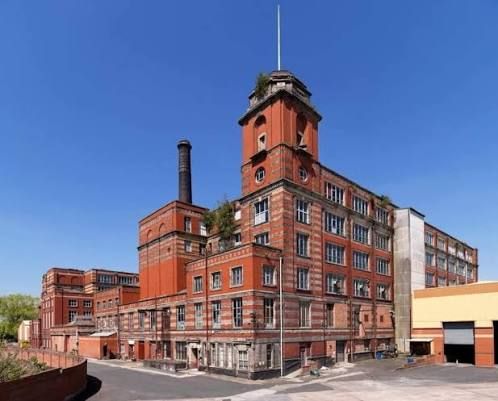
Leigh Spinners Mill functions as a premier heritage centre
Leigh Spinners Mill is a premier heritage and community hub that has transformed a historic industrial space into a thriving cultural asset. Located in Leigh, Greater Manchester, this Grade II* listed former cotton mill stands as one of the finest and most intact double-mill complexes in the UK.
Today, managed by the Leigh Building Preservation Trust (LBPT), it functions as a vibrant mix of historical preservation, business enterprise, and creative arts.
The Heritage Experience
The Heritage Centre: Located on the first floor, it showcases a vast collection of local history displays, photographs, oral histories, and industrial artefacts discovered during the mill’s renovation.
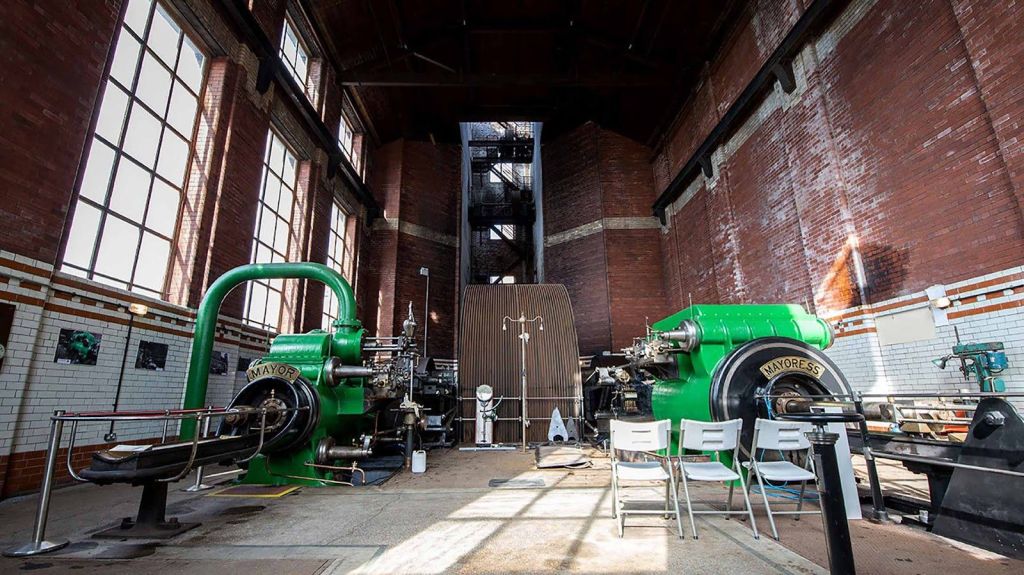
The Steam Engine House: Home to the “Mayor and Mayoress,” a massive 1,800-horsepower twin horizontal cross-compound steam engine built in 1923 by Yates & Thom. It is the largest surviving mill engine of its type in the UK.
Steam Engine House: the “Mayor and Mayoress,” a massive 1,800-horsepower steam engine
Architectural Tours: Enthusiastic volunteer guides lead public tours detailing the mill’s 20th-century Italianate and neo-Baroque architecture designed by Bradshaw Gass & Hope.
A Thriving Multi-Floor Community Hub
Beyond its industrial history, the mill has been partitioned into creative and commercial spaces housing over 80 independent businesses, charities, and sports facilities across its upper floors:
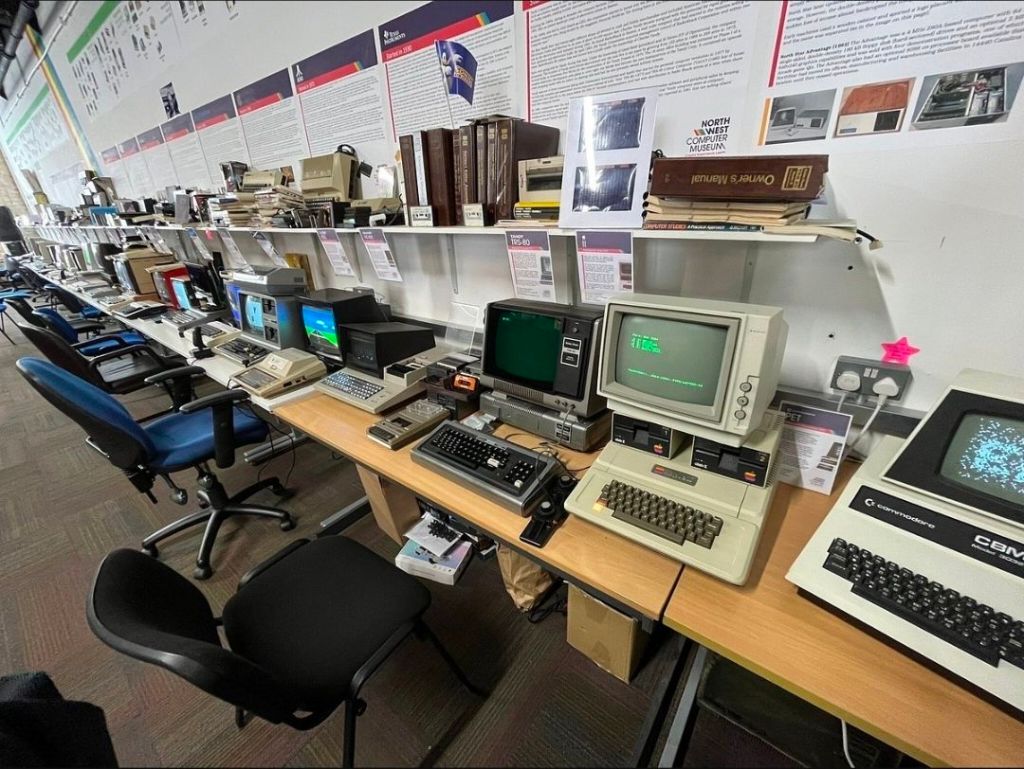
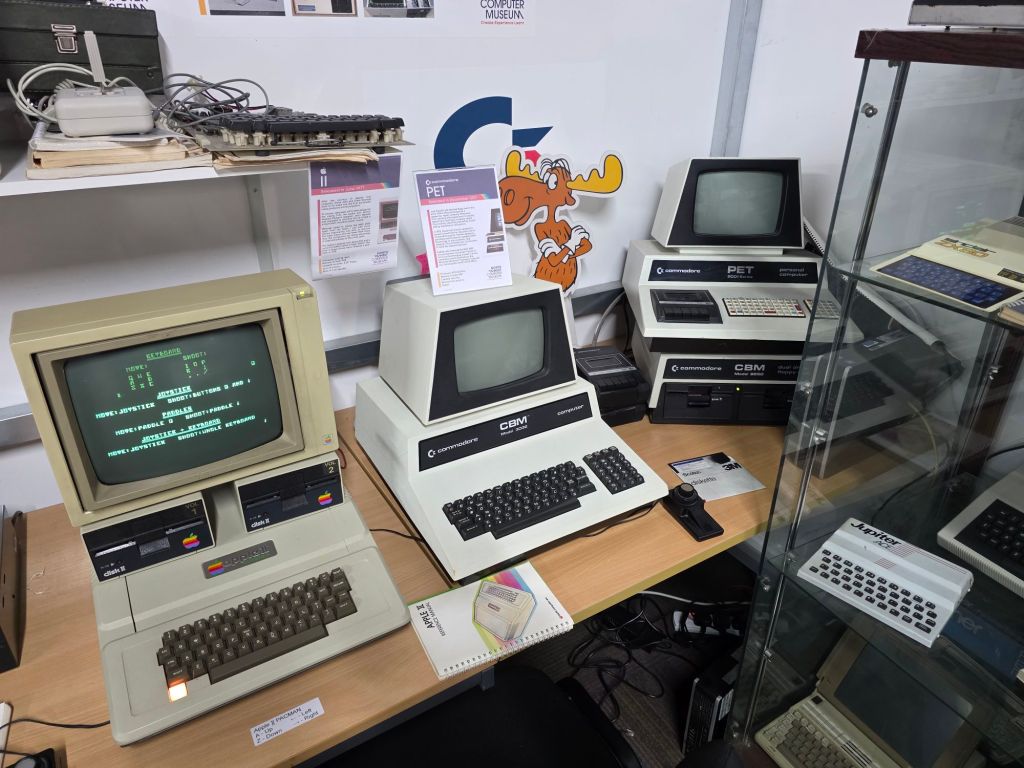
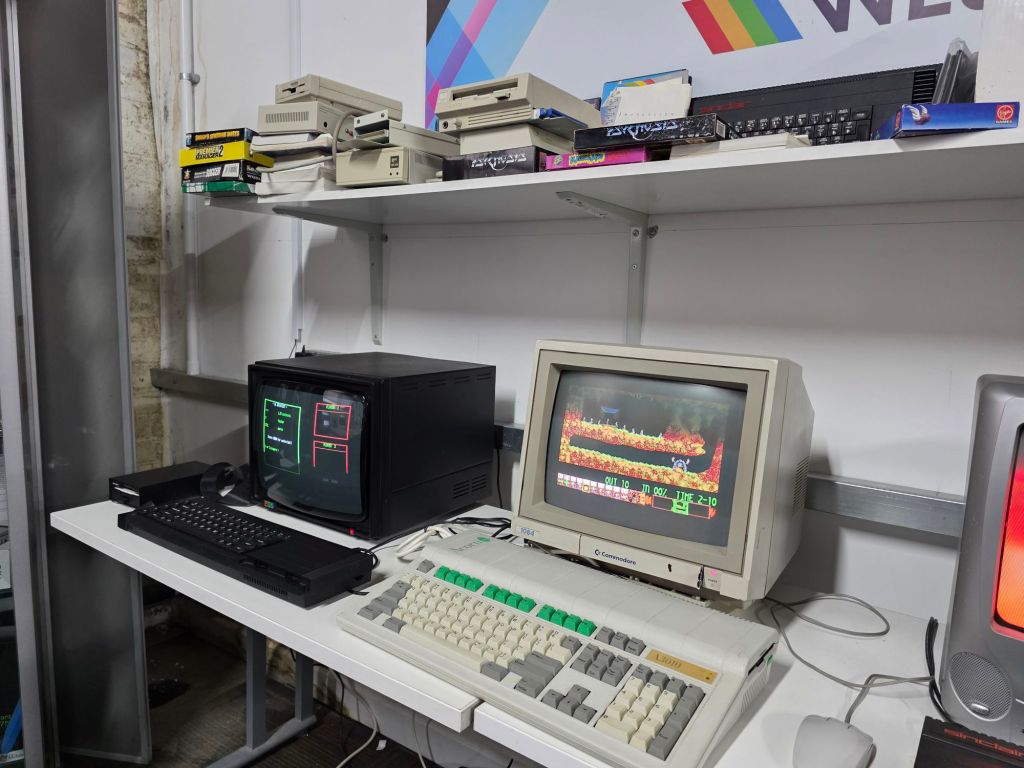
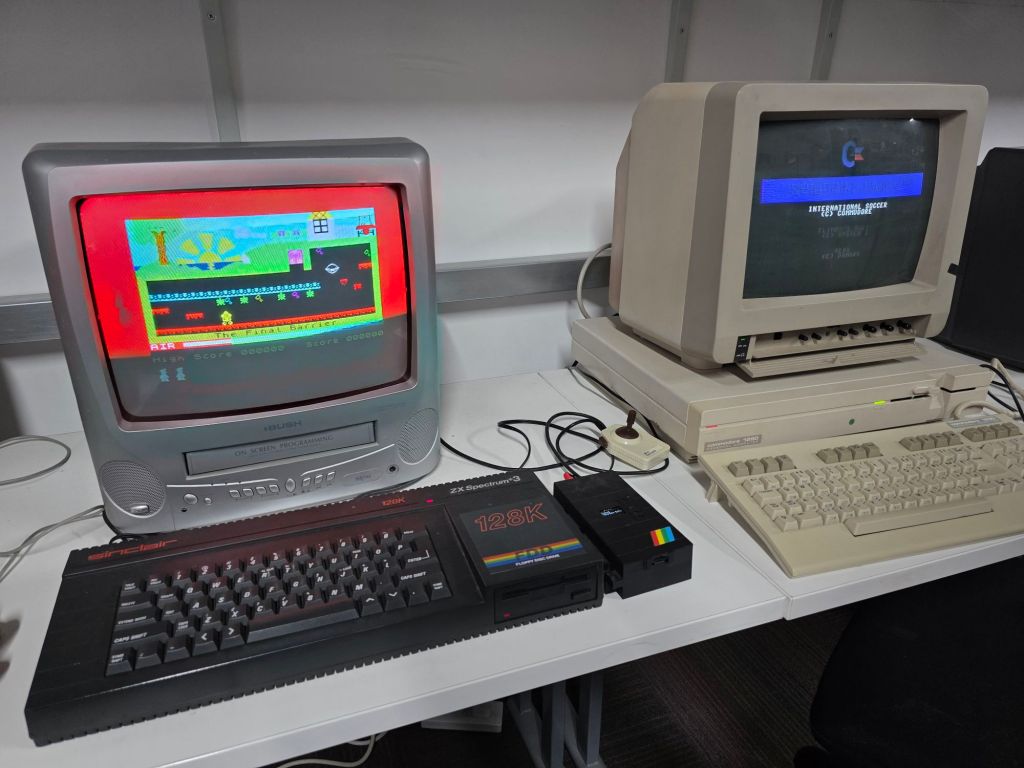
Northwest Computer Museum: A massive retro-tech attraction showcasing fully working generation-one computers and classic video game consoles like the Commodore 64 and Sinclair Spectrum amongst many others.
Sports & Leisure Floor: Features diverse athletic groups including martial arts dojos, an archery centre, a boxing club, table tennis, and yoga studios.
Retail & Amenities: Visitors can browse local maker spaces and craft workshops or relax at the mill’s local café.
Visitor Information
Address: Park Lane, Leigh, Greater Manchester, WN7 2LB.
Cost: Entry to the Heritage Centre and engine room displays is completely free of charge (donations to the trust are welcome).
Heritage Centre Opening Hours: Generally open to the public on Thursdays and Saturdays from 10:00 AM to 2:00 PM. Individual tenant hours across the rest of the mill vary daily.
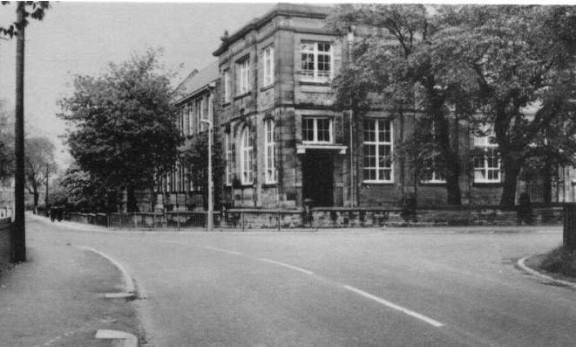
Hindley Park High School (originally founded as Hindley and Abram Grammar School) was a historic secondary school located on Park Road in Hindley, Wigan, Greater Manchester. I attended the school from 1980 thru 1985.
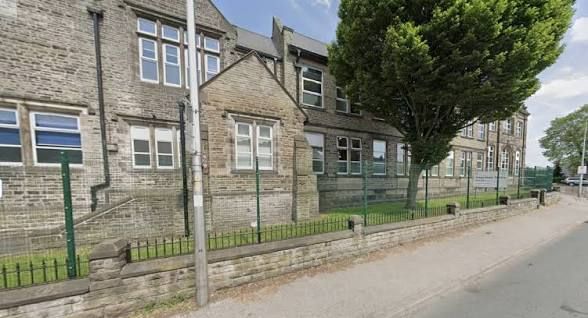
Operating under its final name until its closure in August 1991, the institution served the local community for over three centuries. The iconic Victorian school building still stands today and serves the region as the Three Towers Academy.
Park High Secondary School, Hindley, Wigan – Overview and Timeline
Full Institutional Description
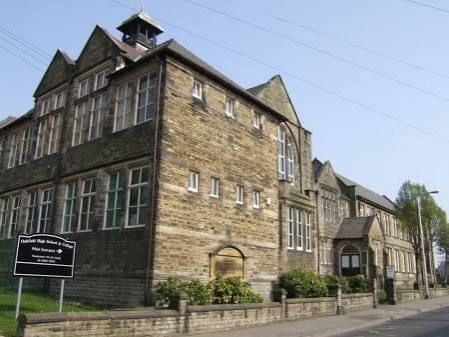
Location and Campus: Located on Park Road, Hindley, the school campus features a prominent mid-Victorian main building constructed of traditional red brick and stone dressings. The site evolved from a single large schoolroom to include a master’s house, separate classrooms, and the landmark Carlton Villas (acquired in 1937 as headmaster quarters).
Academic Identity: For most of its existence, it operated as a selective Grammar School focusing on classical education, mathematics, and sciences. In its later eras, it transitioned into a non-selective voluntary controlled secondary school managed by the Wigan Metropolitan Borough Council.
Heritage Values: The school holds deep historical significance for the Wigan borough. Its grounds feature two prominent war memorials dedicated to the alumni who perished during World War I and World War II.
Park High Secondary School, Hindley, Wigan – side view of main building
Chronological Timeline Breakdown
Era 1: The Foundations & Lowe Hall (1632 – 1855)
1632:The Hindley and Abram Grammar School is officially established through a charitable foundation. It opens inside “Lowe Hall” off Stony Lane (modern-day Liverpool Road) and is locally dubbed The Lowe School.
1829: The school updates its charter; while originally free, the Headmaster is granted the liberty to charge tuition fees for advanced instruction in Latin, arithmetic, and writing.
1848: The campus layout at Lowe Hall is formally documented for the first time on the inaugural Ordnance Survey map.
Era 2: The Park Road Relocation & Growth (1856 – 1979)
1856: The school outgrows its original home and relocates to a brand-new building on Park Road, anchoring its identity to the “Park” area of Hindley.
1882: The infrastructure expands significantly to accommodate a growing pupil registry. The site now comprises a large central schoolroom, a secondary classroom, and a dedicated headmaster’s residence.
1900s–1930s: The school undergoes rapid student growth. In 1937, the neighbouring Carlton Villas are formally purchased to serve as upgraded residential quarters for the headmaster.
1944–1970s: Following the Education Act of 1944, the school solidifies its role as a key selective grammar school for the Hindley and Abram districts, operating alongside local secondary modern alternatives.
Era 3: The 1980s Transformation (1980 – 1989)
1980–1985: Amidst a nationwide shift away from selective education, the school operates as Hindley Park High School, a voluntary controlled secondary school. It adapts its classical grammar curriculum to broader secondary education requirements.
1986–1888: Financial strain and shifting local demographics within the Wigan Council area prompt institutional reviews regarding school surplus spaces across the borough.
1989: Local education authorities begin formal consultations regarding the consolidation of secondary education in Hindley, outlining plans to phase out the historic Park Road site in favour of expanding Outwood Academy Hindley (then known as Mornington High School).
Era 4: Closure & Modern Reuse (1990 – Present)
1991: On 31 August 1991, Hindley Park High School officially closes its doors to pupils, ending 359 years of direct educational lineage.
1992–2010s: The building is preserved by the local authority and repurposed as a Teachers’ Development Centre.
2020s: The historical complex finds a permanent modern educational use. The facility is occupied by the Three Towers Alternative Provision Academy, ensuring the 1856 building continues to serve local children needing specialised support.
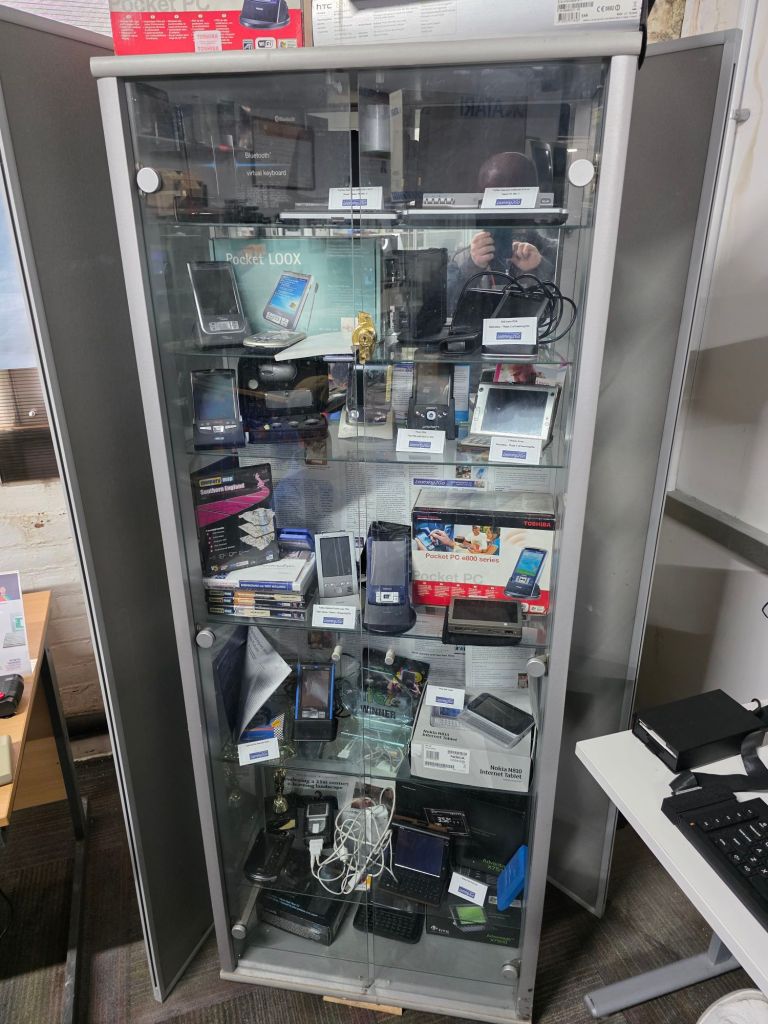
The Northwest Computer Museum is a hands-on, community-focused tech museum located on the 4th floor of the historic Leigh Spinners Mill in Greater Manchester.
Northwest Computer Museum is located on the 4th floor of the historic Leigh Spinners Mill
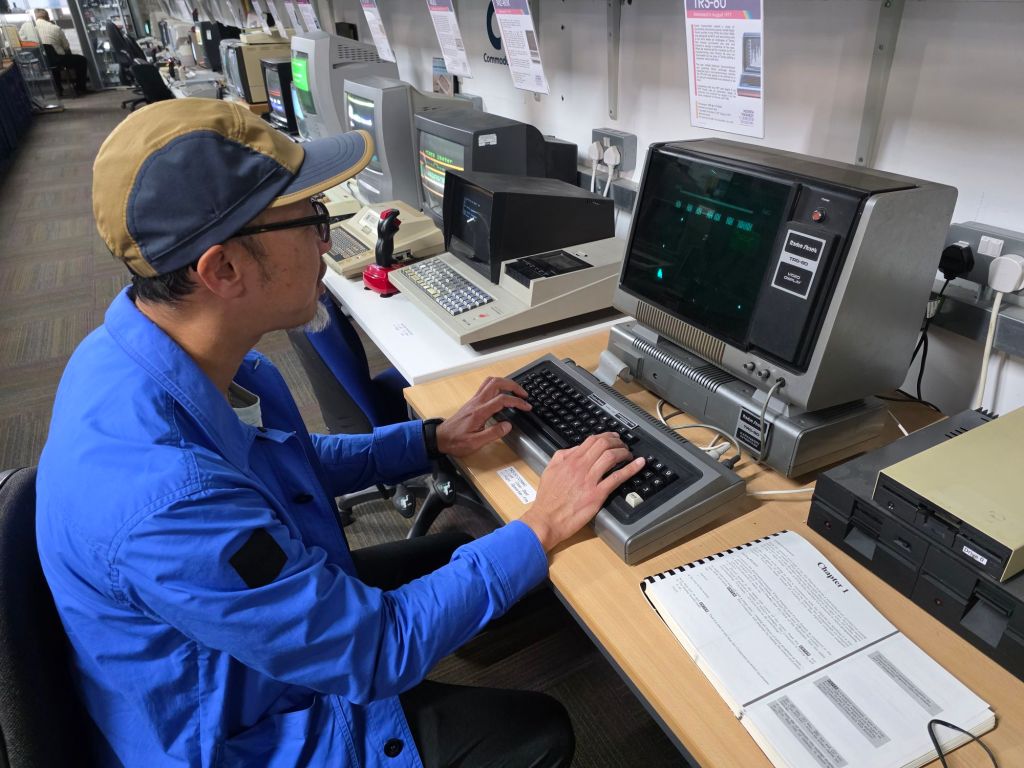
Founded by Joe Kay, the museum actively breaks the traditional “sterile, behind-glass” rule. Instead, it allows visitors to physically operate, play, and code on over 100 fully working retro machines.
The institution combines nostalgia, tech preservation, and modern digital education, sourcing its hardware through donations, personal sourcing, and an eco-friendly alliance with the Wigan Council Recycling Centre.
Key Features & Exhibits
Hands-on Computing: Over 140 operational items ranging from the 1970s up to 2010.
Immersive Period Rooms: Built-in 1970s and 1980s retro office environments equipped with era-accurate hardware.
Retro Gaming Zone: A nostalgic arcade room stocked with sponsored, functional arcade units and classics like the Commodore 64.
Education Suite & Repair Lab: A teaching hub where visitors learn coding basics (like BASIC) and physical electronic repair.
VR & Modern Tech Lab: An advanced space utilizing modern virtual reality tech, including specialized Omni VR treadmills.
Free Access Community Cyber Cafe: An on-site internet cafe that requires zero admission fee, offering locals free use of computers, printers, and web access.
Timeline by Year
2018
Founder Joe Kay runs a successful one-week pop-up exhibition in the local area.
The explosive reaction from children refusing to leave the vintage machines serves as the primary inspiration for a permanent site.
2021
The foundational idea for a permanent establishment begins taking clear shape.
Development talks commence with the chief executive of Wigan Council to acquire a lasting base.
2022
October: Full scale construction begins inside Leigh Spinners Mill, a Grade II listed 1913 cotton mill.
October: The team hosts its first public fundraising jumble sale to clear excess stock and fund critical electrical work.
December: The museum institutes its popular “Late Night Wednesdays,” dropping admission prices by half after 4 PM to support after-school and after-work visits.
2024
The museum significantly grows its outreach program, organizing specialized interactive workshops with visiting tech enthusiast clubs, like the Yorkshire Amiga Group.
2025
May: The museum completes a major floor redesign, organizing its history chronologically.
They receive a significant donation archiving a 1980s software developer’s life work and launch their interactive Virtual Reality treadmill lab.
2026 (Current Year)
April: To combat localized inflation and rent increases, standard main-museum ticket pricing shifts from £7 to £8 for adults.
The facility continues to run its free-entry community cyber cafe.
The Northwest Computer Museum in Leigh is a highly interactive, hands-on archive of computing and gaming history. Housed in the historic Leigh Spinners Mill, the museum features over 200 working exhibits spanning from the 1970s to modern-day Virtual Reality. It is a volunteer-run community space.
Key Highlights
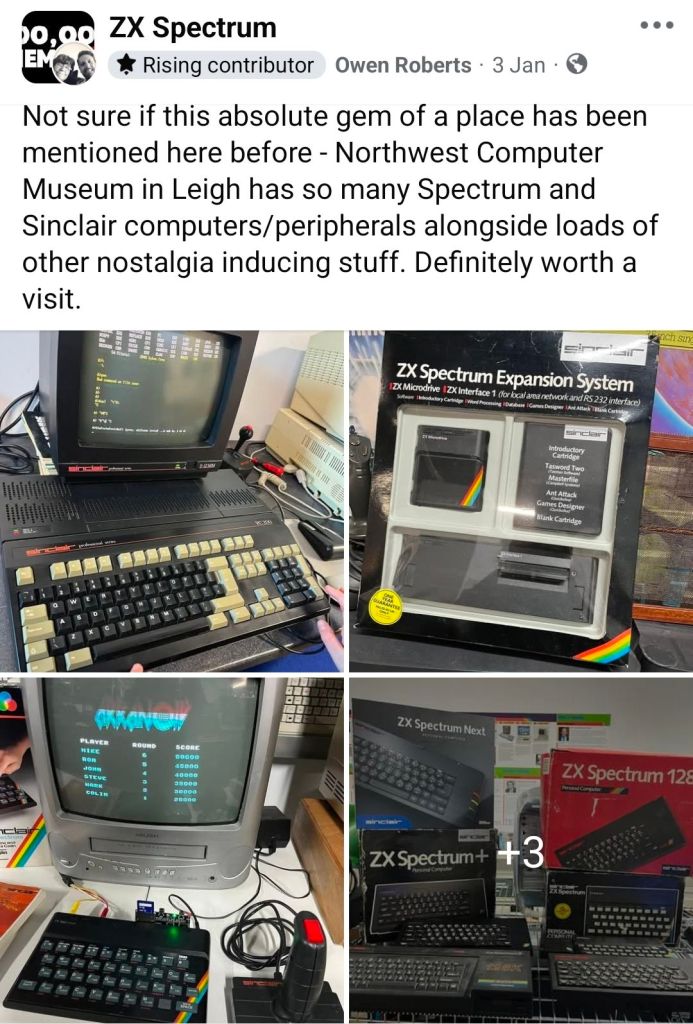
Hundreds of classic games, tapes, disks, and cartridges are preserved, alongside physical computing books and historical displays like the BBC Micro and the ZX Spectrum
Hands-On Exhibits: Unlike traditional museums, the focus is on interaction. Visitors can play classic retro video games, try out vintage consoles, and see legendary brands like Apple, Acorn, Atari, Amiga, Commodore, Sega, and Sinclair in action.
Retro Arcade & VR: The space includes dedicated retro arcade cabinets and a modern VR suite complete with immersive treadmill technology.
The Archive: Hundreds of classic games, tapes, disks, and cartridges are preserved, alongside physical computing books and historical displays like the BBC Micro and the ZX Spectrum.
Community Facilities: The museum features a library, internet café, training rooms, and a dedicated repair/workshop facility for local tech projects.
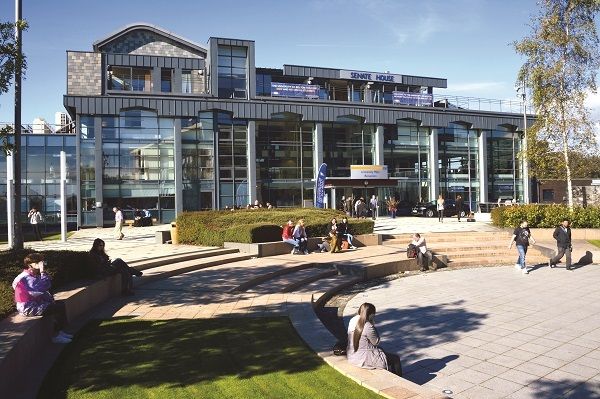
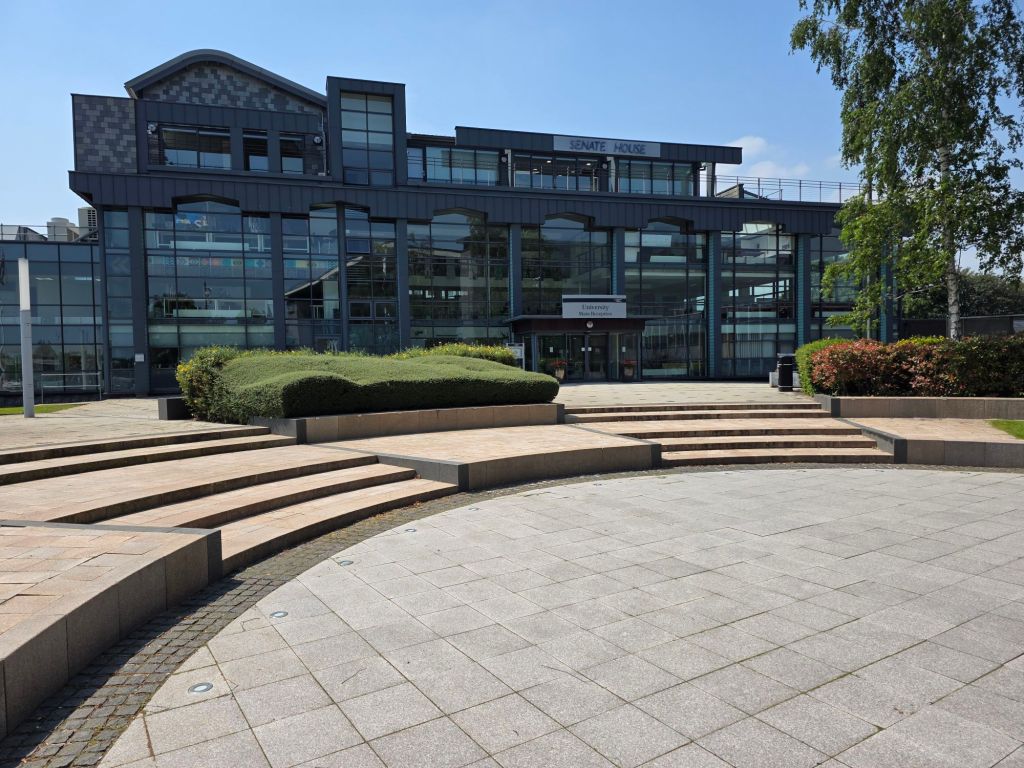
The University of Greater Manchester (formerly known as the University of Bolton from 2005 to 2024) is a public university based in Bolton, Greater Manchester, England.
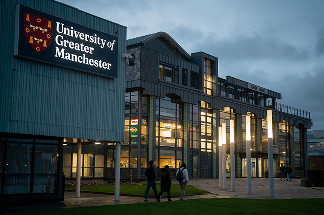
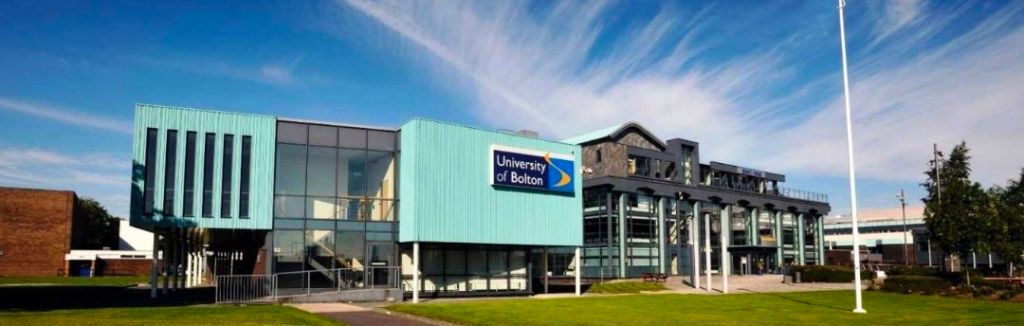
University of Greater Manchester, from 2024
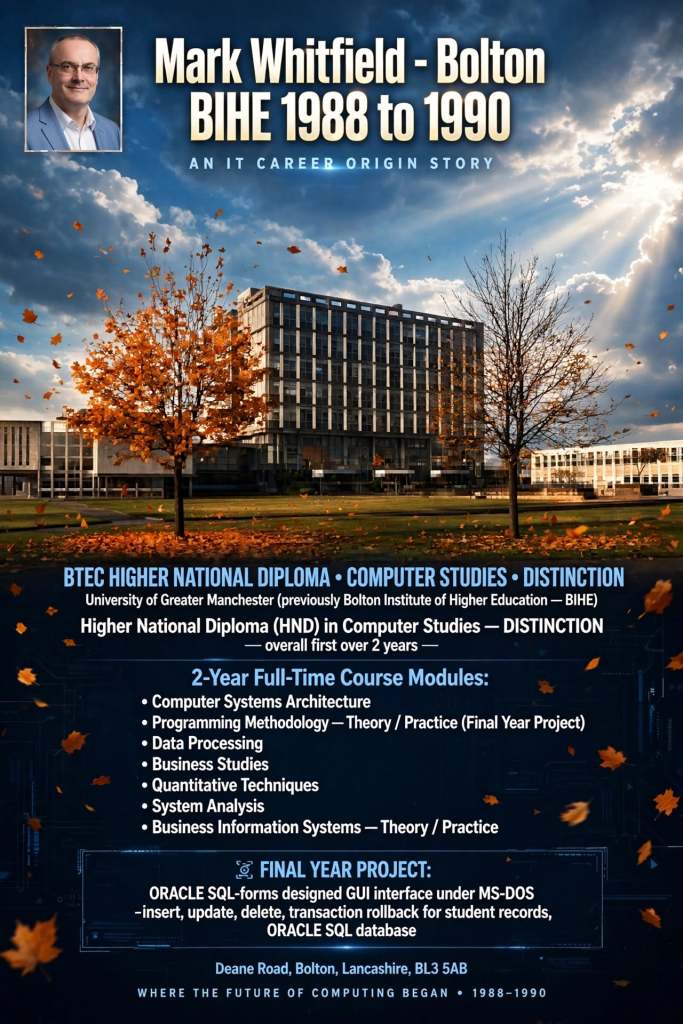
It is a “post-92” institution that officially rebranded in late 2024 to reflect its regional focus and, according to its vice-chancellor, to overcome employer prejudice against the smaller town name of Bolton. I studied Computing at Bolton Institute of Higher Education (BIHE) between 1988 to 1990 before it was elevated to University status.
The university dates its roots back to 1824 and focuses on applied research, practical skills, and teaching, with a strong regional reputation for student satisfaction.
🏛️ Comprehensive Insight: University of Greater Manchester
Location: Main campus on Deane Road and Derby Street in Bolton town centre, with a new city-centre partner campus (“UoB Manchester”) opened in 2023.
Origins: Founded as Bolton Mechanics’ Institute in 1824–1825.
Status: Granted taught degree-awarding powers in 1990/1992 and full university status in 2004/2005.
Key Focus: Teaching-intensive with a focus on employability, particularly in Nursing, Engineering, Business, and Creative Arts.
Size: Approximately 11,000–12,500 students, including international partnerships (e.g., Ras Al Khaimah, Colombo).
Rebrand: The University of Bolton rebranded to the University of Greater Manchester on December 20, 2024.
📜 Detailed Historic Timeline (1824–2025)
Era 1: Foundations (1824–1900)
1824/1825: Establishment of the Bolton Mechanics’ Institute to provide technical education to the working population.
Late 19th Century: The Institute becomes a vital hub for adult education in industrial Bolton.
Era 2: The Technical Institution (1900–1980)
Early 20th Century: The institution becomes known as Bolton Technical College, expanding technical and scientific skills.
1950s–1960s: Expansion of teacher training and higher-level technical qualifications.
1964: A 50-ton steam hammer is used at Thomas Walmsley’s Atlas Forge, which later becomes a heritage exhibit on the university’s Deane Campus.
Era 3: Formation of Higher Education (1980–2003)
1982: Bolton Institute of Higher Education (BIHE) is formed by merging the technical and education colleges.
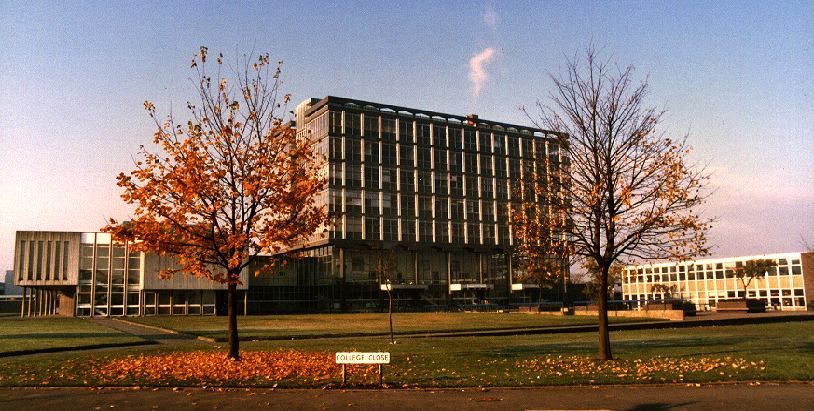
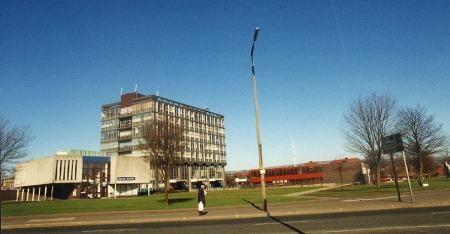
BIHE – Bolton Institute of Higher Education
1990s: Gained taught degree-awarding powers (1990/1992) and research degree powers (1996).
1998: Mollie Temple becomes principal, leading a successful drive for full university status.
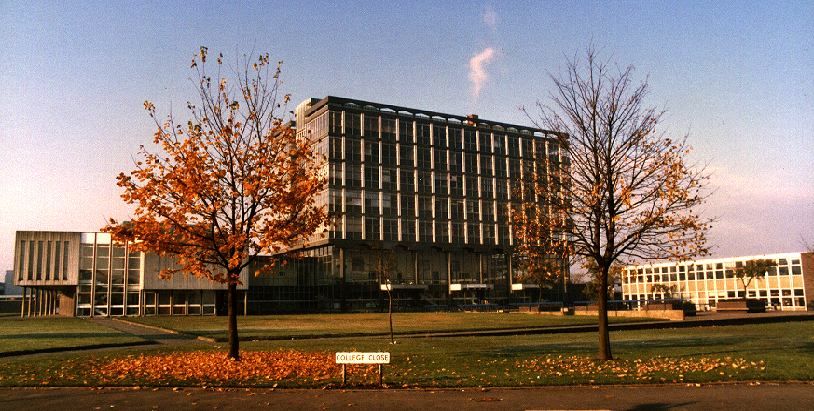
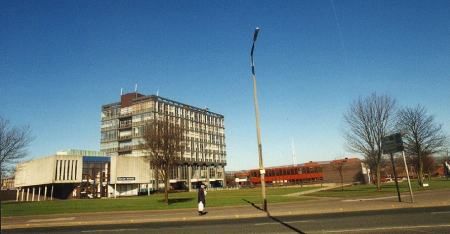
BIHE, view from front left side
Era 4: The University of Bolton (2004–2024)
2004–2005: Formally inaugurated as the University of Bolton following Privy Council approval.
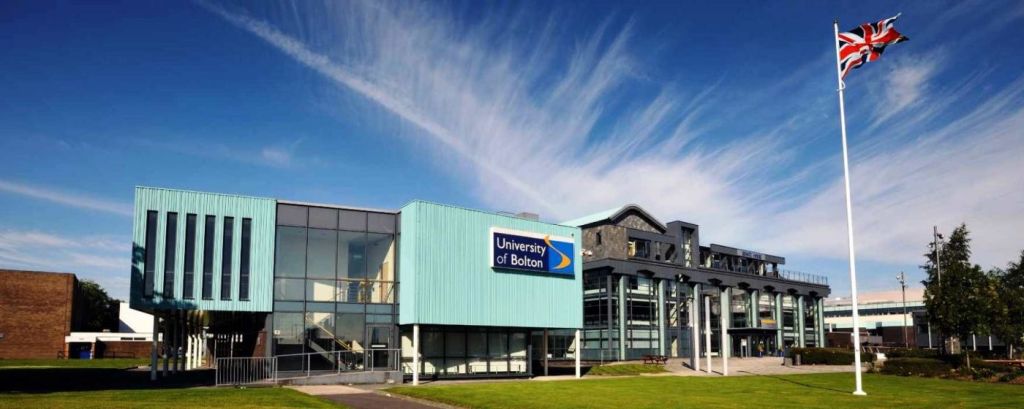
University of Bolton, 2004 – 2024 – UoB
2012: Opened the £31 million “Bolton One” health and research facility in partnership with local NHS and council.
2019/2020: Responded to “The Cube” fire incident and launched initiatives during the COVID-19 pandemic.
2023: Opened a new partner campus in Manchester city centre (“UoB Manchester”) and initiated the name change process.
Era 5: The University of Greater Manchester (2024–Present)
Dec 20, 2024: Officially rebranded to the University of Greater Manchester.
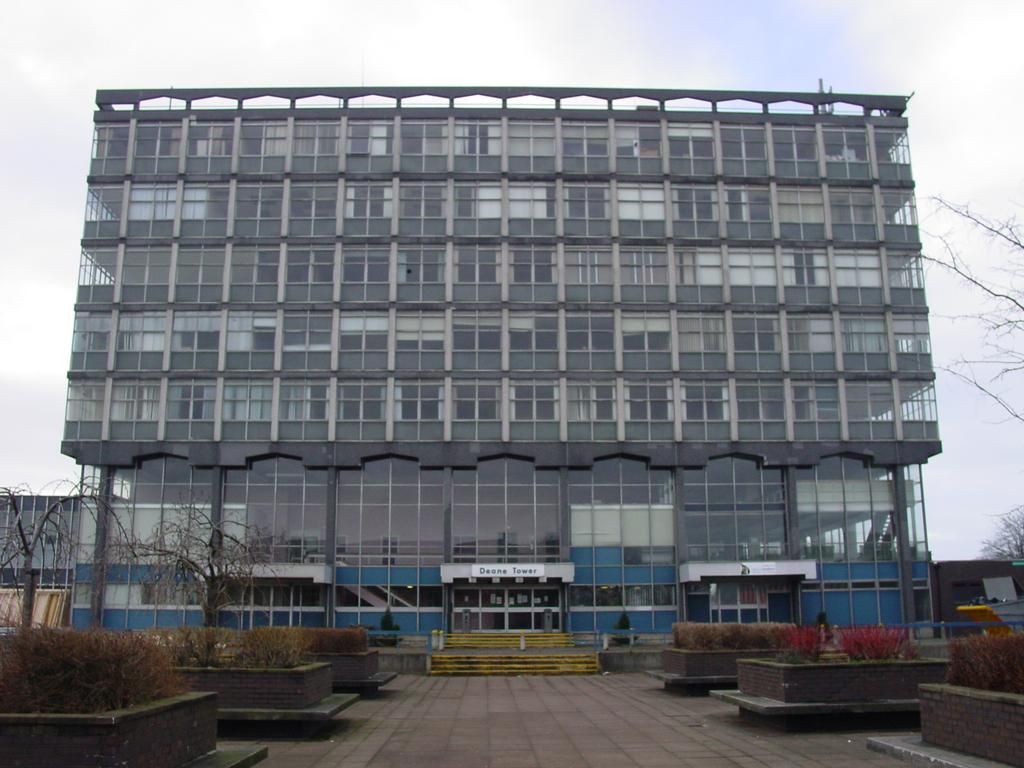
University of Greater Manchester (front) from Dec 20, 2024
2025: Facing internal investigations regarding governance and financial management, while focusing on expanding health and engineering sectors.
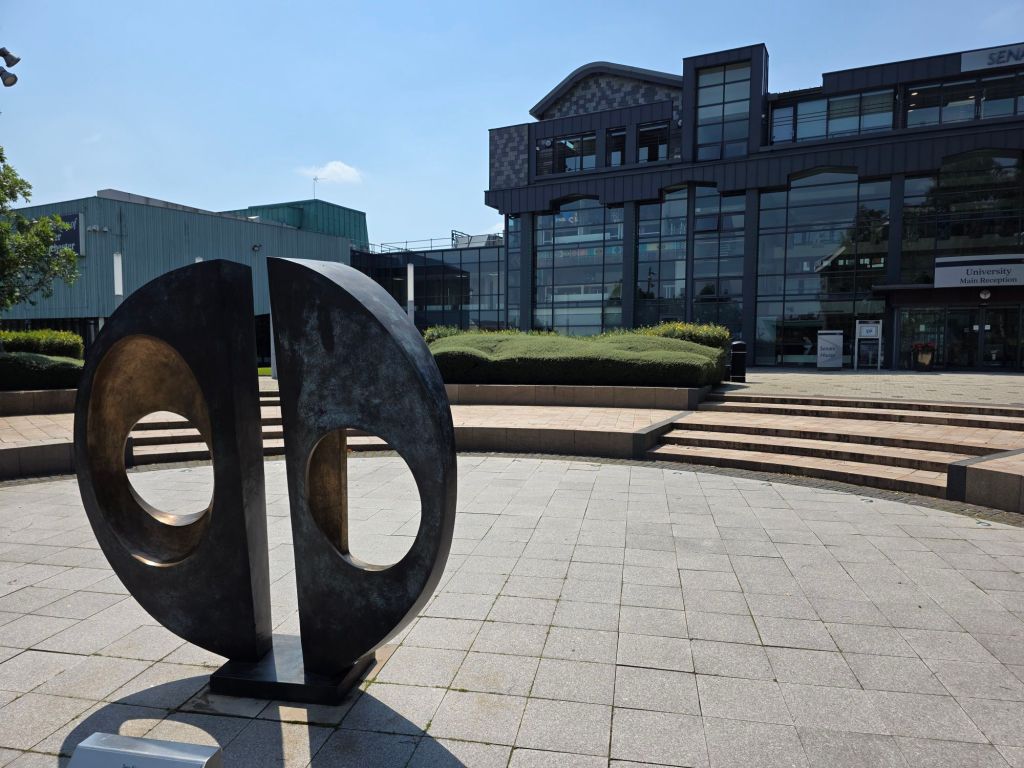
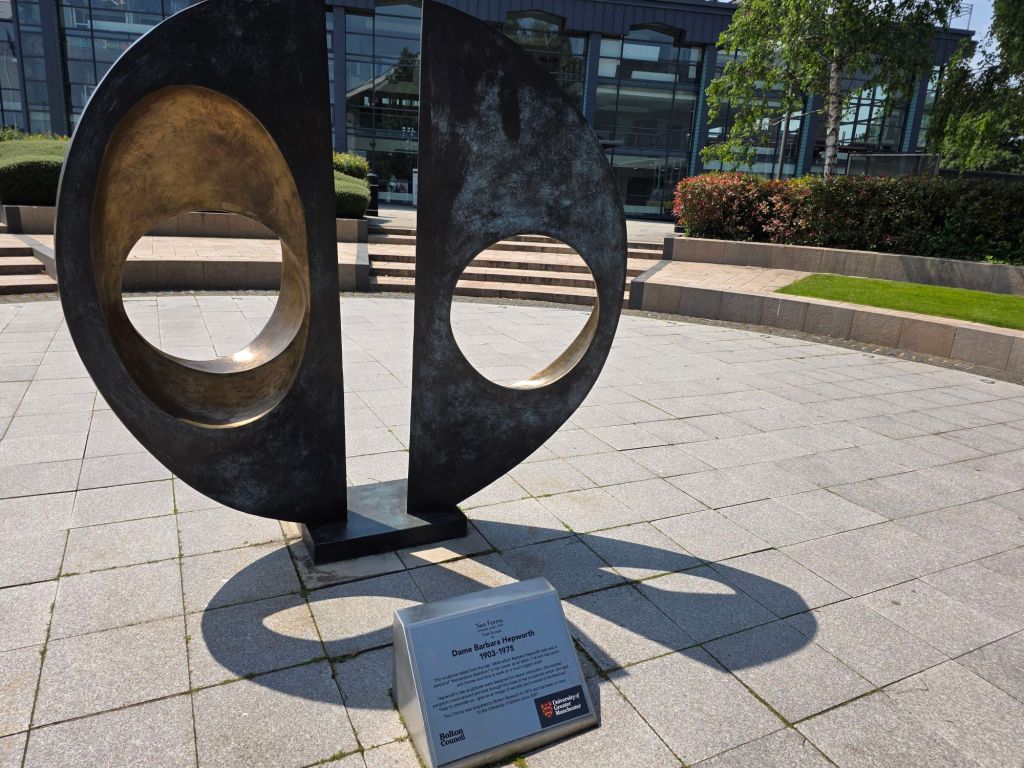
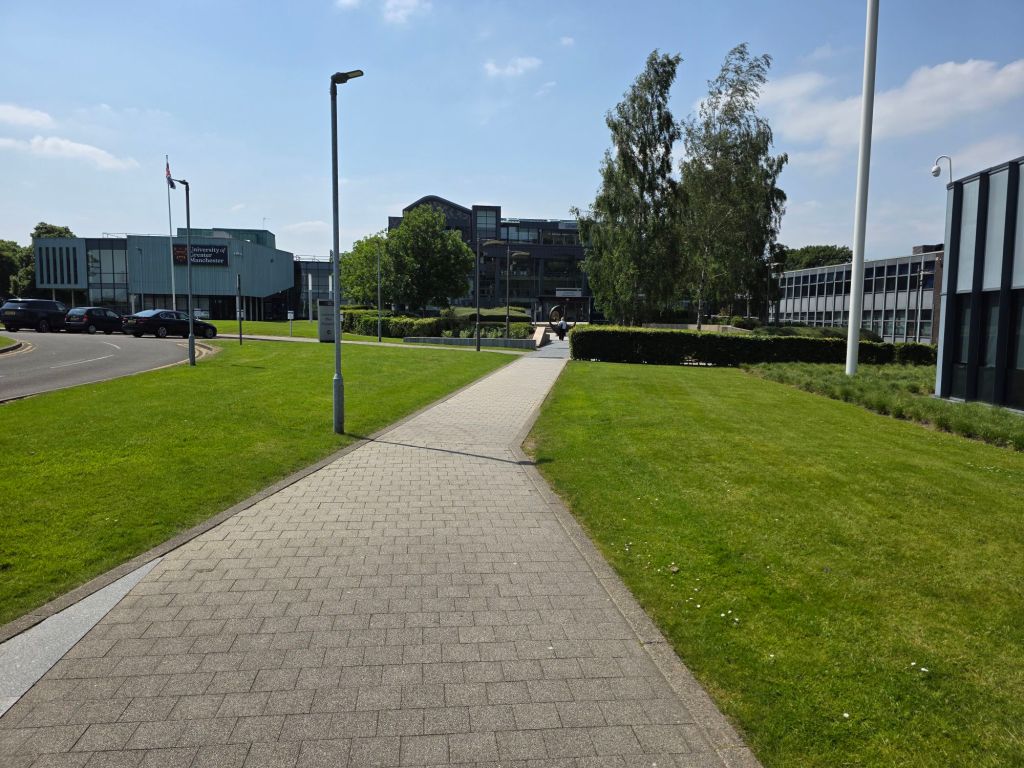
The University of Greater Manchester based in Bolton
The Bolton Institute of Higher Education (BIHE), which officially existed between 1982 and 2004, is the direct predecessor to the current University of Bolton (now rebranded as the University of Greater Manchester). Its roots extend back to the early 19th century, evolving from a Technical School into a major centre for higher education.
Bolton Institute of Higher Education (BIHE) before the rebuild to the university.
Formation: Established in 1982 through the merger of Bolton Institute of Technology and Bolton College of Education (Technical).
Status: A “post-92” institution that developed from a vocational technical college to a degree-awarding Higher Education body.
Key Powers: Gained taught-degree awarding powers in 1992 and research degree awarding powers in 1995/1996.
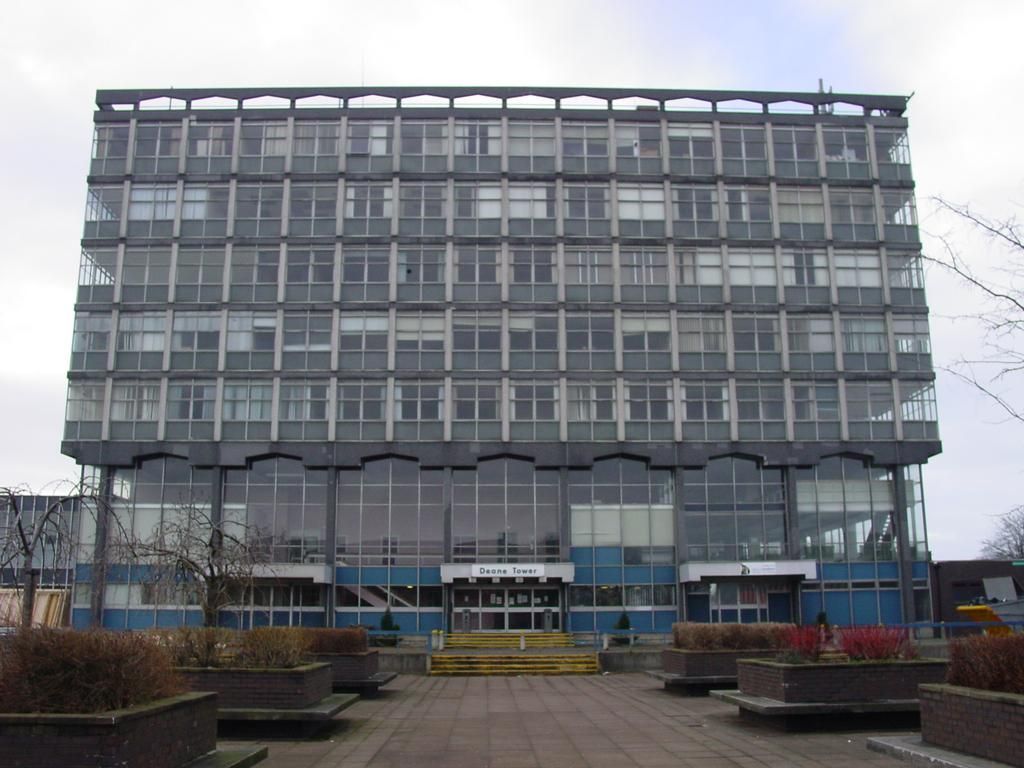
Key Locations: Based at the Deane Campus (Deane Tower completed 1970) and Chadwick Campus.
Final Evolution: Achieved university status in 2004/2005.
Detailed Historic Timeline (1824–2024)
Era 1: Foundations (Mechanics’ Institute to Technical College)
1824-1825: Bolton Mechanics’ Institute is established, marking the educational origins of the institution.
1887: A new Technical School is created with student numbers rising above 1,500.
1926: Bolton Technical School is renamed Bolton Technical College.
1941: A new building is opened for technical and engineering education.
1946: Bolton Training College is approved by the Ministry of Education.
1959: Bolton Training College settles at Chadwick Street.
Era 2: The Technical and Institute Era (1960s–1981)
1960s: Development of Bolton College of Education at Chadwick Street.
1964: Bolton Technical College and Bolton Institute of Technology (BIT) are divided into separate organisations. A.J. Jenkinson serves as principal for both in succession.
1970: Deane Tower (Deane Campus) is completed.
1971: A technology block and sports hall (later the Excel Centre) are added.
Era 3: Formation of BIHE (1982–2004)
1982:Bolton Institute of Technology and Bolton College of Education merge to form Bolton Institute of Higher Education (BIHE). John McKenzie is the first principal.
1990: The Institute gains its own taught-degree awarding powers.
1991: An £8.3 million extension project begins, including the purchase of the former Eagle Factory.
1992: Reorganisation following the Further and Higher Education Act 1992.
1995/1996: Awarded research degree awarding powers.
1998: Mollie Temple becomes the third principal, leading the drive for university status.
2004:BIHE is granted university status.
2005: The institution is officially named the University of Bolton.
Era 4: Modern Era (University of Bolton to University of Greater Manchester)
2009-2010: Rebranding and opening of the new Deane Road campus building.
2018: Bolton College merges with the University of Bolton.
2023: Application made to change the name to the University of Greater Manchester.
2024: The university begins operating as the University of Greater Manchester.
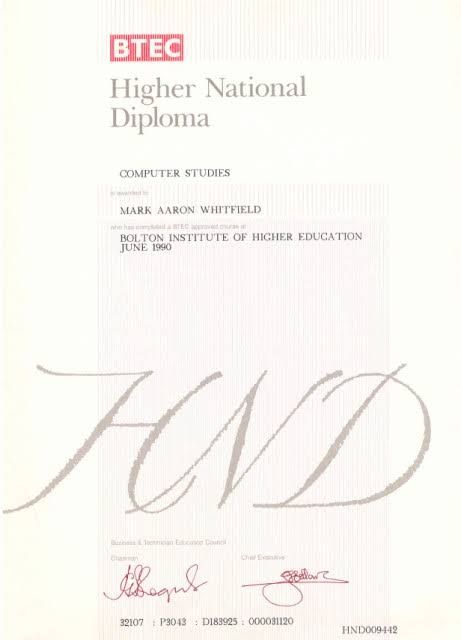
Mark Whitfield | Bolton Institute of Higher Education, BIHE | BTEC HND Computing, Distinction
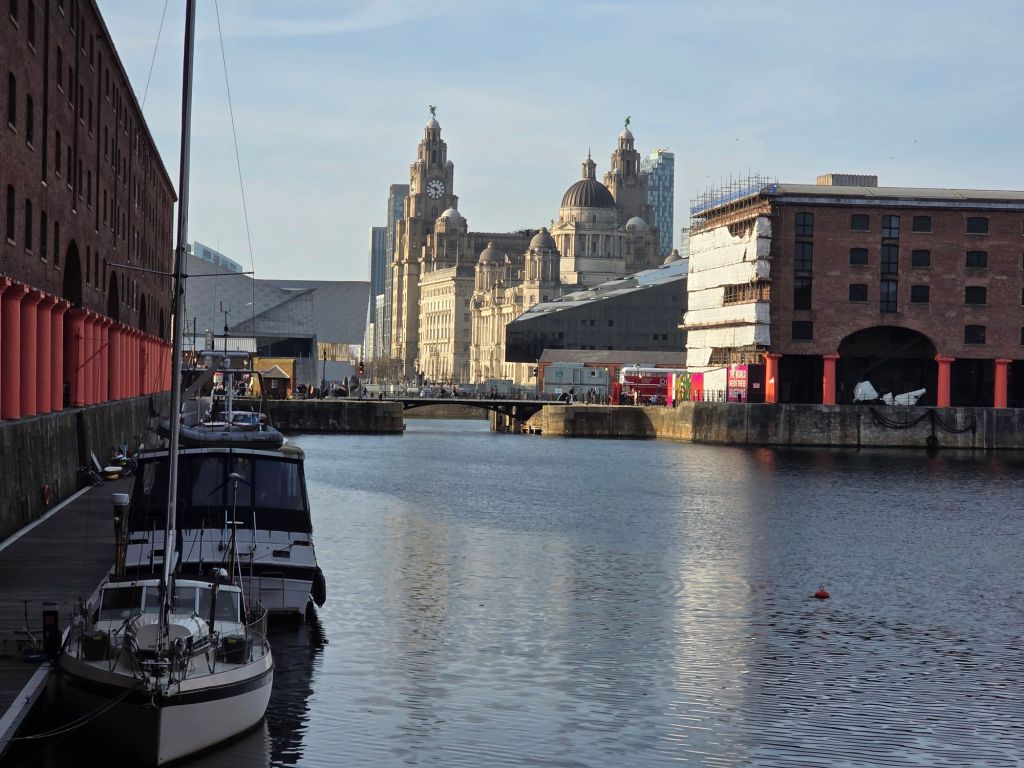
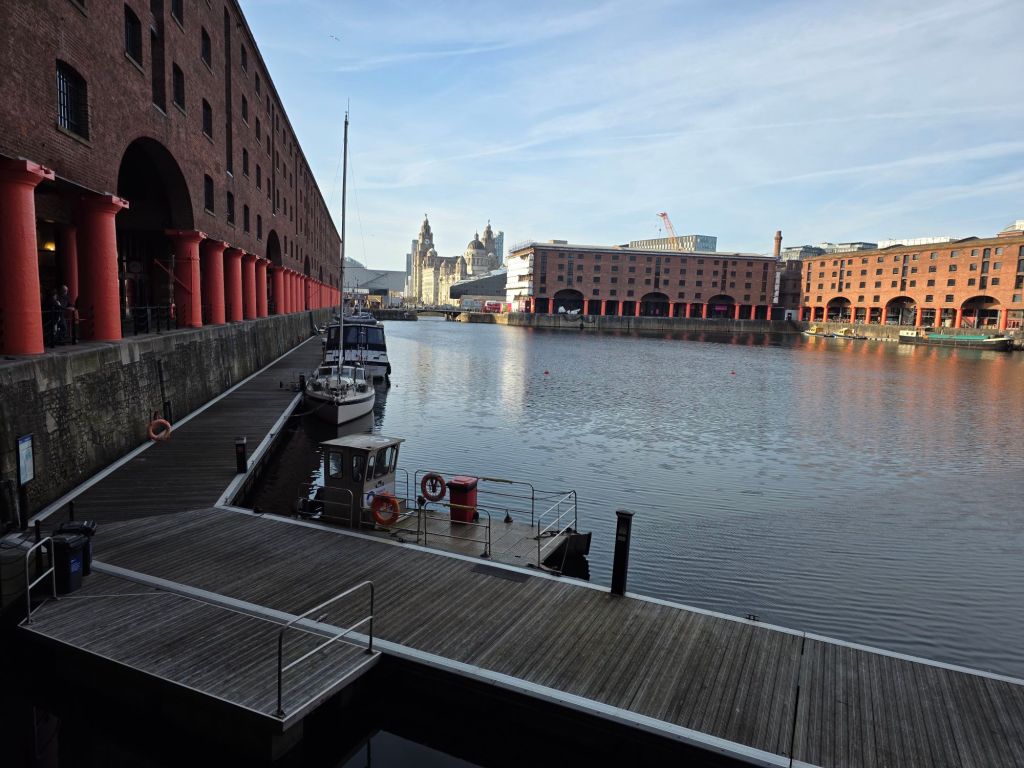
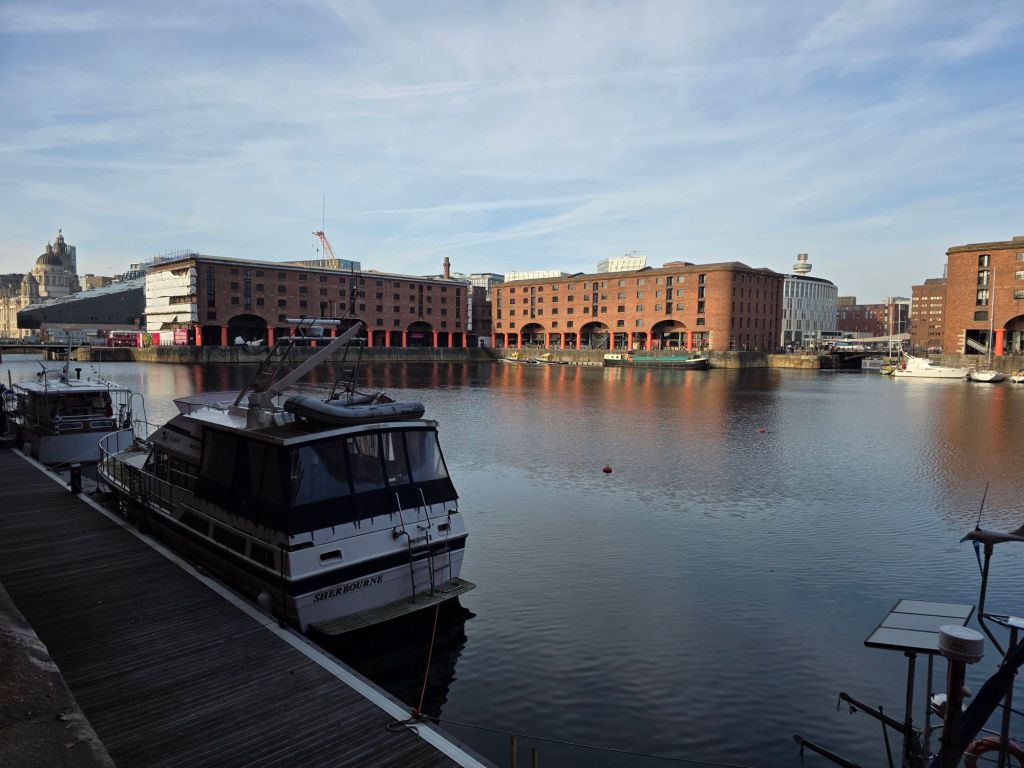
The Liverpool docks system represents one of the world’s most significant maritime developments, evolving from a small tidal inlet into a 7.5-mile interconnected network that handled 40% of global trade by the late 19th century. Starting with the world’s first enclosed commercial wet dock in 1715, Liverpool pioneered dock technology and fireproof warehouse construction, eventually becoming the “New York of Europe”.
Timeline of Development by Era
1715–1815: The Rising Port & Global Trade
This era saw Liverpool’s rapid ascent driven by trade with the Americas and the city’s heavy involvement in the Atlantic Slave Trade.
1715: The Old Dock opens as the world’s first commercial wet dock, allowing ships to unload regardless of the Mersey’s high tidal range.
1753: Salthouse Dock (originally South Dock) opens to service the nearby saltworks.
1765: Three Canning Graving Docks are built for ship maintenance.
2004: Liverpool’s waterfront is designated a UNESCO World Heritage Site (status revoked in 2021).
2009: The Liverpool ONE shopping complex is completed on the site of the Old Dock, with parts of the original dock walls preserved for tours.
2016: Liverpool2, a new deep-water container terminal, opens at Seaforth to handle the world’s largest ships.
For further reading on the structural and strategic history, you can find Liverpool Docks: A Short History by David Paul at Hive.co.uk or used copies at AbeBooks.co.uk.
Liverpool Docks Overview and Historic Timeline by Era and Year