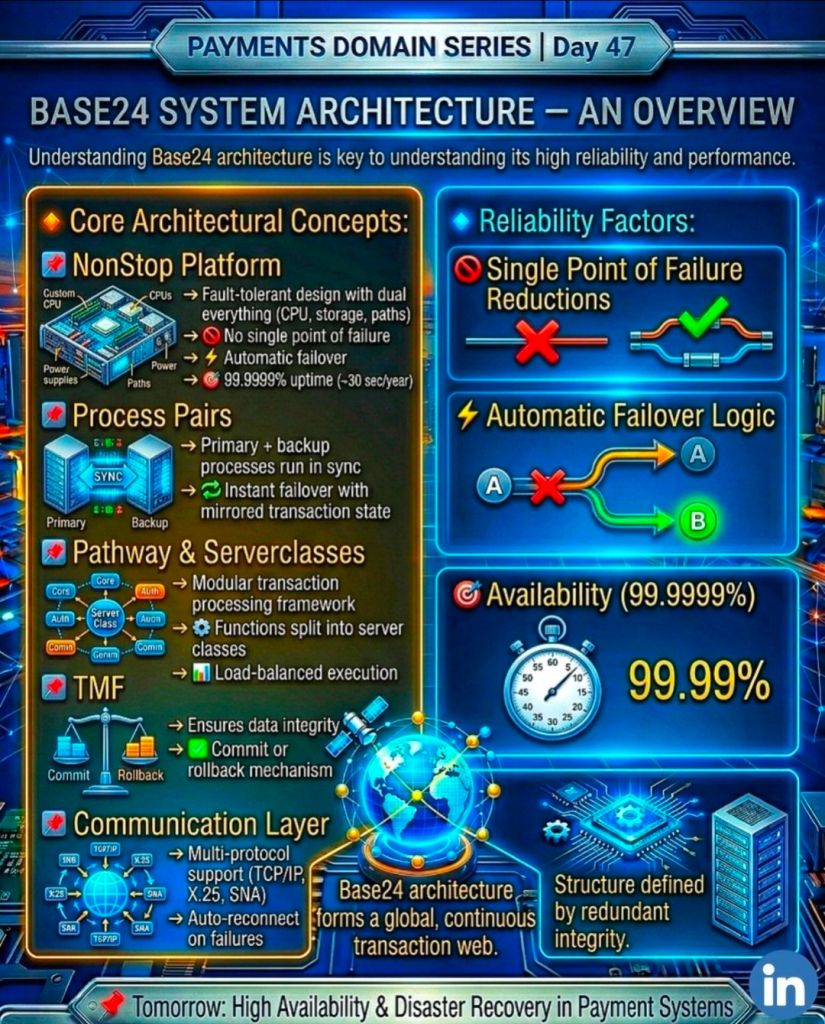
BASE24 is a foundational electronic payments software suite developed by ACI Worldwide, first launched in 1982 to provide “always-on” (24/7/365) transaction processing, primarily on HP NonStop servers.
It is used by large financial institutions to acquire, authenticate, route, switch, and authorize card- and non-card-based financial transactions across multiple channels, including ATMs, point-of-sale (POS) terminals, and mobile/internet banking.
The product has evolved from “Base24 Classic” into BASE24-eps (formerly BASE24-es), a modern, object-oriented, platform-independent payments engine designed to support high-volume, real-time transaction processing in hybrid or cloud-based environments.
Comprehensive Historical Timeline of BASE24
The Foundation Era (1975–1981): ACI (Applied Communications, Inc.) was founded in Omaha, Nebraska, in 1975, initially developing software for fault-tolerant Tandem NonStop computers. The focus was on connecting the first wave of ATMs to bank systems.
The Launch and Global Expansion (1982–1990):
1982: BASE24 product family is officially launched, serving as the “baseline” software for 24-hour operations.
1986: By 1986, ACI has 131 customers in 14 countries, expanding globally.
1987: ACI receives the U.S. President’s “E” Award for Excellence in Export.
Public Company and Modernization (1995–2000):
1995: ACI becomes a public company.
1997: Adopts the name ACI Worldwide.
1996–2000: Initial expansion of support to platforms beyond Tandem, including IBM mainframes and UNIX, to support rising internet commerce.
The Transition to Open Systems: BASE24-eps (2001–2010):
Early 2000s: Introduction of BASE24-es (later renamed BASE24-eps), a Next-Gen, C++ based engine.
2003: BASE24-eps is live on HP NonStop, IBM zSeries, and IBM pSeries/Sun Solaris.
2006: ACI announces a version of BASE24-es to support UK Faster Payments.
2008–2010: ACI moves toward a unified strategy, with BASE24-eps becoming the mainstream offering while Classic matured.
Modernization and Cloud Era (2011–Present):
2011: BASE24-eps wins the Most Innovative Financial Product Award.
2015: ACI celebrates 40 years of operation and introduces advanced fraud detection (Proactive Risk Manager) integrated with BASE24-eps.
2023: ACI goes live as an early adopter of the Federal Reserve’s FedNow Service, using modernized BASE24-eps technology.
2024–2025: BASE24-eps becomes fully PCI-SSF compliant (PCI 4.0), running on Red Hat Enterprise Linux and supporting hybrid cloud deployments.
Key Features of BASE24-eps
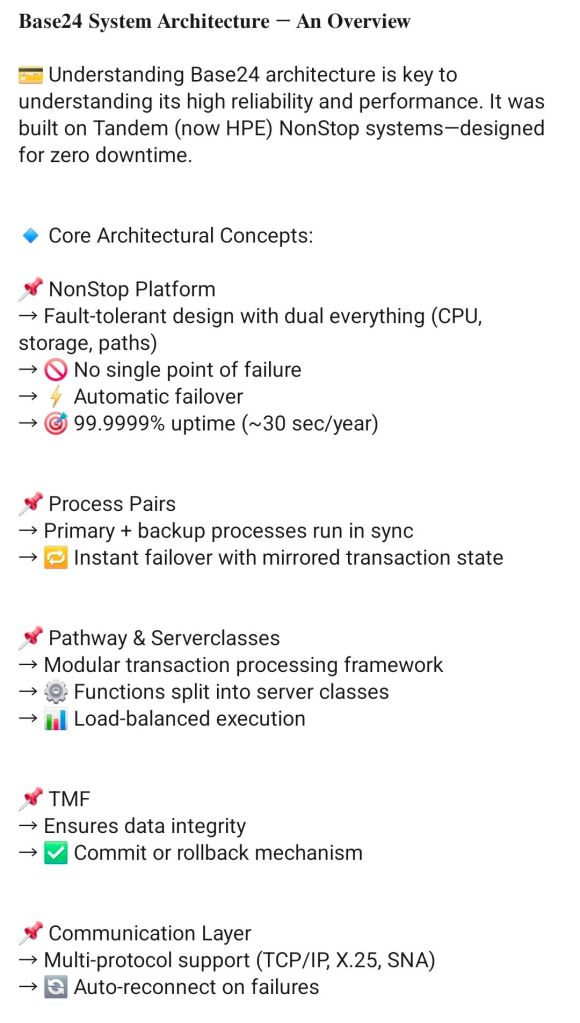
Fault Tolerance: Designed for high availability with near-zero downtime.
Multi-Channel Support: Manages ATM (NCR, Diebold Nixdorf), POS, and Mobile/Web traffic in a single engine.
Scripting Engine: Uses JavaScript-like scripts to allow customers to define authorization logic without modifying the core system.
Universal Connectivity: Supports 40+ global and regional network interfaces (Visa, Mastercard, etc.).
Platform Independence: Runs on HPE NonStop, IBM z/OS (CICS), and Linux/x86_64.
Real-time Fraud Prevention: Integrated with ACI Proactive Risk Manager.
The European BASE24 User Group (EBUG) was a prominent, community-led organization dedicated to the BASE24 payment processing system. It served as a vital hub for financial institutions and vendors to exchange technical knowledge, discuss platform migrations, and influence the development of ACI Worldwide products.
Group Overview
Primary Purpose: EBUG facilitated networking and technical collaboration among users of the BASE24 ecosystem, including the BASE24 Classic and BASE24-eps platforms.
Evolution of Scope: While it began with a strict focus on BASE24, it eventually expanded to include other ACI products like Postilion.
Independence: The group shifted from being an ACI-sponsored event to a supplier-agnostic forum known as “The Payments Knowledge Forum” after ACI ended its direct involvement.
Legacy Transformation: In its later years, it was affectionately referred to as the “Everybody Belongs User’s Group”, reflecting its inclusive stance as “The Independent Group for All Payments System Users”.
Detailed Timeline
The history of EBUG is marked by its annual conferences held in major European cities and its eventual transition to an independent entity:
1980s: EBUG is established as a regional group for the growing BASE24 community in Europe.
Early 2000s: EBUG events gain prestige, featuring technical tracks on HPE NonStop transaction monitoring and payment security.
2006–2008: High-profile meetings held in cities such as Istanbul (2007) and Vienna (2008). The 2008 Vienna event was notable for discussing ACI’s strategic shift toward IBM platforms.
2009: The conference takes place in Prague, continuing strong support for BASE24 on NonStop despite broader industry shifts.
2012: The Technical Focus Group (TFG) is held in London at Trinity House. This marks a turning point as the event moved off ACI’s premises, signaling a shift in sponsorship dynamics.
2013: EBUG holds a major forum in Westminster, London, at the Institution of Civil Engineers. By this time, it is officially rebranding toward the broader “Payments Knowledge Forum”.
2015: EBUG fully transitions into the Payments Knowledge Forum, an annual gathering in London that continues the 30-year legacy as an independent, supplier-agnostic body.
……….
The Payments Knowledge Forum (PKF) is an independent, user-led resource dedicated to the exchange of information regarding payment systems. It operates without vendor affiliation, bringing together financial institutions, retailers, processors, and consultants to share practical expertise and shape the future of payment activities.
Overview of the Payments Knowledge Forum
Purpose: PKF serves as a collaborative hub for payment system users to discuss industry challenges, regulatory changes, and technical innovations.
Composition: The forum is open to a wide range of industry stakeholders, including:
Financial Institutions: Banks and building societies.
Retailers: Businesses focusing on consumer point-of-sale and e-commerce.
Payments Processors: Entities managing the technical execution of transactions.
Consultants: Experts providing strategic and technical guidance.
Governance: It is uniquely “run by users for the benefit of users,” ensuring that the information shared is neutral and prioritises the operational needs of the participants over commercial vendor interests.
Activities: PKF hosts regular events and an annual conference to address evolving topics such as ISO 20022 migration, central bank digital currencies (CBDC), and security frameworks like PSD2.
Detailed Timeline of Major Payment Milestones
The following timeline tracks critical industry milestones often discussed and addressed within the forum’s scope:
2015: The Payments Strategy Forum was established by the UK Payment Systems Regulator (PSR) to create a long-term roadmap for UK payments.
November 2016: Publication of the “Payments Strategy for the 21st Century,” introducing concepts like Request to Pay and enhanced data standards.
March 2018: Regulatory Technical Standards (RTS) for PSD2 were published, initiating the transition to Strong Customer Authentication (SCA).
November 2018: Launch of TARGET Instant Payment Settlement (TIPS), enabling real-time fund transfers across Europe.
September 2019: Full implementation of PSD2 security measures, including the requirement for standardised API interfaces for third-party access.
2020–2024: Acceleration of digital payment adoption following the COVID-19 pandemic, with a notable decline in cash usage at points of sale.
October 2021: The Financial Stability Board (FSB) published global targets for cost, speed, and transparency in cross-border payments.
February 2024: Swedish krona successfully onboarded to the TIPS platform.
April 2025: Danish kroner scheduled for onboarding to the TIPS system.
September 2025: Publication of the Digital Euro innovation platform outcome report, detailing findings for future development.
April 2026: Review of the Senior Managers and Certification Regime (SM&CR) to enhance accountability in financial services.
June 2026: Deadline for firms to demonstrate credible timetables for addressing climate-related financial risks.
2026 (Targeted): Anticipated go-live dates for enhanced access to the CHAPS high-value payment system.
Annual Conference & Resources
The PKF holds an annual conference that serves as its primary knowledge-sharing event.
Recent/Upcoming: The 2026 Conference continues the forum’s tradition of deep-diving into operational resilience and the digital transformation of finance.
Direct Access: For the latest news and detailed membership information, visit the The Payments Knowledge Forum Official Site.
……….
Some HPE NonStop BASE24 related User groups on LinkedIn :
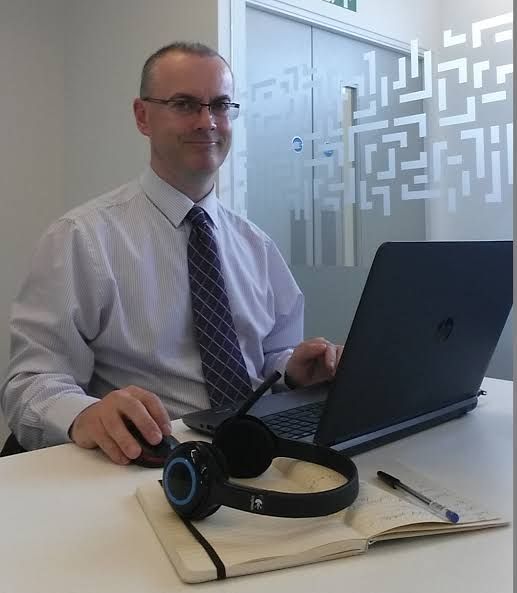
Mark Whitfield is a highly experienced, SC-cleared Senior Engagement Project Manager at Capgemini UK (2016–present), specialising in complex Agile and Waterfall digital transformations, cloud migrations (Azure/AWS), and application modernisation.
Based in Manchester, he has delivered high-value projects for government, automotive, and aerospace sectors, often acting as a key client-side technical lead.
Mark Whitfield is a highly experienced, SC-cleared Senior Engagement Project Manager
Key Capgemini Projects and Account Experience (2016–Present)
UK Government – Fish Export Service (£1m+): Served as Technical Delivery Manager (Nov 2023–Feb 2024), leading two Agile Scrum teams to build a CHIP inspection portal, extending APIs in MS Azure cloud.
UK Government – MS Dynamics Cloud Migration (£1m+): Managed start-up and delivery of Azure Cloud projects (Nov 2022), including migrating 12 Dynamics 2016 apps to Dynamics 365 Online.
UK Utility Industry – Cloud Migration (£0.5m+): Led the transition from a legacy document management system (EQS) to Microsoft Azure product Enablon.
Automotive – Digital Transformation (£1m+): As Engagement Manager (Oct 2017), managed a £670K Customer Portal/New Car Online Sales project and a £430K Digital Readiness project at the Aston Agile Delivery Centre.
Postal Services – Migration Project (£4.3m): Acted as PM for a major migration of 1100+ interfaces between data centres in 2016.
Aerospace & Defence – iOS App Delivery: Led Agile delivery of new Apple iOS apps for a UK-wide air traffic organisation, handling sensitive military and public-facing data.
MuleSoft (Oct 2018–June 2019): Augmented as a Delivery Manager, managing up to 5 UK accounts using Outcome Based Delivery (OBD) for API-led projects.
Betfred (2014–2016): Senior Digital Project Manager for online/mobile gambling platforms.
Wincor Nixdorf / Insider Technologies (1995–2013, see below also): Focused on HPE NonStop/BASE24 banking software and legacy ATM software replacement, including projects for Lloyds Banking Group and in Saudi Arabia.
Mark is recognized for being a “no-ego” leader, proactive with detail, and highly effective at managing complex stakeholder environments, often providing a “barrier” for developers against challenging clients, according to colleague feedback.
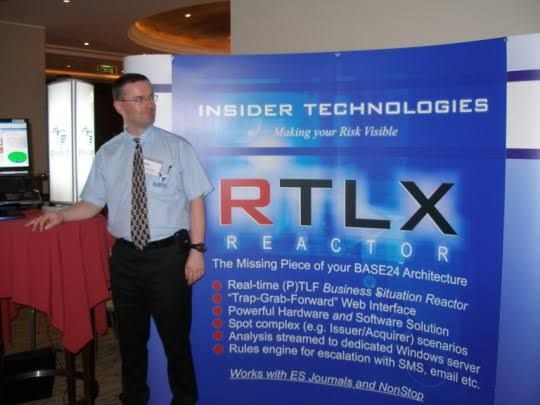
Mark Whitfield worked at Insider Technologies Limited (ITL) for 18 years, from 1995 to 2013. During his tenure, he progressed from technical roles to Manager of Strategic Technical Initiatives, serving as a Project Manager, Pre-sales Technical Consultant, and Team Lead.
Below is his work focus broken down by era and project type for Insider Technologies Limited, Salford Quays:
Early Era: Technical Foundations & Product Support (1995 – Early 2000s)
Whitfield’s initial focus was heavily technical, providing hands-on support and development specifications for the company’s core HP NonStop (Tandem) banking products.
Core Technical Support: Provided 24×7 technical support for major financial institutions including the Bank of England, Royal Bank of Scotland, and Euroclear (formerly CRESTCo).
Security & Cryptography: Supported Thales e-SECURITY products (Security Resource Manager and SafeSign) running on NSK, Windows, and Unix platforms, focusing on cryptographic functions like MACcing and PKI verification for banking applications.
Developer Management: Acted as a manager for developers, providing technical details and specifications for implementation on NonStop development projects.
Middle Era: Product Development & Design (Mid-2000s – 2008)
During this period, his role expanded into technical design and product management for new software solutions.
XPERT24 Product Launch: Produced the technical design documents and program specifications for XPERT24 (XPNET Performance Monitoring and Tracking).
Designed it to monitor the XPNET layer of BASE24, specifically tracking ATM/POS transaction interchange counters.
Authored the supporting marketing literature and technical user manuals.
R&D Initiatives: Led research and development for BASE24 (P)TLF log file analysis, integrating the Windows-based product Sentra to provide graphical front-end interfaces.
HSBC Implementation (2008): Headed the team that successfully delivered mainframe ATM and POS monitoring software to HSBC bank.
Late Era: Strategic Initiatives & Major Bids (2008 – 2013)
In his final years at ITL, he focused on large-scale business transformation and high-value project management.
Strategic Technical Initiatives: Served as the Manager of Strategic Technical Initiatives, bridging the gap between sales and technical delivery.
LloydsTSB ‘OISS’ Replacement: Managed a major bid to replace the legacy “OISS” operations tool at LloydsTSB (which monitored 5,000 ATMs) with ITL’s Reflex ONE24 product.
Responsible for gap analysis, technical assessment, and project costing.
Architecture & Design Partnerships: Worked closely with joint architects at Alliance & Leicester (now Santander) on the design and development of what would become a primary product set.
Product Portfolio Oversight: Managed the lifecycle of primary products including Reflex 80:20, Reflex ONE24, and the more recently introduced MultiBatch.