Centiun MS Business Applications and AI Specialists

Centiun Company Overview

Centiun is a British IT services consulting company and Microsoft Partner, helping enterprise public and private sector organisations achieve digital transformation excellence through the Microsoft cloud.

We specialise in Microsft Dynamics 365, Power Platform, and Micrisoft 365, delivering expert consultancy, solution architecture, implementation, and managed services that enable organisations to modernise operations, improve service delivery, and unlock greater value from their technology investment.
Centiun MS Business Applications and AI Specialists

From CRM transformation and business process automation to secure collaboration, data-driven decision making, and AI enabled innovation, Centiun supports customers to build smarter, faster and more resilient ways of working.

Our approach combines deep Microsoft expertise with a practical focus on outcomes – designing and delivering solutions that are scalable, compliant, and tailored to the needs of complex organisations.

Whether you’re starting your digital journey or optimising an existing platform, Centiun is your trusted Microsoft for long-term transformation and support.

Website: https://centiun.com

On LinkedIn: https://www.linkedin.com/company/centiun/

Email: info@centiun.com
Centiun MS Business Applications and AI Specialists

Centiun Limited is a UK-based technology consultancy that specialises in digital transformation and Microsoft Business Applications. Incorporated on 30 October 2025, the company operates as a Microsoft AI Cloud Partner, helping organisations modernise infrastructure and adopt AI-driven workflows. 

Core Services

Centiun provides a range of strategic and technical services focused on the Microsoft ecosystem: 

  • Business Applications: Implementing and automating processes using Microsoft Dynamics 365 and Power Platform.
  • Cloud Migration: Transitioning legacy systems to secure cloud environments to enhance scalability.
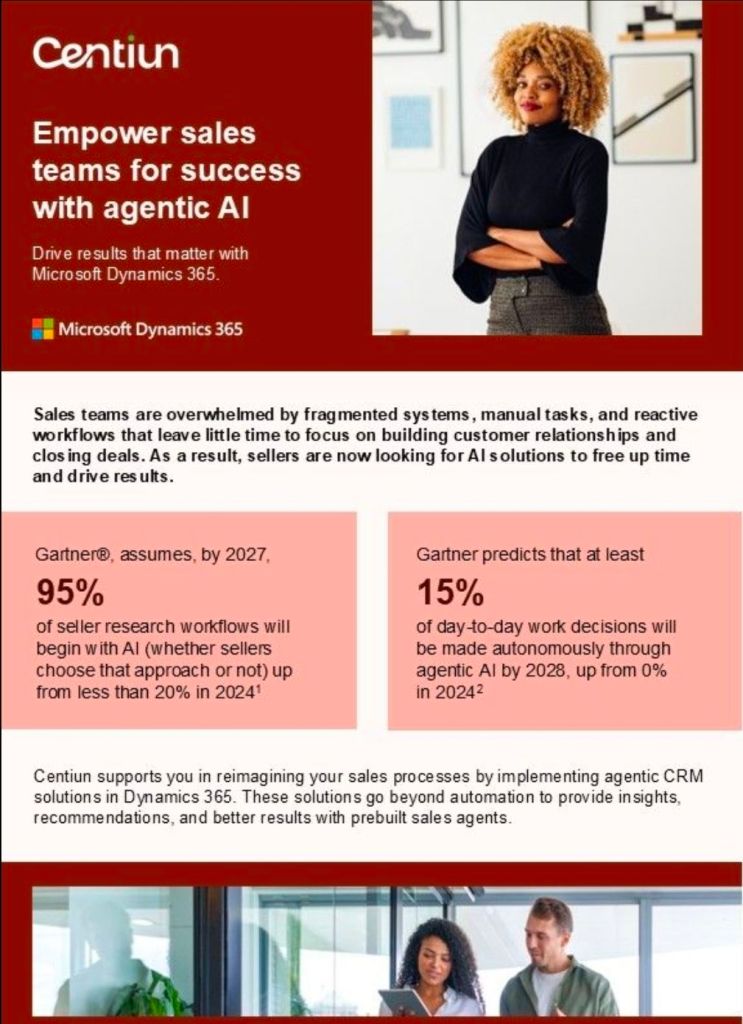
  • AI Readiness: Preparing businesses to integrate tools like Microsoft Copilot and agentic AI for sales and customer service.
  • Managed Services: Providing ongoing support, maintenance, and technical governance. 

Target Industries

The firm tailors its solutions for several sectors, including:

  • Public Sector: Central government and non-departmental public bodies.
  • Healthcare: Public and private healthcare project delivery.
  • Nonprofit: Cost-effective digital solutions for charitable organisations.
  • Financial Services: Fintech, insurance, and banking services requiring high regulatory precision. 

Key Company Facts

  • Location: Headquartered at Cheadle Royal Business Park, Cheshire, England.
  • Leadership: Directed by Kieran Gerard Holmes.
  • Compliance: Registered with the Information Commissioner’s Office (ICO) for data protection and holds Cyber Essentials certification.

Centiun is a specialized Microsoft AI Cloud Partner that focuses on modernizing business operations through the Microsoft Business Applications stack, primarily Microsoft Dynamics 365 and the Power Platform. Based in Cheshire, UK, they provide a range of services from AI readiness and digital transformation to managed support for small and medium-sized enterprises (SMEs). 

……….

Centiun Microsoft Dynamics Overview

Centiun offers tailored implementation and support for the full suite of Microsoft Dynamics 365 applications, which unify CRM (Customer Relationship Management) and ERP (Enterprise Resource Planning) capabilities. 

  • Core Applications Supported:
    • Sales & Marketing: Tools like Dynamics 365 Sales and Customer Insights to manage leads, automate marketing journeys, and provide a 360-degree view of customer data.
    • Service: Customer Service and Field Service modules to improve resolution efficiency and enhance overall customer experience.
    • ERP & Operations: Streamlining finance, supply chain, and HR processes using scalable cloud environments.
  • Key Service Pillars:
    • Digital Transformation: Modernising legacy systems and digitising paper forms into secure digital records.
    • AI Integration: Implementing Microsoft Copilot and predictive analytics to automate routine tasks and enhance decision-making.
    • Data Governance: Ensuring all customer interactions are GDPR compliant and stored in secure, audit-ready systems.
    • Managed Services: Providing SLA-compliant support and maintenance to ensure systems remain evergreen and secure. 

Centiun Partner Timeline (2025–2026) 

While Centiun’s experts have over 20 years of combined experience with Microsoft applications, the company itself reached several major official milestones recently: 

  • 2025
    • August: Published guidance on Digitising Paper Forms to help organisations move away from manual processes.
    • September: Centiun officially registered with the Information Commissioner’s Office (ICO) to ensure data protection compliance.
    • October: Achieved the nationally recognised Cyber Essentials Certification, demonstrating commitment to cybersecurity.
    • October: Centiun Limited was officially incorporated as a private limited company.
    • November: Appointed as an official Crown Commercial Service Supplier, allowing them to provide services to the UK public sector.
    • December: Announced a strategic partnership with Pax8 to further enhance their cloud-based solution delivery.
  • 2026
    • January: Launched specialized App Modernisation services to help businesses revitalize legacy infrastructure.
    • February: Reaffirmed their mission as a digital partner for sustainability and efficiency for SMEs. 
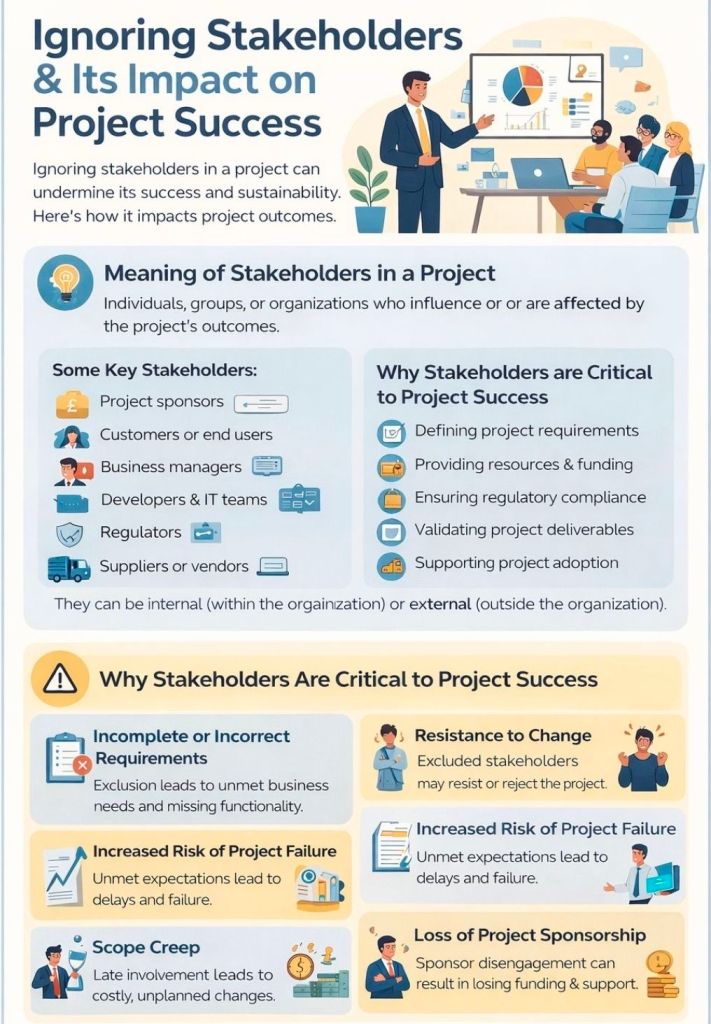
Stakeholders are key to Project Success

Stakeholders are key to Project Success

War Machine 2026, with Alan Ritchson, on Netflix

War Machine with Alan Ritchson

New… War Machine on Netflix… with Alan Ritchson of Reacher fame… a little like the first Predator movie (but with a giant transformer type robot) with a touch of Aliens in the last segment… not bad… hectic but ‘not bad’… conclusion… don’t make Predator sequels… re-imagine the original but differently… good fun at least… 😀

War Machine 2026, with Alan Ritchson, on Netflix

Microsoft Dynamics 365 Timeline History by Year

Microsoft Dynamics 365 as it exists today is the result of decades of acquisitions and rebranding, primarily involving four Enterprise Resource Planning (ERP) systems and one Customer Relationship Management (CRM) platform. 

The Pre-Microsoft Era (1980s – 2001)

The foundations of Dynamics were built by independent companies before being acquired by Microsoft. 

  • 1980: Solomon Software is founded (later becomes Dynamics SL).
  • 1983: Great Plains Software is founded by Doug Burgum (later becomes Dynamics GP).
  • 1983: Damgaard Data is founded in Denmark (later becomes Dynamics AX).
  • 1984: PC&C A/S is founded (later becomes Dynamics NAV).
  • 1998: Damgaard and IBM release Axapta 1.0.
  • 2000: Damgaard merges with Navision Software to form NavisionDamgaard.
  • 2001: Microsoft acquires Great Plains Software (including Solomon) for $1.1 billion. 

The Early Microsoft Dynamics Era (2002 – 2011)

During this period, Microsoft unified its business applications under the “Dynamics” brand. 

  • 2002: Microsoft acquires Navision A/S, gaining the Axapta and Navision products.
  • 2003: Microsoft releases its first home-grown CRM, Microsoft CRM 1.0.
  • 2005: The Microsoft Dynamics brand is officially launched to harmonize the ERP and CRM offerings.
  • 2008: Dynamics CRM Online is launched, marking Microsoft’s first major step into cloud-based business apps.
  • 2011: Dynamics CRM 2011 and Dynamics AX 2012 are released, introducing a more modern “Ribbon” interface. 

The Transition to the Cloud (2012 – 2015)

Microsoft shifted toward a “cloud-first” strategy and rapid release cycles. 

  • 2013: Dynamics CRM 2013 debuts with a new UI that removes pop-up windows and introduces a flatter design.
  • 2015: Dynamics NAV 2016 introduces native integration with Azure SQL and a dedicated phone client. 

The Dynamics 365 Era (2016 – Present)

Microsoft unified CRM and ERP into a single cloud ecosystem. 

  • 2016: Microsoft Dynamics 365 is officially released on November 1, 2016.
    • Dynamics AX 7 is rebranded as Dynamics 365 for Operations.
    • CRM is split into specialized apps like Sales, Customer Service, and Field Service.
  • 2018: Dynamics 365 Business Central is released as the cloud successor to Dynamics NAV.
  • 2019: Power Platform (Power BI, Power Apps, Power Automate) becomes deeply integrated, allowing users to extend Dynamics 365 without code.
  • 2020: Dynamics 365 for Operations is split into Dynamics 365 Finance and Dynamics 365 Supply Chain Management.
  • 2023: Re-integration of Dynamics 365 Human Resources back into the Finance and Operations infrastructure.
  • 2024–2025: The introduction of Microsoft Copilot across all Dynamics 365 apps, adding generative AI for summaries and automated tasks.

Microsoft Dynamics 365 Timeline History by Year

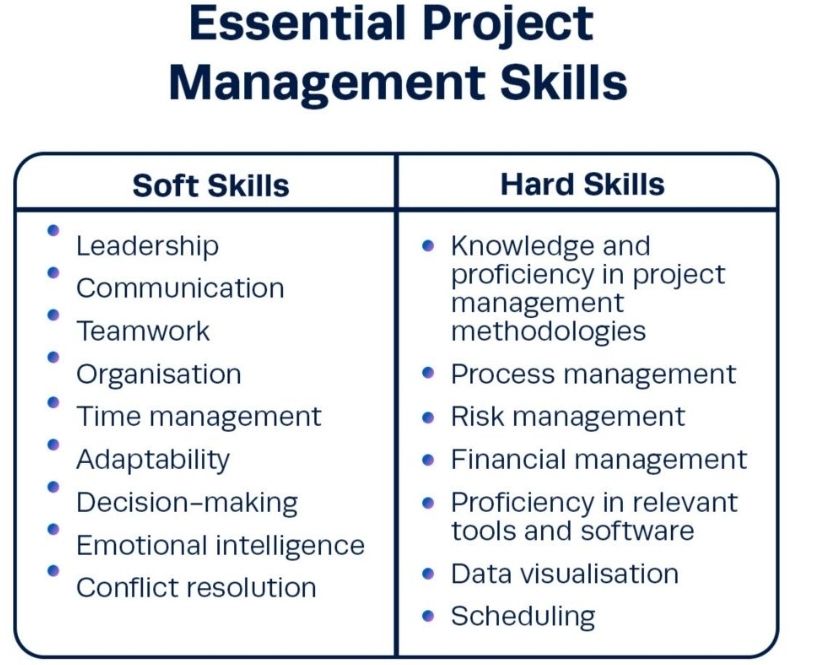
Essential Project Management Skills

Essential Project Management Skills

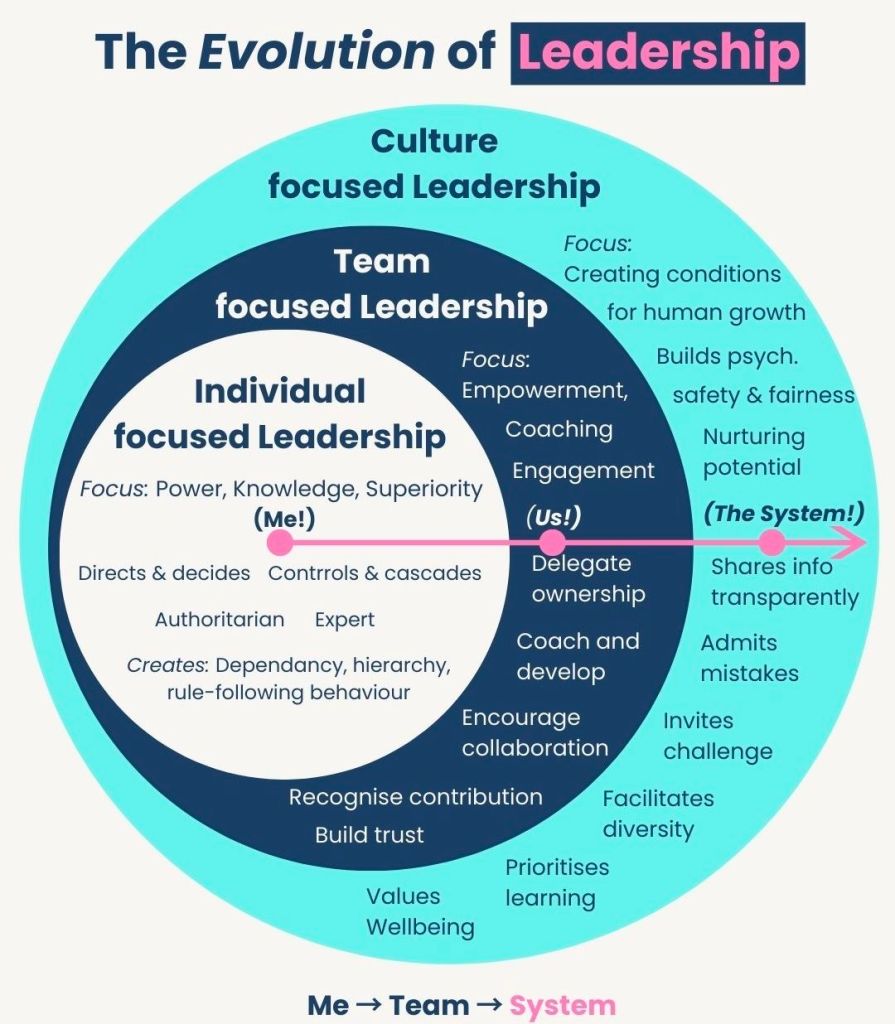
Evolution of Leadership – Culture, Team and Individual Focused

Evolution of Leadership – Culture, Team and Individual Focused

Microsoft Power Platform Development Timeline Overview

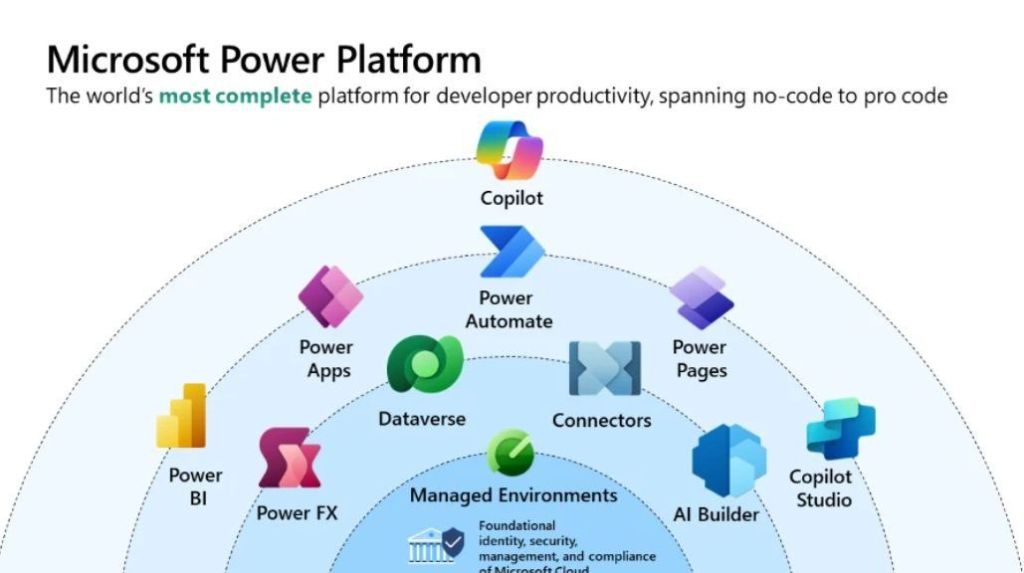
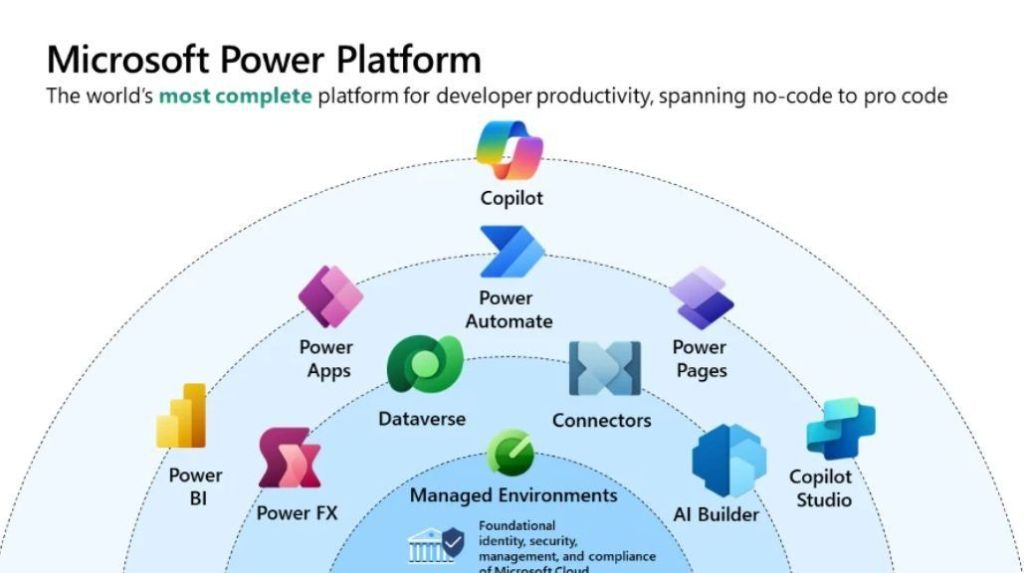
Microsoft Power Platform is a suite of low-code tools designed to help organizations analyze data, build custom solutions, automate processes, and create AI-powered agents. It enables both professional developers and “citizen developers” (business users) to rapidly build end-to-end business applications that integrate with the broader Microsoft Cloud ecosystem. 

Microsoft Power Platform

Core Product Areas

The platform consists of five primary applications: 

  • Power BI: A business analytics tool for data visualization and interactive reporting.
  • Power Apps: A low-code development environment for building custom web and mobile business applications.
  • Power Automate: A service for workflow automation and robotic process automation (RPA).
  • Power Pages: A platform for creating and hosting secure, external-facing business websites.
  • Copilot Studio: A graphical tool for building and customizing AI-powered agents and chatbots. 

Underlying Capabilities

The platform’s strength lies in its shared infrastructure: 

  • Microsoft Dataverse: A secure, cloud-scale data store that provides a common data model for all Power Platform apps.
  • Connectors: Over 1,000 prebuilt integrations that allow apps to communicate with external data sources like SAP, Salesforce, and Google Analytics.
  • AI Builder: A capability that allows users to add AI models (e.g., sentiment analysis or object detection) to their apps and flows without writing code.
  • Power Fx: A low-code, strongly-typed programming language used for expressing logic across the platform.

The Microsoft Power Platform has evolved from individual components like Power BI and Power Apps into a unified suite, now heavily integrated with Copilot and AI. 

Origins & Early Growth (2013–2018)

  • 2013: Power BI is first released as an Excel add-in before becoming a standalone service in 2015.
  • 2015: Power Apps enters public preview as a low-code tool for building business applications.
  • 2016: Microsoft Flow (now Power Automate) is launched to provide workflow automation across apps and services.
  • 2018: The term “Microsoft Power Platform” is officially introduced to unify Power BI, Power Apps, and Flow. 

Expansion & Rebranding (2019–2022)

  • 2019: Power Virtual Agents is added to the suite for creating no-code chatbots. Microsoft Flow is rebranded as Power Automate.
  • 2020: Launch of Power BI Premium per user and the Dataverse (formerly Common Data Service) rebranding.
  • 2021: Power Fx, an open-source formula language based on Excel, is introduced as the standard language across the platform.
  • 2022: Power Pages is launched as the fifth standalone product for building secure, low-code business websites. 

The AI & Copilot Era (2023–Present)

  • 2023: Integration of Copilot across all Power Platform products, allowing users to build apps, flows, and reports using natural language.
  • 2024: Introduction of Timeline Highlights in Power Apps to provide AI-generated summaries of record activities.
  • 2025: Microsoft announces the retirement of the Power Apps per app plan (January) and ends support for contact tracking in the Dynamics 365 App for Outlook (October).
  • 2026: The 2026 Release Wave 1 begins (April–September), focusing on deeper Role-based Copilot offerings and enhanced security agents.
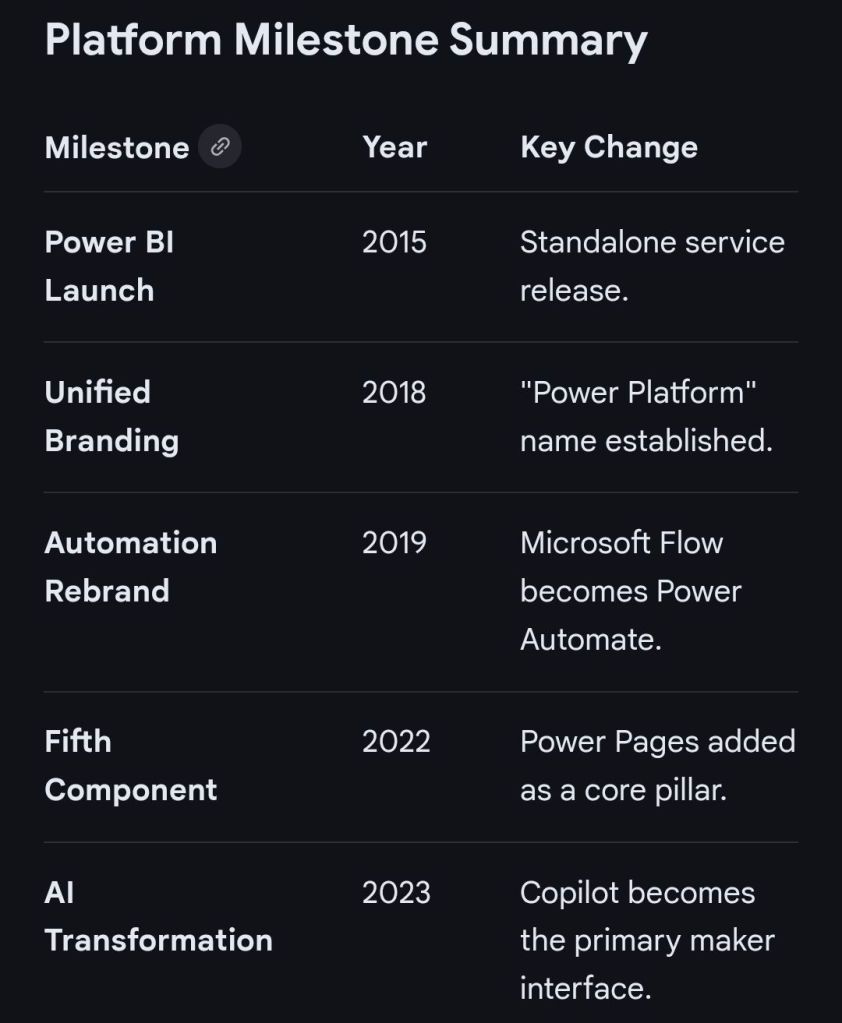
Microsoft Power Platform Milestone Summary

The Microsoft Power Platform originated from Microsoft’s effort to democratise data and app development by evolving its existing business tools into a unified low-code ecosystem. 

Origins and Evolution (2003–2015)

The platform’s roots trace back to early business solutions that were eventually merged into the modern suite: 

  • Dynamics CRM 1.0 (2003): The foundation for what became the Microsoft Dataverse (formerly Common Data Service), providing a secure relational database.
  • Project Siena (2013): A “garage project” at Microsoft aimed at building web apps without professional coding tools. This project eventually became Power Apps.
  • Power BI Launch (2015): Originally “Project Crescent” for SQL Server, Power BI was the first of the modern “Power” services to be delivered, entering preview in January 2015. 

Expansion and Formalisation (2016–2019) 

Microsoft transitioned from individual tools to an integrated platform: 

  • Power Apps and Flow (2016): Power Apps and Microsoft Flow (later renamed Power Automate) became generally available in November 2016.
  • Common Data Service (2016): Introduced to provide a shared data platform across Dynamics 365 and the new “Power” tools.
  • Official Branding (2018–2019): The term “Microsoft Power Platform” was officially established as an umbrella brand for the suite of tools. In 2019, Microsoft Flow was rebranded to Power Automate to align with the platform’s naming convention. 

Modern Era and AI Integration (2020–Present) 

The platform has shifted toward “AI-first” development and expanded its core pillars: 

  • New Components: Power Virtual Agents (now Copilot Studio) and Power Pages (for external websites) were added to the core lineup.
  • Acquisitions: Microsoft acquired Softomotive (2020) and Minit (2022) to bolster Power Automate with Robotic Process Automation (RPA) and process mining capabilities.
  • Generative AI: Recent updates have focused on integrating Copilots across all products, allowing users to build apps and automations using natural language. 

Microsoft Power Platform Development Timeline Overview

Microsoft Dynamics 365 Timeline

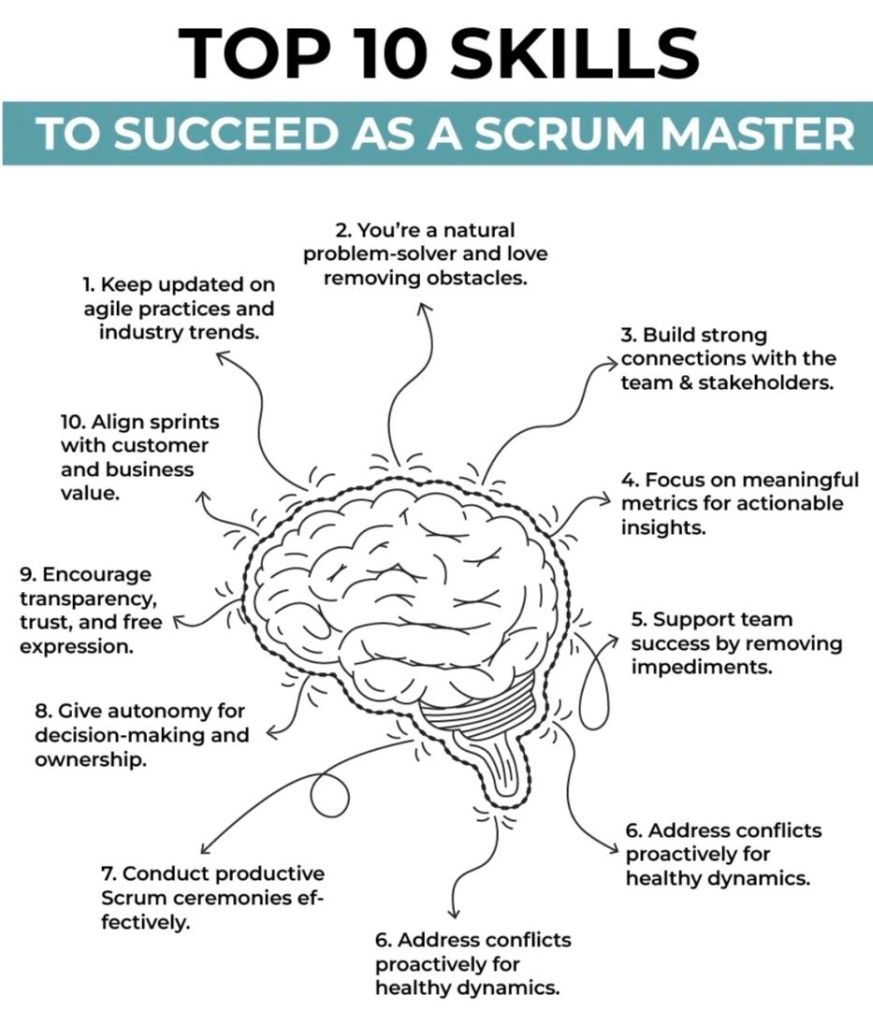
Agile Scrum Master Skills for Success

Agile Scrum Master Skills for Success