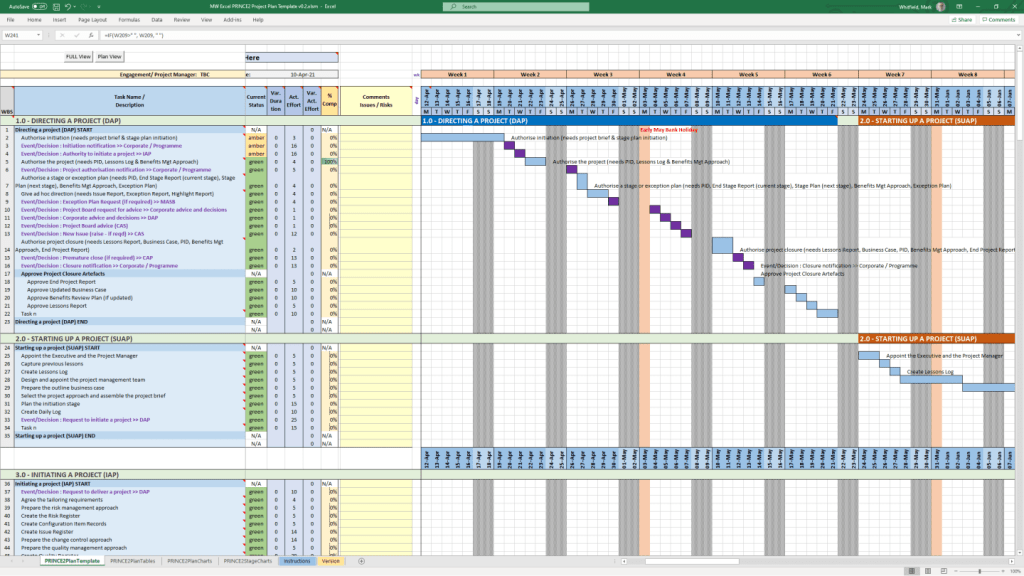
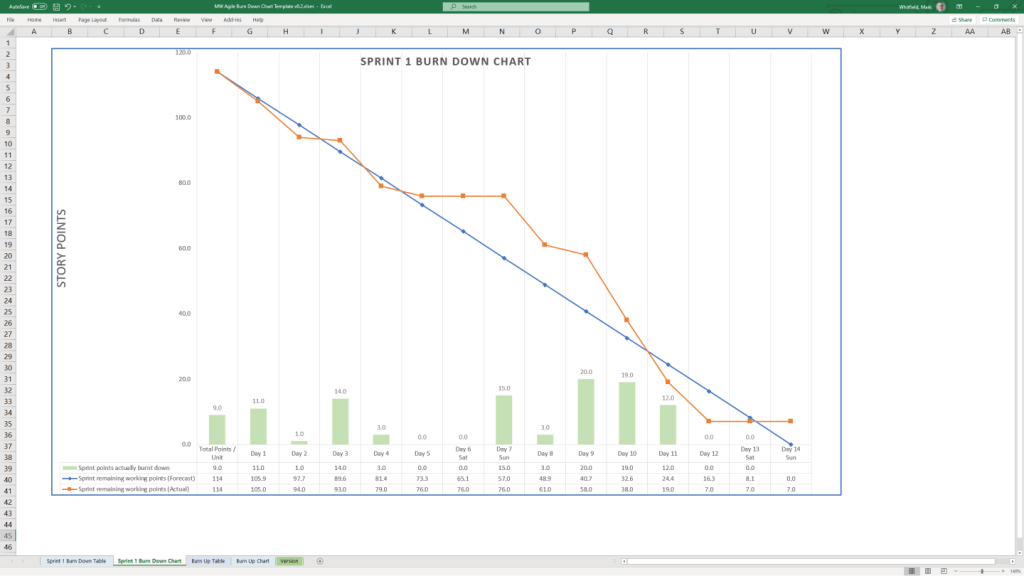
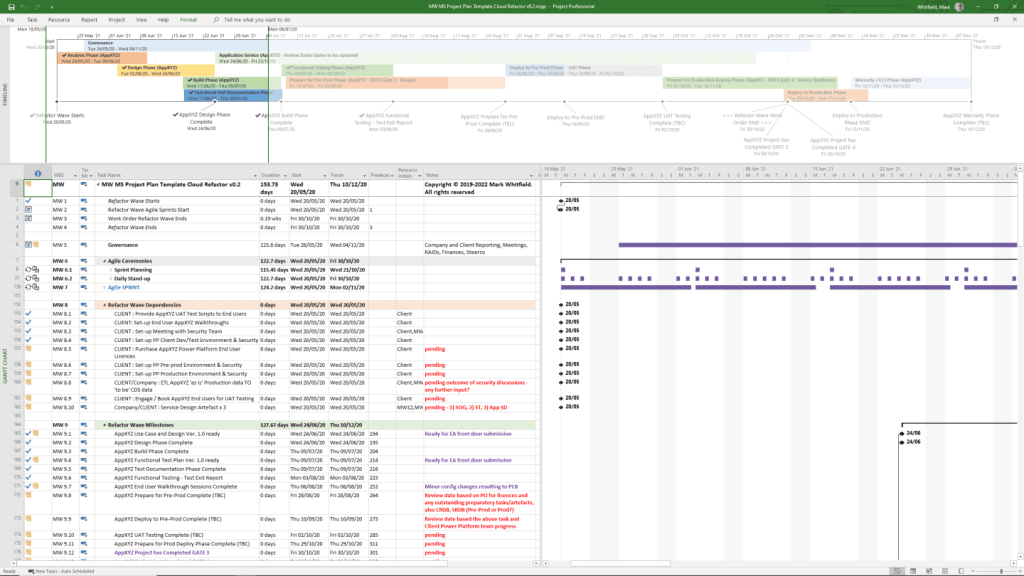
Scrumban project management summary and detailed historical timeline by era and year

Scrumban is a hybrid Agile project management framework that blends the structured planning and roles of Scrum with the continuous flow and visualization of Kanban. Originally designed as a transition method for teams moving from Scrum to Kanban, it has evolved into a popular, distinct approach for teams needing to manage unpredictable work (e.g., support, maintenance) while maintaining prioritized planning. It focuses on pull-based workflows, limiting Work-in-Progress (WIP), and continuous improvement. 

Scrumban Summary

  • Best Used For: Teams needing more flexibility than Scrum (no rigid sprints) but more structure than Kanban (needs planning cycles).
  • Key Features: Visual board (Kanban), Work-in-Progress (WIP) limits, on-demand or iterative planning, and a pull-based workflow.
  • Differences from Parent Frameworks:
    • vs. Scrum: No set sprint length or rigid roles; work is pulled continuously rather than planned in batches.
    • vs. Kanban: Uses planning meetings and team retrospectives, whereas classic Kanban is purely continuous. 

Detailed Historical Timeline of Scrumban

1. The Pre-Scrumban Era (Pre-2008)

  • 1950s (Kanban Origin): Toyota develops Kanban to optimize manufacturing production processes, focusing on Just-in-Time (JIT) production.
  • 1986 (Scrum Concept): Takeuchi and Nonaka introduce the “rugby” approach to product development in the Harvard Business Review, fostering flexible, team-based development.
  • 1995 (Scrum Introduced): Ken Schwaber and Jeff Sutherland formalize the Scrum framework for software development.
  • 2001 (Agile Manifesto): Release of the Agile Manifesto, establishing core agile principles.
  • 2004 (Kanban in Software): David J. Anderson suggests applying Kanban practices to software development to improve workflow.
  • 2000-2007 (Evolution): Microsoft teams begin experimenting with “feature crews” that mix structured planning with continuous delivery, planting the seeds for hybrid approaches. 

2. Conception and Definition (2008–2010)

  • 2008: Corey Ladas coins the term “Scrumban” and introduces the concept in his work, proposing it as a mechanism for teams to transition from Scrum to Kanban, or as a sustainable hybrid for maintaining focus while reducing iteration overhead.
  • 2008: Ajay Reddy discusses the “Scrumban (R)evolution,” emphasizing that Scrumban is a distinct, powerful approach, not merely a blend.
  • 2009: Ladas publishes “Scrumban: Essays on Kanban Systems for Lean Software Development,” providing the definitive framework for the approach. 

3. Formalization and Adoption (2011–2019)

  • Early 2010s: The methodology gains popularity in specialized software areas, such as maintenance and support teams, where unpredictable bugs demand faster flexibility than two-week sprints.
  • 2016: Ajay Reddy releases “The Scrumban [R]Evolution: Getting the Most Out of Agile, Scrum, and Lean Kanban,” providing practical guidelines for applying the methodology.
  • 2018-2019: Adoption expands beyond software development into agile marketing and HR, looking for reduced bureaucracy. 

4. Mature Hybrid & Continued Growth (2020s–Present)

  • 2020s: Scrumban is recognized as a standard agile framework within major project management tools (e.g., Jira, Miro, Monday).
  • 2025-2026: Further refinement as teams integrate AI-driven task management with visual Kanban workflows to increase throughput and automate WIP tracking. 

Core Principles of Modern Scrumban (2026 Perspective)

  1. Pull System: Work is pulled by team members when capacity allows, rather than pushed into the team.
  2. Visual Board: All tasks are visualized to show bottlenecks.
  3. WIP Limits: Restricting the number of active tasks at any stage to improve efficiency.
  4. No Required Roles: Teams can keep Scrum roles (Product Owner, Scrum Master) or remove them, depending on their needs.
  5. Adaptive Planning: Planning occurs on-demand or at short intervals, not just in strict timeboxed sprints.

Scrumban project management summary and detailed historical timeline by era and year
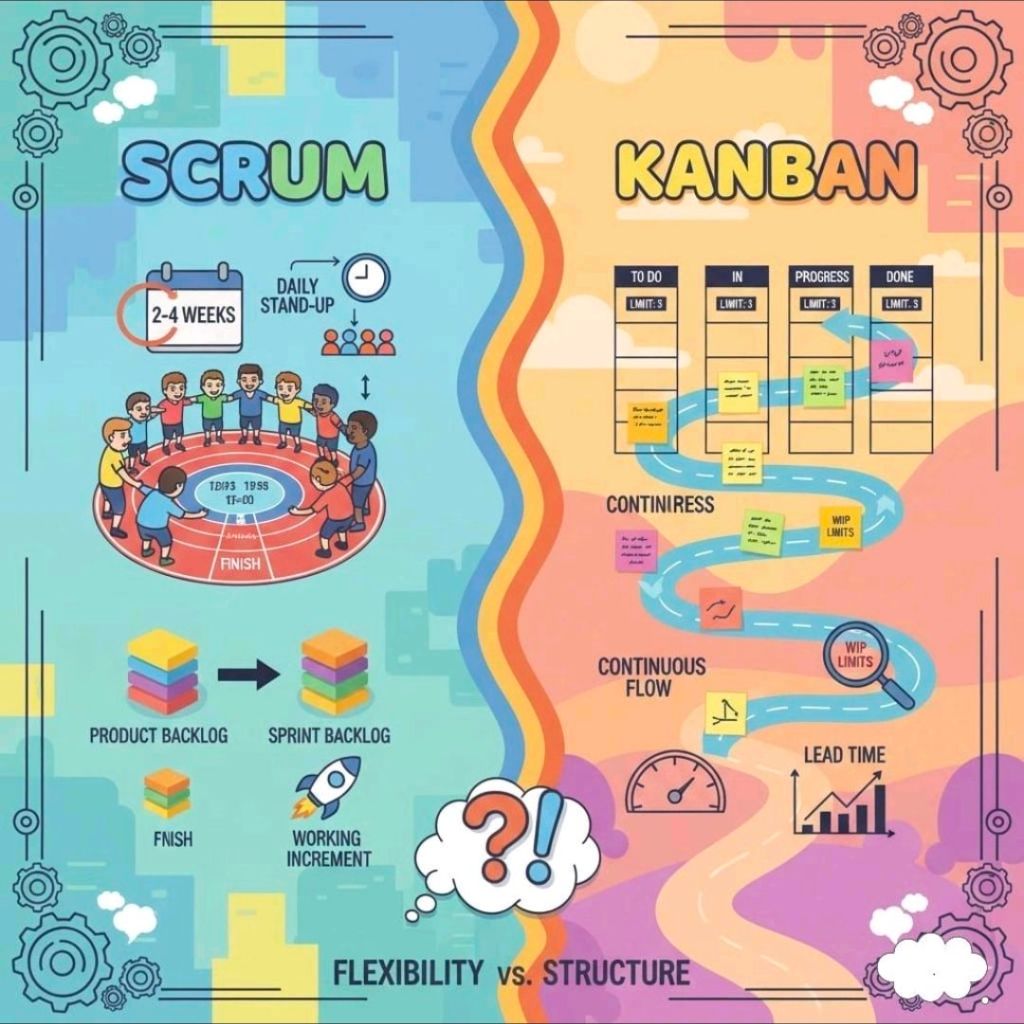
Agile project management summary and detailed historical timeline by era and year
Agile project management is an iterative, incremental approach to project management that focuses on flexibility, continuous improvement, and rapid delivery of value. Unlike the linear “Waterfall” approach, Agile breaks projects into small, time-boxed cycles (sprints or iterations) to allow for frequent feedback and adaptation to changing requirements. 

Summary of Agile Project Management

  • Core Values: Individuals/interactions over tools, working software over documentation, customer collaboration over negotiation, and responding to change over following a plan.
  • Key Techniques: Sprints, daily stand-up meetings, visual control (Kanban boards), and user stories.
  • Primary Benefits: Increased adaptability, higher quality through continuous testing, faster ROI, and better team collaboration.
  • Common Frameworks: Scrum, Kanban, Extreme Programming (XP), Crystal, and Dynamic Systems Development Method (DSDM). 

Detailed Historical Timeline of Agile (1950s–Present) 

1. The Pre-Agile Era: Iterative Roots (1950s–1980s) 

Before “Agile” was a term, software pioneers experimented with iterative approaches to break away from linear, heavy-documentation processes. 

  • 1957: Gerald M. Weinberg begins experimenting with incremental development at IBM.
  • 1968: “Conway’s Law” is coined, highlighting the impact of organizational communication on system design.
  • 1970s: Barry Boehm proposes “Wideband Delphi,” a forerunner to modern estimation techniques like Planning Poker.
  • 1985: Tom Gilb introduces the “Evolutionary Delivery Model” (Evo), focusing on small, incremental releases.
  • 1986: Takeuchi and Nonaka publish “The New New Product Development Game” in Harvard Business Review, describing a rugby-like approach that inspires Scrum.
  • 1988: Scott Schultz describes timeboxing in “Rapid Iterative Production Prototyping”. 

2. The Birth of “Lightweight” Methods (1990s)

Practitioners, frustrated with the “Waterfall” approach, created new, faster methodologies, often called “lightweight” methods. 

  • 1991: James Martin releases Rapid Application Development (RAD), popularizing prototyping and iterative feedback.
  • 1993: Jeff Sutherland, John Scumniotales, and Jeff McKenna develop the first Scrum framework at Easel Corporation.
  • 1994: The Dynamic Systems Development Method (DSDM) is created to provide structure to RAD.
  • 1995: Ken Schwaber and Jeff Sutherland co-present the Scrum methodology at the OOPSLA Conference.
  • 1996: Kent Beck develops Extreme Programming (XP) at Chrysler; Jon Kern, Ivan Joseph, and Peter Coad create Feature-Driven Development (FDD).
  • 1997: Ken Schwaber describes the “Daily Scrum”.
  • 1998: The Chrysler Goes to Extremes case study popularizes XP practices like pair programming and three-week iterations. 

3. The Agile Manifesto and Formalization (2000s)

  • 2000: A group of 17 thought leaders meets in Oregon to discuss lightweight development, setting the stage for the Manifesto.
  • 2001 (Feb): The 17 developers meet at Snowbird, Utah, to formulate the “Manifesto for Agile Software Development”.
  • 2001 (Late): The Agile Alliance is formed to support the community.
  • 2004: Ken Schwaber and Mike Beedle publish Agile Software Development with Scrum; Jim Highsmith publishes Agile Project Management.
  • 2009: Kanban gains significant traction in the IT sector, focusing on continuous flow. 

4. Mainstream Adoption and Scaling (2010s)

  • 2010s: Real-life success metrics and case studies accompany Agile, driving adoption above 50%.
  • 2011: The Agile Alliance holds “Agile2011” to reflect on ten years of the Manifesto.
  • 2012-2015: Large-scale adoption accelerates, prompting the creation of frameworks like SAFe (Scaled Agile Framework) and LeSS (Large-Scale Scrum).
  • 2017: AXELOS releases PRINCE2 Agile; Agile Testing gains a formal, collaborative definition. 

5. Enterprise Agility and Beyond (2020s)

  • 2020: COVID-19 pandemic drastically accelerates the adoption of remote/distributed Agile and digital tools like Jira.
  • 2021+: Continued focus on “Business Agility,” moving Agile principles from IT departments into HR, marketing, and leadership teams. 

Evolution of Core Methodologies

  • Scrum: Emerged 1993/1995 (Sutherland/Schwaber).
  • XP (Extreme Programming): Emerged 1996 (Beck).
  • Crystal: Emerged 1991 (Cockburn).
  • FDD (Feature Driven Development): Emerged 1997.
  • Kanban: Adopted from manufacturing (Toyota 1940s) and applied to IT in late 2000s. 

Agile project management summary and detailed historical timeline by era and year
Mark Whitfield, Website Author – Background and Career Timline

Mark Whitfield is a Senior IT Project Manager and Engagement Manager with over 30 years of experience in the software development lifecycle (SDLC). He is currently a SC-cleared Engagement Manager at Capgemini UK. 

Professional Background by Era

  • 1990–1995: Early Programming (The Software Partnership/Deluxe Data)
    • Role: Programmer/Lead Analyst.
    • Focus: Developed electronic banking software (sp/ARCHITECT-BANK) on Tandem Mainframe Computers (now HPE NonStop).
  • 1995–2013: Senior Development & Product Management (Insider Technologies)
    • Role: Progressed from Senior Programmer to Project Manager for Strategic Technical Initiatives.
    • Focus: Developed platform health and diagnostic modules for the “Reflex” monitoring product.
  • 2013–2014: Project Management (Wincor Nixdorf)
    • Role: Project Manager, Professional Services – Banking Division.
    • Focus: Managed the Wincor Nixdorf workstream for Lloyds Banking Group’s Self-Service Software Replacement (SSSR) programme.
  • 2014–2016: Digital Project Management (Betfred)
    • Role: Senior Digital Project Manager, Online and Mobile Division.
    • Focus: Delivered payment gateways, sportsbooks, and virtual gaming components for iOS, Android, and Windows.
  • 2016–Present: Senior Engagement Management (Capgemini)
    • Role: Engagement Manager (A8), Custom Bespoke Solutions.
    • Focus: Leading digital transformation and cloud migration projects for public and private sector clients. 

Technologies & Frameworks

  • Project Methodologies: Agile SCRUM, PRINCE2 (Practitioner), Waterfall, ITIL, and ISO QA.
  • Mainframe & Infrastructure: HPE NonStop (Tandem), IBM ESB, UNIX shell scripting, and Cloud (MS Azure/AWS).
  • Programming & Databases: C/C++, MS SQL, Java, COBOL85, TAL, TACL, and SCOBOL.
  • Tools: MS Project, MS Excel/Office, MuleSoft Anypoint Platform, and Jira. 

Major Projects & Customers

  • UK Government: Managed a £13.5m cloud migration of 130 applications and the £1m+ Fish Export Service (FES) to CHIP portal.
  • Royal Mail Group (RMG): Managed a £4.3m data centre migration project involving over 1,100 interfaces.
  • Lloyds Banking Group (LBG): Led a £5m+ self-service software replacement project.
  • Other Notable Clients: Jaguar Land Rover (JLR), Heathrow, NATS (Air Traffic Control), Barclays, HSBC, Deutsche Bank, and Euroclear. 

Awards & Education

  • Awards:
    • C&CA UK’s Communications & Engagement Award (2022) at Capgemini UK.
    • Project Recognition Award from Wincor Nixdorf for achievements on the LBG SSSR project.
  • Education:
    • HND in Computer Studies (Distinction) from the University of Greater Manchester (formerly BIHE), 1988–1990.
    • A-Levels in Computer Science and Biology from Leigh College. 

Project Management Templates

Whitfield provides a library of over 200 editable resources through his site, PROject Templates, designed for Agile, Waterfall, and PRINCE2 7th Edition delivery. Key items include: 

  • Plan on a Page (POaP): Over 35+ executive-level summary slides.
  • Detailed Project Plans: Templates in MS Project (MPP) and Excel for SDLC tracking.
  • RAID Logs: Comprehensive registers for risks, actions, issues, and dependencies. 

Mark Whitfield Background and Career Timline

Agile Scrum compared to Kanban

Agile Scrum compared to Kanban

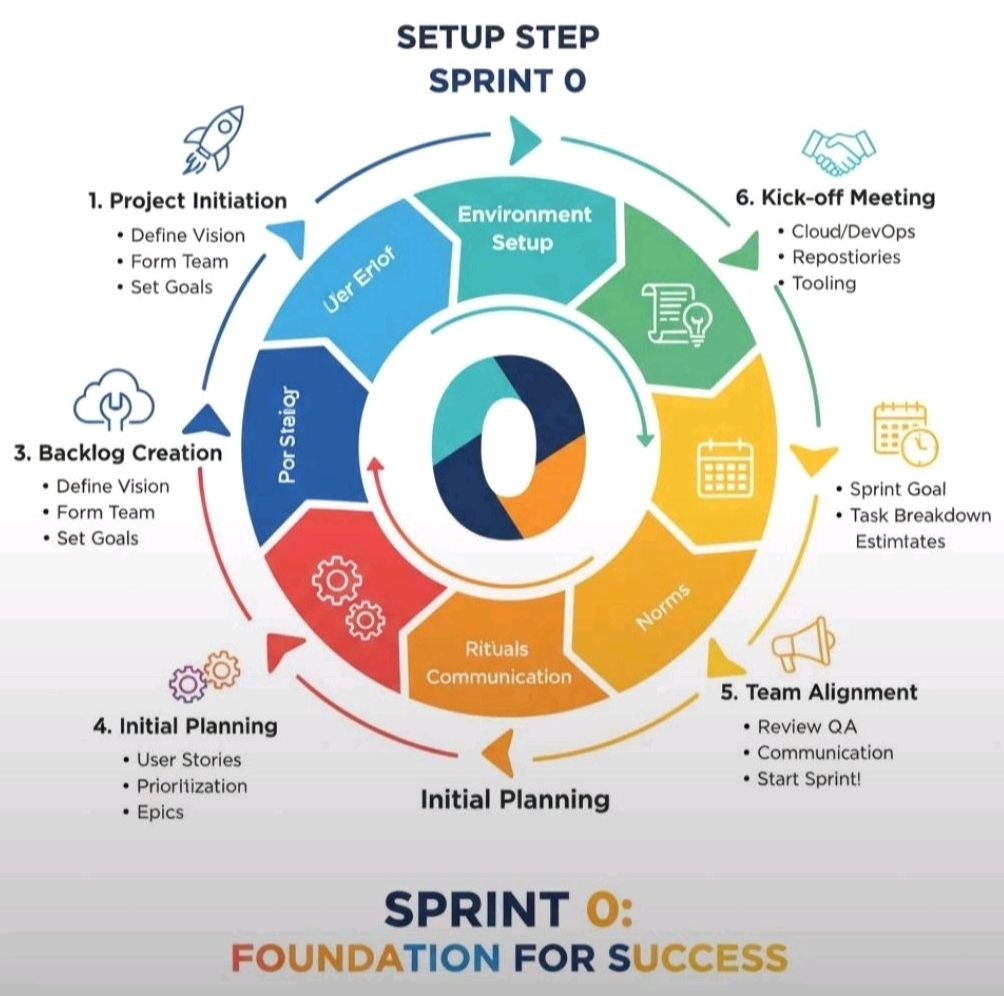
Agile Scrum Sprint 0 Zero Setup for Success

Agile Scrum Sprint Zero 0 Setup for Success

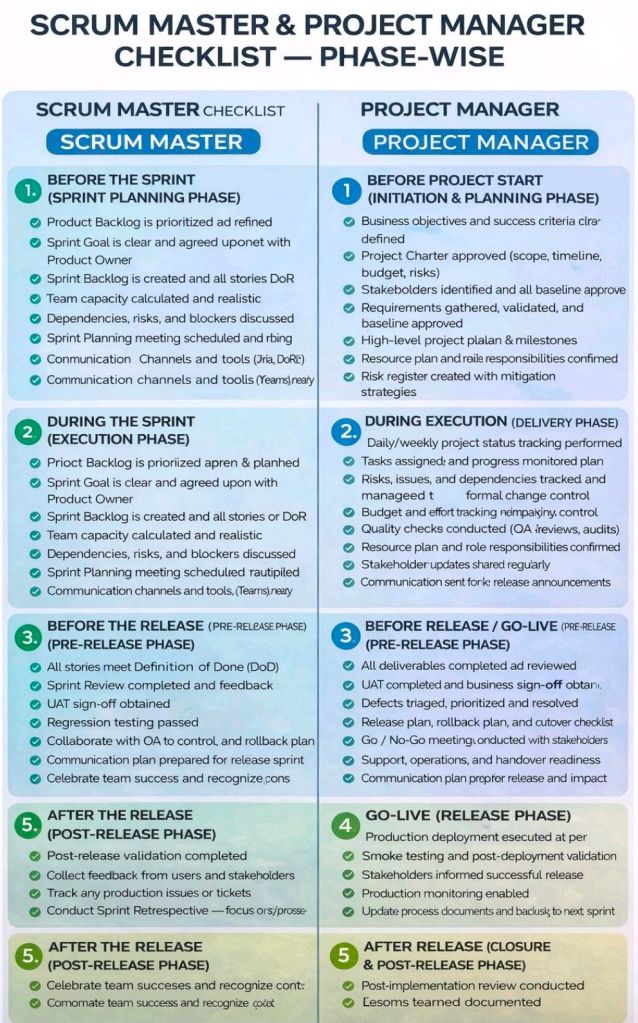
Project Phases, Scrum Master & Project Manager Checklist

Project Phases, Scrum Master & Project Manager Checklist

Free Upgrade Project Management Templates Download by focus area

Mark Whitfield provides a comprehensive suite of over 200 editable project management templates designed for both Agile and Waterfall delivery. These tools are built based on 21+ years of IT project delivery experience and are formatted for Microsoft Office (Excel, Word, PowerPoint) and Microsoft Project (MPP).


Core Planning & Tracking Templates

  • Detailed Project Plans: Comprehensive MPP and Excel files covering the full Software Development Life-cycle (SDLC), including Waterfall and Agile Scrum sprints.
  • Plan on a Page (POaP): High-level visual summaries in PowerPoint or Excel for client reporting and executive snapshots.
  • RAID Log: A central tracker for Risks, Actions, Issues, and Dependencies, often including tabs for Decisions, Opportunities, and Lessons Learned.
  • RACI Matrix: A tracker to define roles and responsibilities (Responsible, Accountable, Consulted, Informed). 

Financial & Resource Management

  • Project Finance Tracker: Tools for managing project budgets, including forecasts vs. actuals, margin analysis, and variation tracking.
  • Resource Planning: Grid templates for costing project resources per phase and tracking team allocations.
  • Benefits Realisation: A spreadsheet to compare initial project goals against actual business outcomes and costs. 

Reporting & Communication

  • Status Reports: Weekly and monthly templates in Word and PowerPoint that include milestone dashboards, project health indicators, and “next steps”.
  • Organisation Charts: Templates for visualising the project hierarchy and stakeholder contacts.
  • Agile Dashboards: Excel-based Burn Down and Burn Up charts for teams that do not have access to tools like Jira. 

Methodology Support

  • PRINCE2 7th Edition: Specific MPP and Excel templates aligned with the latest PRINCE2 standards.
  • Agile Frameworks: Templates for Sprint Planning, Daily Stand-ups, and Sprint Retrospectives. 

These templates are available for purchase on Mark Whitfield’s official site and typically include free lifetime upgrades. 

Free Upgrade Project Management Templates Download by focus area

Mark Whitfield IT Project Manager Training Focus

Mark Whitfield, an IT Project Manager specializing in HP NonStop systems, has a career and training history that spans over three decades, from his academic beginnings in the late 1980s to advanced cloud certifications in the 2020s. 

Early Career & Foundations (1988–1995)

During this era, Whitfield focused on core computer science and specialized mainframe systems while working for The Software Partnership (TSP) and Deluxe Data

  • 1988–1990: Completed a Higher National Diploma (HND) in Computing at the Bolton Institute of Higher Education (BIHE). Modules included Computer Systems Architecture, Programming Methodology, and Data Processing.
  • May 1993: Tandem Guardian Principles Course.
  • September 1994: VPS 7000/9000 Series and VPS Application Development (VOS 4.3).
  • June 1995: HP NonStop (Tandem) Performance Analysis and Tuning.

Development & Technical Specialisation (1995–2005)

Working primarily with Insider Technologies Limited, this period was marked by software development training in languages like C++ and initial forays into project management. 

  • November 1995: HP NonStop TAL Programming.
  • March 1997: C / C++ Programming at Comtec Computer Training.
  • October 1998: Managing Multiple Projects, Objectives, and Deadlines at SkillPath.
  • February 1999: Successful Project Management at SkillPath.
  • May 2000Microsoft Project ’98 Certification (Orange Belt) at the IIL UK Education Centre.
  • February 2001: Sales and Marketing training (In-House).
  • March 2004: MultiBatch NSK Job Scheduling Product.
  • February 2005: Web Services and SOA. 

Web Development & Security Focus (2006–2010) 

This era shows a shift toward web-based technologies and specialized security products. 

  • January 2006: PRINCE2 Project Management Foundation.
  • February 2006: NetObjects Fusion.
  • March 2006: Cryptography (In-House at Thales e-Security).
  • December 2006: Thales e-Security SafeSign Product.
  • January 2007: Developing Web Applications Using Microsoft Visual Studio .NET.
  • March 2009: Querying Microsoft SQL 2000 with Transact SQL (M2071) at QA Training.
  • May 2009: Writing for the Web and Website Visibility & Promotion at iTrain Education.
  • November 2009: Thales e-Security HP NonStop Security Resource Manager (SRM). 

Agile & Advanced Management (2011–Present) 

In his current era at companies like Betfred and Capgemini, Whitfield has prioritized professional certifications in management and cloud infrastructure. 

  • May 2011: Agile SCRUM Training (RADTAC) and PRINCE2 Practitioner Certification (ILX Group).
  • June–July 2011: Java and Google Android programming using the Eclipse IDE.
  • January 2012: ITIL Foundation Course.
  • July 2014: Advanced Microsoft Excel 2013.
  • November 2017Advanced Engagement Management Certification (Level 2) at Capgemini.
  • February 2022AZ-900 Microsoft Certified Azure Fundamentals.
  • July 2024: Microsoft Excel Refresher 2024 via Udemy. 

Mark Whitfield IT Project Manager Training Focus