

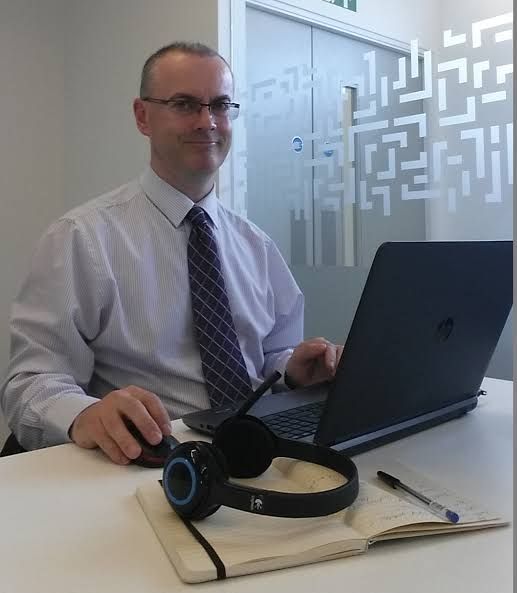
Mark Whitfield is a Senior, SC cleared IT Project and Engagement Manager with over 30 years of experience, specializing in the software development lifecycle (SDLC) for large-scale digital and financial payment systems.
Professional Experience by Year
- 2016–Present: Capgemini UK (Manchester)
- Role: SC cleared Engagement Manager (A8), Custom Bespoke Solutions.
- Key Projects: Leading high-value digital transformations and cloud migrations for UK Government applications, automotive (Jaguar Land Rover), and aerospace (Air Traffic Management iOS apps).
- 2014–2016: Betfred Limited (UK)
- Role: IT Senior Digital Project Manager, Online and Mobile Division.
- Key Projects: Managed multiple Agile SCRUM projects for payment gateways, sportsbooks, and virtual gaming components across iOS, Android, and Windows platforms.
- 2013–2014: Wincor Nixdorf Limited (UK)
- Role: Project Manager, Professional Services – Banking Division.
- Key Projects: Managed a £5M+ workstream for Lloyds Banking Group’s Self-Service Software Replacement (SSSR) program, migrating legacy HP NonStop systems to AIX-based Oracle technologies.
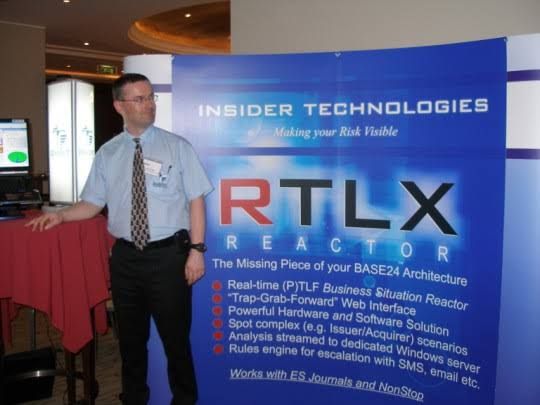
- 1995–2013: Insider Technologies Limited
- Role: Project Manager – Strategic Technical Initiatives / Senior Development Engineer.
- Key Projects: Led the development of diagnostic products like Reflex 80:20 and RTLX for global banks including HSBC and Al Rajhi Bank in Saudi Arabia.
- 1990–1995: The Software Partnership (later Deluxe Data/FIS)
- Role: Senior Programmer / Lead Analyst.
- Key Projects: Developed electronic banking software (sp/ARCHITECT) for major banks like Barclays and TSB on Tandem/HP NonStop mainframes.
Education
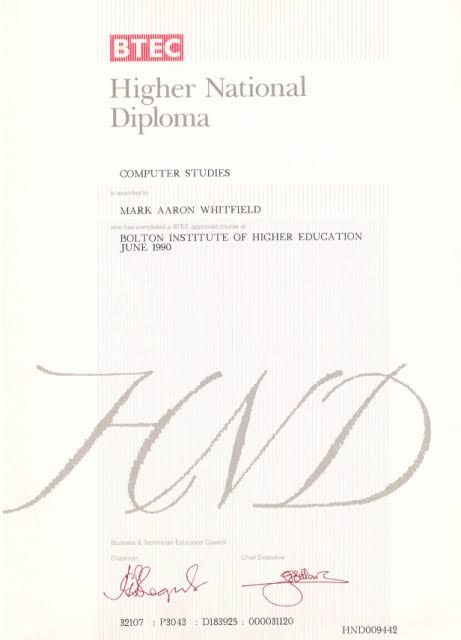
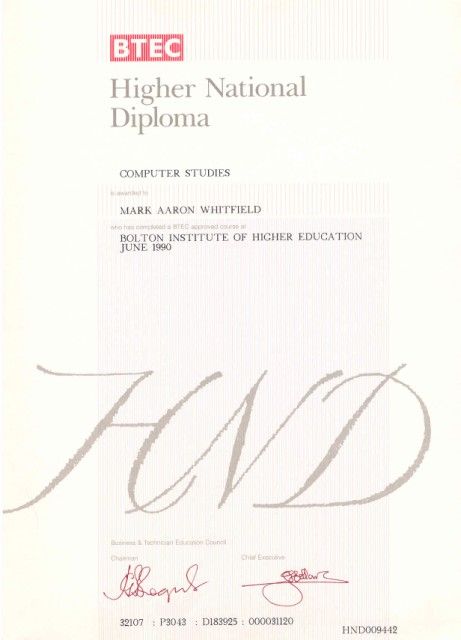
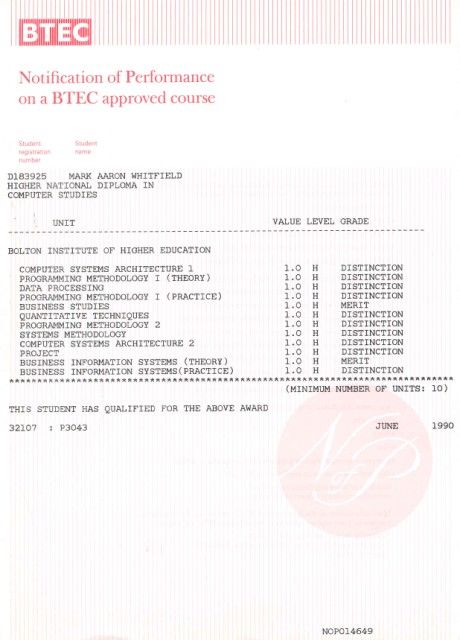
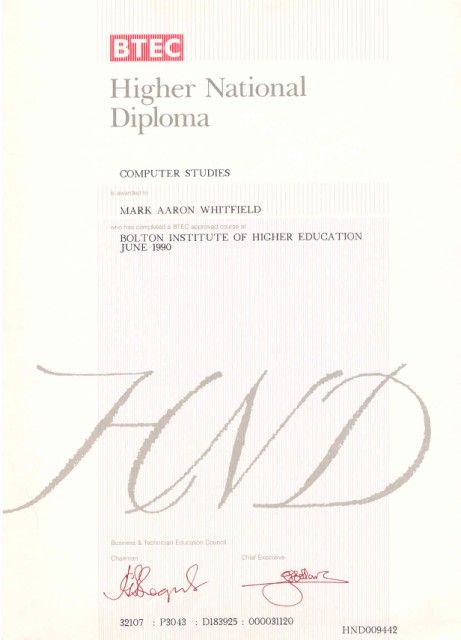
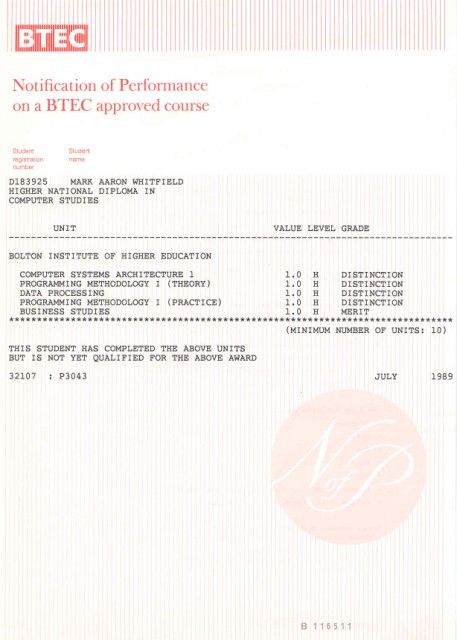
- Higher National Diploma (HND) in Computer Studies (1988–1990)
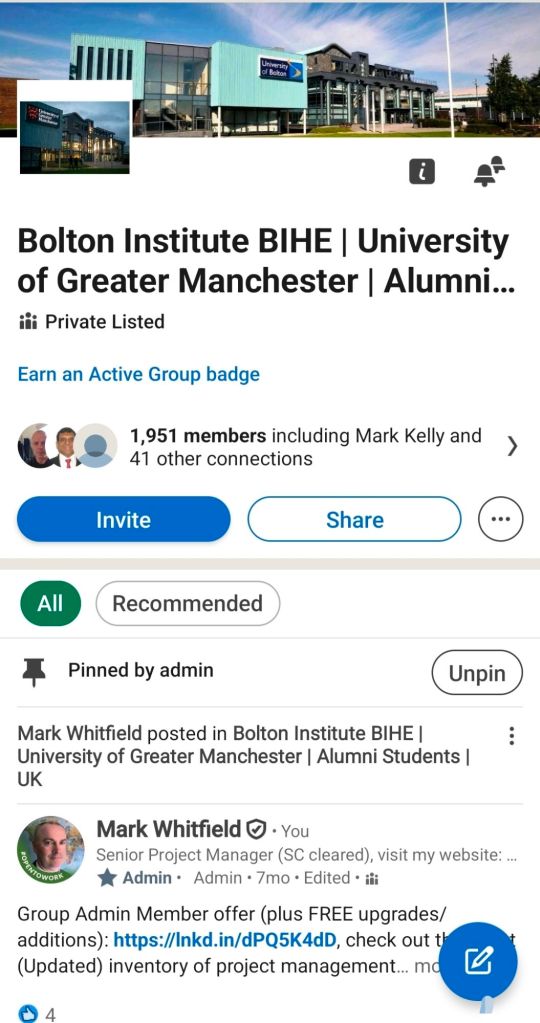
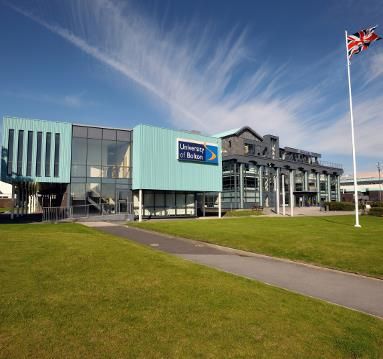
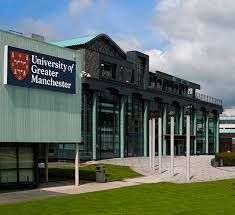
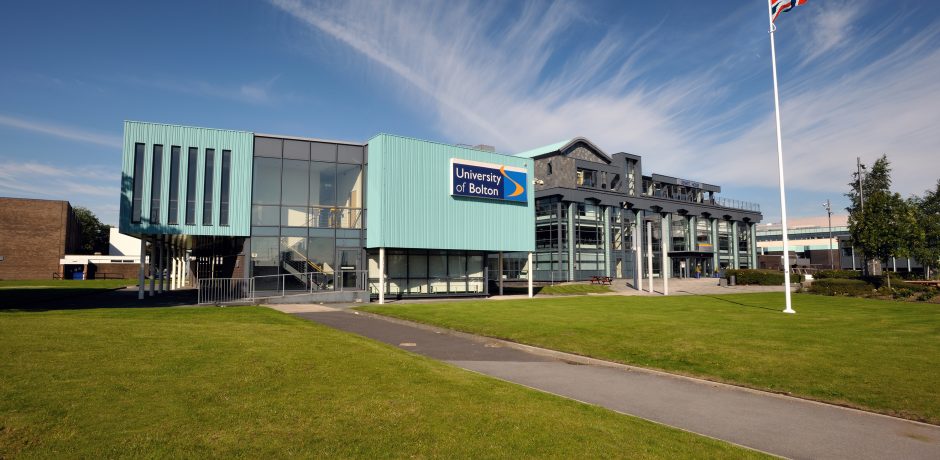
- Institution: Bolton Institute of Higher Education, BIHE (now University of Greater Manchester).
- Achievement: Graduated with Distinction (overall first in class across 2 years).
- A-Levels in Computer Science and Biology (1985–1988)
- Institution: Leigh College.
Awards and Key Certifications
- Communications & Engagement Award Winner (2022): Awarded by Capgemini UK for Cloud & Custom Applications.
- Project Recognition Award (2014): Awarded by Wincor Nixdorf for successful delivery of the Lloyds Banking Group SSSR project.
- Microsoft Certified: Azure Fundamentals (AZ-900) (2022).
- Certified Engagement Manager (2016): Level 2 Certification through Capgemini.
- Registered PRINCE2 Practitioner (Since 2011).
- Agile SCRUM Certified (Since 2011).
- ITIL Foundation Certified (Since 2012).
Mark Whitfield Senior SC Cleared IT Project Manager




 PROject Templates