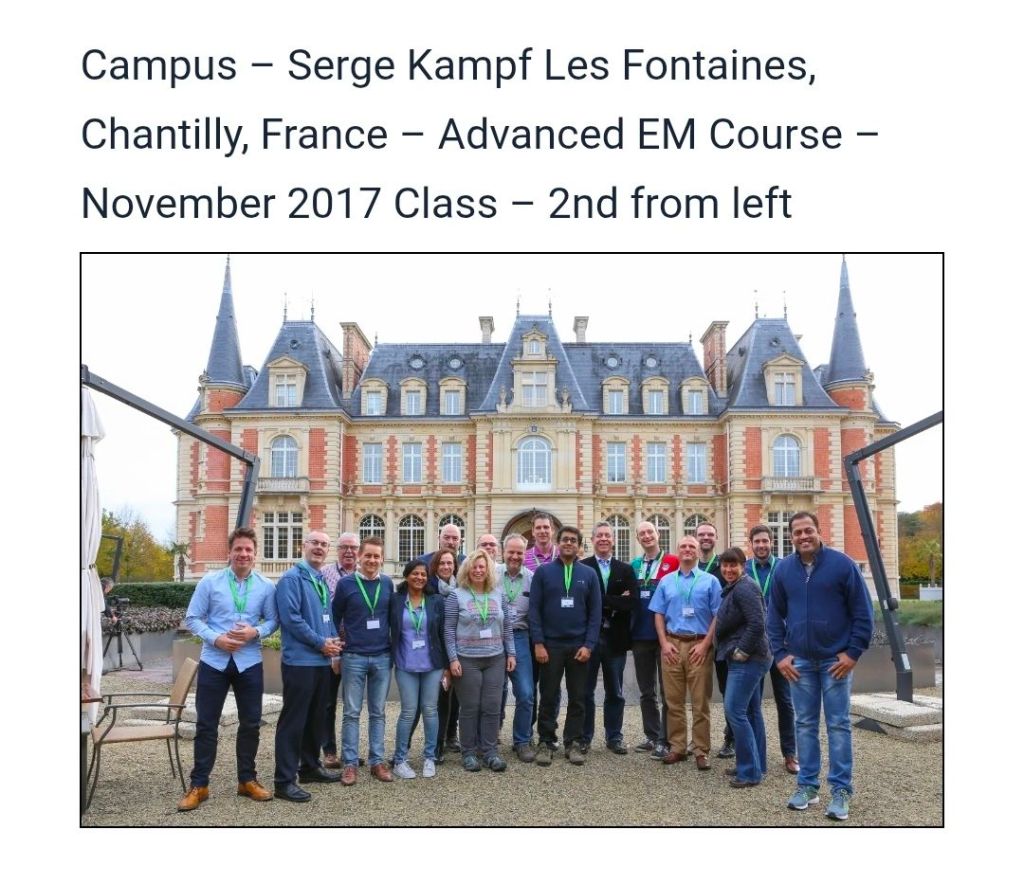
Capgemini – Campus – Serge Kampf Les Fontaines, Chantilly, France – Advanced Engagement Manager Course – November 2017 Class

Capgemini – Campus – Serge Kampf Les Fontaines, Chantilly, France – Advanced EM Course – November 2017 Class

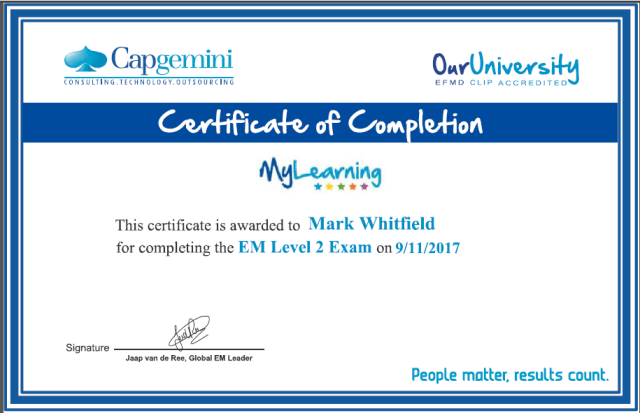
November 2017 – Advanced Engagement Management Course – Level 2 Exam

Serge Kampf Les Fontaines, Chantilly, France – Advanced EM Course

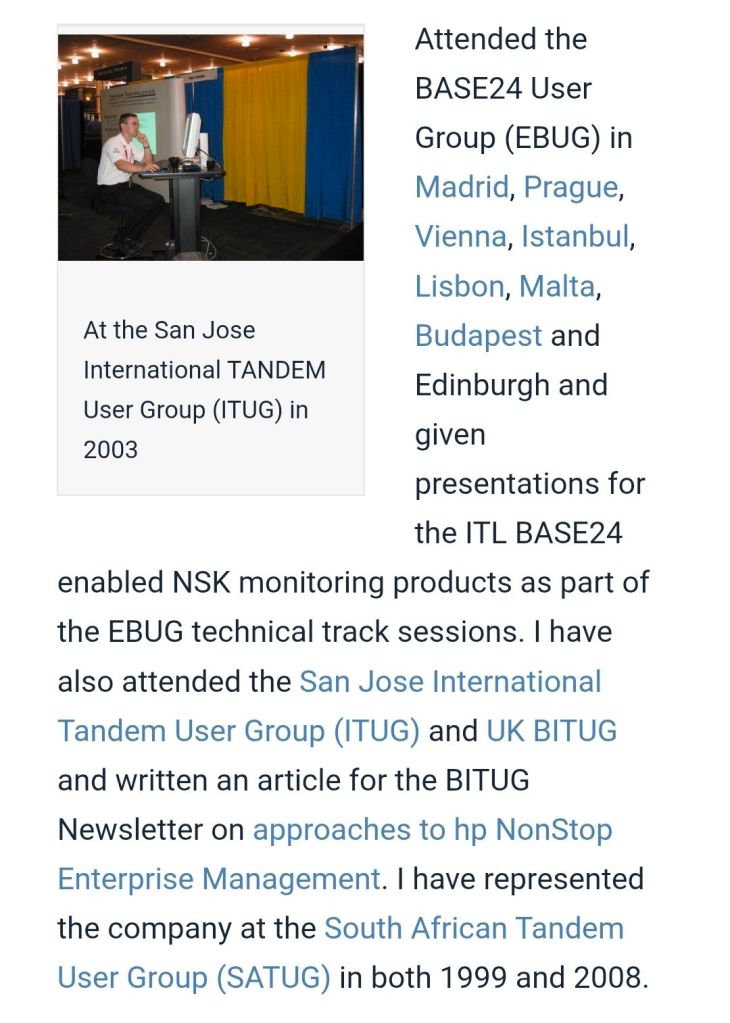
ITL, at the San Jose International TANDEM User Group (ITUG) in 2003…

ITL, at the San Jose International TANDEM User Group (ITUG) in 2003

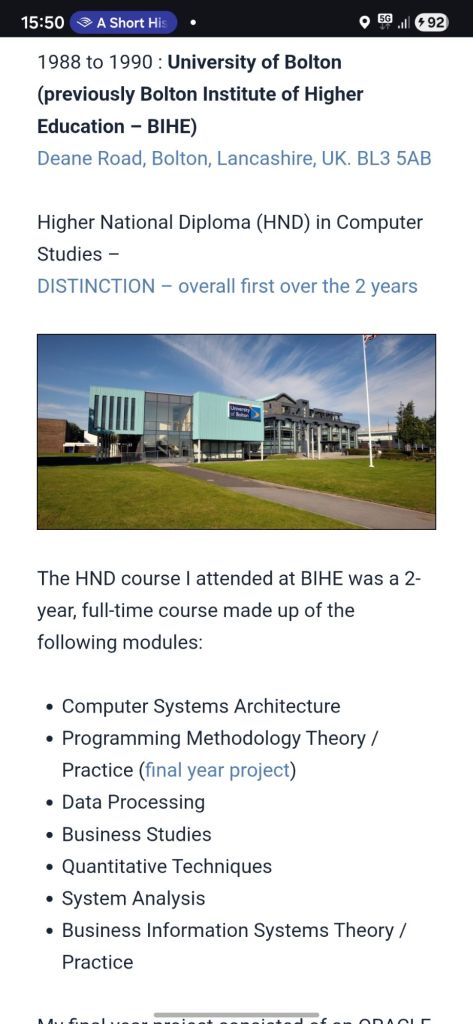
1988 to 1990 : University of Bolton (previously Bolton Institute of Higher Education – BIHE) – now University of Greater Manchester since 2024

1988 to 1990 : University of Bolton (previously Bolton Institute of Higher Education – BIHE) – now University of Greater Manchester since 2024

Bolton Institute of Higher Education, BIHE in 1988

LinkedIn Group: https://www.linkedin.com/groups/51224
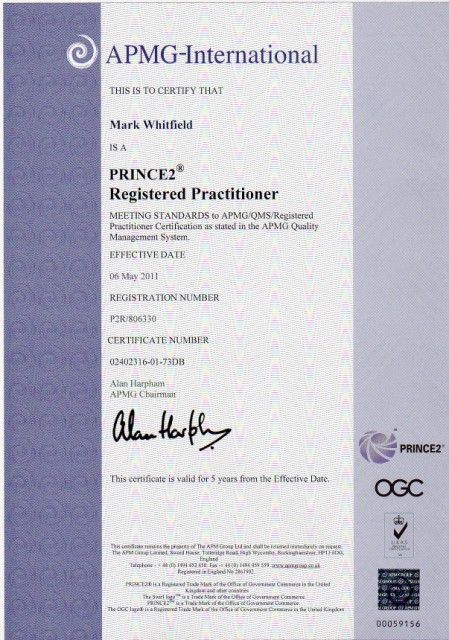
May 2011 – Registered PRINCE2 Practitioner with ILX

May 2011 – Registered PRINCE2 Practitioner with ILX

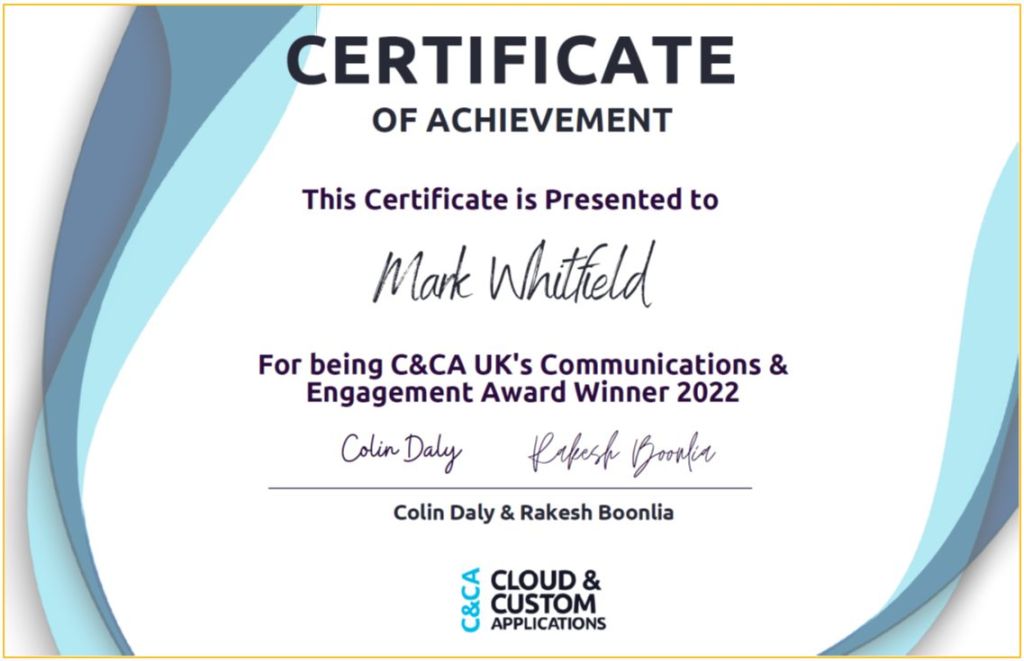
December 2022 – C&CA UK’s Communications & Engagement Award Winner – Cloud & Custom Applications – Capgemini UK

December 2022 – C&CA UK’s Communications & Engagement Award Winner – Cloud & Custom Applications – Capgemini UK

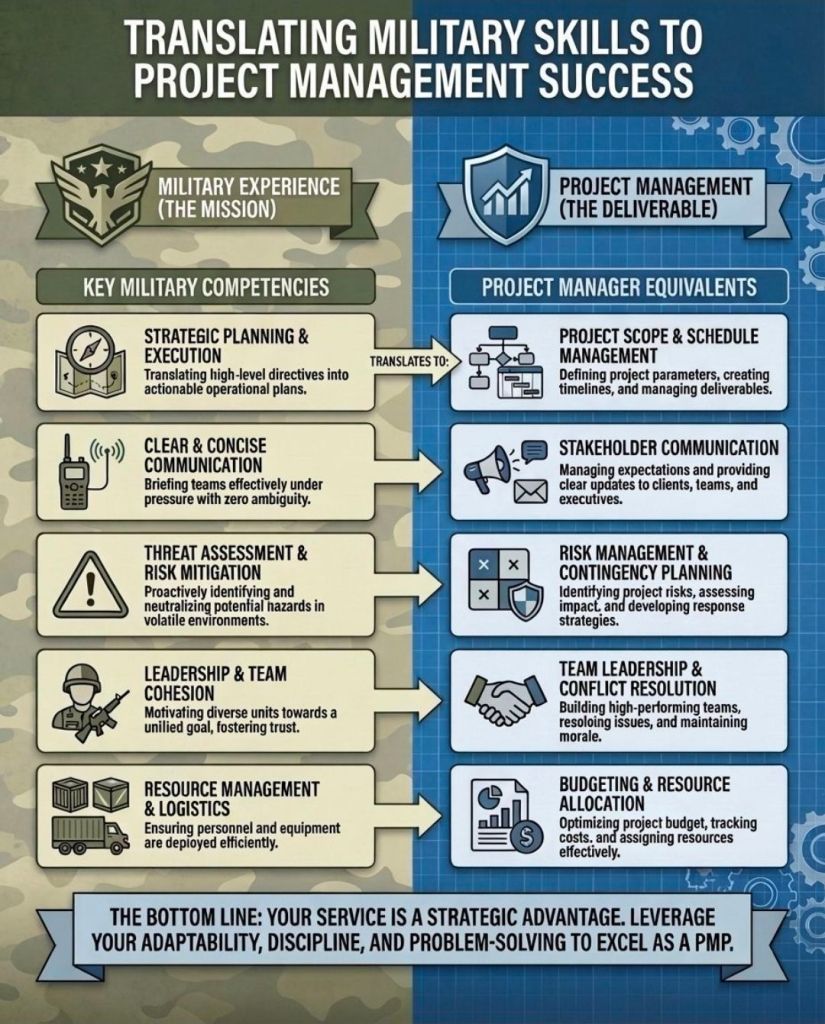
Translating Military Skills to Project Management Success

Translating Military Skills to Project Management Success

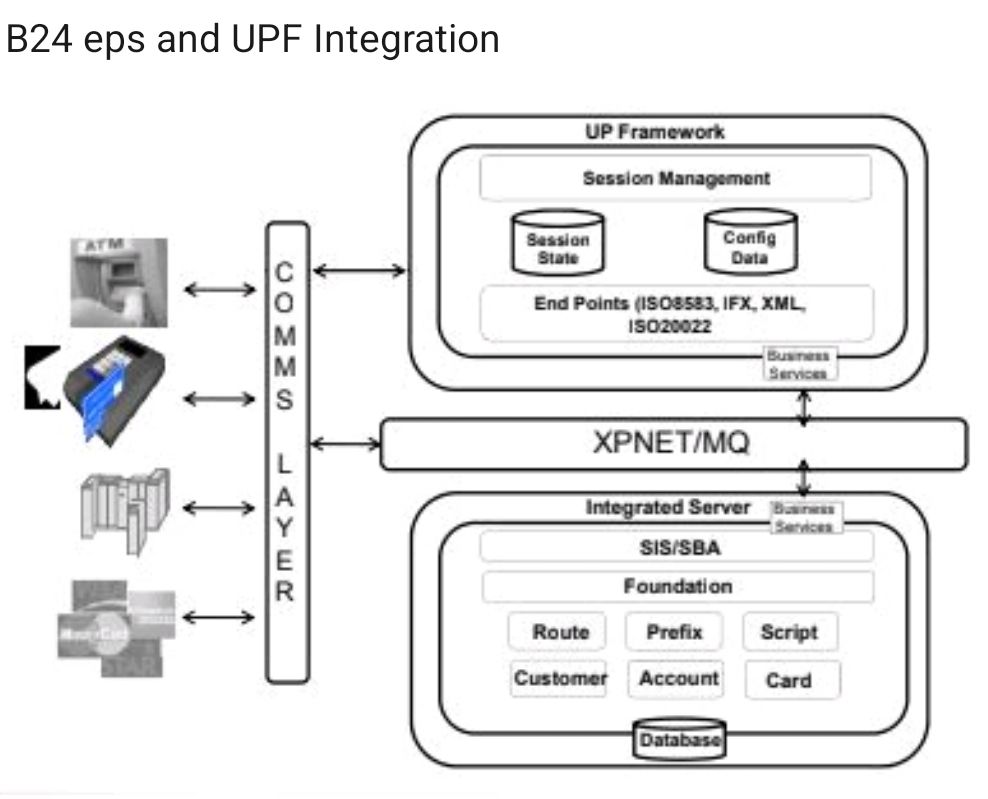
Base24-eps and UPF integration

Base24-eps and UPF integration

Integration between BASE24-eps and the Universal Payments Framework (UPF) is a core part of ACI Worldwide’s strategy to bridge legacy payment systems with modern, real-time payment capabilities. The UP Framework acts as a bridge, allowing financial institutions to orchestrate diverse payment types and channels while protecting their existing investment in BASE24-eps infrastructure. 

Key Aspects of the Integration

  • Investment Protection: The UP Framework allows existing BASE24 customers to continue using their current systems for some functions while incrementally adding new payment types and volumes through the UP Framework. This approach eliminates the need for a complete “rip and replace” of legacy systems.
  • Modernization and Flexibility: The integration with UPF allows banks to rapidly introduce new payment methods, adhere to new network schemes (like real-time payments), and integrate with new partners through configuration rather than custom coding.
  • Unified Retail Payments: UP Retail Payments is ACI’s comprehensive solution that combines the strengths of BASE24-eps (a market-leading retail payment platform) and the UP Framework (which orchestrates all aspects of payments processing) into a single, end-to-end platform.
  • Data Protection & Compliance: The UPF is used in conjunction with data security solutions (like Comforte’s SecurDPS) to tokenize sensitive cardholder data before it is passed to BASE24-eps applications or stored in logs, helping institutions meet PCI DSS compliance requirements.
  • Role-Based Expertise: The integration is an area of specialized technical expertise in the payment industry, with job roles focusing on the implementation, customization, configuration, and support of both BASE24-eps and UPF modules. 

In essence, the UPF provides a flexible, open architecture that extends the life and capabilities of BASE24-eps, enabling financial institutions to manage traditional and emerging payment demands within a unified ecosystem. 

What is BASE24-eps?

BASE24-eps is a comprehensive solution for acquiring, authenticating, routing, switching, and authorizing card- and non-card-based financial transactions through various channels.

BASE24-eps is designed to:

  • Increase the profitability of payment processing by enabling a set of common transaction services to support multiple channels and different types of transactions
  • Offer organizations greater flexibility with built-in support for all major card types, devices, national and regional switches, international payment schemes and host systems
  • Create a comprehensive view of customers and ensure consistent, high-quality customer service across different points of contact
  • Reduce organizations’ total cost of ownership through complete platform independence
  • Give organizations the options to deploy on premise, in their own private or public cloud, or in a secure, cloud-based environment managed by ACI

https://www.aciworldwide.com/solutions/base24-eps

COBOL85 programming language on HPE NonStop systems (formerly Tandem NonStop)

“COBOL85 nonstop” refers to the use of the COBOL85 programming language on HPE NonStop systems (formerly Tandem NonStop). The HPE NonStop platform is known for its fault-tolerant, continuous availability architecture, often used for critical, large-scale transaction processing. 

Key aspects of COBOL85 on NonStop include:

  • Platform-Specific Implementation: HPE provided a specific implementation of the 1985 COBOL standard tailored to its unique Guardian operating system and hardware architecture.
  • Mission-Critical Applications: COBOL programs on NonStop are commonly used in industries such as finance, retail, and government for applications requiring high reliability and constant uptime (the “nonstop” nature of the system).
  • Fault Tolerance: NonStop systems achieve fault tolerance through mechanisms like process pairs, and the COBOL runtime library can interact with these features. For example, a PARAM NONSTOP OFF setting in a PATHMON configuration can prevent a COBOL85 server from running as a process pair if that behavior is not desired.
  • System Integration: Programmers can call Guardian procedures and use embedded SQL/MP statements within their COBOL85 programs to interact with the system’s robust file system and database.
  • Development and Maintenance: The combination of COBOL85 and HPE NonStop utilities is a specific skill set for developers maintaining these critical legacy systems.
  • Tools and Manuals: Documentation and tools, such as the INSPECT symbolic debugger and the FUP (File Utility Program), are specific to the NonStop environment and assist with development and maintenance. 

For detailed information, users can consult the official documentation, such as the HP COBOL Manual for TNS and TNS/R Programs or other manuals available on the NonStopTools website and HPE Support portals. 

My NonStop COBOL85 programming experience.