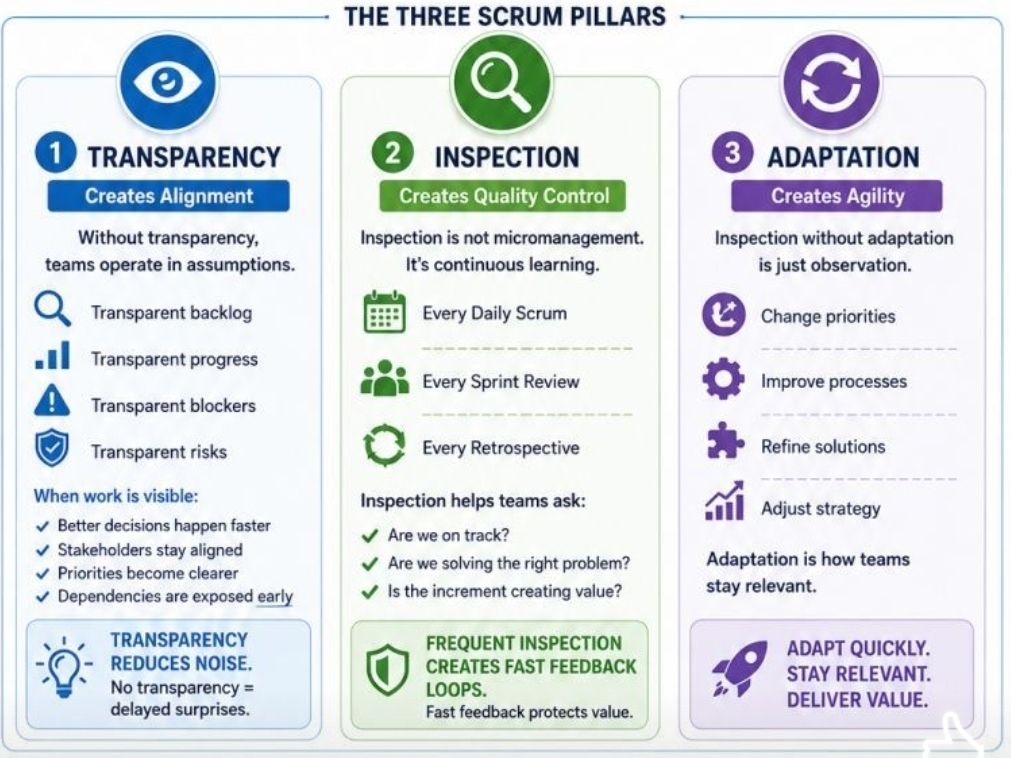
The three pillars of Scrum are Transparency, Inspection, and Adaptation. Together, they form the foundation of empirical process control—a methodology where decisions are based on observation and experience rather than unverified plans.
1. Transparency
Transparency ensures that all aspects of the process and progress are visible to both the team performing the work and the stakeholders. This requires a common, shared understanding of what constitutes “done” and maintaining open, honest communication. Key Scrum artifacts like the Product Backlog and Sprint Backlog are tools used to maintain this visibility.
2. Inspection
Scrum teams must regularly inspect their artifacts (like the product increment) and their overall progress toward the Sprint Goal to detect any unwanted variances or problems. This is achieved through established Scrum events such as the Daily Scrum, Sprint Review, and Sprint Retrospective.
3. Adaptation
If an inspection reveals that aspects of a process or the product are deviating outside acceptable limits, the team must adjust the process or the material being worked on. Adaptation involves making necessary changes as soon as possible to minimize further deviations and continuously improve the end product.
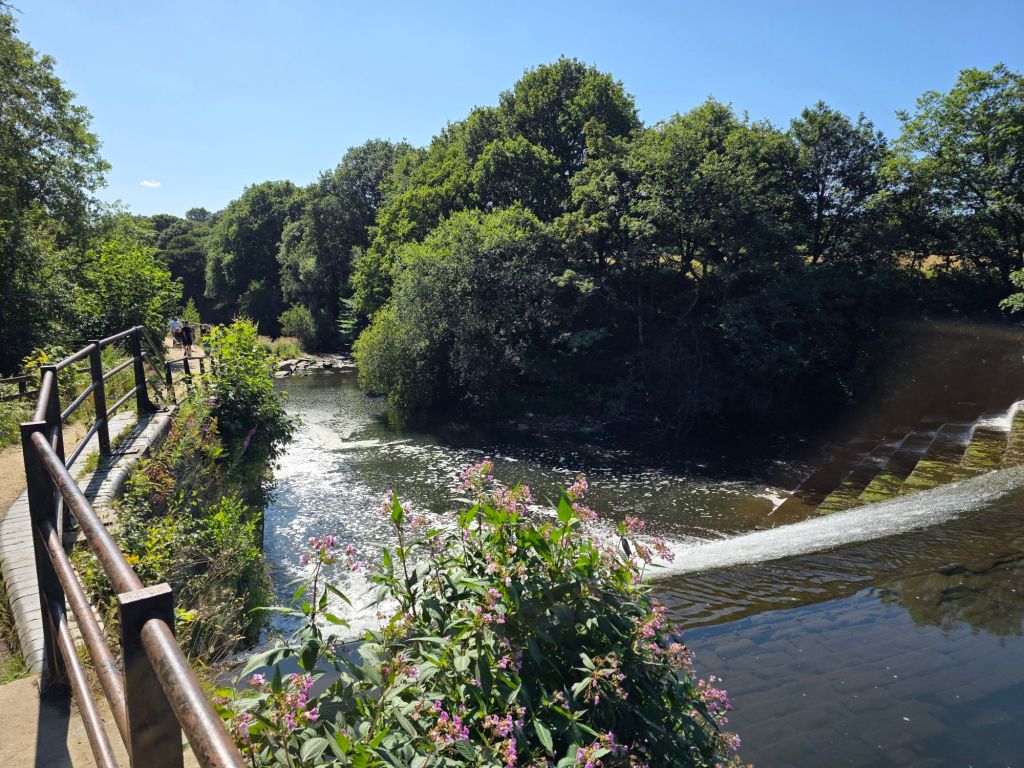
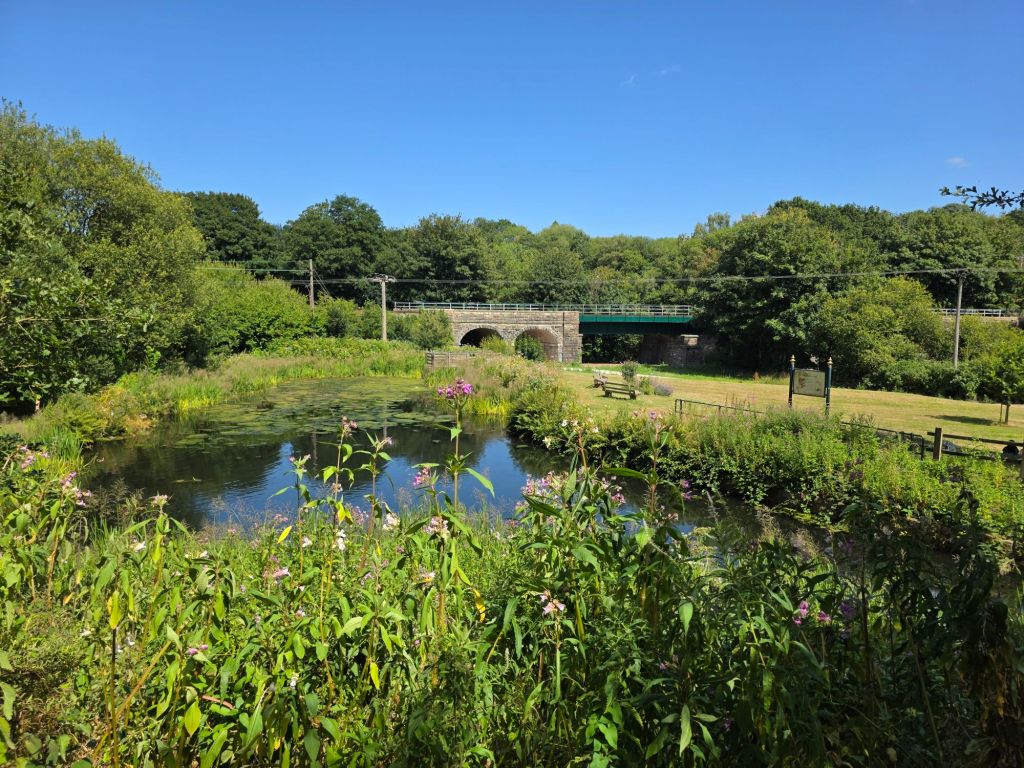
Burrs Country Park is a 36-hectare scenic countryside destination located along the River Irwell, just one mile northwest of Bury town centre. Managed by Bury Council alongside the dedicated community volunteer group, the park has proudly held a Green Flag Award since 2005 for being clean, safe, and environmentally sustainable.
Key Highlights
Industrial Heritage: Once a busy industrial hub, the site features archaeological remains of two major 18th-century cotton mills—Higher Woodhill Mill and Burrs Mill.
Steam Railway: The heritage East Lancashire Railway runs directly alongside the grounds, allowing visitors to stop at the dedicated Burrs Country Park Halt.
Art Installations: The park serves as a featured stop on the Irwell Sculpture Trail, hosting interactive outdoor artworks like Waterwheel and Stone Cycle.
Wildlife & Nature: The grounds feature diverse habitats including wetlands, ponds, and woodlands that make it an ideal hub for birdwatching, fishing, and nature walks.
Amenities & Dining: Visitors can enjoy food and drink at the dog-friendly The Lamppost Café or grab a meal at the historic The Brown Cow pub, which dates back to 1752.
The main park entrance is located on Woodhill Road (Postcode: BL8 1DA). If you are travelling by public transit, you can catch the 472 or 474 bus routes from the nearby Bury Interchange. For additional maps, safety guidelines, and event calendars, you can visit the official Bury Council Park Portal.
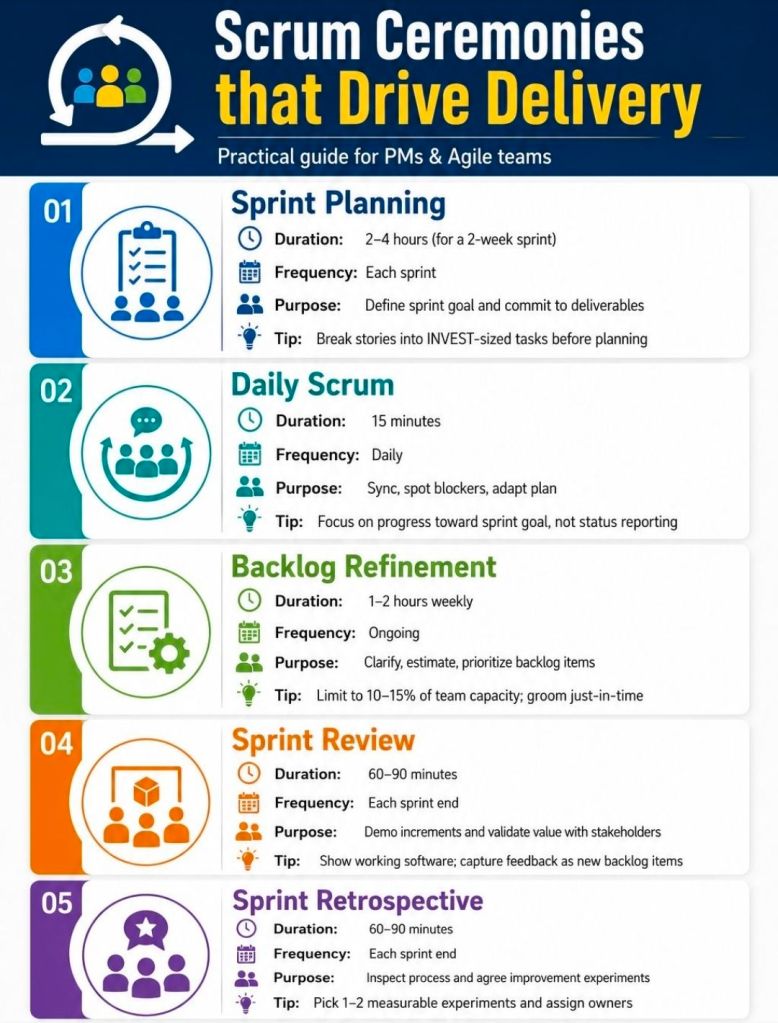
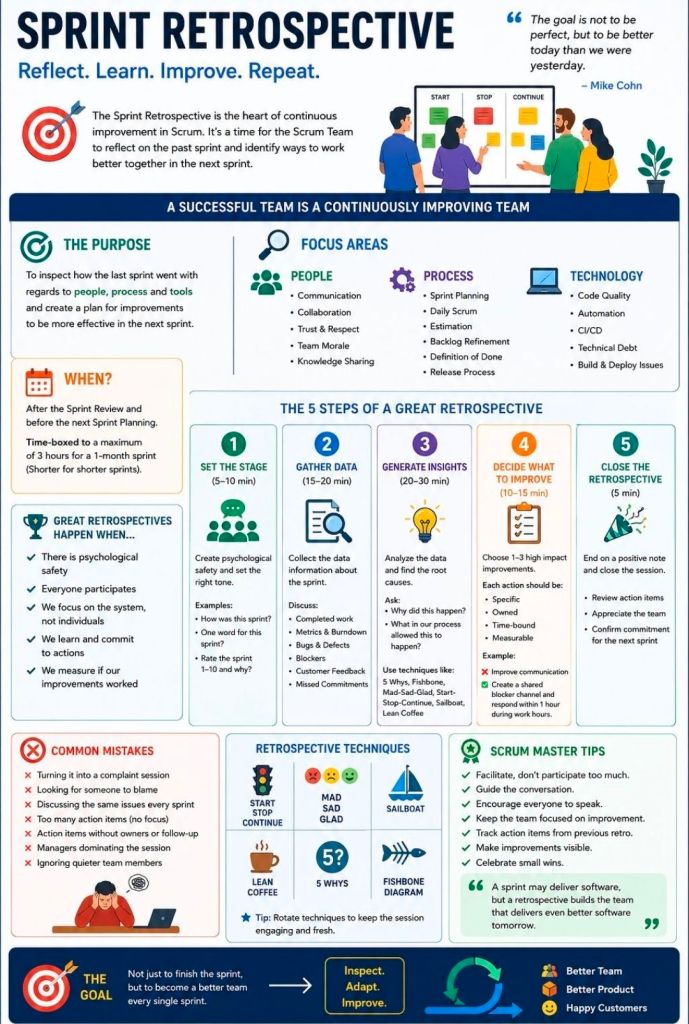
A Sprint Retrospective is a structured, time-boxed meeting held at the end of an Agile or Scrum sprint. Its primary purpose is to allow the core team (Developers, Scrum Master, and Product Owner) to reflect on the recently completed sprint and agree on actionable process improvements for future sprints.
For a quick visual breakdown of the Sprint Retrospective’s purpose and its role in team improvement, watch this short video:
While the Sprint Review looks outward at what the team built (the product), the Retrospective looks inward at how the team worked (the processes, tools, and team dynamics). It follows the rule of inspect and adapt to prevent repeating the same mistakes and to continuously improve engineering productivity and team morale.
The 5 Standard Phases
Experienced facilitators (like Scrum Masters) usually structure the meeting into five key steps to ensure it remains a productive working session rather than a complaint session:
Set the Stage: Create a psychologically safe and blameless environment. Ground rules are established so the focus remains on process, not people.
Gather Data: Collaboratively pool observations, facts, and experiences from the previous sprint.
Generate Insights: Look for underlying patterns or root causes of why things happened, rather than just listing symptoms.
Decide What to Do: Select the most critical 1 to 2 high-priority improvements and commit to actionable next steps.
Close the Retrospective: Summarize the action items, confirm individual ownership (assign specific names), and end on time.
Common Frameworks
Teams often use specific templates to keep the conversation fresh and engaging. Some of the most popular include:
Start, Stop, Continue: Identify what actions to begin doing, stop doing, and continue doing in the next sprint.
Mad, Sad, Glad: Focuses on how team members felt during the sprint, helping to surface frustrations and team morale issues.
The 4 Ls: Asks team members to discuss what they Loved, Loathed, Learned, and Longed for.
Sailboat Exercise: A visual metaphor where the team maps out their goals (the island), the wind in their sails (what helped them), and the anchors (what slowed them down).
Best Practices for Success
Keep it strictly team-only: To encourage candour and psychological safety, stakeholders should generally not be present.
Make action items accountable: Action items should be assigned to specific individuals and prioritized for the very next sprint’s backlog.
Timebox appropriately: The meeting’s duration scales with the sprint length. A 1-week sprint might warrant a 45-minute retro, while a month-long sprint might need up to 3 hours.