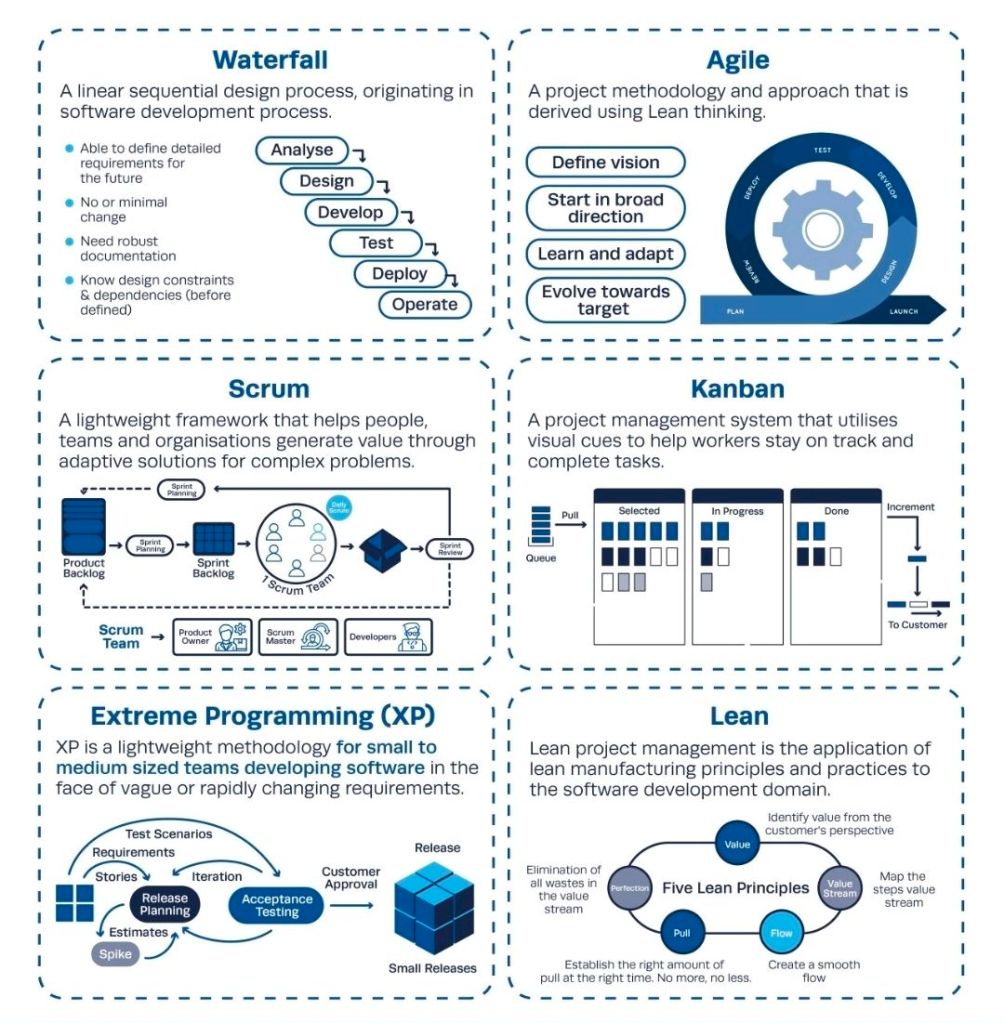
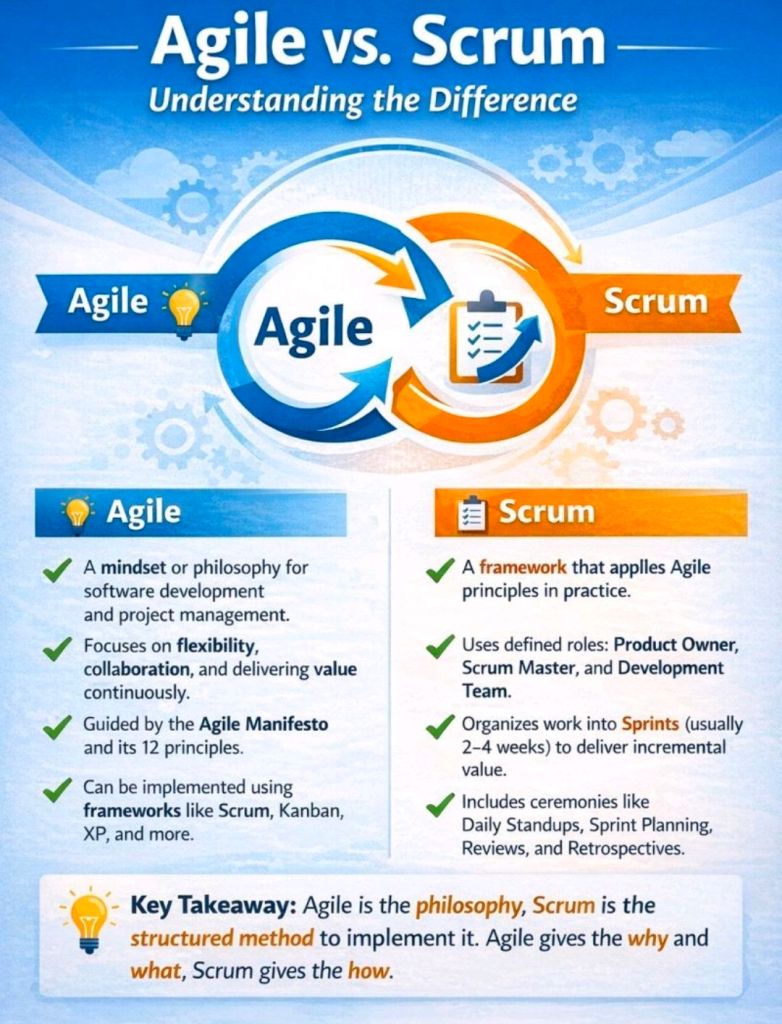
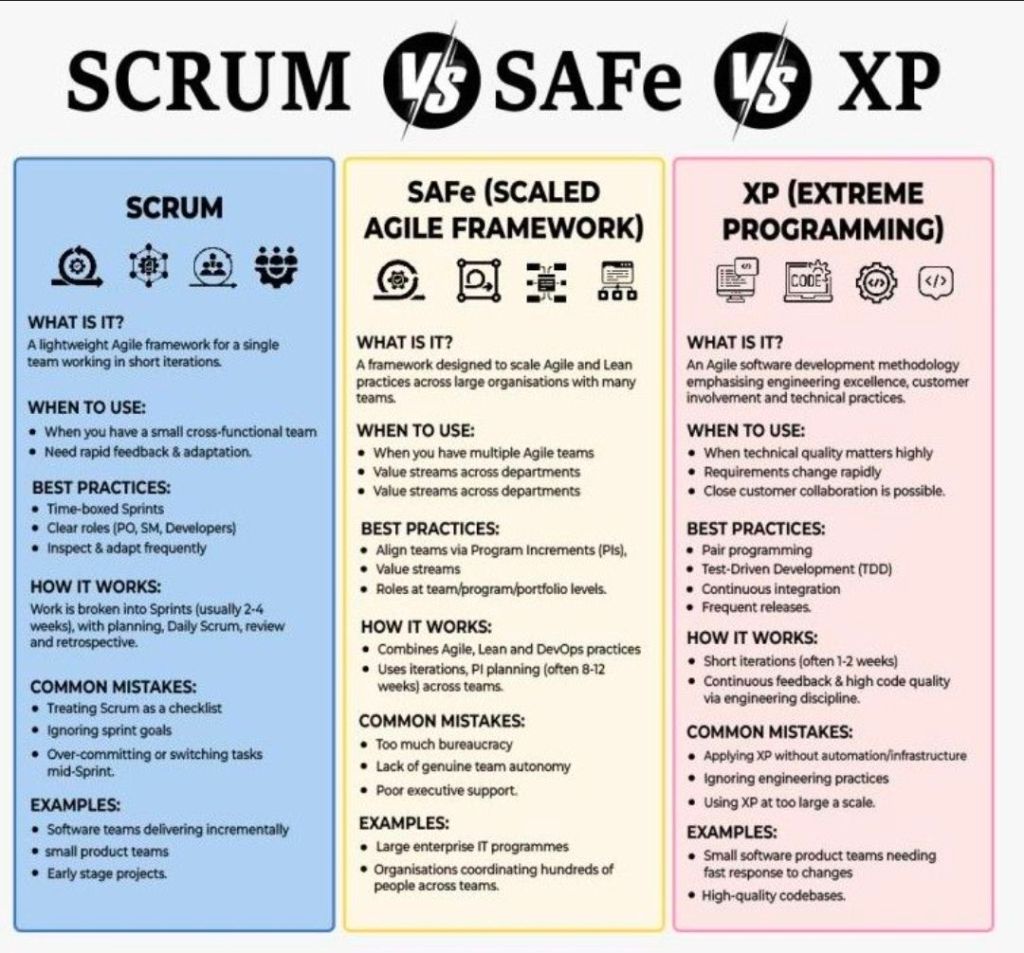
Scrum is an Agile framework for managing complex, innovative product development through small, cross-functional teams working iteratively in short time-boxes called Sprints. Inspired by a 1986 “rugby” approach to product development, it was formalized in the early 1990s by Jeff Sutherland and Ken Schwaber to improve team productivity and deliver value quickly.
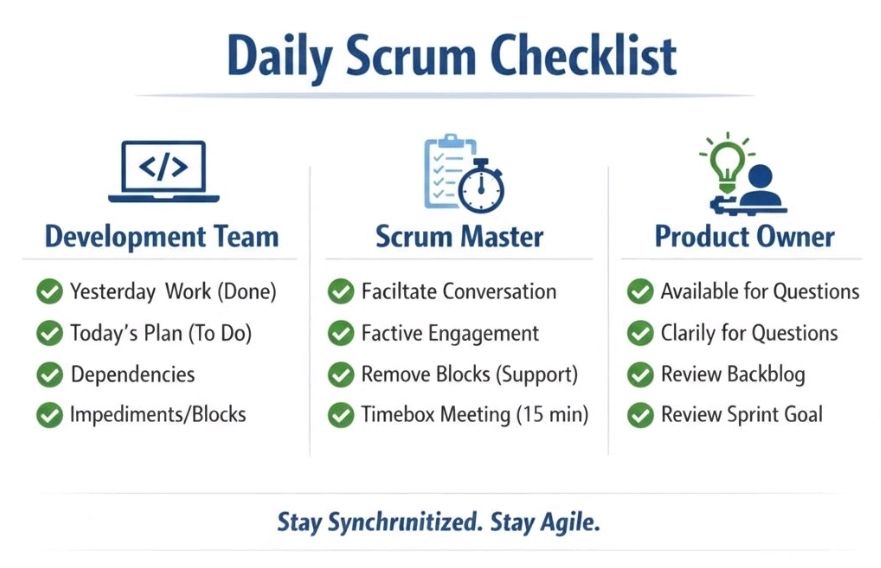
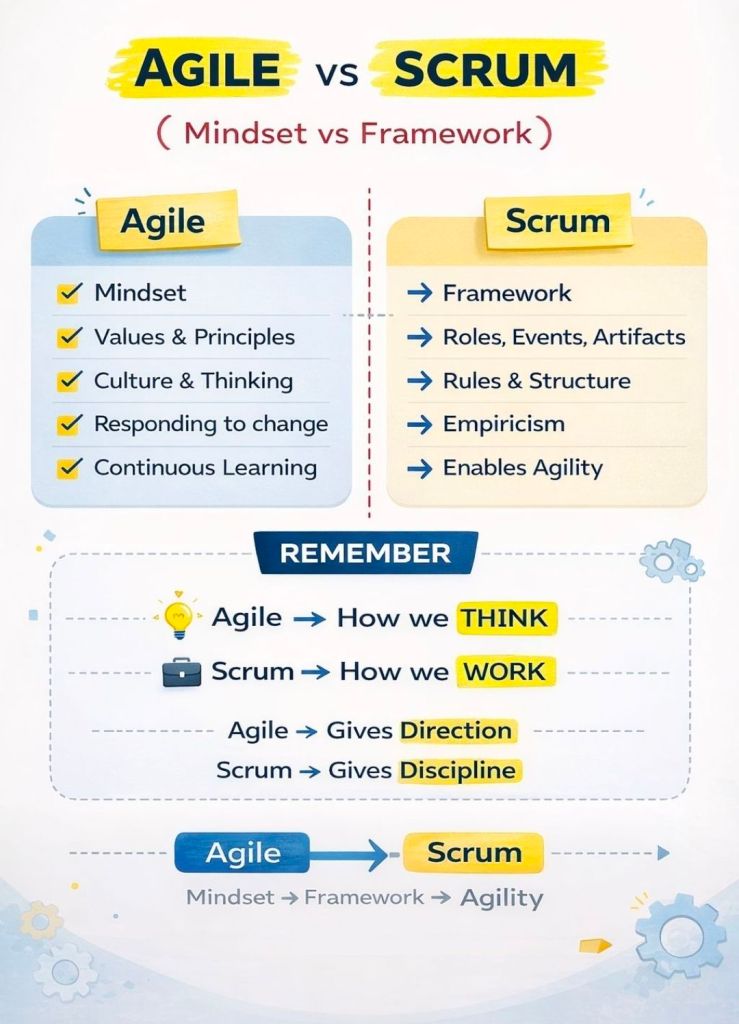
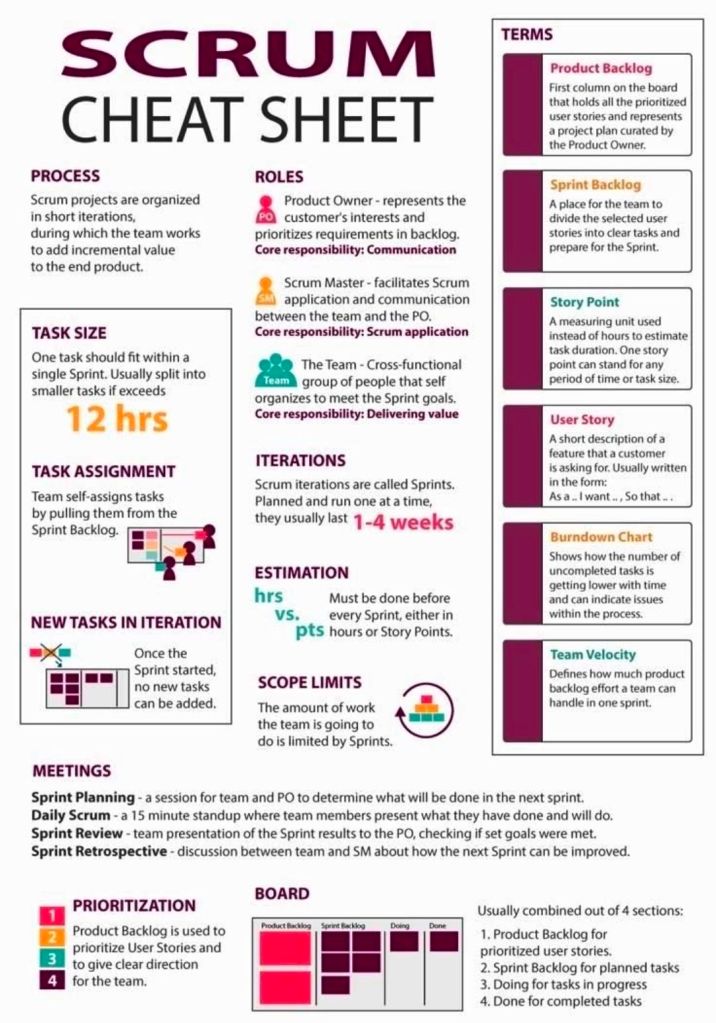
Scrum is based on empiricism—transparency, inspection, and adaptation—and is defined by specific roles (Product Owner, Scrum Master, Developers), events (Sprint Planning, Daily Scrum, Sprint Review, Retrospective), and artifacts (Product Backlog, Sprint Backlog, Increment).
Detailed Historical Timeline
The Conceptual Era (Pre-1990s)
- 1986: Takeuchi and Nonaka publish “The New New Product Development Game” in Harvard Business Review. They introduce the “rugby” approach—a team working together, passing the ball back and forth, to increase speed and flexibility.
Scrum Takes Shape (1990–1999)
- 1993: First Scrum implementation: Jeff Sutherland, John Scumniotales, and Jeff McKenna at Easel Corporation apply these concepts to software development.
- 1995: Ken Schwaber and Jeff Sutherland present a paper, “The SCRUM Development Process,” at the Object-Oriented Programming, Systems, Languages & Applications (OOPSLA) conference in Austin, Texas, formally introducing the framework.
- 1996: Ken Schwaber and Mike Beedle refine the process, focusing on software development.
- 1999: Mike Beedle, Martine Devos, Yonat Sharon, Ken Schwaber, and Jeff Sutherland publish “SCRUM: An extension pattern language for hyperproductive software development”.
Agile and Formalization (2000–2009)
- 2001: Ken Schwaber, Jeff Sutherland, and 15 others create the “Agile Manifesto” in Snowbird, Utah. Schwaber and Beedle publish the first book on Scrum: Agile Software Development with Scrum.
- 2002: Ken Schwaber, Mike Cohn, and Esther Derby found the Scrum Alliance to provide certifications.
- 2004: Ken Schwaber publishes Agile Project Management with Scrum.
- 2006: Jeff Sutherland founds Scrum Inc..
- 2009: Ken Schwaber leaves the Scrum Alliance and founds Scrum.org to provide Professional Scrum accreditation.
The Scrum Guide Era (2010–Present)
- 2010: First “Scrum Guide” is published by Ken Schwaber and Jeff Sutherland to define the framework, often revised in subsequent years (2011, 2013, 2016, 2017).
- 2017: PRINCE2 Agile is published, adding governance layers for organizations using Scrum.
- 2020: The latest Scrum Guide (November 2020) is released, focusing on a more minimal, less prescriptive definition, introducing the “Product Goal” and changing “Development Team” to “Developers”.
Key Components of Scrum
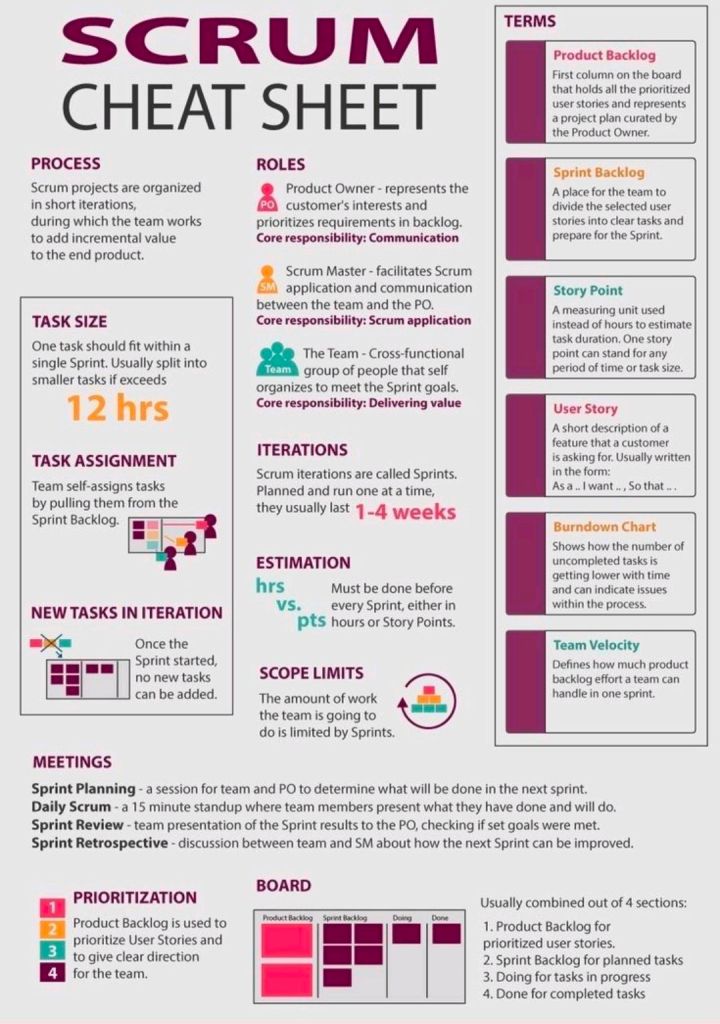
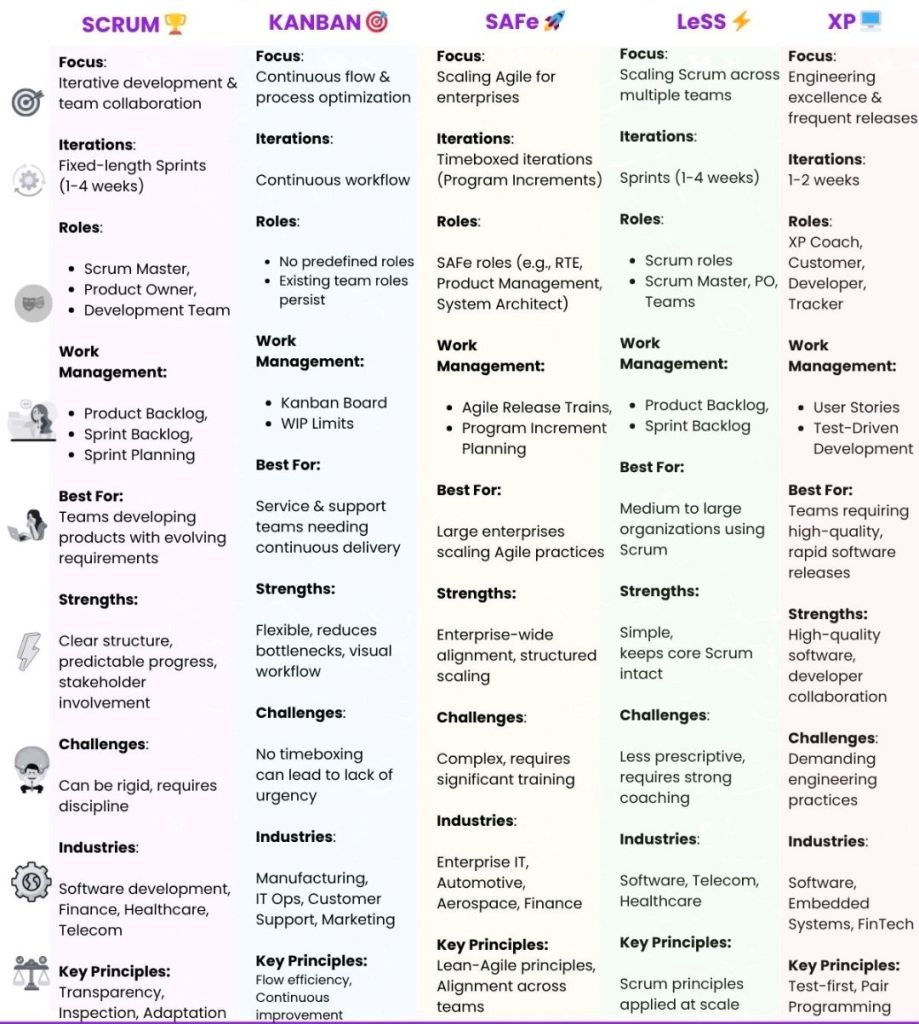
- Roles: Scrum Master (servant leader), Product Owner (backlog owner), Developers (build the product).
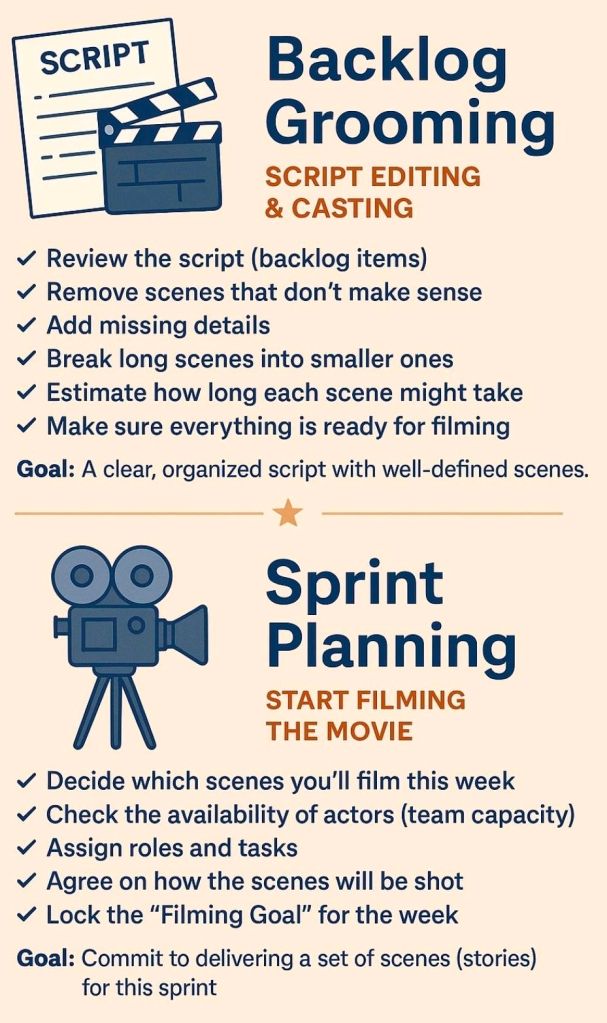
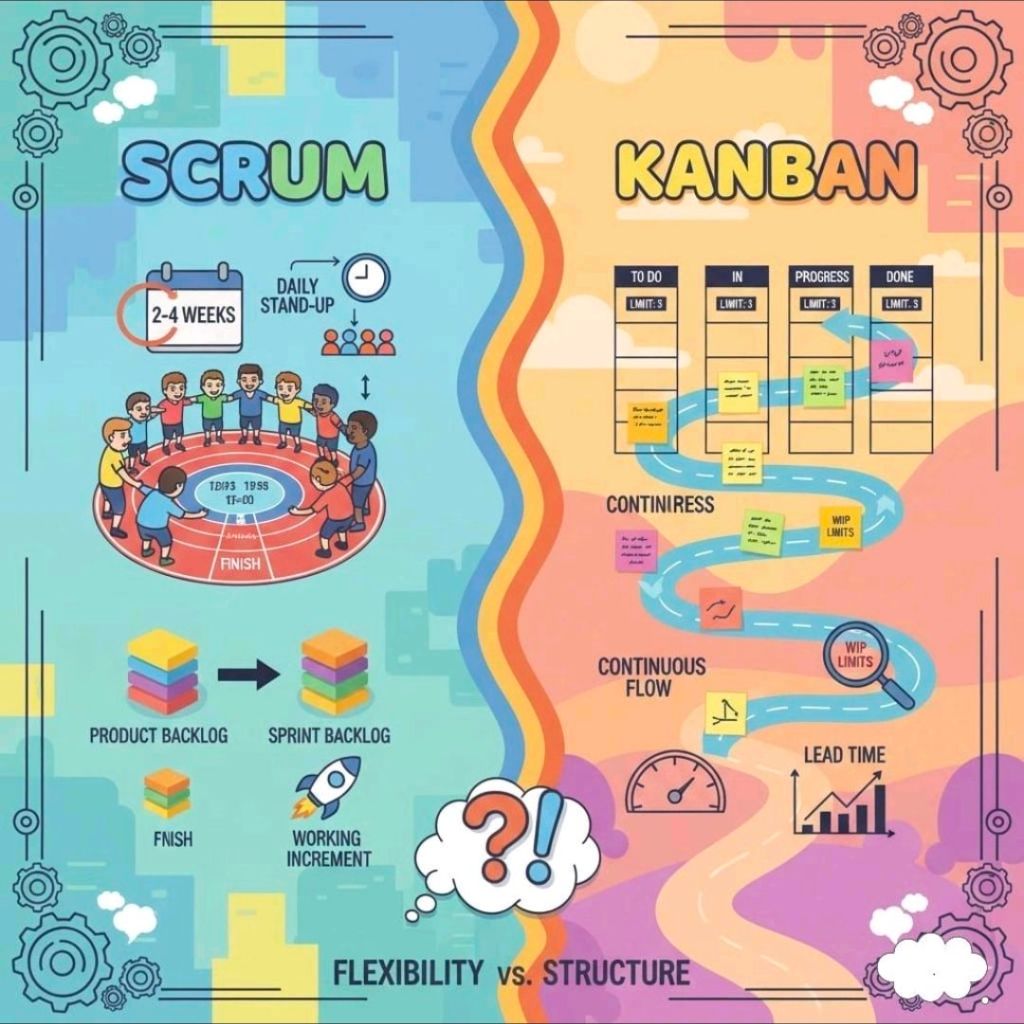
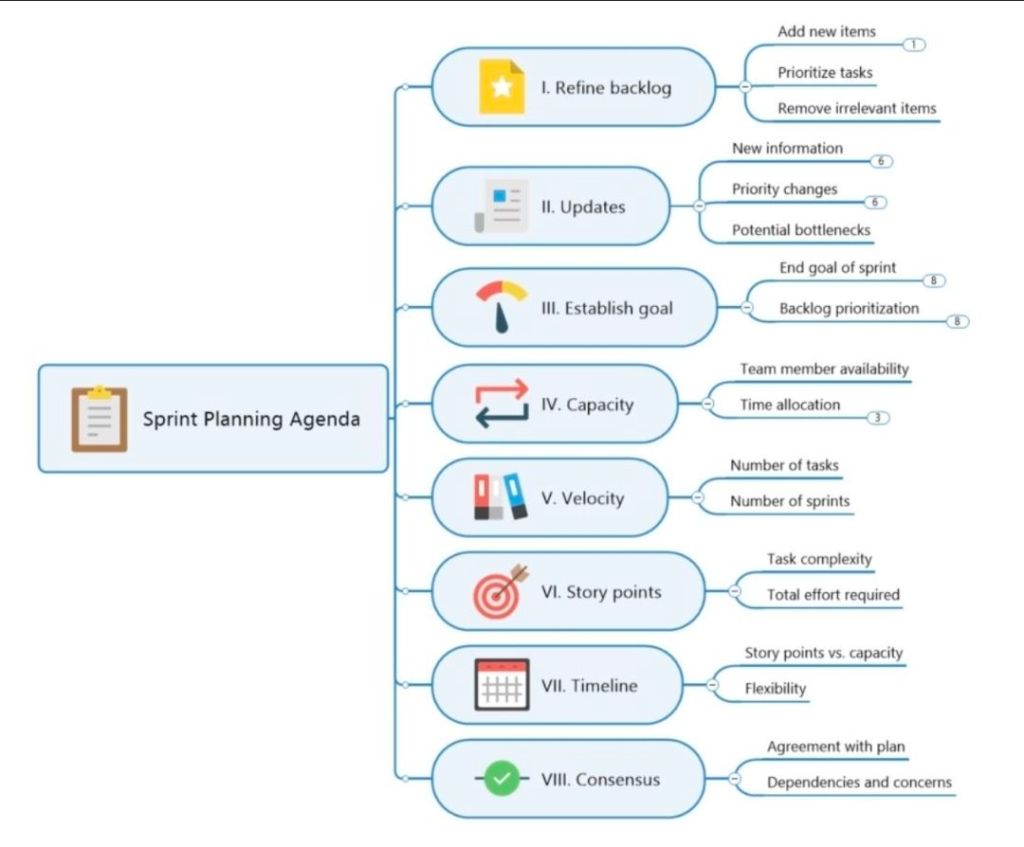
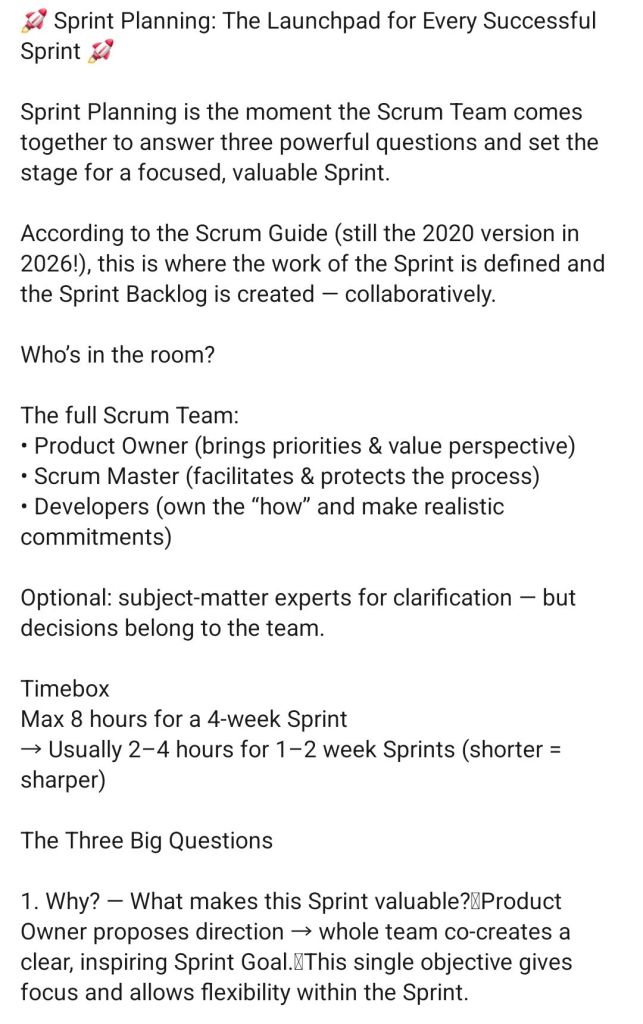
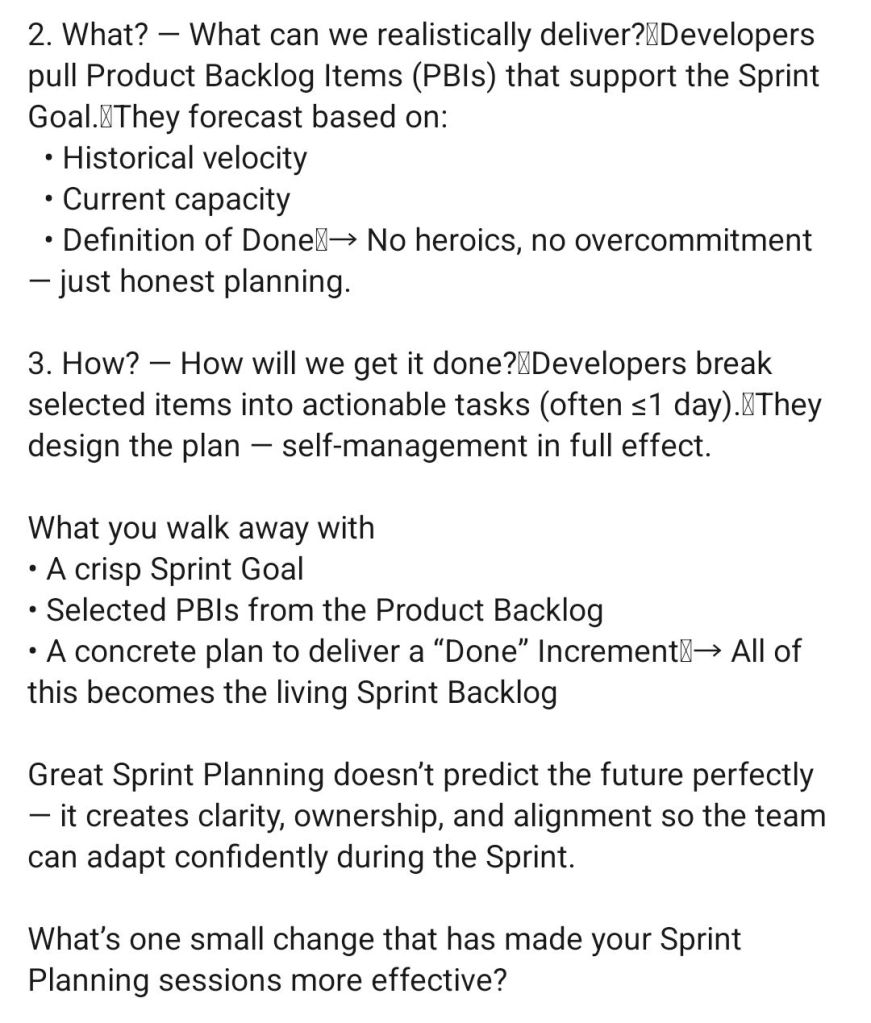
- Events: Sprint (1–4 weeks), Sprint Planning, Daily Scrum, Sprint Review, Sprint Retrospective.
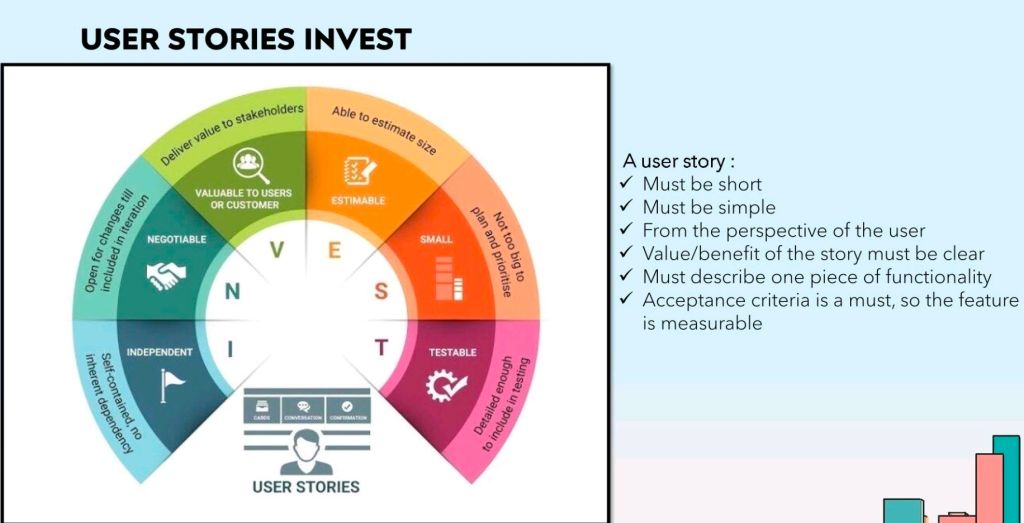
- Artifacts: Product Backlog, Sprint Backlog, Increment.
Scrum Agile Framework summary and detailed historical timeline by era and year


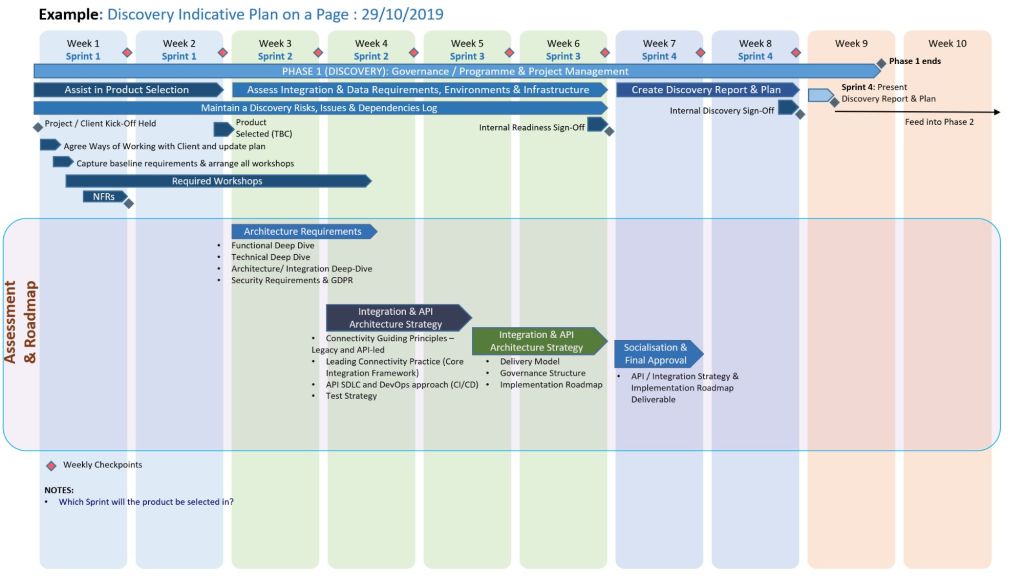
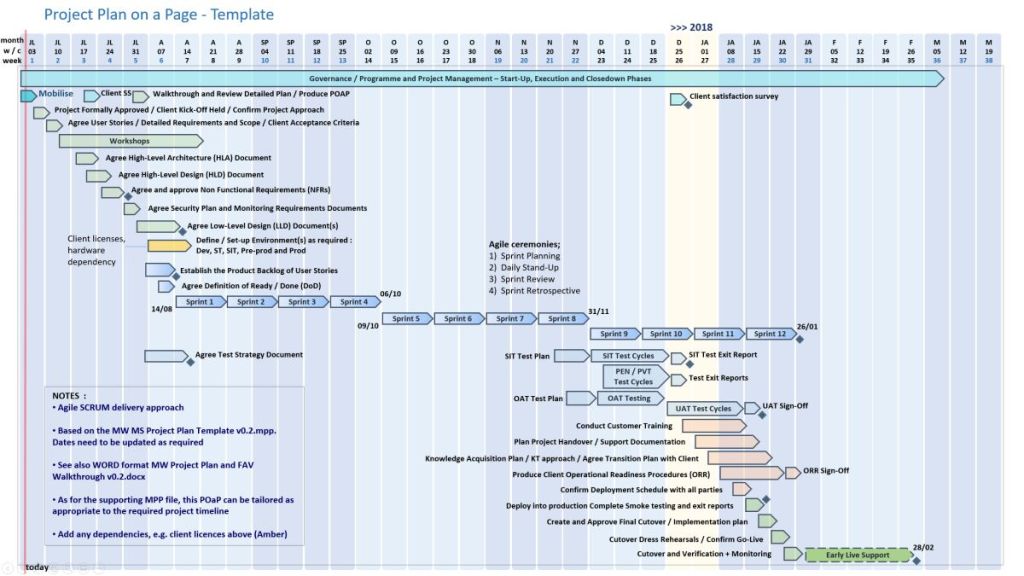
 PROject Templates