The IT Project Management (PM) toolkits created by Mark Whitfieldprovide a comprehensive digitized repository of over 200 tailored, editable Microsoft Office templates designed to structure, track, and report on software delivery lifecycles (SDLC).
Hosted on his platform PROject Templates, these artifacts bridge the gap between fast-paced Agile sprint execution and structured governance frameworks like PRINCE2 and Waterfall.
Here is an overview of the core template categories and artifacts included in the toolkit:
📅 Schedule, Planning & Timelines
Detailed SDLC / PRINCE2 Project Plans: Native Microsoft Project (.mpp) and Excel (.xlsx) files featuring stage-gate structures, resource sheets, and milestone tracking.
Plan on a Page (POaP): Over 35 PowerPoint variations and simplified Excel dashboards used to present high-level, visual timelines to executives and senior stakeholders.
Agile Scrum Sprint Planner & Delivery Plan: Templates constructed in Excel to track sprint velocity, capacity planning, and product backlogs.
⚠️ Risk, Governance & Tracking
Comprehensive RAID Logs: Centralized trackers mapping Risks, Actions, Issues, and Dependencies, including secondary tabs for opportunities, lessons learned, and change requests.
RACI Matrices: Responsibility assignment matrices used to formally define team roles (Responsible, Accountable, Consulted, Informed) across delivery workstreams.
Project Charter Blueprint: A foundational setup template used to establish formal authorization, align stakeholders, and outline scope boundaries.
📊 Performance & Financial Tracking
Project Financial Tracker: Metric dashboards containing charts for measuring internal and external forecast versus actual costs, profit margins, and expense variances.
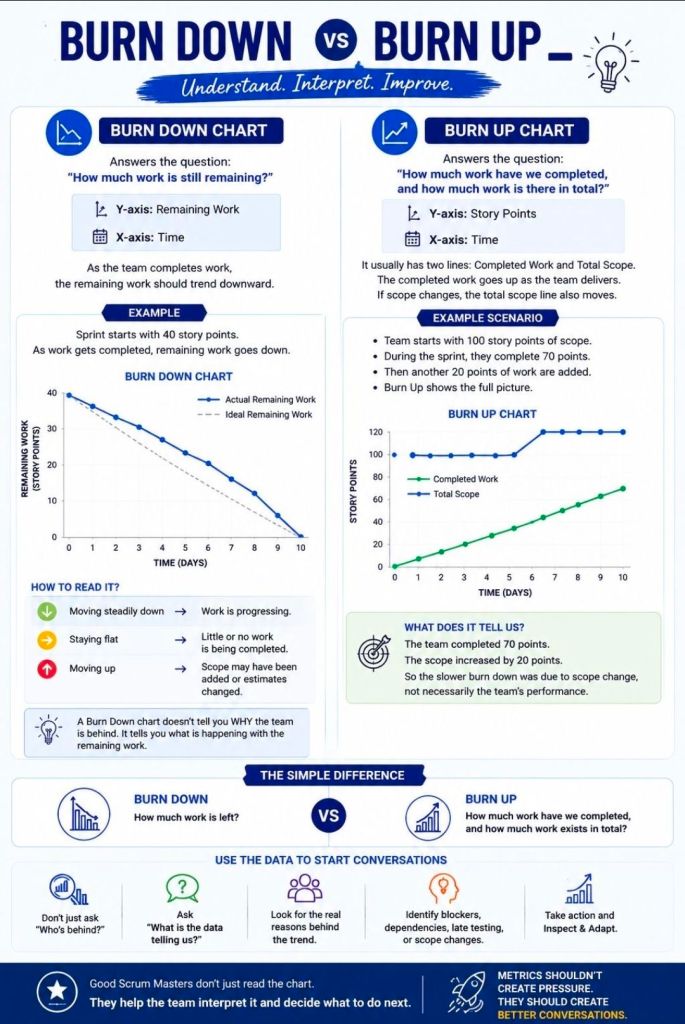
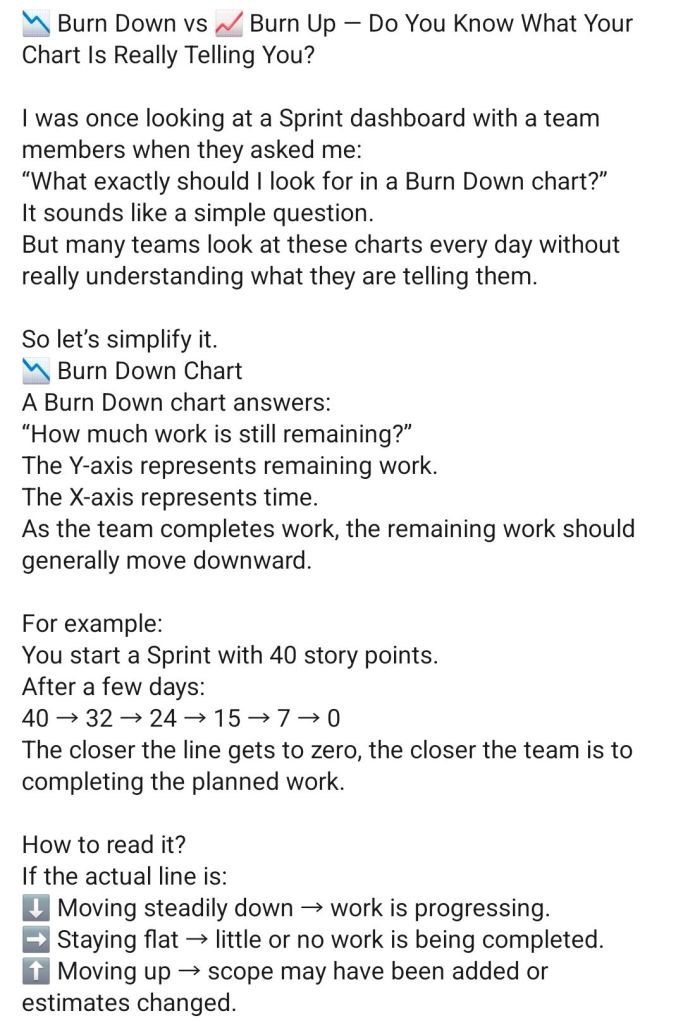
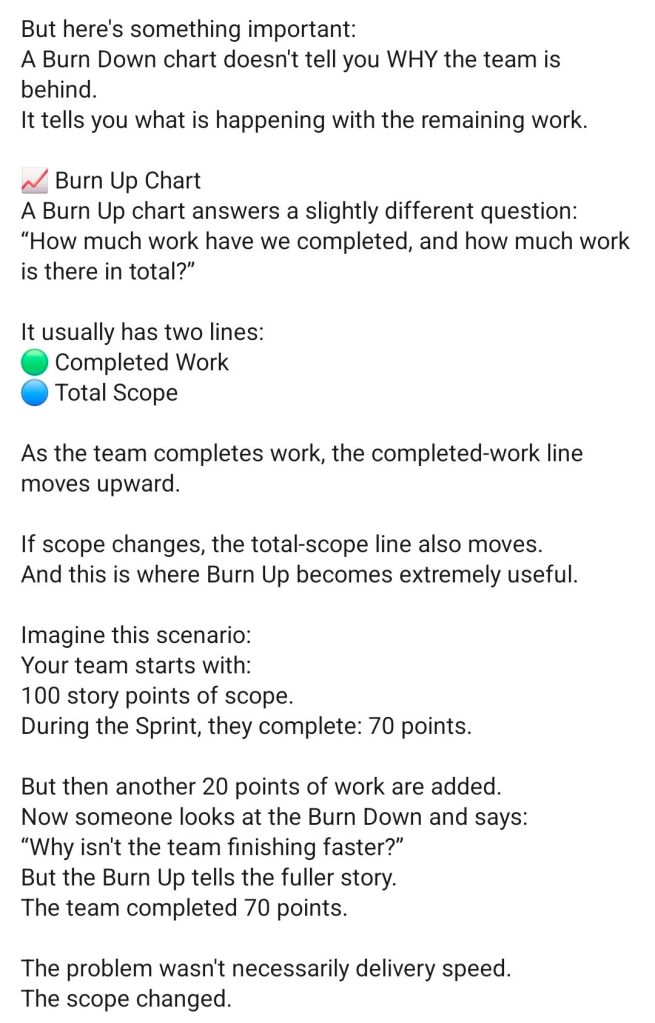
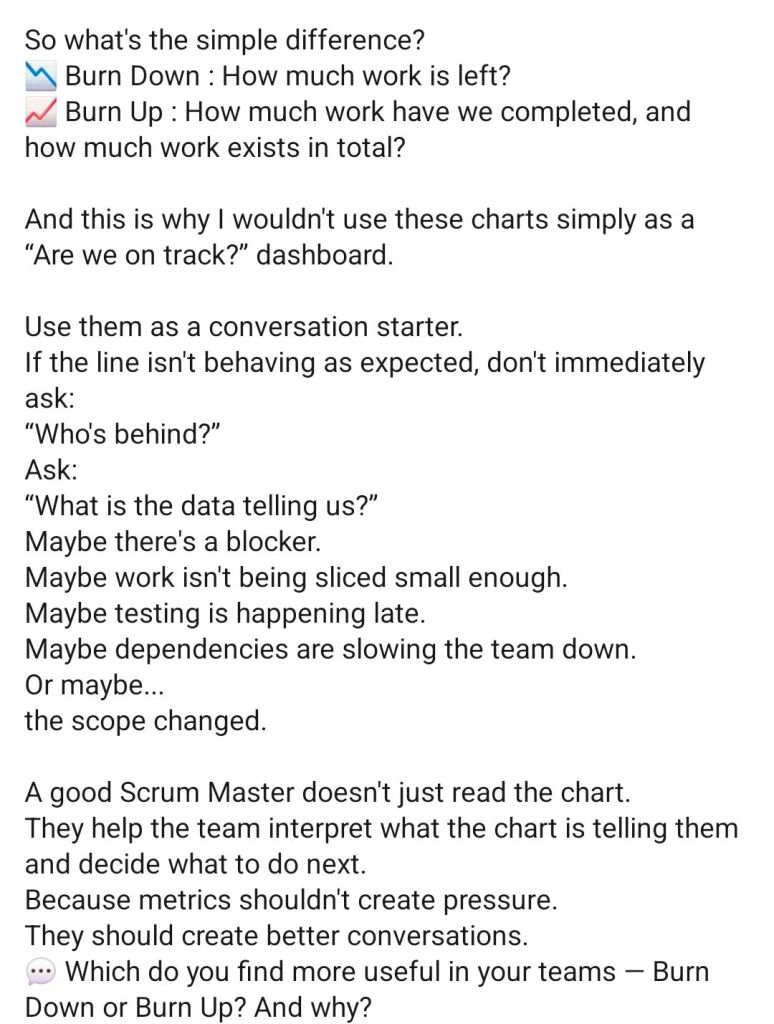
Agile Burn Down & Burn Up Charts: Standalone spreadsheet alternatives built specifically for environments where dedicated Agile software like Jira or Azure DevOps is unavailable.
📢 Status Reporting & Communication
Weekly/Monthly Status Reports: Formatted templates available in Word and PowerPoint summarizing project health, milestone progress, and immediate priorities for internal and client updates.
Project Kick-Off Slide Decks: Presentation baselines to align teams, outline deliverables, and walk members through execution workflows at launch.
Mark Whitfield is a prominent UK-based, SC-cleared Senior IT Project Manager, Engagement Manager, and technology executive with over 35 years of experience spanning the entire Software Development Lifecycle (SDLC). He specialises in complex digital transformations, hybrid cloud migrations, and API-led system integrations.
Throughout his career, he has successfully delivered enterprise-scale solutions for massive blue-chip clients, including Barclays Bank, Jaguar Land Rover (JLR), Royal Mail Group (RMG), Lloyds Banking Group, and the Bank of England.
Executive Overview:
Core Expertise: Hybrid Cloud Migrations (Azure, AWS), API middleware architectures, and digital banking platforms.
Methodologies: Certified PRINCE2 Practitioner and Agile SCRUM delivery lead.
Security Clearance: Active UK Security Check (SC until 2031) clearance for public and defense-sector projects.
Industry Portfolio: Banking, Automotive, Gambling/Casinos, Aerospace & Defence, and Regional Government.
Professional Timeline & Milestones:
1990–1995 (Early Engineering): Began his career immediately after graduating in Computing. He worked as a core programmer at The Software Partnership, building cutting-edge electronic banking software (sp/ARCHITECT-BANK) on legacy Tandem Mainframes (now HPE NonStop).
1995–2013 (Insider Technologies Limited): Spent 18 years escalating from a Senior Programmer into a strategic project manager in Salford Quays, UK. He spearheaded high-volume mainframe transaction monitoring systems and ATM software delivery for major global banking institutions like HSBC and Al Rajhi Bank.
2013–2016 (Retail & Gaming Delivery): Transitioned to Wincor Nixdorf as an Agile IT PM managing ATM software pipelines, followed by a Senior PM role at Betfred, delivering complex mobile sportsbook and online payment gateways.
2016–Present (Enterprise Leadership): Joined Capgemini as a client-facing Engagement Project Manager. He later augmented into MuleSoft (a Salesforce company) as a Delivery Manager for the Anypoint Platform, directing massive cloud infrastructure overhauls.
Thought Leadership & Knowledge Sharing
Beyond active corporate execution, he is the creator of PROject Templates, an open professional repository where he publishes free upgrade enterprise project tracking models, RAID logs, and Agile planning frameworks used extensively by modern PMOs.
As an agile Scrum Master, you can significantly boost your efficiency and team collaboration by using AI tools for repetitive tasks, metric analysis, and ceremony preparation. The best way to utilize AI is to follow the CRAFT framework (Context, Role, Action, Format, and Tone) to give your AI model the necessary background. To get started, replace placeholder bracketed text with your specific information.
Review the structured AI prompts below, categorized by core Scrum Master responsibilities:
Sprint Planning Optimization
These prompts will help you streamline backlog management and ensure your next sprint cycle is data-driven and realistic.
Predict Velocity & Capacity: “Based on historical sprint data: [insert last 3 sprints], predict our team’s velocity for the next 2-week sprint. Consider the following changes: [insert team changes, e.g., one developer out for a week], and provide a confidence interval.”
Refine and Format Backlog Items: “As an expert in Agile backlog refinement, help me break down this user story: ‘[insert raw requirement text]’. List logical sub-tasks with realistic developer effort in hours, and flag any missing requirements or testability gaps.”
Daily Stand-up & Alignment
Enhance your team’s focus and identify bottlenecks before they impact flow.
Goal-Oriented Stand-Up Agenda: “Act as a Stand-Up facilitator. Summarize these daily updates from my team: [insert team members’ updates]. Identify if we are at risk of missing the Sprint Goal, highlight cross-team dependencies, and suggest one follow-up question I can ask to redirect the team from ‘status updates’ to ‘problem-solving’.”
Impediment Stress Test: “A common user story is stuck in the QA testing column for the third consecutive day, causing spillover risks. As an expert Scrum Master, suggest how I can facilitate a conversation with the team to address this impediment. Provide a tactical 3-step action plan.”
Retrospective Facilitation
Say goodbye to repetitive, generic retrospectives and tap into targeted, continuous improvement.
Action-Oriented Theme Clustering: “Analyze these raw retrospective comments from my agile team: [insert list of comments]. Identify recurring themes, sentiment patterns, and root causes. Present the results in a ‘Start, Stop, Continue’ format, and suggest a concrete, actionable plan for the next sprint.”
Psychological Safety & Conflict Simulation: “Tension has been mounting among team members regarding estimation methods and story point allocations. As an Agile conflict mediator, suggest opening questions I can use during the retro to encourage quiet team members to speak and de-escalate the disagreement.”
Coaching & Team Health
Use AI to strengthen your servant leadership and develop customized educational content.
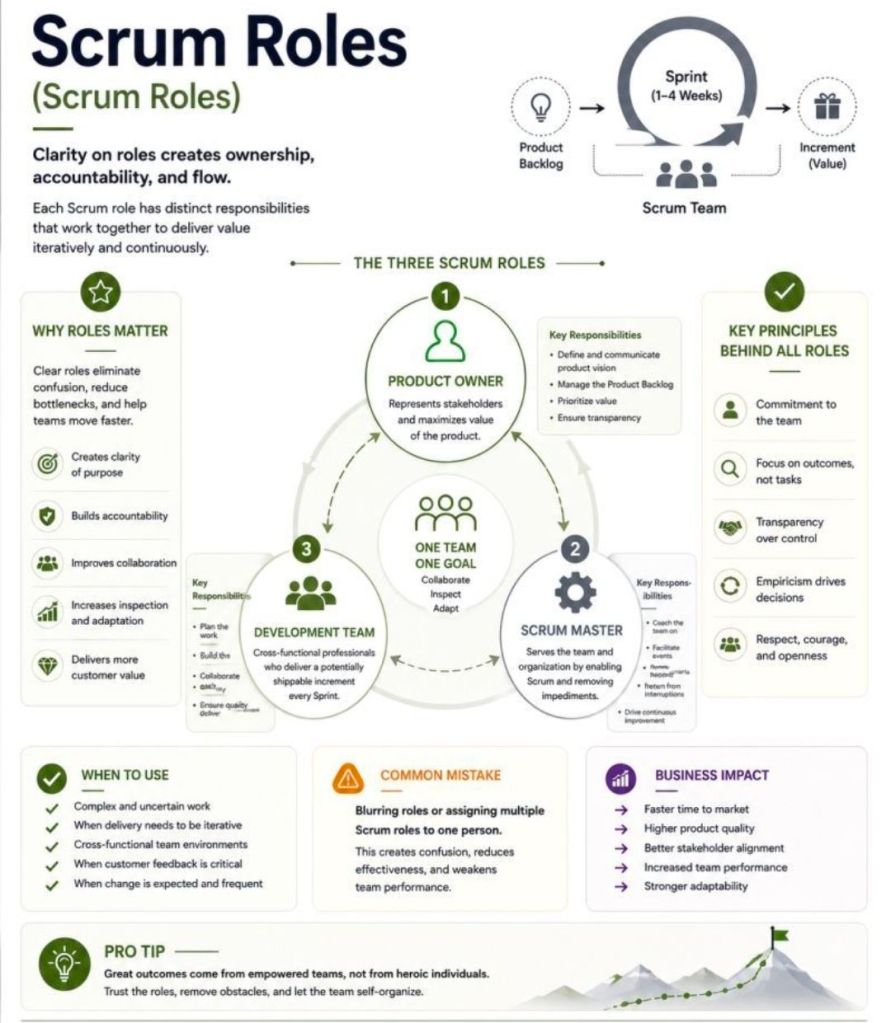
Agile Concept Teaching: “Generate a comprehensive guide on the Scrum framework for a team new to Agile. Focus on the core values of Scrum, how they relate to the Daily Scrum, and avoid overly technical jargon.”
Handling Unrealistic Expectations: “Simulate a challenging conversation between myself (a Scrum Master) and a senior stakeholder who is demanding mid-sprint scope changes. Outline an approach I can use, rooted in Agile principles, to educate the stakeholder on the value of a frozen sprint goal without damaging the relationship.”
Best Practices for Agile Prompting
To avoid generic, hallucinated, or unhelpful answers, keep these best practices in mind:
Context is Key: Always include your team’s composition (number of members, skill levels) and your product vision.
Assign a Persona: Prompt the AI to “Act as an Agile Coach,” “Act as a Jira Expert,” or “Act as a QA Reviewer” to get specialized viewpoints.
Validate Everything: AI is a sounding board, not a decision-maker. Always review suggestions and validate metrics using your human experience and team’s consensus.