Towyn is a prominent seaside resort in Conwy, North Wales, traditionally known as a tourism hub with a high concentration of holiday parks and a history defined by its relationship with the Irish Sea. Historically, the town is most noted for the catastrophic 1990 floods, which reshaped local coastal defence policy across Britain. Today, it continues to evolve as a key destination for family holidays, with multi-million-pound investments in leisure facilities planned through 2026.
Historical Timeline of Towyn
Early Origins & Parish Formation (1800s)
1800s: Towyn begins developing as a tourism destination, largely due to its proximity to the established hub of Rhyl.
17 June 1873:St Mary’s Church, designed by renowned architect George Edmund Street, is consecrated. It is famous for its distinctive roof tiling.
22 September 1873: The Parish of Towyn is officially created, comprising the township of Towyn and parts of Cegidog Isaf, Bodoryn, and Bodtegwal.
Tourism Growth & Mid-Century Development (1900–1980s)
Early 1900s: The town’s reputation as a “sunny coastline” (from the Welsh word Tywyn for sand dunes) solidifies it as a popular holiday spot.
29 July 1960:Towyn Development Co. Limited is incorporated, marking a period of formalized commercial development in the area.
1960s–1980s: Continued expansion of caravan and holiday parks, making tourism the town’s primary economic engine.
The 1990 Flood Disaster & Recovery
26 February 1990 (11:00 AM): A 400-metre breach of the sea wall occurs due to a 1.5m storm surge, gale-force winds, and high tides.
February – March 1990: Approximately 2,800 properties are flooded across 10 square km; up to 6,000 residents are evacuated.
1 March 1990: Prince Charles and Princess Diana visit the disaster site.
Post-1990: Massive reconstruction of coastal defences begins, utilizing massive rock revetments to absorb wave impact.
Modern Era & Future Outlook (2010–2026)
2011 Census: Towyn’s population is recorded at 2,380.
November 2022:Tir Prince Raceway Ltd purchases the freehold of its 50-acre fairground and race track site, securing long-term investment for the town’s tourism.
August 2023: The Towyn and Kinmel Bay Place Plan is published, focusing on collaborative action for “placemaking” and sustainable transport.
April 2024: Multi-million-pound expansion plans are revealed for major holiday parks, including new leisure complexes.
February 2025: The town marks the 35th anniversary of the 1990 floods with reflections on coastal resilience.
March 2026: Target date for completion of several holiday park upgrades, including new high ropes courses and state-of-the-art leisure facilities.
Towyn overview and detailed annotated timeline history by era and year to 2026
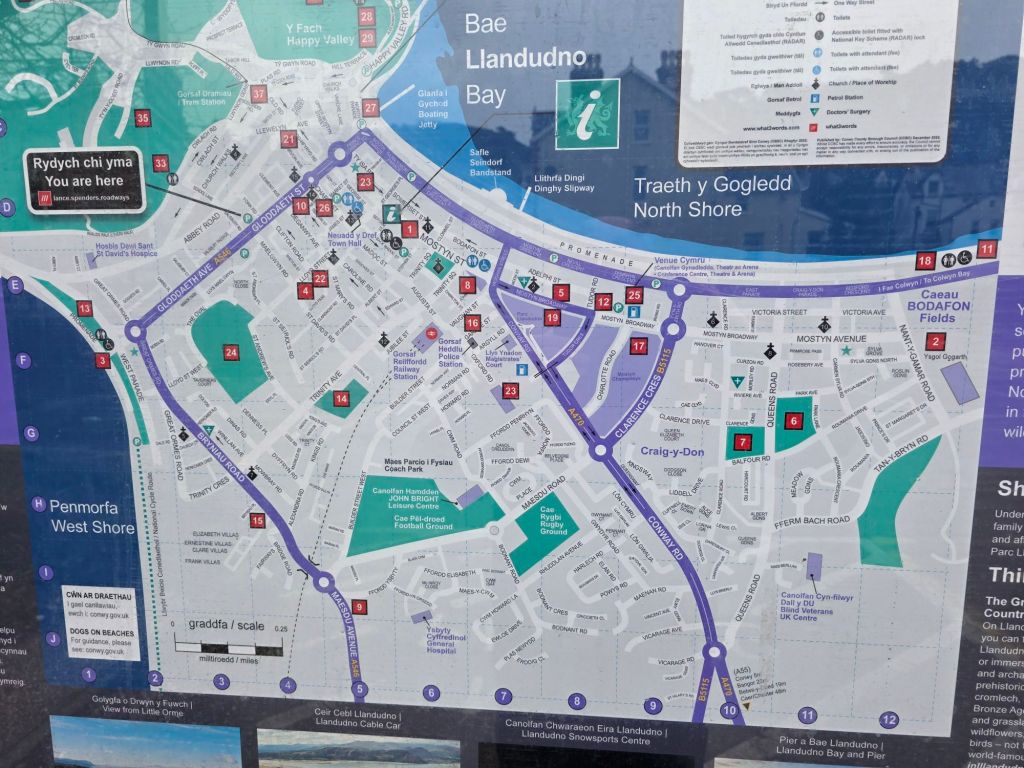
Llandudno, often called the “Queen of the Welsh Watering Places,” is a prominent seaside resort on the Creuddyn Peninsula in North Wales. Planned specifically as a mid-Victorian holiday destination, the town is renowned for its well-preserved 19th-century architecture, sweeping promenade, and the towering limestone headland of the Great Orme.
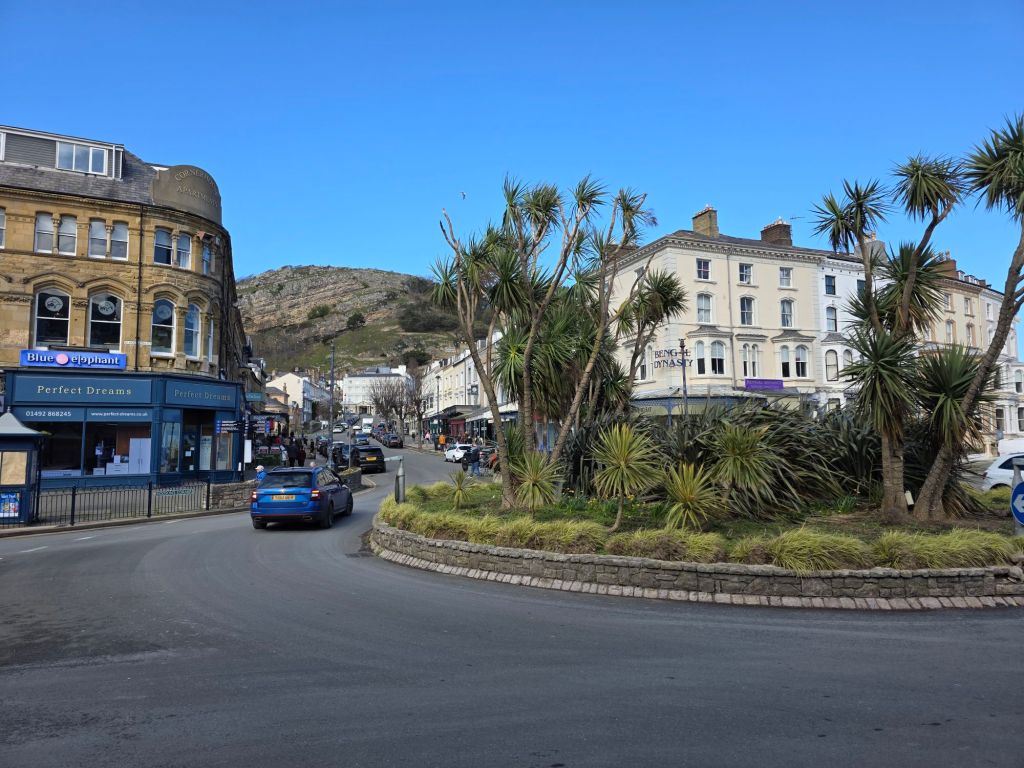
Town Centre, photo taken March 2026
Historical Timeline by Era
Ancient & Medieval (Prehistory – 1800s)
Bronze Age (c. 2000 BCE): Extensive copper mining begins on the Great Orme; these are now recognized as the world’s oldest known copper mines.
6th Century: St Tudno establishes a church on the Great Orme, giving the town its name (“Church of Saint Tudno”).
1284: King Edward I conveys the Manor of Gogarth to the Bishop of Bangor.
Early 1800s: Kashmiri goats are introduced to the Great Orme, later becoming an iconic symbol of the town.
The Victorian Transformation (1840 – 1901)
1840: St George’s Church is built to serve the growing village.
1848: Architect Owen Williams presents development plans to Lord Mostyn to turn the marshlands into a resort.
1858: The railway branch line from Llandudno Junction opens, making the resort accessible to wealthy tourists from Liverpool and Manchester.
1862: The Great Orme Lighthouse is built by the Mersey Docks and Harbour Board.
1877/1878: The Llandudno Pier opens (700 metres long) and the Marine Drive carriage road around the Great Orme is completed.
1887:Happy Valley is gifted to the town by Lord Mostyn for Queen Victoria’s Golden Jubilee.
1890s: A large Jewish community settles in Llandudno, escaping persecution in Eastern Europe.
Modern & Contemporary (1902 – 2026)
1902: The Great Orme Tramway—the UK’s only cable-operated street tramway—opens.
1914–1918 (WWI): Hotels are converted into hospitals; the 1st (North Wales) Brigade is headquartered here.
1940–1945 (WWII): The town hosts the Coast Artillery School and becomes a haven for those escaping the London Blitz.
1956: The electric tramway service to Colwyn Bay closes.
1963:The Beatles perform in Llandudno; the Welsh National Eisteddfod is held in Happy Valley.
1986: The first Llandudno Victorian Extravaganza is held to celebrate the town’s heritage.
1994/2006: The North Wales Theatre opens, later expanded and renamed Venue Cymru.
2017: A new lifeboat station is completed on the North Shore.
2022: Llandudno officially twins with Champéry, Switzerland.
2023–2026: Venue Cymru becomes the permanent home for the Welsh Open snooker tournament (February).
2026 (Scheduled):
February: Nick Beer 10K (Feb 15) and Welsh Open Snooker (Feb 23–Mar 1).
May: Victorian Extravaganza and Transport Festival (May 2–4).
June: Llandudno Triathlon & Duathlon (Jun 28).
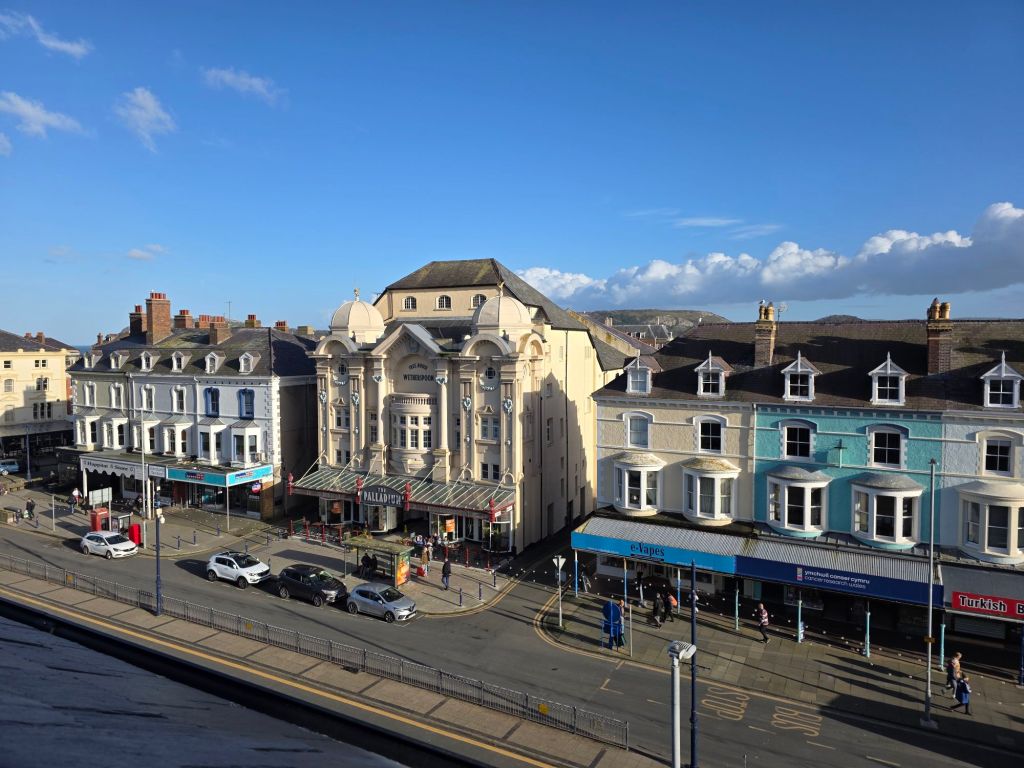
Wetherspoon pub reopens on 22nd August 2001 – photo as of March 2026
The Palladium in Llandudno, a Grade II listed building, was transformed into a JD Wetherspoon pub in 2001. The following timeline outlines its history from its origins as a grand theatre to its current use.
The Palladium Timeline
1920: The Palladium Theatre opens on the site of the former 1894 Market Hall. Designed by Arthur Hewitt, it originally featured 1,500 seats across three levels: stalls, dress circle, and balcony.
1972: The building is subdivided for multi-purpose use. Bingo is introduced in the former stalls area, while a 600-seat cinema occupies the circle area.
1999: The venue, then owned by Apollo Leisure, officially closes on 8th September.
2000: The building is purchased by JD Wetherspoon for conversion into a pub.
2001: Following a restoration project that returns the auditorium to a single open space, the Wetherspoon pub reopens on 22nd August – see picture above taken March 2026.
2012–2013: A significant restoration of the exterior is completed to maintain the building’s historic facade.
2024–2025: Wetherspoon invests approximately £1 million in a major refurbishment, focusing on the preservation and restoration of the heritage ceiling and the proscenium arch.
Visiting The Palladium
Location: Gloddaeth St, Llandudno LL30 2DD
Type: Wetherspoon Pub in a converted Grade II listed theatre.
Features: Retains original theatrical character including painted ceilings, balcony details, and original seating.
Hours: Generally open from 8:00 am daily, closing at midnight or 1:00 am on weekends.
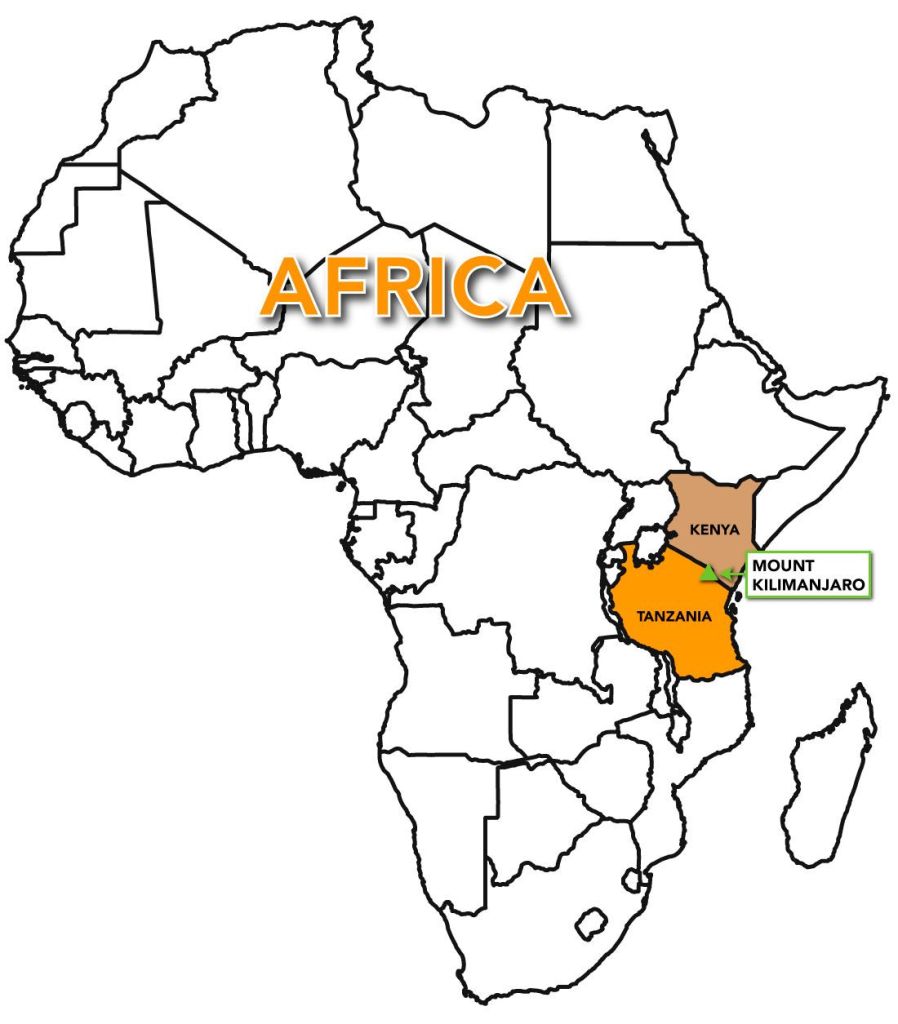
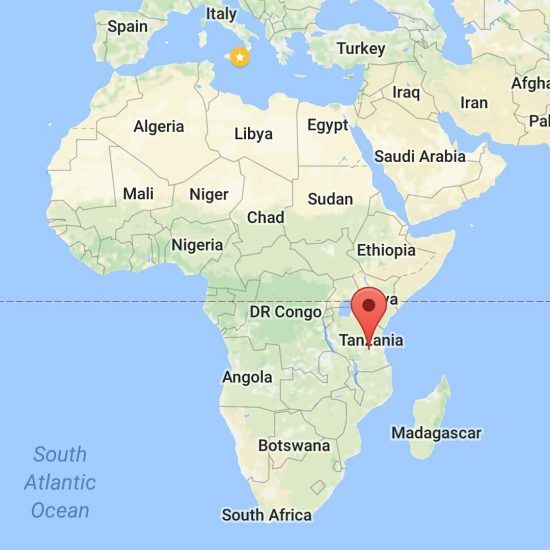
Tectonic Setting: It lies approximately 160 km (100 miles) east of the East African Rift System.
Location of Mount Kilimanjaro
Climbing Mount Kilimanjaro is a journey through five distinct climate zones, and your experience depends heavily on matching your timeline with the mountain’s seasonal rhythms. About 50,000 visitors attempt the summit annually.
Seasonal Visitor & Weather Timeline
The mountain follows a predictable cycle of dry and rainy seasons.
Long Dry Season (June – October): This is the peak visitor period due to the most stable weather and clear skies. July and August are particularly busy, coinciding with Northern Hemisphere holidays.
Short Dry Season (January – March): A popular window with high footfall but slightly quieter than the June–October peak. January and February are often cited as the best months for clear views and warm daytime temperatures.
Shoulder Seasons (March, June, October, November): These transition months offer a balance of moderate crowds and manageable weather. November brings the “short rains,” but trails are significantly emptier.
Rainy Seasons (April – May): The lowest visitor numbers occur during the “long rains”. Trails can be muddy and treacherous, making this suitable only for experienced trekkers seeking absolute solitude.
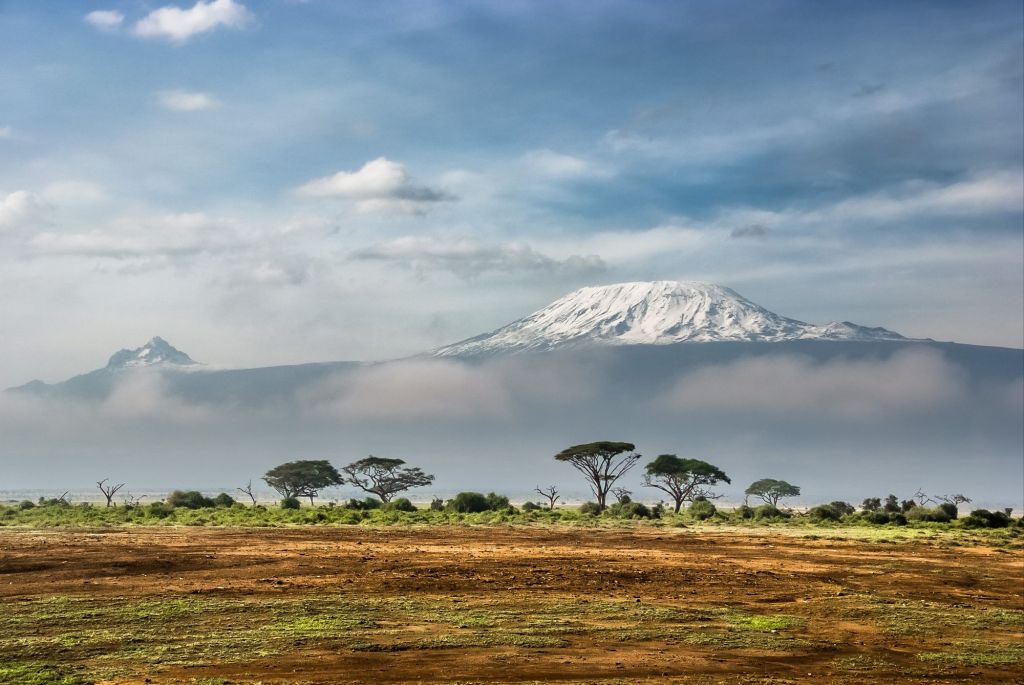
Mount Kilimanjaro
Geological and Ancient History
Kilimanjaro was formed by volcanic activity along the East African Rift.
2.5 Million Years Ago: Volcanic activity begins at the Shira centre.
1 Million Years Ago: Eruptions begin at the Mawenzi and Kibo cones.
360,000 Years Ago: The last major eruption occurred.
150,000–200,000 Years Ago: Final volcanic activity at Kibo created the current summit crater.
1000 BC: Evidence of human cultures on the slopes found via stone tools.
150 AD: Ptolemy of Alexandria makes early references to “lands” near the mountain.
Exploration and Climbing Milestones
The late 19th century marked the beginning of recorded ascents and scientific study.
1889:Hans Meyer and Ludwig Purtscheller become the first recorded people to reach the summit (Uhuru Peak) on 6 October.
1909: Gertrude Benham of London reaches the summit alone.
1926: Pastor Richard Reusch discovers a dead leopard on the crater rim, a finding later immortalised in literature.
1957: The volcano is officially declared dormant.
1961: Tanganyika gains independence; a torch is placed on the summit, and the peak is renamed Uhuru (“Freedom”).
2020s: Tourism reaches over 35,000–50,000 climbers per year, with various routes established for different skill levels.
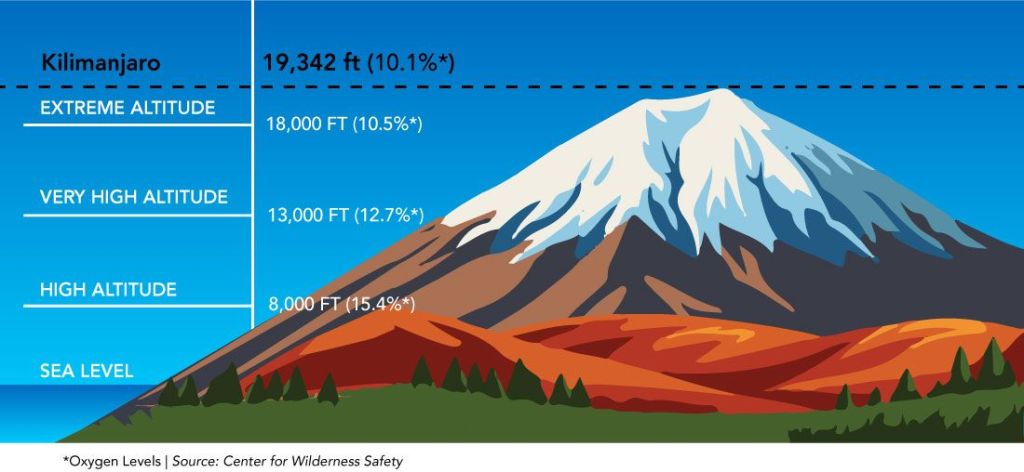
Kilimanjaro Height
Typical Modern Trekking Timelines
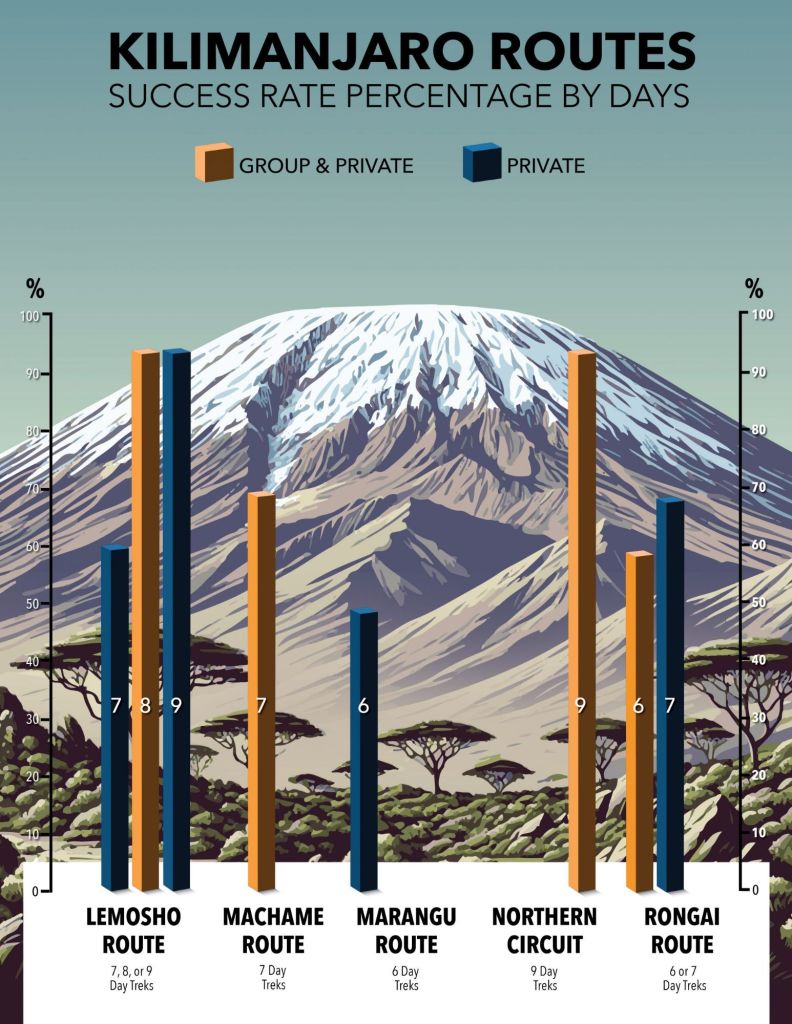
Climbs generally take 5 to 9 days depending on the route chosen to ensure proper acclimatisation.
Route Typical Duration Characteristics
Marangu 5–6 Days The “Coca-Cola” route; sleep in huts.
Machame 6–7 Days Most popular; scenic “Whiskey” route.
Lemosho 7–8 Days High success rate; beautiful scenery.
Northern Circuit 9 Days Longest route; highest summit success rate.
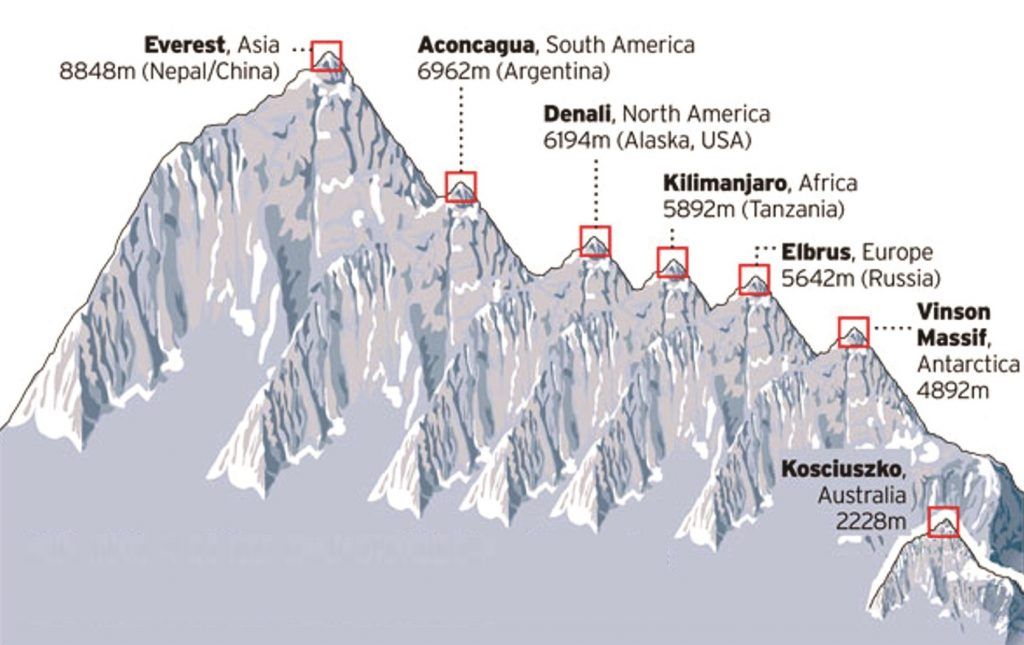
Respective heights for Big 7
Standard Daily Expedition Routine
A typical day on the mountain follows a strict rhythm to manage fatigue and altitude:
06:00 – 07:00: Wake up and breakfast at camp.
08:00: Begin the day’s trek (typically 4–7 hours of walking).
13:00: Hot lunch followed by further trekking or rest.
17:00: Reach next camp; “hike high, sleep low” acclimatisation walks.
23:00 – 00:00 (Summit Night): Final ascent begins in the dark to reach the peak by sunrise.
Kilimanjaro RoutesMount Kilimanjaro location on World Map