Capgemini’s evolution from a small French startup to a global IT leader is marked by strategic mergers and a shift toward high-growth technologies like AI.
Corporate History Timeline
1967: Serge Kampf founded Sogeti in Grenoble, France, focusing on enterprise management and data processing.
1973–1975: Through hostile takeovers and mergers with CAP and Gemini Computer Systems, the group became CAP Gemini Sogeti.
1985–1988: The company was listed on the Paris Stock Exchange (1985) and entered the CAC 40 index (1988).
1996: The name was simplified to Cap Gemini, and a new logo was launched.
2000: Acquired Ernst & Young Consulting for $11 billion, expanding its global reach, especially in North America.
2004: The brand officially became Capgemini to reflect a unified global identity.
2015: Acquired iGate for $4 billion, making North America its largest market.
2019–2021: Acquired Altran (2019), later rebranded as Capgemini Engineering (2021), to dominate the engineering and R&D services sector.
2024–2025: The strategic focus shifted to AI. In July 2025, Capgemini announced a €3.3 billion deal to acquire WNS Global Services to bolster its agentic AI and intelligent operations.
Recruitment & Career Timelines
The hiring process typically follows this path:
Hiring Process: Usually takes a few weeks, involving application screening, multiple interview rounds (technical and HR), and background verification.
Graduate/Mass Hiring: Often conducted via the Superset platform, where status updates like “offered” appear roughly a week after interviews.
Graduate Programme: The Accelerate Programme (UK) spans approximately 21 months, starting with a 3-month business overview followed by 18 months in a specific pathway academy.
The Software Partnership (TSP) was a Runcorn-based software house co-founded by Nigel Walsh in the mid-1980s. Specialising in on-line banking systems for Tandem and UNIX platforms, the company underwent several acquisitions that integrated its technology into global financial services.
Corporate Timeline
Mid-1980s: Founded as The Software Partnership.
1990: Initial operations were based at Wingate Drive in Timperley before moving to Norton House in Crowngate, Runcorn.
1992: Relocated to Wingate House on Northway, Runcorn.
1994: Acquired by the American firm Deluxe Electronic Payment Systems (a subsidiary of Deluxe Corporation).
2000: The company transitioned to EFD eFunds.
2007: Became part of Fidelity National Information Services (FIS), eventually moving operations to Daresbury Park in Warrington.
Key Products
The company’s primary legacy is the development of sp/ARCHITECT-BANK, a software suite designed for secure card management and electronic transaction processing. This technology became a foundational component for the secure payment systems later managed by Deluxe Data and FIS.
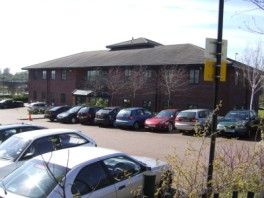
The Software Partnership, Norton House, Crowngate, Runcorn, CheshireThe Software Partnership (TSP) was a Runcorn-based software houseDeluxe Data International Operations, Wingate House, Northway
Insider Technologies Limited is a UK-based software and services company founded in 1989 that specialises in 24×7 mission-critical systems, primarily for the financial, government, and defence sectors.
Key Historical Timeline
1989: Foundation. The company was incorporated on 27 February 1989. It was established in Manchester, England, by IT industry veterans.
1995–2013: Growth & Partnerships.
Became a significant HP Partner, developing solutions for the HP NonStop platform (formerly Tandem Computers).
Expanded its client base to include major institutions such as the Bank of England, Royal Bank of Scotland, and Euroclear.
2002: Training Platform Launch. Founded its interactive systems training platform, which eventually utilised its patented Cloning Technology.
2015: Leadership Transition. In October 2015, there was a major change in the board with the termination of appointments for directors Paul Cashmore, Richard Launder, and Anthony Mowatt, and the appointment of Andrew Donald Hall as a director.
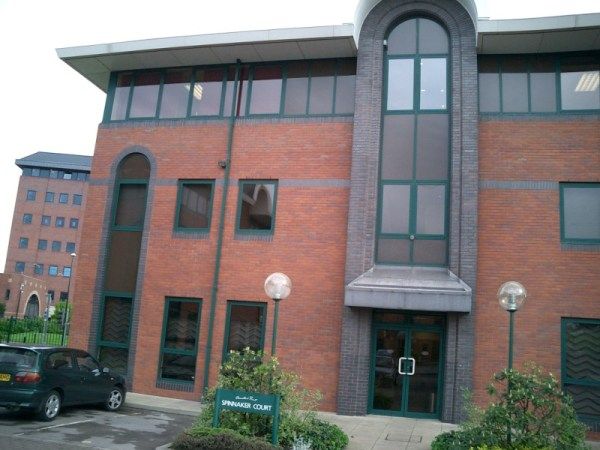
2016–2017: Relocation. The company moved its registered office to 4th Floor, 2 City Approach in Eccles, Manchester, where it remains today.
2019: 30th Anniversary. Celebrated 30 years of operations, highlighting its long-term stability in the NonStop business technology community.
2020–2021: Recent Restructuring. Transitioned its ownership structure under Insider Technologies (Holdings) Limited.
2025: Current Status.
Now operates as part of the PartnerOne group, a global family of mission-critical software companies.
Continues as a Microsoft Gold Partner for Application Development.
Recent board changes include the appointment of Andrew Donald Hall and Jonathan Dionne as directors in late 2025.
Core Product Evolution
Reflex & MultiBatch: Software for business-critical 24×7 systems.
Sentra & RTLX Reactor: Monitoring and tracking products for Windows, Linux, and Unix platforms.
Mission-Critical Support: Provides 24×7 technical support for high-stakes payment and messaging systems.
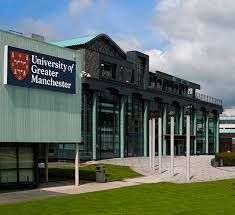
The institution now known as the University of Greater Manchester (formerly the University of Bolton) has a history spanning over 200 years. Below is the timeline of its evolution from a local mechanics’ institute to a modern university.
1892: The new Bolton Technical School opens to accommodate growing student numbers.
1926: The Technical School is expanded and renamed Bolton Technical College.
1952: A major new building for the Technical College opens on Manchester Road.
The “Bolton Institute” Era (1964–2003)
1964: The technical college separates to establish the Bolton Institute of Technology (BIT).
1970: New facilities on Deane Road are inaugurated by Princess Margaret.
1982: A merger with the Bolton College of Education (Technical) creates the Bolton Institute of Higher Education (BIHE).
1991–1995: The institute expands its capabilities, gaining the authority to confer both taught and research degrees.
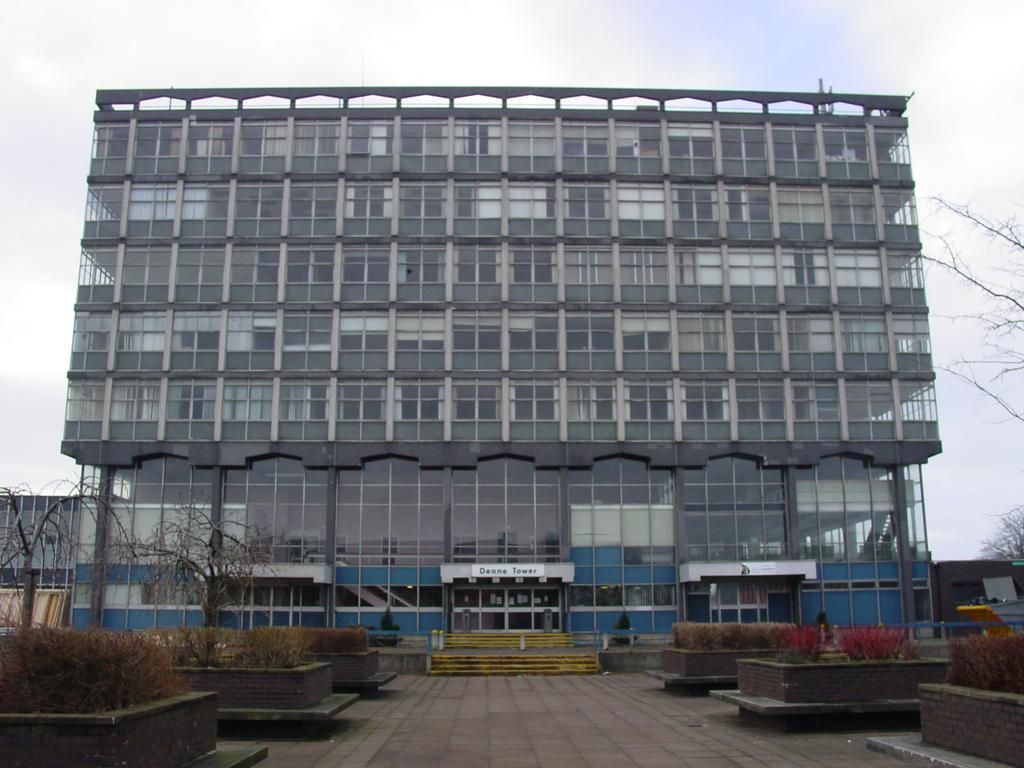
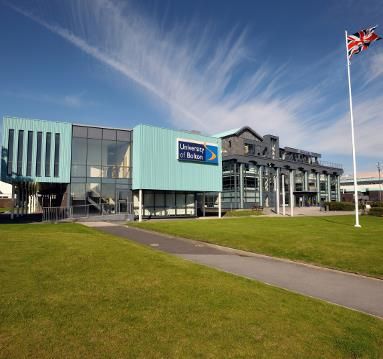
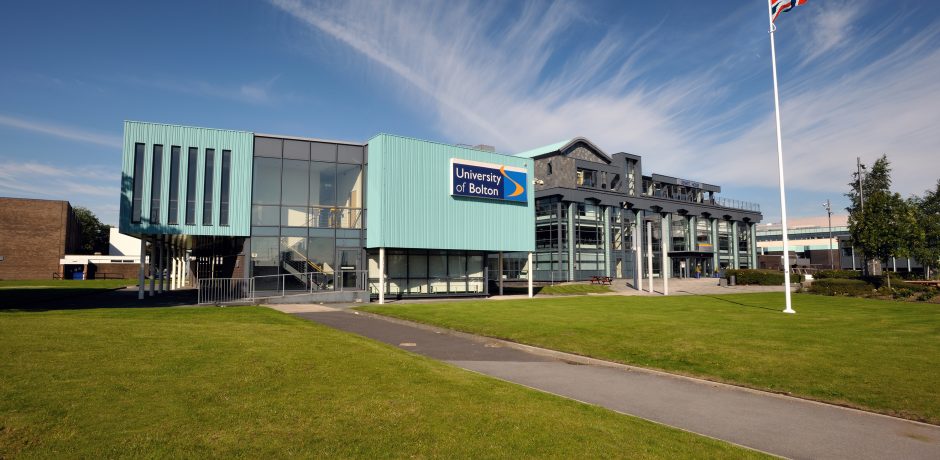
Bolton Institute of Higher Education (BIHE) before the rebuild to the university building below.
University Status and Recent History (2004–Present)
2004: BIHE achieves university status, becoming the University of Bolton.
2005–2010: Significant leadership changes occur, including the appointment of Professor George E. Holmes as Vice-Chancellor and Baroness Morris of Bolton as the first Chancellor.
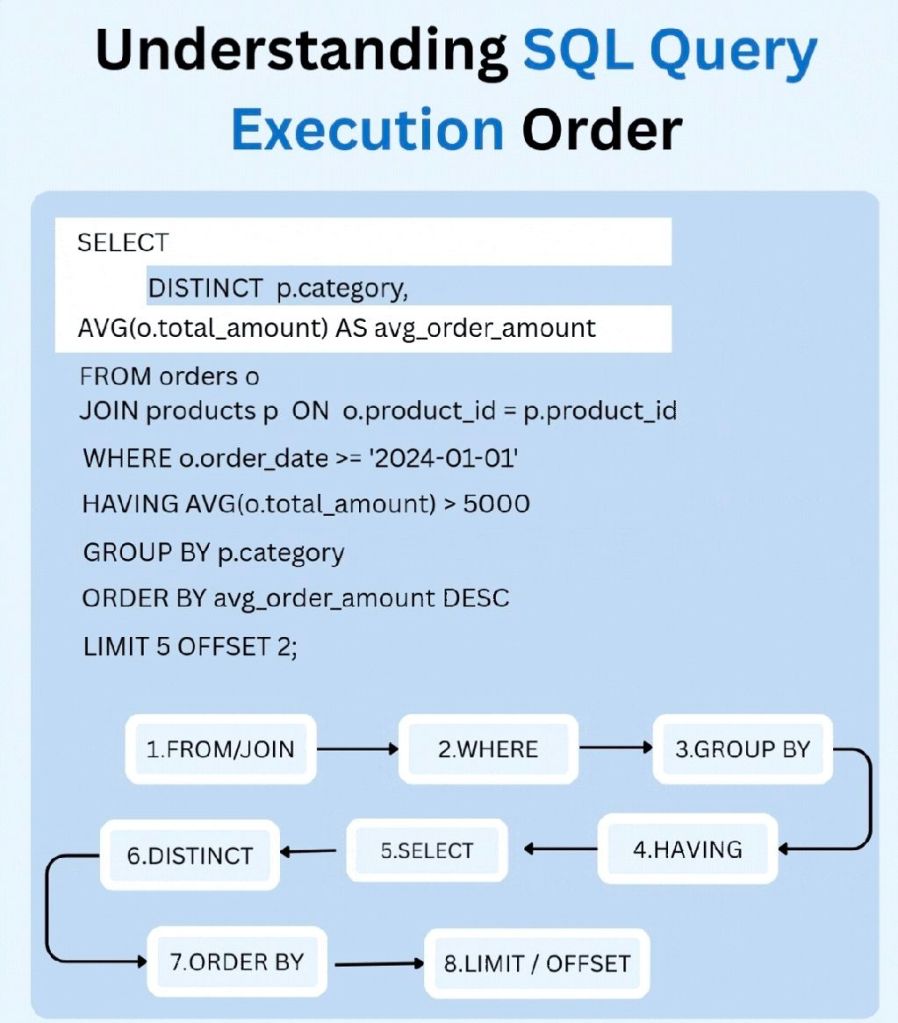
My final year project consisted of an ORACLE SQL-forms designed GUI interface running under an MS-DOS operating system. The GUI interface provided insert, update, delete and transaction rollback facilities for recording information about students attending courses at BIHE, along with their module assignment and exam result details. The student data was held in an ORACLE SQL database set-up on a PC local to the application.
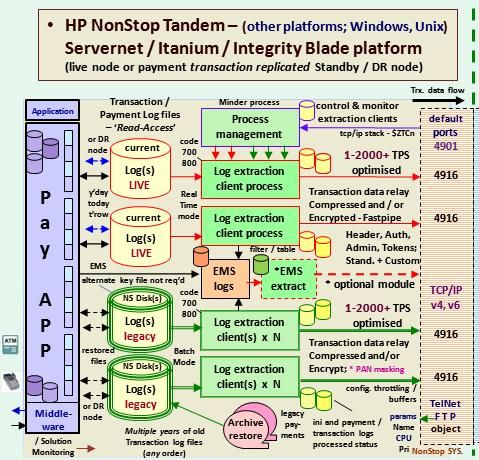
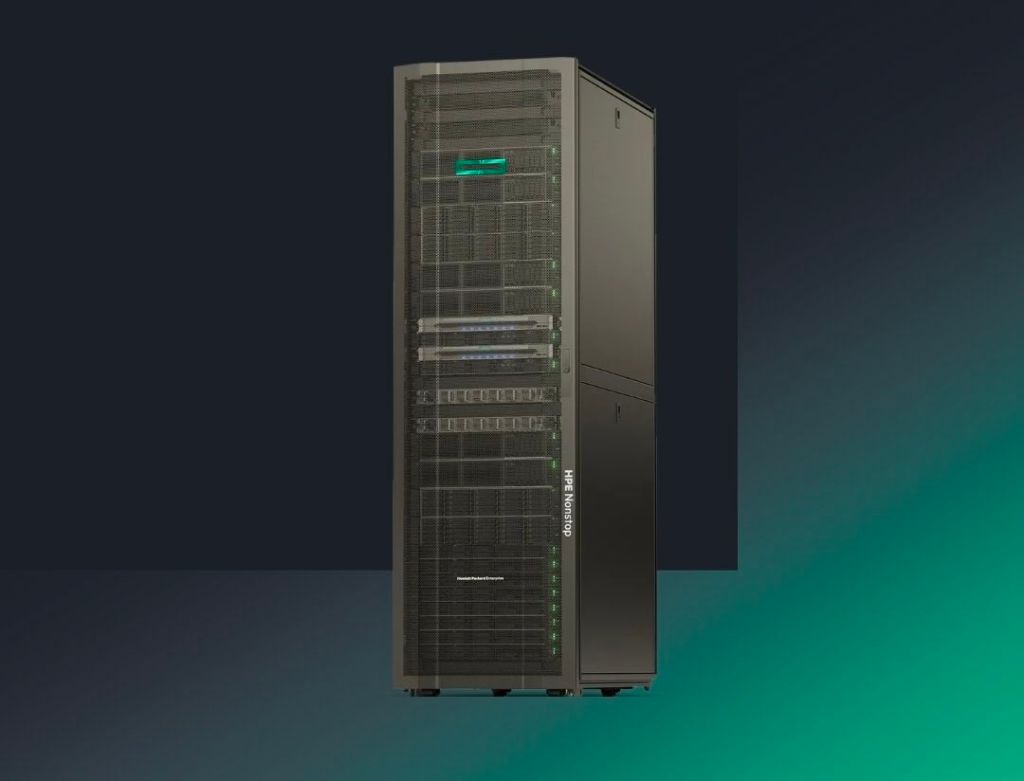
HPE NonStop (formerly Tandem) represents a line of fault-tolerant, high-availability servers designed for 24/7, zero-downtime operations. Originally created by Tandem Computers in 1974, the architecture is now owned by Hewlett Packard Enterprise (HPE) and supports mission-critical workloads like banking and finance.
Key Aspects of HPE NonStop (Tandem):
Continuous Availability: Designed to eliminate single points of failure with 100% fault tolerance.
Architecture: Initially used a proprietary Tandem T/16 design; modern systems are based on HPE Integrity/x86 architectures.
Operating System: Traditionally runs the Guardian OS, which handles the system’s specialized, continuous processing capabilities.
Evolution: Founded by James Treybig in 1974, Tandem was acquired by Compaq in 1997, which then merged with HP in 2002.
Applications: Ideal for transactional applications requiring strict data integrity and real-time processing.
Modern Platforms: Current systems include HPE NonStop Compute NS9 X5 and NS5 X5.
The systems are still widely used today for mission-critical applications that cannot afford to be offline.
HPE NonStop (formerly Tandem) represents a line of fault-tolerant, high-availability servers.