Download Templates for Project Management | FREE Upgrades & Additions
Author: Mark Whitfield
Welcome to my site!
After graduating in Computing in 1990, I accepted a position as a programmer at a Runcorn based software house specialising in electronic banking software, namely sp/ARCHITECT-BANK on Tandem Computers (now HPE NonStop). This was before the internet became more prevalent and so the notion of enabling desktop access to company accounts for inter-account transfers and book keeping was still quite a cutting edge idea (and smartphones only ever hinted at in Space 1999). The company was called The Software Partnership (which was taken over by Deluxe Data in 1994).
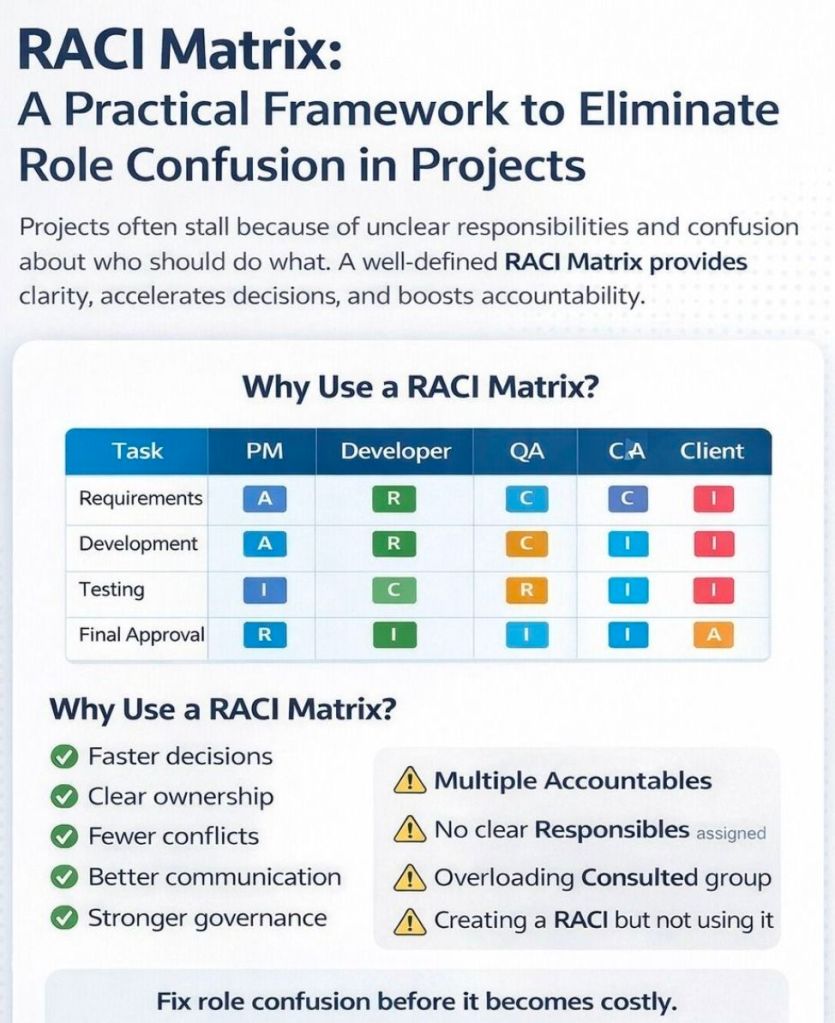
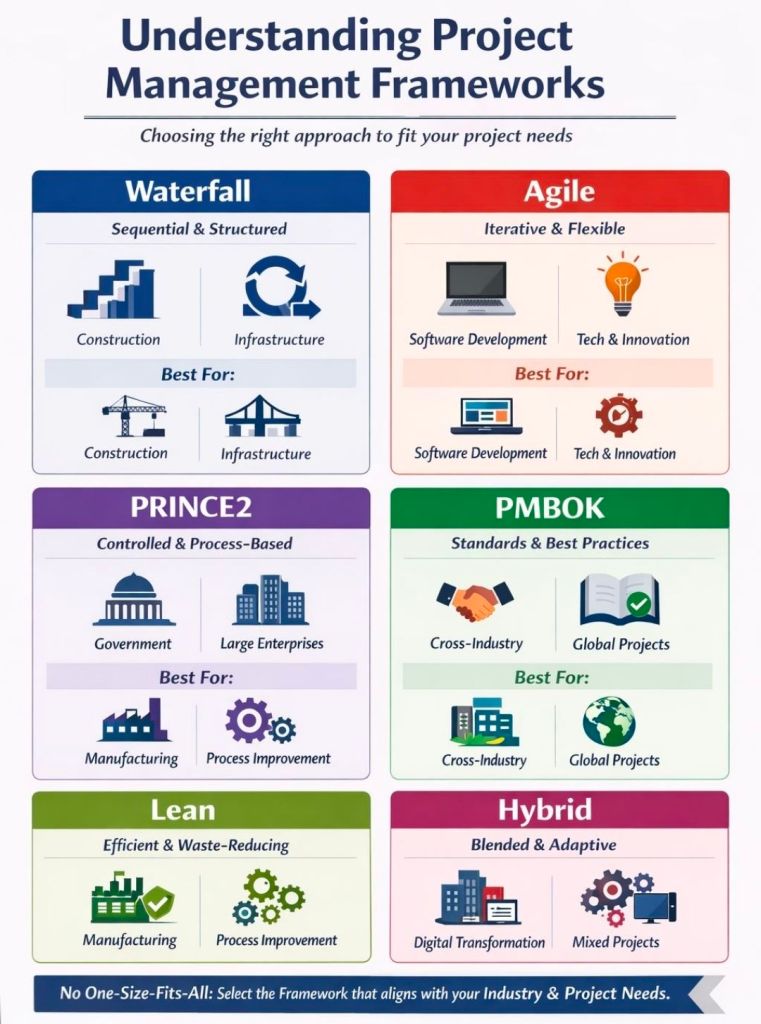
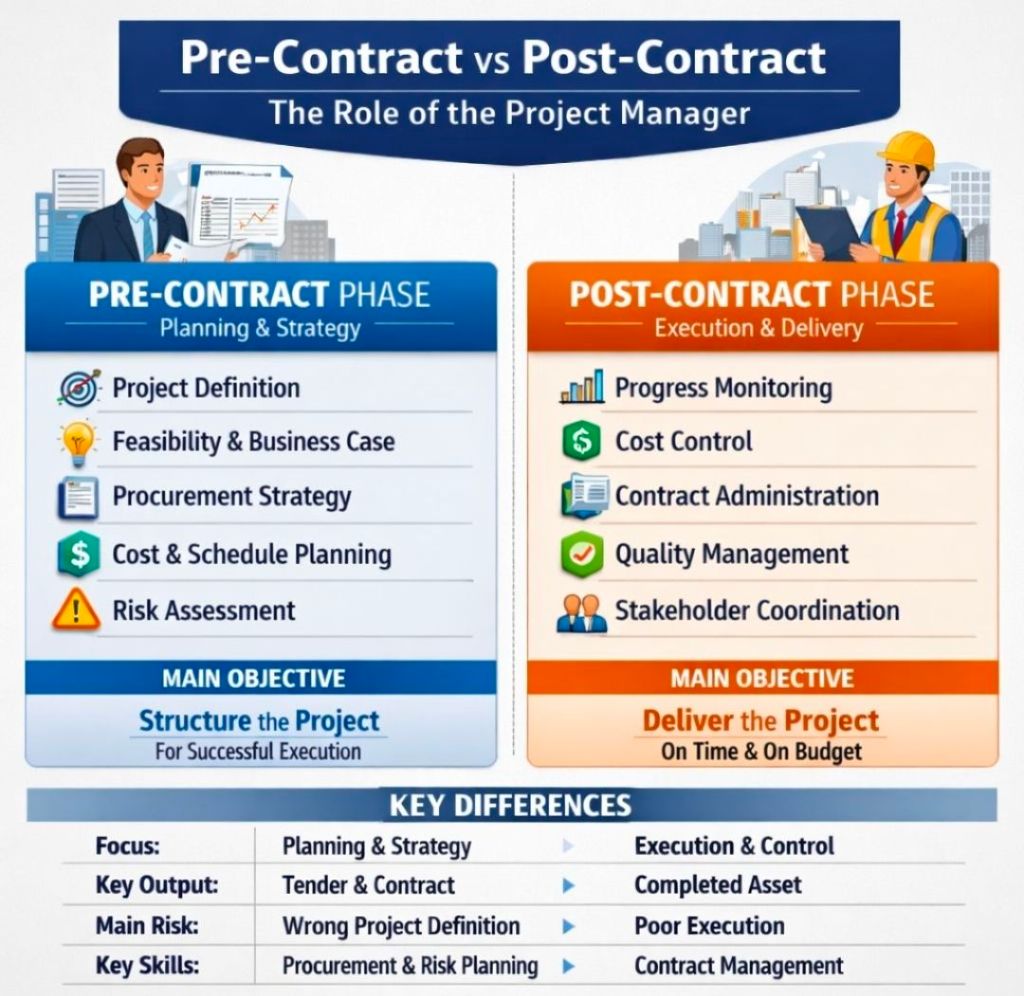
I spent 5 years in Runcorn developing code for SP/ARCHITECT for various banks like TSB, Bank of Scotland, Rabobank and Girofon (Denmark) to name but a few. I then moved onto a software house in Salford Quays for further bank facing projects. After a further 23 years in the IT industry and now a Senior IT Project Manager (both Agile and Waterfall delivery), I thought I would echo out my Career Profile in this corner of the internet for quick and easy access.
Tectonic Setting: It lies approximately 160 km (100 miles) east of the East African Rift System.
Location of Mount Kilimanjaro
Climbing Mount Kilimanjaro is a journey through five distinct climate zones, and your experience depends heavily on matching your timeline with the mountain’s seasonal rhythms. About 50,000 visitors attempt the summit annually.
Seasonal Visitor & Weather Timeline
The mountain follows a predictable cycle of dry and rainy seasons.
Long Dry Season (June – October): This is the peak visitor period due to the most stable weather and clear skies. July and August are particularly busy, coinciding with Northern Hemisphere holidays.
Short Dry Season (January – March): A popular window with high footfall but slightly quieter than the June–October peak. January and February are often cited as the best months for clear views and warm daytime temperatures.
Shoulder Seasons (March, June, October, November): These transition months offer a balance of moderate crowds and manageable weather. November brings the “short rains,” but trails are significantly emptier.
Rainy Seasons (April – May): The lowest visitor numbers occur during the “long rains”. Trails can be muddy and treacherous, making this suitable only for experienced trekkers seeking absolute solitude.
Mount Kilimanjaro
Geological and Ancient History
Kilimanjaro was formed by volcanic activity along the East African Rift.
2.5 Million Years Ago: Volcanic activity begins at the Shira centre.
1 Million Years Ago: Eruptions begin at the Mawenzi and Kibo cones.
360,000 Years Ago: The last major eruption occurred.
150,000–200,000 Years Ago: Final volcanic activity at Kibo created the current summit crater.
1000 BC: Evidence of human cultures on the slopes found via stone tools.
150 AD: Ptolemy of Alexandria makes early references to “lands” near the mountain.
Exploration and Climbing Milestones
The late 19th century marked the beginning of recorded ascents and scientific study.
1889:Hans Meyer and Ludwig Purtscheller become the first recorded people to reach the summit (Uhuru Peak) on 6 October.
1909: Gertrude Benham of London reaches the summit alone.
1926: Pastor Richard Reusch discovers a dead leopard on the crater rim, a finding later immortalised in literature.
1957: The volcano is officially declared dormant.
1961: Tanganyika gains independence; a torch is placed on the summit, and the peak is renamed Uhuru (“Freedom”).
2020s: Tourism reaches over 35,000–50,000 climbers per year, with various routes established for different skill levels.
Kilimanjaro Height
Typical Modern Trekking Timelines
Climbs generally take 5 to 9 days depending on the route chosen to ensure proper acclimatisation.
Route Typical Duration Characteristics
Marangu 5–6 Days The “Coca-Cola” route; sleep in huts.
Machame 6–7 Days Most popular; scenic “Whiskey” route.
Lemosho 7–8 Days High success rate; beautiful scenery.
Northern Circuit 9 Days Longest route; highest summit success rate.
Respective heights for Big 7
Standard Daily Expedition Routine
A typical day on the mountain follows a strict rhythm to manage fatigue and altitude:
06:00 – 07:00: Wake up and breakfast at camp.
08:00: Begin the day’s trek (typically 4–7 hours of walking).
13:00: Hot lunch followed by further trekking or rest.
17:00: Reach next camp; “hike high, sleep low” acclimatisation walks.
23:00 – 00:00 (Summit Night): Final ascent begins in the dark to reach the peak by sunrise.
Kilimanjaro RoutesMount Kilimanjaro location on World Map
The evolution of C++ on HPE NonStop systems traces the platform’s transition from proprietary Tandem architectures to modern x86-64 standards.
HPE NonStop C++ Evolution Timeline
Early 1990s: Introduction of Native C/C++ (TNS/R) With the move to MIPS-based TNS/R architecture, Tandem introduced native C and C++ compilers. These supported the Guardian and the then-new Open System Services (OSS) personalities.
2005: Itanium Transition (TNS/E) As the platform migrated to Intel Itanium processors (J-Series), the C++ compiler was updated to support the TNS/E (Tandem Native Stack / EPOC) architecture. This era introduced more robust Standard C++ Library support, though it required specific header management (e.g., CPATHEQ pragmas).
2015: x86 Migration (TNS/X) The launch of NonStop X (L-Series) on Intel x86-64 marked a major shift. The compiler suite was re-engineered to leverage the x86-64 Instruction Set Architecture, providing significantly higher performance for C++ applications.
2017: 64-Bit Addressing Support HPE introduced comprehensive 64-bit support for OSS processes (LP64 data model). This allowed C++ applications to access massive memory heaps beyond the previous 32-bit (ILP32) limits.
2020–2022: Modern C++ Standards (C++11/14/17) HPE updated its toolchains to support modern language standards. The NonStop Development Environment for Eclipse (NSDEE) 13.x versions specifically introduced a dedicated UI for setting the C++17 Language Standard.
2024: Kernel-Level Threading (KLT) The release of the L25.09 RVU brought Kernel-Level Threading to native C++ applications. This allowed C++ threads to execute concurrently across different IPUs, moving beyond the older POSIX User Threads (PUT) model.
2025: Cloud-Native Development HPE now offers the HPE NonStop Development Environment (NSDevEnv) in the public cloud, allowing developers to build fault-tolerant C++ applications using a cross-compiler model without on-premise hardware.
HPE NonStop Pathway (now often part of NonStop TS/MP) has a legacy spanning nearly five decades, evolving from a terminal management system into a sophisticated middleware for high-scale, fault-tolerant Online Transaction Processing (OLTP).
Comprehensive Evolution Timeline
1976: Genesis (Tandem Computers) The HP NonStop platform was originally introduced by Tandem Computers Inc. as the first fault-tolerant commercial computer. Pathway was soon developed to manage the distribution of transaction requests across multiple server processes.
1980s: The Classic Pathway Era Pathway became the standard for “Screen COBOL” applications. It introduced the PATHMON process to monitor and manage serverclasses, ensuring that if one process failed, another would immediately take its place.
1997: Compaq Acquisition Compaq acquired Tandem, integrating the NonStop technology into its enterprise portfolio. During this time, Pathway began adapting to newer networking protocols and client-server architectures.
2002: Hewlett-Packard (HP) Acquisition HP merged with Compaq, and the platform was rebranded as HP NonStop. Pathway evolved into NonStop TS/MP (Transaction Services/Massive Parallelism), allowing for even greater scalability across massive clusters of processors.
2014–2015: The x86 Revolution HP announced the NonStop X architecture, moving the platform from Itanium processors to standard Intel x86 hardware. Pathway (TS/MP) was optimized to run on this new architecture, providing the same high availability with modern hardware performance.
2015–Present: HPE and Modern Middleware Following the split of HP, Hewlett Packard Enterprise (HPE) continued developing Pathway. Modern versions (like NonStop TS/MP 2.8) support advanced features like:
Dynamic Server Processes: Automatically scaling server instances based on load.
Heterogeneous Interoperability: Allowing TUXEDO or Java clients to access Pathway servers.
Virtualization: Deployment via HPE NonStop Virtual Enterprise (vNS).
Core Components Over Time
PATHMON: The “manager” process that monitors all objects in the environment.
PATHCOM: The command-line interface used to configure and start Pathway objects.
Tandem Advanced Command Language (TACL) is the interpreted, high-level command and programming language for HPE NonStop (formerly Tandem) systems. Its timeline follows the evolution of Tandem hardware and the Guardian operating system.
Comprehensive TACL Timeline
1974–1976: Foundation of Tandem
Tandem Computers Inc. was founded. The initial operating system, Guardian, was designed for fault-tolerant computing.
Late 1970s: Initial Release
TACL was introduced in the 1970s as the primary command interface, replacing or augmenting earlier, more primitive command interpreters. It was written in TAL (Tandem Application Language).
1980s: Mature Programming Capabilities
TACL evolved from a simple shell into a powerful programming language. Key features like Macros, Routines, and Variables (TEXT, ALIAS, STRUCT) were solidified during this era to automate complex system tasks.
1994: D-Series (D30.00) Release
A significant update was documented in the TACL Programming Guide for D30.00, which detailed advanced features like Nowait I/O, Pathway Server integration, and SPI/EMS programmatic interfaces.
1997–2000s: Corporate Transitions (Compaq & HP)
1997: Compaq acquired Tandem.
2002: HP merged with Compaq, and TACL development continued under the HP NonStop banner.
2000: Updated reference manuals detailed TACL’s environment customization and the use of the _EXECUTE variable for program flow.
2010s: H-Series and HPE Era
2013: Comprehensive Reference Manuals were released, refining built-in functions for the H-Series architecture.
2015: Hewlett Packard Enterprise (HPE) was formed. TACL is now maintained as part of the HPE NonStop software stack.
Current: Legacy & Automation
TACL remains the essential tool for administrative tasks and system-level automation on modern HPE NonStop X (x86) platforms.