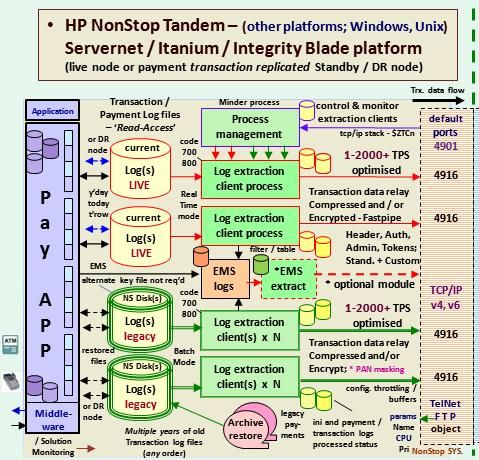
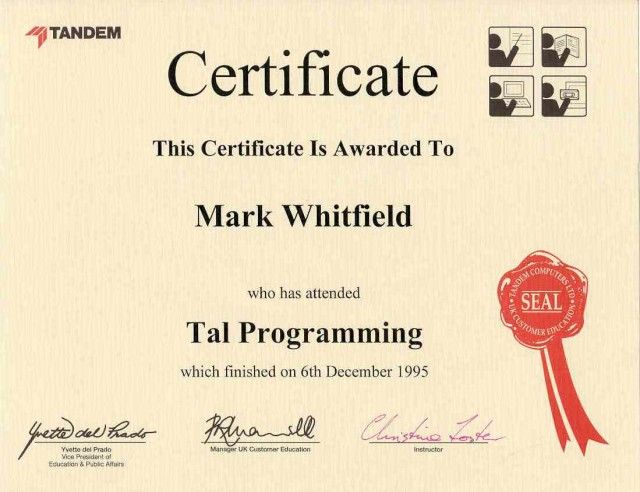
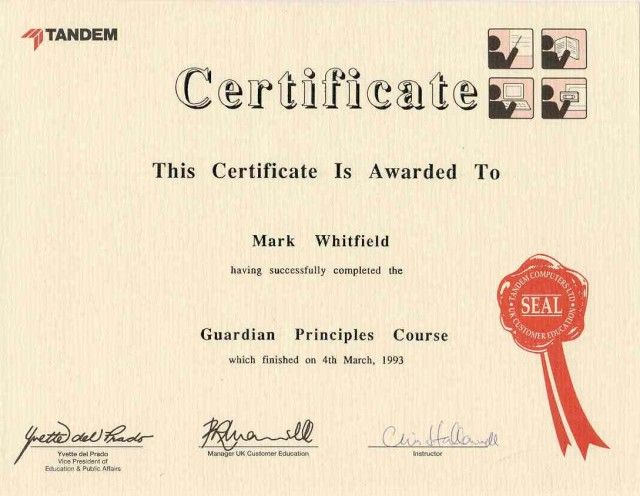
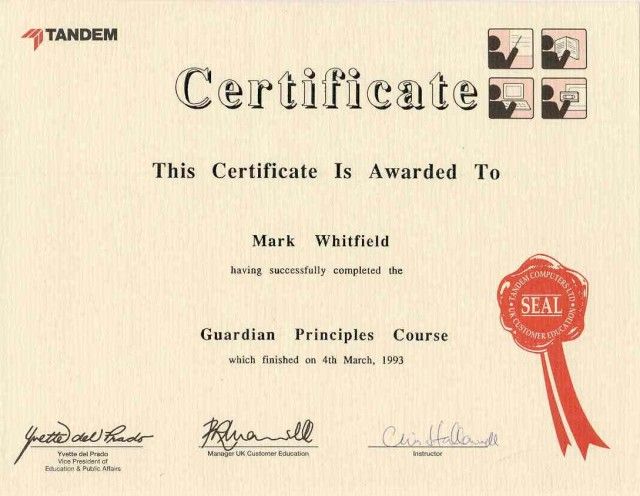
HPE NonStop (formerly Tandem) represents a line of fault-tolerant, high-availability servers designed for 24/7, zero-downtime operations. Originally created by Tandem Computers in 1974, the architecture is now owned by Hewlett Packard Enterprise (HPE) and supports mission-critical workloads like banking and finance.
Key Aspects of HPE NonStop (Tandem):
Continuous Availability: Designed to eliminate single points of failure with 100% fault tolerance.
Architecture: Initially used a proprietary Tandem T/16 design; modern systems are based on HPE Integrity/x86 architectures.
Operating System: Traditionally runs the Guardian OS, which handles the system’s specialized, continuous processing capabilities.
Evolution: Founded by James Treybig in 1974, Tandem was acquired by Compaq in 1997, which then merged with HP in 2002.
Applications: Ideal for transactional applications requiring strict data integrity and real-time processing.
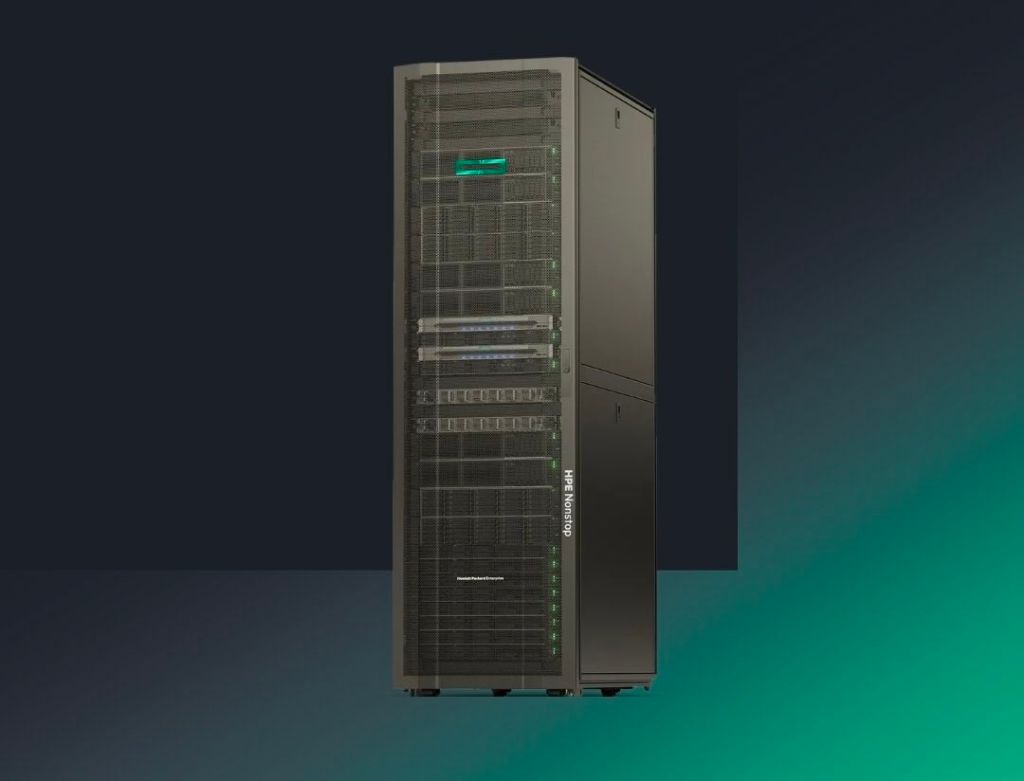
Modern Platforms: Current systems include HPE NonStop Compute NS9 X5 and NS5 X5.
The systems are still widely used today for mission-critical applications that cannot afford to be offline.
HPE NonStop (formerly Tandem) represents a line of fault-tolerant, high-availability servers.
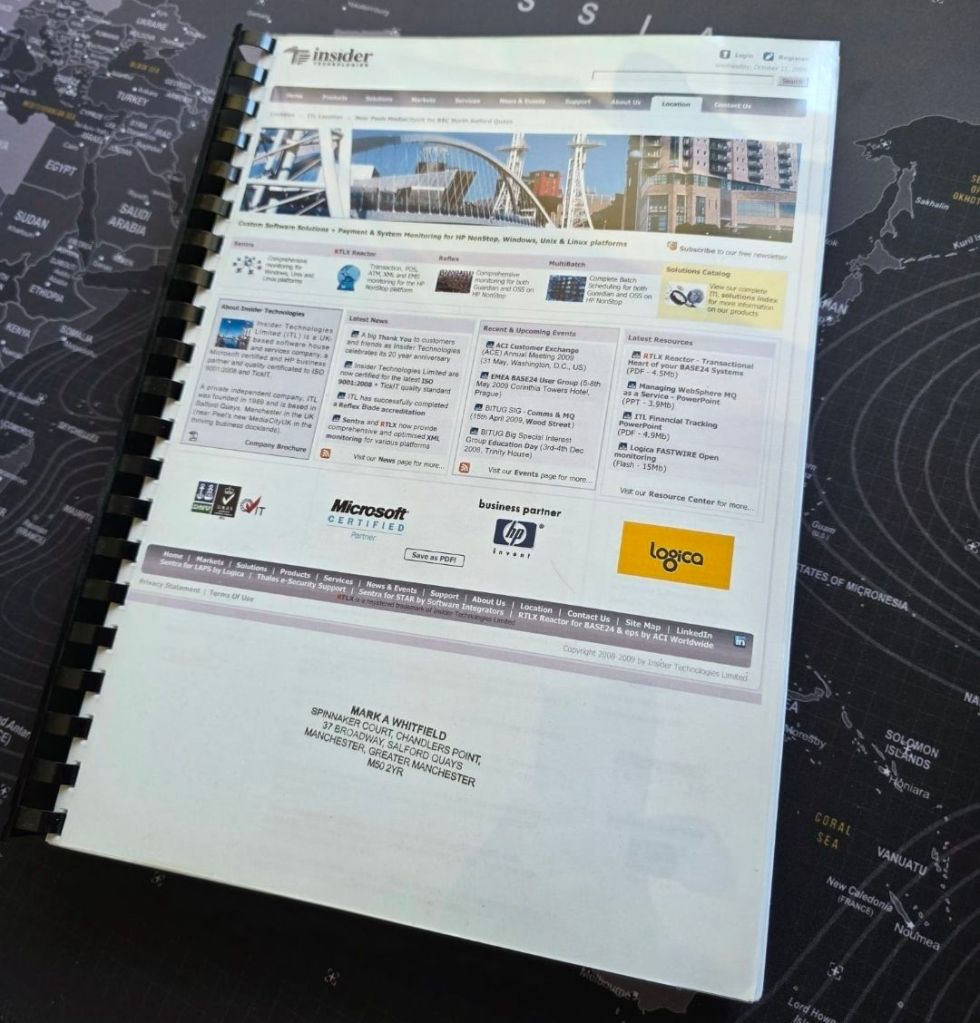
Company Website – Open Content Management Framework, DotNetNuke
In the early part of the millenium, ITL requested that I design and author a new company website using the Open Content Management framework, DotNetNuke. This is a Visual Basic .NET Microsoft SQL database driven technology that enables website updates from any location with internet browser access.
As part of this exercise, website prominence was a key driver along with a more professional, corporate look-and-feel. The website is an ongoing programme of work that takes up a few hours a week of my time in taking it forward. I have attended 2 gbdirect (iTrain) website courses in this regard; ‘Writing for the Web’ and ‘Website Prominence and Visibility’. More information.
The HP NonStop (originally Tandem) timeline spans over 50 years of evolution in fault-tolerant computing, beginning with the vision of James Treybig and transitioning through several major corporate owners.