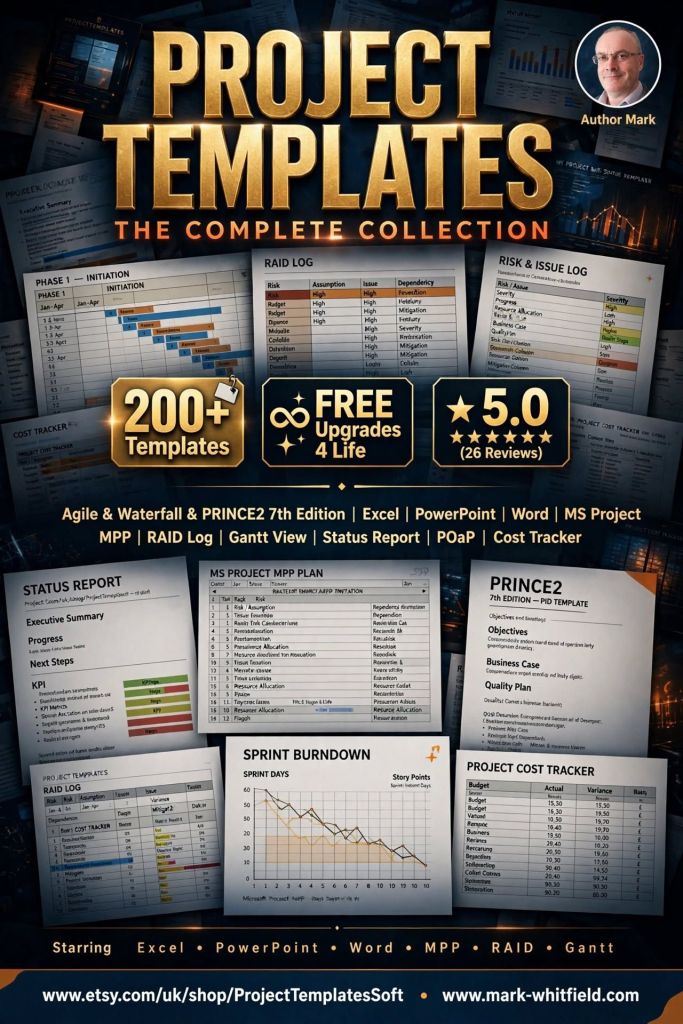
Senior IT Project Manager Mark Whitfield sells his extensive, battle-tested framework toolkits on Etsy via his official shop, ProjectTemplatesSoft and also on this website.
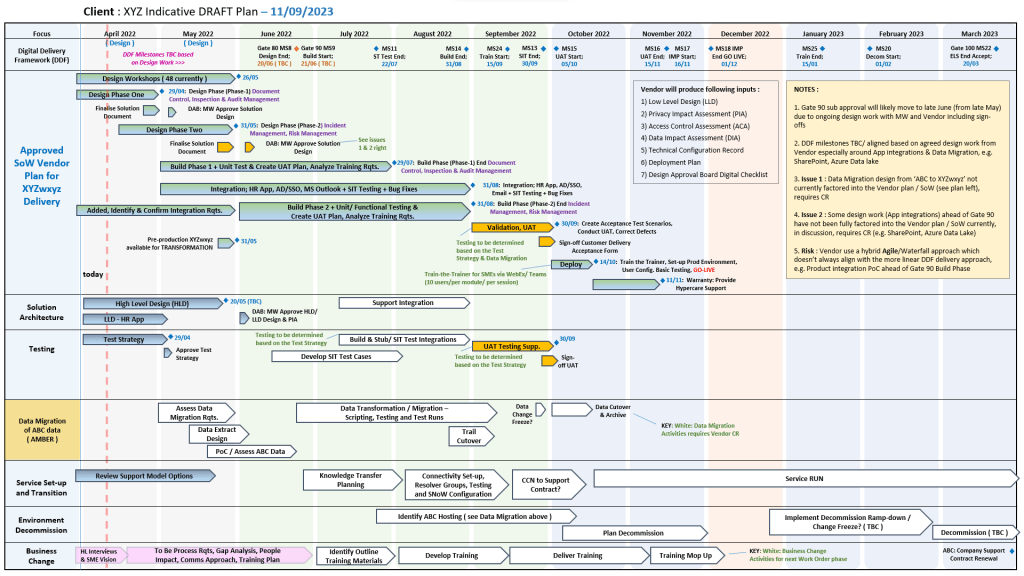
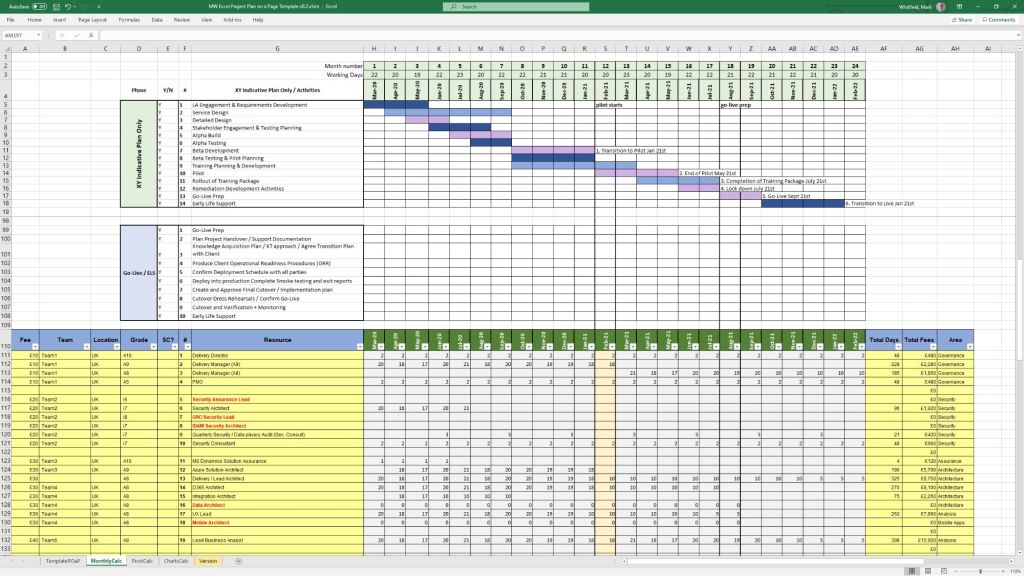
Plan On a Page POAP example
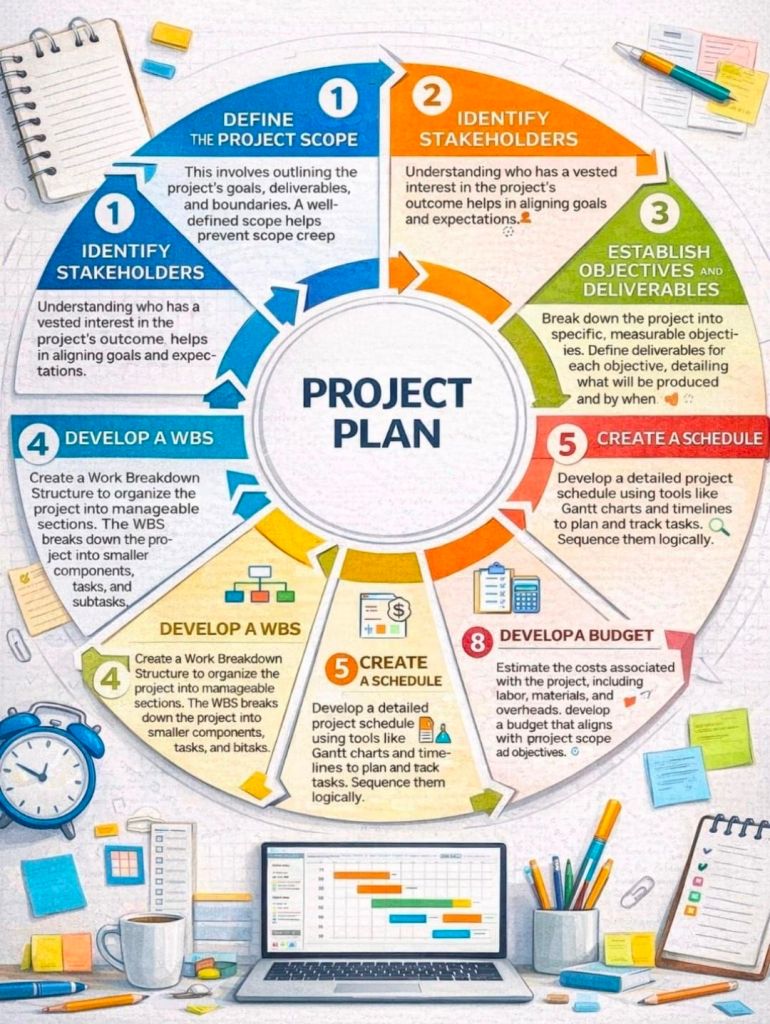
With over 30 years of Software Development Lifecycle (SDLC) experience, his kits are explicitly broken down across Agile (Scrum), Waterfall (PRINCE2), and hybrid project delivery frameworks.
Mark Whitfield | Senior Project Manager
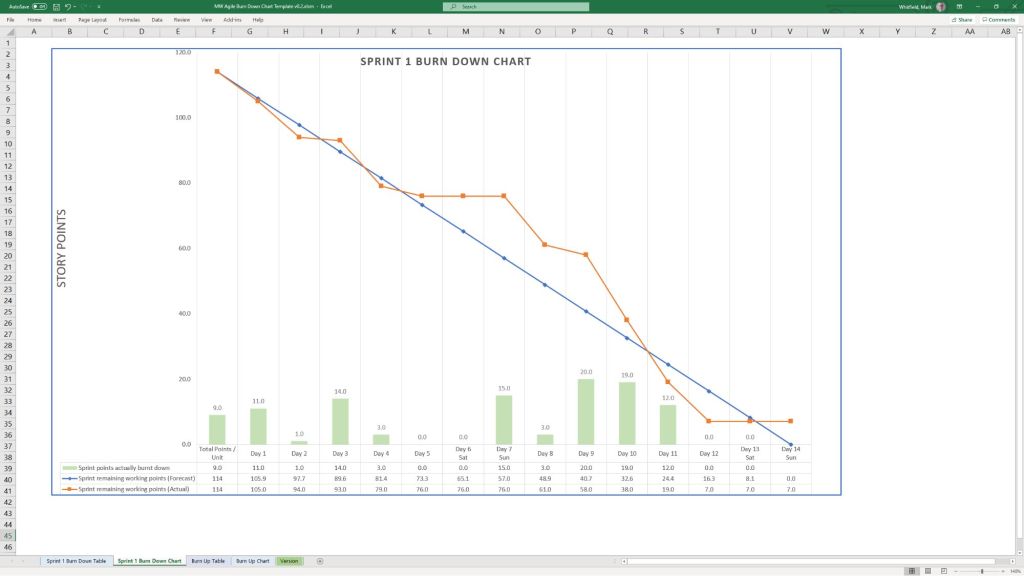
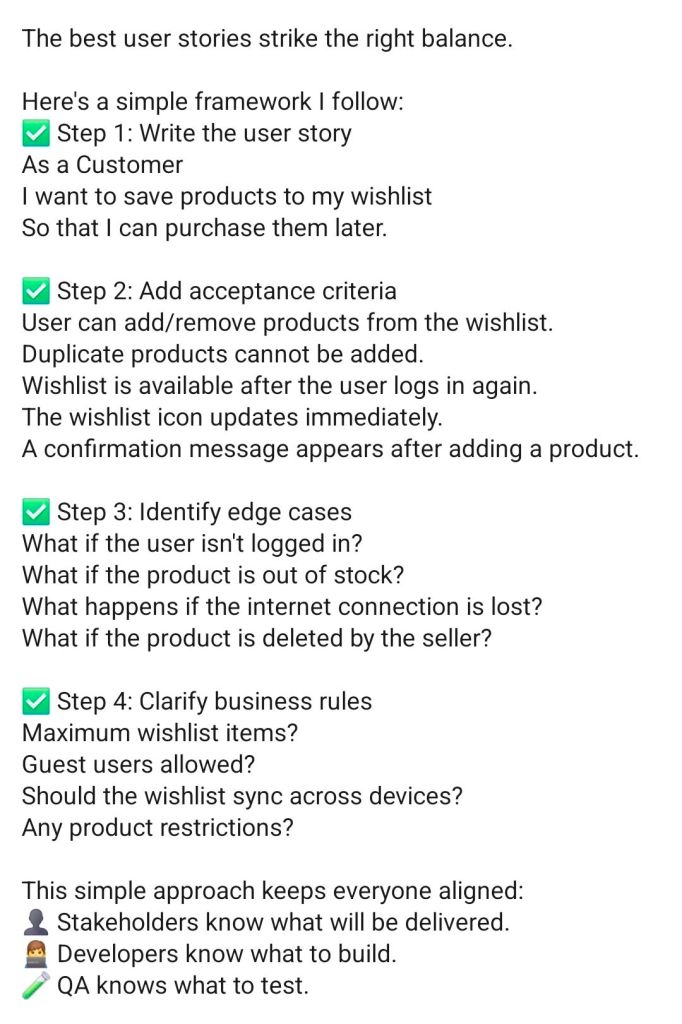
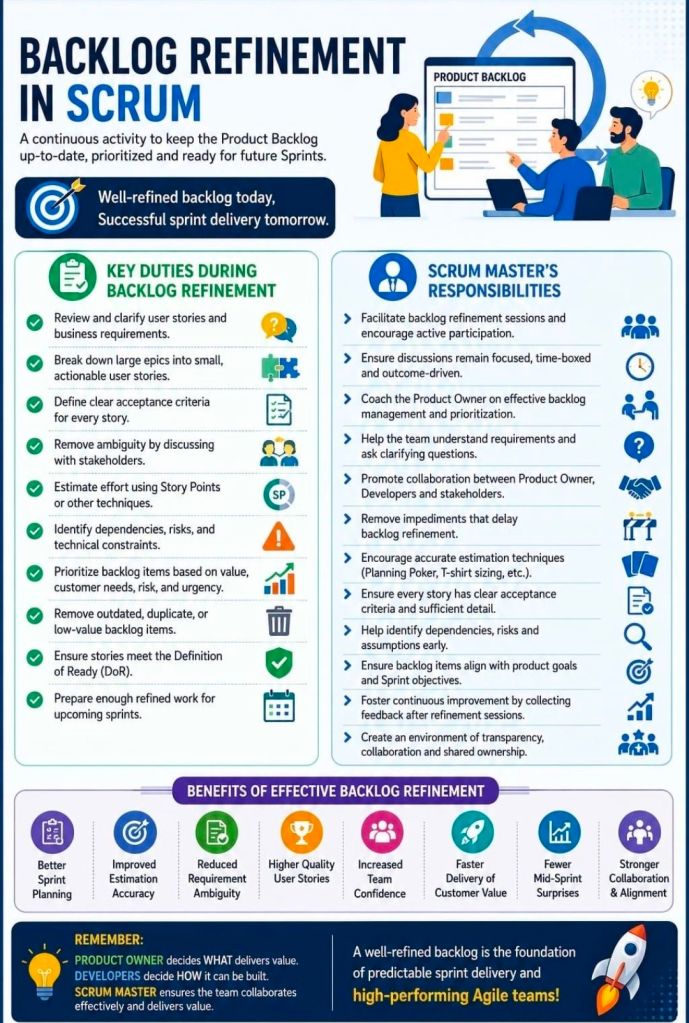
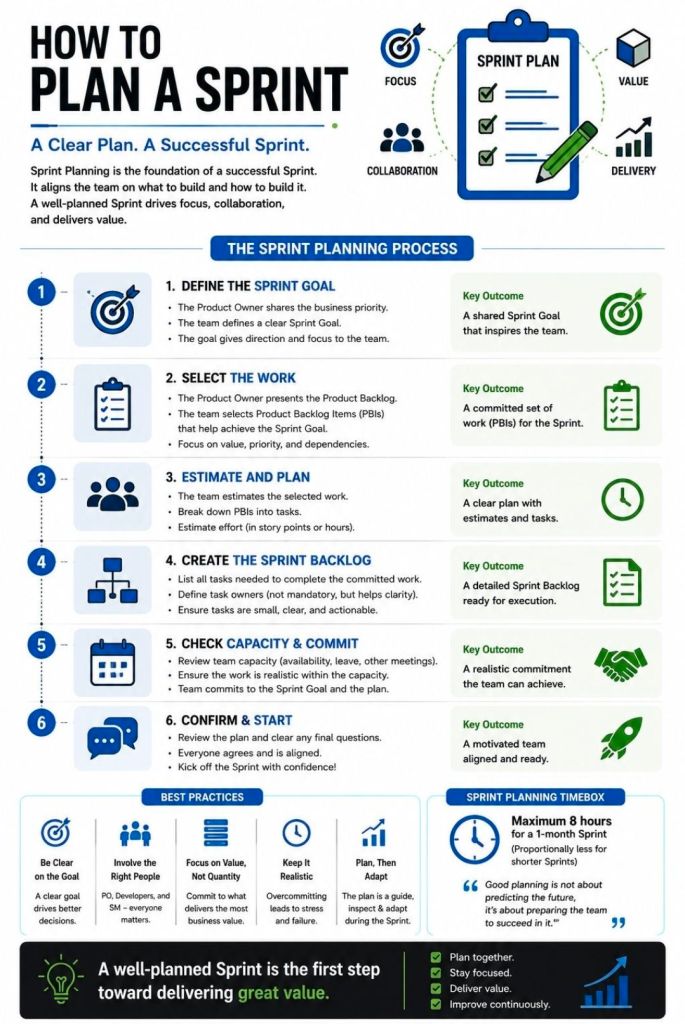
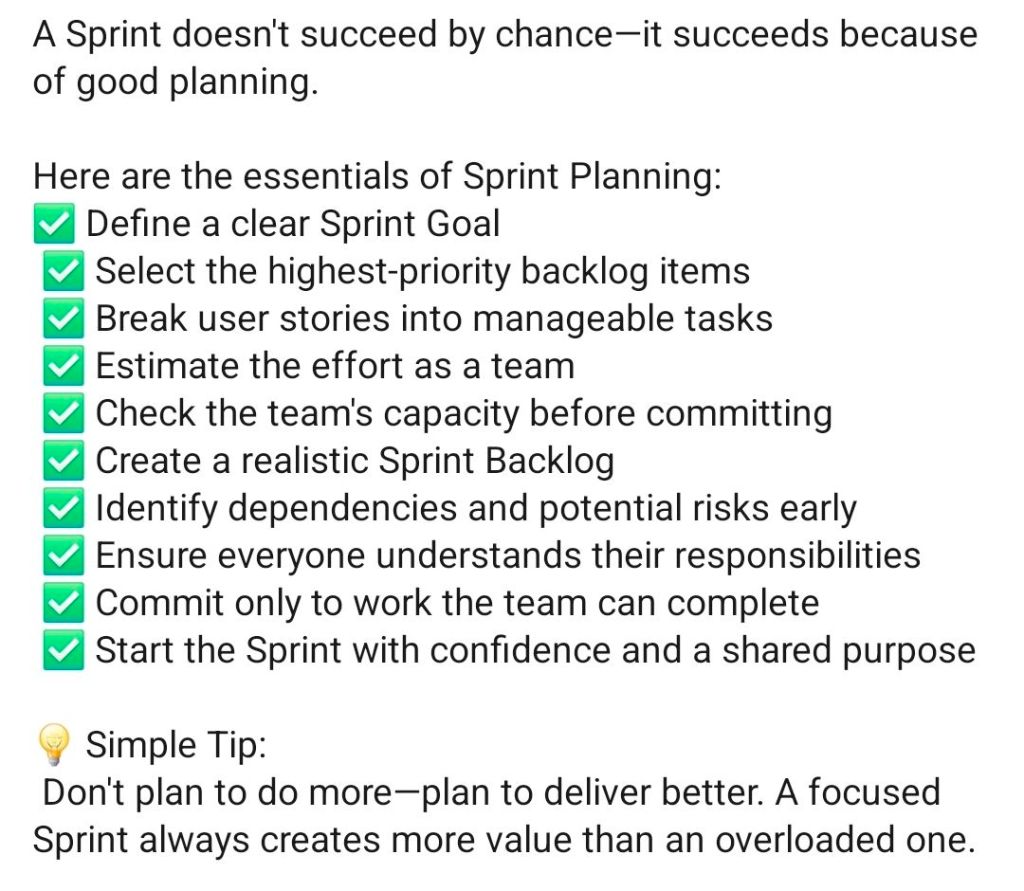
🏃♂️ Agile & Scrum SDLC Templates
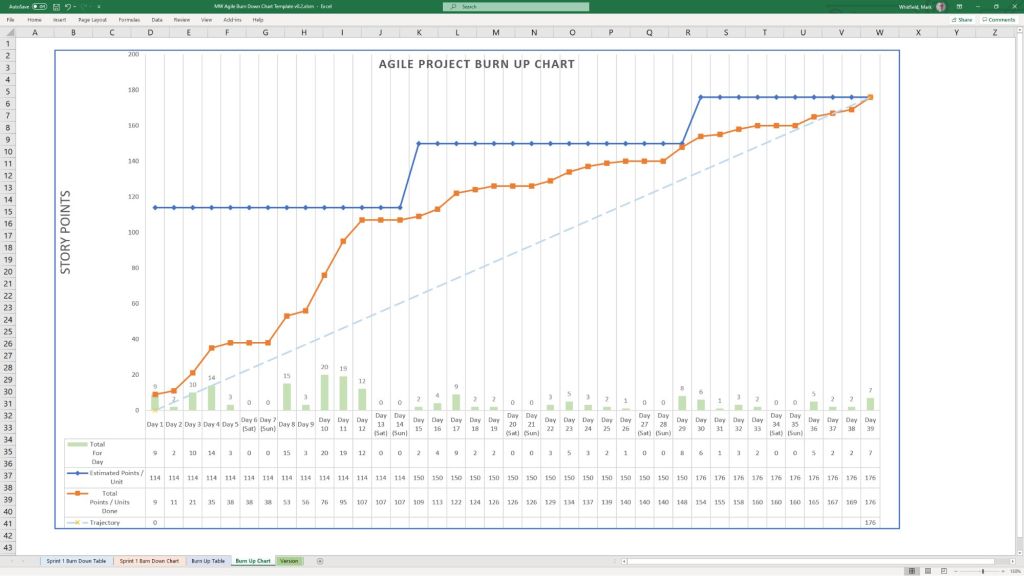
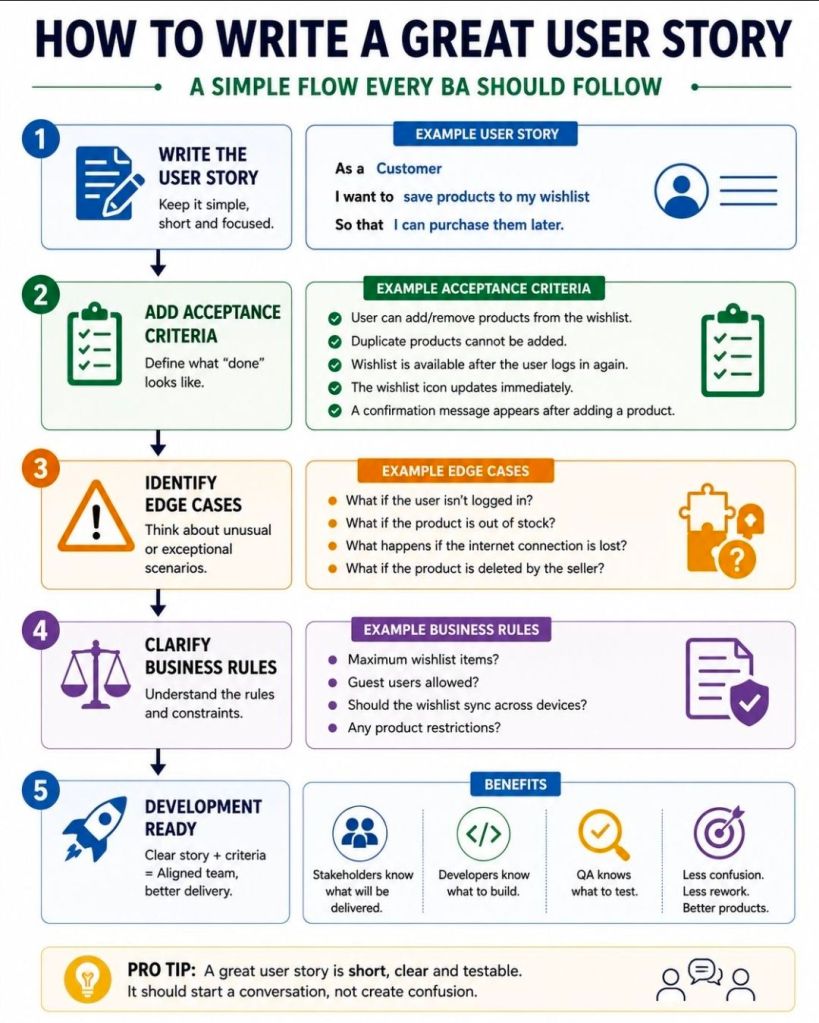
Designed specifically for iterative software delivery, these tools focus on short execution cycles, continuous feedback, and visual tracking:
Mark Whitfield completed his BTEC HND in Computer Studies at the Bolton Institute of Higher Education (BIHE), which has since evolved into the University of Bolton and rebranded as the University of Greater Manchester in 2025.
Mark Whitfield | Bolton Institute of Higher Education, BIHE | BTEC HND Computing, Distinction
He attended the institution from 1988 to 1990, graduating with a Distinction and achieving overall first place across his entire cohort for the duration of the two-year, full-time course.
Mark Whitfield attended BIHE, 1988 – 1990
The academic breakdown of his specific computing curriculum and achievements is detailed below.
📋 HND Module Breakdown
The two-year executive-level HND program consisted of seven core modules blending technical computer science with business information systems:
Computer Systems Architecture: Focus on hardware design, CPU structures, and system configurations.
Programming Methodology (Theory / Practice): Foundations of logic, software development lifecycles, and code optimization.
System Analysis: Methodologies for assessing business requirements and mapping technical system designs.
Data Processing: Data management workflows, storage systems, and batch/transaction structures.
Business Information Systems (Theory / Practice): The application of computer networks and platforms within corporate infrastructures.
Business Studies: Fundamentals of corporate structure, commerce, and finance to bridge technical and commercial alignments.
Quantitative Techniques: Mathematical and statistical methods applied to computing and resource management.
💻 Final Year Project
For his definitive practical project, Mark Whitfield developed a database interface that aligned with his specialized programming modules.
Tech Stack: Built using an ORACLE SQL-forms graphical user interface (GUI) operating within an MS-DOS environment.
Functionality: Created an administrative system to record student enrollments, module assignments, and course grades.
This academic performance served as the launchpad for his 30+ year career as an IT Senior Project Manager and Delivery Lead.
His deep technical foundation from BIHE transitioned into complex enterprise solution deliveries—such as legacy ATM modernization, hybrid cloud migrations, and API integrations—for financial and corporate entities including the Bank of England, Barclays, Lloyds Banking Group, and Jaguar Land Rover.
He is also the author of the industry resource platform, PROject Templates.