Bolton Town, Greater Manchester, UK – Timeline History

Bolton’s evolution from a small moorland settlement to a world-leading industrial powerhouse and modern metropolitan borough is marked by these key milestones:

Early History & Foundations

Civil War & Growth (17th–18th Century) 

Industrial Revolution (19th Century)

  • 1828: The Bolton and Leigh Railway opens, becoming the oldest in Lancashire.
  • 1838: Bolton is incorporated as a municipal borough.
  • 1839: Chartist riots lead to the reading of the Riot Act.
  • 1873: The current Bolton Town Hall is officially opened.
  • 1889: Bolton is granted County Borough status, making it self-governing and independent of Lancashire County Council. 

Modern Era (20th Century–Present)

Bolton Town, Technical Timeline History

Bolton’s technical and industrial evolution shifted it from a medieval market town to a global leader in cotton spinning and engineering, before transitioning into a modern educational and service hub. 

Industrial Revolution & Engineering (1700s – 1800s)

Bolton’s transformation was driven by local inventors whose technical breakthroughs redefined the textile industry. 

  • 1779: Samuel Crompton invented the Spinning Mule at Hall i’ th’ Wood, combining earlier technologies to produce high-quality yarn.
  • 1780: The town’s first spinning mill opened, marking the start of large-scale mechanised production.
  • 1820: Thomas Bonsor Crompton patented a method for continuously drying paper, a major technical breakthrough for the local paper industry.
  • 1828: One of the world’s first railways, the Bolton and Leigh Railway, opened using George Stephenson’s locomotive “The Witch”.
  • 1873: The Bolton Town Hall opened, a massive Victorian architectural project reflecting the town’s industrial wealth. 

Modern Infrastructure & Power (1880 – 1950)

Technical focus shifted toward municipal services, electricity, and the zenith of the cotton industry. 

  • 1880: Horse-drawn municipal transport began, followed by a telephone connection between Bolton and Manchester.
  • 1894: The first electric power station opened at Spa Road on October 31st.
  • 1899: The town launched its first electric tram service.
  • 1914: The Back o’ th’ Bank electricity generating station began supplying the town.
  • 1929: Bolton reached its industrial peak with 216 cotton mills in operation. 

Education & Re-development (1960s – Present)

As the cotton industry declined, Bolton pivoted toward technical education and retail-led regeneration. 

  • 1963: The Bolton Technical College split into Bolton Technical College and the Bolton Institute of Technology (the precursor to the University of Bolton).
  • 1971: The Crompton Place Shopping Centre opened as part of modern town-centre re-development.
  • 1980s: Cotton manufacturing virtually ceased, and the town’s industrial structure diversified into general engineering.
  • 2026: Planning is underway for the demolition of Crompton Place to create a new pedestrian link and modern mixed-use development, scheduled for 2027. 

Bolton Town, Greater Manchester, UK – Timeline History

Salford Quays, Salford, Greater Manchester, UK

Salford Quays has evolved from a largely empty landscape of racecourses and medieval halls into one of the UK’s most significant urban regeneration projects.

1. The Industrial Era (1887–1981)

2. Decline and Early Redevelopment (1982–1999) 

3. Cultural and Digital Expansion (2000–Present)

  • 2000: The Lowry arts centre is opened by Queen Elizabeth II.
  • 2001: The Lowry Outlet Mall (now Quayside MediaCity) opens to the public.
  • 2002: The Imperial War Museum North opens its doors across the water from The Lowry.
  • 2007–10: Construction of MediaCityUK takes place; the BBC confirms the relocation of five departments to the site.
  • 2011–12: BBC and University of Salford staff move into MediaCityUK; ITV later moves its Manchester base (including Coronation Street) here in 2013.
  • 2021: Buildings at MediaCityUK achieve net zero carbon status.
  • 2022: The Salford Quays 2030 vision is launched to further enhance the area as a vibrant community hub. 

Salford Quays, Salford, Greater Manchester, UK

My MediaCityUK Salford Quays photo timeline

Salford Quays Technical Timeline

From its engineering origins as the Manchester Docks to its current status as a digital hub, 

Salford Quays has undergone a massive technical and structural transformation. 

Industrial Foundation & Engineering (1887–1982)

  • 1887–1893: Construction of the Manchester Ship Canal, an engineering feat measuring 35.5 miles from Eastham to Manchester.
  • 1894: Official opening of the Manchester Docks by Queen Victoria, establishing Manchester as Britain’s third-largest port.
  • 1905: Opening of No. 9 Dock, the largest in Salford, by King Edward VII.
  • 1970s: Deindustrialisation begins as the rise of containerisation makes the narrow canal obsolete for modern, larger ships.
  • 1982: Final closure of the docks, resulting in 3,000 job losses and leaving the area as a polluted wasteland.

Regeneration & Environmental Recovery (1983–2000) 

  • 1983–1984: Salford City Council acquires the derelict docks.
  • 1985: Launch of the Salford Quays Development Plan, envisioning a new residential and commercial district.
  • 1986–1990: Massive infrastructure programme: polluted dock water is separated by bunds, and a compressed air mixing system (Helixor) is installed to improve water quality.
  • 1987: Introduction of 12,000 coarse fish to the now-cleaned waterways.
  • 1989: Opening of the Mariners Canal to link the Ontario and Erie Basins.
  • 1999: Completion of major bridge works and the Metrolink extension, connecting the Quays to Manchester city centre.

Cultural & Digital Expansion (2000–Present)

  • 2000: The Lowry arts centre officially opens.
  • 2002: Completion of the Imperial War Museum North, designed by architect Daniel Libeskind.
  • 2007: Construction begins on MediaCityUK.
  • 2011: The BBC completes its move to three buildings (Bridge, Dock, and Quay House).
  • 2014: Coronation Street begins filming at its new dedicated production centre in MediaCity.
  • 2021: MediaCityUK buildings become the first in the UK to achieve net zero carbon status.
  • 2025–2030 Vision: Ongoing regeneration frameworks aim to deliver over 3,000 new homes and 75,000 sq metres of commercial space. 

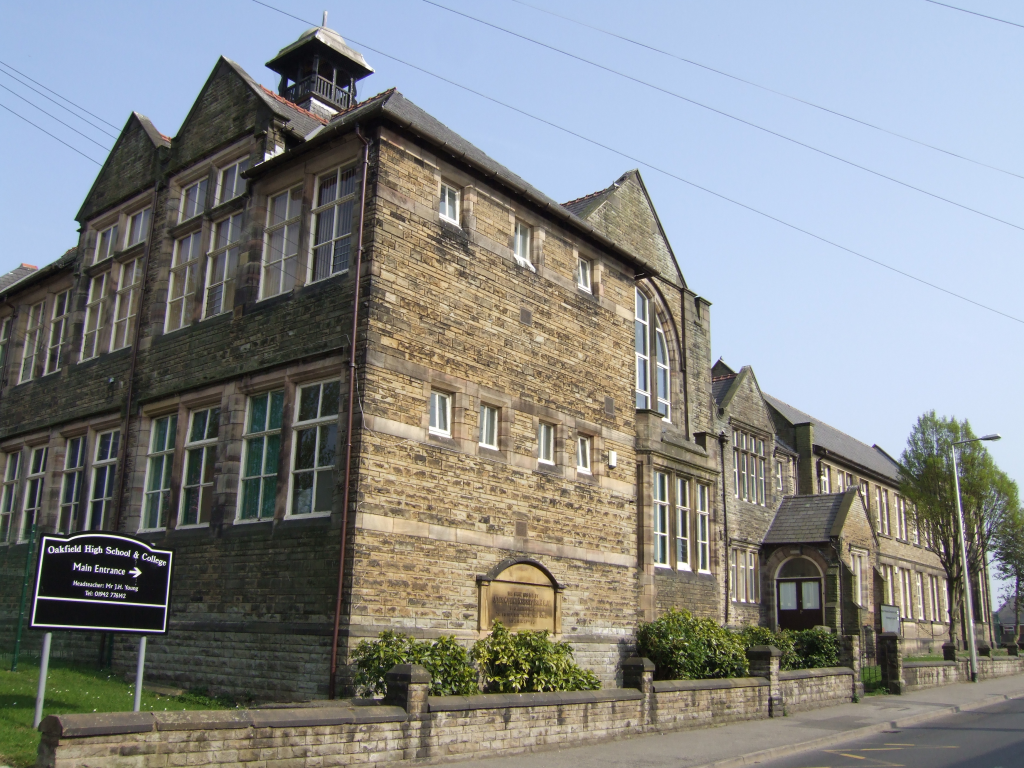
Park High Secondary School, Park Road, Hindley, Wigan, Lancashire, UK. WN2 3RY

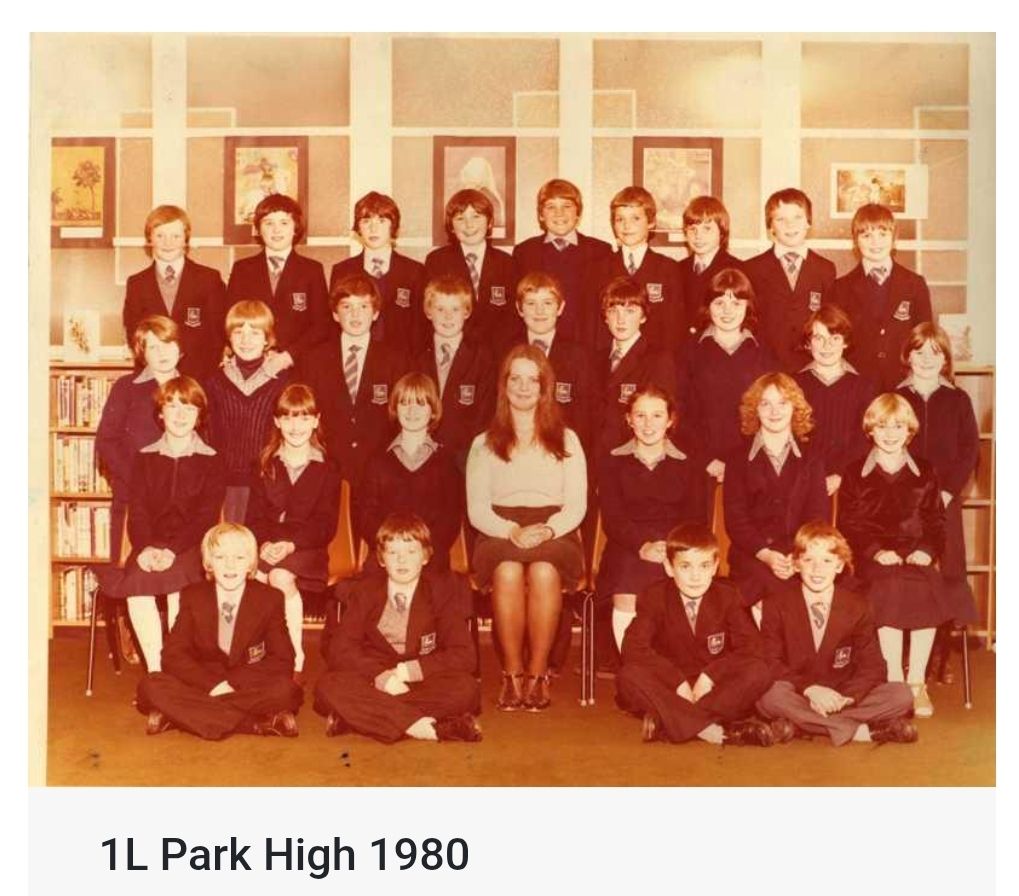
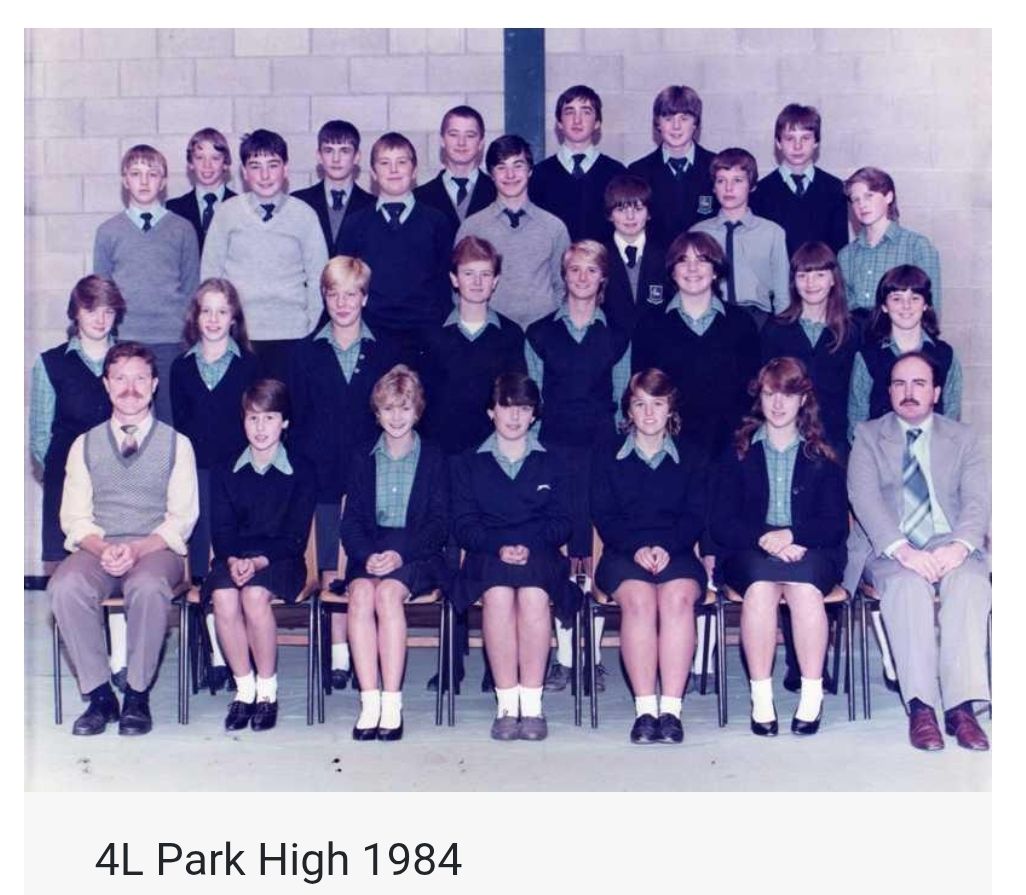
1980 to 1985 : Park High Secondary School
Park Road, Hindley, Wigan, Lancashire, UK. WN2 3RY
(formerly Hindley and Abram Grammar School now PDC)

8 GCE ‘O’ Levels – mark whitfield
All grades ‘C’ and above including Computer Studies, Maths and English

Class photos: first year (bottom, 2nd from right), fourth year (top, 4th from left)

mark whitfield DSCF0557
Park High Secondary School
Park Road, Hindley, Wigan, Lancashire, UK. WN2 3RY

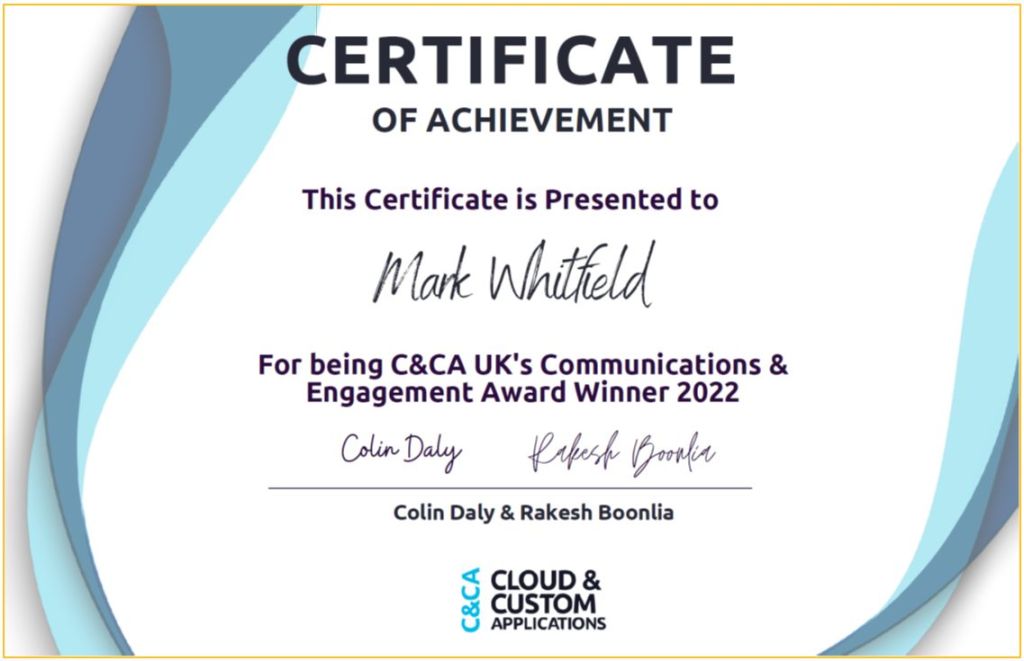
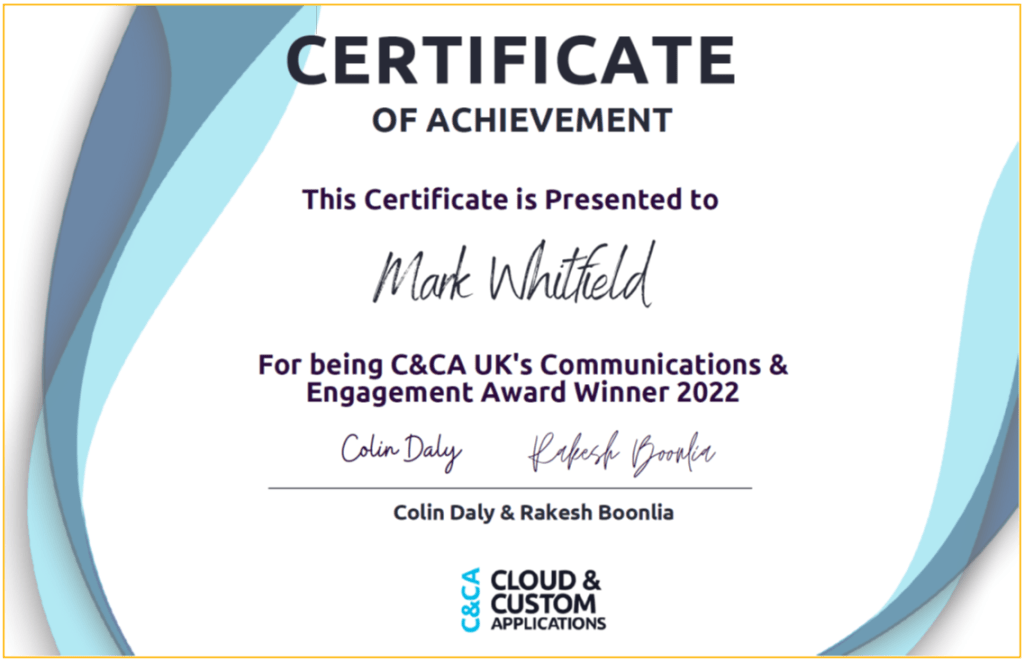
December 2022 – C&CA UK’s Communications & Engagement Award Winner – Cloud & Custom Applications – Capgemini UK

December 2022 – C&CA UK’s Communications & Engagement Award Winner – Cloud & Custom Applications – Capgemini UK

Dr. Fred Dibnah MBE today, Bolton, UK

Dr. Fred Dibnah MBE today, Bolton, UK

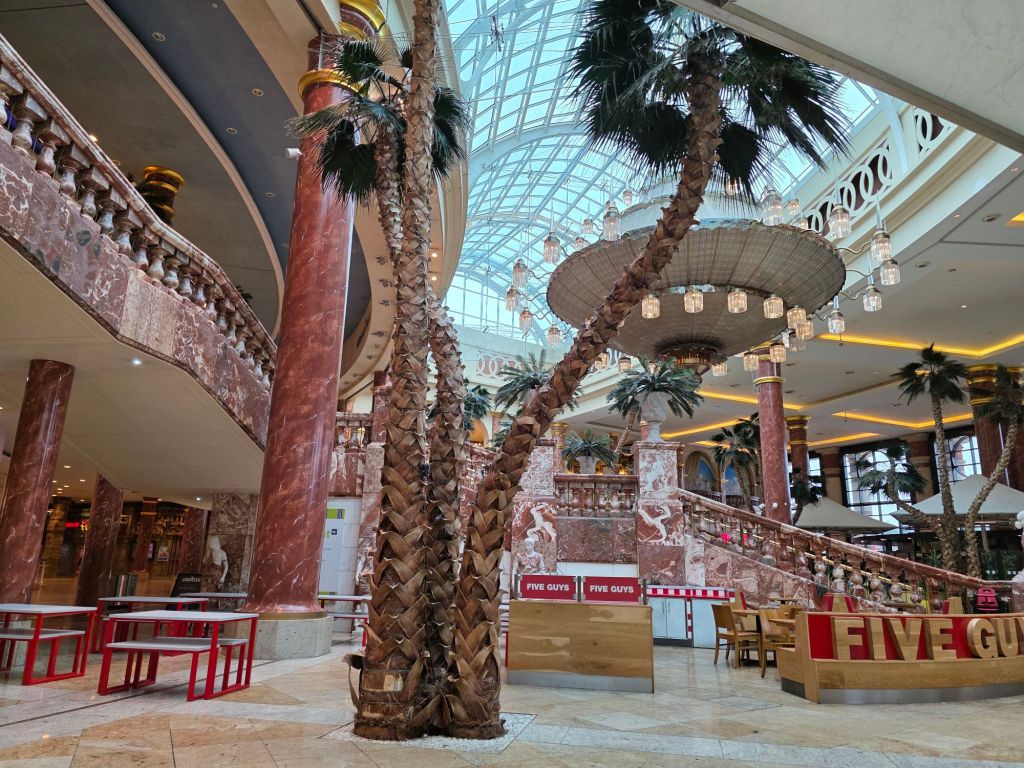
At Trafford Centre, 14/10

At Trafford Centre, 14/10

In December 2022 – C&CA UK’s Communications & Engagement Award Winner – Cloud & Custom Applications – Capgemini UK

December 2022 – C&CA UK’s Communications & Engagement Award Winner – Cloud & Custom Applications – Capgemini UK

At Knowle Farm – Rattery – Near Totnes, Devon 2008

At Knowle Farm – Rattery – Near Totnes, Devon 2008

Knowle Farm set in 44 acres of South Devon countryside offers six beautifully converted barns overlooking wonderful farmland views.
The cottages sleep from two to eight plus cots.

‘Woodbine’ sleeps eight plus cots
‘Moncks Green’ sleeps six plus cot
‘Applecross’ sleeps four plus cot
‘Clematis’ sleeps two plus child or cot
‘Foxglove’ sleeps four plus cot
‘Cow-mumble’ sleeps four plus cot
‘Foxglove’ plus ‘Cow-mumble’ combined to sleep 8 plus cots (click for details)

Knowle Farm is rated Four Stars by ‘VisitBritain’ Quality in Tourism

The standard of each of our cottages is excellent, with simple but tasteful décor and furnishings.
We take a real pride in the condition of our cottages and you can be confident that when you arrive and see your home for your holiday stay you will be absolutely delighted (we are featured in the Good Holiday Cottage Guide for 2008).

We have tried to furnish the cottages with just about everything you will need and all include:
Wood burning stove, automatic washing machine and tumble dryer, electric hob and oven, microwave, fridge/freezer, iron, widescreen colour T.V., VCR & DVD player, CD/Radio, wireless internet access, linen, duvets and a stair gate. A booster seat is provided in each cottage and high chairs and cots are available on request (please ask when booking). Some cottages have a dishwasher also (see cottage descriptions). Guests should bring their own towels and where applicable cot bedding. Towels (for use within the cottage only) may be hired – see booking form.

We regret we are unable to take pets.
So that furnishings etc. are kept fresh for everyone there is no smoking within the cottages and indoor facilities.

Knowle Farm is a member of the Green Tourism Business Scheme

Rattery, Nr. Totnes
South Devon
TQ10 9JY