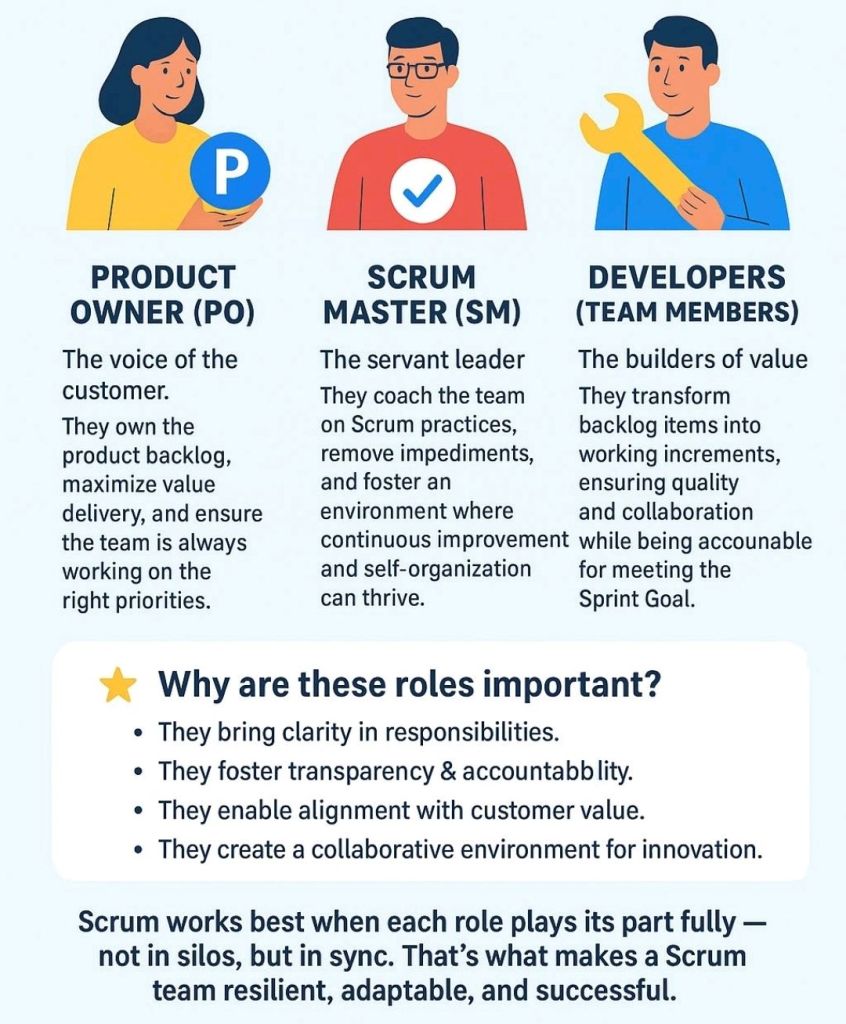
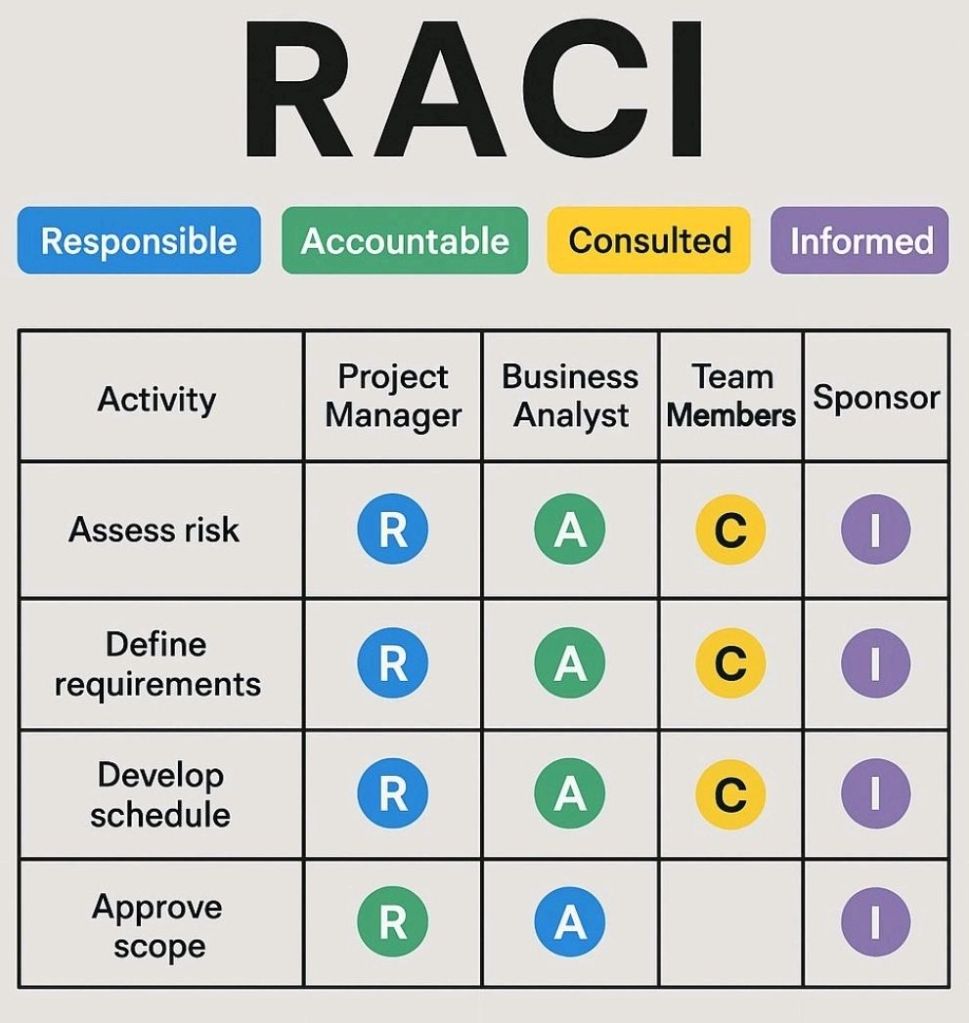
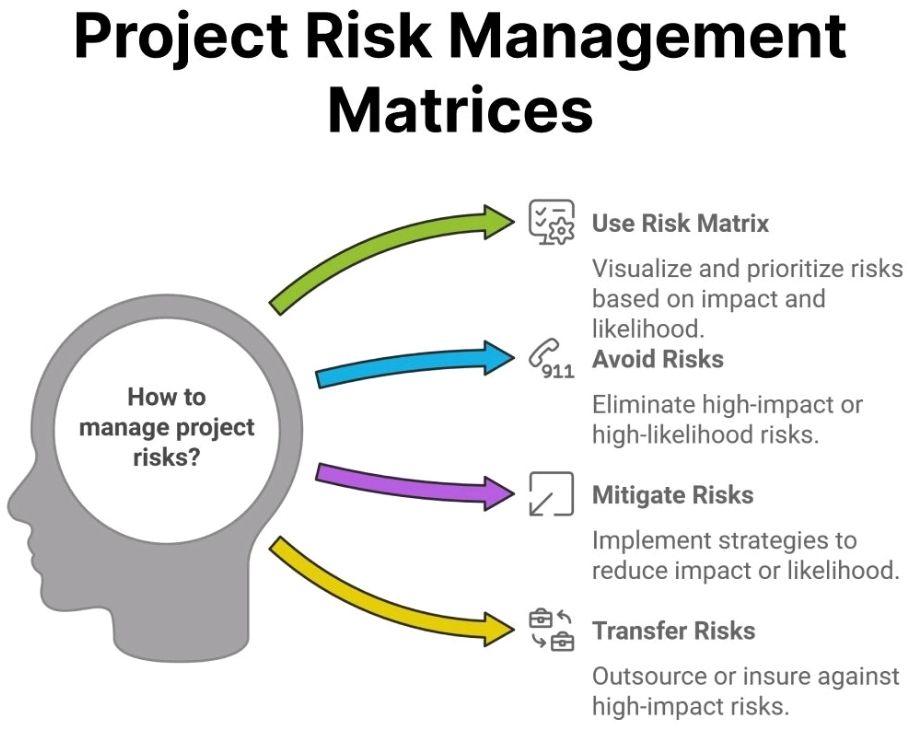
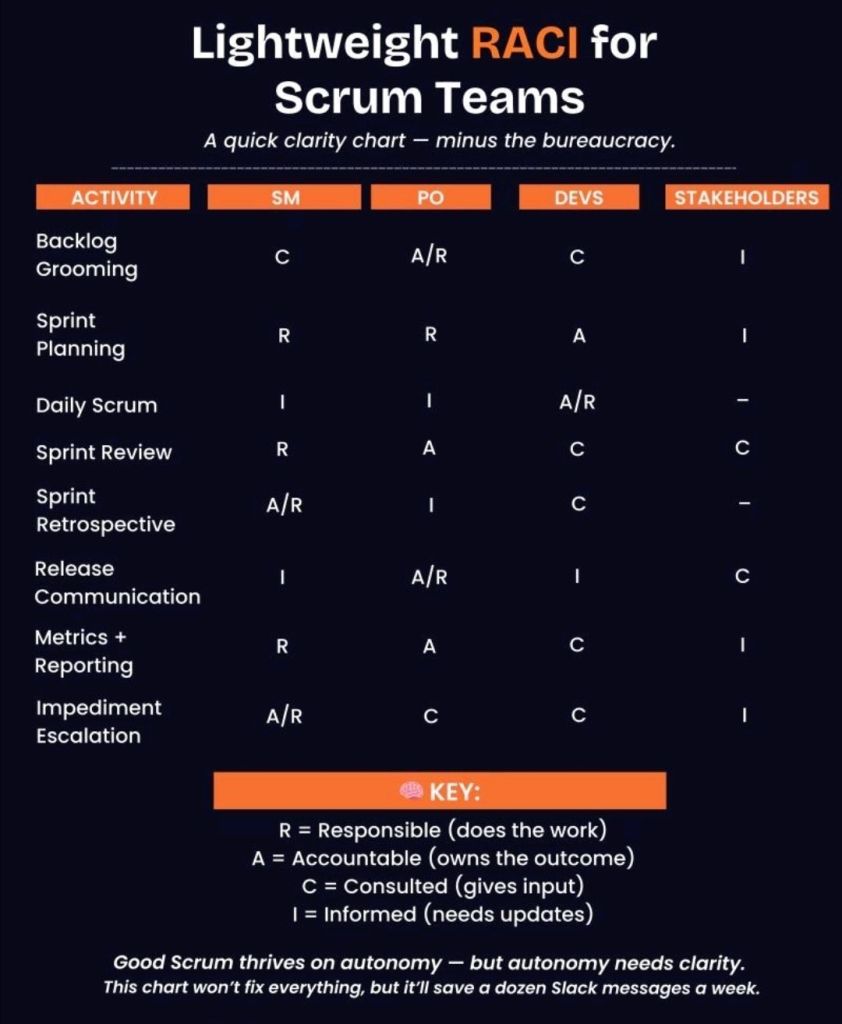
Agile vs Scrum

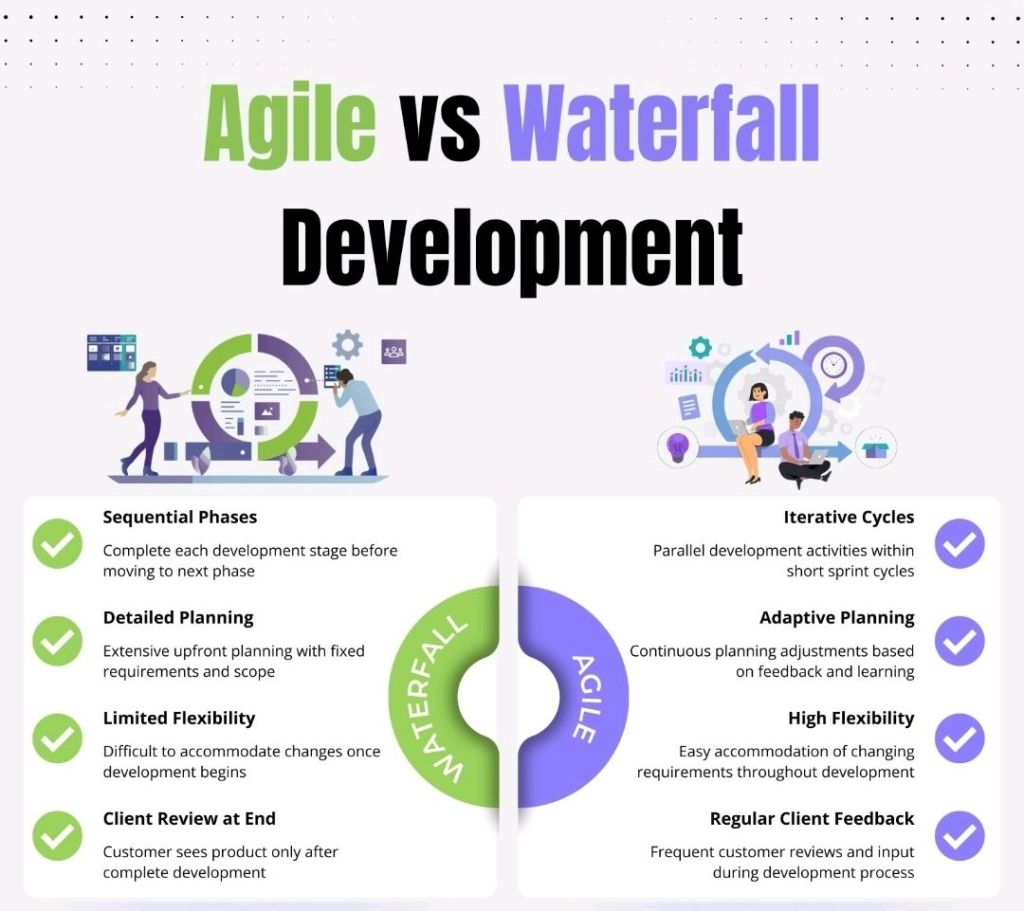
Agile vs Scrum

Project Management Processes

Project Management Processes

Cloud Computing IaaS, PaaS and SaaS – as a service

Cloud Computing IaaS, PaaS and SaaS –
as a service

DevOps for Beginners

DevOps for Beginners

ITSM – IT Service Management | ITIL – IT Infrastructure Library

ITSM – IT Service Management |
ITIL – IT Infrastructure Library

The Project Plan and what it covers

The Project Plan and what it covers

In December 2022 – C&CA UK’s Communications & Engagement Award Winner – Cloud & Custom Applications – Capgemini UK

December 2022 – C&CA UK’s Communications & Engagement Award Winner – Cloud & Custom Applications – Capgemini UK

Budgeting Checklist

Budgeting Checklist

Earned Value Management – EVM

Earned Value Management – EVM

ERP Implementation Cycle – Enterprise Resource Planning

ERP Implementation Cycle – Enterprise Resource Planning

ERP stands for Enterprise Resource Planning, a software system that integrates and manages a company’s core business processes, such as finance, HR, manufacturing, and supply chain, into a single, unified platform.

By using a central database, an ERP system provides real-time data visibility, standardizes processes, and enables seamless communication across different departments, helping organizations operate more efficiently.

What ERP systems do:
Integrate business functions: ERP systems break down information silos by connecting various departments like sales, accounting, and human resources.

Provide a single source of truth: A shared database ensures that everyone in the organization uses the same, accurate information for their work.

Streamline operations: By automating processes and offering synchronized reporting, ERP systems improve productivity and agility.

Offer real-time visibility: Stakeholders can access up-to-date information on business performance at any time, aiding in decision-making and planning.

Common ERP modules and functions include:
Finance: Managing accounting, budgeting, and financial reporting.

Human Resources (HR): Handling payroll, employee data, recruitment, and workforce management.

Manufacturing: Supporting materials planning and production processes.

Supply Chain Management: Integrating inventory, procurement, and order management.

Sales and Customer Relationship Management (CRM): Streamlining sales processes and managing customer interactions.

PMBOK 7th Edition, 12 Project Management Principles

PMBOK 7th Edition, 12 Project Management Principles

Definition of Ready (DoR) vs Definition of Done (DoD)

Definition of Ready (DoR) vs Definition of Done (DoD)

Scrum vs Kanban, Flexibility vs Structure

Scrum vs Kanban, Flexibility vs Structure

Project Management Phases

Project Management Phases

Epic vs Feature vs User Story vs Task

Epic vs Feature vs User Story vs Task

Project Manager vs Product Manager – Delivery Cycle

Project Manager vs Product Manager, Delivery Cycle

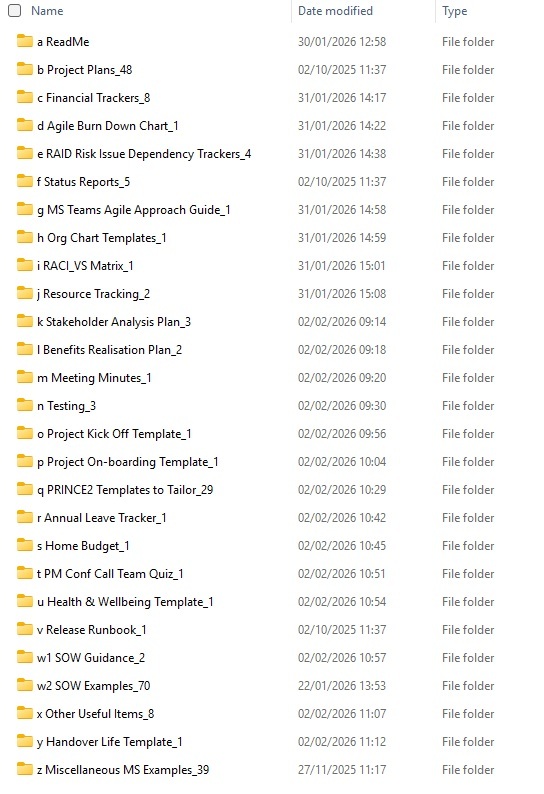
PRINCE2 Project Templates Download

PRINCE2 Templates Download

PRINCE2 Project Templates Download. Templates are fully editable and once purchased, upgrades (and template additions) to the latest package are FREE.

The download ZIP file pack (can be purchased, click here if using a tablet or smartphone) contains a Microsoft Project MPP file template for PRINCE2 7th Edition and the equivalent in Microsoft Excel spreadsheet format (plus many other templates, e.g. RACI, RAID, budget tracker, plan on a page – POaP etc). The plans and other templates can be tailored as required based on the seventh principle of PRINCE2 (tailor the project to suit the environment). 

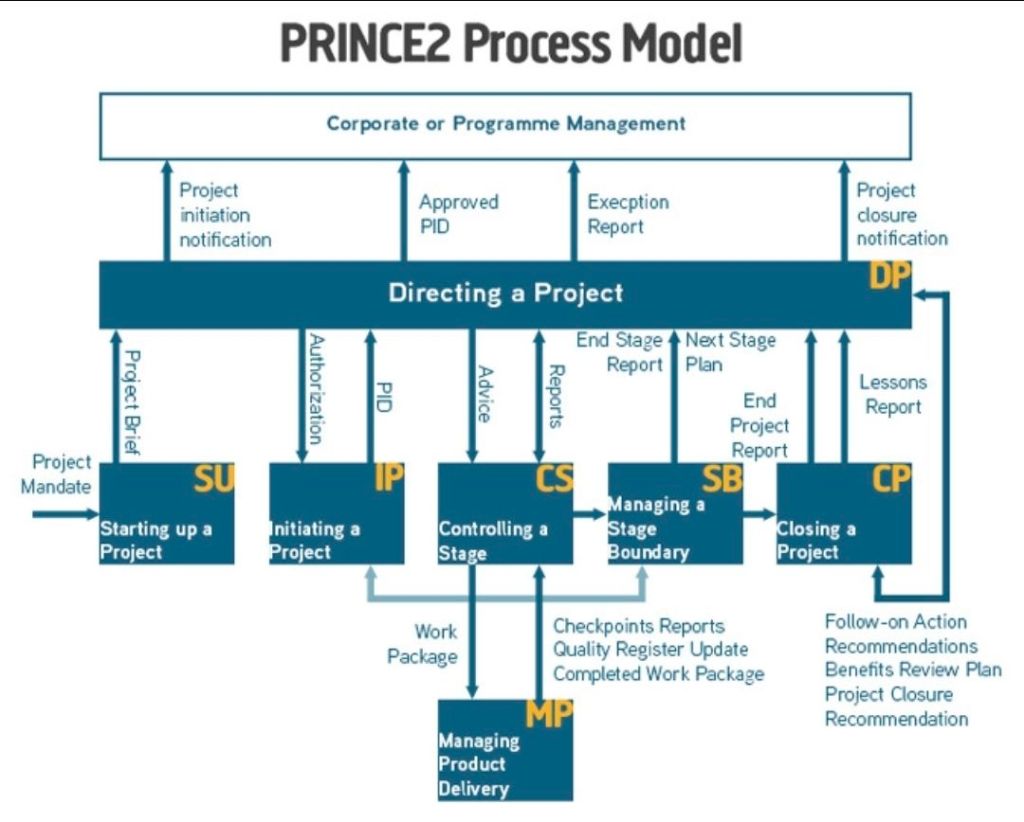
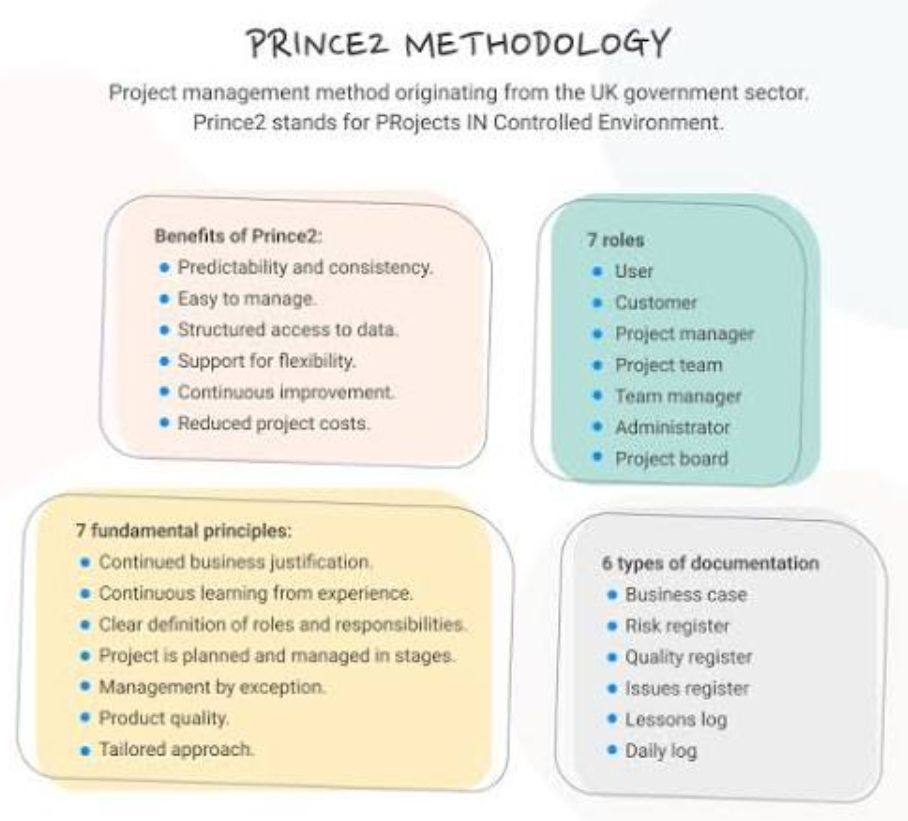
PRINCE2 Processes and Principles

PRINCE2 Processes
PRINCE2 Principles

Earned Value Management

Earned Value Management

Techniques in Project Management – Building the Schedule

Techniques in Project Management – Building the Schedule