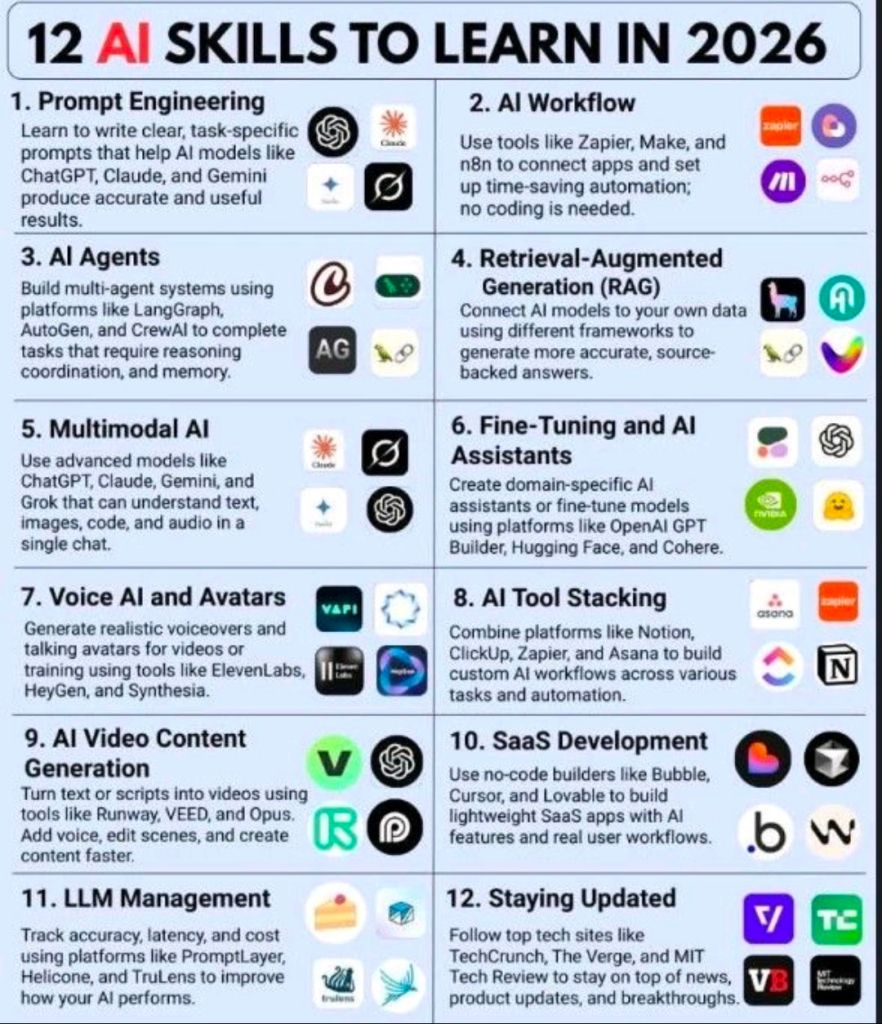
Artificial Intelligence (AI) is the branch of computer science dedicated to creating systems capable of performing tasks that typically require human intelligence, such as reasoning, learning, problem-solving, and perception. As of 2026, AI has transitioned from experimental research to widespread deployment as foundational infrastructure, with focus shifting from mere generative models to agentic, autonomous systems capable of executing complex, multi-step workflows.
Detailed Overview of AI in 2026
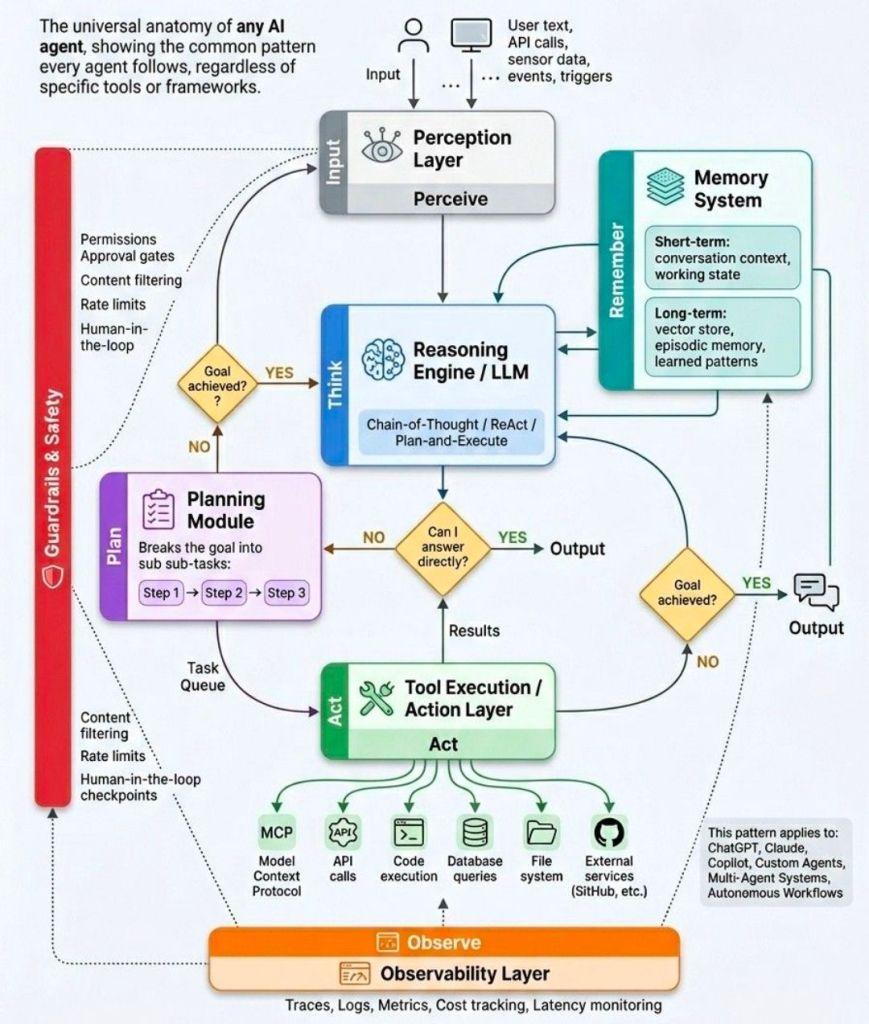
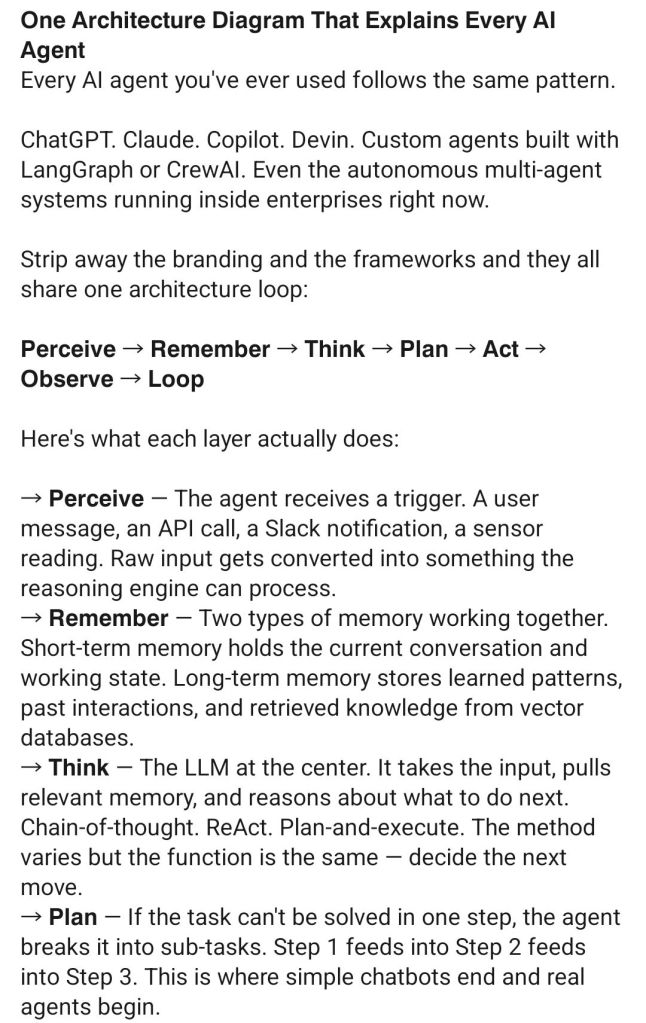
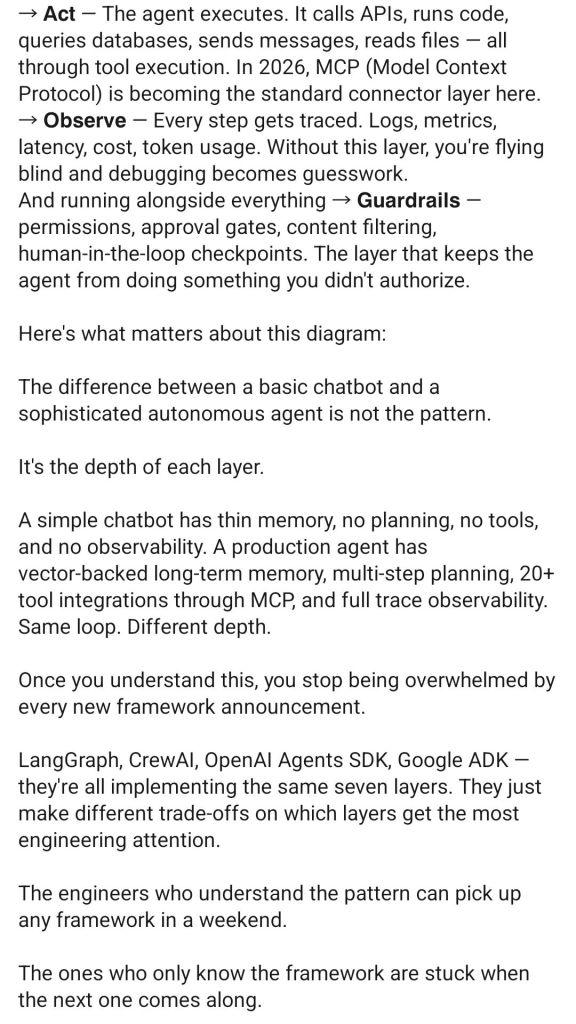
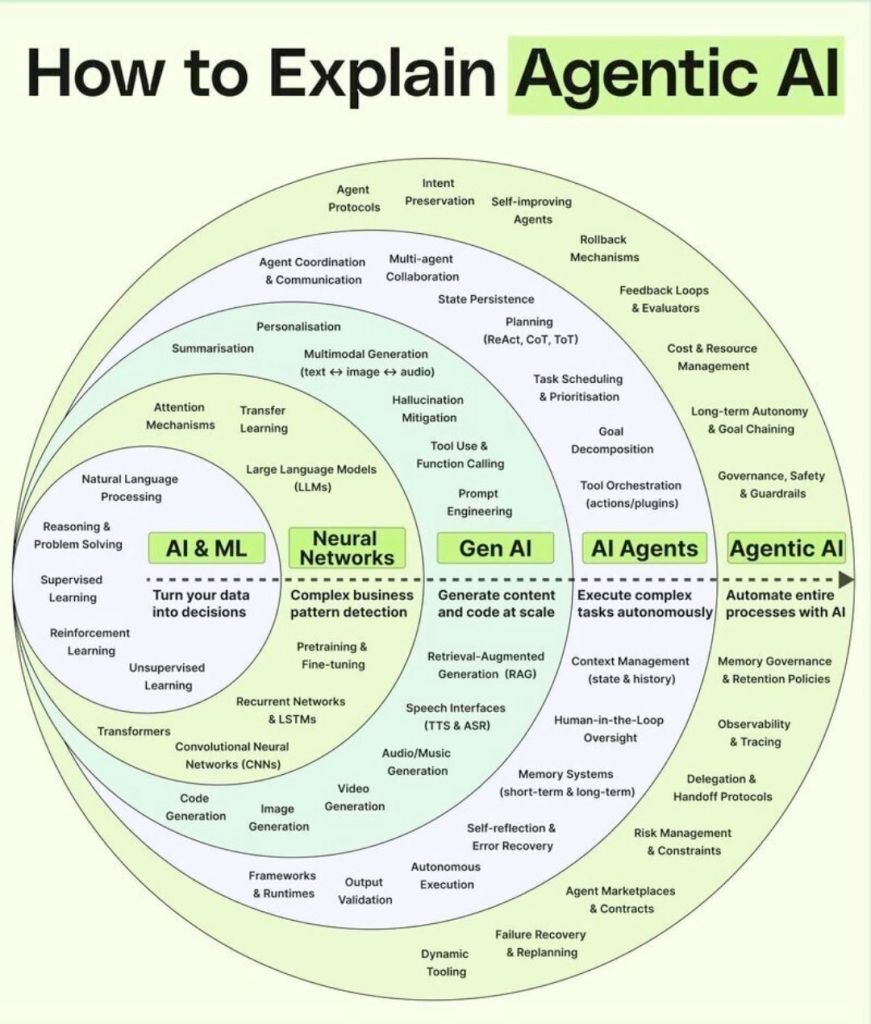
- Core Capabilities: Modern AI combines large language models (LLMs), multimodal understanding (text, image, audio), and autonomous agents that can plan, remember, and act independently.
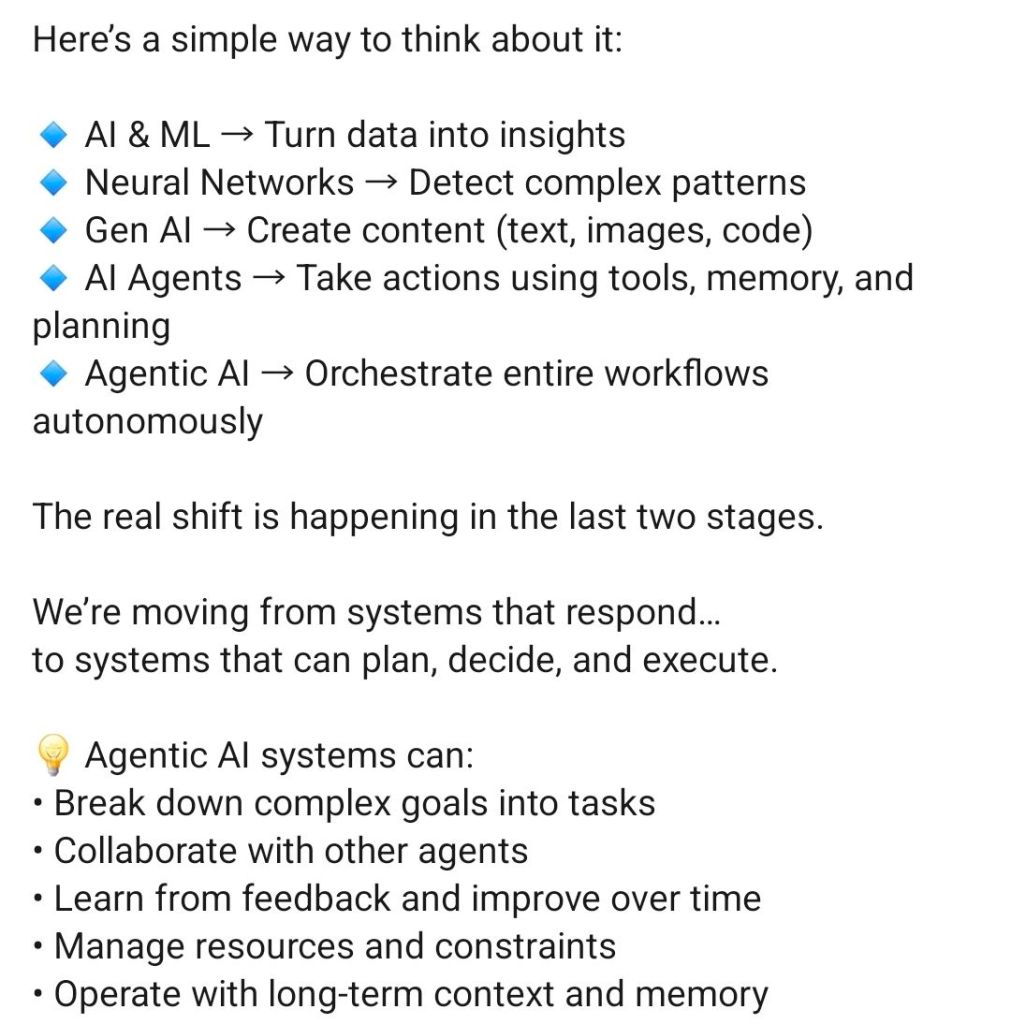
- Agentic AI: A significant shift is the proliferation of AI agents that act as “digital coworkers” rather than just tools, handling tasks within business environments.
- Democratization & Open Source: The open-source movement has accelerated, placing powerful AI capabilities in the hands of many, reducing dependence on single providers.
- Regulation and Ethics: Following frameworks like the EU AI Act, 2026 is marked by the implementation of laws focusing on safety, transparency, and accountability, including AI watermarking to curb misinformation.
- Major Trends: Key trends include standardized AI performance benchmarks (e.g., Machine Intelligence Quotient), interoperability between different AI agents, and integration of AI into physical robotics.
Historic Timeline and Evolution of AI (1950–2026)
I. The Foundations (1950–1956)
- 1950: Alan Turing publishes “Computing Machinery and Intelligence”, proposing the “Turing Test” to measure machine intelligence.
- 1956: The term “Artificial Intelligence” is coined by John McCarthy at the Dartmouth Conference, establishing AI as a formal field of study.
II. Early Enthusiasm and First Winter (1960s–1970s)
- 1966: Joseph Weizenbaum develops ELIZA, the first chatbot capable of simulating conversation.
- 1970s: AI progress slows due to limited computer power, leading to reduced funding—known as the first “AI Winter”.
III. Expert Systems and Second Winter (1980s–1990s)
- 1980: Expert systems (e.g., XCON) emerge, bringing AI back into commercial use.
- 1986: Geoffrey Hinton and others popularize backpropagation, enabling neural network training.
- 1997: IBM’s Deep Blue defeats world chess champion Garry Kasparov, showcasing the power of strategic AI.
IV. The Rise of Big Data and Deep Learning (2000s–2010s)
- 2006: Geoffrey Hinton publishes work reigniting interest in neural networks through “deep learning”.
- 2011: IBM Watson wins Jeopardy!, showcasing advances in natural language processing.
- 2012: AlexNet wins the ImageNet competition, proving the efficiency of Convolutional Neural Networks (CNNs).
- 2014: Ian Goodfellow invents Generative Adversarial Networks (GANs), enabling AI to create realistic images.
- 2016: DeepMind’s AlphaGo defeats Lee Sedol, mastering the complex game of Go.
- 2017: Google researchers introduce Transformers, the architecture underpinning modern LLMs.
V. Generative AI and Agentic Era (2020s–2026)
- 2020: OpenAI releases GPT-3, demonstrating unprecedented language generation capabilities.
- 2022: The public release of ChatGPT marks the mainstream breakthrough of Generative AI.
- 2024: OpenAI releases o1 (formerly Strawberry), focusing on advanced reasoning.
- 2025–2026: AI becomes “Agentic,” shifting from chatbots that create content to autonomous agents that plan, execute, and interact across software systems.
Key References for Further Reading
- The History of AI: A Timeline (Coursera)
- Stanford Emerging Technology Review: AI 2026
- The State of AI in 2026 (AI World Journal)
Artificial Intelligence (AI) Overview and Detailed Timeline Evolution