Agile Scrum Evolution Timeline Overview

Agile and Scrum have evolved from specific product development theories into a global standard for project management. While Scrum predates the Agile Manifesto by several years, it has become the most widely adopted framework within the Agile umbrella. 

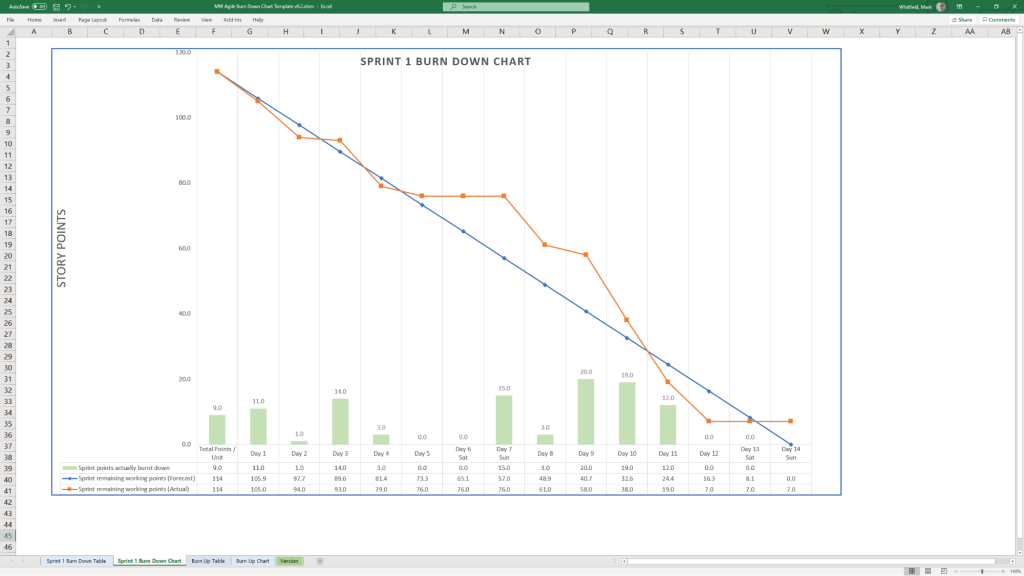
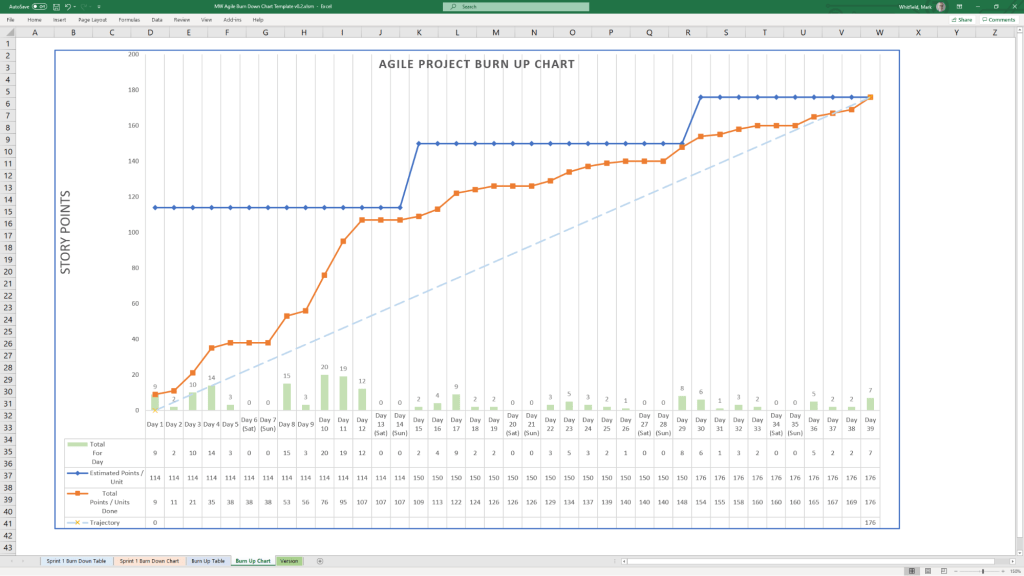
Agile Scrum Burn down and Burn up charts – can be downloaded from website banner

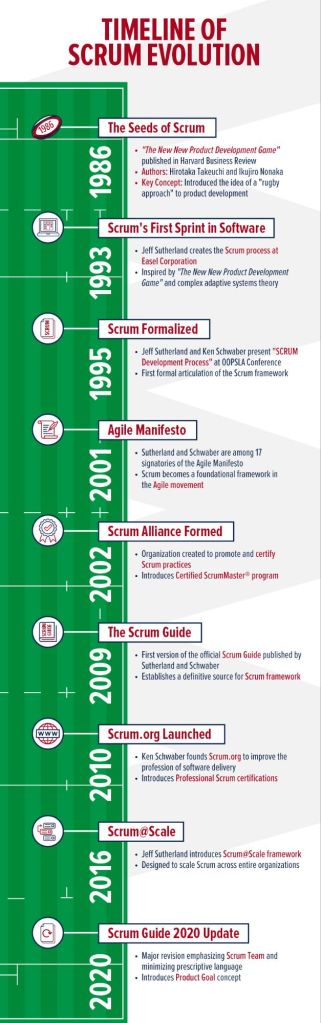
Evolution Timeline

  • 1986: The Inspiration. Hirotaka Takeuchi and Ikujiro Nonaka publish “The New New Product Development Game” in Harvard Business Review, introducing the “rugby” approach to product development.
  • 1993: The First Scrum. Jeff Sutherland and his team at Easel Corporation implement the first official Scrum.
  • 1995: Public Presentation. Ken Schwaber and Jeff Sutherland formally present Scrum at the OOPSLA ’95 conference, introducing the concept of Sprints.
  • 2001: The Agile Manifesto. 17 software developers meet in Utah to sign the Manifesto for Agile Software Development, codifying the 4 values and 12 principles that define Agile.
  • 2002: Scrum Alliance Founded. The Scrum Alliance is established by Ken Schwaber, Mike Cohn, and Esther Derby to provide training and certifications like the Certified ScrumMaster (CSM).
  • 2009: Founding of Scrum.org. Ken Schwaber founds Scrum.org to provide a more consistent approach to Scrum training and assessments.
  • 2010: The First Scrum Guide. Sutherland and Schwaber publish the first Official Scrum Guide, providing a definitive, minimal definition of the framework.
  • 2011–2017: Iterative Refinements. Updates to the Scrum Guide clarify the Daily Scrum purpose (2013) and emphasize Scrum Values (2016).
  • 2020: The “Simplified” Guide. The latest 2020 Scrum Guide is released, focusing on making the framework less prescriptive and more applicable to non-software industries by removing technical jargon. 

Key Shifts in Scrum Maturity

  • Prescriptive to Descriptive: Early Scrum was highly prescriptive about meetings and roles; modern Scrum focuses on Empiricism (Transparency, Inspection, Adaptation).
  • Team Autonomy: The 2013 update pivoted from “selecting tasks” to focusing on the Sprint Goal, empowering teams to decide how to achieve the objective.
  • Scaling Frameworks: As organizations grew, frameworks like SAFe (2011) and LeSS (2013) emerged to apply Scrum across hundreds of teams.
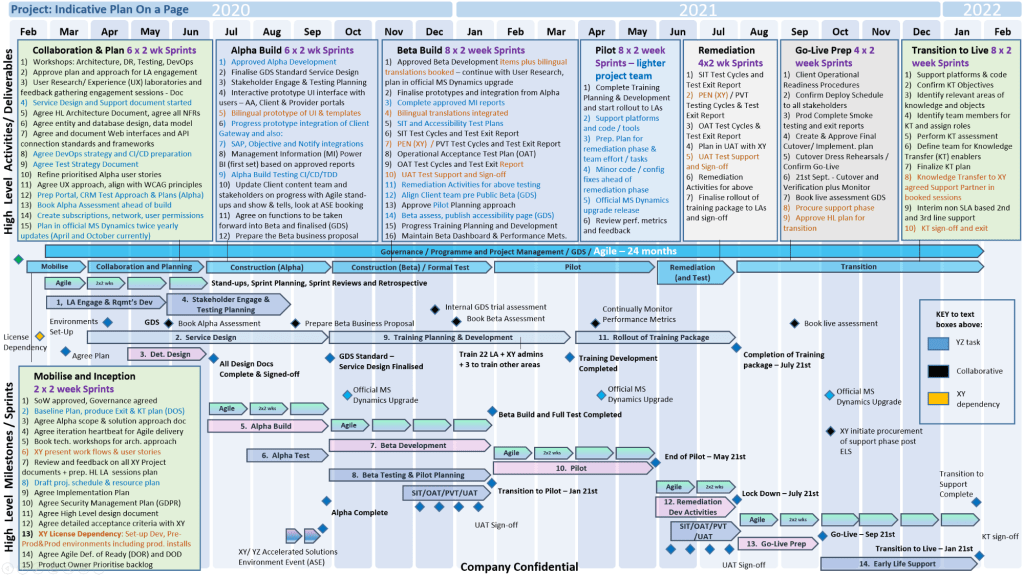
Plan On a Page POaP for an Agile Scrum project, available for download above

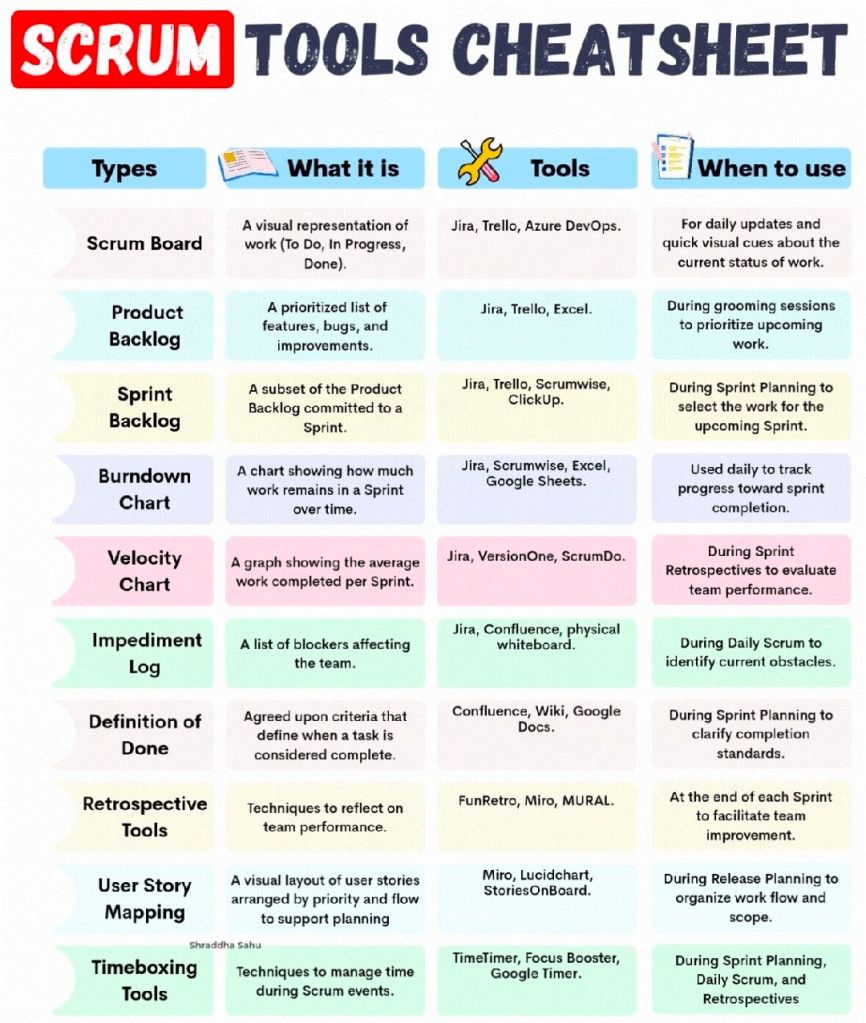
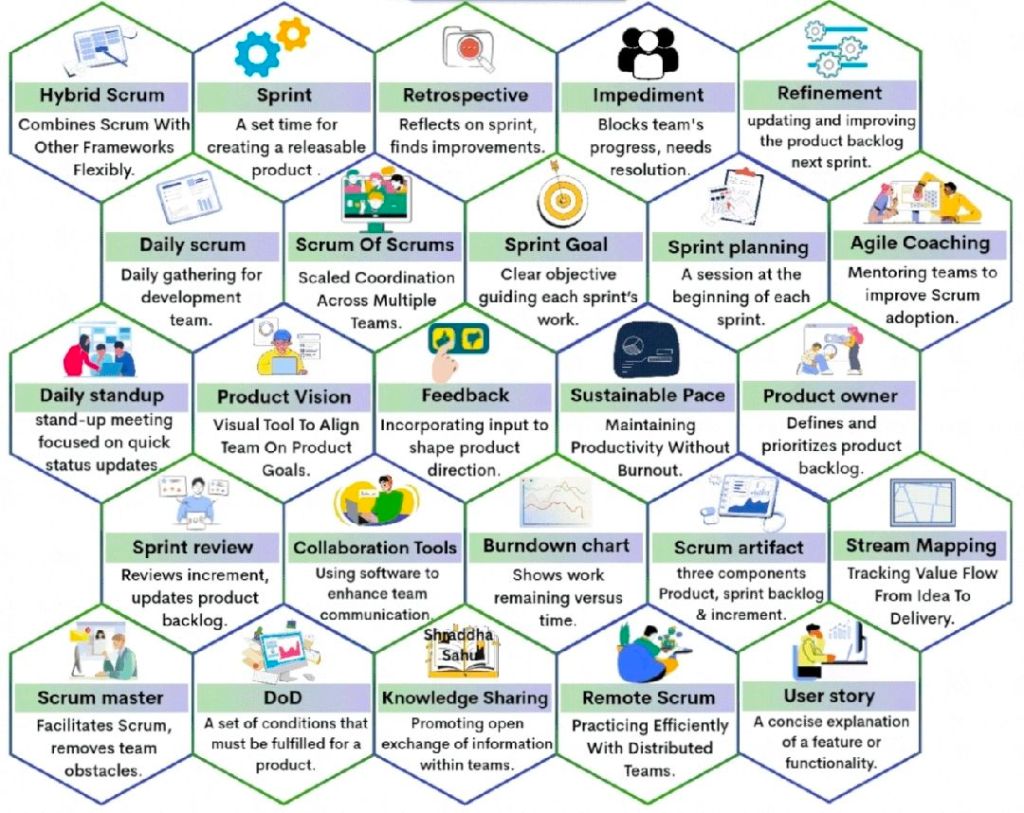
Agile Scrum Terms and Tools

Agile Scrum Terms and Tools

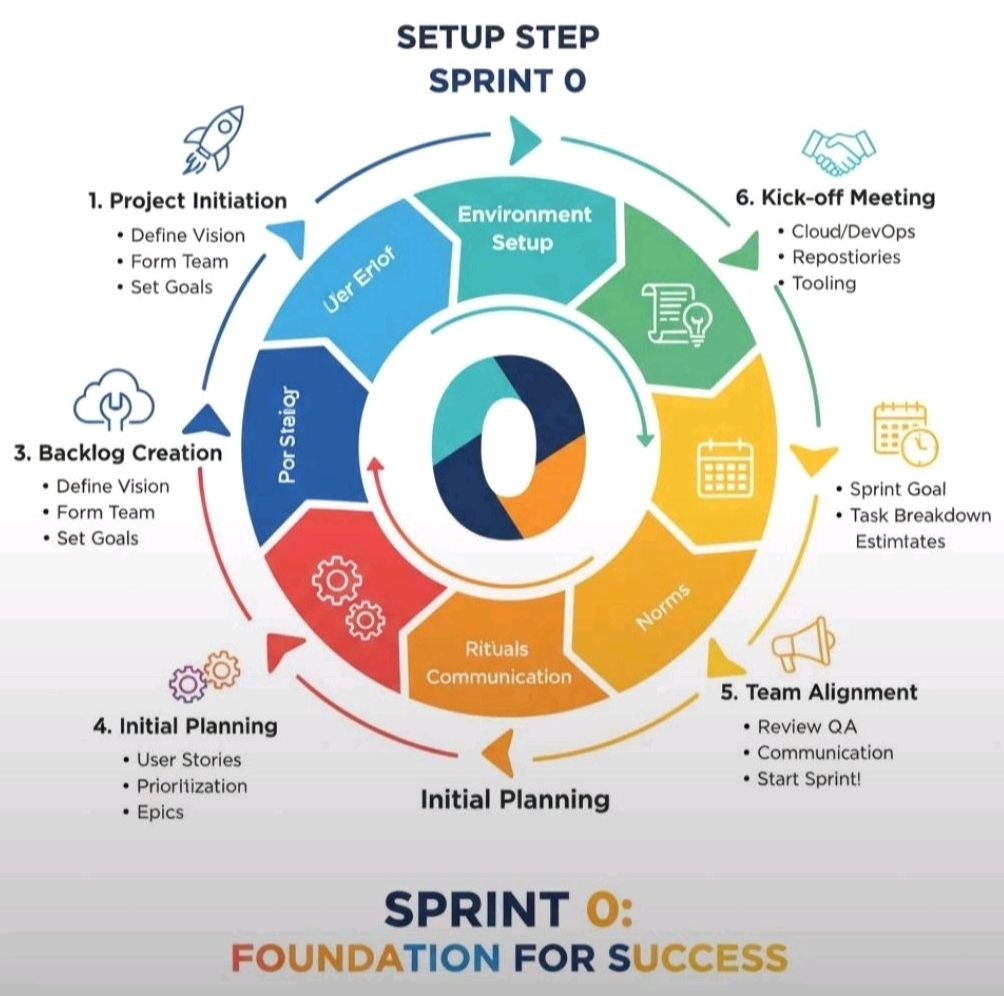
Agile Scrum Timeline and Overview

In Scrum, the “timeline” is typically structured as a repeatable, time-boxed cycle known as a Sprint, which usually lasts between one and four weeks. Each sprint follows a strict sequence of “ceremonies” designed to ensure constant delivery and feedback. 

The Standard Sprint Timeline (2-Week Example)

The following is a common chronological breakdown of a typical 10-day (two-week) sprint:

  1. Day 1: Sprint Planning
    • Goal: Define what will be delivered and how.
    • Activity: The Product Owner presents prioritized items from the Product Backlog. The team selects items to move into the Sprint Backlog.
  2. Days 2–9: Development & Daily Scrum
    • Development: The team works in parallel on design, coding, and testing.
    • Daily Scrum: A 15-minute “stand-up” held every morning. Team members sync on progress and identify blockers.
  3. Ongoing: Backlog Refinement
    • Goal: Prepare for future sprints.
    • Activity: The team reviews upcoming backlog items to ensure they are “ready” for the next planning session.
  4. Day 10: Sprint Review & Retrospective
    • Sprint Review: A demo for stakeholders to show the Product Increment (completed work) and gather feedback.
    • Sprint Retrospective: An internal meeting where the team reflects on their process to improve for the next cycle. 

Strategic Project Phases

While the sprint is the heart of execution, a broader Agile project often follows these foundational stages: 

  • Concept/Ideation: Defining project vision, high-level requirements, and initial scope.
  • Inception: Building the team, setting up architecture, and creating a mock-up.
  • Construction (Iterative Sprints): The primary execution phase consisting of multiple back-to-back sprints.
  • Release/Deployment: Final testing, security checks, and launching the product increment to production.
  • Maintenance & Operations: Ongoing support, bug fixes, and incorporating user feedback into new sprints. 

Time Allocation (The 15/10/5 Rule)

For a standard sprint, many teams use a percentage-based guide to manage ceremony time: 

  • 15% for Sprint Planning.
  • 10% for Sprint Review.
  • 5% for Sprint Retrospective. 

For more hands-on planning, tools like the Wrike Sprint Template or Jira Timelines can help visualize these cycles across a long-term roadmap.

Agile Scrum Timeline and Overview

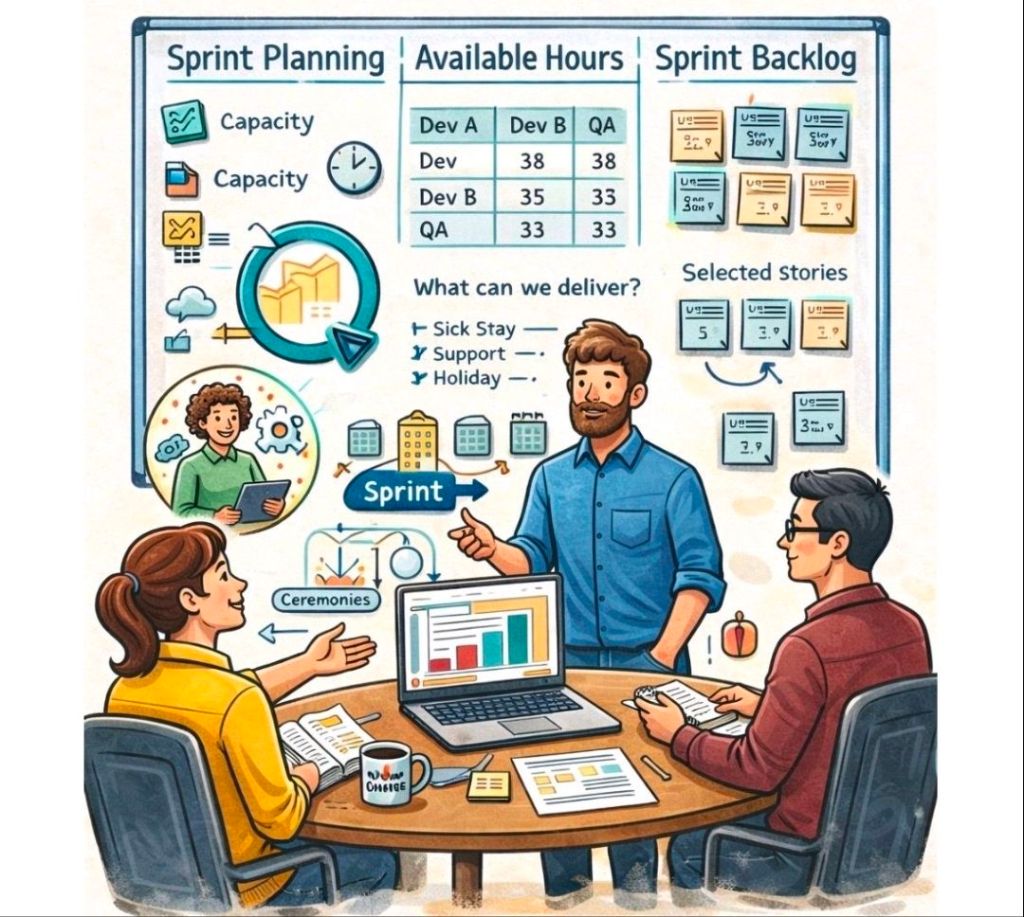
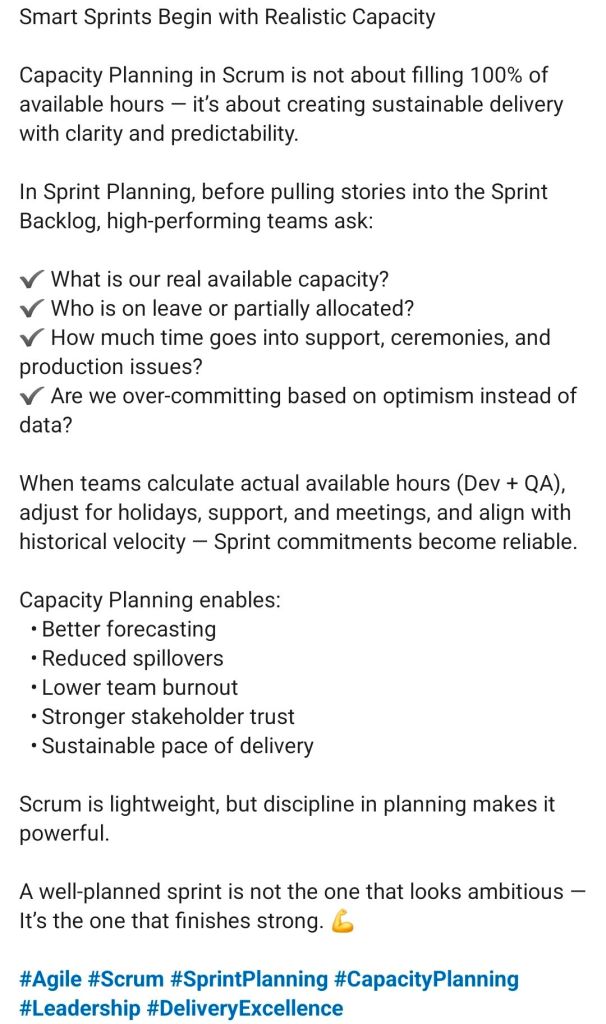
Capacity Planning in Agile Scrum

Capacity Planning in Agile Scrum

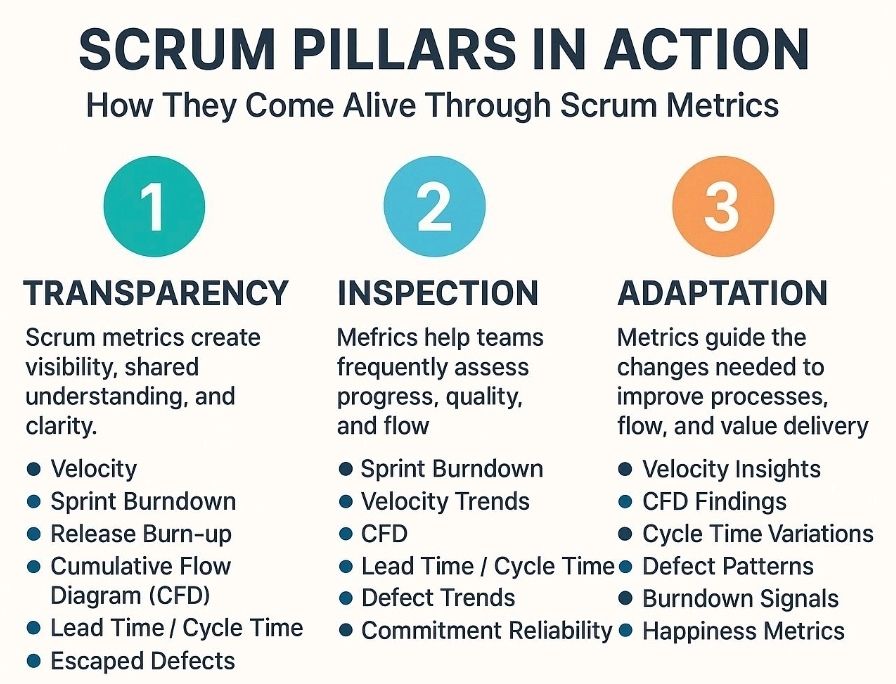
Agile Scrum Pillars Overview – Transparency, Inspection and Adaption

Agile Scrum Pillars Overview – Transparency, Inspection and Adaption

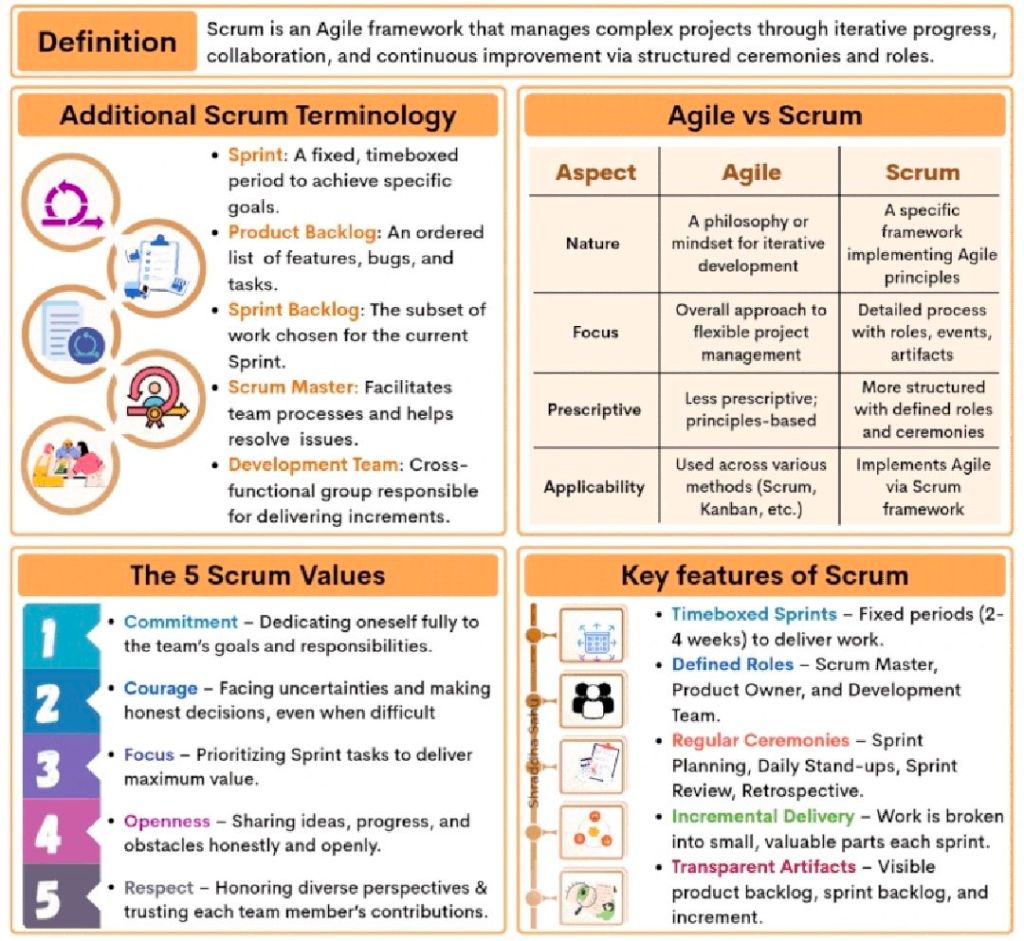
Agile Scrum Summarised Overview

Agile Scrum Summarised Overview

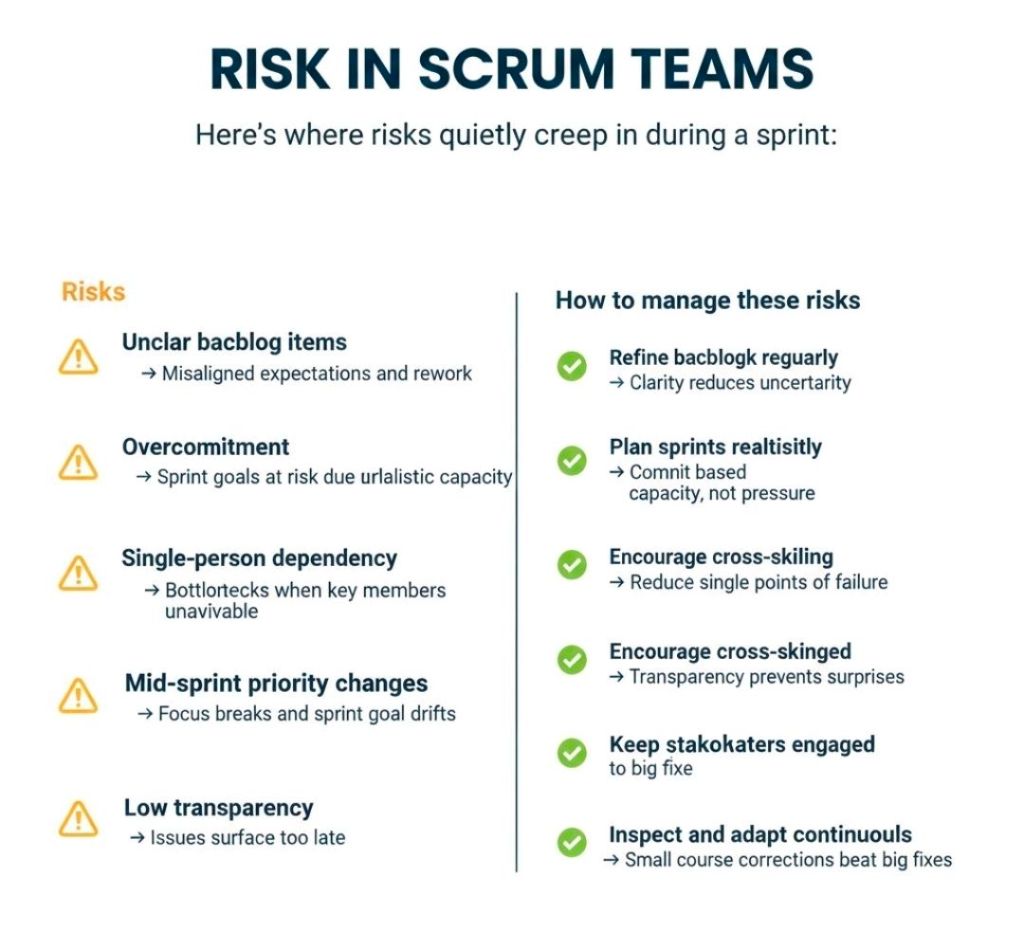
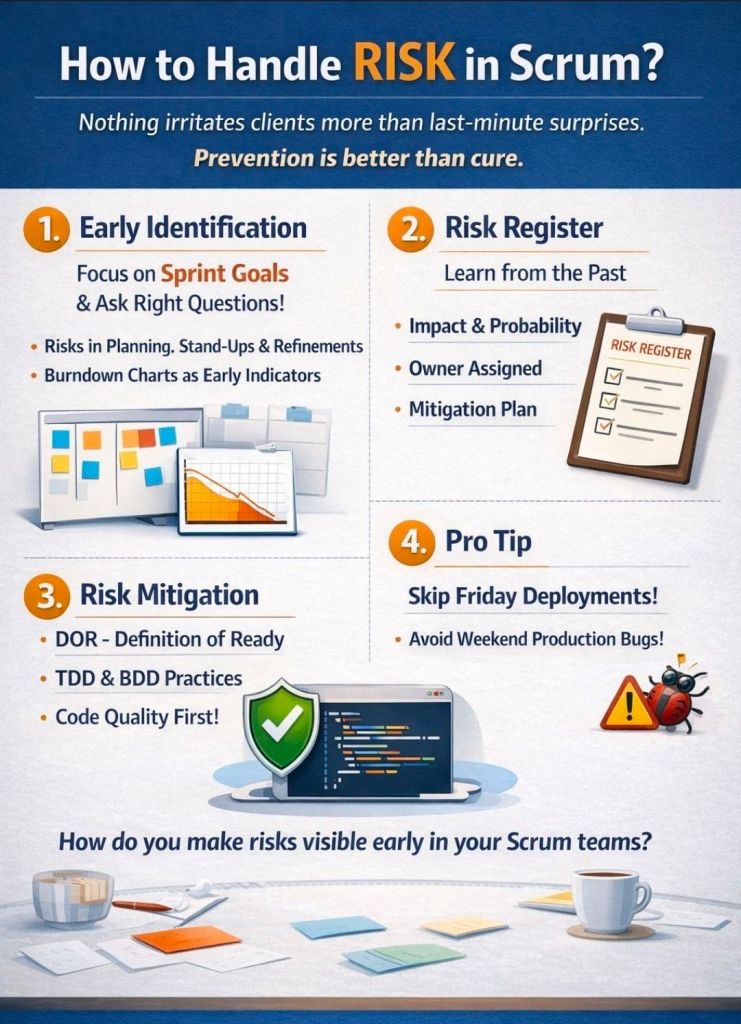
Risk in Agile Scrum Teams

Risk in Agile Scrum Teams

What is Agile Scrum?

What is Agile Scrum?

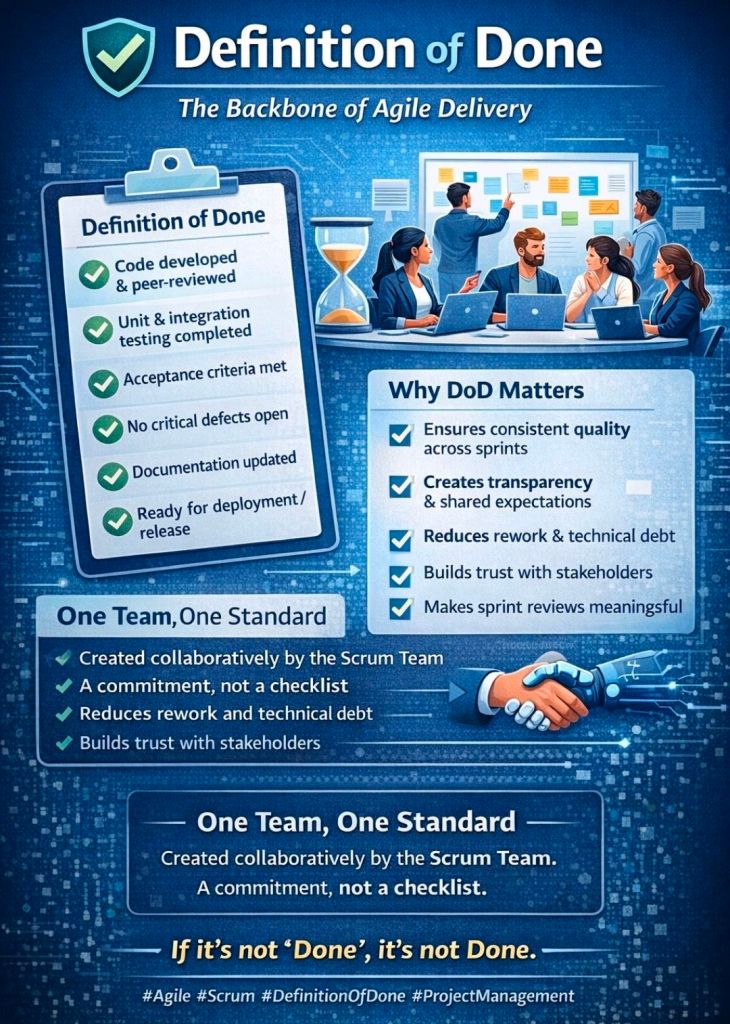
Agile Scrum, Definition of Done, DoD

Agile Scrum, Definition of Done, DoD

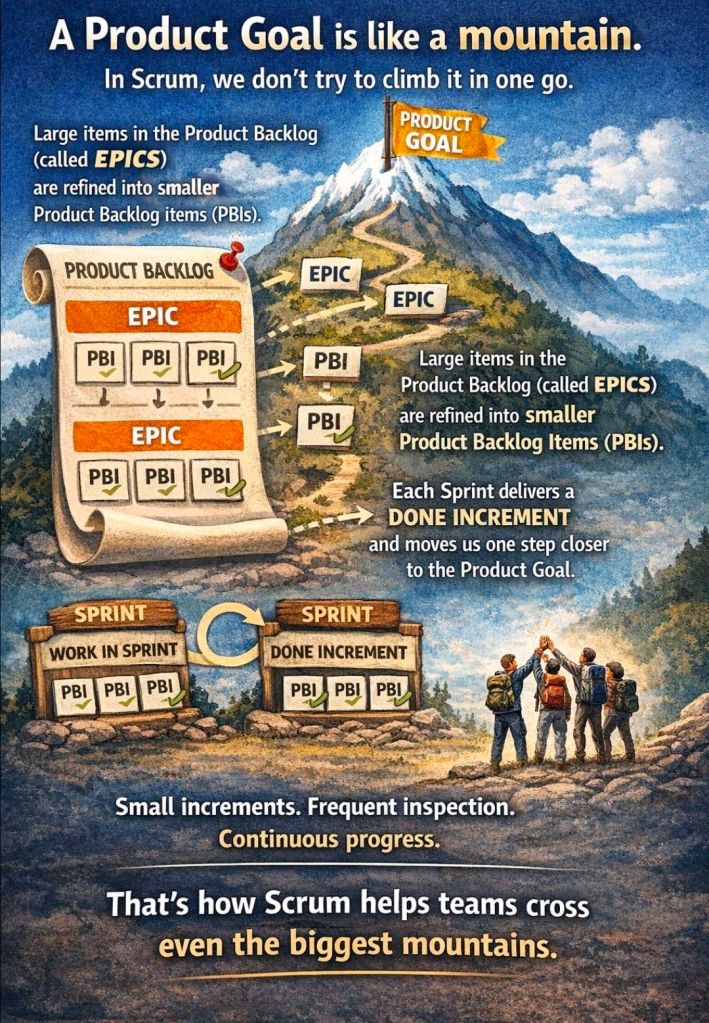
Product Goal in Agile Scrum

Product Goal in Agile Scrum

Agile Scrum Process Stages

Agile Scrum Process Stages

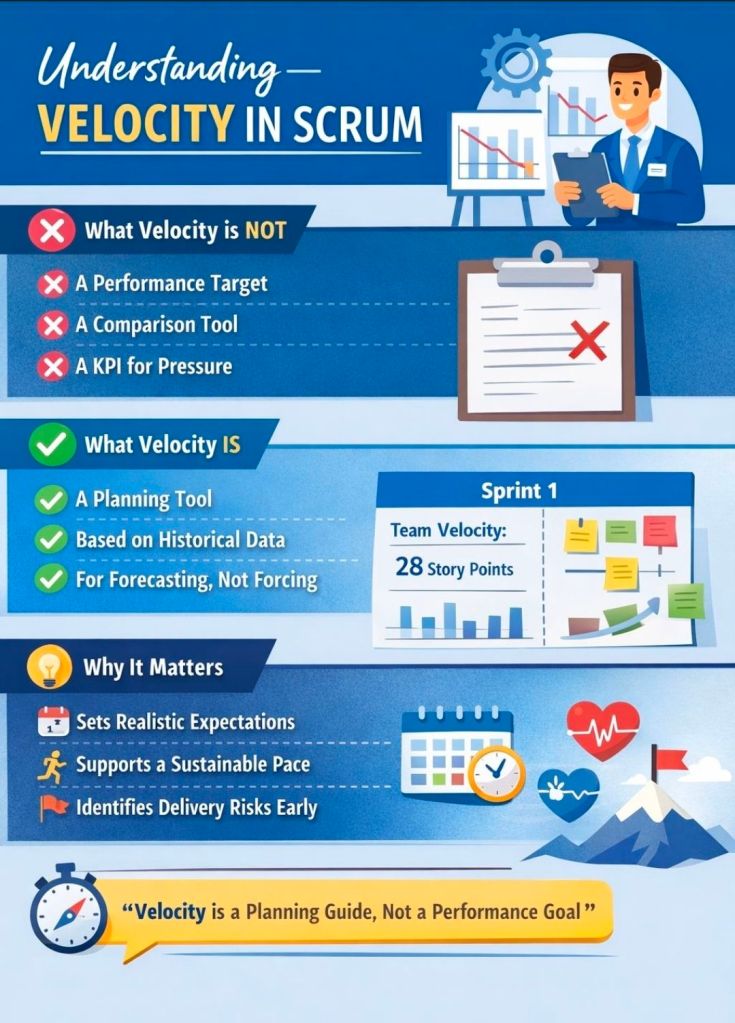
Understanding Velocity in Agile Scrum Overview

Understanding Velocity in Agile Scrum Overview

Agile Scrum and Risk

Agile Scrum and Risk

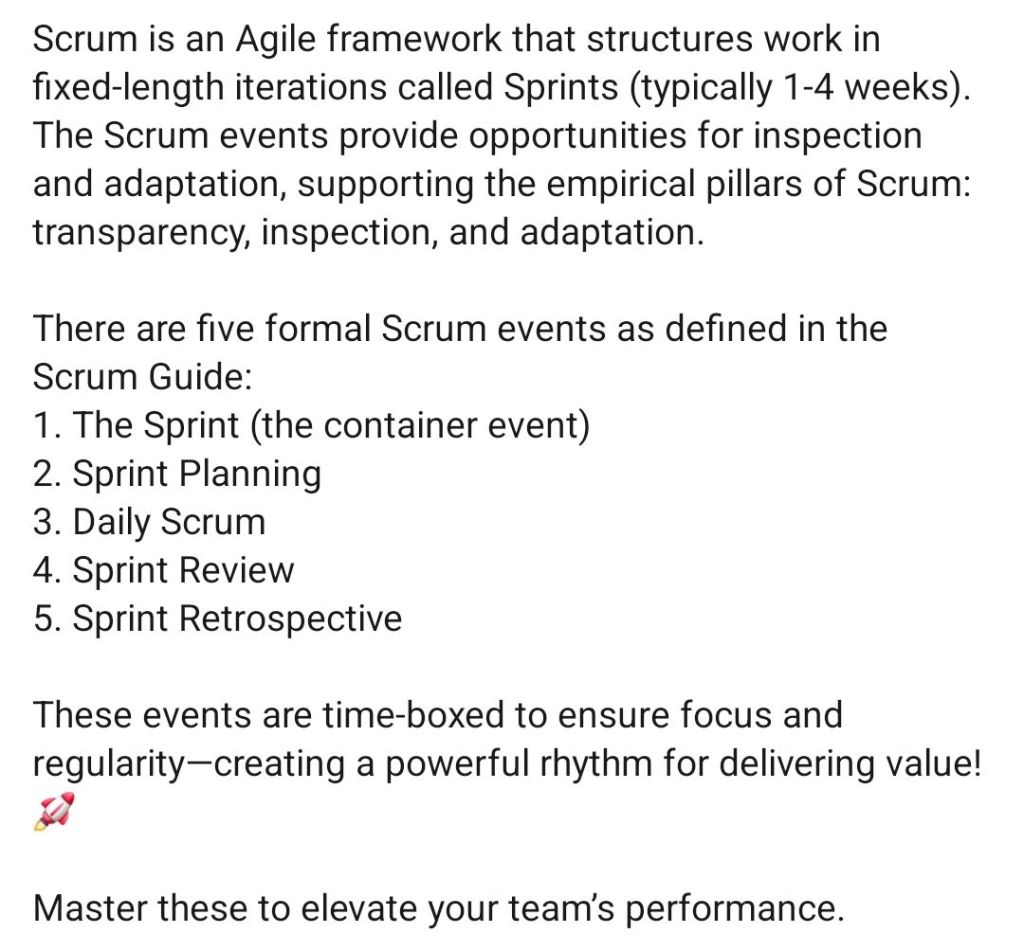
Agile Scrum Essentials, the Scrum Language

Agile Scrum Essentials, the Scrum Language

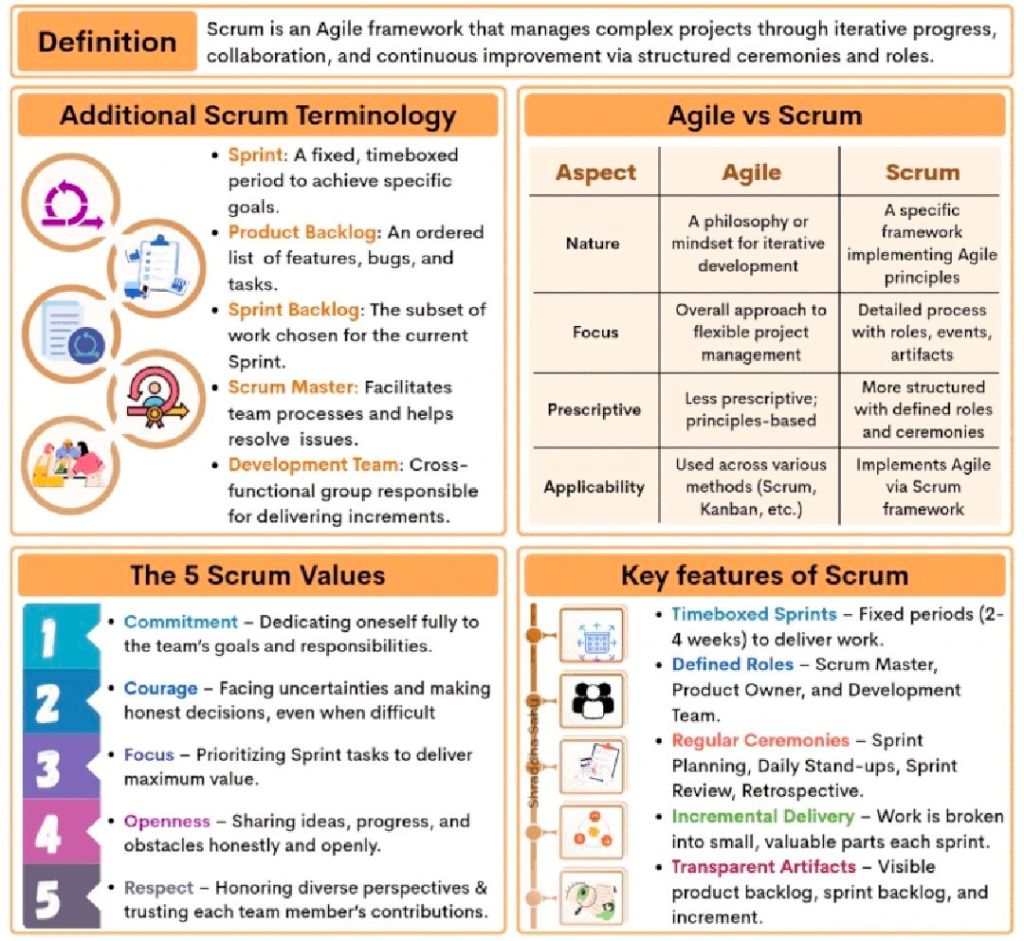
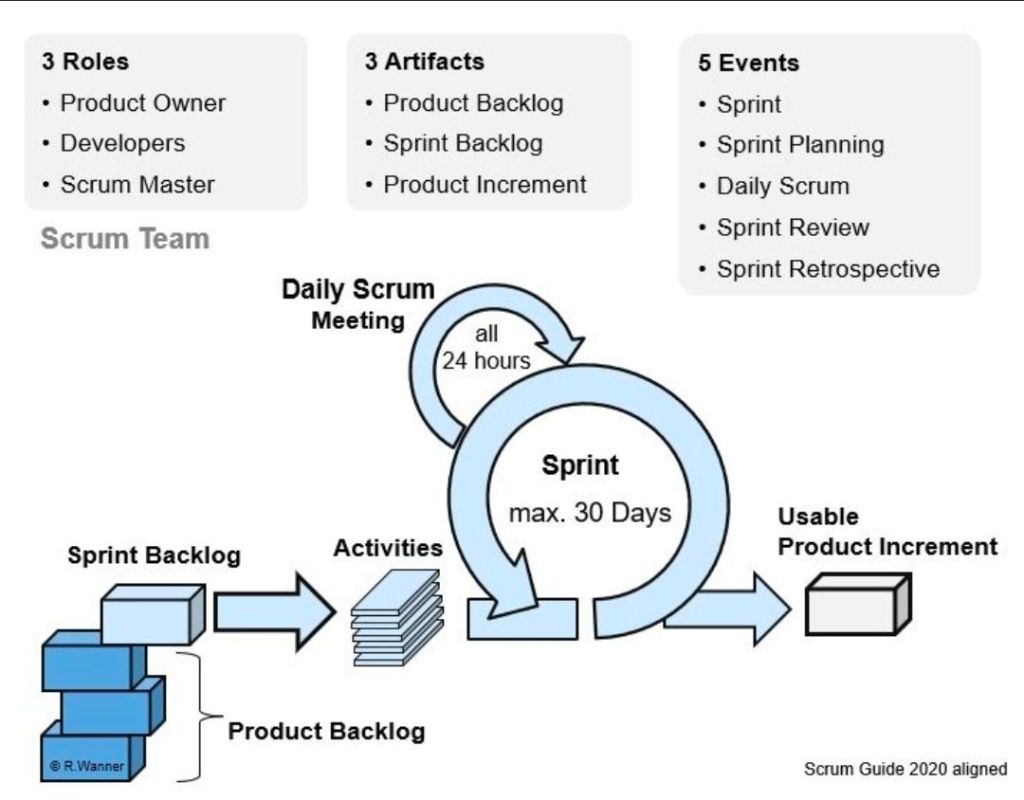
Agile Scrum Overview

Agile Scrum Overview

Timeline History of Agile Scrum Evolution, Development

Timeline History of Agile Scrum Evolution, Development

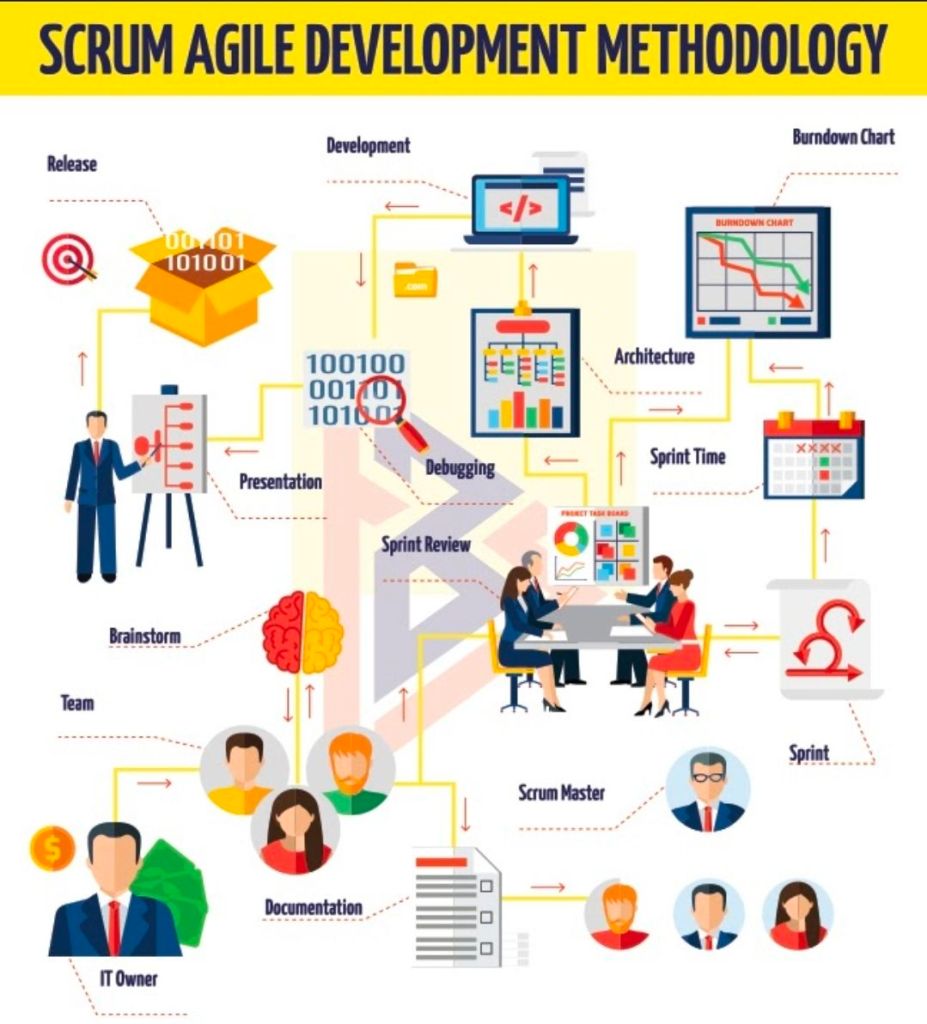
Agile Scrum Development Methodology Overview

Agile Scrum Development Methodology Overview

The Language of Agile Scrum

The Language of Agile Scrum

How Agile Scrum Improves Adaptive Product Delivery – KPI View

How Agile Scrum Improves Adaptive Product Delivery – KPI View

Capacity vs Velocity in Agile Scrum

Capacity vs Velocity in Agile Scrum