ERP stands for Enterprise Resource Planning, a software system that integrates and manages a company’s core business processes, such as finance, HR, manufacturing, and supply chain, into a single, unified platform.
By using a central database, an ERP system provides real-time data visibility, standardizes processes, and enables seamless communication across different departments, helping organizations operate more efficiently.
What ERP systems do: Integrate business functions: ERP systems break down information silos by connecting various departments like sales, accounting, and human resources.
Provide a single source of truth: A shared database ensures that everyone in the organization uses the same, accurate information for their work.
Streamline operations: By automating processes and offering synchronized reporting, ERP systems improve productivity and agility.
Offer real-time visibility: Stakeholders can access up-to-date information on business performance at any time, aiding in decision-making and planning.
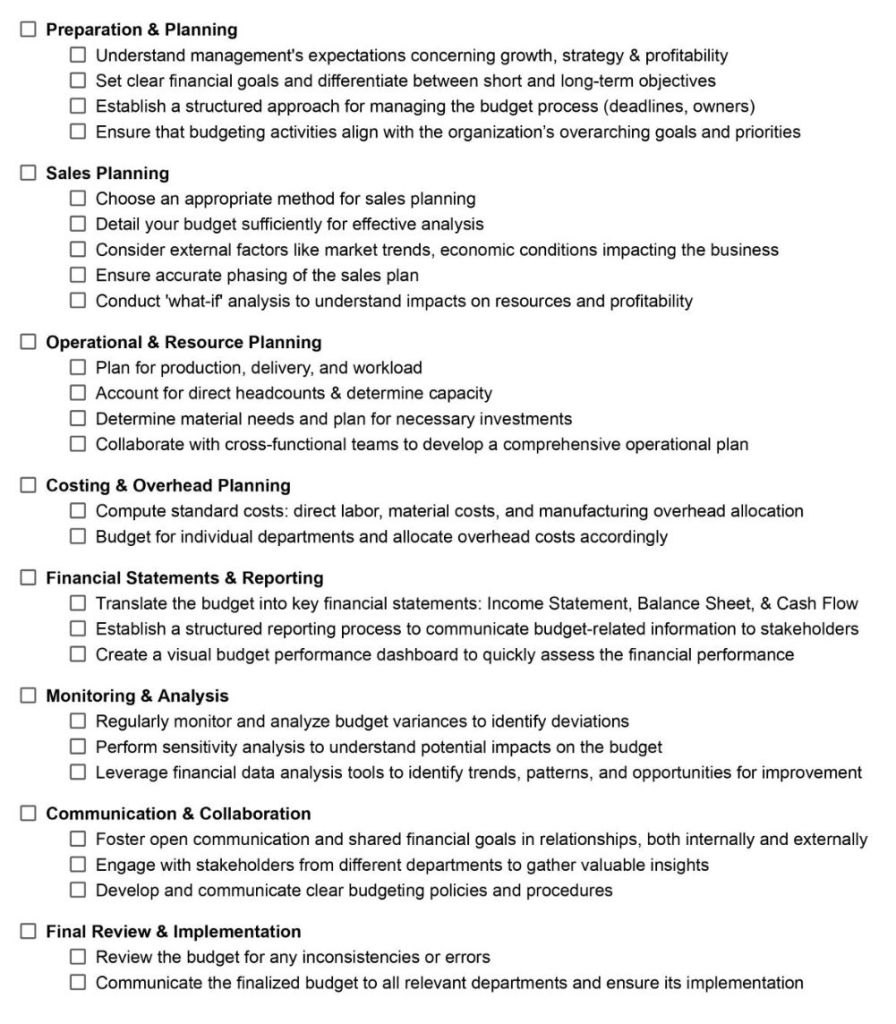
Common ERP modules and functions include: Finance: Managing accounting, budgeting, and financial reporting.
Human Resources (HR): Handling payroll, employee data, recruitment, and workforce management.
Manufacturing: Supporting materials planning and production processes.
Supply Chain Management: Integrating inventory, procurement, and order management.
Sales and Customer Relationship Management (CRM): Streamlining sales processes and managing customer interactions.
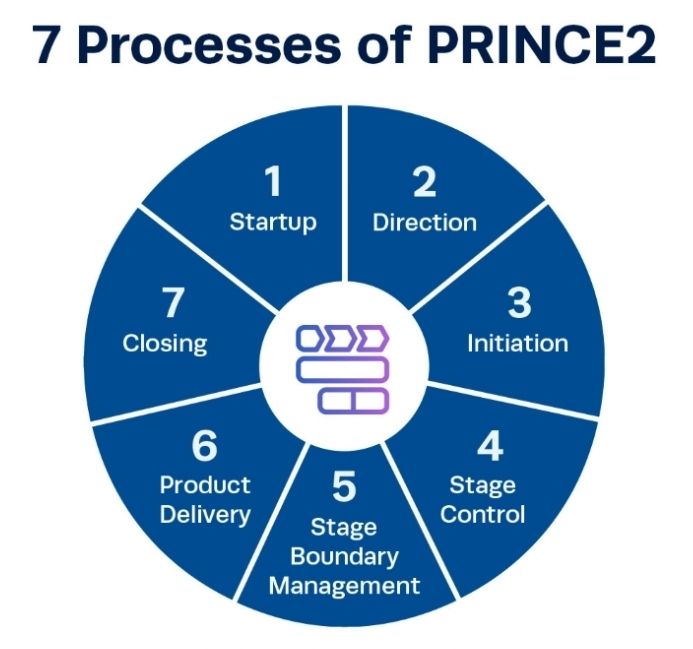
PRINCE2 Project Templates Download. Templates are fully editable and once purchased, upgrades (and template additions) to the latest package are FREE.
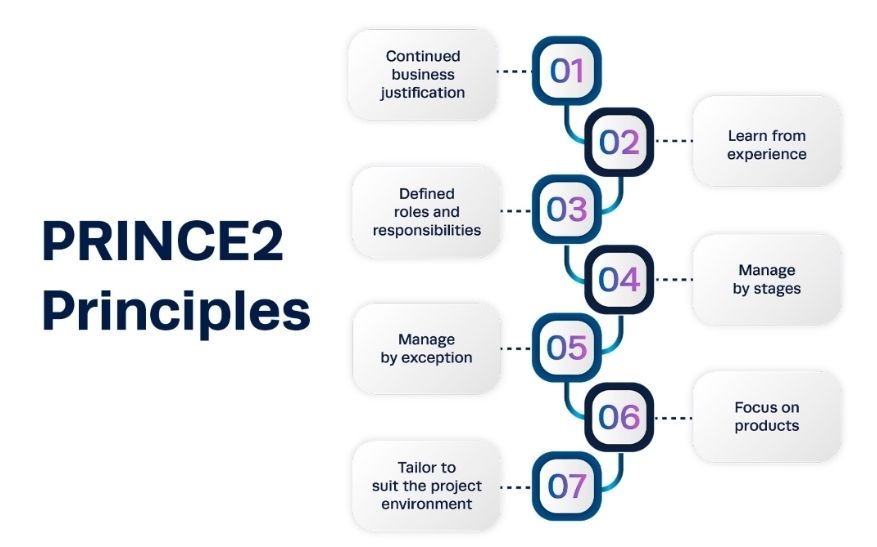
The download ZIP file pack (can be purchased, click here if using a tablet or smartphone) contains a Microsoft Project MPP file template for PRINCE2 7th Edition and the equivalent in Microsoft Excel spreadsheet format (plus many other templates, e.g. RACI, RAID, budget tracker, plan on a page – POaP etc). The plans and other templates can be tailored as required based on the seventh principle of PRINCE2 (tailor the project to suit the environment).
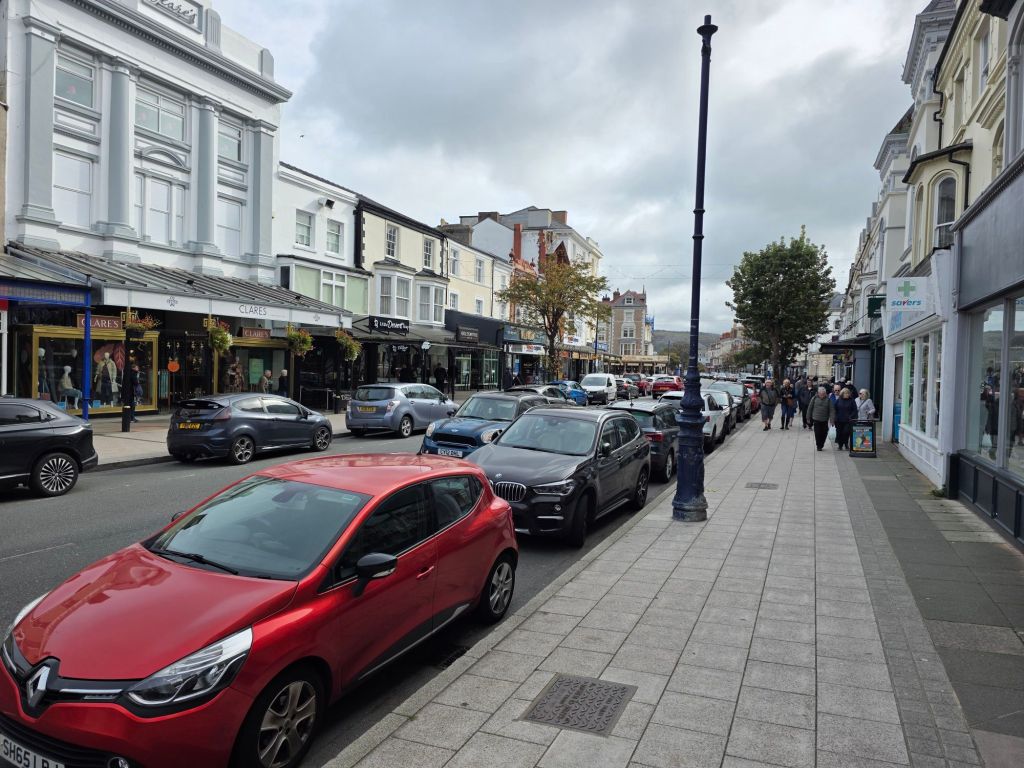
The theatre, built on the site of a market hall, opened on Bank Holiday Monday 30 August 1920. It was designed in Baroque style by Arthur Hewitt, a councillor in Llandudno; he also designed Clare’s Department Store and the Washington Hotel in the town.[2][3]
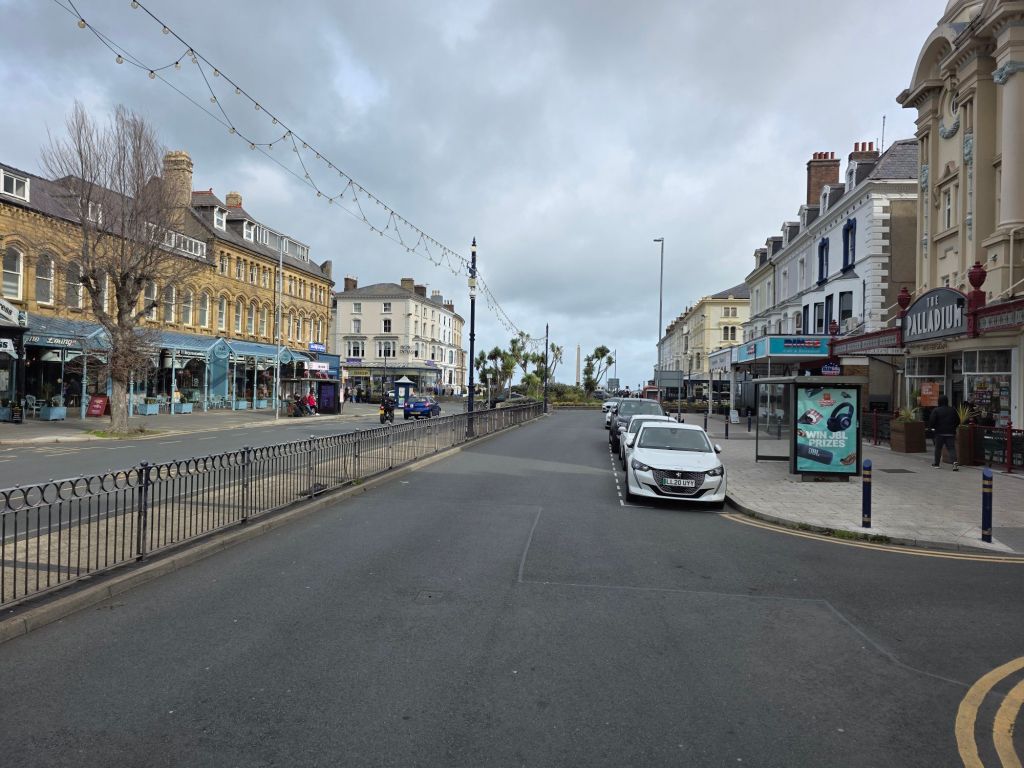
The stuccoed facade has two domed towers to each side, and a central recess featuring an oriel window within pillars that support a pediment. On the ground floor there are shop fronts on either side of the entrance.[1][2] The original theatre had a circular entrance foyer, leading to the auditorium, which seated 1,500 in stalls, a dress circle and a balcony. There were also boxes either side of the stage and behind the dress circle.[2][3]
The building was a theatre and cinema during its early years. After the Second World War it was mainly a cinema, with stage productions during the summer. In 1972 there was a conversion, so that the interior was split into a bingo hall in the former stalls, and a cinema in the former dress circle. The building was closed in September 1999.[2][3][4]
It was purchased by Wetherspoons in 2000; it was restored as much as possible into its original condition, in accordance with planning permission, and was opened as a theme pub in August 2001. There was restoration of the exterior in 2012–13.[2][3][4]




















 PROject Templates