COBOL85 programming language on HPE NonStop systems (formerly Tandem NonStop)

“COBOL85 nonstop” refers to the use of the COBOL85 programming language on HPE NonStop systems (formerly Tandem NonStop). The HPE NonStop platform is known for its fault-tolerant, continuous availability architecture, often used for critical, large-scale transaction processing. 

Key aspects of COBOL85 on NonStop include:

  • Platform-Specific Implementation: HPE provided a specific implementation of the 1985 COBOL standard tailored to its unique Guardian operating system and hardware architecture.
  • Mission-Critical Applications: COBOL programs on NonStop are commonly used in industries such as finance, retail, and government for applications requiring high reliability and constant uptime (the “nonstop” nature of the system).
  • Fault Tolerance: NonStop systems achieve fault tolerance through mechanisms like process pairs, and the COBOL runtime library can interact with these features. For example, a PARAM NONSTOP OFF setting in a PATHMON configuration can prevent a COBOL85 server from running as a process pair if that behavior is not desired.
  • System Integration: Programmers can call Guardian procedures and use embedded SQL/MP statements within their COBOL85 programs to interact with the system’s robust file system and database.
  • Development and Maintenance: The combination of COBOL85 and HPE NonStop utilities is a specific skill set for developers maintaining these critical legacy systems.
  • Tools and Manuals: Documentation and tools, such as the INSPECT symbolic debugger and the FUP (File Utility Program), are specific to the NonStop environment and assist with development and maintenance. 

For detailed information, users can consult the official documentation, such as the HP COBOL Manual for TNS and TNS/R Programs or other manuals available on the NonStopTools website and HPE Support portals. 

My NonStop COBOL85 programming experience.

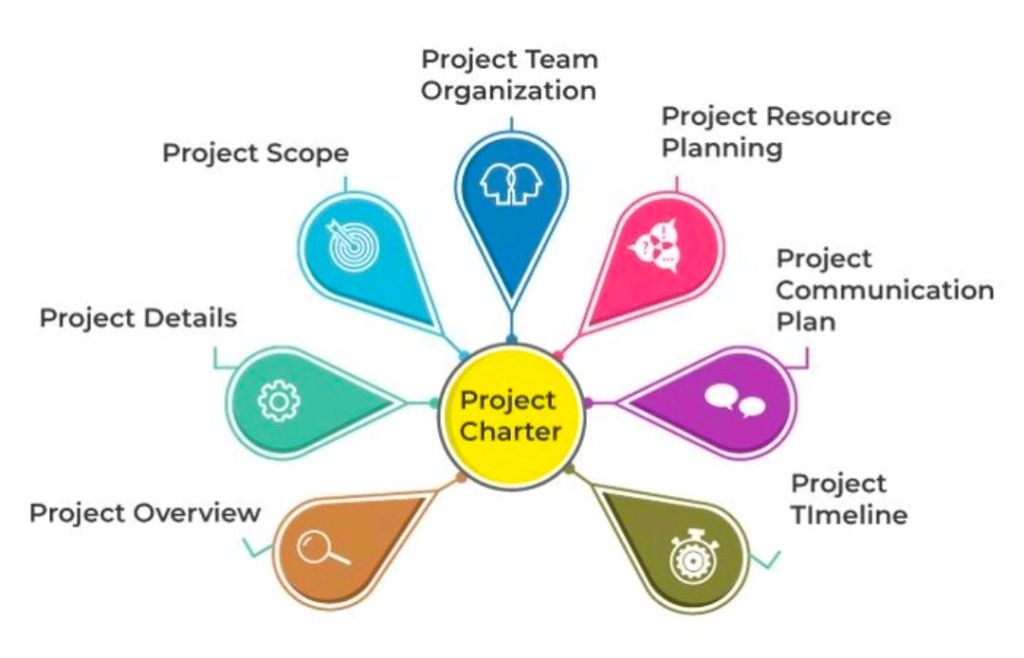
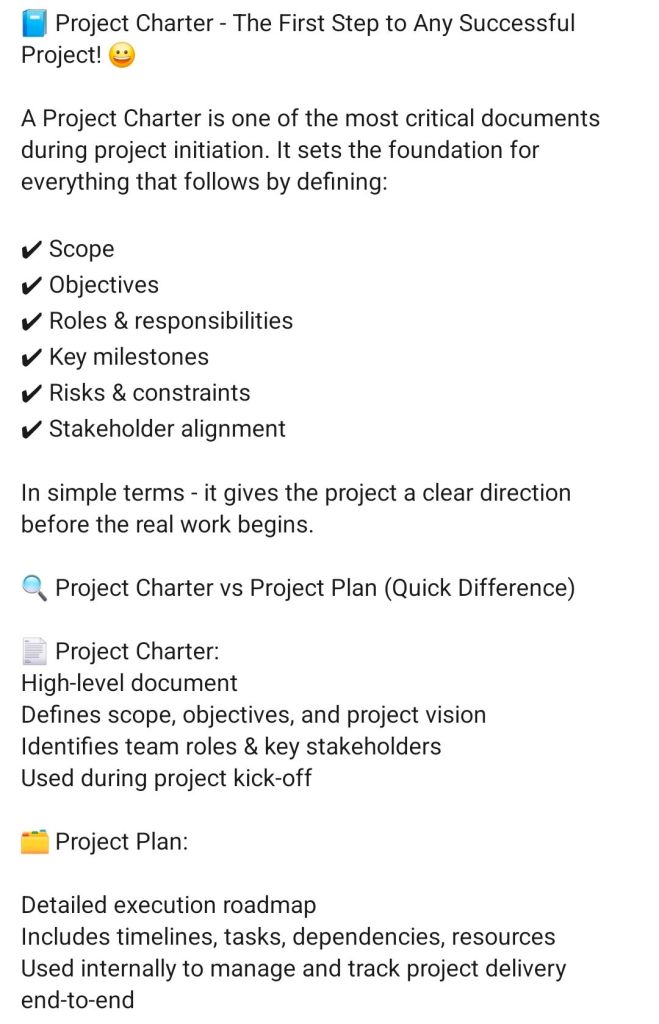
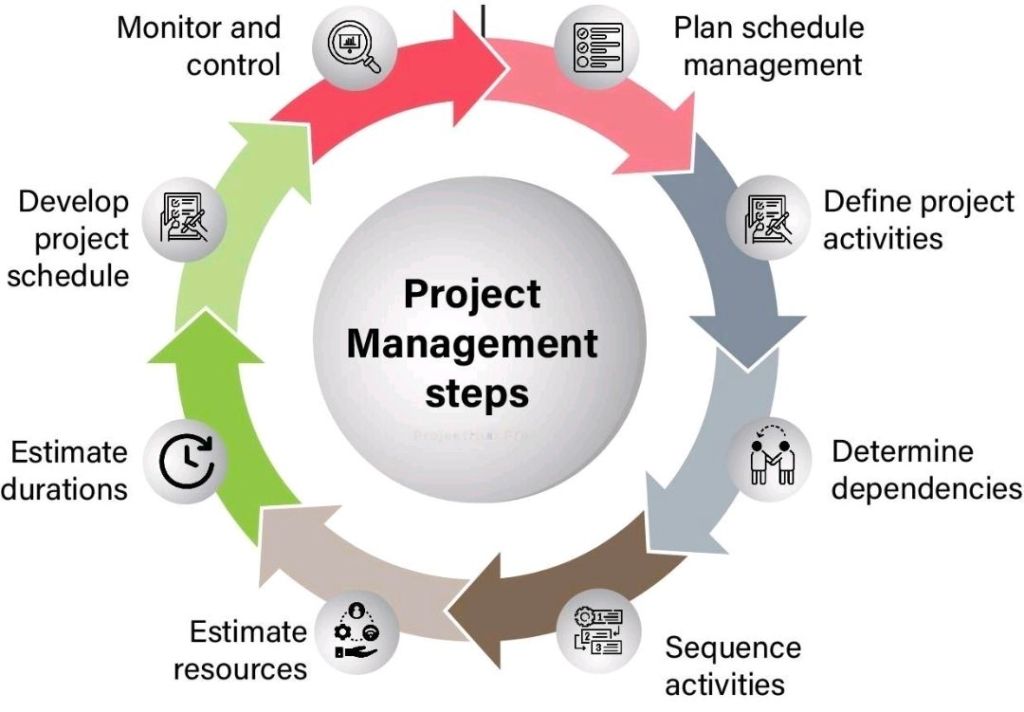
Project Management Terms and Core Areas

Project Management Terms and Core Areas

Opted for a different Xmas tree top angel this year…

Opted for a different Xmas tree top angel this year…

Agile Backlog Grooming & Sprint Planning

Agile Backlog Grooming & Sprint Planning

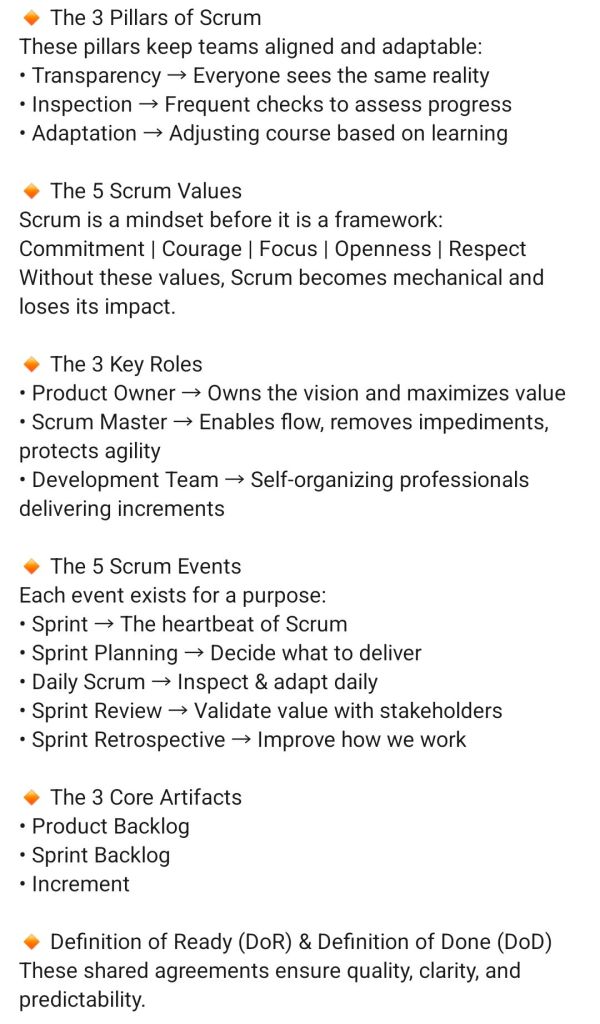
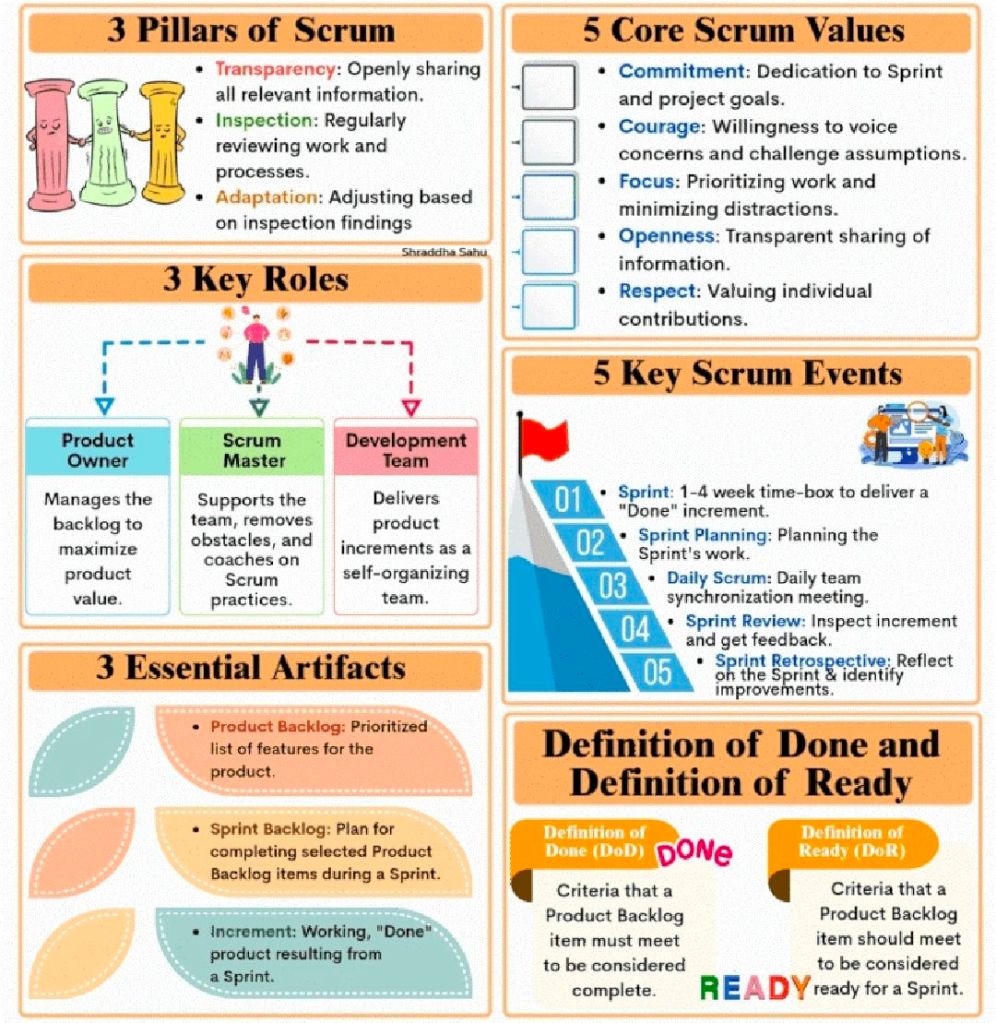
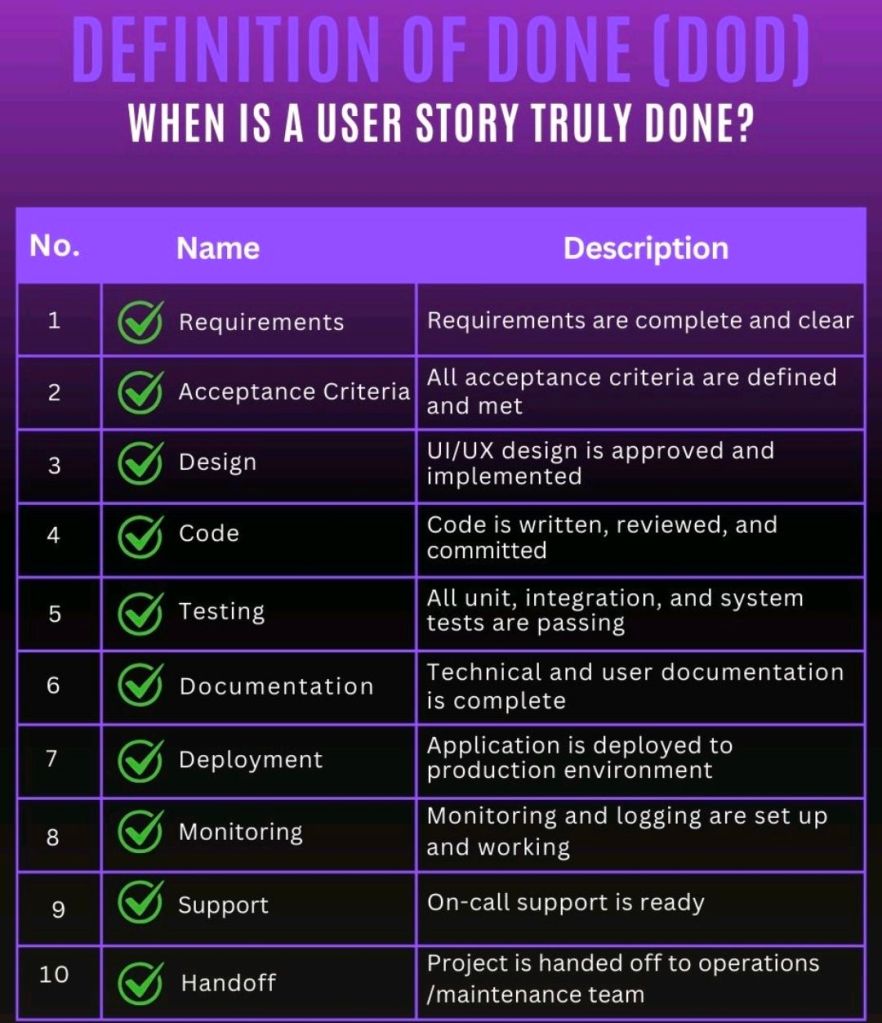
Scrum Master and Definition of Done DoD

Scrum Master and Definition of Done DoD

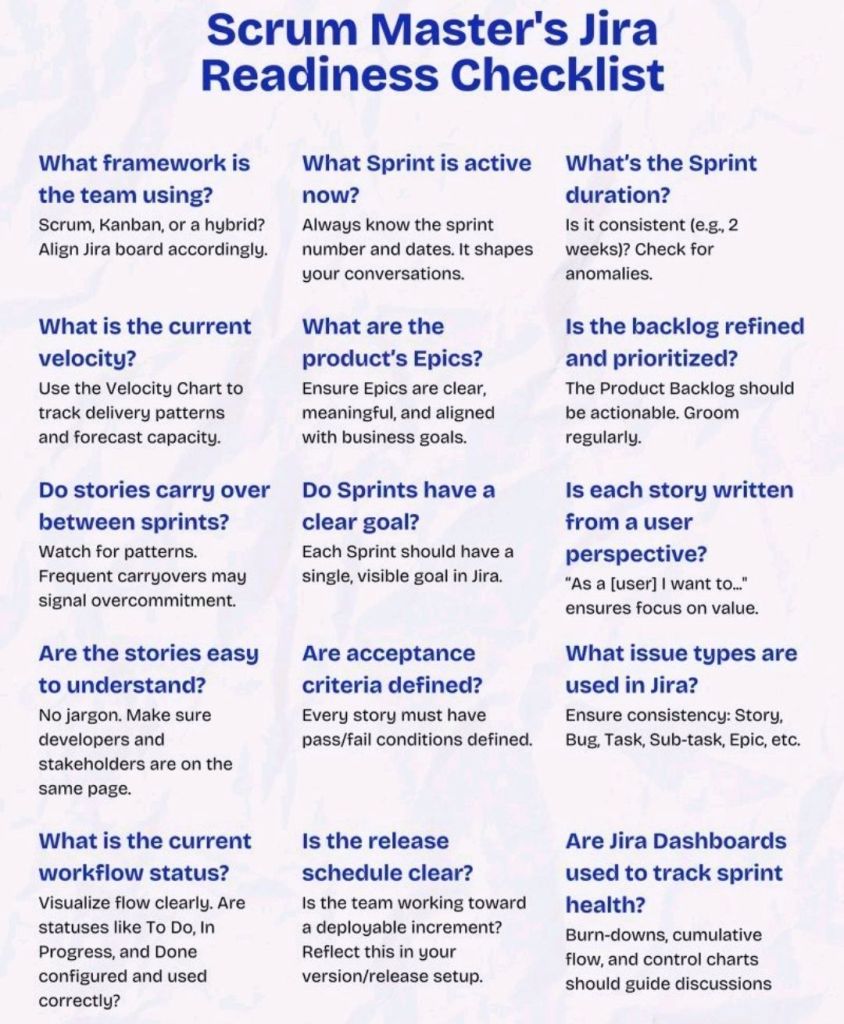
Agile Scrum Master Role

Agile Scrum Master Role

Six Sigma Tools Management

Six Sigma Tools Management

Agile versus Waterfall Project Delivery approach

Agile versus Waterfall Project Delivery approach

Transaction Application Language – TAL on HP HPE Nonstop mainframes (previously Tandem)

Transaction Application Language

Programming language

Tandem TAL - Visual Studio Marketplace
TAL User Defined Language for Notepad++ | sybond/project
Transaction Application Language – TAL on HP HPE Nonstop mainframes (previously Tandem)

Transaction Application Language or TAL is a block-structured, procedural language optimized for use on Tandem hardware. TAL resembles a cross between C and Pascal. It was the original system programming language for the Tandem Computers CISC machines, which had no assembler.

Source: Wikipedia

Transaction Application Language or TAL (originally “Tandem Application Language”) is a block-structured,[1] procedural language optimized for use on Tandem (and later HP NonStop) hardware. TAL resembles a cross between C and Pascal. It was the original system programming language for the Tandem Computers CISC machines, which had no assembler.[2]

Transaction Programming Language (TAL)
ParadigmBlock-structured procedural language
DeveloperHewlett-Packard Enterprise (originally Tandem Computers)
First appearedmid 1970s
PlatformMIPS, Itanium, x86-64
OSNonStop OS
LicenseProprietary commercial software
File formatsunstructured, Enscribe, NonStop SQL/MP, NonStop SQL/MX
Dialects
TAL, pTAL, epTAL
Influenced by
ALGOL, Pascal, C

The design concept of TAL, an evolution of Hewlett-Packard‘s SPL, was intimately associated and optimized with a microprogrammed CISC instruction set. Each TAL statement could easily compile into a sequence of instructions that manipulated data on a transient floating register stack. The register stack itself floated at the crest of the program’s memory allocation and call stack.

The language itself has the appearance of ALGOL or Pascal, with BEGIN and END statements. However, its semantics are far more like C. It does not permit indefinite levels of procedure nesting, it does not pass complex structured arguments by value, and it does not strictly type most variable references. Programming techniques are much like C using pointers to structures, occasional overlays, deliberate string handling and casts when appropriate.

Available datatypes include 8-bit, 16-bit, 32-bit and (introduced later) 64-bit integers.[3] Microcode level support was available for null terminated character strings. However, this is not commonly used.

Originally the Tandem NonStop operating system was written in TAL. Much of it has since been rewritten in C and TAL has been deprecated for new development.

In the migration from CISC to RISC, TAL was updated/replaced with pTAL – compilers allowed TAL to be re-compiled into Native RISC Applications. Later, the epTAL compiler was introduced for Itanium processors.

Common Agile Metrics

Common Agile Metrics

PMBOK 8 – The Hidden Layers

PMBOK 8 – The Hidden Layers

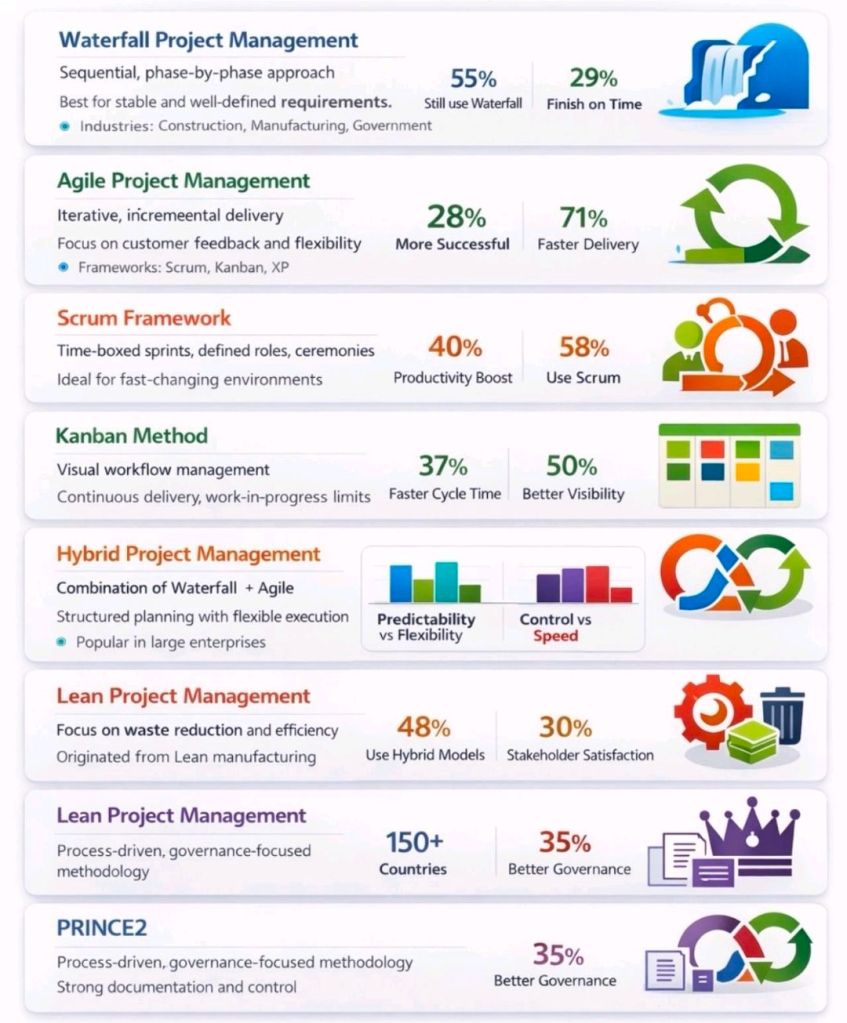
Major Types of Project Management Frameworks

Major Types of Project Management Frameworks

Agile Scrum Anti-Patterns

Agile Scrum Anti-Patterns

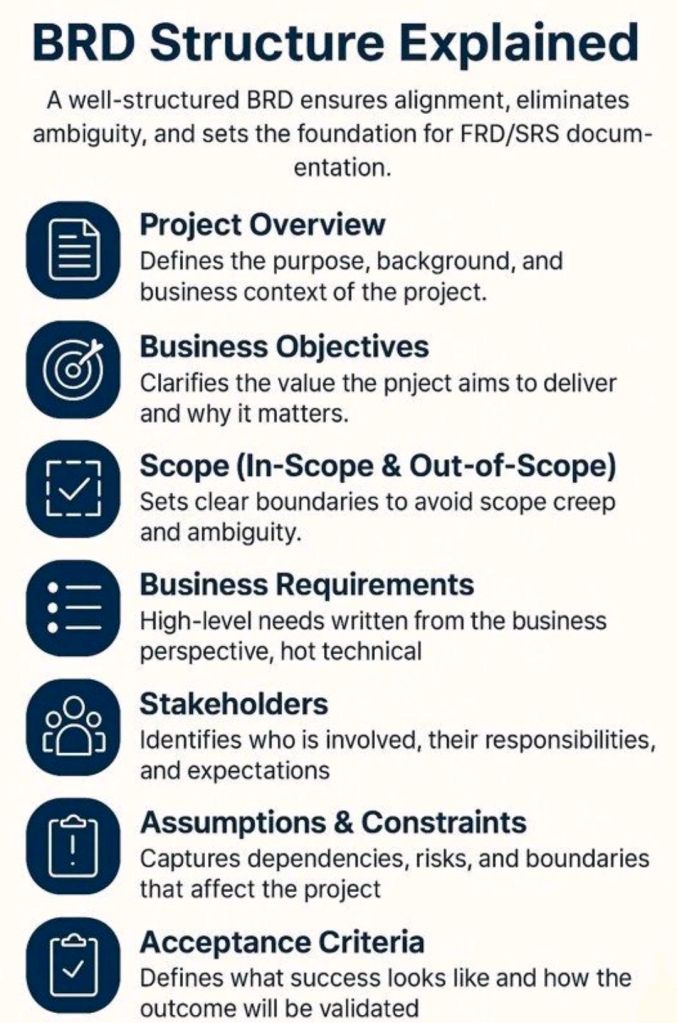
Requirements Documentation – BRD, SRS, User Stories and Use Cases

Requirements Documentation – BRD, SRS, User Stories and Use Cases

Change Management ideas for Program Managers

Change Management ideas for Program Managers

Senior Business Analyst BA starts with strong basics

Senior Business Analyst BA starts with strong basics

Aligning PMO with PMBOK 8

Aligning PMO with PMBOK 8

Agile Scrum Process Design

Agile Scrum Process Design

The Role of a Project Manager, an Overview

The Role of a Project Manager, an Overview

Five Agile Scrum Ceremonies every Agile Team should Master

Five Agile Scrum Ceremonies every Agile Team should Master