

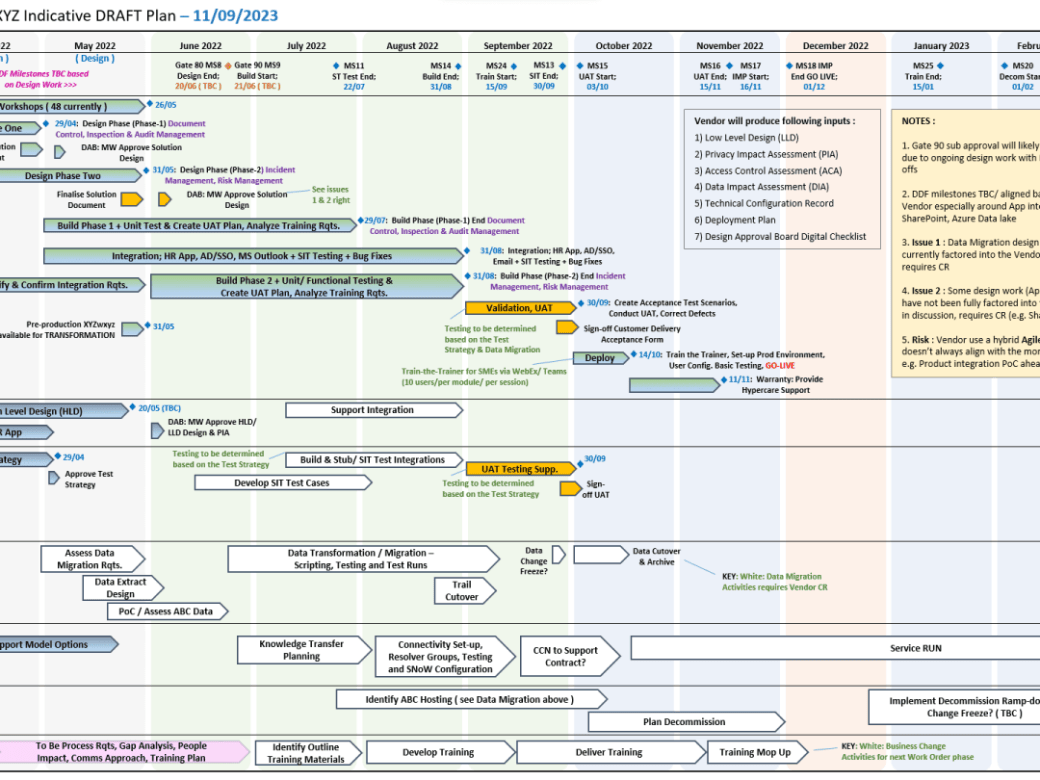
Mark Whitfield’s PROject Templates are widely regarded as a high-quality, practical toolkit for IT and project management professionals. Instead of generic, academic frameworks, his resources are built from over 24 years of real-world delivery experience managing multimillion-pound projects for blue-chip companies like Capgemini, Lloyds Banking Group, and Royal Mail.
The primary selling point of the package is that it bridges the gap between traditional structured governance (Waterfall, PRINCE2) and modern iterative execution (Agile Scrum).
Here is a breakdown of what makes them well-regarded and a few things to consider:
✅ Why They Are Considered Good
- Massive, Comprehensive Bundle: The toolkit includes a downloadable ZIP file containing over 200 fully editable templates. This spans Microsoft Project (.mpp) plans, Excel dashboards, Word documents, and over 35 PowerPoint variations for stakeholder reporting.
- Designed for “What Actually Works”: The tools are modeled after actual client-facing delivery rather than theoretical textbook guidelines. They cover essential day-to-day artifacts like RAIDs logs (Risks, Actions, Issues, Dependencies), Plan on a Page (POaP) timelines, RACI matrices, and financial forecast trackers.
- No Software Lock-in: For teams or clients who do not use complex software like Microsoft Project or Jira, the toolkit provides lightweight Excel equivalents—such as standalone Excel POaPs and manual Burn Down/Up charts.
- Exceptional Value & Free Lifetime Upgrades: Purchased directly via the PROject Templates Platform, the complete bundle is frequently offered at a promotional rate of £38.00. Once you buy it, all future additions and version upgrades are free for life.
⚠️ What to Keep in Mind
- Microsoft Office Ecosystem: The templates are heavily built around MS Excel, Project, PowerPoint, and Word. While they work across multiple devices and cloud platforms, you will get the most seamless experience if your organization relies natively on the Microsoft 365 ecosystem.
- Hybrid Focus: If your team is strictly 100% pure Agile and manages absolutely everything natively inside Jira or Asana, some of the hybrid Waterfall/Agile governance templates might feel more thorough than you strictly need. However, they are incredibly useful if you have to report Agile progress to traditional C-suite executives.


