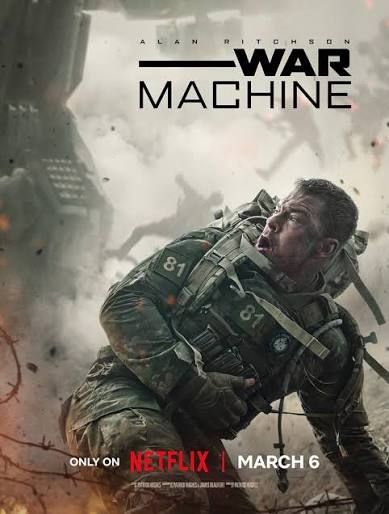
War Machine 2026, with Alan Ritchson, on Netflix

War Machine with Alan Ritchson

New… War Machine on Netflix… with Alan Ritchson of Reacher fame… a little like the first Predator movie (but with a giant transformer type robot) with a touch of Aliens in the last segment… not bad… hectic but ‘not bad’… conclusion… don’t make Predator sequels… re-imagine the original but differently… good fun at least… 😀

War Machine 2026, with Alan Ritchson, on Netflix

Top Open Content Management CMS OCM Solutions in 2026

In 2026, the landscape for open content management solutions is defined by a shift toward headless architecturesAI-native workflows, and high-security frameworks for regulated sectors. While established players remain dominant, newer platforms are gaining ground by treating content as structured data for omnichannel delivery. 

Top Open-Source CMS Solutions

These platforms are the most prominent open-source options available in 2026, often used as the foundation for both simple sites and complex enterprise architectures. 

  • WordPress: Remains the global leader, powering over 42.8% of all websites. The 2026 updates have modernised the platform with real-time collaboration features similar to Google Docs and significant performance gains in its core editor. This particular website is built using WordPress, https://mark-whitfield.com
  • Strapi: A leading headless CMS preferred by developers for its API-first design. Strapi 5 features a complete TypeScript migration and a new “Document Service API” that simplifies frontend integration.
  • Drupal: The primary choice for high-security environments like government, healthcare, and higher education. Drupal 11 (released in late 2024) and upcoming updates in 2026 focus on modernising its technical stack with newer Symfony components.
  • Joomla: Serves as a “middle-ground” option, offering more native structural control than WordPress without the extreme complexity of Drupal. It features native support for 70+ languages without needing additional plugins.
  • Ghost: A specialized Node.js platform for modern publishing and newsletters. Ghost 6.0 introduced native analytics and networked publishing, achieving extremely fast load times of under 0.7 seconds.
  • TYPO3: Highly favoured by European enterprises for multi-site management. Its “Site Sets” functionality allows reusable configurations across thousands of sub-sites from a single installation. 

Key 2026 Evaluation Criteria

When choosing a solution in 2026, organizations are prioritizing the following:

Feature Trend for 2026

AI Integration, Shift from simple text generation to Agentic AI that can automate workflows, update metadata, and audit content autonomously.

Architecture Hybrid Headless is the “sweet spot” for mid-market companies, combining API-driven delivery with visual editing for marketers.

Security, Adherence to modern standards like NIST SP 800-53 and OWASP Top 10:2025 is critical, especially regarding supply chain security in plugin ecosystems.

Performance, Core Web Vitals targets have tightened, with top platforms aiming for a Largest Contentful Paint (LCP) under 2.5 seconds.

Specialized Alternatives

  • For E-commerceShopify remains the dominant SaaS choice, while WooCommerce (open-source) is the top pick for those wanting full ownership.
  • For Design-Centric TeamsWebflow and Wix Studio are leading the “visual-first” CMS market, though they are proprietary SaaS models rather than open-source.
  • For Advanced Content OpsSanity is increasingly viewed as a “Content Operating System” rather than a traditional CMS, focusing on content as programmable data for AI applications. 

Open content management (OCM) refers to platforms that allow for flexible, open-source, or highly integrated digital content and change management. Below is a timeline of the top open solutions based on their market entry and evolution into 2026

Open Content Management (OCM) Evolution Timeline

  • 1998: TYPO3 Release
    • One of the earliest enterprise-class open-source CMS platforms, known for its scalability and multilingual support.
  • 2001: Drupal Launch
    • Established as a highly flexible, community-driven framework.
    • By 2026, it remains a top choice for complex, large-scale enterprise websites due to its modular design.
  • 2003: WordPress and Textpattern
    • WordPress: Initially a blogging tool, it evolved into the world’s most popular CMS, powering over 43% of websites including this site, https://mark-whitfield.com
    • Textpattern: Launched as a simple, elegant open-source alternative for content creators.
  • 2005: Joomla! and Alfresco
    • Joomla!: Released as a user-friendly but powerful open-source CMS, balancing flexibility with ease of use.
    • Alfresco: Introduced as an open-source Enterprise Content Management (ECM) system, focusing on document management and information governance.
  • 2008: Magento (Adobe Commerce)
    • Launched as a specialized open-source platform for e-commerce content management.
  • 2009: Nuxeo and dotCMS
    • Nuxeo: Entered the market as a cloud-native, open-source ECM platform designed for complex content lifecycles.
    • dotCMS: Released as a Java-based hybrid CMS that bridges traditional and headless content delivery.
  • 2013–2015: Rise of Headless & Modern OCM
    • Ghost (2013): A modern, open-source “headless” CMS specifically for professional publishing and newsletters.
    • Backdrop CMS (2015): A Drupal fork aimed at providing a more accessible path for small-to-medium organizations.
  • 2020–2026: Integrated & AI-Driven OCM
    • OCM Solution (OCMS Portal): Emerged as a leading modern platform for Organizational Change Management (OCM), providing open templates and digital tools for tracking business transformation.
    • Strapi & TinaCMS: Gained popularity as developer-first, open-source headless solutions for modern web applications.
    • Drupal CMS (2026): A new, simplified version of Drupal designed to be more accessible for non-developers while maintaining its “open” core. 

Top Open Content Management OCM CMS Solutions in 2026

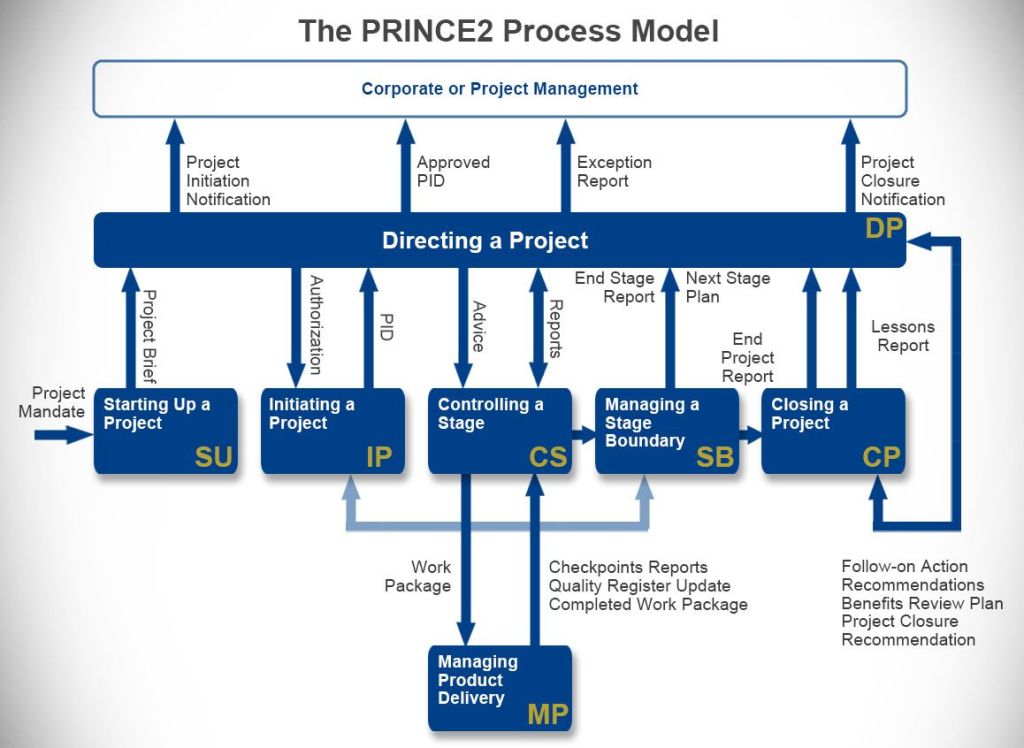
PRINCE2 7 Process Model, 2026 – 7th Edition

In 2026, the PRINCE2 7 (7th Edition) remains the current global standard for the methodology. The core diagram, known as the PRINCE2 Process Modelillustrates how the 7 processes interact across the four management levels: Corporate, Direction, Management, and Delivery

The PRINCE2 7 Process Model

The diagram typically visualises the project lifecycle from a “Project Mandate” to “Project Closure” through these processes: 

  • Starting Up a Project (SU): The pre-project process where a mandate is converted into a project brief.
  • Directing a Project (DP): The Project Board’s high-level oversight, running from project start to finish.
  • Initiating a Project (IP): Establishing firm foundations, including the Project Initiation Documentation (PID) and the Business Case.
  • Controlling a Stage (CS): The daily management of a stage by the Project Manager.
  • Managing Product Delivery (MP): The link between the Project Manager and Team Managers to ensure products are built.
  • Managing a Stage Boundary (SB): Occurs at the end of each management stage to plan the next one and review the current.
  • Closing a Project (CP): The final process for a formal decommissioning of the project. 
PRINCE2 7 Process Model, 2026 – 7th Edition

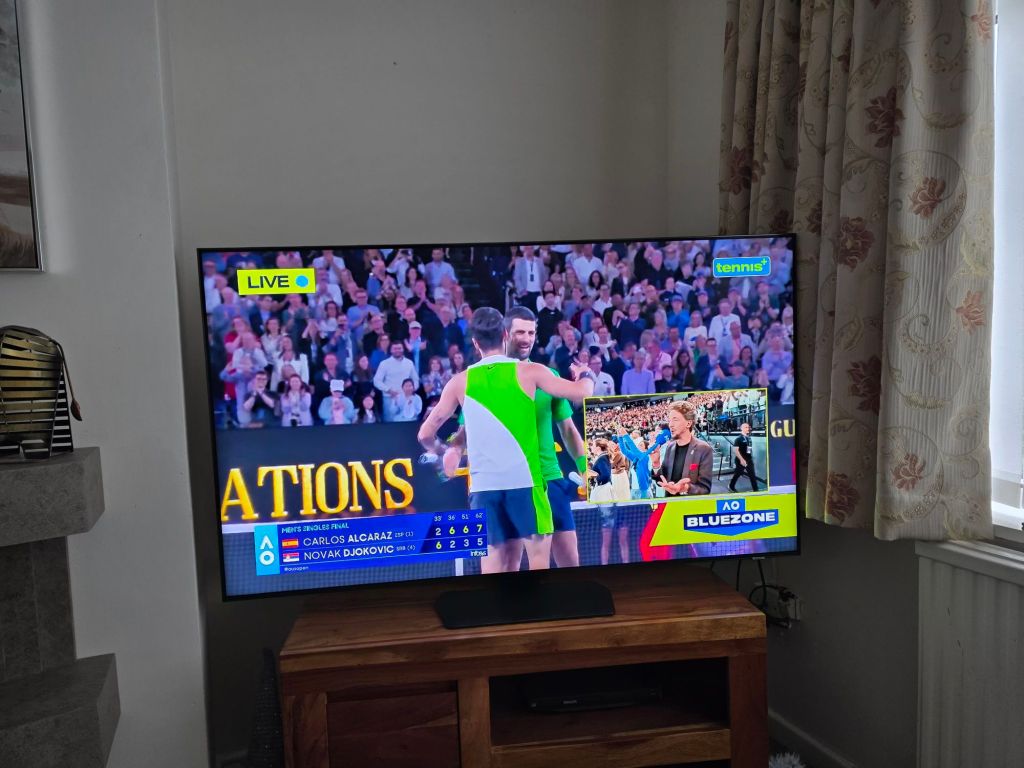
Carlos Alcaraz is the 2026 Australian Open Champion

Carlos Alcaraz is the 2026 Australian Open Champion

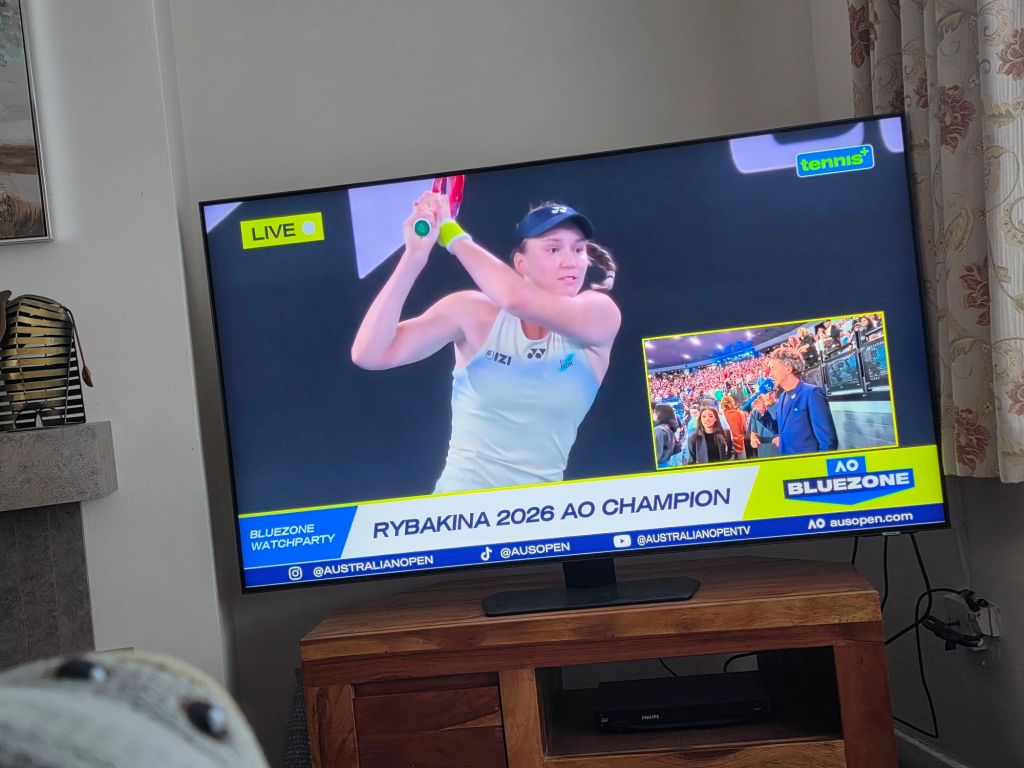
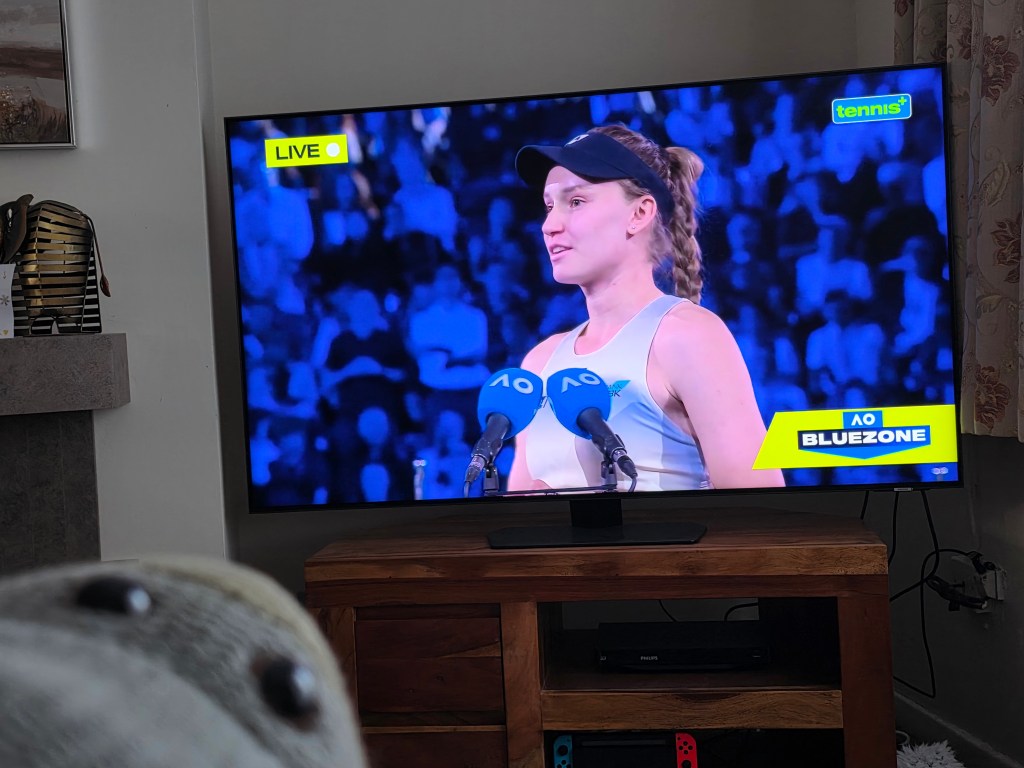
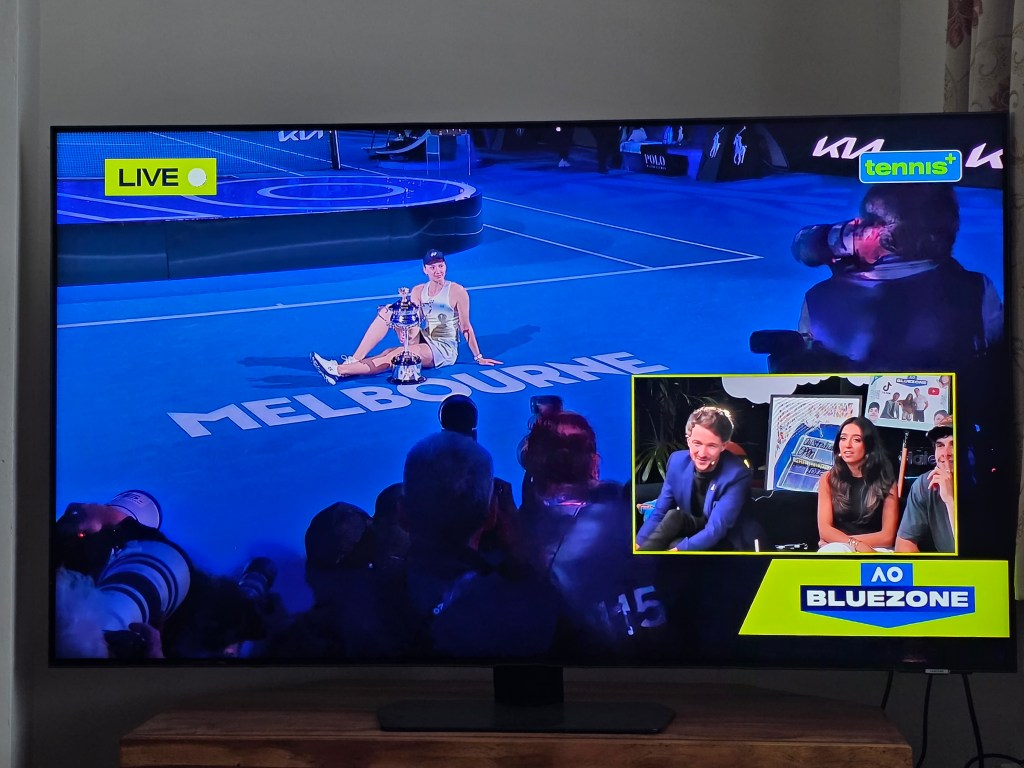
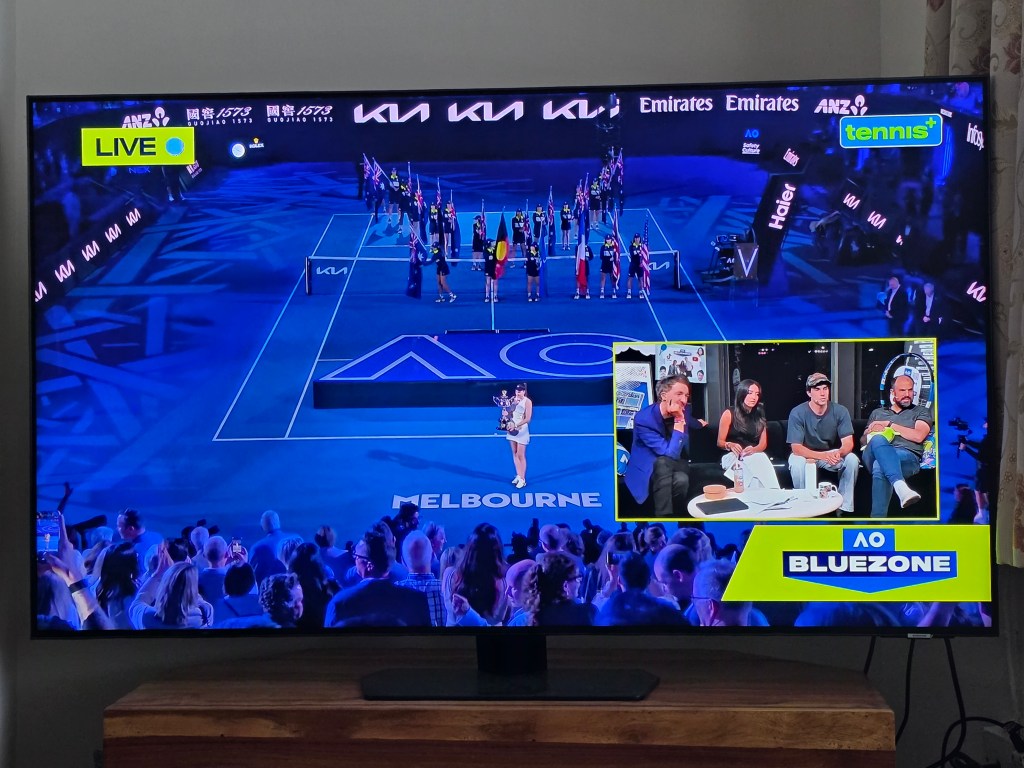
Elena Rybakina is 2026 Australian Open Champion – 31 January

Elena Rybakina is 2026 Australian Open Champion – 31 January

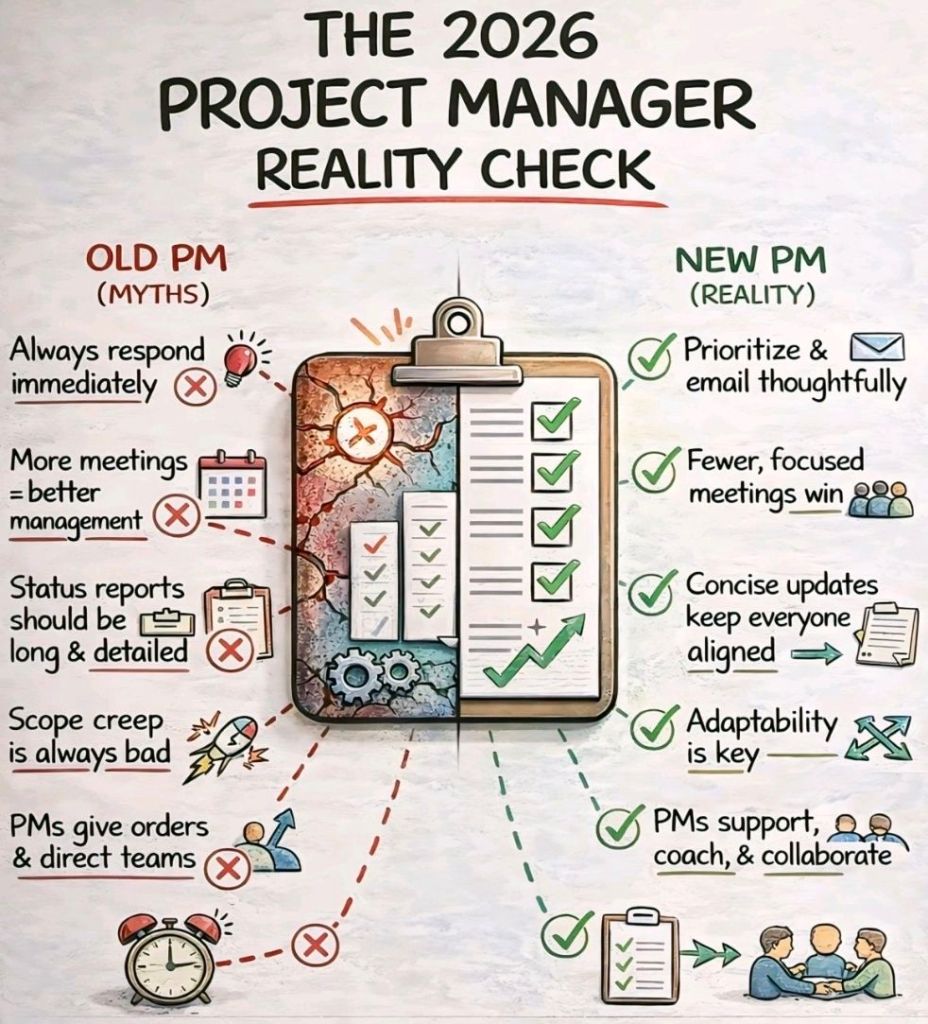
The 2026 Project Manager

The 2026 Project Manager

Happy New Year to all in 2026…