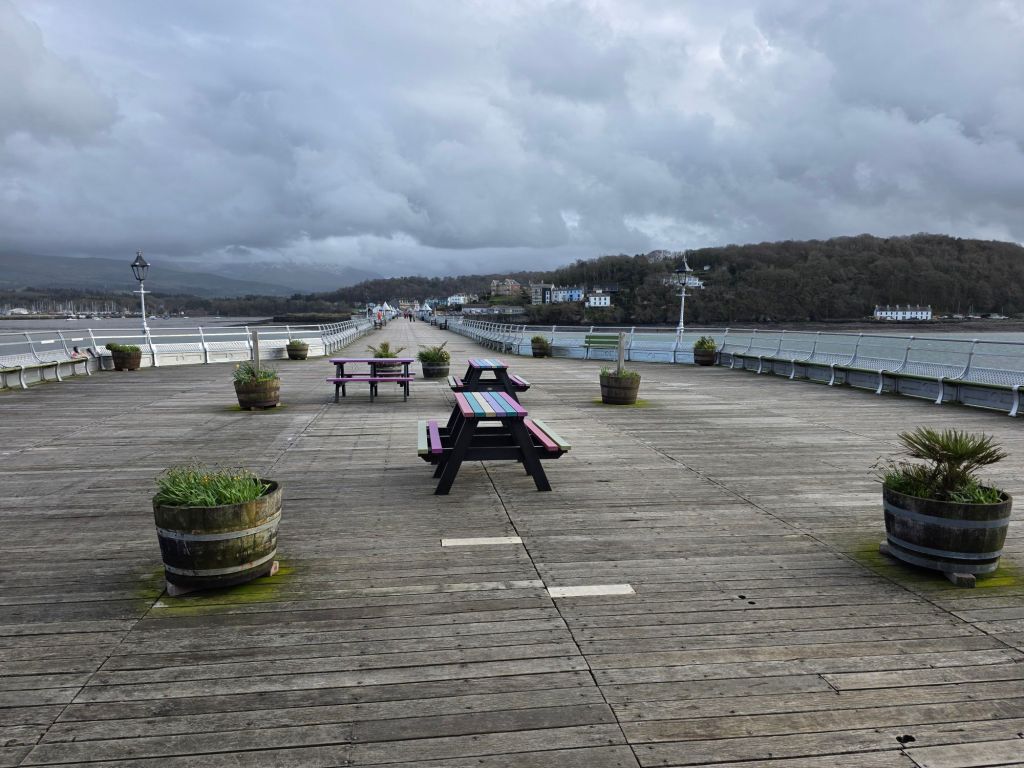
Bangor Garth Pier into Menai Strait toward Anglesey, North Wales, UK

Bangor Garth Pier is a Grade II* listed Victorian landmark in North Wales, recognized as the second-longest pier in Wales and the ninth-longest in the British Isles. Stretching 1,500 feet (460m) into the Menai Strait, it is celebrated for its well-preserved architectural elegance and panoramic views of the Eryri (Snowdonia) mountains and Anglesey. 

Bangor Pier taken 15th March, 2026

Key Highlights

  • Award-Winning Heritage: It was named Pier of the Year 2022 by the National Piers Society for its successful community-led restoration and original Victorian charm.
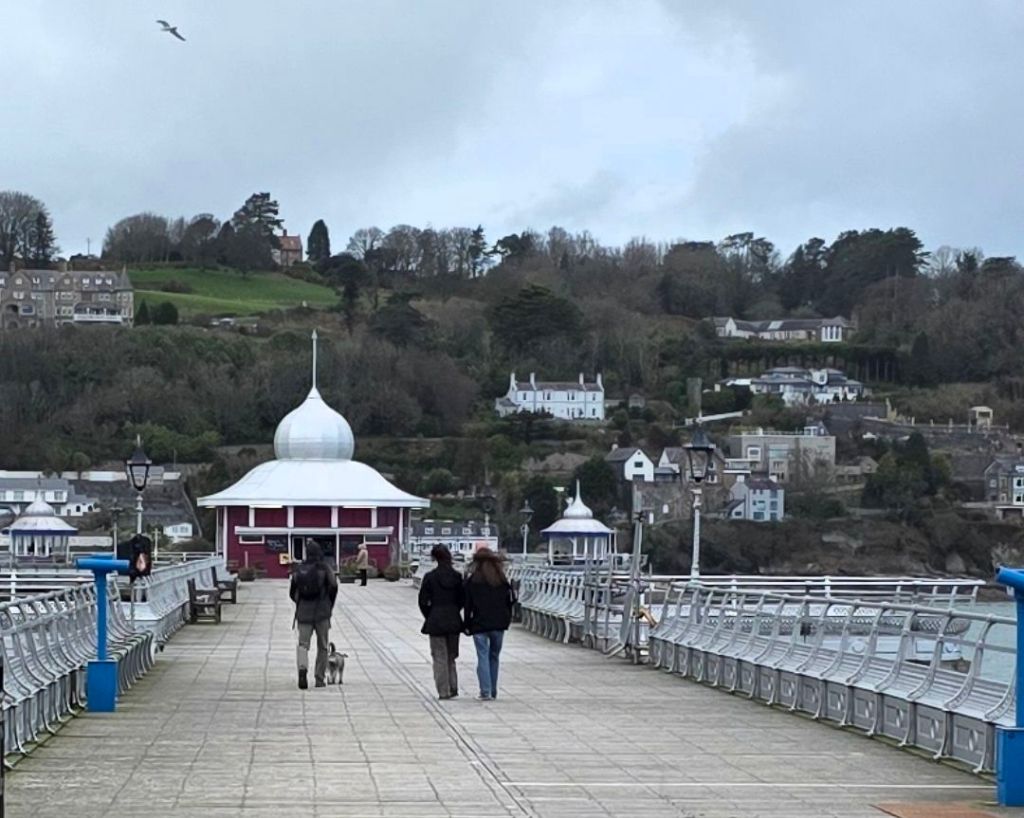
  • Victorian Kiosks: The deck features a series of distinctive octagonal, onion-domed kiosks that house local independent businesses, including sweet shops, artisan crafts, and a gallery.
  • The Pavilion: At the pier-head stands a large domed pavilion housing a family-friendly café famous for its tea, coffee, and homemade scones.
  • Leisure & Wildlife: The pier is a popular spot for crabbing and fishing. Visitors can also spot local wildlife, including a colony of black guillemots often referred to as “Bangor Penguins”.

Bangor’s Garth Pier is a Grade II* listed structure stretching 1,500 feet (460m) into the Menai Strait toward Anglesey. It is the second-longest pier in Wales and is renowned for its well-preserved Victorian architecture, featuring original kiosks and ornamental ironwork. Unlike many other piers, it was never heavily modified with large theatres, retaining its elegant, traditional character. 

Bangor Pier, March 2026

Comprehensive Historical Timeline

The Early Origins (Pre-1896)

  • 1292: Records mention the Porthesgob ferry operated by the Bishop of Bangor, establishing the area as a key crossing point to Anglesey.
  • 1826: The principal crossing shifted to the new Menai Bridge, though the local Garth ferry continued operating for many years.
  • 1893: A Parliamentary Bill was passed to authorize the construction of a permanent pier. 

The Victorian Boom (1896–1914)

  • 1896 (May 14): Lord Penrhyn officially opened the pier. It was designed by JJ Webster and cost approximately £17,000.
  • 1896–1914: The pier thrived as a landing stage for pleasure steamers from Liverpool, Blackpool, and the Isle of Man. A 3-foot gauge tramway ran its length to transport passenger luggage.
  • 1914: The cargo ship SS Christiana broke free and crashed into the pier, severing a section of the structure. The baggage railway was subsequently removed. 

Transition & Decline (1915–1971)

  • 1921: Permanent repairs for the 1914 ship damage finally resumed following the conclusion of World War I.
  • 1927: Professor Phillip White established a small marine laboratory in one of the pier kiosks, eventually leading to Bangor University’s renowned marine science department.
  • 1939–1945: The pier remained a local landmark through WWII; historical photos show servicemen and locals using the structure.
  • 1960s: Lack of investment led to severe structural deterioration.
  • 1971: The pier was officially closed to the public on safety grounds. 

Threat of Demolition & Rescue (1974–1988) 

  • 1974: Ownership passed to Arfon Borough Council, which proposed demolishing the structure.
  • 1975–1978: Following public outcry, Bangor City Council purchased the pier for a symbolic fee of 1p.
  • 1982: A major six-year restoration project began, funded by the National Heritage Memorial Fund and the Manpower Services Commission.
  • 1983: The ongoing project won the Prince of Wales Award.
  • 1988 (May 7): The Marquess of Anglesey officially reopened the pier after a £3 million restoration. 

The Modern Era (2011–Present)

  • 2011: Surveys revealed new structural issues, specifically with the sub-structure.
  • 2017: A new £1 million restoration programme commenced to strengthen the structure and replace handrails.
  • 2021: The pier celebrated its 125th anniversary, and the Friends of Bangor Garth Pier volunteer group took over a kiosk to support further fundraising.
  • 2022: The National Piers Society named it Pier of the Year.
  • 2024: The pier head shelter, absent since 2018, began reconstruction in-situ.
  • 2026: The city plans to hold major celebrations for the pier’s 130th anniversary

Bangor Garth Pier into Menai Strait toward Anglesey, North Wales, UK

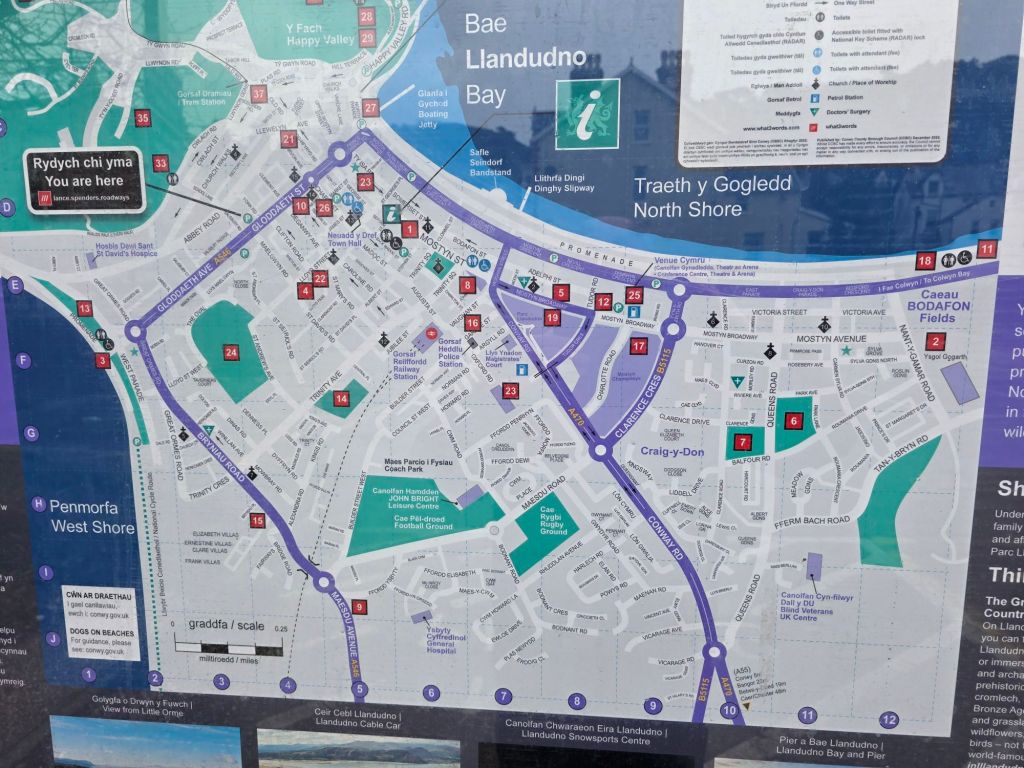
Llandudno Town Map, North Wales, UK, 15th March 2026

Llandudno Town Map, North Wales, UK

Towyn overview and detailed annotated timeline history by era and year to 2026

Towyn is a prominent seaside resort in Conwy, North Wales, traditionally known as a tourism hub with a high concentration of holiday parks and a history defined by its relationship with the Irish Sea. Historically, the town is most noted for the catastrophic 1990 floods, which reshaped local coastal defence policy across Britain. Today, it continues to evolve as a key destination for family holidays, with multi-million-pound investments in leisure facilities planned through 2026. 

Historical Timeline of Towyn

Early Origins & Parish Formation (1800s)

  • 1800s: Towyn begins developing as a tourism destination, largely due to its proximity to the established hub of Rhyl.
  • 17 June 1873: St Mary’s Church, designed by renowned architect George Edmund Street, is consecrated. It is famous for its distinctive roof tiling.
  • 22 September 1873: The Parish of Towyn is officially created, comprising the township of Towyn and parts of Cegidog Isaf, Bodoryn, and Bodtegwal. 

Tourism Growth & Mid-Century Development (1900–1980s)

  • Early 1900s: The town’s reputation as a “sunny coastline” (from the Welsh word Tywyn for sand dunes) solidifies it as a popular holiday spot.
  • 29 July 1960: Towyn Development Co. Limited is incorporated, marking a period of formalized commercial development in the area.
  • 1960s–1980s: Continued expansion of caravan and holiday parks, making tourism the town’s primary economic engine. 

The 1990 Flood Disaster & Recovery

  • 26 February 1990 (11:00 AM): A 400-metre breach of the sea wall occurs due to a 1.5m storm surge, gale-force winds, and high tides.
  • February – March 1990: Approximately 2,800 properties are flooded across 10 square km; up to 6,000 residents are evacuated.
  • 1 March 1990: Prince Charles and Princess Diana visit the disaster site.
  • Post-1990: Massive reconstruction of coastal defences begins, utilizing massive rock revetments to absorb wave impact. 

Modern Era & Future Outlook (2010–2026)

  • 2011 Census: Towyn’s population is recorded at 2,380.
  • November 2022: Tir Prince Raceway Ltd purchases the freehold of its 50-acre fairground and race track site, securing long-term investment for the town’s tourism.
  • August 2023: The Towyn and Kinmel Bay Place Plan is published, focusing on collaborative action for “placemaking” and sustainable transport.
  • April 2024: Multi-million-pound expansion plans are revealed for major holiday parks, including new leisure complexes.
  • February 2025: The town marks the 35th anniversary of the 1990 floods with reflections on coastal resilience.
  • March 2026: Target date for completion of several holiday park upgrades, including new high ropes courses and state-of-the-art leisure facilities.

Towyn overview and detailed annotated timeline history by era and year to 2026

Llandudno overview and detailed annotated timeline history by era and year to 2026

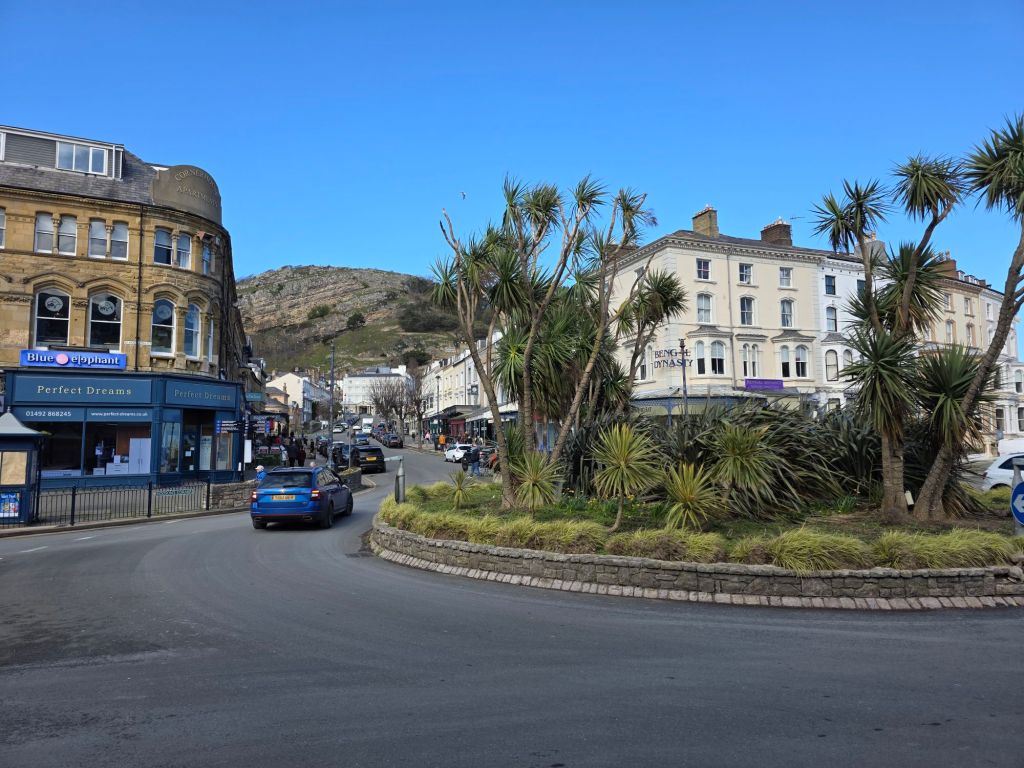
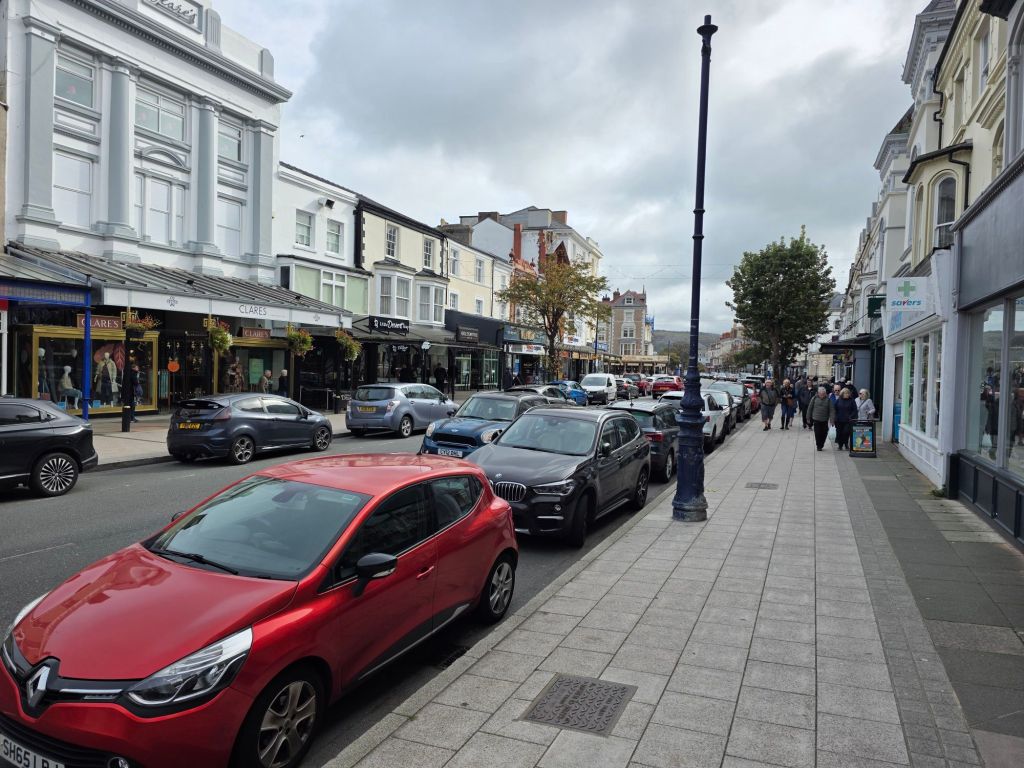
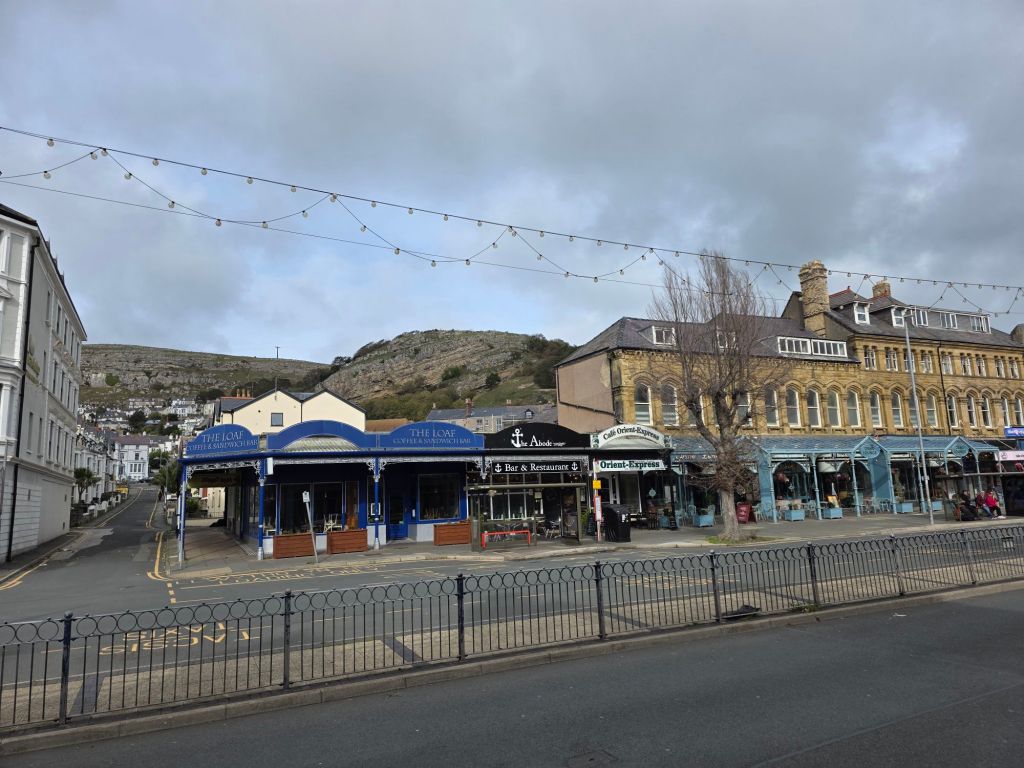
Llandudno, often called the “Queen of the Welsh Watering Places,” is a prominent seaside resort on the Creuddyn Peninsula in North Wales. Planned specifically as a mid-Victorian holiday destination, the town is renowned for its well-preserved 19th-century architecture, sweeping promenade, and the towering limestone headland of the Great Orme

Town Centre, photo taken March 2026

Historical Timeline by Era

Ancient & Medieval (Prehistory – 1800s)

  • Bronze Age (c. 2000 BCE): Extensive copper mining begins on the Great Orme; these are now recognized as the world’s oldest known copper mines.
  • 6th Century: St Tudno establishes a church on the Great Orme, giving the town its name (“Church of Saint Tudno”).
  • 1284: King Edward I conveys the Manor of Gogarth to the Bishop of Bangor.
  • Early 1800s: Kashmiri goats are introduced to the Great Orme, later becoming an iconic symbol of the town. 

The Victorian Transformation (1840 – 1901)

  • 1840: St George’s Church is built to serve the growing village.
  • 1848: Architect Owen Williams presents development plans to Lord Mostyn to turn the marshlands into a resort.
  • 1858: The railway branch line from Llandudno Junction opens, making the resort accessible to wealthy tourists from Liverpool and Manchester.
  • 1862: The Great Orme Lighthouse is built by the Mersey Docks and Harbour Board.
  • 1877/1878: The Llandudno Pier opens (700 metres long) and the Marine Drive carriage road around the Great Orme is completed.
  • 1887: Happy Valley is gifted to the town by Lord Mostyn for Queen Victoria’s Golden Jubilee.
  • 1890s: A large Jewish community settles in Llandudno, escaping persecution in Eastern Europe. 

Modern & Contemporary (1902 – 2026)

  • 1902: The Great Orme Tramway—the UK’s only cable-operated street tramway—opens.
  • 1914–1918 (WWI): Hotels are converted into hospitals; the 1st (North Wales) Brigade is headquartered here.
  • 1940–1945 (WWII): The town hosts the Coast Artillery School and becomes a haven for those escaping the London Blitz.
  • 1956: The electric tramway service to Colwyn Bay closes.
  • 1963: The Beatles perform in Llandudno; the Welsh National Eisteddfod is held in Happy Valley.
  • 1986: The first Llandudno Victorian Extravaganza is held to celebrate the town’s heritage.
  • 1994/2006: The North Wales Theatre opens, later expanded and renamed Venue Cymru.
  • 2017: A new lifeboat station is completed on the North Shore.
  • 2022: Llandudno officially twins with Champéry, Switzerland.
  • 2023–2026: Venue Cymru becomes the permanent home for the Welsh Open snooker tournament (February).
  • 2026 (Scheduled):
    • February: Nick Beer 10K (Feb 15) and Welsh Open Snooker (Feb 23–Mar 1).
    • May: Victorian Extravaganza and Transport Festival (May 2–4).
    • June: Llandudno Triathlon & Duathlon (Jun 28).
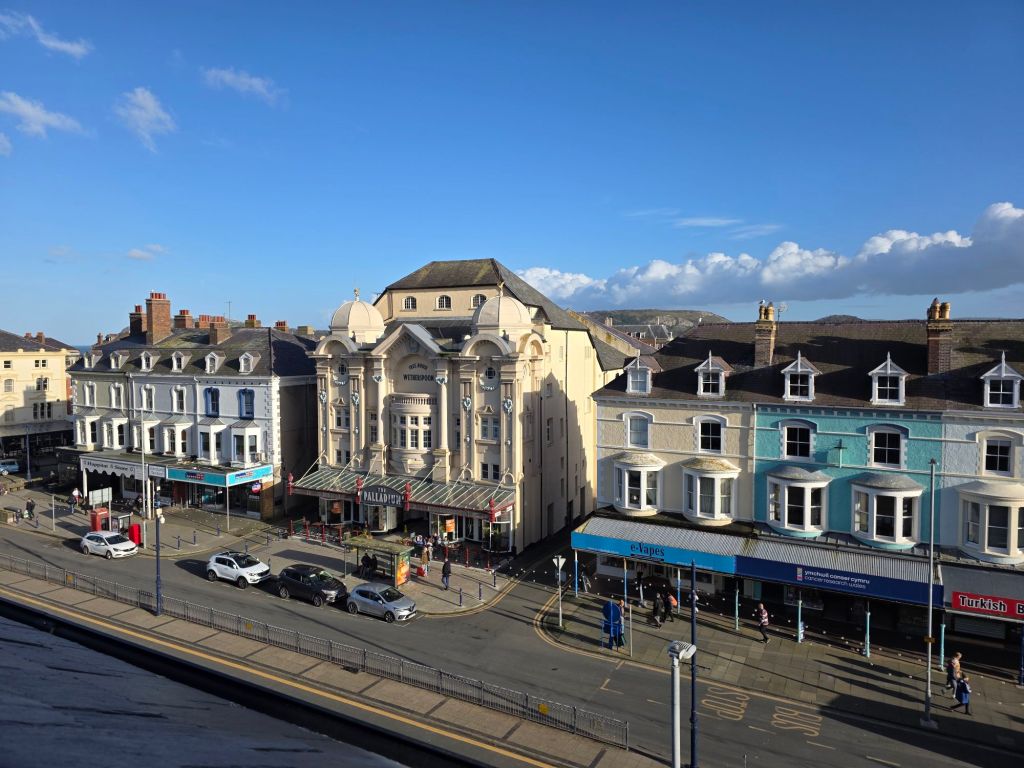
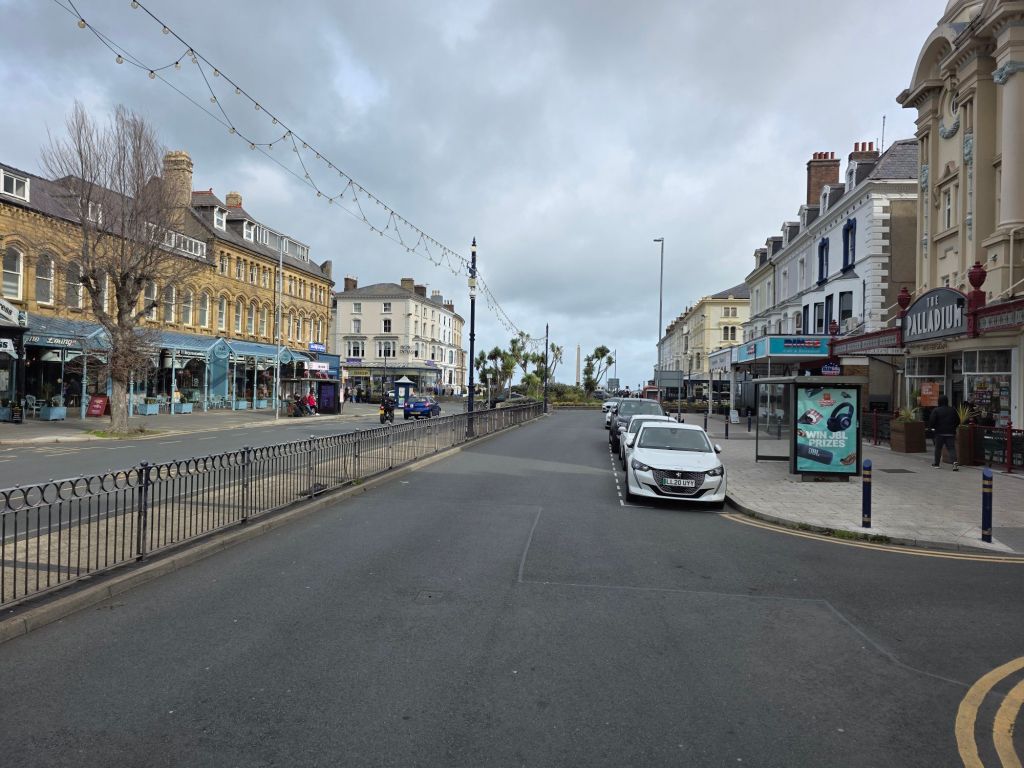
Wetherspoon pub reopens on 22nd August 2001 – photo as of March 2026

The Palladium in Llandudno, a Grade II listed building, was transformed into a JD Wetherspoon pub in 2001. The following timeline outlines its history from its origins as a grand theatre to its current use. 

The Palladium Timeline

  • 1920: The Palladium Theatre opens on the site of the former 1894 Market Hall. Designed by Arthur Hewitt, it originally featured 1,500 seats across three levels: stalls, dress circle, and balcony.
  • 1972: The building is subdivided for multi-purpose use. Bingo is introduced in the former stalls area, while a 600-seat cinema occupies the circle area.
  • 1999: The venue, then owned by Apollo Leisure, officially closes on 8th September.
  • 2000: The building is purchased by JD Wetherspoon for conversion into a pub.
  • 2001: Following a restoration project that returns the auditorium to a single open space, the Wetherspoon pub reopens on 22nd August – see picture above taken March 2026.
  • 2012–2013: A significant restoration of the exterior is completed to maintain the building’s historic facade.
  • 2024–2025: Wetherspoon invests approximately £1 million in a major refurbishment, focusing on the preservation and restoration of the heritage ceiling and the proscenium arch. 

Visiting The Palladium

  • Location: Gloddaeth St, Llandudno LL30 2DD
  • Type: Wetherspoon Pub in a converted Grade II listed theatre.
  • Features: Retains original theatrical character including painted ceilings, balcony details, and original seating.
  • Hours: Generally open from 8:00 am daily, closing at midnight or 1:00 am on weekends. 

In Llandudno for an amble…

In Llandudno for an amble…

#Llandudno

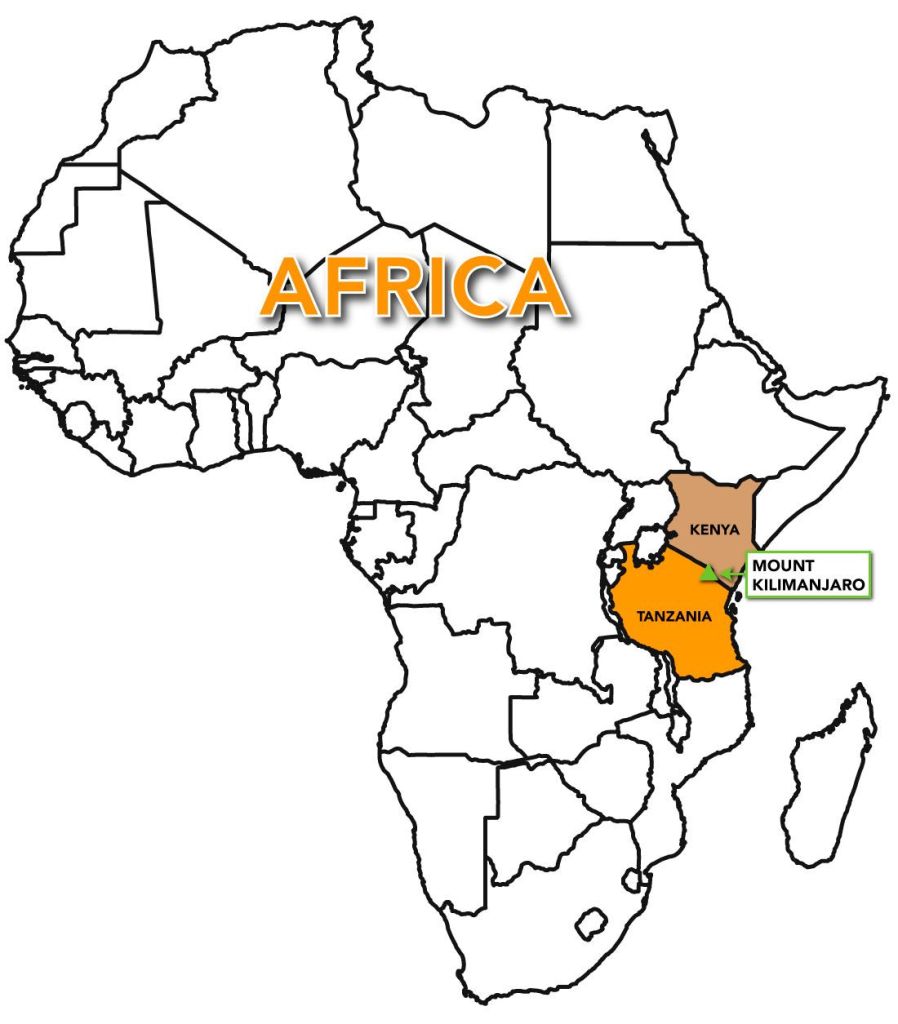
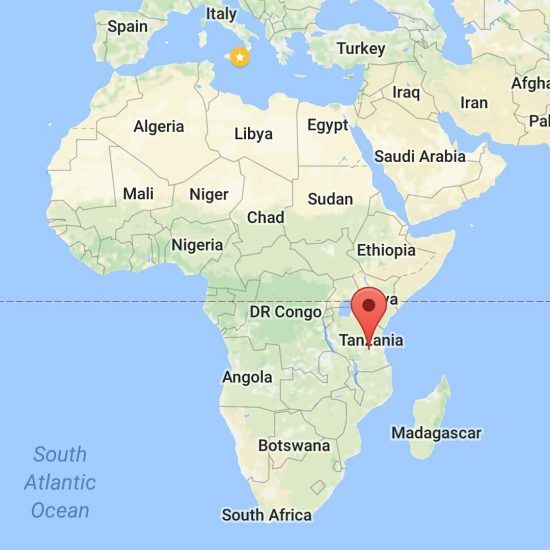
Detailed timeline of Mount Kilimanjaro and Map location

Key Geographic Details

Location of Mount Kilimanjaro

Climbing Mount Kilimanjaro is a journey through five distinct climate zones, and your experience depends heavily on matching your timeline with the mountain’s seasonal rhythms. About 50,000 visitors attempt the summit annually. 

Seasonal Visitor & Weather Timeline

The mountain follows a predictable cycle of dry and rainy seasons. 

  • Long Dry Season (June – October): This is the peak visitor period due to the most stable weather and clear skies. July and August are particularly busy, coinciding with Northern Hemisphere holidays.
  • Short Dry Season (January – March): A popular window with high footfall but slightly quieter than the June–October peak. January and February are often cited as the best months for clear views and warm daytime temperatures.
  • Shoulder Seasons (March, June, October, November): These transition months offer a balance of moderate crowds and manageable weather. November brings the “short rains,” but trails are significantly emptier.
  • Rainy Seasons (April – May): The lowest visitor numbers occur during the “long rains”. Trails can be muddy and treacherous, making this suitable only for experienced trekkers seeking absolute solitude.
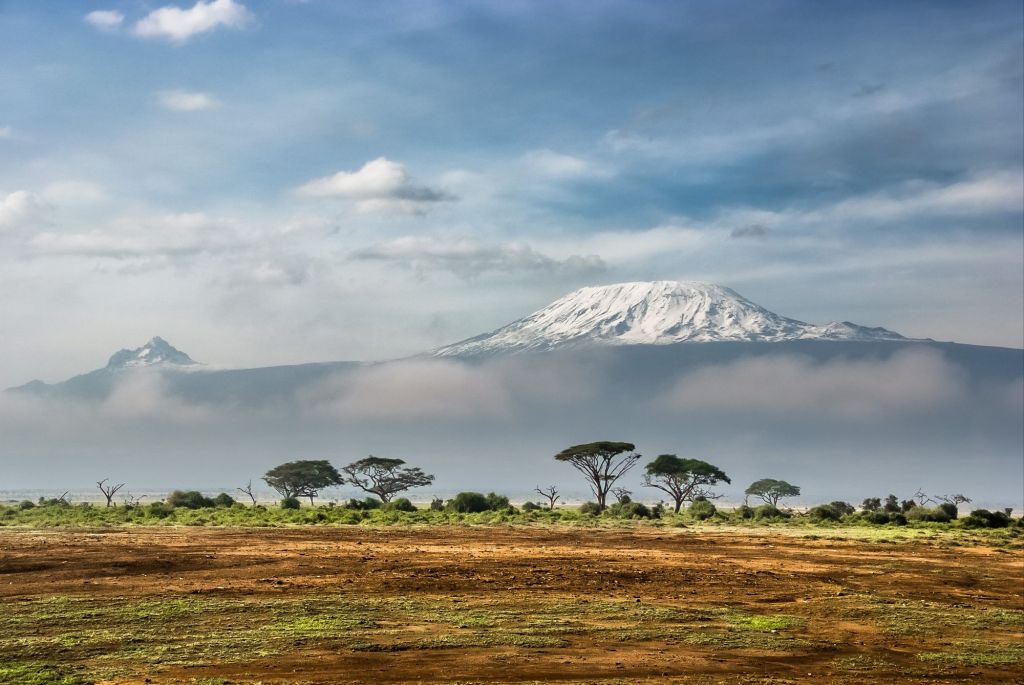
Mount Kilimanjaro

Geological and Ancient History

Kilimanjaro was formed by volcanic activity along the East African Rift. 

  • 2.5 Million Years Ago: Volcanic activity begins at the Shira centre.
  • 1 Million Years Ago: Eruptions begin at the Mawenzi and Kibo cones.
  • 360,000 Years Ago: The last major eruption occurred.
  • 150,000–200,000 Years Ago: Final volcanic activity at Kibo created the current summit crater.
  • 1000 BC: Evidence of human cultures on the slopes found via stone tools.
  • 150 AD: Ptolemy of Alexandria makes early references to “lands” near the mountain. 

Exploration and Climbing Milestones

The late 19th century marked the beginning of recorded ascents and scientific study. 

  • 1889: Hans Meyer and Ludwig Purtscheller become the first recorded people to reach the summit (Uhuru Peak) on 6 October.
  • 1909: Gertrude Benham of London reaches the summit alone.
  • 1926: Pastor Richard Reusch discovers a dead leopard on the crater rim, a finding later immortalised in literature.
  • 1957: The volcano is officially declared dormant.
  • 1961: Tanganyika gains independence; a torch is placed on the summit, and the peak is renamed Uhuru (“Freedom”).
  • 2020s: Tourism reaches over 35,000–50,000 climbers per year, with various routes established for different skill levels. 
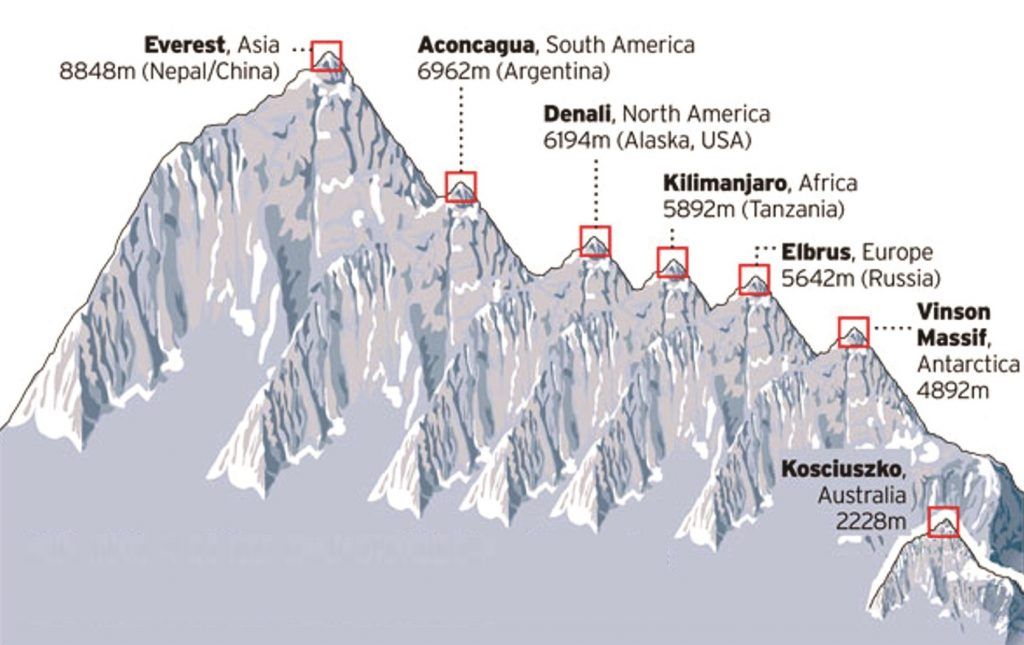
Kilimanjaro Height

Typical Modern Trekking Timelines

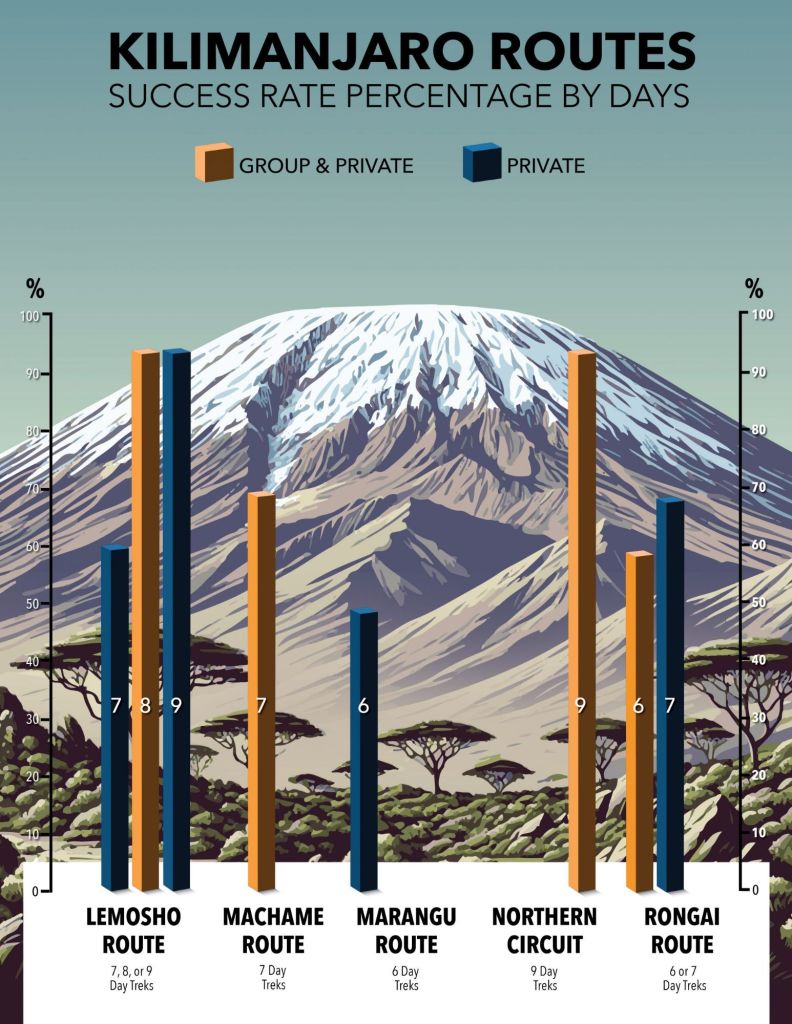
Climbs generally take 5 to 9 days depending on the route chosen to ensure proper acclimatisation.

Route Typical Duration Characteristics

Marangu 5–6 Days The “Coca-Cola” route; sleep in huts.

Machame 6–7 Days Most popular; scenic “Whiskey” route.

Lemosho 7–8 Days High success rate; beautiful scenery.

Northern Circuit 9 Days Longest route; highest summit success rate.

Respective heights for Big 7

Standard Daily Expedition Routine

A typical day on the mountain follows a strict rhythm to manage fatigue and altitude: 

  • 06:00 – 07:00: Wake up and breakfast at camp.
  • 08:00: Begin the day’s trek (typically 4–7 hours of walking).
  • 13:00: Hot lunch followed by further trekking or rest.
  • 17:00: Reach next camp; “hike high, sleep low” acclimatisation walks.
  • 23:00 – 00:00 (Summit Night): Final ascent begins in the dark to reach the peak by sunrise.
Kilimanjaro Routes
Mount Kilimanjaro location on World Map

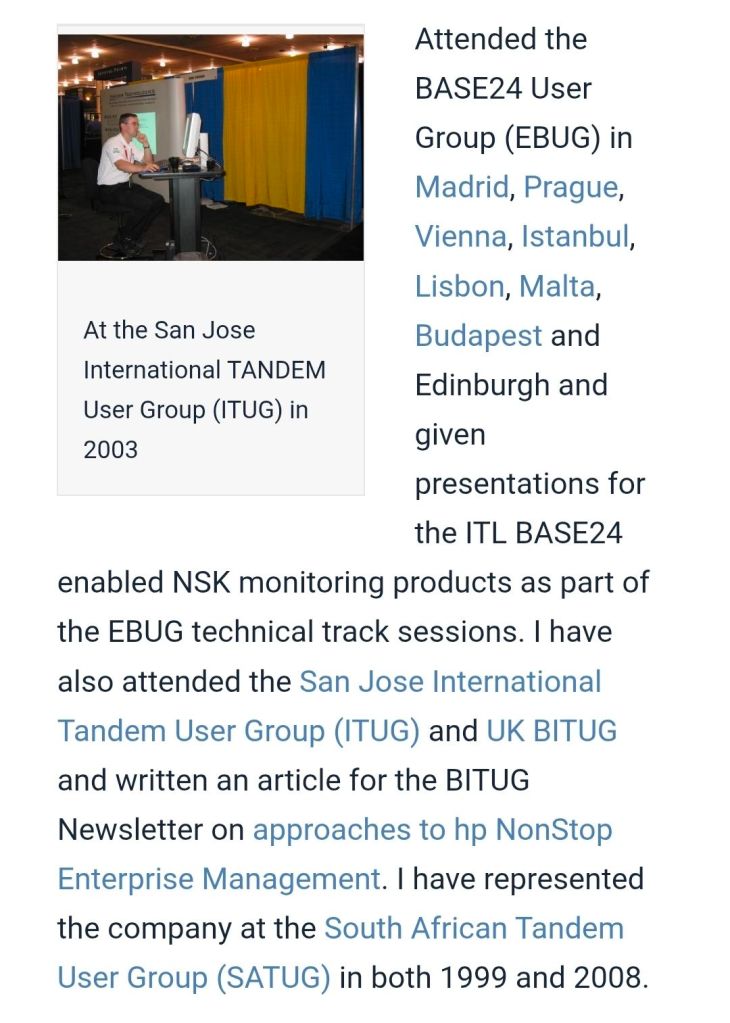
ITL, at the San Jose International TANDEM User Group (ITUG) in 2003…

ITL, at the San Jose International TANDEM User Group (ITUG) in 2003

At Manchester, Piccadilly Train Station – 29/10

At Manchester, Piccadilly Train Station – 29/10

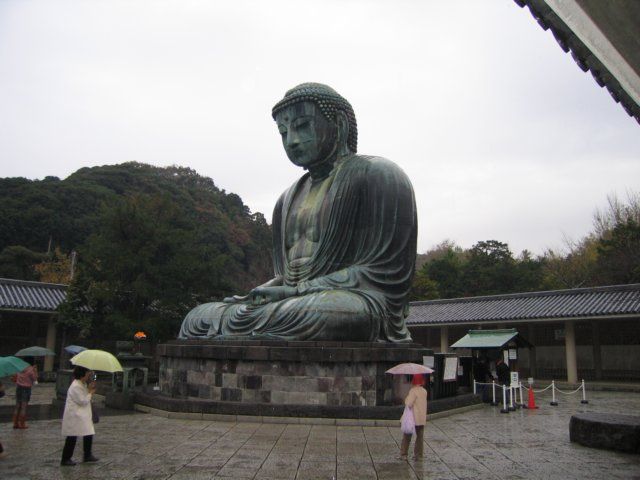
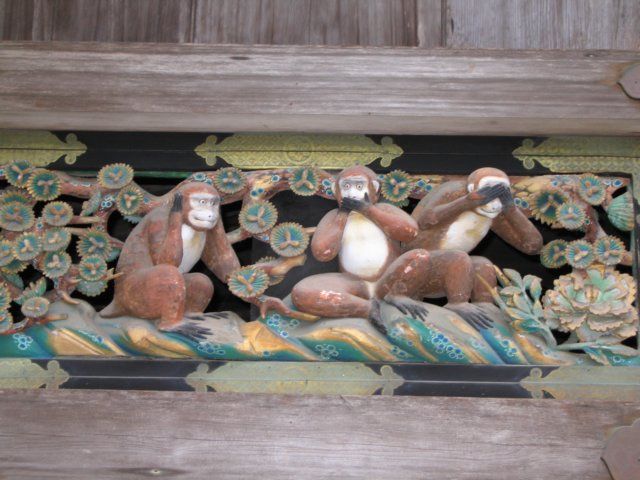
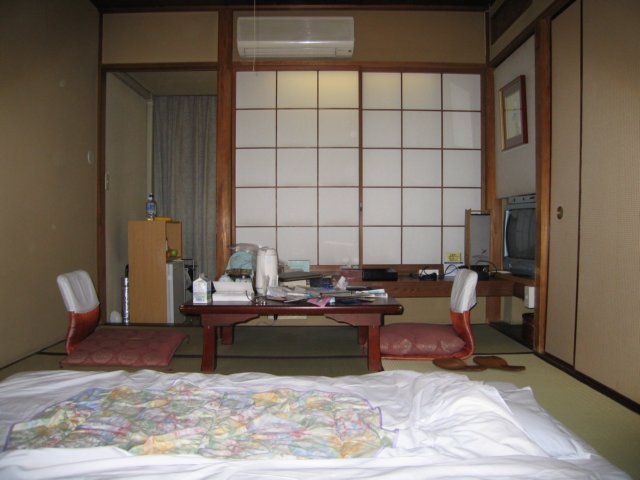
Visited Japan in late 2004

Visited Japan in late 2004

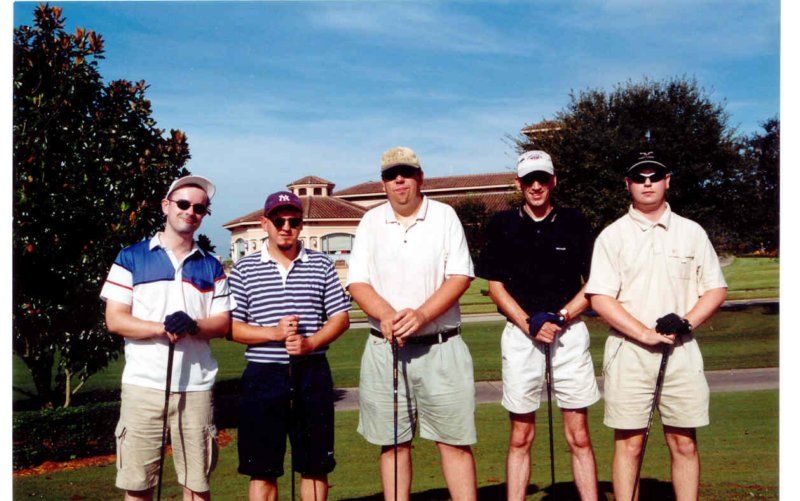
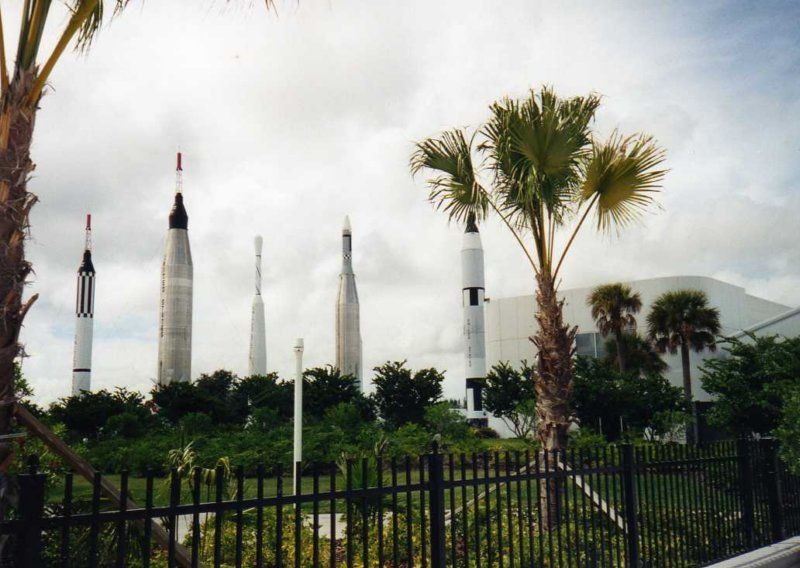
Visited Florida in year 2000 for Golf, Site Seeing and a Space Shuttle Launch…

Visited Florida in year 2000 for Golf, Site Seeing and a Space Shuttle Launch…

Algarve, Laguna Golf Course 2017

Algarve, Laguna Golf Course 2017

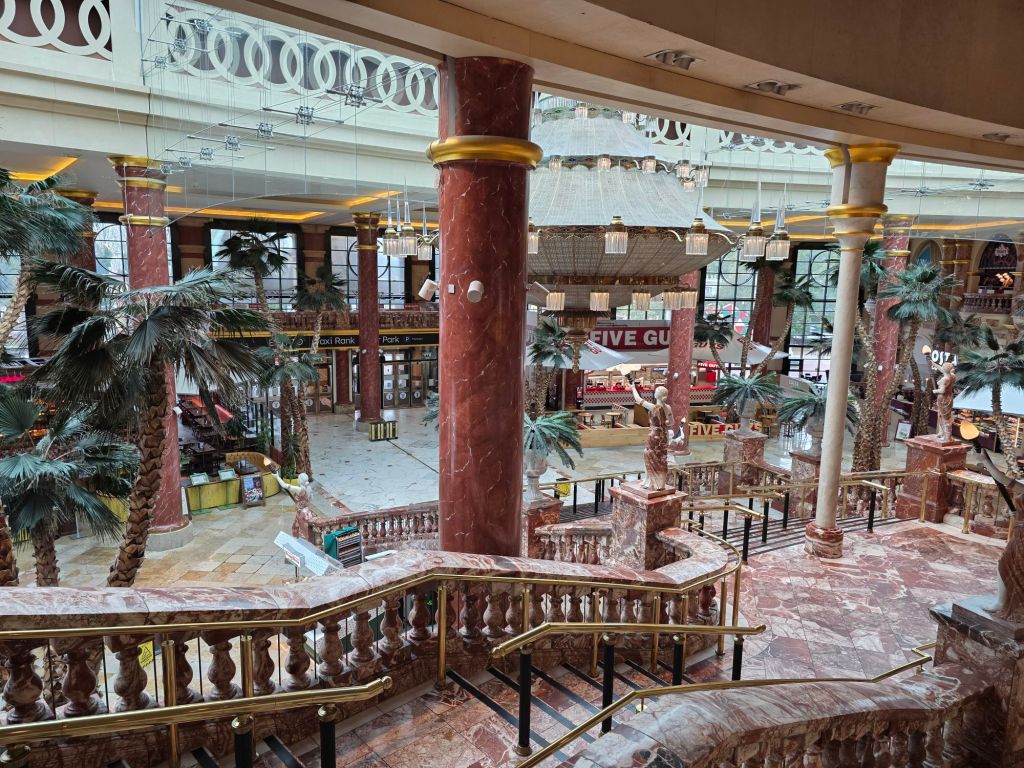
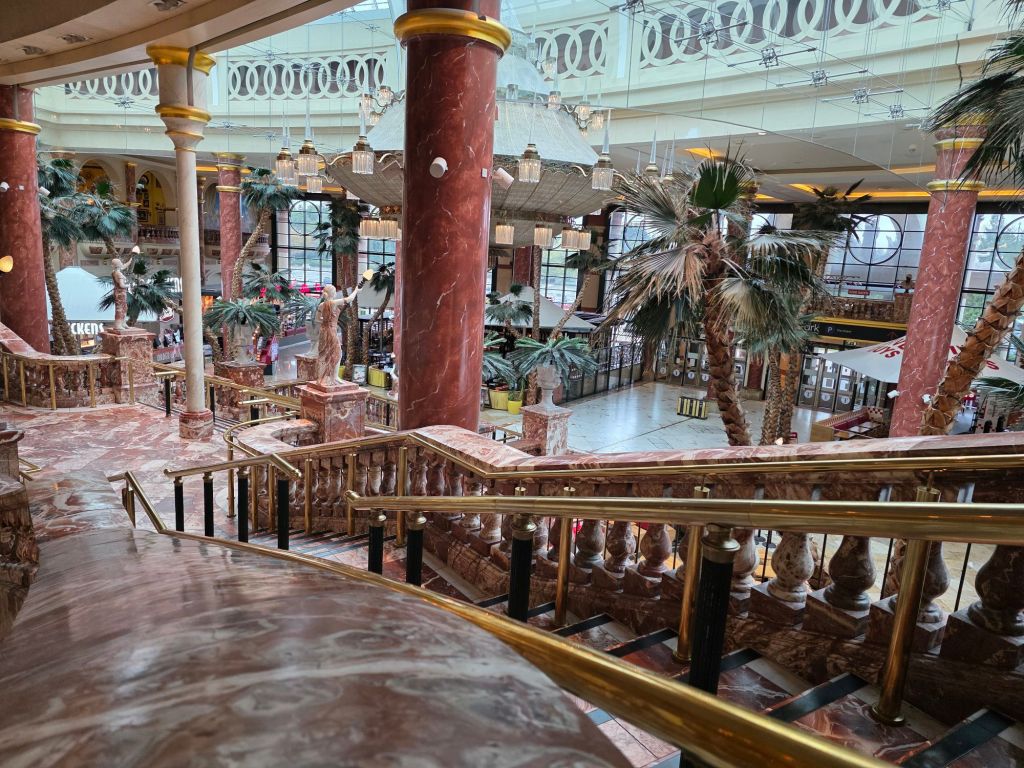
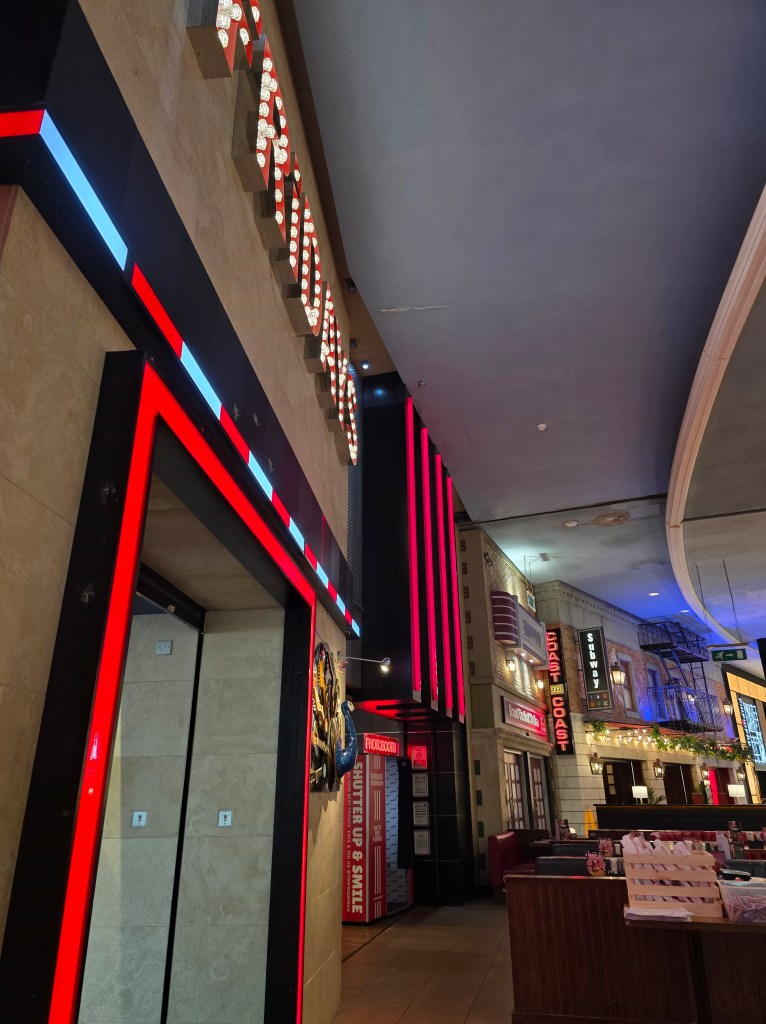
Ambling around the Trafford Centre before shops open at 10am, 08/10

Ambling around the Trafford Centre before shops open at 10am, 08/10

Visited Portugal in 2018

Visited Portugal in 2018

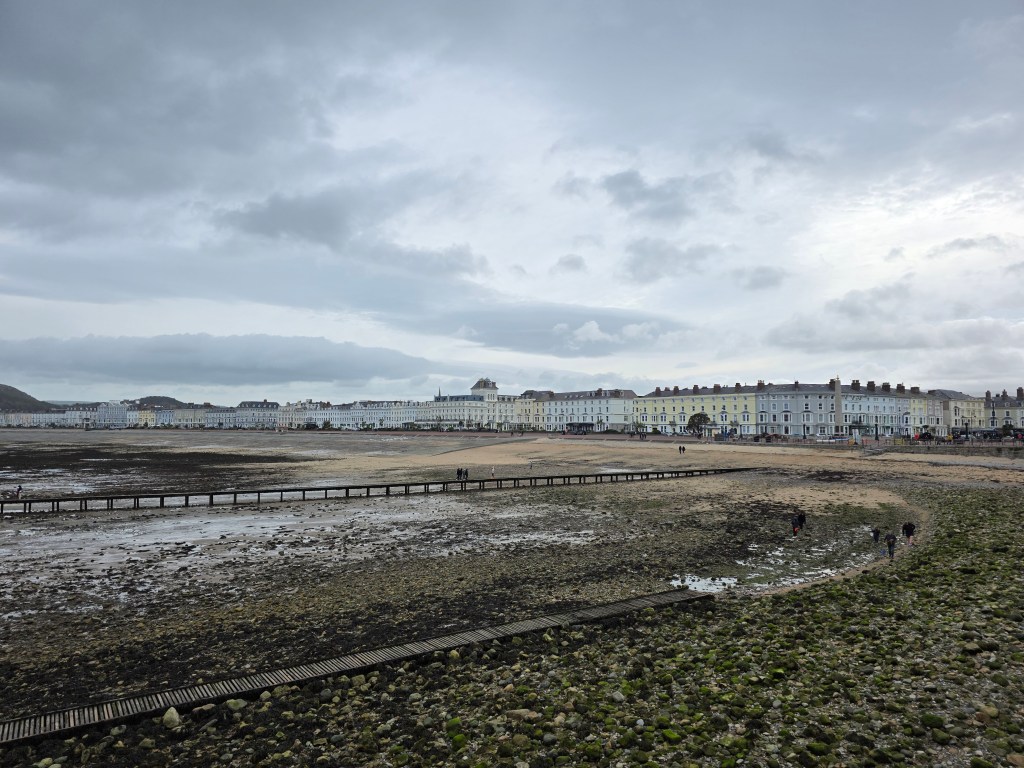
Visiting Llandudno for the day, 05/10

Visiting Llandudno for the day, 05/10

The theatre, built on the site of a market hall, opened on Bank Holiday Monday 30 August 1920. It was designed in Baroque style by Arthur Hewitt, a councillor in Llandudno; he also designed Clare’s Department Store and the Washington Hotel in the town.[2][3]

The stuccoed facade has two domed towers to each side, and a central recess featuring an oriel window within pillars that support a pediment. On the ground floor there are shop fronts on either side of the entrance.[1][2] The original theatre had a circular entrance foyer, leading to the auditorium, which seated 1,500 in stalls, a dress circle and a balcony. There were also boxes either side of the stage and behind the dress circle.[2][3]

The building was a theatre and cinema during its early years. After the Second World War it was mainly a cinema, with stage productions during the summer. In 1972 there was a conversion, so that the interior was split into a bingo hall in the former stalls, and a cinema in the former dress circle. The building was closed in September 1999.[2][3][4]

It was purchased by Wetherspoons in 2000; it was restored as much as possible into its original condition, in accordance with planning permission, and was opened as a theme pub in August 2001. There was restoration of the exterior in 2012–13.[2][3][4]

All the 8’s, Mazda car mileage today…

All the 8’s, Mazda car mileage today…

Visited Rome in 2017

Visited Rome in 2017

Rome[b] is the capital city and most populated comune (municipality) of Italy. It is also the administrative centre of the Lazio region and of the Metropolitan City of Rome. A special comune named Roma Capitale with 2,746,984 residents in 1,287.36 km2 (497.1 sq mi),[3] Rome is the third most populous city in the European Union by population within city limits. The Metropolitan City of Rome Capital, with a population of 4,223,885 residents, is the most populous metropolitan city in Italy. Its metropolitan area is the third-most populous within Italy.[5] Rome is located in the central-western portion of the Italian Peninsula, within Lazio (Latium), along the shores of the Tiber ValleyVatican City (the smallest country in the world and headquarters of the worldwide Catholic Church under the governance of the Holy See)[6] is an independent country inside the city boundaries of Rome, the only existing example of a country within a city. Rome is often referred to as the City of Seven Hills due to its geography, and also as the “Eternal City”. Rome is generally considered to be one of the cradles of Western civilization and Western Christian culture, and the centre of the Catholic Church.[7][8][9]

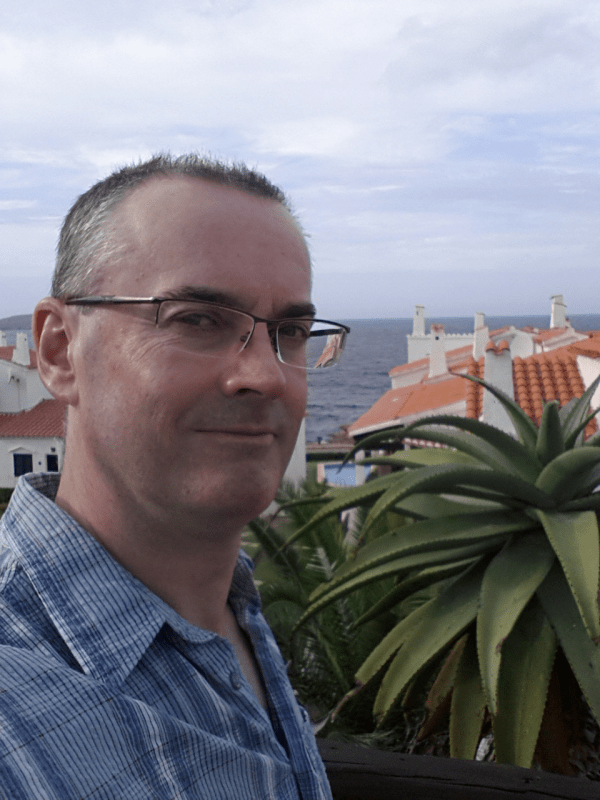
In Menorca in 2013

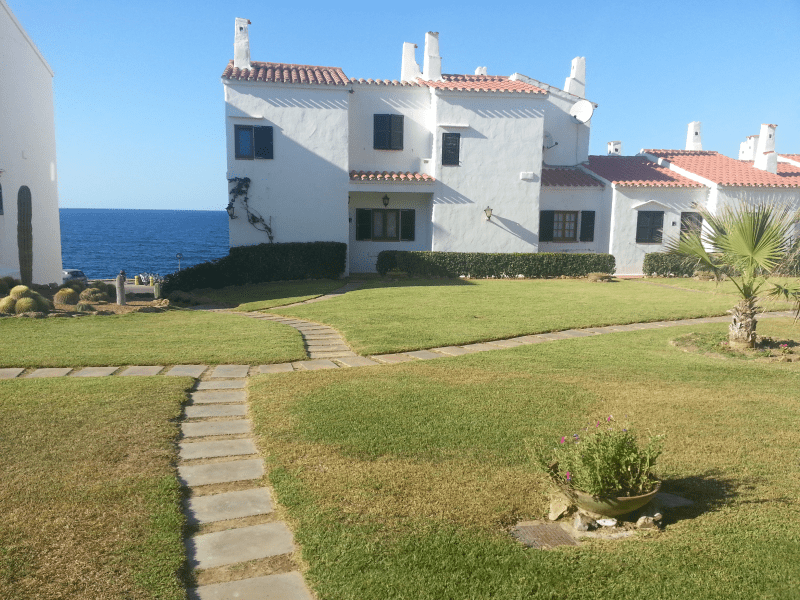
Maremar Playas Platges de Fornells Spain Balearic Islands Menorca

Menorca[a] or Minorca[b] (from LatinInsula Minorlit.‘smaller island’, later Minorica) is one of the Balearic Islands located in the Mediterranean Sea belonging to Spain. Its name derives from its size, contrasting it with nearby Mallorca (Majorca). Its capital is Maó, situated on the island’s eastern end, although Menorca is not a province and forms a political union with the other islands in the archipelago. Ciutadella and Maó are the main ports and largest towns.

Visited Lanzarote in 2009

Visited Lanzarote in 2009

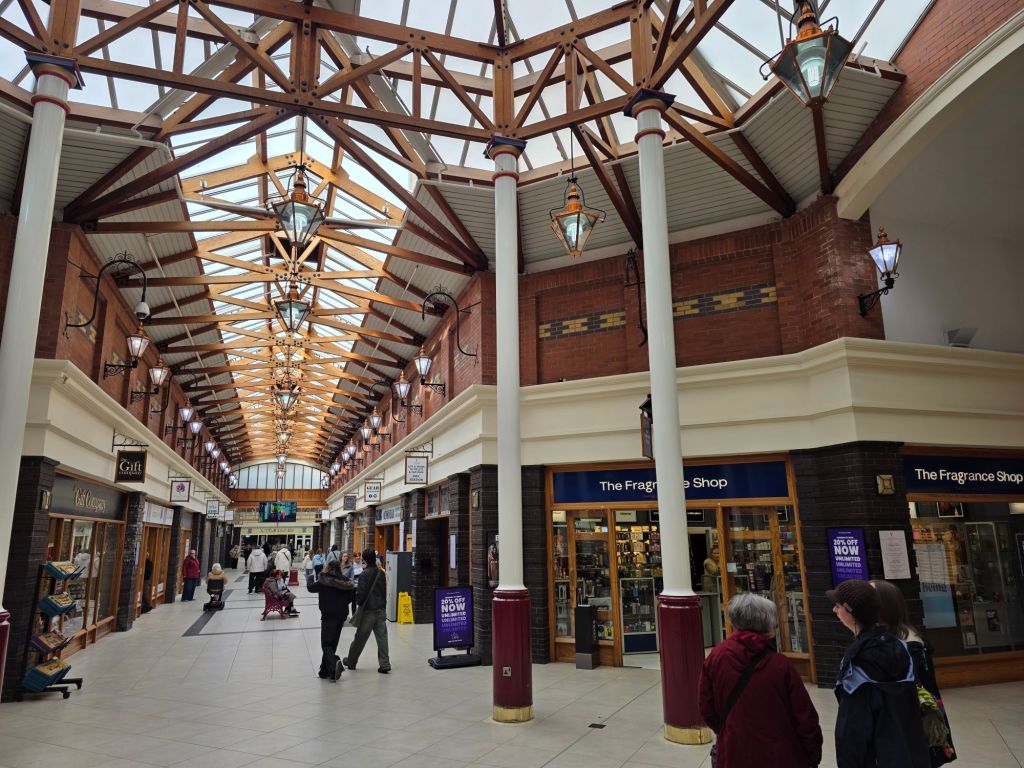
In Ramsbottom, Bury for the day – 28/09

Visited Barcelona in 2008

Visited Barcelona in 2008