The Infinity Stones (formerly known as Infinity Gems) are six primeval artifacts representing different aspects of the universe

The Infinity Stones in the Marvel Cinematic Universe (MCU) are six ancient singularities that existed before the dawn of creation. Following the Big Bang, these singularities were forged into concentrated crystals—the Stones—each embodying and controlling an essential aspect of existence: Space, Mind, Reality, Power, Time, and Soul. Thanos sought to collect all six to balance the universe by eradicating half of all life, a goal he achieved in 2018 before destroying the Stones. 
The Infinity Stones are six primeval artifacts representing different aspects of the universe

Overview of the Stones

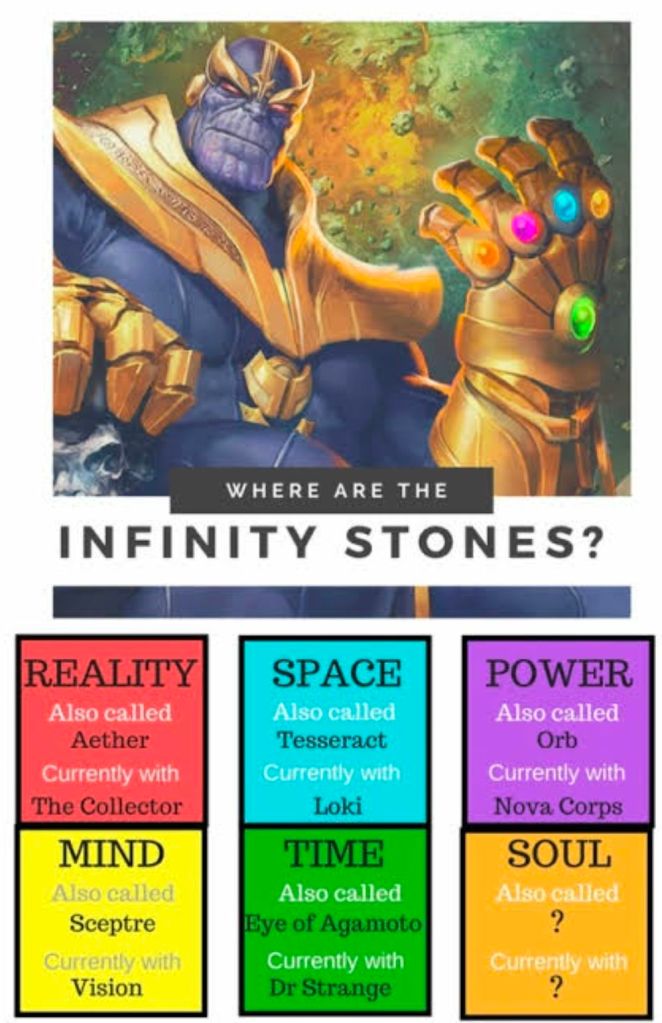
  • Space Stone (Blue): Allows for instantaneous travel anywhere in the universe. Housed within the Tesseract.
  • Mind Stone (Yellow): Grants control over the minds of others and enhances mental abilities. Initially housed in Loki’s scepter, later placed in Vision’s forehead.
  • Reality Stone (Red): Enables the wielder to alter physics and reality itself. Known as the Aether.
  • Power Stone (Purple): Grants unlimited access to all forms of energy and can destroy entire planets. Housed in an orb.
  • Time Stone (Green): Gives total control over time, including speeding it up, reversing it, or creating time loops. Housed in the Eye of Agamotto.
  • Soul Stone (Orange): Controls life and death, allowing the user to manipulate souls and access the “Soul World”. Located on Vormir. 

Historical Textual Timeline

This timeline follows the stones from their creation to their destruction, based on MCU events. 

Era: Pre-Universe (Before Time)

  • Creation: Six singularities exist representing different aspects of existence.
  • The Big Bang: The universe is formed, and the singularities are forged into the six Infinity Stones and scattered across the cosmos. 

Era: Ancient History

  • Circa 965 A.D.: Odin, King of Asgard, brings the Space Stone (Tesseract) to Earth for safekeeping, hiding it in Tønsberg, Norway.
  • Undated: The Dark Elves, led by Malekith, attempt to use the Reality Stone (Aether) to return the universe to darkness during a convergence. Odin’s father, Bor, defeats them and hides the Aether.
  • Undated: The Power Stone is used by the Celestials to judge and destroy civilizations. It is eventually hidden away on the planet Morag. 

Era: World War II (1940s)

  • 1942: Johann Schmidt (Red Skull) locates and steals the Tesseract from Norway to weaponize it for Hydra.
  • 1943: During a confrontation with Captain America, the Tesseract is damaged, activating a portal that transports Red Skull to Vormir, where he becomes the guardian of the Soul Stone.
  • 1945: The Tesseract falls into the Arctic Ocean. Howard Stark recovers it shortly after. 

Era: Late 20th Century

  • 1989: Dr. Wendy Lawson (Mar-Vell) experiments on the Tesseract for S.H.I.E.L.D., accidentally granting Carol Danvers (Captain Marvel) her powers.
  • 1995: The Tesseract is briefly swallowed by the Flerken Goose, who later vomits it onto Nick Fury’s desk.

Era: Modern Age (MCU Phase 1 & 2)

  • 2010/2011: Nick Fury shows the Tesseract to Dr. Erik Selvig for research.
  • 2012 (The Avengers): Loki uses the Space Stone (in the Tesseract) to open a portal for the Chitauri invasion of New York. The Avengers defeat him, and Thor returns the Tesseract to Asgard.
  • 2013 (Thor: The Dark World): The Aether (Reality Stone) is found by Jane Foster. It is secured by the Collector after the Dark Elves are defeated.
  • 2014 (Guardians of the Galaxy): Star-Lord retrieves the Power Stone from Morag. After a conflict with Ronan the Accuser, the Guardians entrust the stone to the Nova Corps on Xandar for safekeeping.
  • 2015 (Avengers: Age of Ultron): The Avengers recover the Mind Stone from a Hydra base. Tony Stark and Bruce Banner use it to create Vision, who acts as its protector. 

Era: The Infinity War (2018) 

  • 2018: Thanos decimates Xandar and takes the Power Stone.
  • 2018: Thanos attacks the Asgardian refugee ship and takes the Space Stone from Loki.
  • 2018: Thanos visits the Collector and takes the Reality Stone.
  • 2018: Thanos takes the Soul Stone from Vormir after sacrificing his daughter, Gamora.
  • 2018: Thanos takes the Time Stone from Doctor Strange on Titan.
  • 2018: Thanos kills Vision to take the Mind Stone in Wakanda.
  • 2018 (The Snap): Thanos activates the Gauntlet, erasing half of all life in the universe. He later uses the stones a second time to destroy them, reducing them to atoms. 

Era: Post-Snap (2023)

  • 2023 (Avengers: Endgame): The Avengers travel back in time to 2012, 2013, and 2014 to borrow the stones from alternate timelines.
  • 2023: The Avengers use the borrowed stones to reverse Thanos’ snap.
  • 2023: Captain America returns the borrowed stones to their original timelines to prevent the creation of dark alternate realities. 

The Infinity Stones are six primeval artifacts representing different aspects of the universe
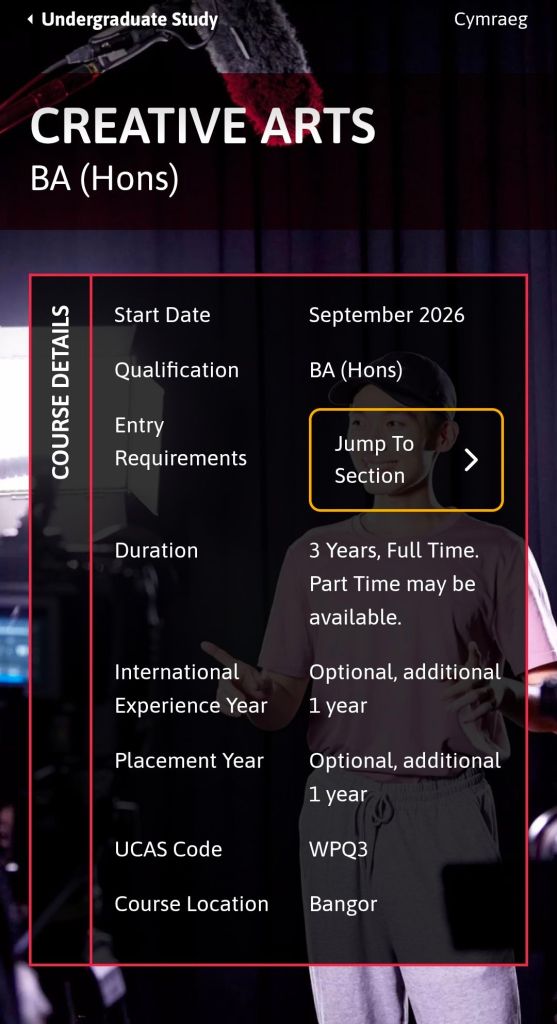
Creative Arts BA (Hons) at Bangor University is a full-time course that integrates film, media, journalism, and creative writing

The Creative Arts BA (Hons) at Bangor University is a three-year, full-time course (UCAS code: WPQ3) that integrates film, media, journalism, and creative writing. It is designed to balance theoretical study with practical, hands-on production. 

Creative Arts BA (Hons) at Bangor University is a full-time course that integrates film, media, journalism, and creative writing

Year 1: Foundations

In the first year, students must complete 120 credits to build a base in both creative practice and academic theory. 

  • Compulsory Modules: A primary core module is Adventures in the Creative Arts (20 credits), which introduces multidisciplinary approaches to the field.
  • Core Skills: You will begin developing production techniques in areas such as audio and visual production, print journalism, and digital media.
  • Theoretical Grounding: Introductory modules cover film theory and cultural studies to enrich your research and analytical skills. 

Year 2: Specialisation & Development

The second year allows for deeper engagement with specific creative industries. 

  • Elective Choice: Students can tailor their studies to their interests, choosing between practice-based modules (e.g., screenwriting, documentary filmmaking, journalism practice) or academic-focused modules (e.g., media regulation, history of film).
  • Professional Engagement: You are encouraged to build professional networks through regular visits from filmmakers, journalists, and designers.
  • Optional Years: After Year 2, you may opt to take an International Experience Year or a Placement Year to work with a professional organisation. 

Year 3: Synthesis & Final Project

The final year focuses on high-level production and a significant independent project. 

  • Final Year Project: Instead of a traditional long-form essay, you can demonstrate your progress through creative outputs such as a fictionalised response, an online exhibition, a vlog, or a professional portfolio.
  • Advanced Practice: Modules continue to cover specialized topics like digital journalism, visual culture, and global media.
  • Professional Showcase: Students often participate in the annual media showcase held at the Pontio Arts and Innovation Centre, providing exposure for their work. 

Teaching & Facilities

  • Learning Methods: Instruction is delivered through lectures, small seminar groups, interactive workshops, and one-to-one supervision.
  • Facilities: Students have access to industry-standard equipment via an extensive loan service (video/stills cameras, digital recorders) and dedicated creative spaces.
  • Assessment: Progress is measured via coursework, presentations, essays, and practical submissions (e.g., short films, scripts, or digital media pieces).

Creative Arts BA (Hons) at Bangor University is a full-time course that integrates film, media, journalism, and creative writing

Bangor University History Timeline by Era and Year

Bangor University (Welsh: Prifysgol Bangor) is a public research university in North Wales, originally founded as the University College of North Wales (UCNW) on 18 October 1884. Established through a historic public campaign, its foundation was uniquely funded by local quarrymen and farmers who contributed their own wages to ensure access to higher education for the people of North Wales. 

Today, it is a prominent institution with over 10,000 students and 2,000 staff members, recognised for its research excellence and strong Welsh cultural identity. 

Comprehensive Timeline of Bangor University

Era 1: Foundation & Early Years (1881–1899) 

  • 1881: The Aberdare Report recommends creating two university colleges in Wales, one for the south and one for the north.
  • 1883: A committee selects Bangor over 12 other towns (including Wrexham and Rhyl) to host the new college.
  • 1884 (18 October): The University College of North Wales officially opens in the Penrhyn Arms, an old coaching inn, with 58 students and 10 staff members.
  • 1884Mary Ellen Williams becomes the first student to enrol; female students notably make up one-third of the initial population.
  • 1885: The institution receives its Royal Charter.
  • 1893: Bangor becomes a founding constituent college of the federal University of Wales, ending its initial practice of conferring degrees through the University of London. 

Era 2: The College on the Hill (1900–1939) 

  • 1903: The city of Bangor donates a 10-acre site at Penrallt for a new building.
  • 1907King Edward VII lays the foundation stone for the “Main Arts” building.
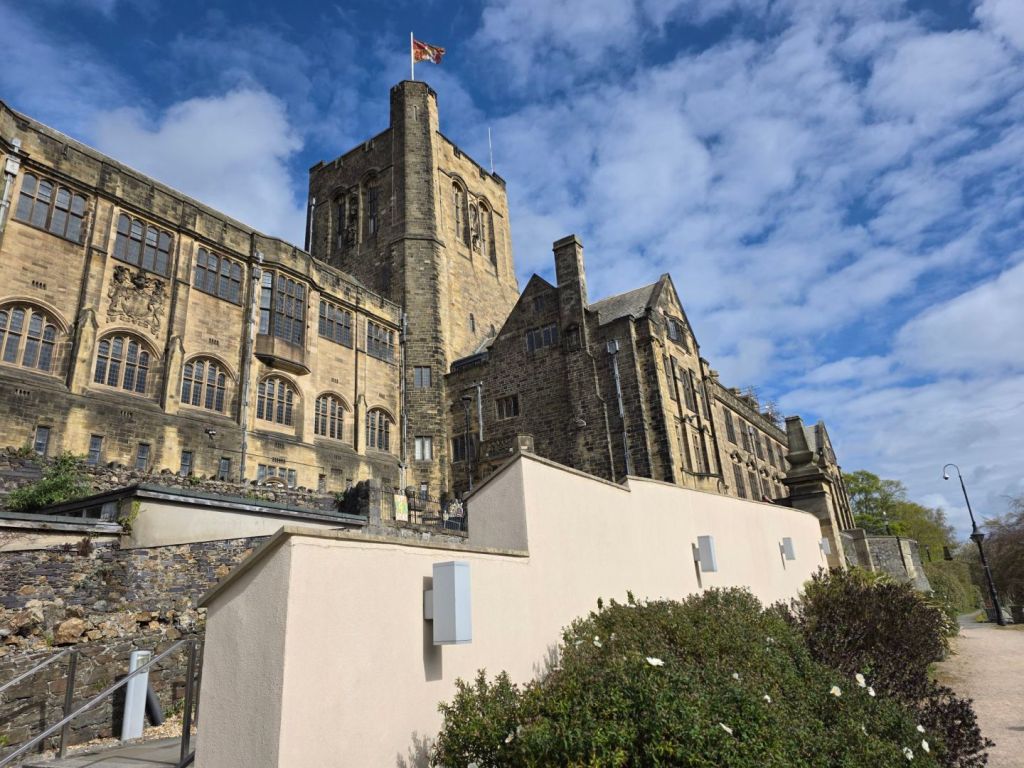
  • 1911: The iconic Main Arts Building (the “College on the Hill”) is officially opened by King George V.
  • 1926: The Science Departments, which had remained at the old Penrhyn Arms, move to new purpose-built facilities funded by the North Wales Heroes Memorial

Era 3: Wartime & Mid-Century Expansion (1940–1999) 

  • 1940s (WWII): The university’s Prichard-Jones Hall is used to safeguard national art gallery paintings from enemy bombing.
  • 1942Neuadd Reichel, a hostel for male students designed by Percy Thomas, opens on the Ffriddoedd site.
  • 1960s: Rapid expansion follows the Robbins Report, including the completion of the “New Arts” wing (1968) and the establishment of new departments like Social Theory (1966).
  • 1967: The Bangor Normal College hosts lectures by the Maharishi Mahesh Yogi, attended by The Beatles.
  • 1977St Mary’s College, a women’s teacher training college, merges with the university.
  • 1996: The Normal College (founded 1858) officially merges with the university, which is renamed University of Wales, Bangor

Era 4: Independence & Modern Era (2000–Present)

  • 2003Storm FM, the official student radio station, begins broadcasting.
  • 2007: The institution gains independent university status and adopts its current name, Bangor University.
  • 2009: The university celebrates its 125th anniversary and begins awarding its own degrees independently of the University of Wales.
  • 2015: The Pontio Arts and Innovation Centre and St Mary’s Student Village open.
  • 2018: The M-SParc science park on Anglesey is completed.
  • 2024: The university celebrates its 140th anniversary and opens its independent North Wales Medical School with its first intake of 80 students.
  • 2025: A £10.5 million donation leads to the redevelopment and renaming of the Albert Guday Business School

Movie Corner – Actress, Sherilyn Fenn – a timeline

Sherilyn Fenn (born Sheryl Ann Fenn; February 1, 1965) is an American actress who rose to fame in the early 1990s. 

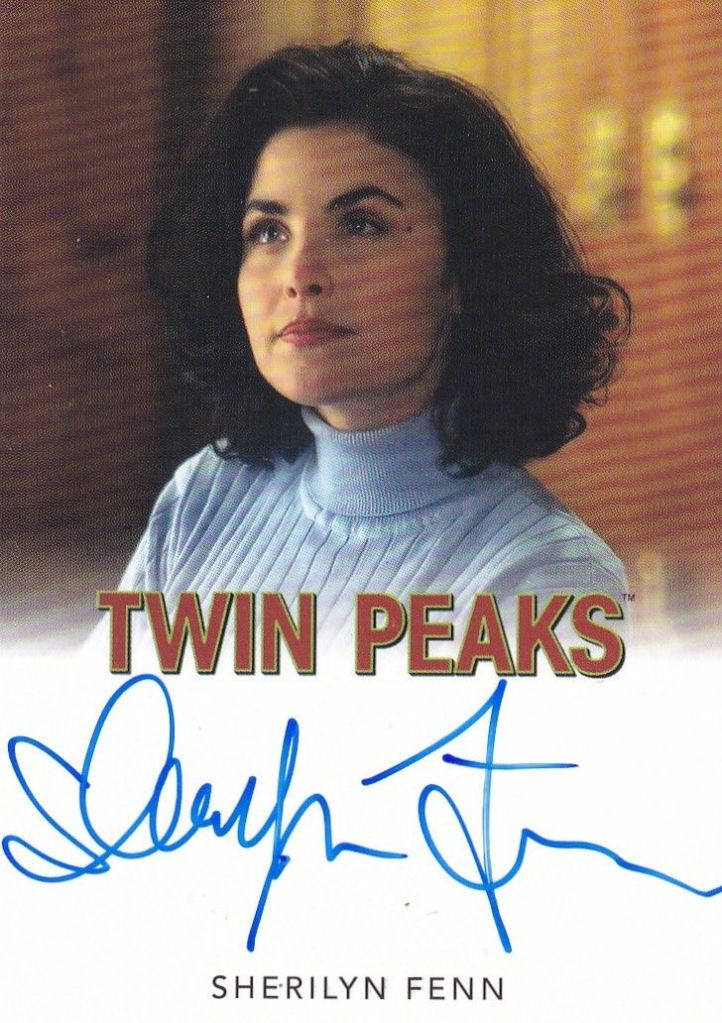
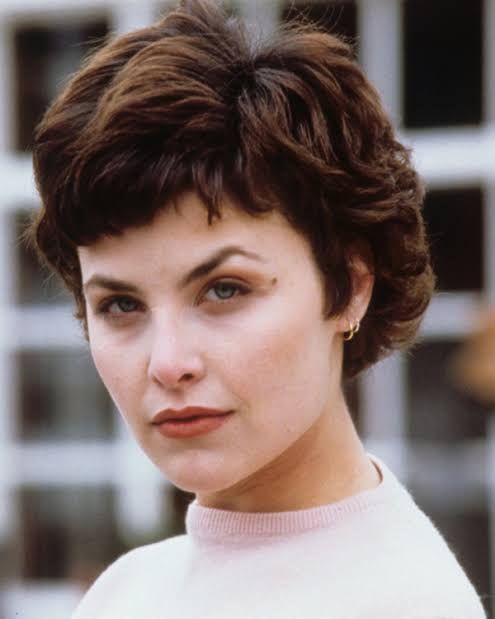
Sherilyn Fenn in Twin Peaks

Early Life and Family

  • Background: Born in Detroit to a musical family (including mother Arlene Quatro and aunt Suzi Quatro), she moved to Los Angeles at 17 to study acting at the Lee Strasberg Theatre Institute. 

Career Highlights

  • Breakthrough: Achieved stardom as Audrey Horne in Twin Peaks (1990–1991, 2017), earning Emmy and Golden Globe nominations.
  • Film & TV: Notable roles include Wild at Heart (1990), Of Mice and Men (1992), and Boxing Helena (1993). She also starred in Rude Awakening (1998–2001) and Liz: The Elizabeth Taylor Story (1995). 

Personal Life

  • Details: Had a well-known relationship with Johnny Depp in the 1980s.
  • Family & Work: She has two sons and authored a children’s book, No Man’s Land (2016), inspired by her younger son’s autism.

Sherilyn Fenn’s career spans over four decades, defined by her transition from 1980s cult teen films to her 1990s rise to fame as a Hollywood icon, followed by a prolific period as a versatile character actress in television and independent film. 

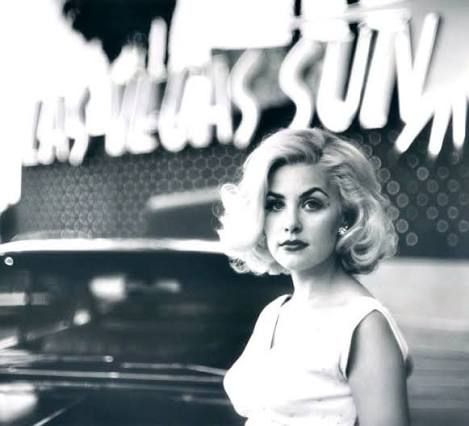
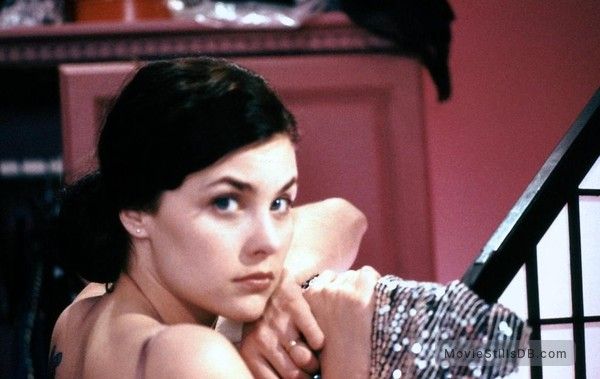
Sherilyn Fenn in Ruby

Early Career and Teen Roles (1984–1989)

Fenn began her career in various B-movies and teen dramas, often playing sultry or rebellious characters. 

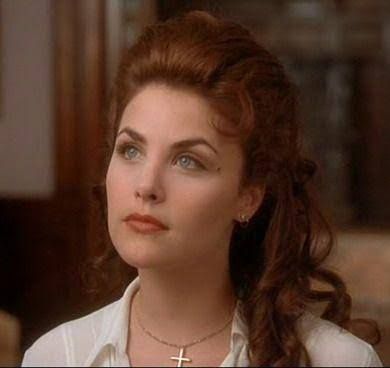
Sherilyn Fenn in Of Mice and Men

Rise to Fame and Peak Film Roles (1990–1995) 

This period marked Fenn’s global breakthrough, largely due to her iconic role in Twin Peaks, leading to high-profile film work. 

Sherilyn Fenn in Diary of a Hitman

Transition and Character Roles (1996–2010)

Following her peak film years, Fenn focused on independent films and starred in a successful dark comedy series. 

Sherilyn Fenn in Boxing Helena

Later Career and Television Returns (2011–Present)

Fenn continues to work in independent cinema while making notable returns to television and reprising her most famous role. 

Sherilyn Fenn in Twin Peaks

Sherilyn Fenn maintains a presence on a few social media platforms where she shares personal updates, career memories, and activist content. 

  • Instagram: Her primary and most active account is @sherilyn_fennxo, where she frequently posts photos.
  • Threads: She also has a profile on Threads (@sherilyn_fennxo) linked to her Instagram account.
  • Facebook: There is a page titled Sherilyn Fenn Now that shares updates related to her podcast appearances and projects. 

by era, annotated:

Sherilyn Fenn (born Sheryl Ann Fenn on February 1, 1965) is an American actress and author best known for her iconic portrayal of Audrey Horne in the cult television series Twin Peaks

Biography Overview

Born in Detroit, Michigan, Fenn grew up in a musical family; her mother, Arlene Quatro, was a keyboardist, and her aunt is rock icon Suzi Quatro. Her father, Leo Fenn, managed notable bands, including Alice Cooper. After moving to Los Angeles at 17, she dropped out of high school to study acting at the Lee Strasberg Theatre Institute. 

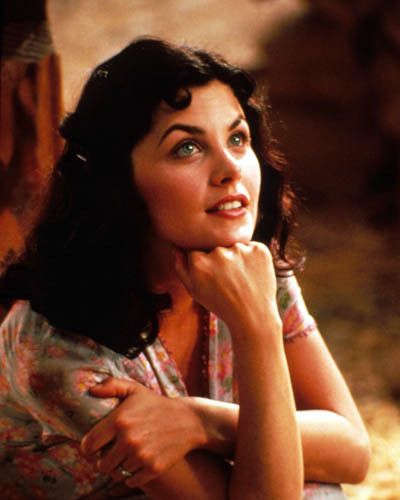
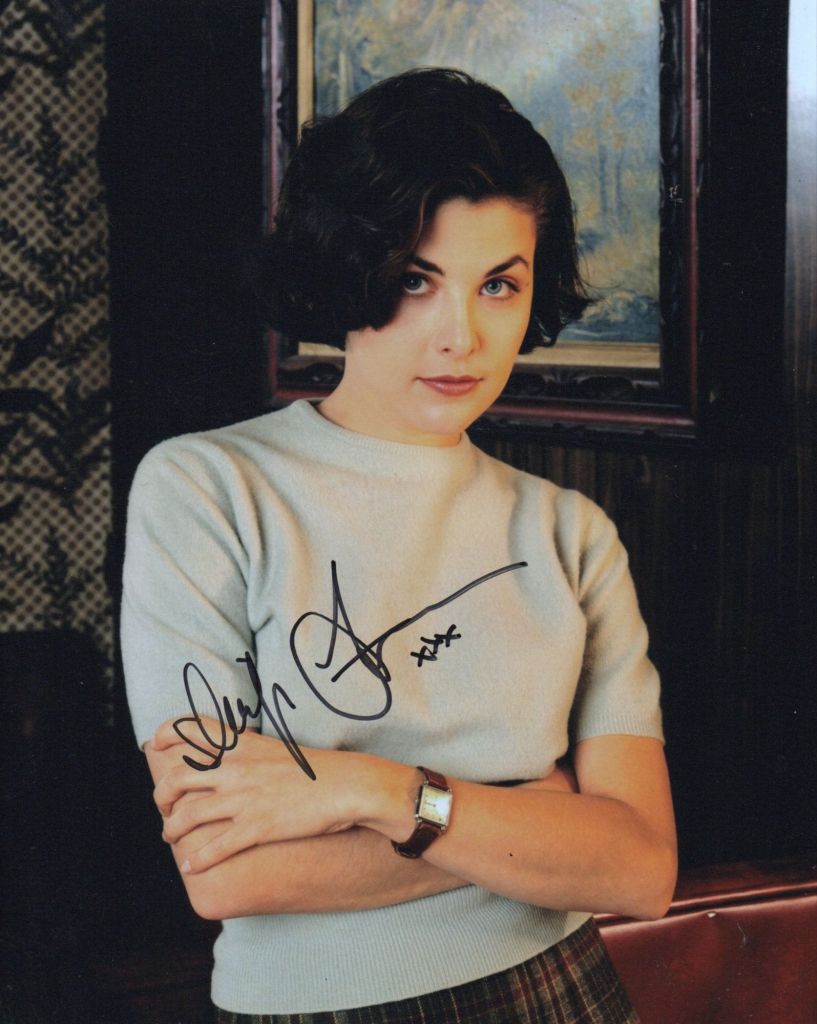
Audrey Horne in Twin Peaks played by Sherilyn Fenn

Annotated Career Timeline

Early Career & Cult Foundations (1984–1989)

  • 1984: Film debut in the comedy The Wild Life.
  • 1985: Appeared in the cult comedy Just One of the Guys and starred alongside then-boyfriend Johnny Depp in the short film Dummies.
  • 1986: Solidified her presence in the “brat pack” era with roles in the skater film Thrashin’ and the supernatural action movie The Wraith.
  • 1988: Landed her first lead in Zalman King’s erotic drama Two Moon Junction. Fenn later expressed embarrassment over the film’s “sexploitation” leanings, which led her to take a brief hiatus from acting.

Breakthrough & Peak Stardom (1990–1995) 

  • 1990–1991: Cast as Audrey Horne in Twin Peaks. Her performance, characterized by 1950s-style fashion and the famous “cherry stem” scene, earned her Emmy and Golden Globe nominations.
  • 1990: Appeared in David Lynch’s Wild at Heart as a car accident victim. Lynch famously described her as “five feet of heaven in a ponytail”.
  • 1992: Starred in the critically acclaimed adaptation of Of Mice and Men opposite John Malkovich and Gary Sinise. She also played a composite of Marilyn Monroe and Candy Barr in the film Ruby.
  • 1993: Starred in the controversial Boxing Helena, directed by Jennifer Lynch. Though a commercial failure, Fenn remained proud of the film’s artistic risks.
  • 1995: Portrayed Elizabeth Taylor in the NBC miniseries Liz: The Elizabeth Taylor Story. She fought for script integrity to ensure a respectful portrayal of the legend. 

Independent Era & Television Lead (1996–2001)

  • 1997: Guest-starred on Friends as Ginger, a character with a prosthetic leg.
  • 1998–2001: Headlined the Showtime sitcom Rude Awakening as Billie Frank, a recovering alcoholic former soap star. 

Diverse Roles & Return to Twin Peaks (2002–Present) 

Personal Commentary & Legacy

Fenn’s career is defined by her resistance to typecasting. Following the massive success of Twin Peaks, she intentionally chose complex, sometimes unglamorous roles in independent films like Darkness Falls (1998) and Cement (1999) to distance herself from being a mere “sex symbol”. She has remained an outspoken critic of the Hollywood “machine” and is also an author; in 2016, she published the children’s book No Man’s Land, inspired by her son’s autism. 

Audrey Horne in Twin Peaks played by Sherilyn Fenn

Personal Life

Sherilyn Fenn‘s personal life has been defined by her upbringing in a famous musical family and her high-profile relationships during the peak of her Twin Peaks fame. Born on 1 February 1965 in Detroit, Michigan, she moved to Los Angeles at age 17, where she began her journey from a theater student to an international sex symbol and devoted mother. 

Early Life & Family Roots (1965–1983)

  • 1965: Born Sheryl Ann Fenn in Detroit.
  • Musical Heritage: Raised in a family of performers. Her mother, Arlene Quatro, was a keyboardist; her aunt is rock star Suzi Quatro; and her father, Leo Fenn, managed bands like Alice Cooper.
  • 1982: Moved to Los Angeles at age 17. She dropped out of Beverly Hills High School to enroll at the Lee Strasberg Theatre Institute to study acting. 

The Rising Star & Johnny Depp Era (1984–1989) 

  • 1985: Met actor Johnny Depp on the set of the short film Dummies. The two dated for three and a half years and were briefly engaged.
  • 1985: Briefly dated pop icon Prince.
  • Late 1980s: Her relationship with Depp ended as their careers pulled them in different directions (Los Angeles for Fenn, Vancouver for Depp’s 21 Jump Street). 

Twin Peaks Fame & First Marriage (1990–1999) 

  • 1990: Dated singer Billy Idol briefly; the pair appeared together on the cover of In Fashion magazine.
  • 1993: Welcomed her first son, Myles, with guitarist/songwriter Toulouse Holliday, whom she met on the set of Three of Hearts.
  • 1994: Married Toulouse Holliday.
  • 1997: Divorced Holliday after three years of marriage. 

Motherhood & Later Years (2000–Present)

  • 2007: Gave birth to her second son, Christian, with then-boyfriend Dylan Stewart.
  • 2014: Began practicing Transcendental Meditation, a practice often associated with her long-time collaborator David Lynch.
  • Present: Continues to act and engage with fans, famously returning to her iconic role as Audrey Horne for Twin Peaks: The Return in 2017.

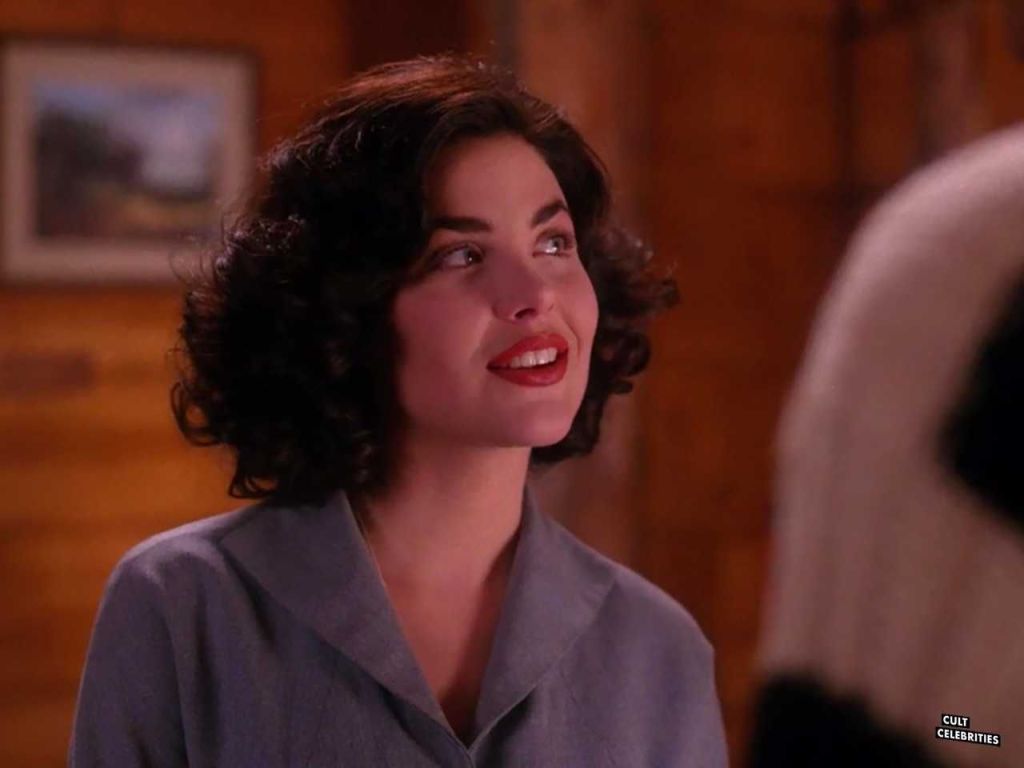
Sherilyn Fenn as Audrey Horne

Audrey Horne‘s timeline spans her high school years during the original investigation of Laura Palmer’s murder to her mysterious, fractured reality 25 years later in The Return

Original Series (February – March 1989)

  • February 1989: Audrey begins her own investigation into Laura Palmer’s death to impress Special Agent Dale Cooper. She goes undercover at One Eyed Jacks, where she narrowly avoids a horrific encounter with her father, Ben Horne.
  • March 1989: After being rescued from One Eyed Jacks by Cooper, Audrey briefly finds romance with John Justice Wheeler. However, she remains politically active and chains herself to the vault door at the Twin Peaks Savings and Loan to protest the Ghostwood Development project.
  • The Explosion: On March 28, 1989, a bomb goes off in the bank vault, leaving Audrey’s fate uncertain as the original series ends. 

The Interim Years (1989 – 2014)

  • The Coma (March 1989): Audrey survives the explosion but falls into a coma for three and a half weeks. During this time, Cooper’s doppelgänger (Mr. C) visits her in the hospital, where he rapes and impregnates her.
  • Motherhood: In late 1989, Audrey gives birth to her son, Richard Horne. She raises him as a single mother and eventually opens a successful beauty salon in Twin Peaks.
  • Marriage: Roughly ten years after Richard’s birth, Audrey enters a “marriage of convenience” with her accountant, Charlie. 

The Return (2014 – 2016)

  • Disappearance: About four years before the events of The Return, Audrey suddenly closes her salon and vanishes from public life. Rumours suggest she entered a private care facility or became an agoraphobic recluse.
  • Fractured Reality: Audrey appears in several surreal scenes with Charlie, obsessing over a missing man named Billy. She eventually goes to the Roadhouse to perform “Audrey’s Dance,” but after a fight breaks out, she “wakes up” in a stark white room, staring into a mirror.
  • Current Status: Her final scene suggests she may be confined to a psychiatric hospital, with the Roadhouse scenes being a mental construct or “dream”. 

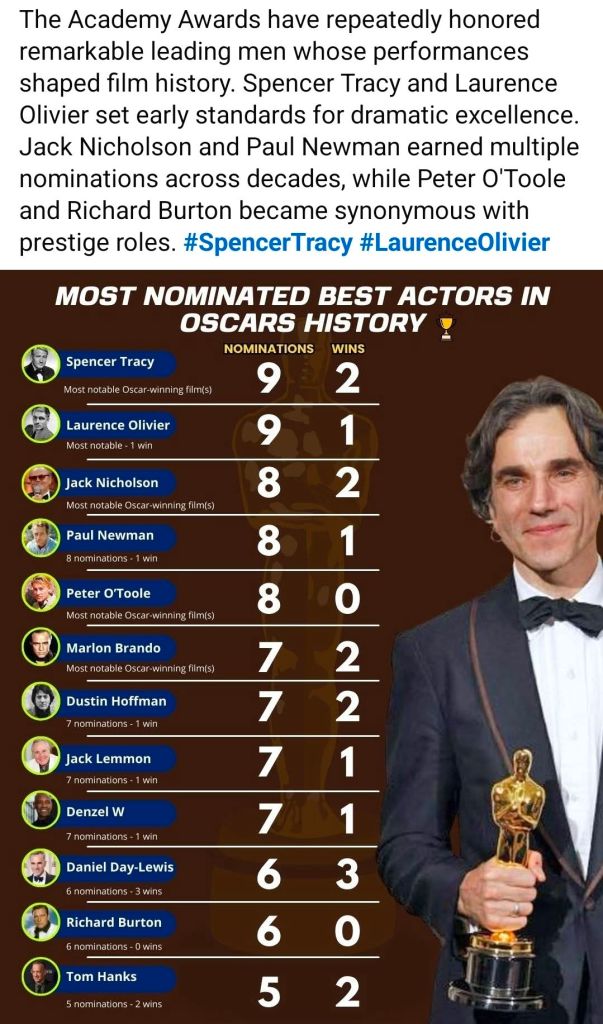
Most Nominated Male Best Actors in Oscars History

Most Nominated Male Best Actors in Oscars History

Some of my favourite Movies / Music / Comedy as of today :

Great movie clips

Top 30 movies 

Music/ videos I like

Comedy

Some of my favourite Movies / Music / Comedy as of today

Middlebrook Cinema (Bolton) looking outwards towards entrance… 20th Jan

Middlebrook Cinema looking outwards towards entrance… 20th Jan

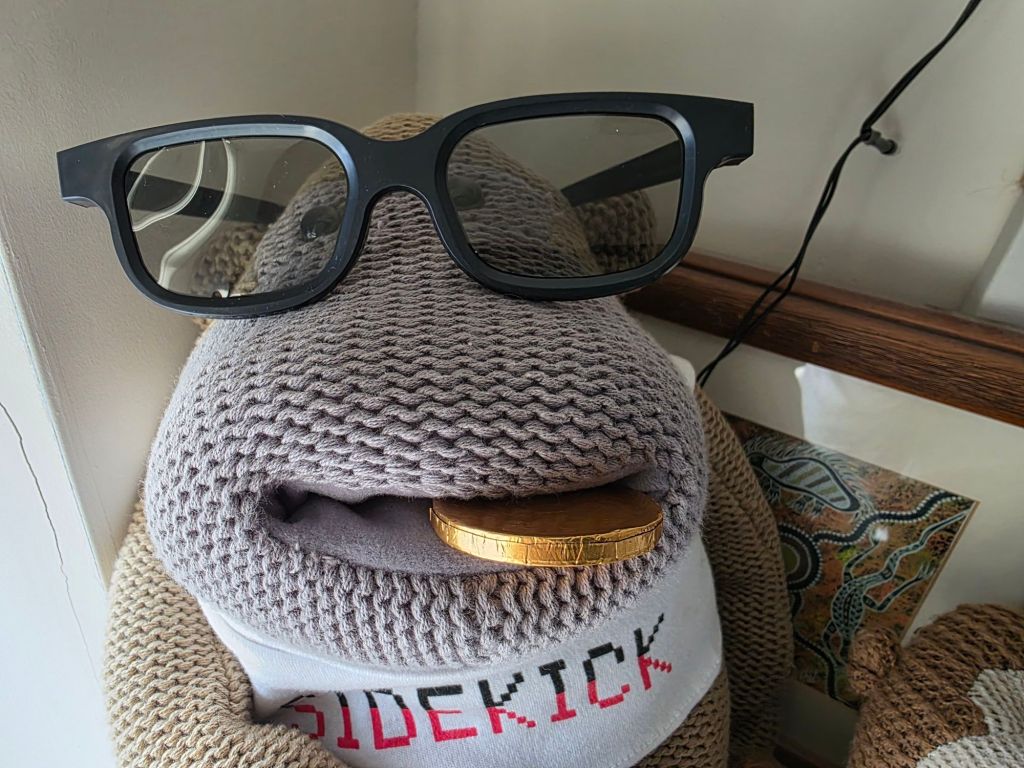
Have you seen Avatar 3 in 3D yet?

Have you seen Avatar 3 in 3D yet?

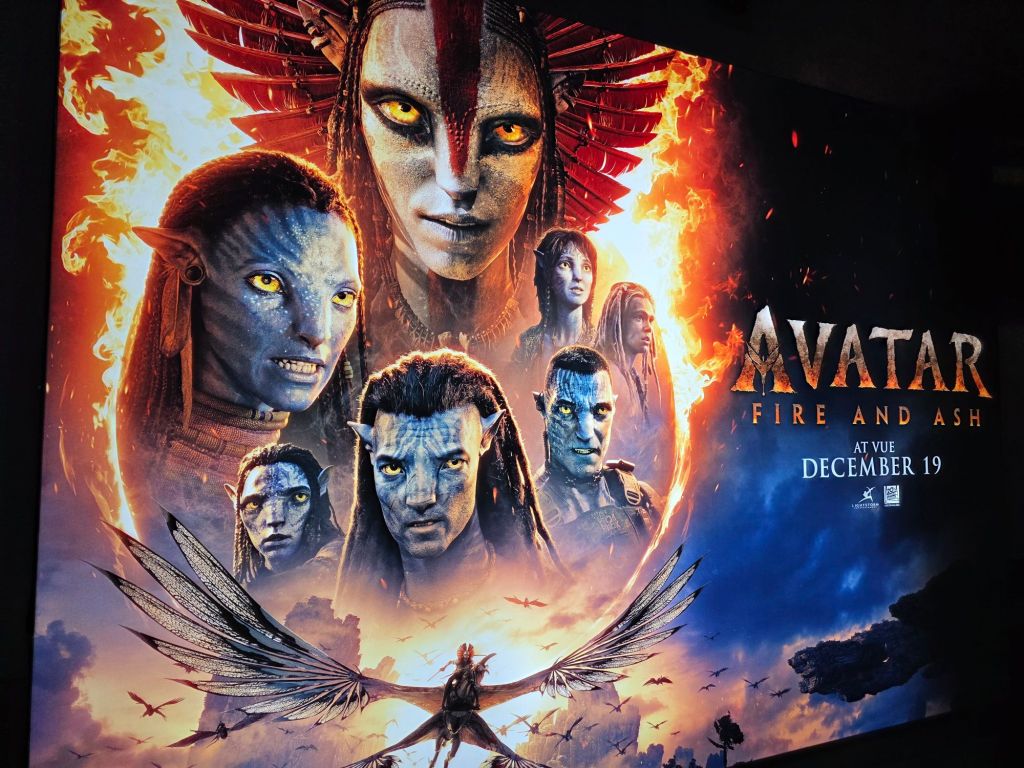
AVATAR Fire and Ash, December 19th 2025

AVATAR Fire and Ash, December 19th 2025

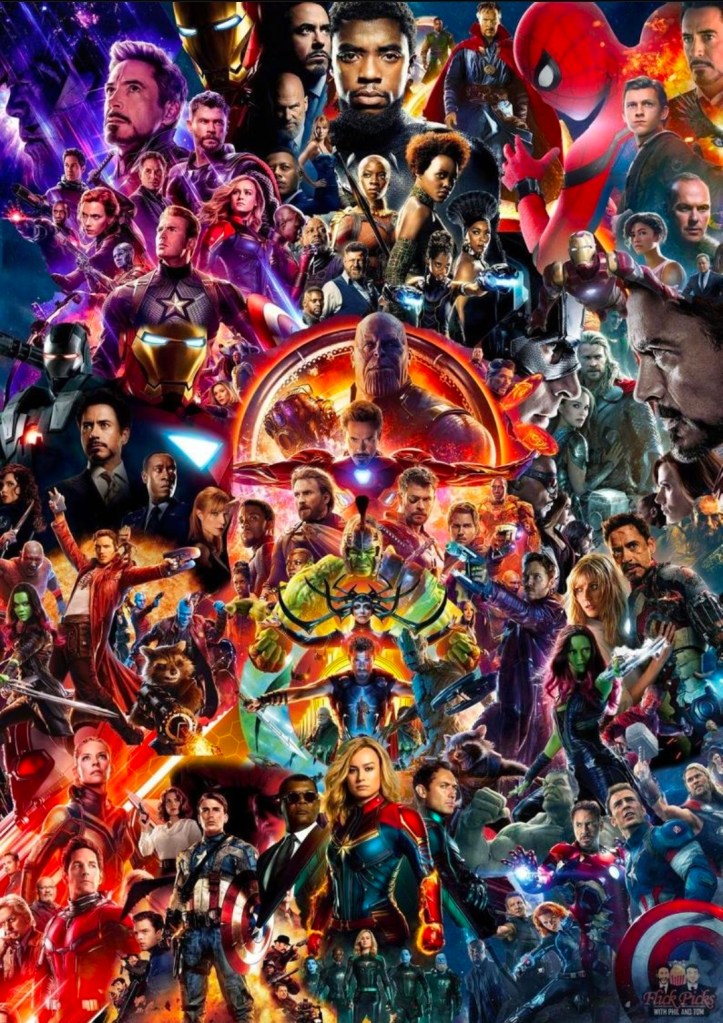
Marvel Cinematic Universe (MCU) Movies in Timeline Order for Watching

Marvel Cinematic Universe (MCU) Movies in Timeline Order for Watching | Image Courtesy of Marvel Entertainment
  1. Captain America: The First Avenger (1942)
  2. Captain Marvel (1995) – but don’t watch the post-credits scene until you’ve watched Infinity War… #spoilers
  3. Iron Man (2008)
  4. Iron Man 2 (2011)
  5. The Incredible Hulk (2011)
  6. Thor (2011) – six months before Avengers
  7. The Avengers (2012)
  8. Iron Man 3 (2012) – six months after The Avengers
  9. Thor: The Dark World (2013) – after Avengers but before Ultron
  10. Captain America: The Winter Soldier (2014) – after Avengers but before Ultron
  11. Guardians of the Galaxy (2014)
  12. Guardians of the Galaxy 2 (2014)
  13. Avengers: Age of Ultron (2015)
  14. Ant-Man (2015)
  15. Captain America: Civil War (2016) – after Ultron and before Infinity War
  16. Black Widow (2016, excluding post-credits scene) – right after Civil War
  17. Spider-Man: Homecoming (2016) – after Civil War and before Infinity War
  18. Doctor Strange (2016-2017)
  19. Black Panther (2017)
  20. Thor: Ragnarok (2017) – after Ultron and before Infinity War
  21. Avengers: Infinity War (2017)
  22. Ant-Man and the Wasp (2017) – takes place at the same time as Infinity War since the post-credit scene takes place during the snap
  23. Avengers: Endgame (2017-2022)
  24. Shang-Chi and the Legend of the Ten Rings (2023)
  25. Spider-Man: Far From Home (2023)
  26. Eternals (2023, excluding flashbacks)
  27. Spider-Man: No Way Home (2024)
  28. Dr. Strange in the Multiverse of Madness (2025)
  29. Thor: Love and Thunder (2025)
  30. Black Panther: Wakanda Forever (2025)
  31. Ant-Man: Quantumania (2026)
  32. Guardians of the Galaxy: Vol 3 (2026)
  33. The Marvels (2026)
  34. Deadpool & Wolverine (Outside of time, watch whenever you like)
  35. Captain America: Brave New World (2027)
  36. Thunderbolts (2027)
  37. Fantastic Four (2028… but also the 1960s, maybe)
  38. Avenger’s Doomsday (2028)

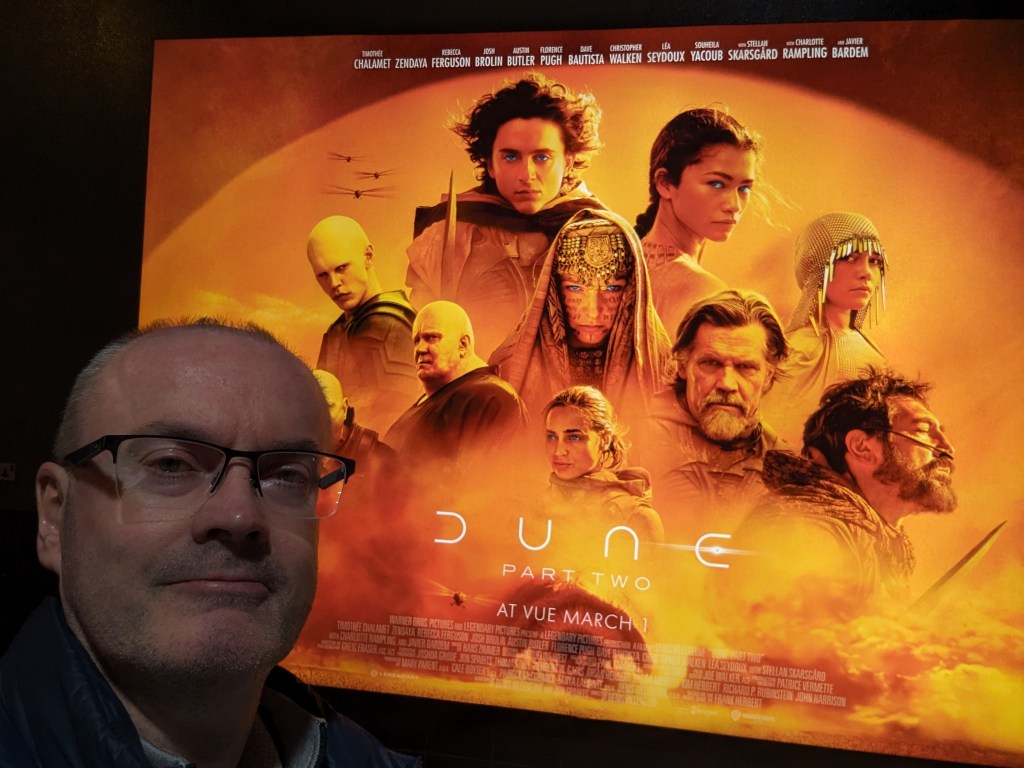
Watch Dune Part Two in T-Minus 10 days…

Just seen this… great Sequel… tense and exhilirating… #topgun

If you liked Top Gun… you will like Top Gun Maverick… its Top Gun meets Mission Impossible meets Star Wars A New Hope… very impressive low to the ground flying sequences… more tense and exhilirating than the original… good stuff… you will feel the GEEEE… will watch again… maybe top gun up on the original first… speed just got a whole lot faster…

Enjoyed Reacher series on Amazon Prime… 8 episodes… #reacher

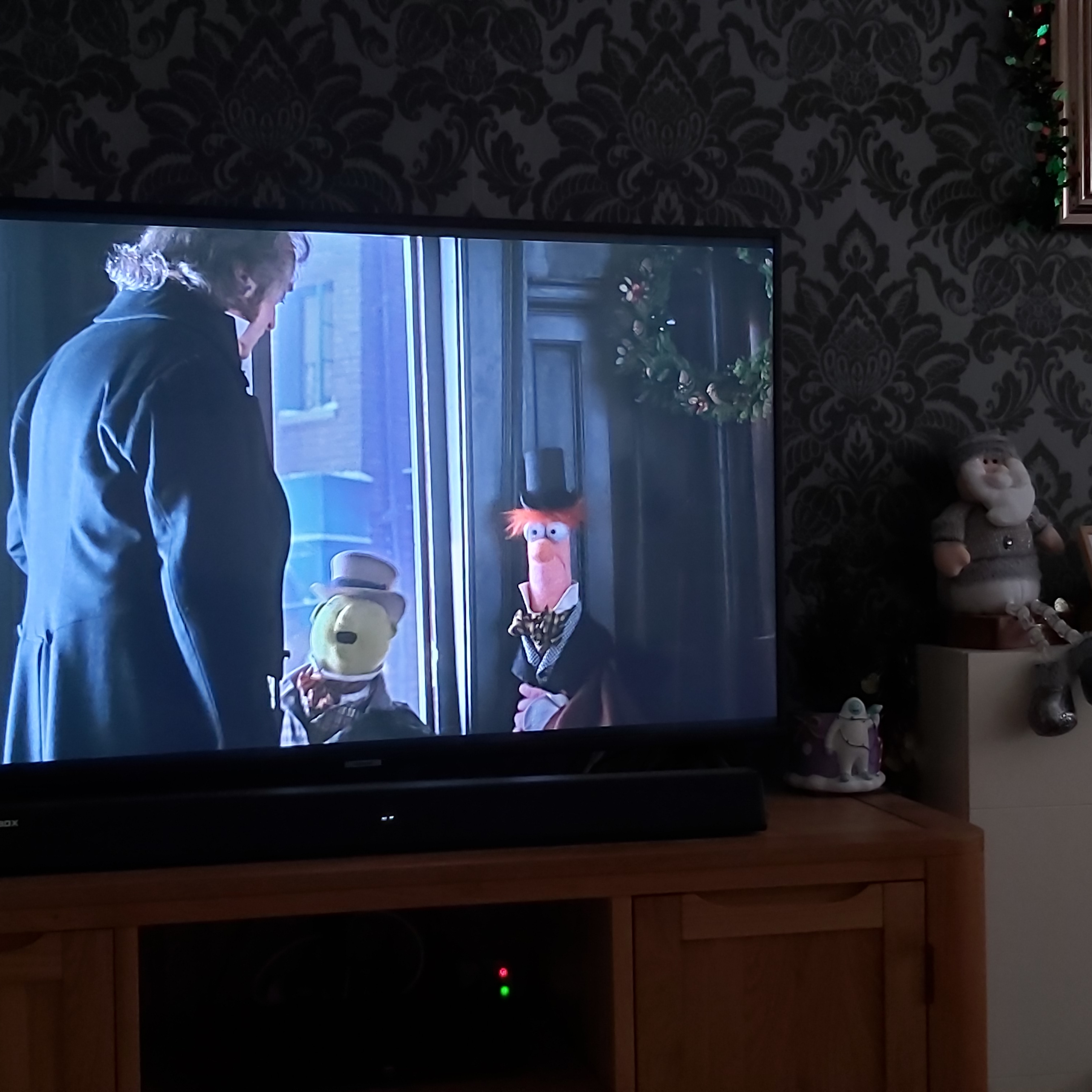
Happy Muppet Christmas to Everyone…

Muppet Christmas Carol…

MediaCityUK Photographic Time-lapse Movie – 2007 thru 2010

MediaCity UK Photographic Time-lapse Video – 2007 thru 2010

During my time working in Salford Quays as an IT Project Manager, I took a good number of photos and movies of the MediaCity build (literally from the ground up). The pictures were taken from 2007 when the dockland was flat and unused, through to 2010. MediaCity UK is now home to the BBC (BBC North), ITV in the North West and the University of Salford.

The 200 or so pictures in this movie represent an abridged timeline of the build selected from a few thousand photos starting from 2007.

Music soundtrack accompanying movie timeline is by John Barry and from the film –

Somewhere in Time (1980 – https://www.imdb.com/title/tt0081534/) –

Soundtrack link : https://www.youtube.com/watch?v=paU0yFZ-l3E

My MediaCityUK photo gallery and website : https://mark-whitfield.com/gallery/mediacityuk/

Happy Christmas to everyone…

Acting bandwidth a plenty from Zulu… to playing opposite Beaker… genius… although Michael Caine did say the phone stopped ringing for a few years after he made it… so he wrote his autobiography thinking all acting was over… hard to believe these days 😀 #themuppetchristmascarol

Just finished The Queens Gambit for the 5th time… outstanding… #thequeensgambit #bethharmon #anyataylorjoy

OK… I have put it off long enough… 33 years on… when you finish your shift… go home alive… so end’eth the lesson… #seanconnery

May have to watch again #thequeensgambit

The best ever Sean Connery intro into a movie #seanconnery #theuntouchables …A Tribute…