

The timeline of the BBC Micro and the Computer Project (CLP) represents a pivotal era in British computing, moving from early industrial machines to a generation-defining home computer.
Pre-Launch & The Need for Literacy (1974–1980)
- 1974: Ceefax launches as the world’s first teletext service, introducing interactive TV concepts.
- 1978: Acorn Computers is founded in Cambridge; the BBC initiates its Computer Project to address the UK’s lack of digital preparedness.
- 1979: A BBC report warns that the silicon chip will radically change the workplace, prompting the need for a national awareness campaign.
- 1980: After the “New Brain” computer project fails to meet requirements, the BBC searches for a British manufacturer to build a custom machine.
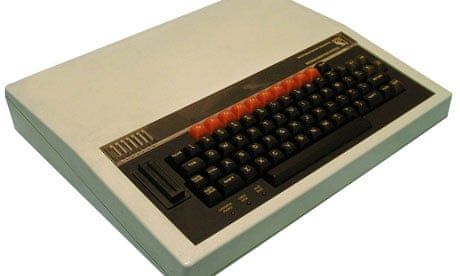
The Golden Era: The BBC Micro (1981–1985)
- 1981: Acorn wins the contract in March with its “Proton” prototype. The BBC Micro Model A (£299) and Model B (£399) are officially launched in December.
- 1982: The BBC Computer Literacy Project (CLP) formally launches with the TV series The Computer Programme. Over 500,000 machines are sold this year as the “Beeb” enters most UK schools.
- 1983: The Acorn Electron is launched in August as a budget-friendly home version of the BBC Micro. New series Making the Most of the Micro begins.
- 1984: High-speed expansion continues; 1,000 dealers operate in the US, and production reaches thousands of units per month in India and Mexico.
- 1985: The BBC Micro achieves its goal: at least one machine is present in every British school.
Expansion & The Move to 16-Bit (1986–1990s)
- 1986: Launch of the Domesday Project, a massive digital snapshot of Britain stored on Laservision discs and accessed via BBC Micros.
- 1987: The Acorn Archimedes is launched, introducing the revolutionary RISC architecture (the precursor to modern ARM chips).
- 1989: The official CLP project concludes after nearly a decade of programming and hardware releases. The domain bbc.co.uk is registered.
- 1997: The BBC website is established, transitioning the corporation’s digital focus from hardware to the internet.
The Modern Legacy (2016–Present)
- 2016: The BBC micro:bit is released—a pocket-sized, programmable computer distributed free to one million Year 7 students to continue the legacy of coding literacy.
- 2018: The BBC Computer Literacy Project Archive is made public, allowing users to watch old programmes and run original 8-bit software in modern browsers.
BBC Micro Home Computer and the Computer Project (CLP) timeline
Also…
The Raspberry Pi is widely considered the spiritual successor to the BBC Micro. Created by the Raspberry Pi Foundation in Cambridge, the credit card-sized single-board computer was directly inspired by the 1980s educational computer.
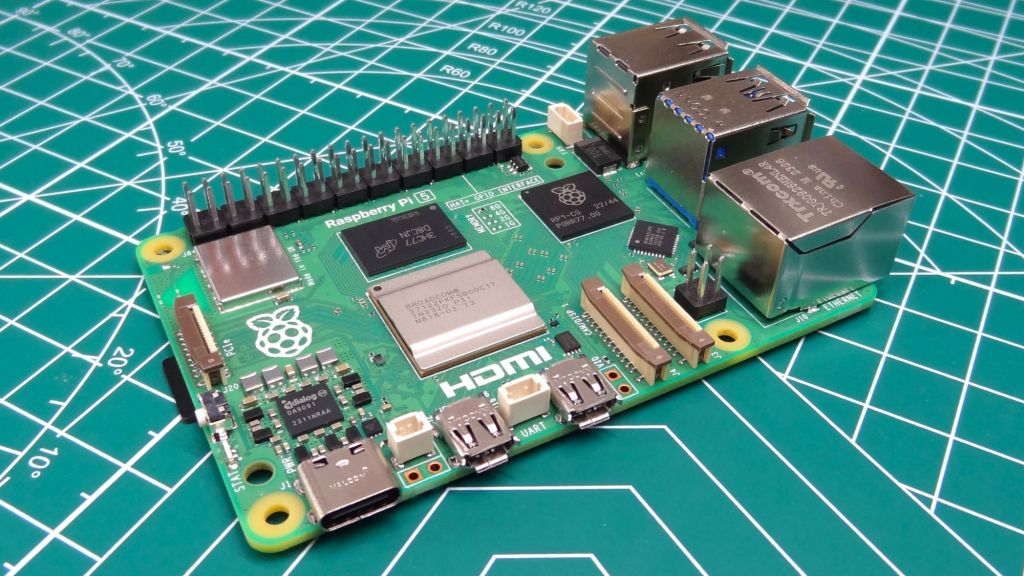
It aimed to reverse declining enrollment in computer science by giving a new generation of students an affordable, highly accessible tool to learn coding and hardware engineering.
The BBC Micro Homage
- Model A and Model B Names: The choice of “Model A” (lower spec, lower cost) and “Model B” (fully featured) names was a deliberate homage to the original Acorn Computers BBC Micro models.
- The ARM DNA Connection: The original BBC Micro was built by Acorn Computers. Acorn later co-developed the ARM (Acorn RISC Machine) processor architecture. Centuries later, these same energy-efficient ARM chips power modern Raspberry Pi boards.
- Educational Philosophy: Just as the BBC Micro introduced an entire generation of British school children to programming in the 1980s, the Raspberry Pi was launched in 2012 to renew interest in hands-on computer literacy and physical computing.
Core Differences
- Affordability: While the BBC Micro Model B was highly aspirational and very expensive for its time (around £399 in 1983), the Raspberry Pi was engineered from the start to be remarkably cheap (originally launched at $25 to $35) so that schools and parents could easily afford it.
- Exposed Hardware: The Raspberry Pi exposes its raw circuitry, chips, and General Purpose Input/Output (GPIO) pins directly to the user. This design choice makes it much simpler to interface with custom sensors, lights, and robotics.

