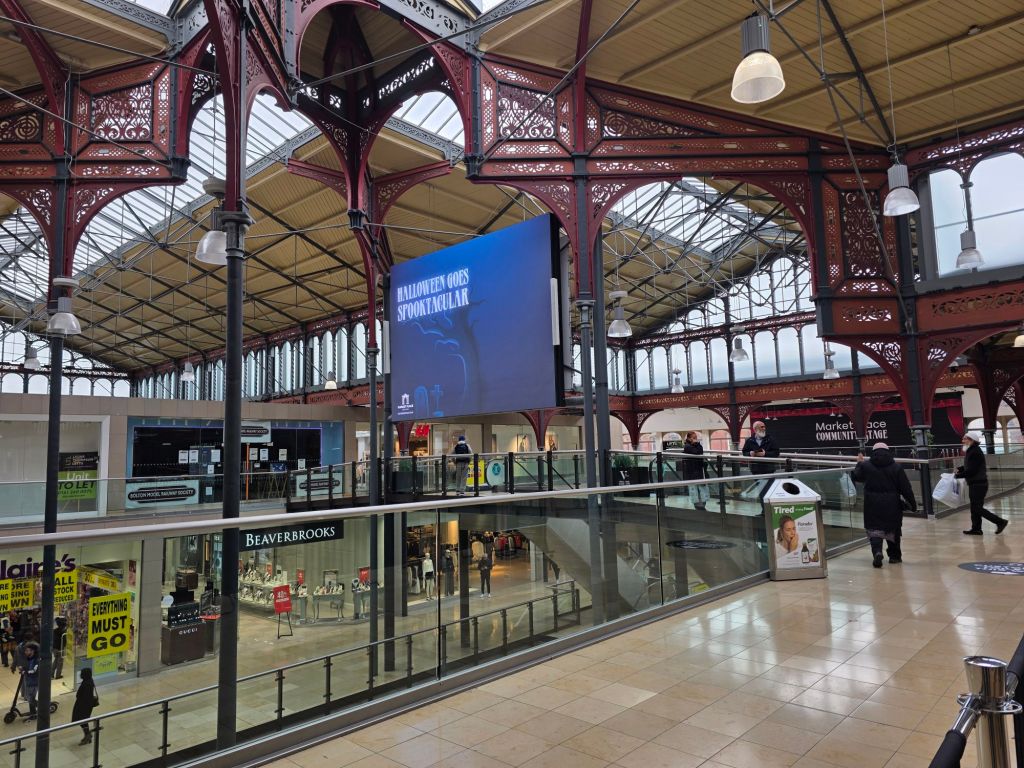
Bolton Market Hall is a listed building in Bolton, Greater Manchester that is now the Market Place Shopping Centre. The market hall and its integral ground-floor shops on Bridge Street, Corporation Street and Knowsley Street are included in the English Heritage listing.
Bolton Market Hall was designed by architect G. T. Robinson, and opened on 19 December 1855. Measuring 294 feet (90 m) in length and covering an area of 7,000 square yards (5,900 m2) it was said to be ‘the largest covered market in the kingdom’. It cost £50,000.
A long procession led to the opening ceremony. To complement the produce stalls and boost custom, a fish market was built next to it which opened in 1865 at a cost of £30,000. The fish market was demolished in September 1932.
The market hall was modified in 1894 and further alterations were carried out at the turn of the 20th century. In 1938 the interior layout changed with roofed stalls in tightly packed islands replacing the long rows of stalls and in 1982 a competition brief to redevelop the site immediately to the north of the market hall into a shopping centre was won by Chapman Taylor Partners. In 1985 Grosvenor Developments took over the Market Place project from Wimpey Property Holdings.
The hall was refurbished in the 1980s to become the Market Place Shopping Centre and was opened in 1988 by Queen Elizabeth II.
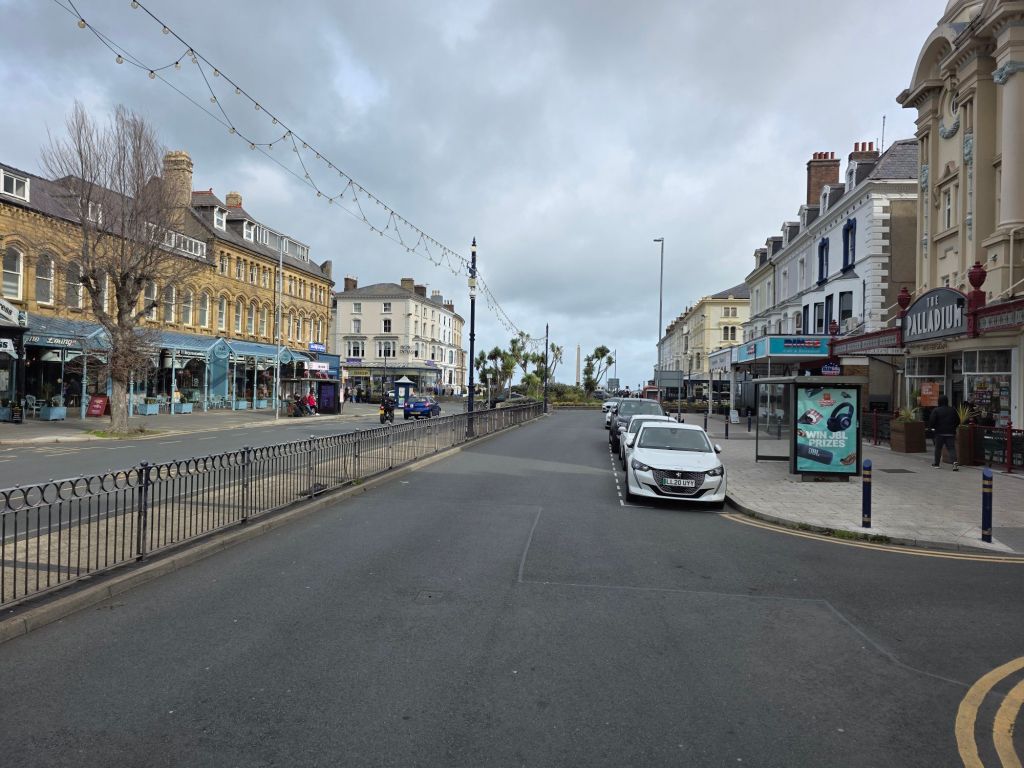
The theatre, built on the site of a market hall, opened on Bank Holiday Monday 30 August 1920. It was designed in Baroque style by Arthur Hewitt, a councillor in Llandudno; he also designed Clare’s Department Store and the Washington Hotel in the town.[2][3]
The stuccoed facade has two domed towers to each side, and a central recess featuring an oriel window within pillars that support a pediment. On the ground floor there are shop fronts on either side of the entrance.[1][2] The original theatre had a circular entrance foyer, leading to the auditorium, which seated 1,500 in stalls, a dress circle and a balcony. There were also boxes either side of the stage and behind the dress circle.[2][3]
The building was a theatre and cinema during its early years. After the Second World War it was mainly a cinema, with stage productions during the summer. In 1972 there was a conversion, so that the interior was split into a bingo hall in the former stalls, and a cinema in the former dress circle. The building was closed in September 1999.[2][3][4]
It was purchased by Wetherspoons in 2000; it was restored as much as possible into its original condition, in accordance with planning permission, and was opened as a theme pub in August 2001. There was restoration of the exterior in 2012–13.[2][3][4]
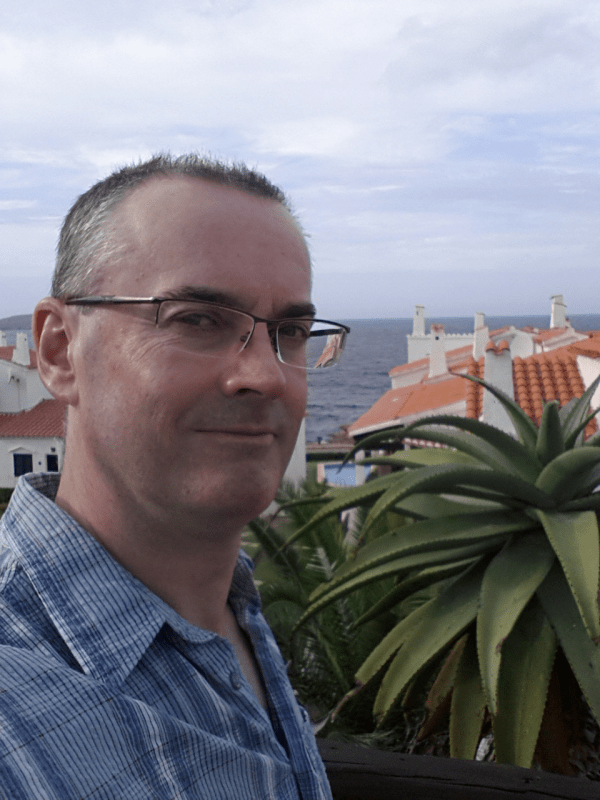
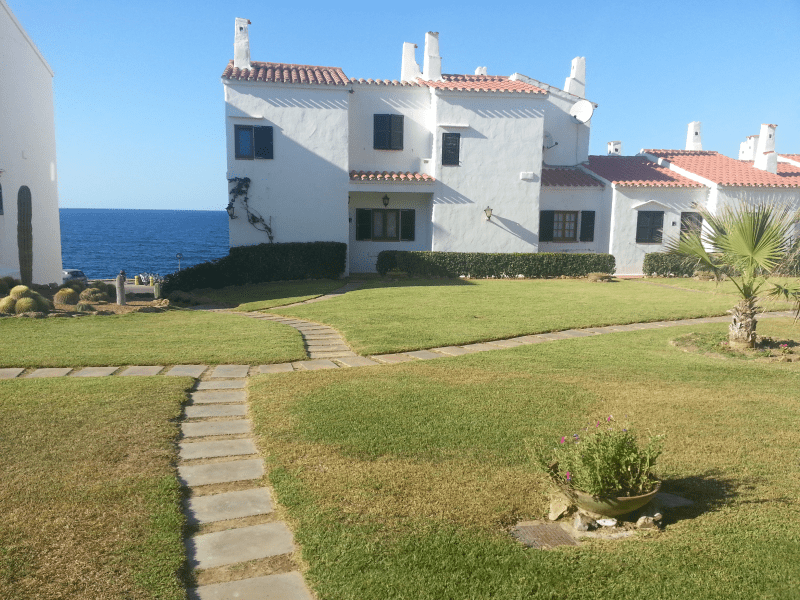
Maremar Playas Platges de Fornells Spain Balearic Islands Menorca
Menorca[a] or Minorca[b] (from Latin: Insula Minor, lit. ‘smaller island’, later Minorica) is one of the Balearic Islands located in the Mediterranean Sea belonging to Spain. Its name derives from its size, contrasting it with nearby Mallorca (Majorca). Its capital is Maó, situated on the island’s eastern end, although Menorca is not a province and forms a political union with the other islands in the archipelago. Ciutadella and Maó are the main ports and largest towns.
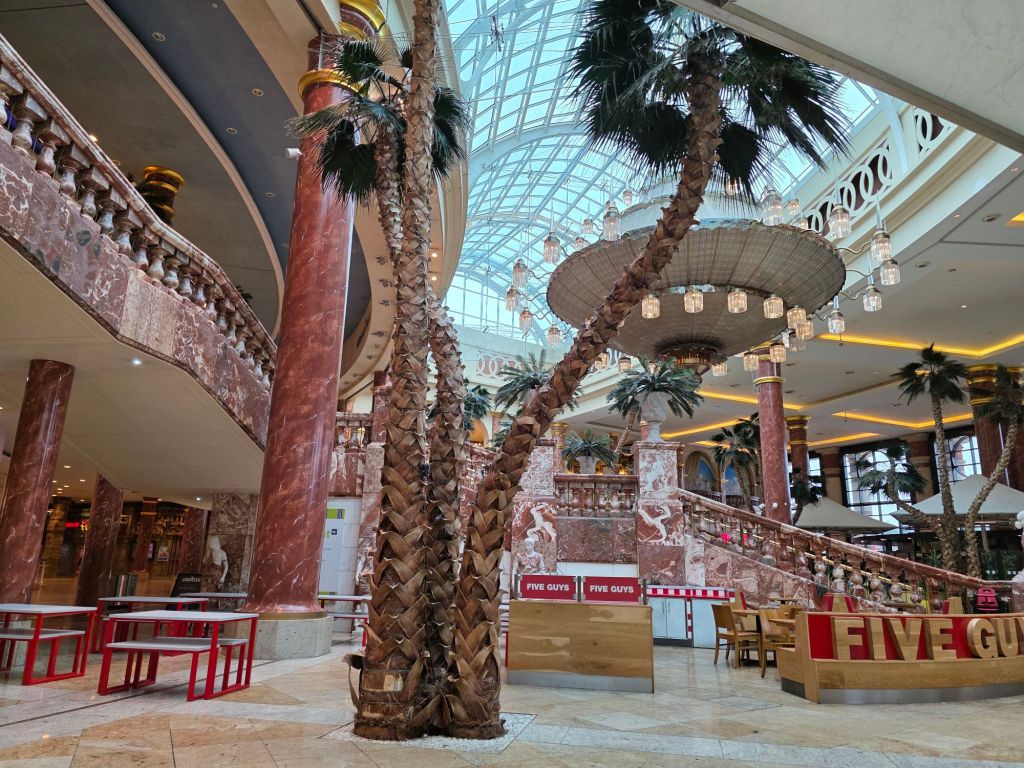
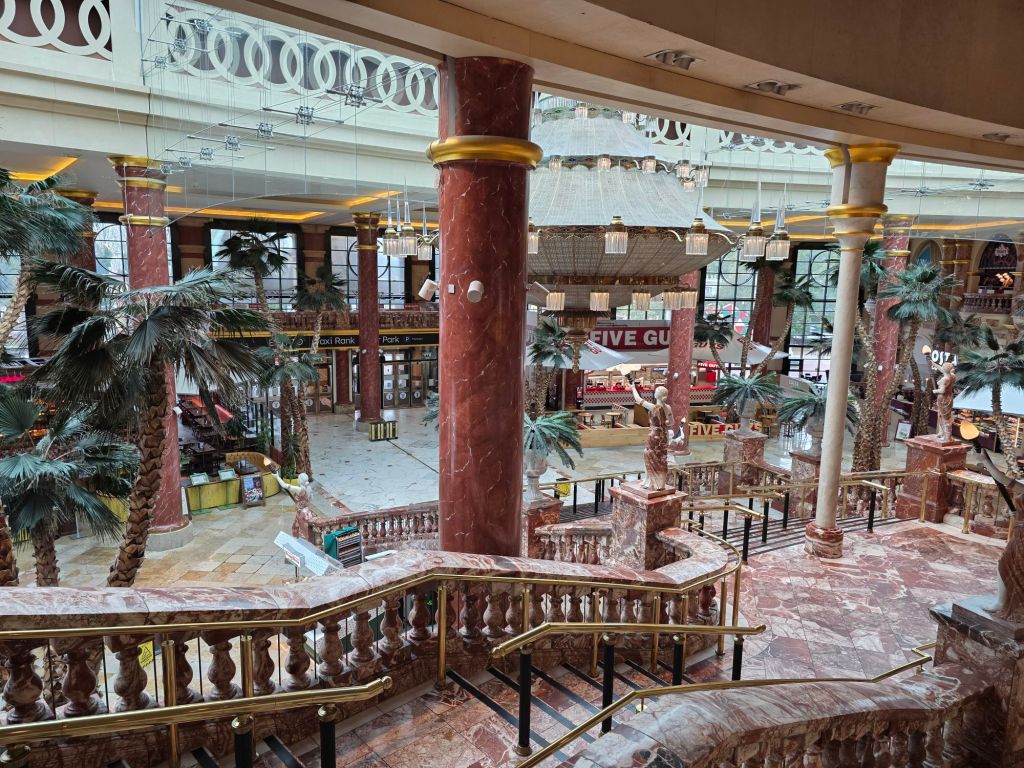
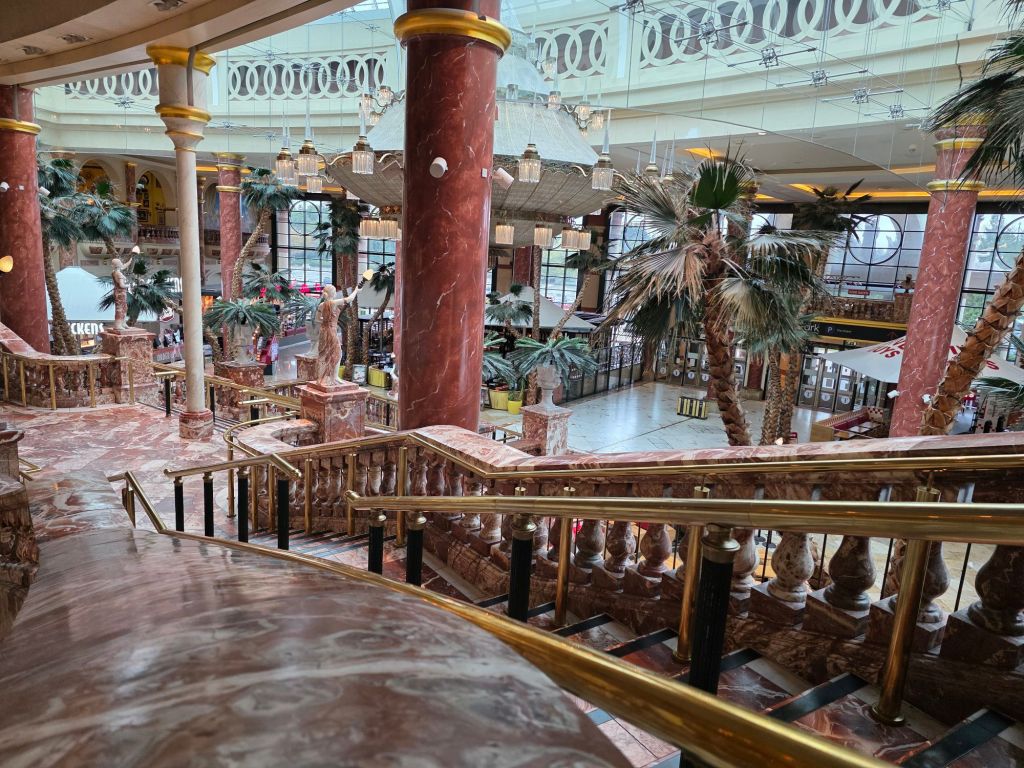
Originally developed by the Peel Group, the Trafford Centre was sold to Capital Shopping Centres, later to become Intu, in 2011 for £1.65 billion;[12] it set a record as the costliest single property sale in British history.[13]
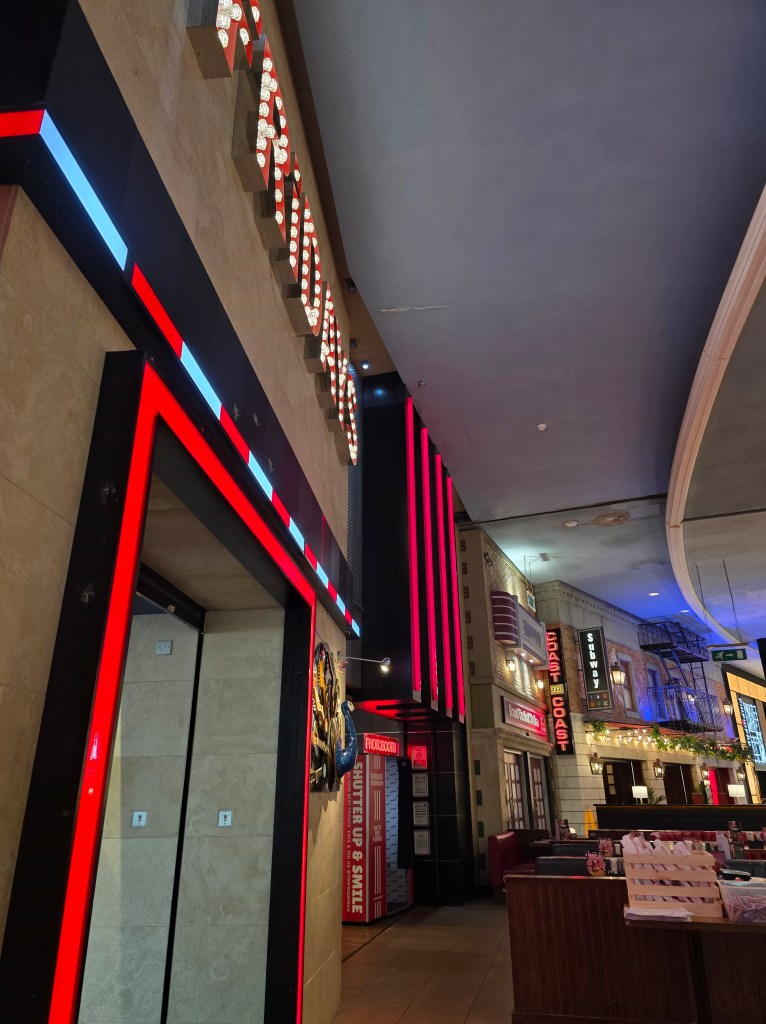
The battle to obtain permission to build the centre was amongst the longest and most expensive in United Kingdom planning history.[3] As of 2011, the Trafford Centre had Europe’s largest food court and the UK’s busiest cinema.[1]
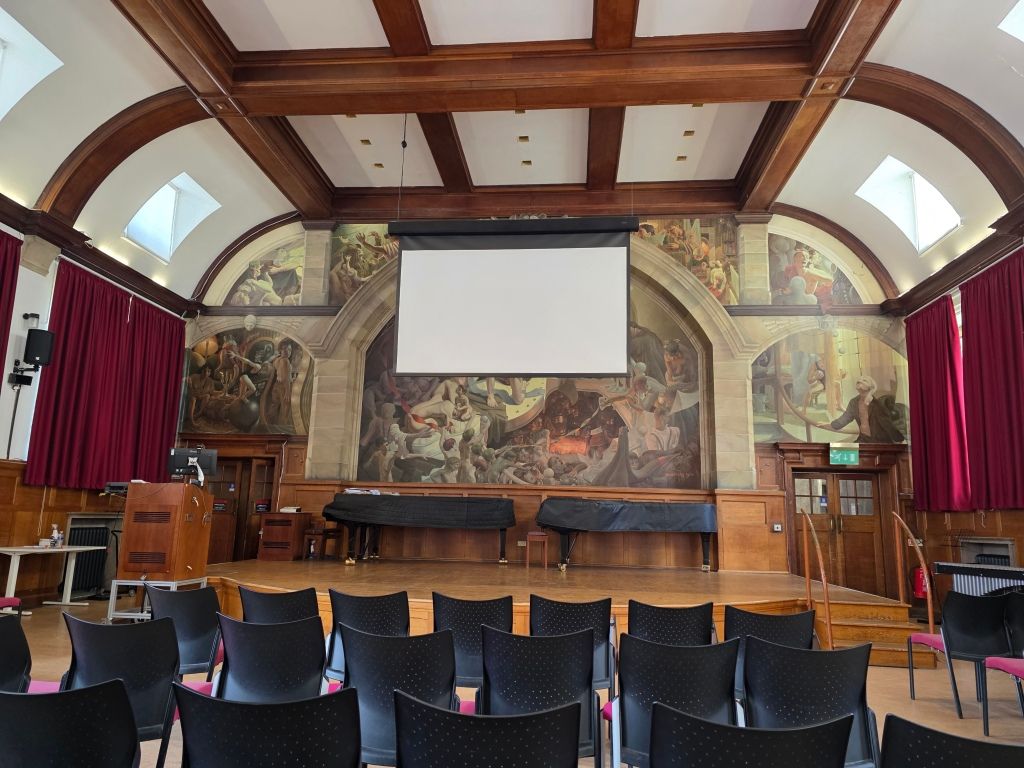
Located in the historic county of Cardiganshire, Aberystwyth means “the mouth of the Ystwyth“. It has been a major educational location in Wales since the establishment of University College Wales, now Aberystwyth University, in 1872.
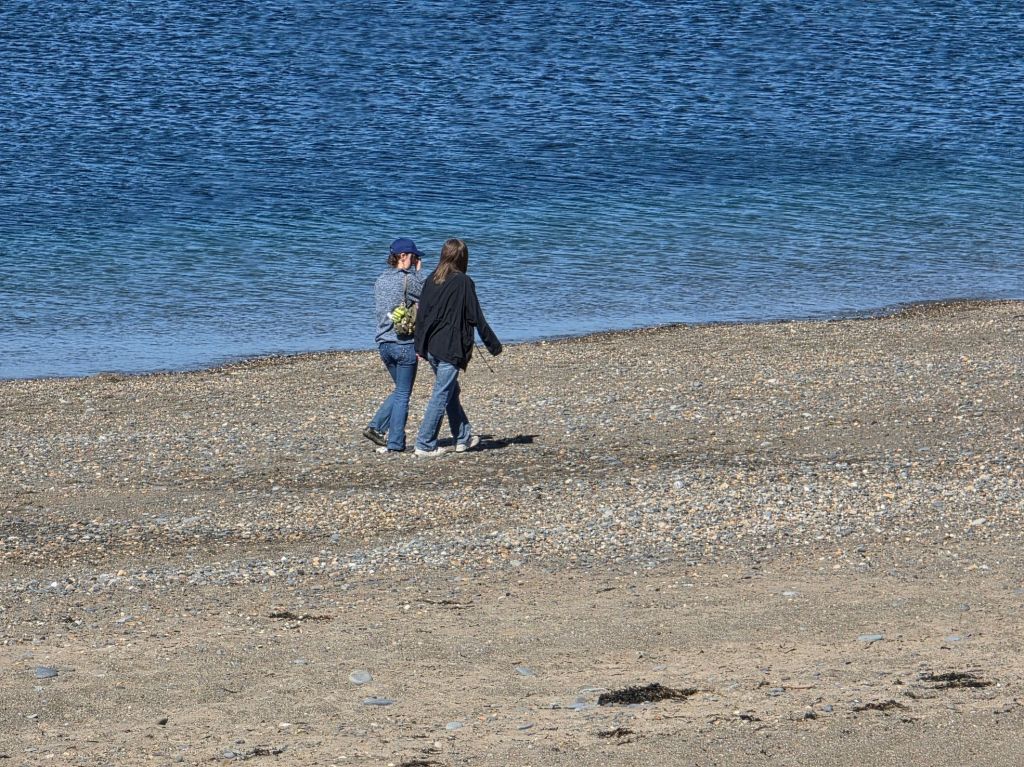
The town is situated on Cardigan Bay on the west coast of Wales, near the confluence of the River Ystwyth and Afon Rheidol. Following the reconstruction of the harbour, the Ystwyth skirts the town. The Rheidol passes through the town. The seafront, with a pier, stretches from Constitution Hill at the north end of the Promenade to the harbour at the south. The beach is divided by the castle. The town is divided into five areas: Aberystwyth Town; Llanbadarn Fawr; Waunfawr; Trefechan; and Penparcau.








































 PROject Templates