The Ryder Cup Golf Competition

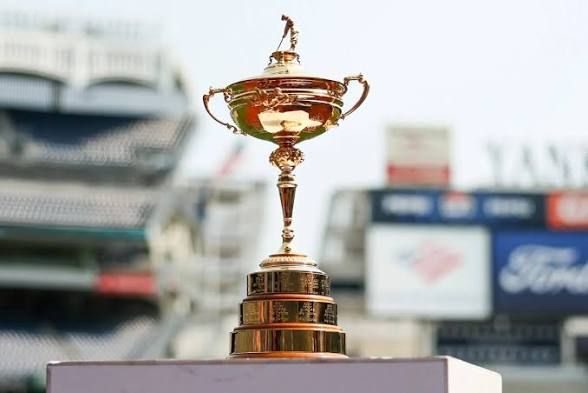
The Ryder Cup is a prestigious biennial men’s golf competition pitting a team of professionals from the United States against a team from Europe. Founded in 1927 by English businessman Samuel Ryder, the event is renowned for its intense match-play format, team camaraderie, and the absence of prize money, focusing purely on pride and nationality. 
The Ryder Cup Golf Competition

Detailed Historical Timeline by Era

1. The Origin & Early Years (1921-1937)

  • 1921: Unofficial match played at Gleneagles, Scotland, won by Great Britain.
  • 1926: An unofficial match at Wentworth saw a British victory, leading Samuel Ryder to donate the trophy.
  • 1927: 1st Official Ryder Cup. USA wins 9½–2½ in Worcester, MA.
  • 1929: Great Britain records its first victory at Moortown, England.
  • 1933: Great Britain defeats the US by a narrow margin, 6½–5½.
  • 1935-1937: The United States initiates its dominance, winning the next two contests comfortably. 

2. The Post-War Era & US Dominance (1947-1977)

Following a pause during World War II, the USA solidified its dominance with superior putting and depth, winning 18 of the first 22 matches. 

  • 1947: Play resumes with a dominant US win in Portland, Oregon.
  • 1957: Great Britain wins at Lindrick, England, providing a brief respite from US dominance.
  • 1961: Matches reduced from 36-hole to 18-hole contests.
  • 1963: The format expands to three days and introduces fourball matches.
  • 1969: Famously, Jack Nicklaus conceded a 4-foot putt to Tony Jacklin, resulting in the first-ever tie (16–16).
  • 1973: The British team expands to include players from Ireland. 

3. The Birth of Team Europe (1979-1999)

To address the lack of competitiveness, the GB & Ireland team was expanded to include all of continental Europe, transforming the tournament into a truly competitive rivalry. 

  • 1979: First official “Team Europe” competes.
  • 1985: Europe breaks the streak. Led by Tony Jacklin, Europe wins on US soil for the first time in decades at The Belfry.
  • 1987: Europe wins again, retaining the cup on American soil at Muirfield Village.
  • 1989: The matches end in a 14–14 tie, with Europe retaining the cup.
  • 1991: “War on the Shore.” A highly controversial and intense US win in Kiawah Island, South Carolina.
  • 1997: The Ryder Cup is held in continental Europe for the first time (Valderrama, Spain), with Seve Ballesteros as captain.
  • 1999: “Battle of Brookline.” USA overcomes a large final-day deficit to win, leading to controversial celebrations. 

4. The Modern Era & European Dominance (2002-Present)

Since 2000, Europe has won the majority of matches, creating a new period of intense competition. 

  • 2001/2002: The 2001 event was postponed to 2002 due to 9/11, shifting the tournament to even-numbered years (until 2021).
  • 2004: Europe records its biggest ever win at Oakland Hills (18½–9½).
  • 2010: Europe regains the cup in Wales after a tense Monday finish.
  • 2012: “The Miracle at Medinah.” Europe stages the greatest comeback in history, trailing 10-6 before winning 14½-13½.
  • 2014: Paul McGinley leads Europe to a third consecutive victory at Gleneagles, Scotland.
  • 2018: Team Europe dominance in France, highlighted by the “Moliwood” pairing (Fleetwood/Molinari).
  • 2021: USA dominates a young European team 19-9, the largest margin of victory in modern history, at Whistling Straits.
  • 2023: Europe regains the cup in Italy, ensuring their home soil winning streak continues. 

Key Ryder Cup Facts

  • Recent Winner: Europe (2023)
  • Most Points: Sergio Garcia (Europe) – 25.5 points
  • Format: Three-day event consisting of Foursomes, Fourballs, and Singles matches.
  • Venue Rotation: Alternates between European and American soil every two years.

The Ryder Cup Golf Competition
Logo; The Ryder Cup Golf Competition

Golf Overview and Historical Timeline by Era and Year

Modern golf originated in 15th-century Scotland, where it was played on coastal linksland with wooden clubs and leather balls. While earlier stick-and-ball games like the Roman paganica and Dutch colf likely influenced its development, Scotland is credited with formalising the game into the sport known today. 

Comprehensive Overview of Golf Eras

  • Ancient Origins (Pre-1400s): Various cultures played stick-and-ball games, including the Roman paganica (1st century) and the Chinese chuiwan (960–1279 AD).
  • Early Scottish Era (1400–1743): Golf took shape in Scotland. It was famously banned by King James II in 1457 to prioritise archery practice. The ban was later lifted by King James IV in 1502, who became an avid player himself.
  • The Enlightenment & Formalisation (1744–1850): The first official golf clubs were formed, and the first “13 Rules of Golf” were written by the Honourable Company of Edinburgh Golfers in 1744.
  • The Victorian Boom & Expansion (1851–1900): The Industrial Revolution and the birth of railways allowed golf to spread globally. The first Open Championship was held in 1860, and the United States Golf Association (USGA) was founded in 1894.
  • The Modern Professional Era (1901–Present): Professional organisations like the PGA of America (founded 1916) and the PGA Tour (spun off in 1968) formalised the competitive circuit. The late 20th century saw the rise of global icons like Jack Nicklaus and Tiger Woods. 

Detailed Historical Timeline

Origins & Royal Influence

  • 1457: King James II of Scotland bans golf (“ye golf”) via a parliamentary decree because it distracted soldiers from archery.
  • 1502: King James IV lifts the ban after signing the Treaty of Perpetual Peace with England; he commissions the first custom set of clubs.
  • 1552: First recorded evidence of golf played at St Andrews.
  • 1567: Mary, Queen of Scots, is recorded playing golf; she is credited with coining the term “caddy” (from the French cadets).
  • 1618: The “feathery” ball (leather stuffed with boiled goose feathers) is invented, replacing primitive wooden balls.
  • 1659: First reference to golf in America—a ban on playing in the streets of Albany, New York. 

Era of Clubs & Rules

  • 1744: The Gentlemen Golfers of Leith (later the Honourable Company of Edinburgh Golfers) form the first official club and establish the first 13 rules.
  • 1754: The Society of St Andrews Golfers is founded; it later becomes the Royal and Ancient Golf Club (R&A).
  • 1764: St Andrews reduces its course from 22 holes to 18 holes, establishing the global standard.
  • 1766: Royal Blackheath is formed near London, the first golf club outside Scotland.
  • 1810: First recorded women’s golf competition is held at Musselburgh Links, Scotland.
  • 1848: Invention of the “guttie” ball (made from gutta-percha), which was cheaper and more durable than the feathery. 

The Championship Era

  • 1860: The inaugural Open Championship is held at Prestwick Golf ClubWillie Park Sr. is the first champion.
  • 1888: The St Andrew’s Golf Club of Yonkers is formed, marking the permanent arrival of golf in the U.S..
  • 1894: The USGA is founded to standardise rules in the United States.
  • 1895: The first U.S. Open and U.S. Amateur championships are held.
  • 1900: The Haskell ball (rubber core) is introduced, significantly increasing driving distances. 

Modern Professional Era

  • 1916: The Professional Golfers’ Association (PGA) of America is established.
  • 1927: The first Ryder Cup takes place in Worcester, Massachusetts.
  • 1930: Bobby Jones wins the first and only Original Grand Slam.
  • 1934: The first Masters Tournament (then the Augusta National Invitation Tournament) is held.
  • 1947: The U.S. Open becomes the first golf tournament televised live.
  • 1968: The PGA Tour officially forms as a separate entity from the PGA of America.
  • 1971: Astronaut Alan Shepard hits a golf ball on the Moon during the Apollo 14 mission.
  • 1996: Tiger Woods turns professional, sparking a global boom in the sport’s popularity.
  • 2023: The PGA Tour and Saudi-backed LIV Golf announce a framework agreement to merge and reunite professional golf. 

Golf Overview and Historical Timeline by Era and Year

Golf Historical Timeline Overview

The history of golf is broadly categorised into five distinct eras that track its evolution from a forbidden Scottish pastime to a multi-billion dollar global industry. 

1. The Foundation Years (Pre-1400s – 1899)

This era established the basic rules, the 18-hole standard, and the first major championships. 

  • 1457: King James II of Scotland bans golf and football because they distract young men from archery and military training.
  • 1502: King James IV lifts the ban and becomes a golfer himself, leading to the sport’s popularity among royalty.
  • 1744: The first official golf club, the Honourable Company of Edinburgh Golfers, is formed and establishes the first 13 rules of golf.
  • 1764: The Old Course at St Andrews reduces its round from 22 holes to 18 holes, setting the global standard for course length.
  • 1848: The “Guttie” ball (made of gutta-percha) is introduced, making the game more affordable and durable than the original feather-filled leather balls.
  • 1860: The first Open Championship (British Open) is held at Prestwick, won by Willie Park Snr.
  • 1894: The United States Golf Association (USGA) is founded to govern the sport in America.
  • 1895: The first U.S. Open and U.S. Women’s Amateur championships are held. 

2. The Golden Era (1900 – 1945)

This period saw the rise of legendary players, the formalisation of the professional tour, and the transition to steel equipment. 

  • 1916: The PGA of America is founded, and the PGA Championship is inaugurated.
  • 1920s: Steel shafts are patented and eventually legalised by the USGA (1924) and R&A (1929), replacing hickory.
  • 1927: The first Ryder Cup match is played between teams from the United States and Great Britain.
  • 1930Bobby Jones achieves the “Grand Slam” by winning the U.S. Open, U.S. Amateur, British Open, and British Amateur in a single year.
  • 1934: The first Masters Tournament is held at Augusta National, founded by Bobby Jones.
  • 1945Byron Nelson sets a record by winning 11 consecutive tournaments (18 total in the year).

3. The Television Boom (1946 – 1980s)

Broadcast sports turned golf into a global phenomenon, fueled by the rivalry between Jack Nicklaus and Arnold Palmer

  • 1950: The LPGA Tour is officially formed.
  • 1968: The PGA Tour is formally established as a separate entity from the PGA of America.
  • 1971: Astronaut Alan Shepard hits a golf ball on the moon during the Apollo 14 mission.
  • 1970s: Graphite shafts and metal-headed woods (drivers) begin to replace traditional wooden clubs. 

4. The Tiger Era (1990s – 2010) 

The arrival of Tiger Woods sparked a massive surge in popularity, prize money, and athletic training. 

  • 1991: Callaway introduces the Big Bertha driver, popularising oversized metalwood heads.
  • 1997Tiger Woods wins the Masters at age 21 by 12 strokes, becoming the youngest champion and sparking a global “Tiger Boom”.
  • 2009Tiger Woods becomes the first athlete to surpass $1 billion in career earnings. 

5. The Modern Game (2011 – Present)

This era is defined by extreme data analysis (Launch Monitors), advanced technology, and shifting tours. 

  • 2016: Golf returns to the Olympic Games after a 112-year absence.
  • 2022: The launch of LIV Golf introduces a significant competitive landscape shift in professional golf.
  • 2026: A planned “golf ball rollback” is scheduled to manage the increasing distances professional players are hitting the ball.

Golf Historical Timeline Overview

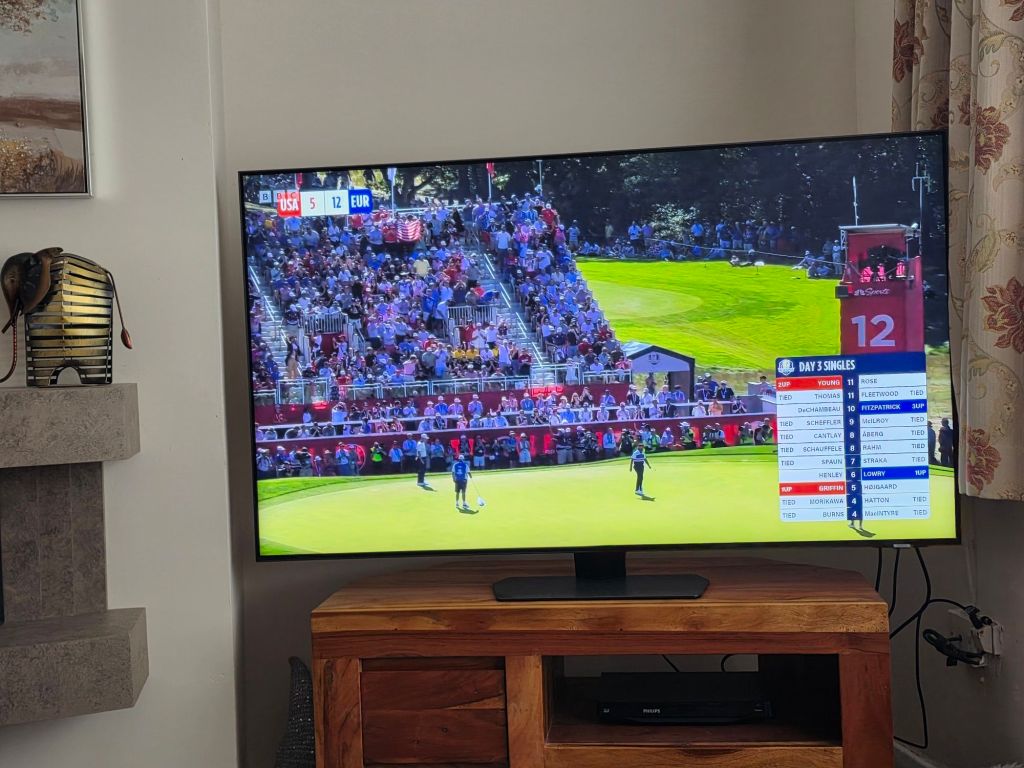
Just watching highlights of 2025 Ryder Cup on iPlayer – Europe 15 – 13

Just watching highlights of 2025 Ryder Cup on iPlayer – Europe 15 – 13

Watched The Open Golf in Hoylake in 2006

Watched The Open Golf in Hoylake in 2006

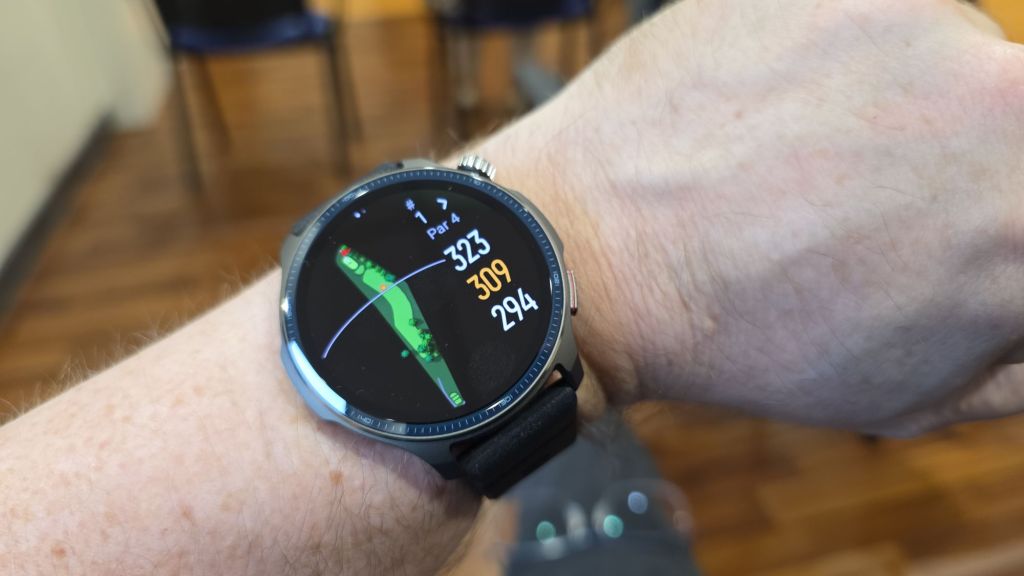
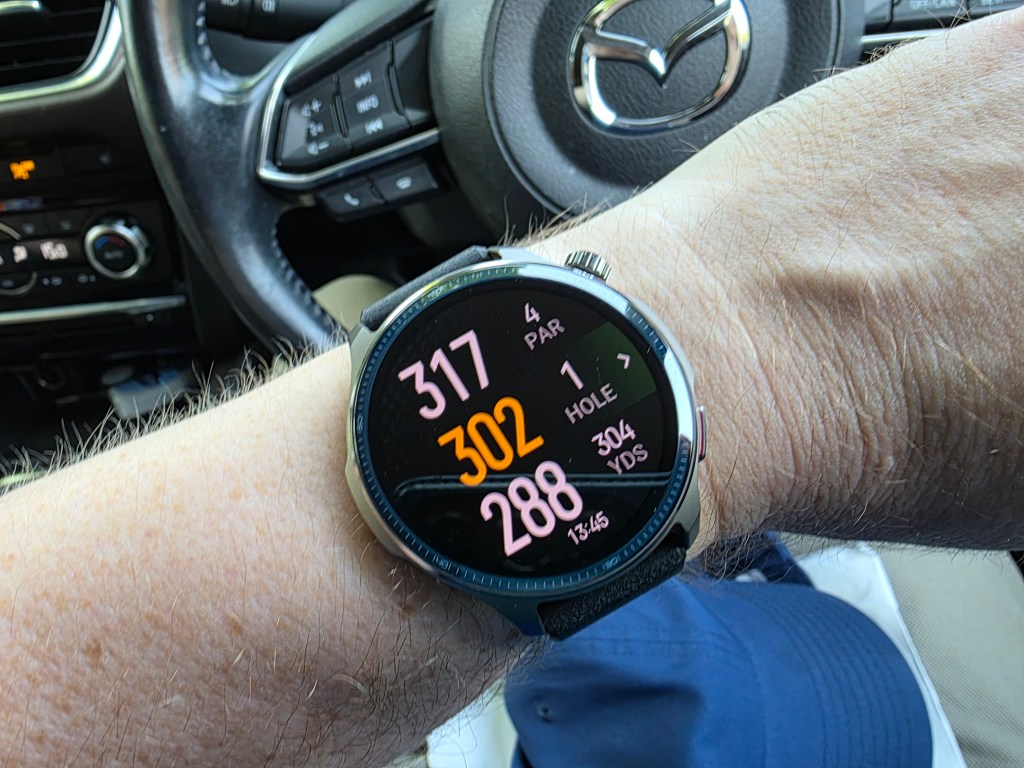
Amazfit Balance 2 for golf yardage and score tracking with golf course maps

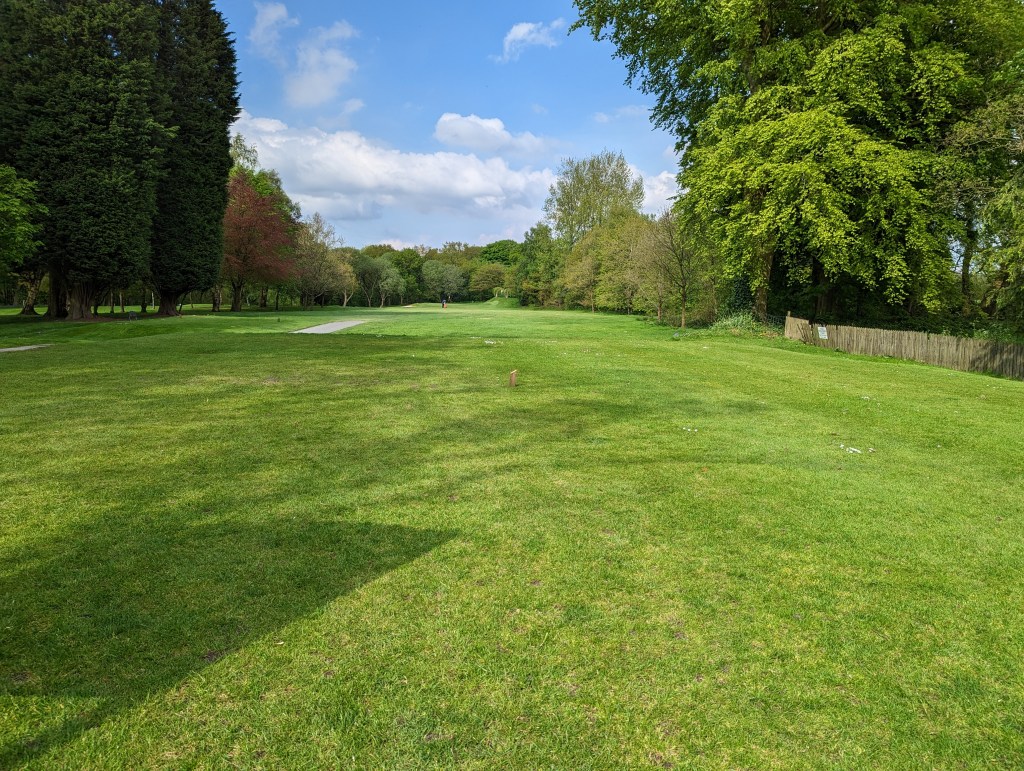
The Amazfit Balance 2 smartwatch for golf yardage / metres and score tracking with golf course maps. These can be imported from the Amazfit Zepp app on Android. I used it at the weekend and all worked well at the local course in Manchester, UK.

Back to the Driving Range…

First Round of 2024 at Bolton Golf Club, Chorley New Road

Back to Wigan Golf Course… First Hole… Long Par 3…

Wigan Golf Club… First Hole… 7th May 2023

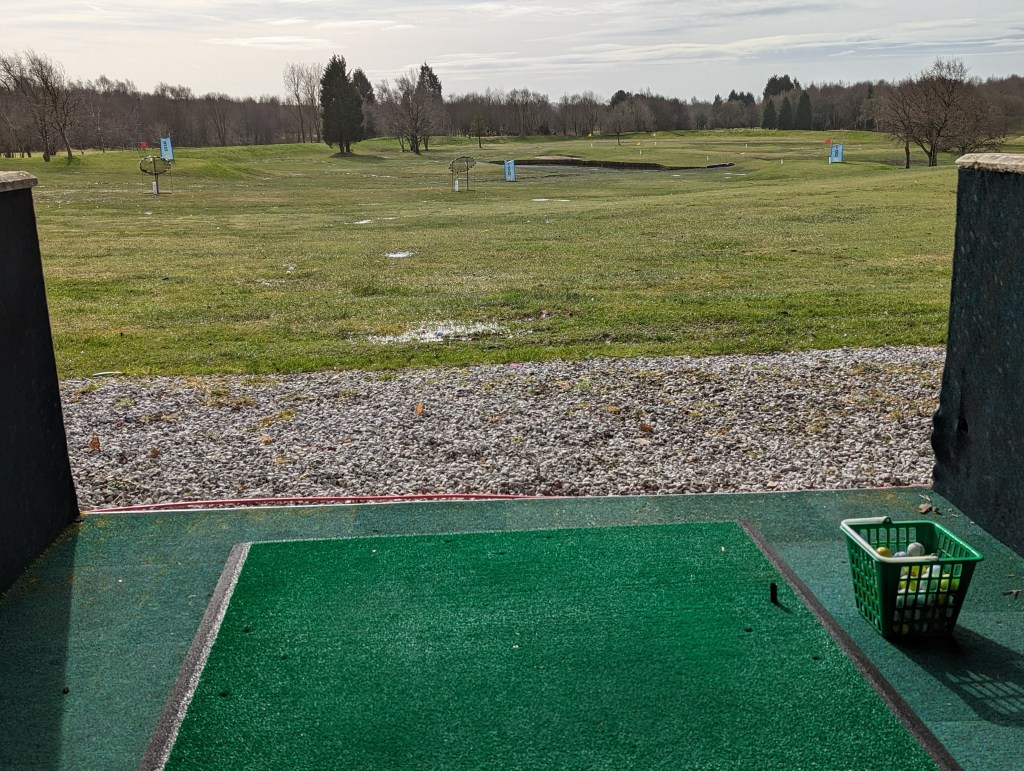
Bolton Regent Park Golf Course – Driving Range…

The Golf Open 2022 at St. Andrews, Day 2

Dunscar Golf Course…

Spot the Golf Day on fitbit…

wp-1578735804074.jpg
mark whitfield fitbit golf day…

Dunstanburgh Castle Golf Course, 22nd September 2019 #Northumberland

https://mark-whitfield.com/gallery/golf-trips/north-east-2019/

IMG_20190922_150006

Golf Trip to North East UK (Northumberland) – 22nd – 24th September, 2019

https://mark-whitfield.com/gallery/golf-trips/north-east-2019/

IMG_20190921_170307609_HDR

Visited North Wales Golf Club…

Russell Newton – Hole in One at Hart Common, Wigan Road, Westhoughton #holeinone #golf

Player: Russell Newton
Date: 07/10/2018
Time: 4:00pm
Club: PW
Hole: 11 (Old Gilly)
Length: 144 yards par 3
Stroke Index: 14
Other Players: Ian Slack & Mark Whitfield
CourseHART COMMON GOLF CLUB, Wigan Road, Westhoughton, Bolton, BL5 2BX
russell_newton_hole_in_one_golf_hart_common

Winner of the ITL Non-Invitation – Ian Slack with 42 (6’s format)

The Eden Course, St Andrews – 17/09/2018
Winner of the ITL Non-Invitation – Ian Slack with 42 (6’s)

Mark Whitfield ITL Non Invitation Trophy

6250 yards, par 70. Only slightly more forgiving than its contemporaries on the seaward side of the Links, the Eden Course was built in 1914 by Harry S. Colt whose use of natural boundaries and severe bunkers provides a course full of character.

https://www.standrews.com/Play/Courses/Eden-Course
Eden Clubhouse (Eden, Strathtyrum & Balgove courses), St Andrews, KY16 9SF