

Waterfall project management is a linear, sequential methodology where progress flows steadily downward through defined phases, much like a physical waterfall. In this model, each stage—such as requirements, design, implementation, and testing—must be fully completed and approved before the next one begins.
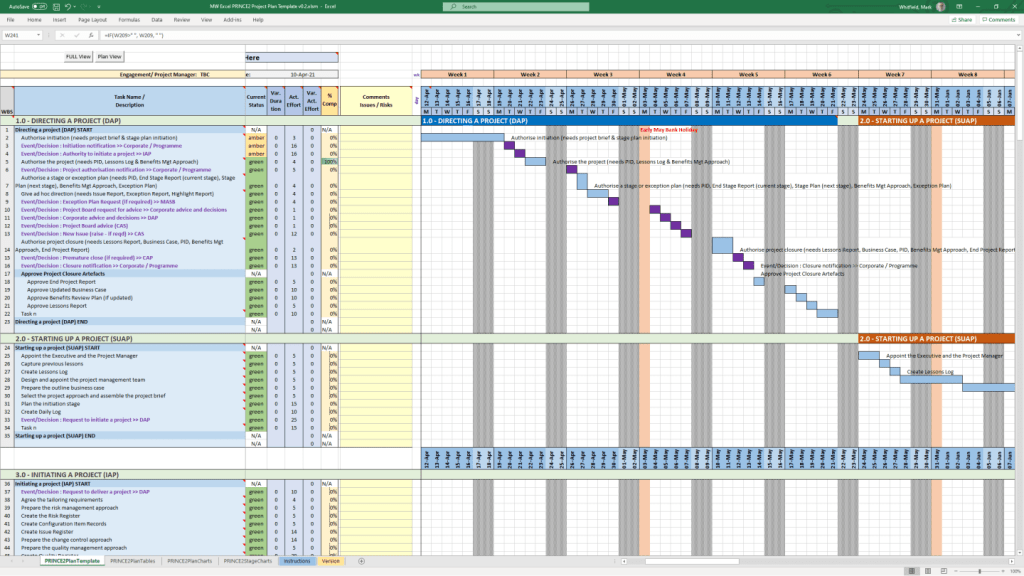
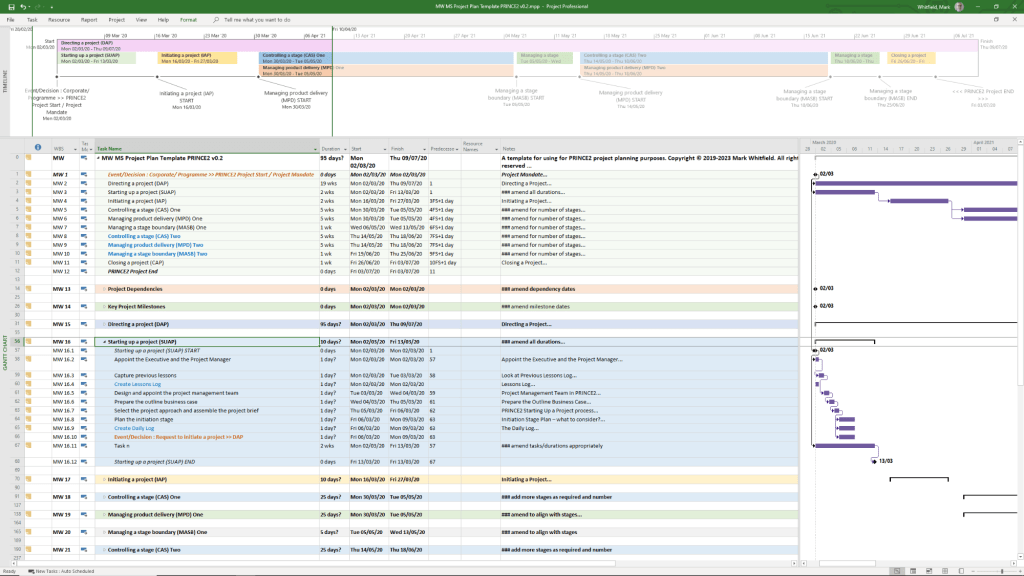
Core Characteristics
- Sequential Design: No overlapping phases; each “cascades” into the next.
- Documentation-Driven: Extensive upfront planning and detailed records are required at every step.
- Fixed Scope: Requirements are gathered at the start, making the project’s timeline and budget highly predictable but difficult to change.
- Specialised Use: Best suited for regulated industries like aerospace, construction, and healthcare, where changes are costly or safety is paramount.
Historical Timeline by Era and Year
The following timeline tracks Waterfall from its origins in post-WWII engineering to its current role in hybrid project management.
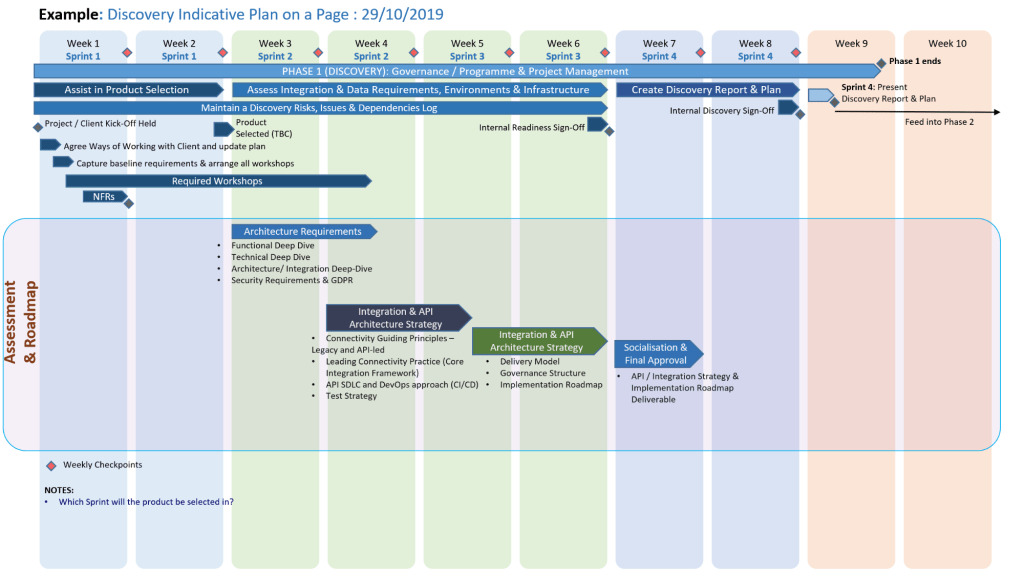
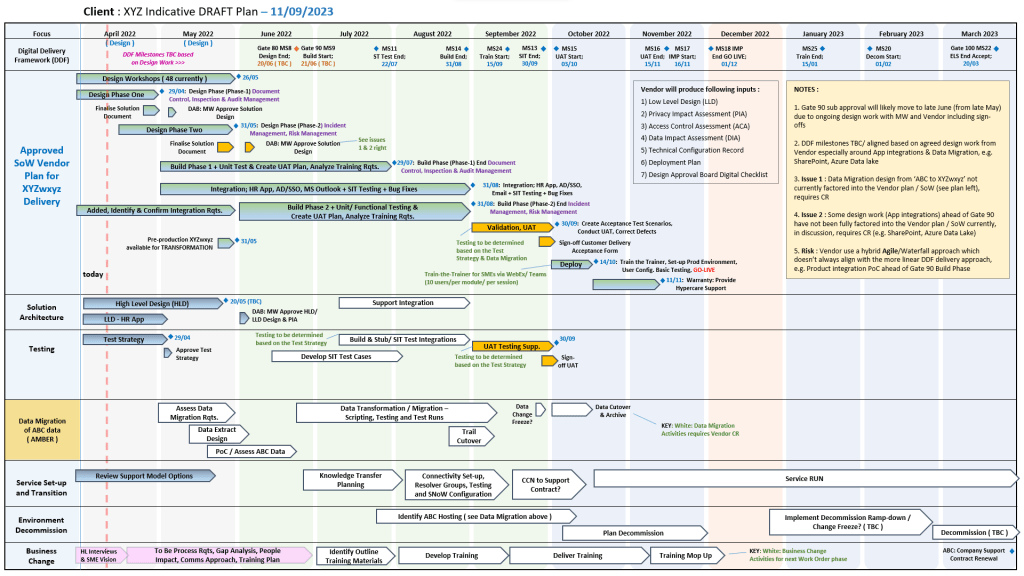
The Pre-Formal Era (1950s – 1969)
Software development adopted structured, sequential approaches from engineering, largely driven by complex, high-risk projects.
- 1956: Herbert D. Benington documented a sequential process for the SAGE project, establishing the technical roots.
- Late 1960s: NASA applied linear, rigid methodologies to Apollo missions, setting a precedent for high-stakes, documentation-heavy development.
- 1968: The NATO Software Engineering Conference highlighted the “software crisis,” prompting a push for formal, disciplined development models.
The Formalisation Era (1970 – 1979)
The model was officially, yet ironically, described and named.
- 1970: Dr. Winston W. Royce published his foundational paper on managing large software systems, often cited as the origin of the “Waterfall” model, though he originally presented it as a cautionary, flawed approach.
- 1976: T.E. Bell and T.A. Thayer likely first used the term “Waterfall” in literature.
The Institutional Era (1980 – 1999)
Waterfall became the mandatory standard for large-scale, complex projects.
- 1985: The U.S. DoD mandated DOD-STD-2167, cementing Waterfall as the standard for military software.
- 1989: The UK Government introduced PRINCE2, deeply influenced by Waterfall principles.
- 1994: The U.S. DoD formally abandoned strict Waterfall mandates for more flexible methods.
The Modern & Hybrid Era (2000 – Present)
Waterfall transitioned from the default standard to a specialised methodology.
- 2001: The Agile Manifesto marked a shift toward iterative development, reducing Waterfall’s dominance.
- Present Day: It remains vital in regulated sectors (e.g., aerospace) and is often combined with Agile in hybrid approaches.
Waterfall project management is a linear, sequential methodology
Click on the link in the website banner above to purchase example, editable template project plans shown and many others.

 PROject Templates