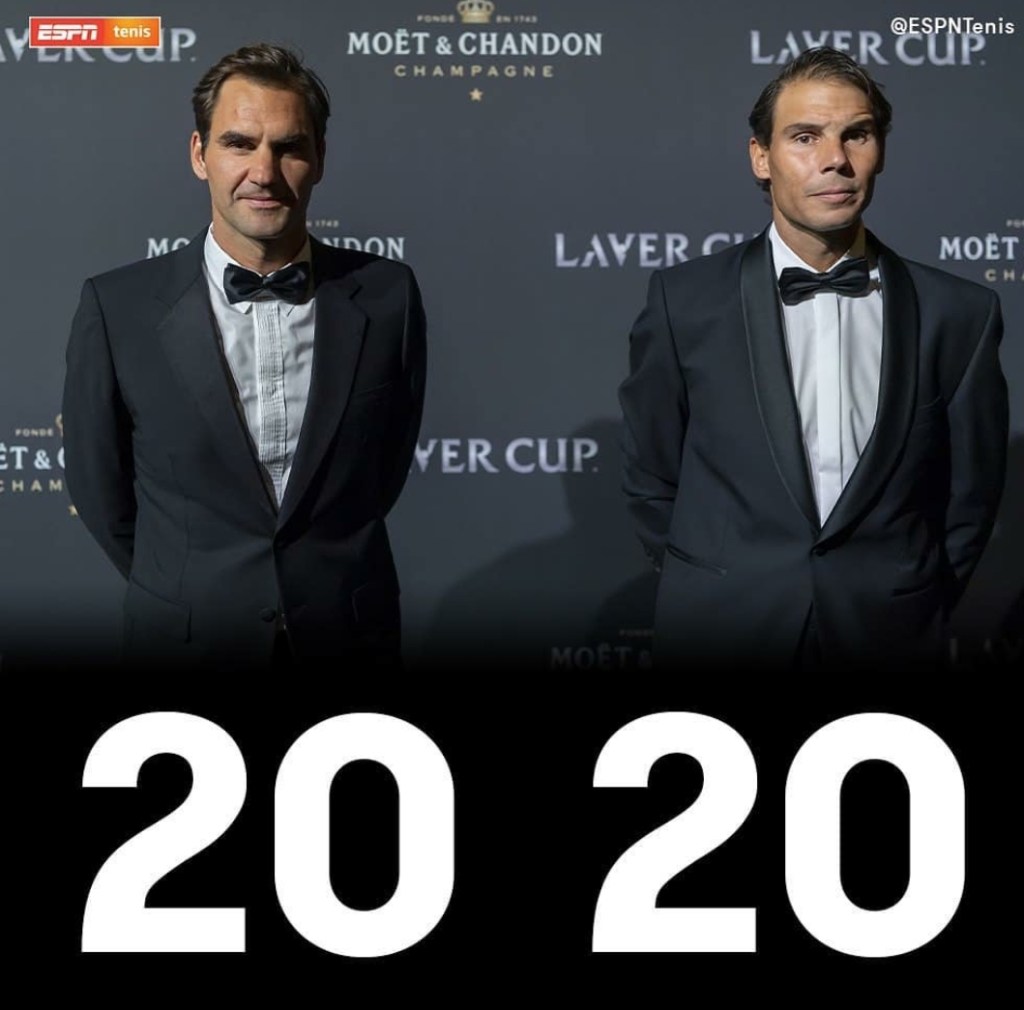
Roger Federer Overview and Historical Timeline by Era and Year

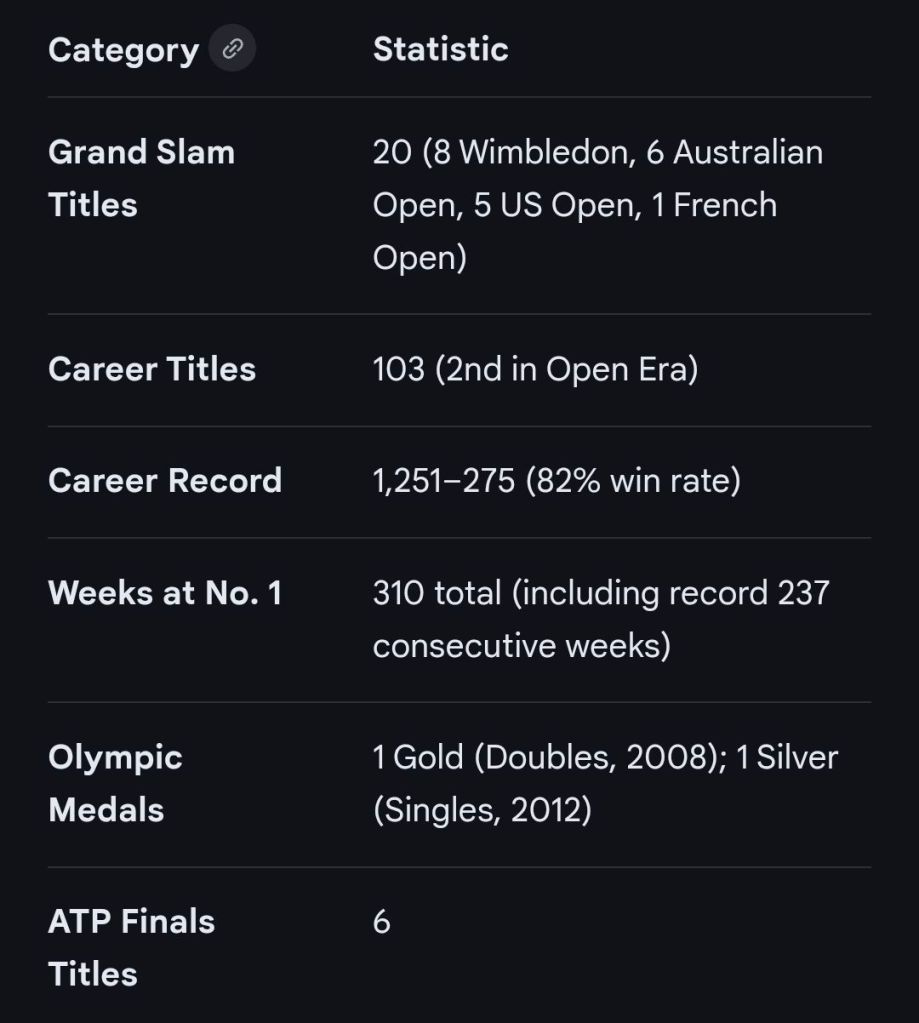
Roger Federer is a Swiss former professional tennis player who is widely regarded as one of the greatest athletes in history. His 24-year career (1998–2022) is defined by a “deadly combination of power and grace,” characterized by an effortless one-handed backhand and fluid movement. He won 20 Grand Slam singles titles, including a record eight at Wimbledon, and held the world No. 1 ranking for 310 weeks, including a record 237 consecutive weeks

Historical Career Timeline

Era 1: Junior Years and Professional Transition (1992–2002) 

Before his global dominance, Federer was a temperamental junior who transformed into a top-ten professional. 

  • 1992–1993: Served as a ballboy at the Swiss Indoors in his hometown of Basel.
  • 1995: Accepted into the Swiss Tennis national development programme at age 14.
  • 1998: Won the Wimbledon junior singles and doubles titles; finished the year as the world’s No. 1 junior. Made his ATP debut at the Swiss Open Gstaad.
  • 1999: Became the youngest player (18 years, 4 months) to end the year in the top 100.
  • 2000: Reached the bronze-medal match at the Sydney Olympics (finished 4th) and met his future wife, Mirka Vavrinec.
  • 2001: Gained international fame by defeating defending champion Pete Sampras at Wimbledon to reach his first major quarter-final. Won his first ATP title in Milan.
  • 2002: Ended the year ranked No. 6 globally; qualified for his first year-end Masters Cup (ATP Finals). 

Era 2: Unrivalled Dominance (2003–2007) 

Federer established a “Golden Era,” reaching all four Grand Slam finals in a single year three times during this period (2006, 2007, 2009). 

  • 2003: Won his first Grand Slam title at Wimbledon, defeating Mark Philippoussis.
  • 2004: Won three Grand Slams (Australian Open, Wimbledon, US Open) and became world No. 1 for the first time on 2 February, a position he would not relinquish for 237 weeks.
  • 2005: Defended his Wimbledon and US Open titles.
  • 2006: Arguably his greatest season, winning three majors and reaching the final of the fourth (French Open); finished with a 92–5 match record.
  • 2007: Reached all four Grand Slam finals again, winning three. Defeated Novak Djokovic in the US Open final to claim his 12th major.

Era 3: Rivalries and Record-Breaking (2008–2012) 

As rivals Rafael Nadal and Novak Djokovic emerged, Federer achieved his most significant career milestones. 

  • 2008: Battled mononucleosis but won a fifth consecutive US Open. Won Olympic Gold in doubles with Stan Wawrinka.
  • 2009: Completed the Career Grand Slam by winning the French Open and broke Pete Sampras’s record of 14 majors by winning his 15th at Wimbledon.
  • 2010: Won his fourth Australian Open.
  • 2011: The first year since 2002 he did not win a major title, despite ending Djokovic’s 43-match win streak at the French Open.
  • 2012: Won a record-equalling 7th Wimbledon title, returned to world No. 1, and won Olympic Silver in singles at the London Games. 

Era 4: Injury Struggles and Late Renaissance (2013–2019) 

After several years of injury and titles eluding him, Federer staged a historic comeback. 

  • 2013–2016: Plagued by back and knee injuries. Underwent knee surgery in 2016 and missed the second half of that season, dropping out of the top 10 for the first time in 14 years.
  • 2017: Returned from a 6-month layoff to win the Australian Open (defeating Nadal) and a record 8th Wimbledon title without dropping a set.
  • 2018: Won his 20th and final Grand Slam title at the Australian Open and became the oldest world No. 1 in history at age 36.
  • 2019: Won his 100th career title (Dubai) and reached his 12th Wimbledon final, losing an epic 5-set match to Djokovic despite holding championship points. 

Era 5: Retirement (2020–2022) 

  • 2020–2021: Limited by multiple knee surgeries. Played his final Grand Slam match at Wimbledon 2021, reaching the quarter-finals.
  • 2022: Announced his retirement in September. Played his final match—a doubles pairing with Rafael Nadal—at the Laver Cup in London.

Roger Federer Overview and Historical Timeline by Era and Year
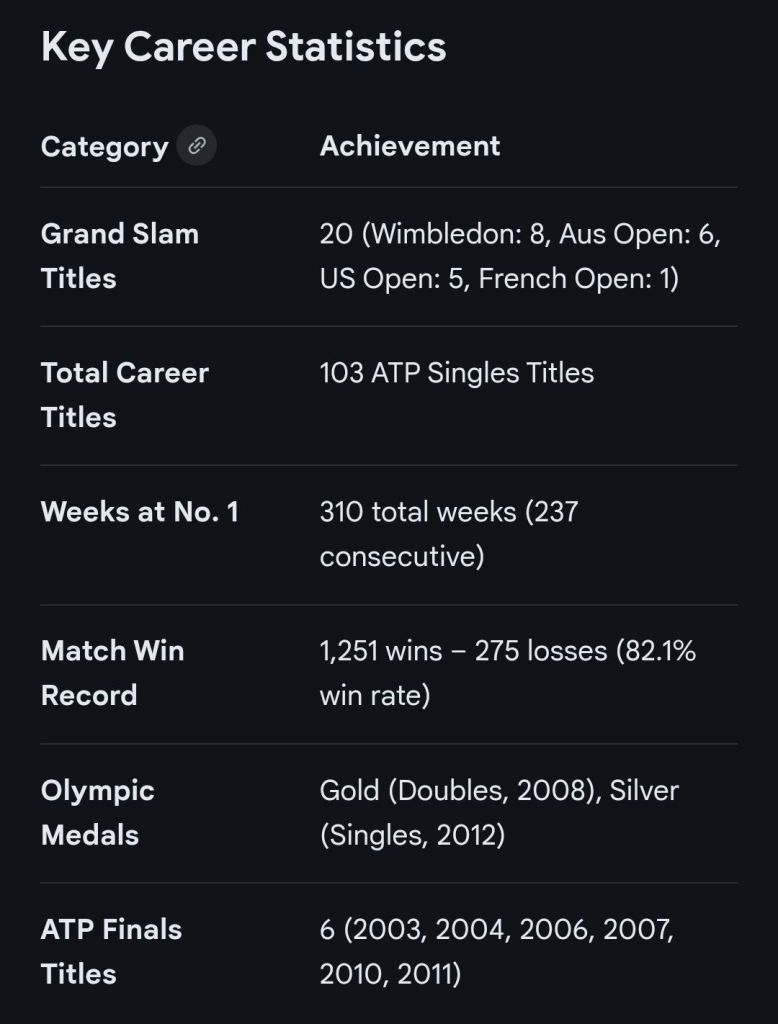
Roger Federer career statistics

with hyperlinks

Roger Federer‘s professional career spanned 24 years, from his ATP debut in 1998 to his emotional retirement at the Laver Cup on 23 September 2022. He concluded his career with 103 singles titles and 20 Grand Slam championships, including a record eight Wimbledon titles. 

Career Timeline (1998–2022)

  • 1998: Professional Debut
    • Federer made his ATP debut at the Swiss Open Gstaad.
    • Won the Wimbledon junior singles and doubles titles.
  • 2001: Breakthrough Victory
    • Defeated defending champion Pete Sampras at Wimbledon, ending Sampras’s 31-match win streak and reaching his first major quarter-final.
  • 2003: First Grand Slam Title
  • 2004: Ascending to World No. 1
    • Won the Australian Open, Wimbledon, and US Open.
    • Became World No. 1 for the first time on 2 February, beginning a record-breaking streak of 237 consecutive weeks at the top.
  • 2006: The “Career-Best” Season
    • Reached the final of all four Grand Slams, winning three of them (Australian Open, Wimbledon, US Open) and finishing the year with 12 titles and a 92–5 record.
  • 2008: Olympic Gold
  • 2009: Career Grand Slam
    • Won the French Open to complete his Career Grand Slam and equaled Pete Sampras’s then-record of 14 major titles.
    • Secured his 15th major title at Wimbledon shortly after.
  • 2012: Olympic Silver & No. 1 Return
    • Won an eighth Wimbledon title and reclaimed the World No. 1 ranking.
    • Earned an Olympic silver medal in singles at the London Games.
  • 2014: Davis Cup Triumph
    • Led Switzerland to its first-ever Davis Cup title, defeating France in the final.
  • 2017: The Renaissance
    • After a six-month injury hiatus, won the Australian Open and a record eighth Wimbledon title.
  • 2018: 20th Grand Slam & Oldest No. 1
  • 2022: Retirement
    • Announced his retirement on 15 September.
    • Played his final competitive match in doubles alongside Rafael Nadal at the Laver Cup in London.
Roger Federer Overview and Detailed Timeline History by Era

Roger Federer is a Swiss former professional tennis player who is widely regarded as one of the greatest of all time, having won 20 Grand Slam singles titles and held the world No. 1 ranking for 310 weeks. Known for his effortless playing style and versatile shot-making, he revolutionized the sport during a career that spanned over two decades from 1998 to 2022. 

Won by Roger Federer for the fifth consecutive time, a feat only before achieved in the Open Era by Björn Borg.

Career Overview Statistics

Won by Roger Federer for the 5th time

According to ATP Tour statistics, Federer concluded his career with the following major achievements:

Federer concluded his career with the following major achievements

Detailed Timeline by Era

1. Early Career & Breakthrough (1998–2002)

Federer transitioned from a dominant junior—finishing 1998 as the world No. 1 junior—to a rising star on the ATP Tour. 

  • 1998: Turned professional; won Wimbledon junior singles and doubles titles.
  • 1999: Youngest player to finish the year in the Top 100 (ranked 64th).
  • 2001: Won first ATP title in Milan; defeated 7-time champion Pete Sampras at Wimbledon to reach his first major quarter-final.
  • 2002: Won first Masters title in Hamburg and entered the world Top 10 for the first time. 

2. Peak Dominance Era (2003–2007) 

This period marked Federer’s absolute peak, where he reached all four Grand Slam finals in a single calendar year twice (2006, 2007). 

  • 2003: Won first Grand Slam title at Wimbledon and his first Year-End Championship.
  • 2004: Won three of four majors (Australian Open, Wimbledon, US Open) and became world No. 1 on 2 February.
  • 2006: Career-best season with a 92–5 record, reaching all four major finals and winning three.
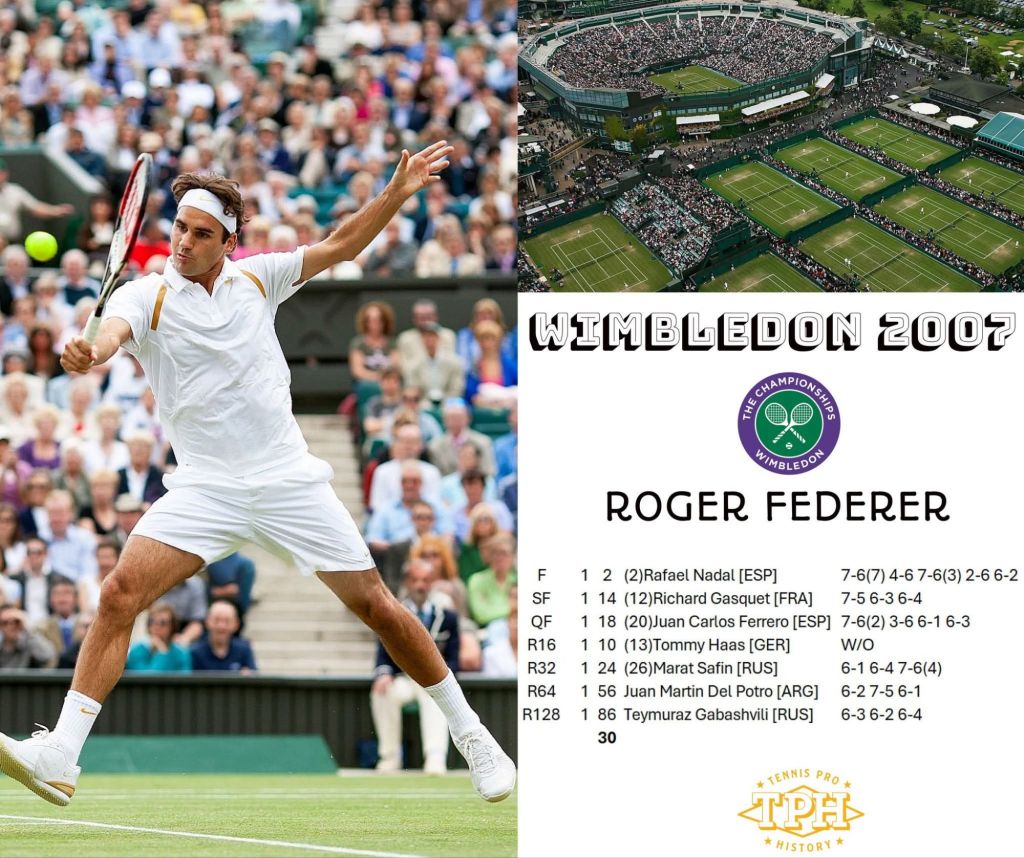
  • 2007: Defended three major titles and beat Rafael Nadal to win his fifth consecutive Wimbledon

3. The Rivalry Era & Career Slam (2008–2012)

Federer faced intense competition from the emergence of the “Big Four” (Nadal, Djokovic, and Murray). 

  • 2008: Battled mononucleosis; won fifth consecutive US Open; won Olympic Gold in doubles with Stan Wawrinka.
  • 2009: Won first French Open to complete the Career Grand Slam; passed Sampras’ record with a 15th major at Wimbledon.
  • 2010: Won fourth Australian Open.
  • 2012: Won 7th Wimbledon title and Olympic Silver in singles; reclaimed world No. 1 to break the record for total weeks at the top. 

4. Injury Struggles & Renaissance (2013–2019)

After several years plagued by back and knee injuries, Federer staged a remarkable late-career comeback. 

  • 2014: Led Switzerland to its first Davis Cup title.
  • 2016: Underwent first knee surgery; missed the second half of the season for recovery.
  • 2017: Returned after a 6-month hiatus to win the Australian Open (defeating Nadal) and a record 8th Wimbledon title.
  • 2018: Won 20th Grand Slam at the Australian Open; became the oldest No. 1 in history at age 36.
  • 2019: Won 100th career title in Dubai; reached 12th Wimbledon final. 

5. Final Years & Retirement (2020–2022)

Persistent knee issues eventually forced the conclusion of his competitive career. 

  • 2020–21: Underwent multiple knee surgeries; reached Wimbledon quarter-finals in 2021 as the oldest man in the Open Era to do so.
  • 2022: Officially retired on 23 September at the Laver Cup in London, playing his final match in doubles alongside long-time rival and friend Rafael Nadal.

Roger Federer Overview and Detailed Timeline History by Era

Tennis Development Timeline History by Era and Player

Tennis history is defined by three primary eras, characterized by significant shifts in professionalism and court surfaces. 

The Amateur Era (1877–1967)

During this period, only amateur players were permitted to compete in the Grand Slam tournaments. Professional players were banned from these events and played on their own separate tour. 

  • 1877: Wimbledon is founded in London. It has been played on Grass since its inception.
  • 1881: The U.S. National Championship (now the US Open) begins on Grass in Newport, Rhode Island.
  • 1891: The French Championships are established. It was initially played on Sand/Clay and restricted to French club members until 1925.
  • 1905: The Australasian Championships (now the Australian Open) starts on Grass.
  • 1913: The International Lawn Tennis Federation (ILTF) is formed to standardise rules globally.
  • 1925: The French Championships opens to international players, officially becoming a major played on Clay

The Early Open Era (1968–1987)

The “Open Era” began when Grand Slam tournaments agreed to allow professional players to compete alongside amateurs, unifying the sport. 

  • 1968: The French Open becomes the first Grand Slam of the Open Era.
  • 1970: The Tiebreaker is introduced to tennis rules to shorten match lengths.
  • 1972/1973: The ATP (men) and WTA (women) are formed, introducing the first computerised world rankings.
  • 1975: The US Open switches its surface from grass to Clay (Har-Tru).
  • 1978: The US Open moves to Flushing Meadows and switches to its current surface: Hard Court (DecoTurf).
  • 1987: The Australian Open moves its calendar slot from December to January, becoming the first Slam of the year. 

The Modern Open Era (1988–Present)

This era is marked by the dominance of “The Big Three” and the standardisation of surfaces across the tour. 

  • 1988: The Australian Open moves to Flinders Park (now Melbourne Park) and switches from grass to Hard Court (Rebound Ace).
  • 2006: Hawk-Eye technology is first introduced at the US Open to allow players to challenge line calls.
  • 2007: Wimbledon and the French Open join the other Slams in offering Equal Prize Money for men and women.
  • 2009: Wimbledon installs a Retractable Roof on Centre Court, ensuring play during rain.
  • 2020s: Standardisation of a 10-point tiebreak in the final set across all four Grand Slams to ensure consistency.
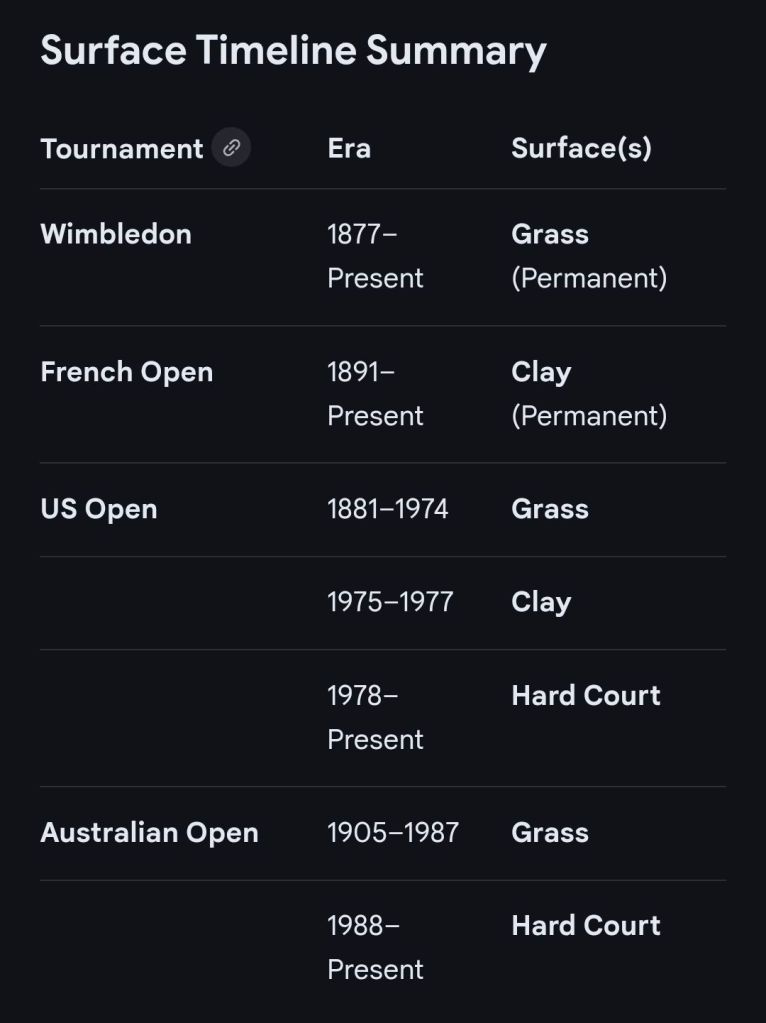
Surface Timeline Summary
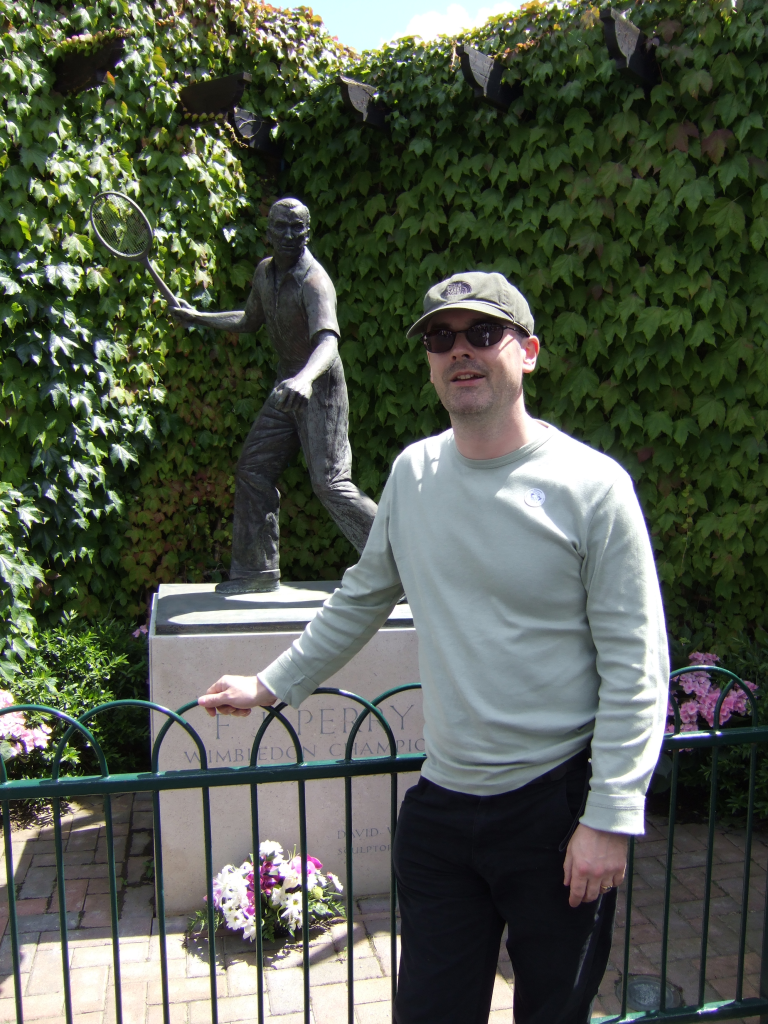
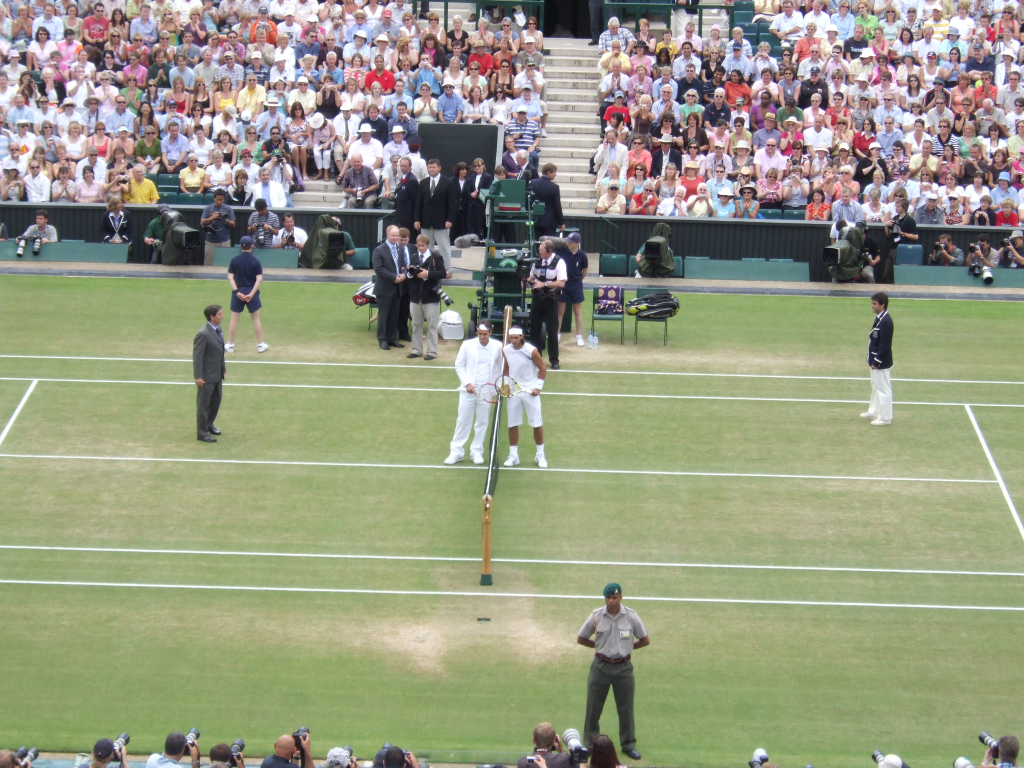
My trip to Wimbledon 2007 where Roger won his 5 in a row

Tennis Development Timeline History by Era

The history of professional tennis is broadly divided into the Amateur Era (pre-1968) and the Open Era (1968–present), which allowed professionals to compete in Grand Slam tournaments for the first time. 

Key Eras and Milestones

  • 1877–1905: The Birth of the Majors
    • 1877: The first Wimbledon Championships are held, won by Spencer Gore.
    • 1881: The US Open is established.
    • 1891: The French Open begins (initially for French club members; open to all in 1925).
    • 1905: The Australian Open is founded.
  • 1913–1967: The Amateur Era and Pro Tours
    • 1913: The International Tennis Federation (ITF) is formed.
    • 1938: Don Budge becomes the first player to achieve a calendar-year Grand Slam.
    • 1953: Maureen Connolly becomes the first woman to achieve a calendar-year Grand Slam.
    • 1962: Rod Laver wins his first calendar-year Grand Slam as an amateur.
  • 1968–2000: The Start of the Open Era
    • 1968: The Open Era begins; professionals are finally allowed to play in Grand Slams.
    • 1969: Rod Laver achieves a second calendar-year Grand Slam, the only person to do so in the Open Era.
    • 1973: The ATP Rankings for men and the Women’s Tennis Association (WTA) are established.
    • 1988: Steffi Graf achieves the only “Golden Slam” in history, winning all four majors and Olympic Gold in one year.
  • 2003–Present: The “Big Three” and Modern Dominance
    • 2003–2007: Roger Federer ascends to dominance, followed by the rise of Rafael Nadal.
    • 2011–2021: Novak Djokovic joins Federer and Nadal to form the “Big Three,” collectively dominating almost every major title for over a decade.
    • 2022–2024: Roger Federer and Rafael Nadal officially retire, marking the end of an era.
    • 2025–2026: Novak Djokovic reaches milestone of 100 career titles and continues to pursue Grand Slam records.

Wimbledon 2007, Roger Federer wins 5 in a row

Roger Federer path to the Wimbledon 2007 title
I was at the Wimbledon Championships in 2007 to watch Roger win his fifth title in a row
…at the Fred Perry statue in 2007…

Roger Federer won 20 Grand Slam singles titles during his career, beginning with his first victory at Wimbledon in 2003 and concluding with the 2018 Australian Open. He was the first male player to reach the 20-title milestone. 

Grand Slam Title Timeline

Federer’s most dominant period occurred between 2004 and 2007, a span in which he won 11 of 16 contested majors. 

Key Milestones 

  • First Major: Defeated Mark Philippoussis at Wimbledon 2003 to win his maiden Slam.
  • Career Grand Slam: Completed the set of all four majors by winning the 2009 French Open, defeating Robin Söderling in the final.
  • Wimbledon Record: He holds the Open Era record for the most men’s singles titles at Wimbledon with 8 victories (2003–2007, 2009, 2012, 2017).
  • Consecutive Dominance: He won five consecutive titles at both Wimbledon (2003–2007) and the US Open (2004–2008).
  • Final Major: His 20th and final Grand Slam title came at the 2018 Australian Open after defeating Marin Čilić in five sets. 

Federer officially retired from professional tennis on September 23, 2022, following the Laver Cup. 

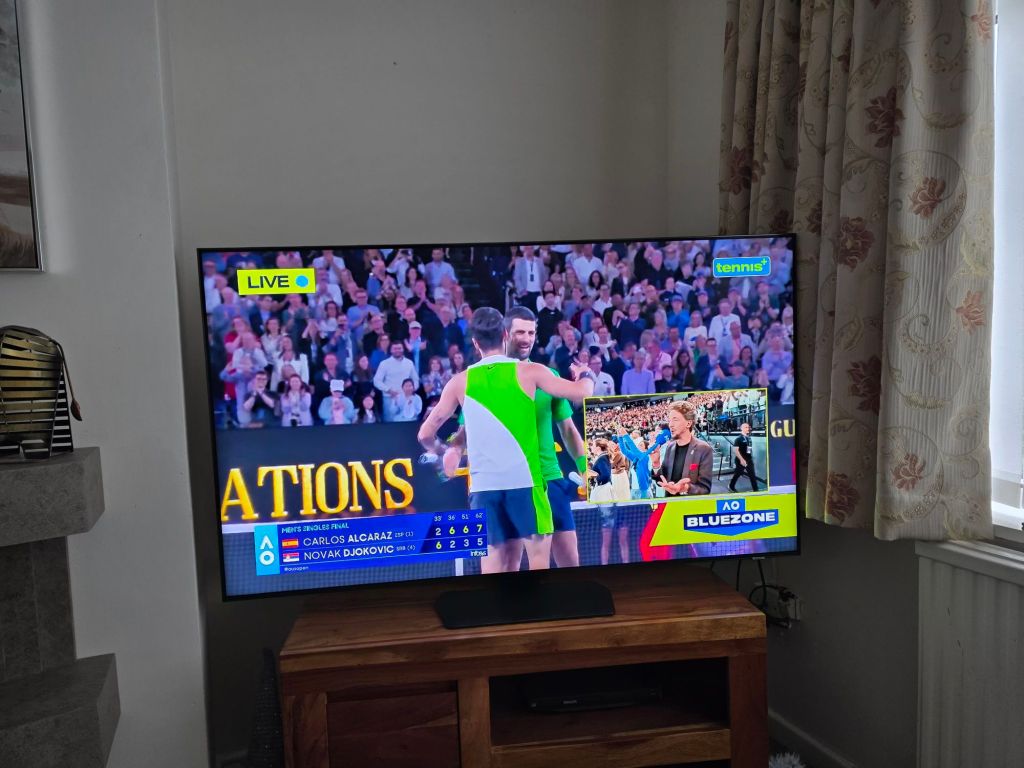
Carlos Alcaraz is the 2026 Australian Open Champion

Carlos Alcaraz is the 2026 Australian Open Champion

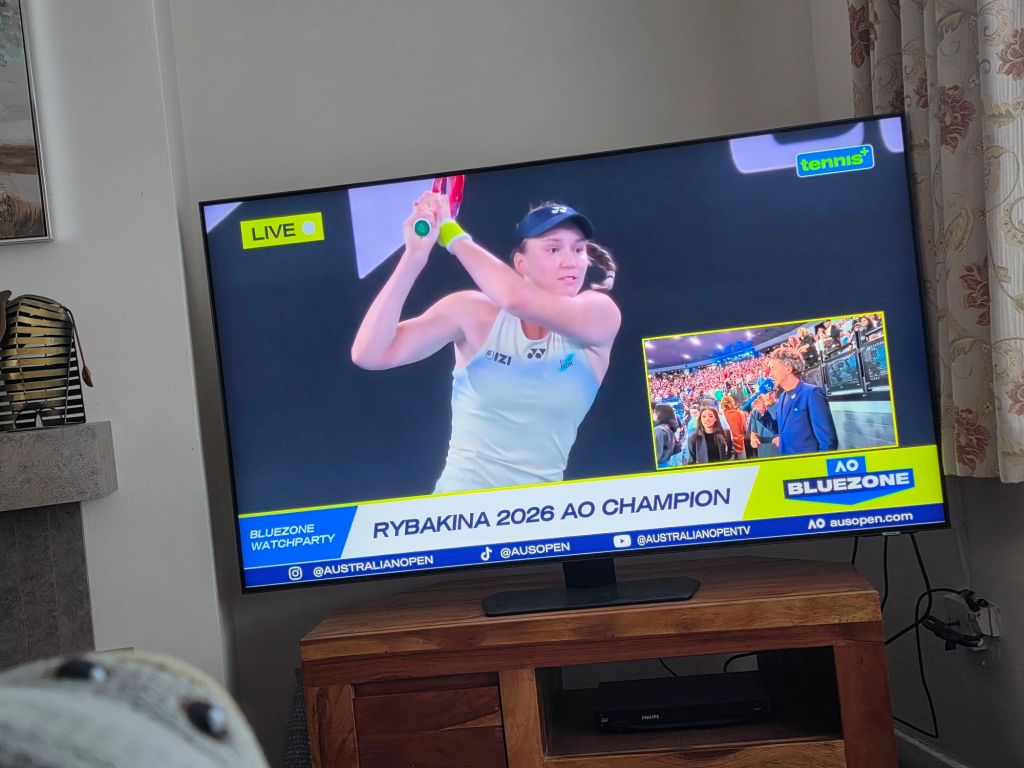
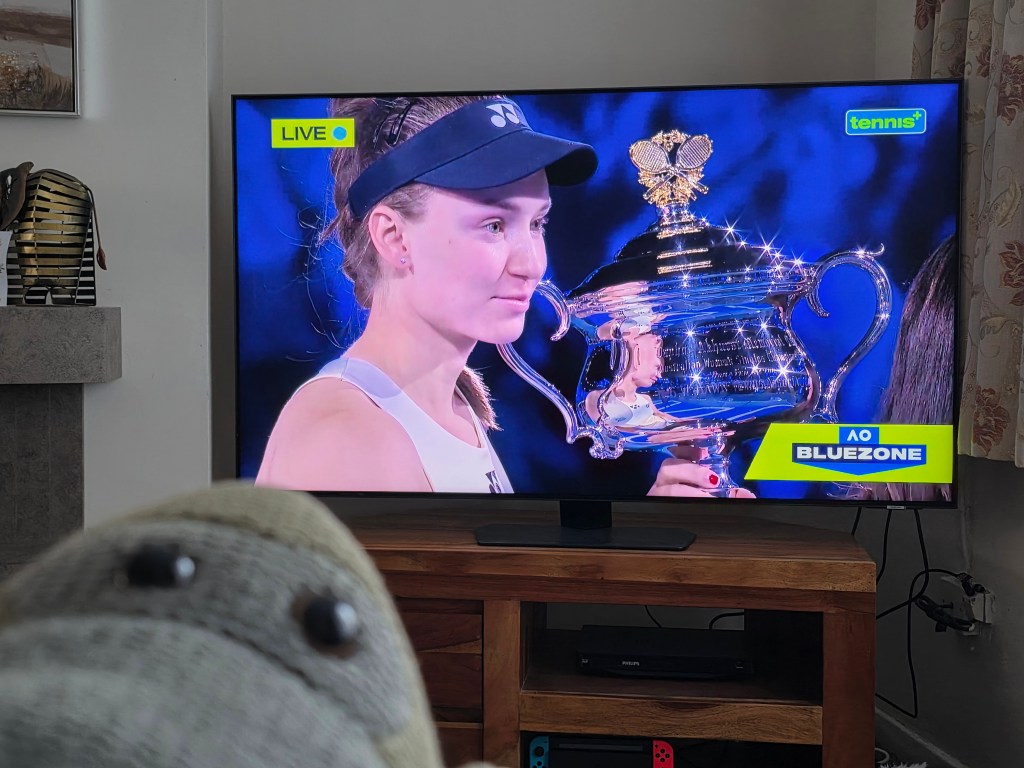
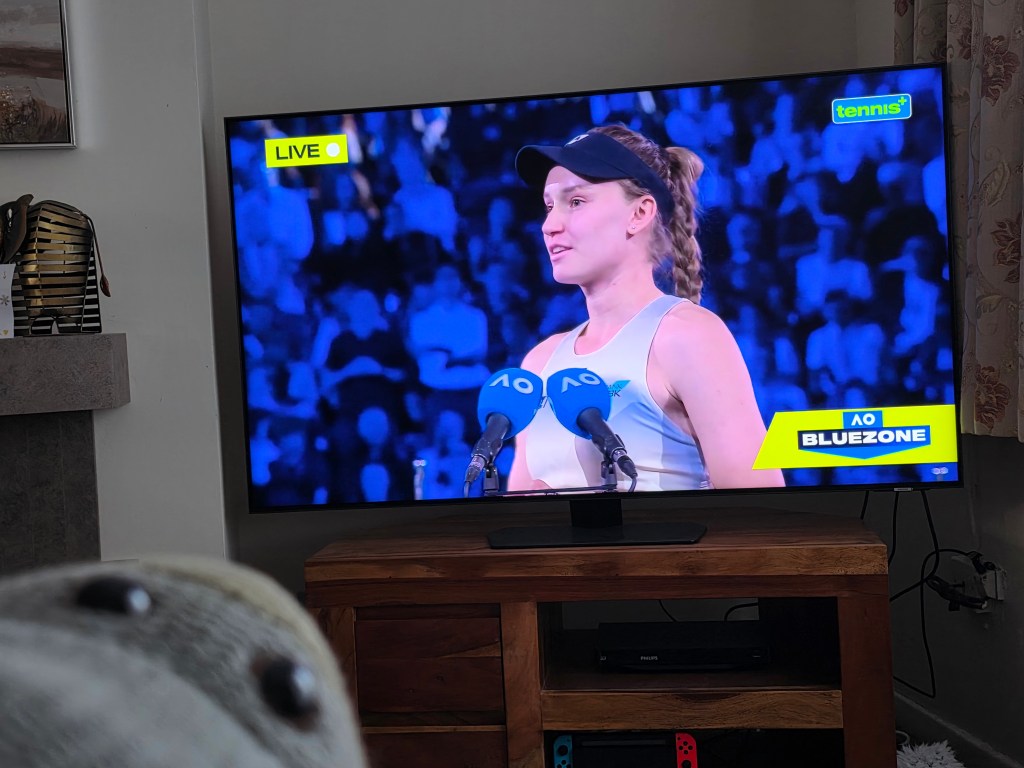
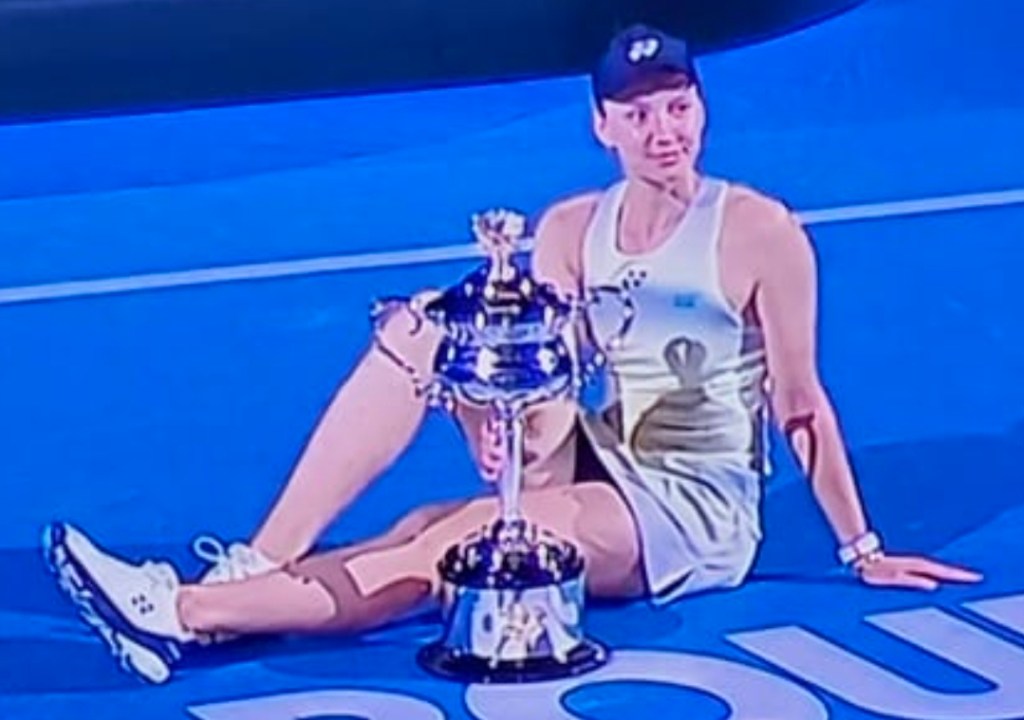
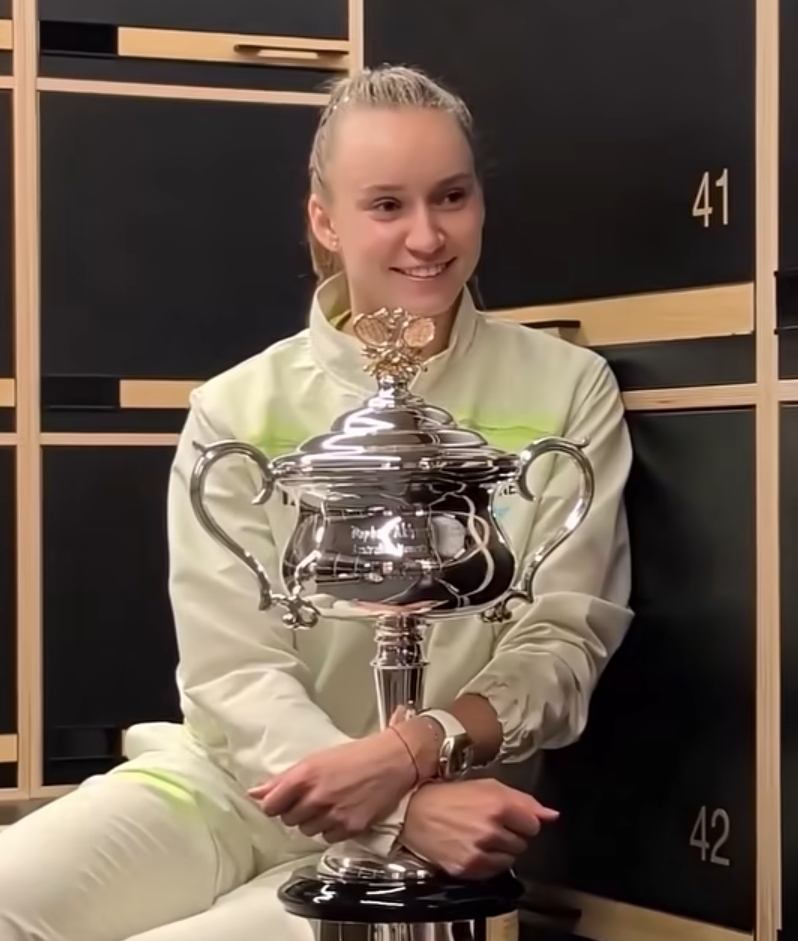
Elena Rybakina is 2026 Australian Open Champion – 31 January

Elena Rybakina is 2026 Australian Open Champion – 31 January

Jannik Sinner wins Men’s 2025 Wimbledon singles final

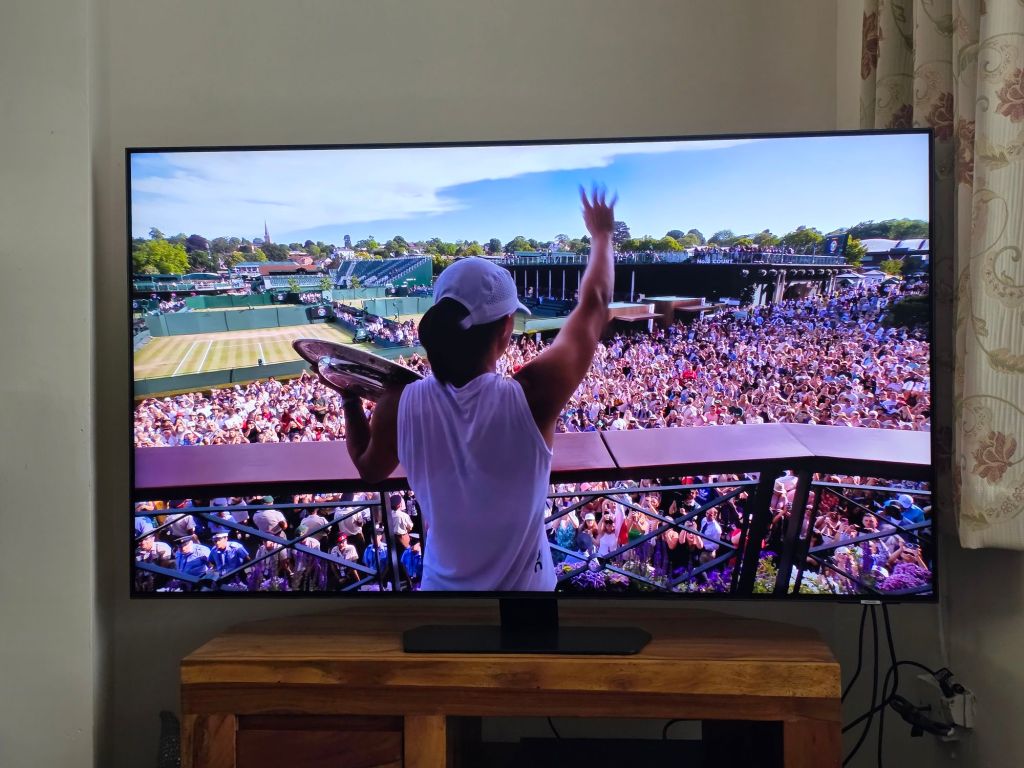
Iga Swiatek wins 2025 ladies Wimbledon final…

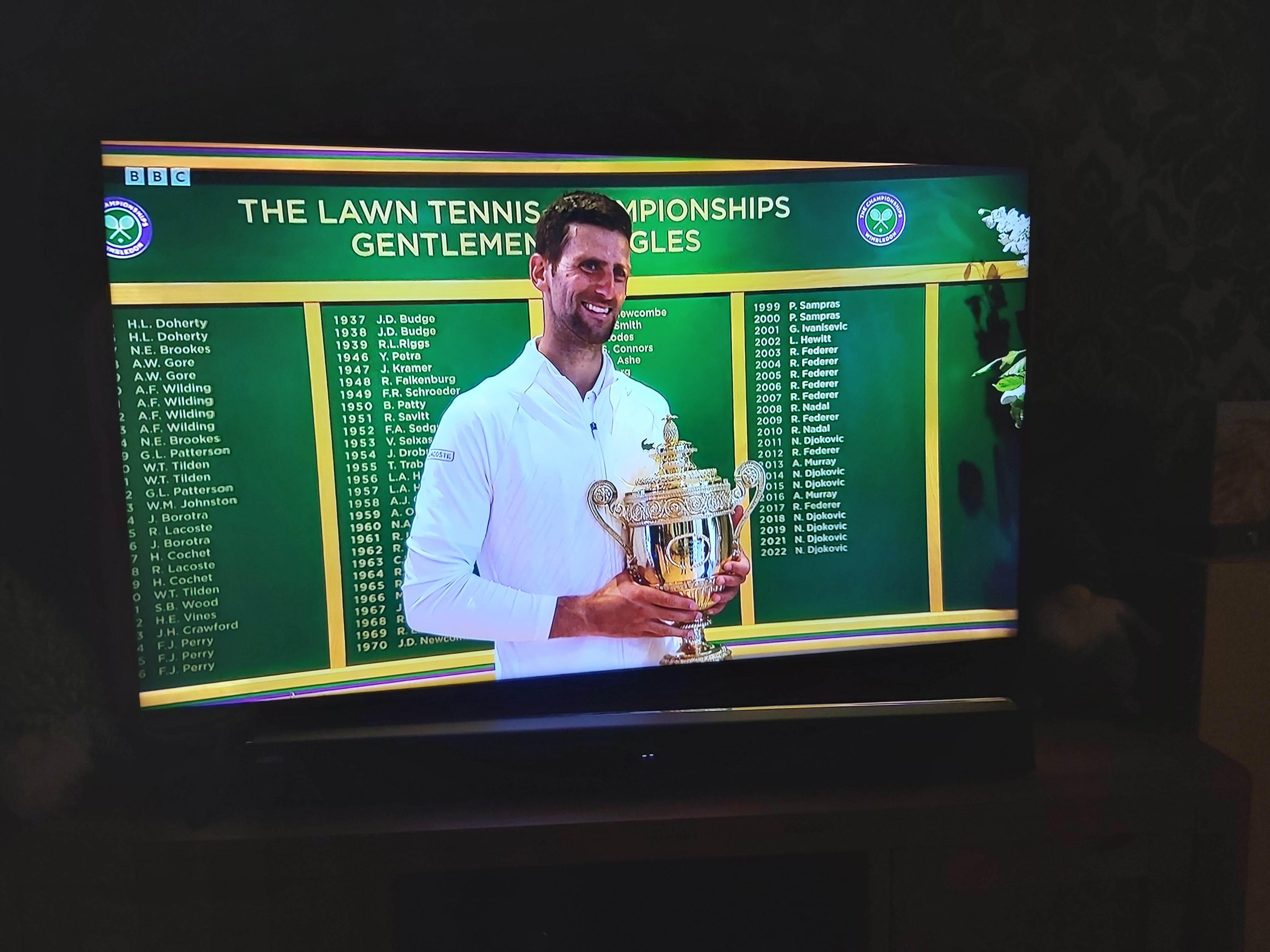
Novak Djokovic wins 2022 Mens Wimbledon final…

Elena Rybakina wins Ladies Wimbledon 2022 Final

Rafael Nadal ties Roger Federer’s all time record for the most Grand Slams men’s singles titles… #RolandGarros #GOAT #Tennis

1 set up for Nadal and 3 games to 1 in second… is Nadal joining Fed on 20 majors each…?

“Match Point: Roger Federer vs Rafa Nadal Wimbledon 2019 semi-final”