

The Liverpool docks system represents one of the world’s most significant maritime developments, evolving from a small tidal inlet into a 7.5-mile interconnected network that handled 40% of global trade by the late 19th century. Starting with the world’s first enclosed commercial wet dock in 1715, Liverpool pioneered dock technology and fireproof warehouse construction, eventually becoming the “New York of Europe”.
Timeline of Development by Era
1715–1815: The Rising Port & Global Trade
This era saw Liverpool’s rapid ascent driven by trade with the Americas and the city’s heavy involvement in the Atlantic Slave Trade.
- 1715: The Old Dock opens as the world’s first commercial wet dock, allowing ships to unload regardless of the Mersey’s high tidal range.
- 1753: Salthouse Dock (originally South Dock) opens to service the nearby saltworks.
- 1765: Three Canning Graving Docks are built for ship maintenance.
- 1771: George’s Dock opens (later the site of the Three Graces).
- 1788: King’s Dock opens.
- 1796: Queen’s Dock opens.
1815–1914: The “Western Gateway” & Technological Pioneer
Liverpool became the second port of the British Empire, serving as the main hub for the Industrial Revolution and mass emigration.
- 1821: Prince’s Dock opens.
- 1826: The Old Dock is filled in as it becomes too shallow; the Custom House is later built on the site.
- 1830: Clarence Dock opens specifically for steamships.
- 1832: Brunswick Dock opens.
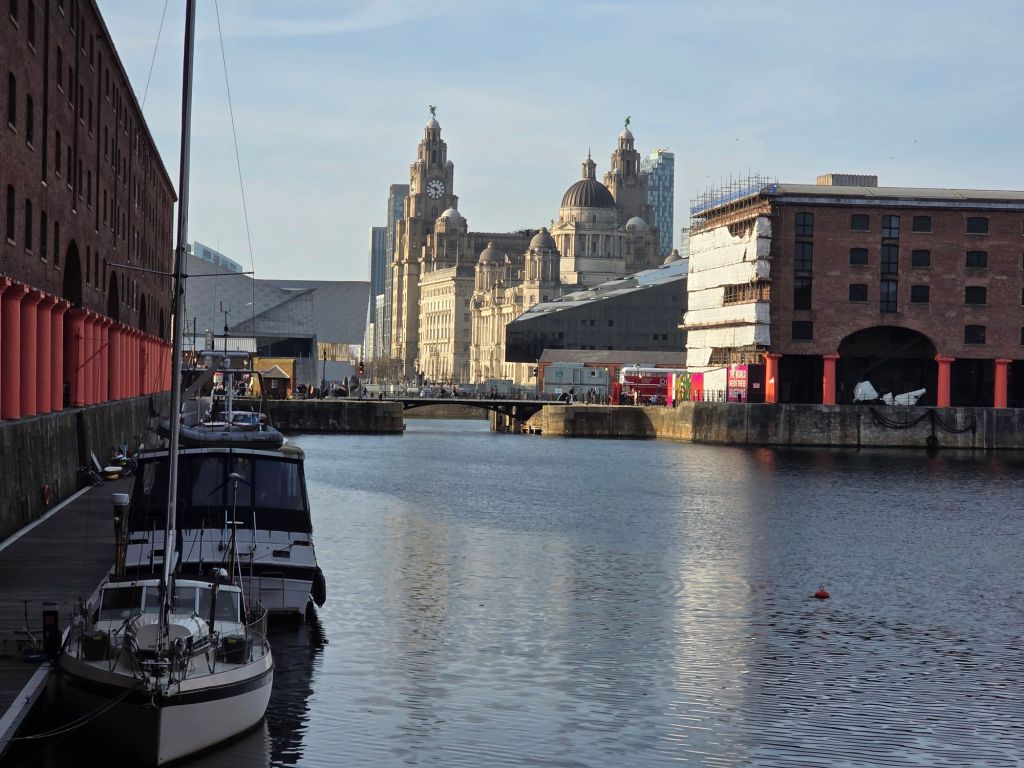
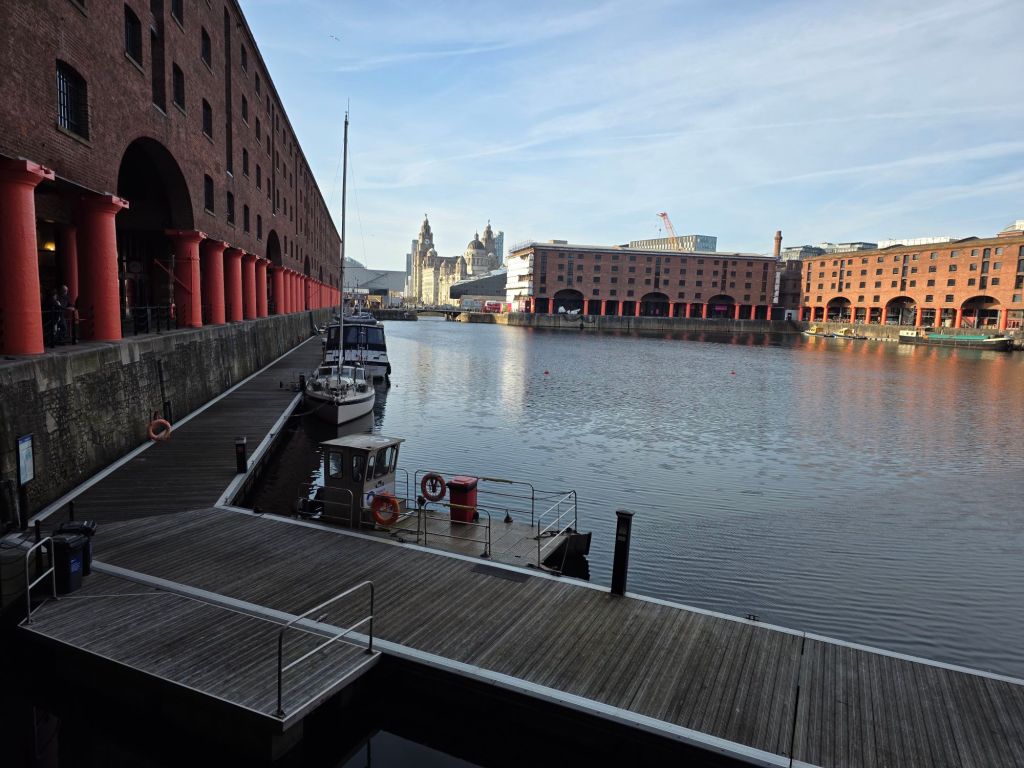
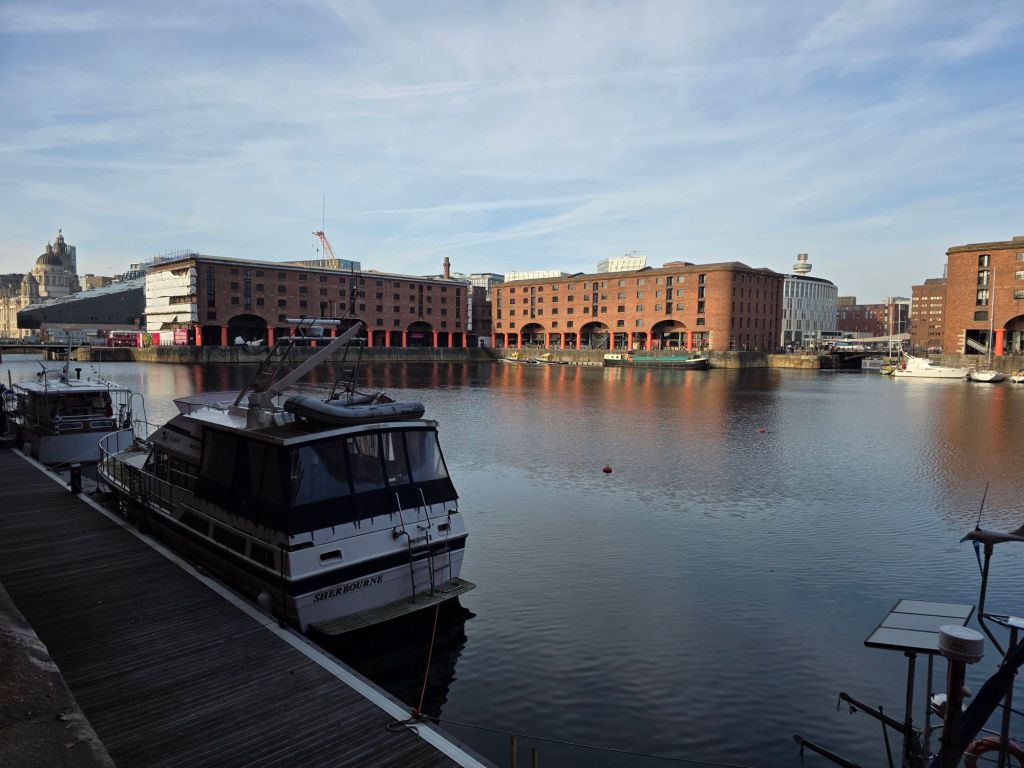
- 1846: The Royal Albert Dock is officially opened by Prince Albert, featuring the world’s first fireproof, non-combustible warehouse system.
- 1848: Stanley, Collingwood, Nelson, and Bramley-Moore docks open under engineer Jesse Hartley.
- 1852: Huskisson Dock opens.
- 1858: Canada Dock opens to handle the massive timber trade.
- 1879: Langton Dock opens.
- 1880: Alexandra Dock opens.
- 1893: The Liverpool Overhead Railway opens, the world’s first electric elevated railway, to transport workers along the 7-mile dock line.
- 1913: The Gladstone Graving Dock opens, then one of the largest in the world.
1914–1980s: Decline & Containerisation
Post-war economic shifts and the advent of large container ships made the central, narrow docks obsolete.
- 1927: Gladstone Dock complex is completed.
- 1941: Heavy bombing during the Liverpool Blitz damages the Custom House and many dock structures.
- 1971: The Albert Dock and most south docks close to commercial traffic.
- 1972: Seaforth Dock opens as a modern deep-water container and grain terminal at the mouth of the Mersey.
1981–Present: Regeneration & Modern Port
The derelict docks were transformed into cultural and residential hubs while the working port moved north.
- 1981: The Merseyside Development Corporation is formed to regenerate the abandoned waterfront.
- 1984: The first phase of the redeveloped Royal Albert Dock opens, coinciding with the Tall Ships Race.
- 1988: Tate Liverpool opens in the Albert Dock warehouses.
- 2004: Liverpool’s waterfront is designated a UNESCO World Heritage Site (status revoked in 2021).
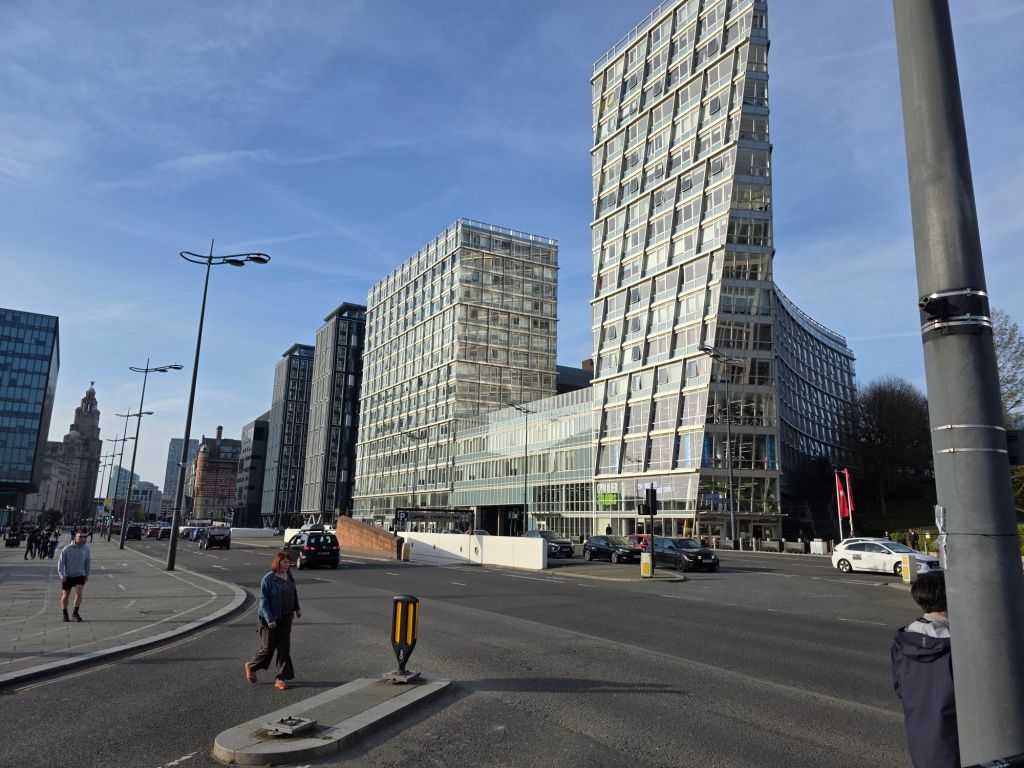
- 2009: The Liverpool ONE shopping complex is completed on the site of the Old Dock, with parts of the original dock walls preserved for tours.
- 2016: Liverpool2, a new deep-water container terminal, opens at Seaforth to handle the world’s largest ships.
For further reading on the structural and strategic history, you can find Liverpool Docks: A Short History by David Paul at Hive.co.uk or used copies at AbeBooks.co.uk.
Liverpool Docks Overview and Historic Timeline by Era and Year

 PROject Templates