

In PRINCE2, a project is managed through a series of management stages, which are discrete sections of a project that the Project Board authorises at specific decision points. Every PRINCE2 project must have at least two stages: an initiation stage and at least one further delivery stage.
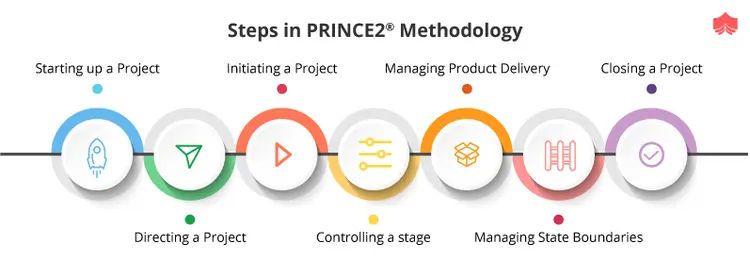
A detailed breakdown of these stages, aligned with the seven core PRINCE2 processes, is provided below.
1. Starting Up a Project (SU)
This is a pre-project process designed to determine if the project is viable and worthwhile before committing significant resources.
- Key Activities:
- Appointing the Executive and Project Manager.
- Developing an Outline Business Case.
- Creating a Project Brief which defines objectives and scope.
- Planning the initiation stage itself.
2. Initiating a Project (IP)
This represents the first management stage of the project. It establishes the firm foundation for the project’s execution.
- Key Activities:
- Creating the Project Initiation Documentation (PID), which includes the full Business Case, Project Plan, and management strategies for risk, quality, and communication.
- Setting up project controls and refining the project approach.
- Securing formal approval from the Project Board to proceed.
3. Directing a Project (DP)
This is an ongoing process that spans the entire project lifecycle, focusing on high-level decision-making by the Project Board.
- Key Activities:
- Authorising the project to start and approving each subsequent stage.
- Giving ad hoc direction and advice to the Project Manager.
- Making the final “stop/proceed” decisions at stage boundaries.
4. Controlling a Stage (CS)
This covers the day-to-day management of each delivery stage by the Project Manager.
- Key Activities:
- Assigning work to teams via Work Packages.
- Monitoring progress and managing risks and issues.
- Reporting status to the Project Board through Highlight Reports.
5. Managing Product Delivery (MP)
This process manages the link between the Project Manager and the Team Managers who are actually building the products.
- Key Activities:
- Teams accepting and executing Work Packages.
- Ensuring work meets the specified quality standards.
- Delivering completed and tested products back to the Project Manager.
6. Managing a Stage Boundary (SB)
This occurs at the end of each stage (except the final one) to help the Project Board decide whether to continue.
- Key Activities:
- Reporting on the performance of the current stage.
- Creating a detailed Stage Plan for the next stage.
- Updating the overall Project Plan and Business Case with the latest information.
7. Closing a Project (CP)
This is the final part of the last management stage, ensuring the project is shut down in a controlled manner.
- Key Activities:
- Confirming all products have been accepted by the customer.
- Capturing Lessons Learned for future projects.
- Preparing an End Project Report to evaluate performance against the original plan.
PRINCE2 Management Stages Overview

 PROject Templates