

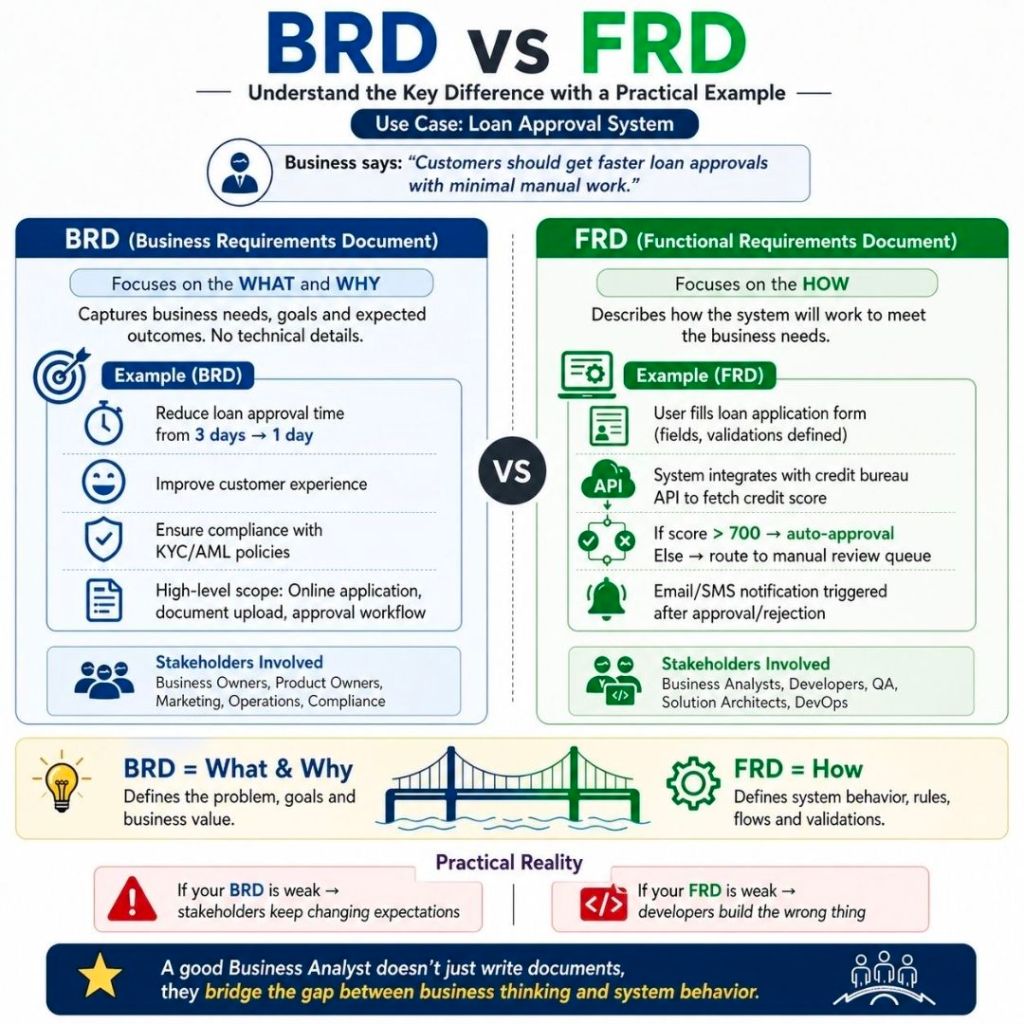
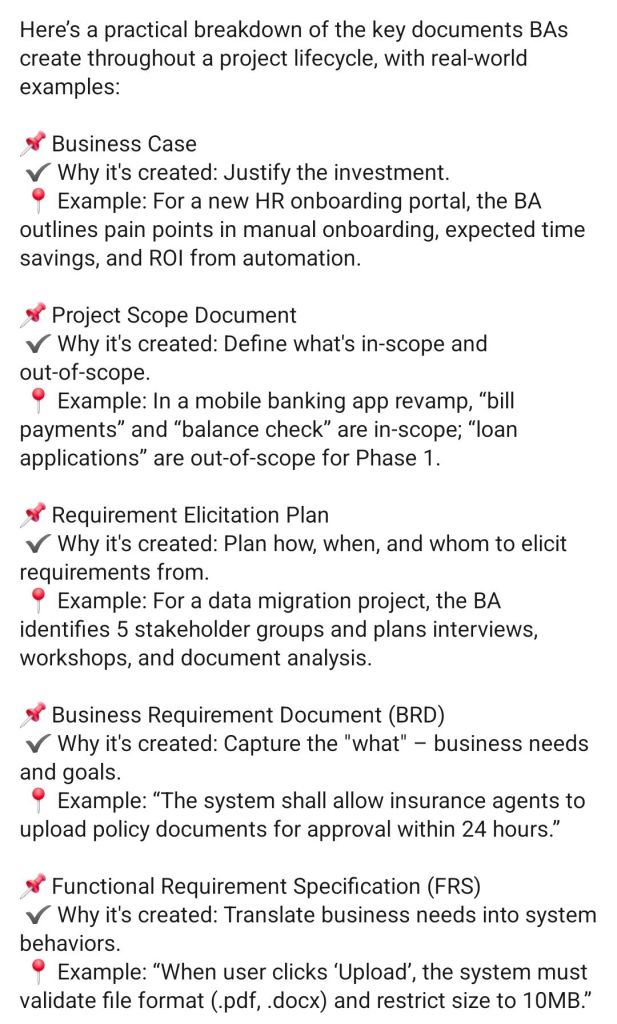
The primary difference between a Business Requirement Document (BRD) and a Functional Requirement Document (FRD) is that the BRD focuses on “why” a project is needed (business objectives), while the FRD details “how” the system will work to meet those needs. The BRD serves stakeholders and leadership, whereas the FRD guides developers and technical teams.
Key Differences at a Glance:
- BRD (Business Requirements Document):
- Goal: Defines business objectives, goals, and high-level needs.
- Focus: “What” the business wants to achieve.
- Audience: Stakeholders, Project Sponsors, Project Managers.
- Key Content: Business problem, scope, ROI, high-level project goals.
- FRD (Functional Requirements Document):
- Goal: Translates business needs into detailed technical functionalities.
- Focus: “How” the system will perform to meet requirements.
- Audience: Developers, Testers, Technical Team, Business Analysts.
- Key Content: Feature descriptions, user interactions, system workflows, data requirements, UI mockups.
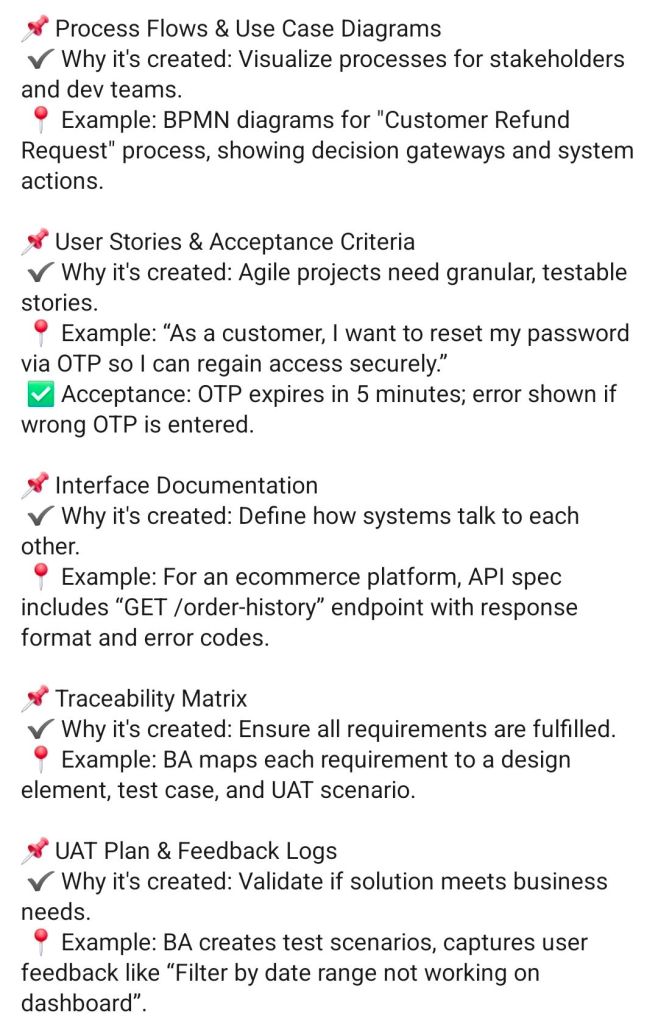
How They Work Together:
The BRD is created first to get approval for the project, while the FRD is developed based on the approved BRD. The FRD ensures the project is actionable, testable, and feasible. In Agile, these are often combined into smaller artifacts like User Stories.

