HPE NonStop Tandem represents a line of fault-tolerant, high-availability servers

HPE NonStop (formerly Tandem) represents a line of fault-tolerant, high-availability servers designed for 24/7, zero-downtime operations. Originally created by Tandem Computers in 1974, the architecture is now owned by Hewlett Packard Enterprise (HPE) and supports mission-critical workloads like banking and finance. 

Key Aspects of HPE NonStop (Tandem):

  • Continuous Availability: Designed to eliminate single points of failure with 100% fault tolerance.
  • Architecture: Initially used a proprietary Tandem T/16 design; modern systems are based on HPE Integrity/x86 architectures.
  • Operating System: Traditionally runs the Guardian OS, which handles the system’s specialized, continuous processing capabilities.
  • Evolution: Founded by James Treybig in 1974, Tandem was acquired by Compaq in 1997, which then merged with HP in 2002.
  • Applications: Ideal for transactional applications requiring strict data integrity and real-time processing.
  • Modern Platforms: Current systems include HPE NonStop Compute NS9 X5 and NS5 X5. 

The systems are still widely used today for mission-critical applications that cannot afford to be offline. 
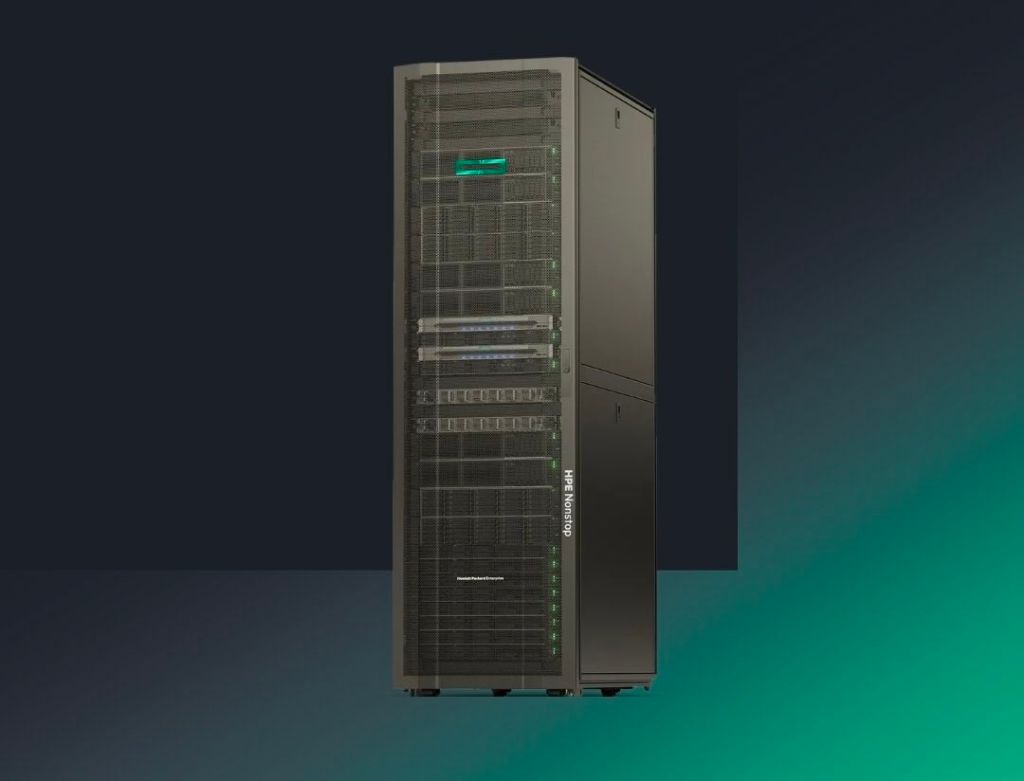
HPE NonStop (formerly Tandem) represents a line of fault-tolerant, high-availability servers.

HP NonStop (HPE) fault tolerant servers originally developed by Tandem Computers – Summary

My IT career between the years 1990 and 2014, involved significant programming and large projects for Tandem HP NonStop servers.

HP NonStop Tandem Computers

HP NonStop refers to the line of fault-tolerant servers and software originally developed by Tandem Computers and now owned by Hewlett Packard Enterprise (HPE). These systems are designed for continuous operation and uninterrupted transaction processing by using redundant hardware components and independent processors to automatically failover in the event of a failure, ensuring high availability for critical applications in banking, telecommunications, and healthcare. 

Origins and Evolution

  • Tandem Computers: Founded in 1974, Tandem introduced the NonStop system, a pioneering fault-tolerant computer with no single point of failure, revolutionizing continuous availability for online transaction processing. 
  • Acquisitions: Tandem Computers was acquired by Compaq in 1997, and Compaq was later acquired by Hewlett-Packard (HP) in 2001. 
  • Current Ownership: After the split of HP into Hewlett Packard Enterprise (HPE) and HP Inc. in 2015, the NonStop product line became part of HPE. 

Key Features and Uses

  • Fault Tolerance: The systems are built with redundant components, including identical processors and storage devices, allowing them to automatically detect and recover from hardware or software failures without interruption. 
  • High Availability: This fault-tolerant architecture is ideal for mission-critical applications that require constant uptime, such as financial transactions, emergency services, and large-scale banking systems. 
  • Scalability: NonStop systems are designed for scalability, able to handle large commercial workloads by adding independent processors. 
  • Dedicated Operating System: Historically, NonStop systems ran on proprietary software like the Guardian operating system and used the TAL programming language
  • Specialized Database: The line includes NonStop SQL (currently SQL/MX), a relational database designed for the high availability and scalability needs of these systems.