

The timeline of the BBC Micro and the Computer Project (CLP) represents a pivotal era in British computing, moving from early industrial machines to a generation-defining home computer.
Pre-Launch & The Need for Literacy (1974–1980)
- 1974: Ceefax launches as the world’s first teletext service, introducing interactive TV concepts.
- 1978: Acorn Computers is founded in Cambridge; the BBC initiates its Computer Project to address the UK’s lack of digital preparedness.
- 1979: A BBC report warns that the silicon chip will radically change the workplace, prompting the need for a national awareness campaign.
- 1980: After the “New Brain” computer project fails to meet requirements, the BBC searches for a British manufacturer to build a custom machine.
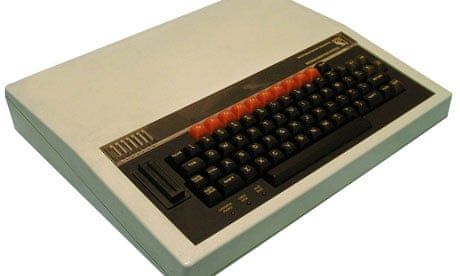
The Golden Era: The BBC Micro (1981–1985)
- 1981: Acorn wins the contract in March with its “Proton” prototype. The BBC Micro Model A (£299) and Model B (£399) are officially launched in December.
- 1982: The BBC Computer Literacy Project (CLP) formally launches with the TV series The Computer Programme. Over 500,000 machines are sold this year as the “Beeb” enters most UK schools.
- 1983: The Acorn Electron is launched in August as a budget-friendly home version of the BBC Micro. New series Making the Most of the Micro begins.
- 1984: High-speed expansion continues; 1,000 dealers operate in the US, and production reaches thousands of units per month in India and Mexico.
- 1985: The BBC Micro achieves its goal: at least one machine is present in every British school.
Expansion & The Move to 16-Bit (1986–1990s)
- 1986: Launch of the Domesday Project, a massive digital snapshot of Britain stored on Laservision discs and accessed via BBC Micros.
- 1987: The Acorn Archimedes is launched, introducing the revolutionary RISC architecture (the precursor to modern ARM chips).
- 1989: The official CLP project concludes after nearly a decade of programming and hardware releases. The domain bbc.co.uk is registered.
- 1997: The BBC website is established, transitioning the corporation’s digital focus from hardware to the internet.
The Modern Legacy (2016–Present)
- 2016: The BBC micro:bit is released—a pocket-sized, programmable computer distributed free to one million Year 7 students to continue the legacy of coding literacy.
- 2018: The BBC Computer Literacy Project Archive is made public, allowing users to watch old programmes and run original 8-bit software in modern browsers.
BBC Micro Home Computer and the Computer Project (CLP) timeline

 PROject Templates