

Llandudno, often called the “Queen of the Welsh Watering Places,” is a prominent seaside resort on the Creuddyn Peninsula in North Wales. Planned specifically as a mid-Victorian holiday destination, the town is renowned for its well-preserved 19th-century architecture, sweeping promenade, and the towering limestone headland of the Great Orme.
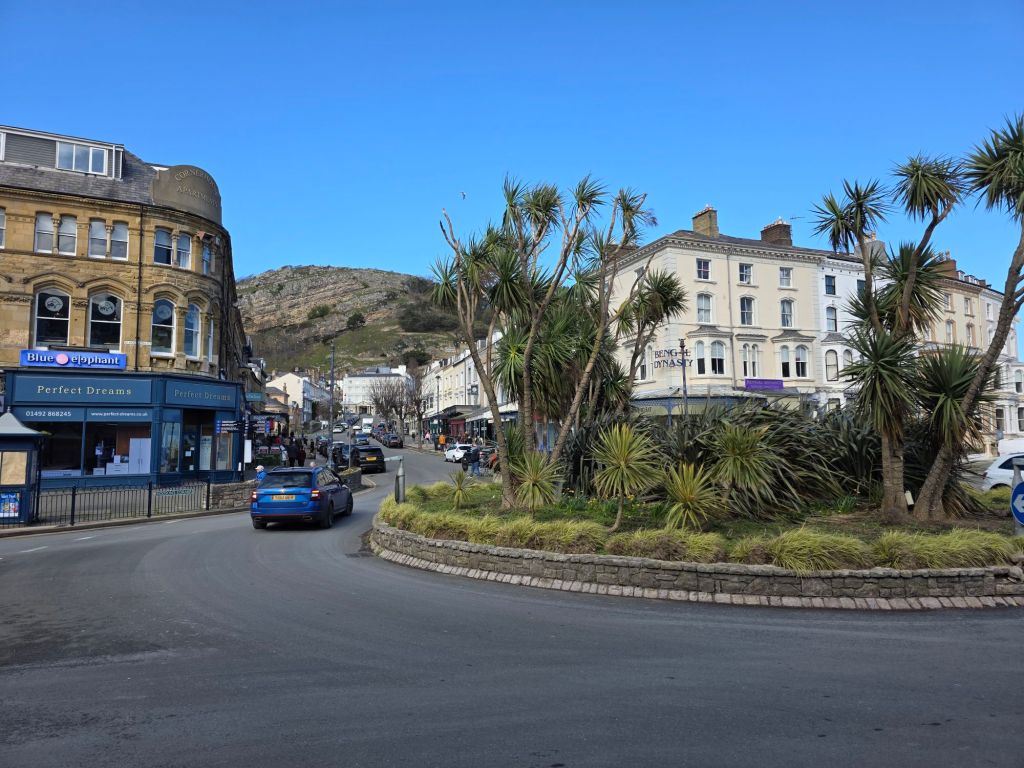
Historical Timeline by Era
Ancient & Medieval (Prehistory – 1800s)
- Bronze Age (c. 2000 BCE): Extensive copper mining begins on the Great Orme; these are now recognized as the world’s oldest known copper mines.
- 6th Century: St Tudno establishes a church on the Great Orme, giving the town its name (“Church of Saint Tudno”).
- 1284: King Edward I conveys the Manor of Gogarth to the Bishop of Bangor.
- Early 1800s: Kashmiri goats are introduced to the Great Orme, later becoming an iconic symbol of the town.
The Victorian Transformation (1840 – 1901)
- 1840: St George’s Church is built to serve the growing village.
- 1848: Architect Owen Williams presents development plans to Lord Mostyn to turn the marshlands into a resort.
- 1858: The railway branch line from Llandudno Junction opens, making the resort accessible to wealthy tourists from Liverpool and Manchester.
- 1862: The Great Orme Lighthouse is built by the Mersey Docks and Harbour Board.
- 1877/1878: The Llandudno Pier opens (700 metres long) and the Marine Drive carriage road around the Great Orme is completed.
- 1887: Happy Valley is gifted to the town by Lord Mostyn for Queen Victoria’s Golden Jubilee.
- 1890s: A large Jewish community settles in Llandudno, escaping persecution in Eastern Europe.
Modern & Contemporary (1902 – 2026)
- 1902: The Great Orme Tramway—the UK’s only cable-operated street tramway—opens.
- 1914–1918 (WWI): Hotels are converted into hospitals; the 1st (North Wales) Brigade is headquartered here.
- 1940–1945 (WWII): The town hosts the Coast Artillery School and becomes a haven for those escaping the London Blitz.
- 1956: The electric tramway service to Colwyn Bay closes.
- 1963: The Beatles perform in Llandudno; the Welsh National Eisteddfod is held in Happy Valley.
- 1986: The first Llandudno Victorian Extravaganza is held to celebrate the town’s heritage.
- 1994/2006: The North Wales Theatre opens, later expanded and renamed Venue Cymru.
- 2017: A new lifeboat station is completed on the North Shore.
- 2022: Llandudno officially twins with Champéry, Switzerland.
- 2023–2026: Venue Cymru becomes the permanent home for the Welsh Open snooker tournament (February).
- 2026 (Scheduled):
- February: Nick Beer 10K (Feb 15) and Welsh Open Snooker (Feb 23–Mar 1).
- May: Victorian Extravaganza and Transport Festival (May 2–4).
- June: Llandudno Triathlon & Duathlon (Jun 28).
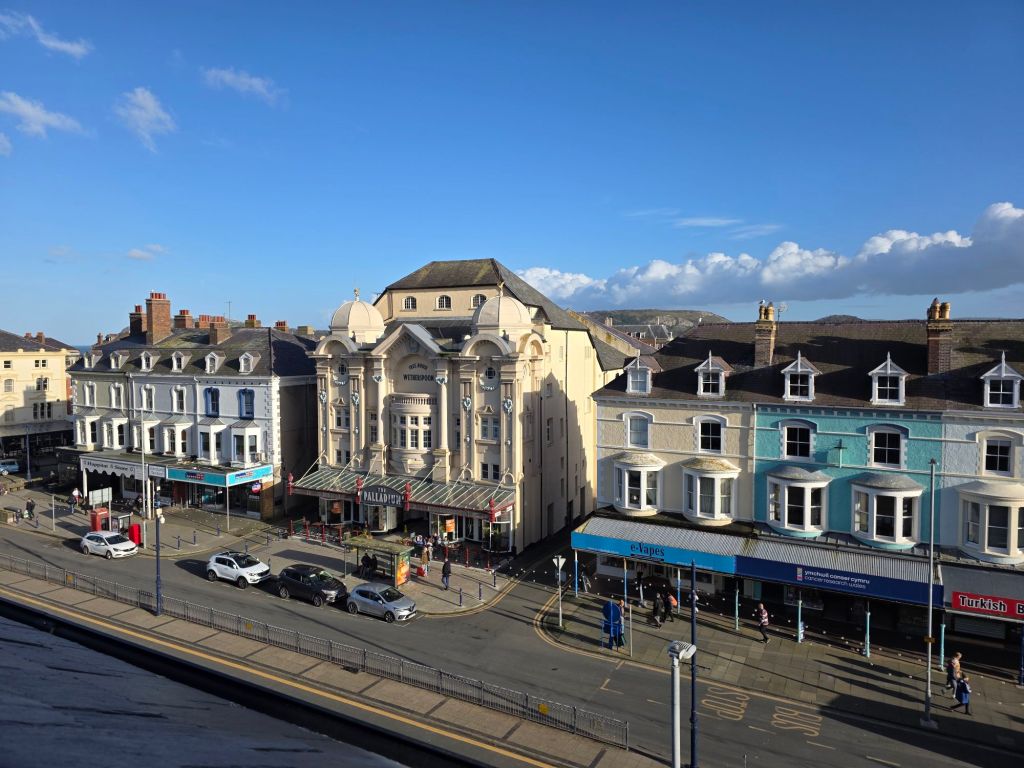
The Palladium in Llandudno, a Grade II listed building, was transformed into a JD Wetherspoon pub in 2001. The following timeline outlines its history from its origins as a grand theatre to its current use.
The Palladium Timeline
- 1920: The Palladium Theatre opens on the site of the former 1894 Market Hall. Designed by Arthur Hewitt, it originally featured 1,500 seats across three levels: stalls, dress circle, and balcony.
- 1972: The building is subdivided for multi-purpose use. Bingo is introduced in the former stalls area, while a 600-seat cinema occupies the circle area.
- 1999: The venue, then owned by Apollo Leisure, officially closes on 8th September.
- 2000: The building is purchased by JD Wetherspoon for conversion into a pub.
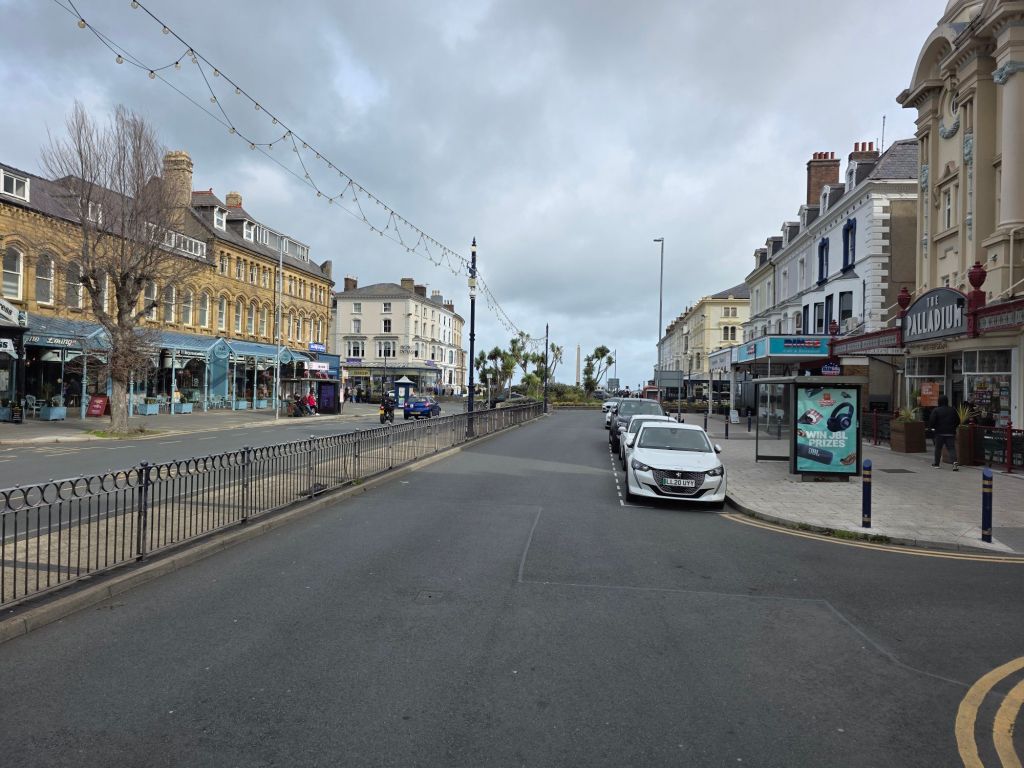
- 2001: Following a restoration project that returns the auditorium to a single open space, the Wetherspoon pub reopens on 22nd August – see picture above taken March 2026.
- 2012–2013: A significant restoration of the exterior is completed to maintain the building’s historic facade.
- 2024–2025: Wetherspoon invests approximately £1 million in a major refurbishment, focusing on the preservation and restoration of the heritage ceiling and the proscenium arch.
Visiting The Palladium
- Location: Gloddaeth St, Llandudno LL30 2DD
- Type: Wetherspoon Pub in a converted Grade II listed theatre.
- Features: Retains original theatrical character including painted ceilings, balcony details, and original seating.
- Hours: Generally open from 8:00 am daily, closing at midnight or 1:00 am on weekends.







 PROject Templates