

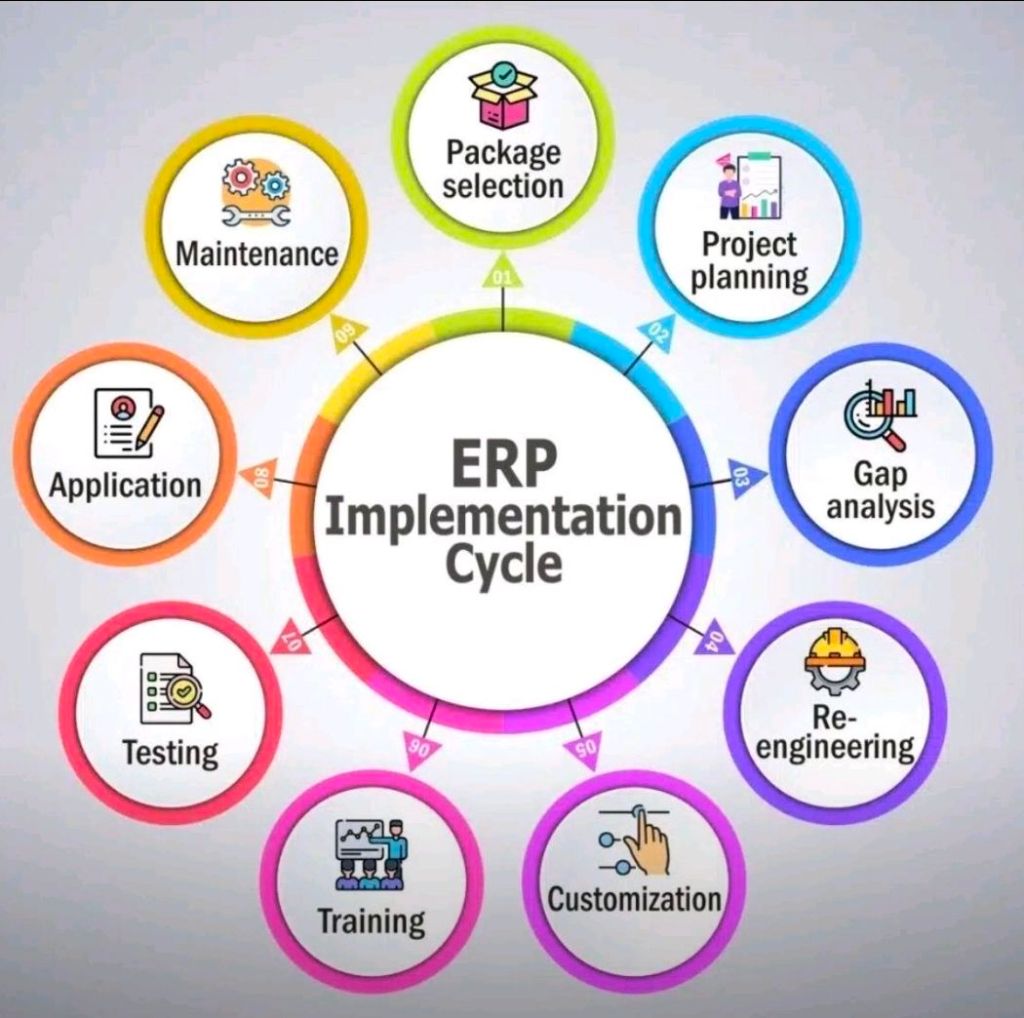
ERP stands for Enterprise Resource Planning, a software system that integrates and manages a company’s core business processes, such as finance, HR, manufacturing, and supply chain, into a single, unified platform.
By using a central database, an ERP system provides real-time data visibility, standardizes processes, and enables seamless communication across different departments, helping organizations operate more efficiently.
What ERP systems do:
Integrate business functions: ERP systems break down information silos by connecting various departments like sales, accounting, and human resources.
Provide a single source of truth: A shared database ensures that everyone in the organization uses the same, accurate information for their work.
Streamline operations: By automating processes and offering synchronized reporting, ERP systems improve productivity and agility.
Offer real-time visibility: Stakeholders can access up-to-date information on business performance at any time, aiding in decision-making and planning.
Common ERP modules and functions include:
Finance: Managing accounting, budgeting, and financial reporting.
Human Resources (HR): Handling payroll, employee data, recruitment, and workforce management.
Manufacturing: Supporting materials planning and production processes.
Supply Chain Management: Integrating inventory, procurement, and order management.
Sales and Customer Relationship Management (CRM): Streamlining sales processes and managing customer interactions.

 PROject Templates